Tackling Poverty, Transforming Lives: Child Poverty in Romania
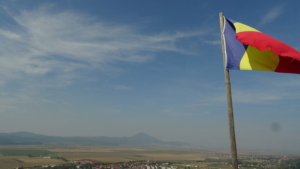 Romania is a high-income economy with a high human development ranking. However, almost half of the 4 million children living in the country are at risk of child poverty in Romania. To combat this issue, FARA, a nongovernmental organization (NGO) founded in the U.K., offers a variety of practical solutions to give a range of vulnerable groups the best start in life.
Child Poverty in Romania
According to UNICEF, during 2019-2021, 29% of Romanian children were living in relative income poverty, the highest of all member states of the EU. It also noted that Romania had the most cases of persistent child poverty, which amounted to 25% of all children. UNICEF explains that prolonged periods of poverty throughout childhood can exacerbate the disadvantages already created by poverty and provide particularly negative outcomes for children in the future.
One of the reasons for this particularly high rate of child poverty may be the limited impact of social protection benefits on the issue, according to UNICEF. Eurochild calls for investments in social infrastructure to address the needs of vulnerable children in Romania, especially those belonging to minority groups such as Roma.
FARA
FARA, which means “without” in Romanian, is an NGO focusing on breaking the cycle of poverty experienced by children in Romania. Jane Nicholson founded the organization in 1991 and was appalled to find out about the extreme cruelty inflicted within state-run orphanages during the dictatorship of Nicolae Ceaușescu, FARA states on its website.
Since its founding, all of the services FARA provides continue to match her initial ethos that abandoned children should have access to quality education and live in places that resemble families, not institutions.
FARA believes that to break the cycle of poverty, children must complete their education. According to UNICEF via FARA, an extra year of school attendance could increase a child’s future income by 8% to 9% and reduce their risk of unemployment by 8%. FARA has identified key groups that currently face barriers to their education. These include children from poor families and communities such as Romani, vulnerable children and children with disabilities.
Tackling Poverty Through Education
Tackling Poverty Through Education is FARA’s flagship program which assists 300 children and their families in nursery and primary schools in rural communities across Northern Romania. To help children start and stay in school, FARA offers a free program that employs teachers, catering staff and social workers in schools across rural communities, according to its website.
As part of this program, FARA provides children from poor families with free school meals which both fuels them for a day of learning and encourages their parents to send them off to school. In addition to appropriate nutrition, the program also provides pastoral care and support to children and their families to strengthen family ties and prevent school dropouts. The organization hopes to expand beyond the 300 children it assists in the next decade.
FARA Family Homes
According to FARA, “Romania has one of the largest alternative care systems in the EU.” Figures from the Romanian Government and UNICEF show that over 56,000 children receive some form of support, with 18,000 living in foster care, 13,900 in kinship care and 18,500 in state-run institutions. According to UNICEF via FARA, for a child under the age of three, spending three months in an institution can delay their physical development by one month and may also pose a risk to their cognitive and language development.
As one of few NGOs providing an alternative to state care in Romania, FARA’s children’s homes are modeled on the principle of giving a “family for those without.” FARA’s current home, St Nicholas, which can accommodate 12 children and three students, provides a caring and loving environment for children over the age of three. The children get accommodation until their mid-20s to ensure that they receive support in their pursuit of further education and have the best chance of finding a future career. Over the years, more than 70 children have received support through FARA Family Homes, according to its website.
Therapy for Children with Disabilities
There are approximately 72,000 children registered as disabled in Romania, many of whom are unable to access mainstream education. Children with disabilities face negative attitudes, daily discrimination and costly health care, causing them to be one of the most marginalized groups in Romanian society. The combination of these barriers to success significantly endangers the development and life of disabled children and their families.
FARA offers a lifeline of support for isolated children and their families through their three therapy centers in Bucharest and Suceava District in the northeast of Romania. According to FARA, every week the centers support 228 children by providing them with physio, speech and sensory therapies for various disabilities. It also provides social support for their families, ensuring they can meet their children’s needs. In the last decade, 630 disabled children have accessed therapy in FARA centers, with 67% of those children going on to enroll in kindergartens and mainstream schools.
In addition to these three main groups, FARA also helps “youth at risk and adults with learning disabilities.”
A Brighter Future
Although child poverty remains a prevalent issue in communities across Romania, NGOs such as FARA are working hard to ensure that every child has the best chance at life. Hopefully, going forward, the government can improve the social infrastructure to create more effective welfare solutions to ensure every child receives the education and support they need, which could further help alleviate child poverty in Romania.
– Carla Messinger
Carla is based in Oxford, UK and focuses on Global Health and Politics for The Borgen Project.
Photo: Flickr
