Shedding Light on Period Poverty in Rwanda
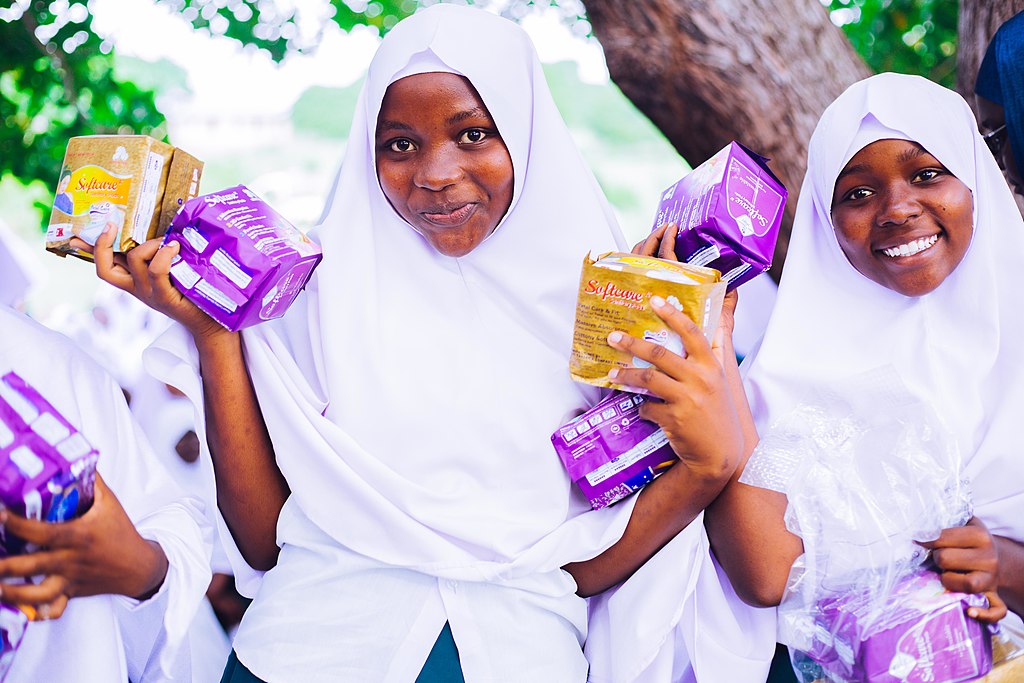 According to the U.N. Women, period poverty is “the inability to afford and access menstrual products, sanitation and hygiene facilities and education.” Period products range from tampons to painkillers to heating pads. In Rwanda, period poverty affects an estimated 18% of the female population.
Alternative Materials: The Risk
Without access to menstrual products, many women use alternative materials (e.g. newspaper), and for longer than the recommended three hours per pad/tampon, increasing “the risk of infection such as urinary tract infection and bacterial vaginosis.” However, period poverty in Rwanda needs a solution because of more than sanitation issues. Due to their periods, the 18% of girls impacted have no choice but to stay home from school, missing four to seven days a month. This, in turn, hinders their chances of securing a job once they graduate, according to Together Women Rise.
Menstrual products are no different, nor less crucial, than toothbrushes, deodorant and vaccines, but are severely undermined as a streamlined necessity.
Stigma and Accessibility
Menstruation is often a taboo topic for some people. Whether due to cultural standards or general omission from the discussion, this has led to “characterizing the menstruating bodies as abnormal or abject.” As a result, problems relating to menstruation are rarely topics of discussion either, including period poverty in Rwanda. Furthermore, women who need to find these products cannot ask their peers, as menstrual health comes with a stigma, hindering their access to pads and tampons as well.
For the small percentage of Rwandans who can access menstrual resources, their products remain largely unaffordable, as “a pack of sanitary pads costs…roughly a day’s wage for many women,” according to Together Women Rise. Note that sanitary pads and tampons are the most popular period products to buy.
The Good News
Menstrual stigma, as a worldwide hurdle, is slowly declining in the wake of various policies and advocacy efforts. The PLOS Global Public Health is taking recent strides toward making menstrual health a top priority. One policy regarding period poverty is “the Kenyan Policy for Menstrual Hygiene Management” whose primary focus is providing Kenyan schoolchildren with menstrual education. If successful, they plan to expand such policies to other countries.
Outside of awareness efforts, nonprofits are also beginning to include period kits as items to donate along with their international aid. Days for Girls, an organization whose donations only go toward period products, takes the stage as a top contender for ending period poverty. According to its 2022 report, the organization distributes period products to more than 294,000 individuals globally per year. Best yet, it has a history of efforts going to girls in Rwanda since 2015.
In manufacturing eco-friendly products, Days for Girls tackles all angles of period poverty in Rwanda. Like most developing countries, general sanitation is as much a problem as period poverty, so by limiting the number of pads that get discarded, they also reduce the amount of trash otherwise accumulating from menstruation.
Closing Words
Period poverty in Rwanda is a concurrent issue affecting many of the lives of girls and women there. Rwandans are struggling to afford these products, and hence, often skip school or use unsafe materials like socks and newspapers. The good news is that institutions are increasingly turning their attention to supplying sanitary pads and spreading overall awareness of menstrual health. In ending both the lack of access and stigma on periods, and giving period poverty the attention it deserves, Rwandan women will thrive knowing they don’t have to choose between education, their safety and health care.
– Nadia Haeryfar
Nadia is based in Ashford, CT, USA and focuses on Technology and Global Health for The Borgen Project.
Photo: Wikipedia Commons
