The Current State of HIV/AIDS in Algeria
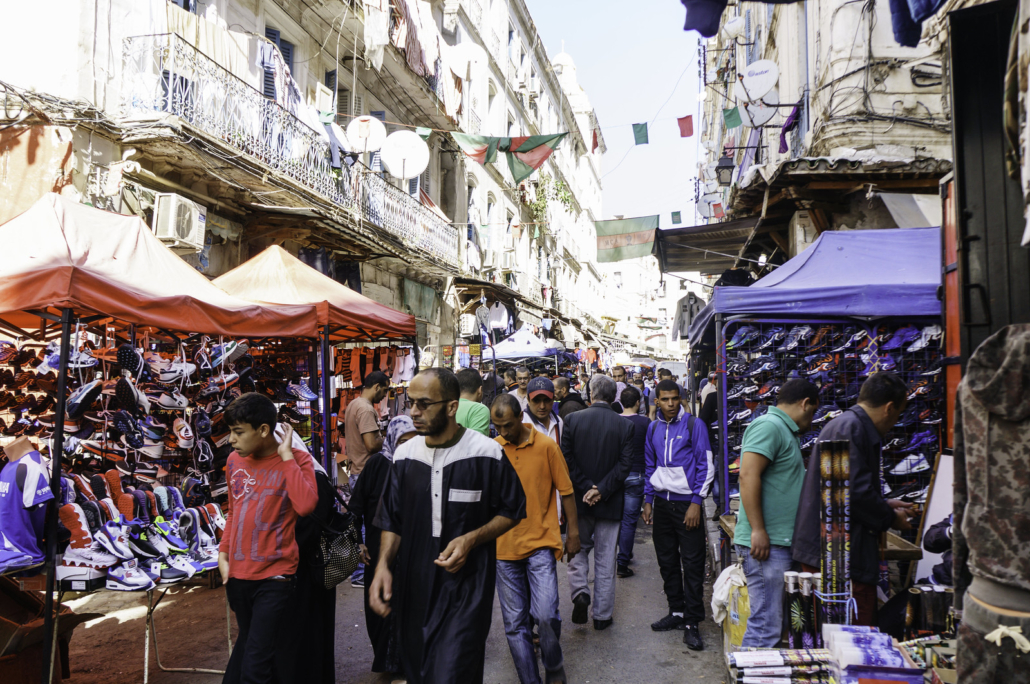
HIV/AIDS is a significant health issue in Algeria, affecting thousands of lives. Despite efforts to combat it, the disease remains a challenge for the nation.
The Prevalence
Algeria has seen an increase in HIV/AIDS cases over the last few years. According to UNAIDS, 26,000 Algerian children and adults were reported as living with HIV in 2023. Newly recorded cases of HIV in children and adults increased by 2,100 cases between 2022 and 2023.
Early detection and treatment are crucial for managing the disease and preventing its spread. The government and non-governmental organizations work tirelessly to raise awareness and provide medical support to those affected.
Support Programs
The Algerian government has implemented several initiatives to combat HIV/AIDS. These programs, such as The Global Fund, focus on education, prevention, and treatment. Additionally, free antiretroviral therapy is available to patients, ensuring they receive the necessary medications to manage their condition effectively.
Non-governmental organizations (NGOs) also play a vital role in the fight against HIV/AIDS in Algeria. These organizations work at the grassroots level, providing education and support to communities.
They conduct workshops, distribute educational materials and offer counseling services to those affected by the disease. NGOs also collaborate with the government to implement nationwide awareness campaigns and improve access to health care services.
For example, The Kaiser Family Foundation is an NGO that focuses on various domestic and international health epidemics. This foundation specifically examines global health policies to better improve access to care for those living with HIV in the U.S. and overseas.
The Impact of Stigma and Discrimination
Stigma and discrimination against people living with HIV/AIDS remain significant challenges in Algeria. Many individuals face social isolation and rejection due to their HIV status. This stigma often prevents them from seeking the medical help they need.
To address this issue, awareness campaigns aim to educate the public about HIV/AIDS and reduce the stigma associated with the disease. By fostering a more inclusive society, Algeria can better support those affected by HIV/AIDS.
Access to Health Care Services and Technology
Access to health care services is essential for managing HIV/AIDS in Algeria. The government has established numerous health care centers across the country to provide testing, treatment and counseling services.
These centers offer free and confidential HIV testing, which helps to make sure that individuals can receive a diagnosis without fear of discrimination. Additionally, trained health care workers provide compassionate and non-judgmental care to those living with HIV/AIDS.
Technology plays a crucial role in advancing HIV/AIDS research in Algeria. Labs use hot plate magnetic stirrers to achieve accurate results, which is particularly useful in the research of HIV/AIDS.
These devices ensure precise temperature control and consistent mixing, leading to more reliable data. By leveraging advanced technology, researchers can develop better treatment options and improve the overall understanding of the disease.
Community Support and Involvement
Support groups and community centers provide a safe space for people to share their experiences and seek emotional support. These groups also offer practical assistance, such as help with medication adherence and access to health care services. By fostering a strong sense of community, Algeria can better support those affected by HIV/AIDS and improve their quality of life.
The fight against HIV/AIDS in Algeria requires a multifaceted approach. By addressing the stigma, improving education, and leveraging technology, the country can better support those affected by the disease. Continued efforts and collaboration are necessary for making progress in this ongoing battle.
– Kelly Schoessling
Kelly focuses on World News for The Borgen Project.
Photo: Flickr
