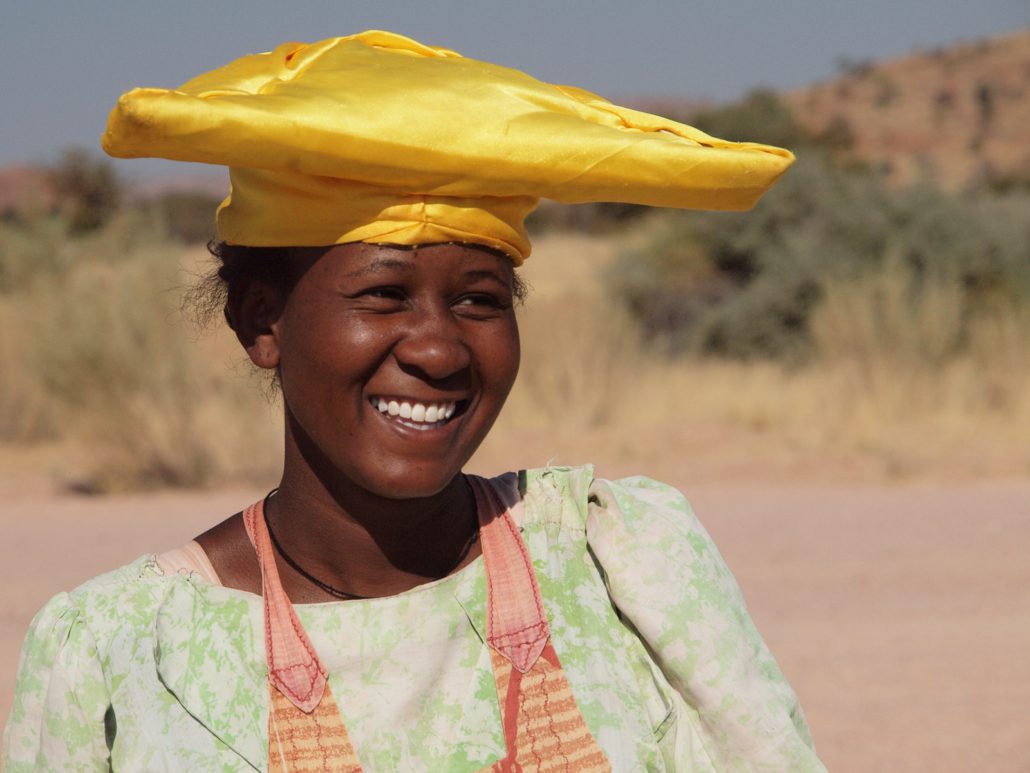
Extreme poverty looms over Namibia, negatively affecting its population of 2.6 million and keeping living standards low. These high levels of socioeconomic hardship often cause people to overlook the country’s mental health issues, although illnesses such as anxiety, depression, Post-Traumatic Stress Disorder (PTSD), trauma, bipolar disorders and psychosis affect 25.6% of its population and the number could double by 2025. Here is information about the correlation between poverty and mental health in Namibia.
Poverty and Mental Health in Namibia
Namibia has a poverty rate of 47% and 46% of its youth workforce is unemployed, according to ISS African Futures. These factors contribute to a lack of financial resources and constant pressure to earn more, leading to high stress and anxiety levels. The Namibian reported that “approximately 70% of Namibians suffer from stress and chronic health conditions.” Additionally, people with low incomes often have limited access to mental health services, further worsening their situations.
The country suffers from a traumatic history. From 1915 to 1990, apartheid South Africa occupied Namibia, during which many of the latter’s citizens were killed and displaced. The country only gained independence in 1990, after a long, drawn-out war, which caused 20,000 to 25,000 deaths.
HIV and Psychological Issues
Furthermore, Human Immunodeficiency Virus (HIV) is quite prevalent in Namibia. According to the World Bank, the virus infects 11% of adults aged 15 to 49 years in the country.
Studies have shown that HIV has a direct link to mental health; it causes damage to brain cells and leads to a variety of neurocognitive disorders. Living with HIV also causes acute psychological distress and depression, both for the patient and their loved ones. A 2024 study found that depression affects 24.6% of HIV patients and 17% suffer from anxiety.
Approximately 9.3% of Namibians die from HIV. The burden of carrying the disease and the discrimination against it also increases the risk of suicide. From April 2020 to March 2023, 1,542 Namibians committed suicide, 82% being men.
Cultural Influences
Another factor that further complicates mental health in Namibia is the stigma and cultural beliefs toward mental health issues. Many Namibians consider mental illness to be a sign of weakness or low willpower. Because of this, people go undiagnosed and there is less availability of treatments. A 2020 study showed that the level of public prejudice against mental health was 41% on the Community Attitudes towards Mental Illness (CAMI) scale.
The country has only two major mental institutions: Windhoek Central Hospital, which dedicates only 220 beds to mental health care, and Intermediate Hospital Oshakati, which offers 60 beds but often deals with 200 patients at once.
Solace in Drugs and Alcohol
Citizens affected by poor mental health in Namibia often cope through substance abuse. However, this can further exacerbate their condition and can result in psychosis, bipolar disorders, and depression, along with a decline in physiological health as well.
The United Nations Office on Drugs and Crime reported that: “in 2020, the Government of Namibia confiscated 843,892 kg of cannabis, 4,930 tablets of mandrax, 2,922 grams of crystal meth, and 1,072 grams of cocaine.” Also, in 2023, WHO stated that Namibia drinks “2.38 of pure alcohol per capita amongst people aged 15 or above.”
Alleviating These Issues
Despite all these challenges, there is still a ray of hope for Namibians. Countless organizations have stepped up to advocate for mental health awareness and solutions. Established in 1980, Lifeline/Childline focuses on supporting emotional wellness and child protection in Namibia. It now has wide-reaching services all across the country and has gained international recognition from organizations such as USAID and UNICEF.
Lifeline/Childline operates a free counselling helpline that is available 24/7, providing mental health support to individuals suffering from a wide range of issues such as anxiety, depression and trauma. The organization provides counselling via telephone, text message or in person, making them accessible to a large sum of the population. From April 2024 to June 2024, its toll-free helpline answered 10,101 calls.
The non-profit also runs awareness programs that aim to reduce the stigma regarding mental health in Namibia and the importance of seeking help through social media campaigns, educational workshops, community outreach programs and its radio show.
Even though Namibia seems to be struggling in the face of these challenges, it’s important to acknowledge the fact that non-profits such as Lifeline/Childline are making a palpable difference and are changing people’s lives for the better. With more progress from the country’s numerous non-profits and government, mental illness rates in Namibia will likely decline and its citizens will be able to have bright, optimistic futures.
– Mustafa Tareen
Mustafa is based in Lahore, Punjab, Pakistan and focuses on Global Heath and Celebs for The Borgen Project.
Photo: Flickr

Sports Programs Fighting Child Poverty in Saint Lucia
Special Olympics St. Lucia
Since the late 1970s, Special Olympics St. Lucia has provided year-round sports training and competition for children and adults with intellectual disabilities. The program includes five official sports and development programs: Athlete Leadership, Young Athletes, Healthy Athletes and Project UNIFY. In 2023, Special Olympics St. Lucia had 181 registered athletes and participated in the 2023 Special Olympics World Games in Berlin, Germany. Overall, the organization aims to promote physical fitness, courage and community engagement.
United Through Sports
United Through Sports has achieved a 100% increase in school attendance among the 2,000 children they worked with in Saint Lucia and supported 16 of those players in becoming nationally capped athletes, meaning those athletes represented their national team in an international competition. The organization has three sports programs in Saint Lucia. The Youth Rugby Crime Prevention Project uses rugby to channel aggression and teach discipline to youth in high-crime areas. The Young Leadership Project trains older children as leaders and coaches, encouraging them to mentor younger peers. The Female Empowerment Project aims to break stereotypes in sports by encouraging and empowering young girls to participate in traditionally male-dominated sports.
Saint Lucia Sports Academy
When the school opened in 2019, the Saint Lucia Sports Academy became the first and only boarding school in Saint Lucia that emphasized both athletic and educational discipline. The Academy provides students with all the school supplies, tutors and sports equipment necessary to succeed academically and athletically.
Looking Ahead
Sports programs in Saint Lucia are essential for transforming the lives of young athletes by providing support that addresses both their athletic and personal needs. These programs offer critical resources that many young athletes might not otherwise have access to, including training facilities, sports equipment and educational materials necessary for their academic and athletic success. Mentorship plays a pivotal role, guiding young athletes through the challenges of sports and life while fostering a sense of community that instills important values like discipline, resilience and teamwork. By equipping these athletes with the tools they need to overcome child poverty in Saint Lucia, sports programs empower them to achieve success both on the field and in their academic and personal lives.
– Nina Bujewski
Photo: Flickr
Poverty and Terrorism: How Economic Inequality Fuels Extremism
Economic Hardship as a Driver of Extremism
Studies indicate that poverty-stricken regions are more susceptible to terrorism due to the economic vulnerability of their populations. With limited job opportunities and scarce resources, extremist groups can lure impoverished individuals with promises of financial support and security. For instance, research from the United Nations Development Programme (UNDP) found that economic factors played a significant role in driving individuals to join extremist groups. Poverty and unemployment create a fertile environment for radicalization as individuals seek stability and hope in regions where governmental support is lacking.
Social Marginalization and Lack of Education
Poverty often coincides with a lack of educational opportunities, which further exacerbates vulnerability to extremist ideologies. Without access to education, individuals are more susceptible to radical propaganda, as they may lack the critical thinking skills to resist extremist narratives. Alongside this, poor education systems can create a failure to address poverty and unemployment. Addressing educational inequality can be a significant tool in reducing susceptibility and root causes of extremist recruitment.
Political Instability and Weak Institutions
Economic hardship is often intertwined with political instability, as poverty-stricken regions frequently lack robust institutions capable of maintaining law and order. In regions with weak governance, extremist groups can step in to provide services such as food distribution, security and basic health care, essentially becoming a de facto government. This creates a power vacuum that extremist groups exploit, using economic incentives to gain loyalty and recruit members. For instance, areas like the Sahel region in Africa have seen an increase in terrorism partly due to the inability of local governments to provide essential services.
Displacement and Refugee Crises
Poverty exacerbates displacement, which in turn fuels terrorism by creating large populations of vulnerable, dislocated individuals who may turn to extremism out of desperation. The United Nations Refugee Agency (UNHCR) reports that displaced populations face extreme economic hardship, often living in dire conditions with limited access to food, shelter and safety. Extremist groups, recognizing this desperation, target refugee camps and displaced communities to recruit new members with promises of stability and sustenance. Compared to only a decade ago, the number of refugees worldwide has more than tripled. Making it more important than ever to address the basic needs of displaced populations to reduce the risk of extremist recruitment.
Economic Development as a Tool Against Terrorism
Countering terrorism requires a multidimensional approach that includes addressing poverty through economic development programs. By investing in job creation, education and infrastructure, governments and international organizations can reduce the appeal of extremist groups. The United Nations advocates for initiatives that focus on youth employment and educational programs that offer alternatives to terrorism. In Africa and the Middle East, for example, initiatives that promote vocational training have helped safeguard youth against extremist ideologies by providing economic opportunities outside of radical groups.
Conclusion
The relationship between poverty and terrorism highlights the need for holistic counterterrorism strategies that address socioeconomic factors. Tackling poverty, improving educational access, strengthening governance and supporting displaced populations are all crucial steps in reducing the appeal of extremist ideologies. Furthermore, by addressing these underlying issues, the global community can work toward a future where economic stability undermines terrorism’s grip on vulnerable populations.
– Harriet Conway
Photo: Flickr
DSWHUB Fights Poverty in Nigeria
This economic disparity is a major factor in irregular migration, with many Nigerians risking their lives to seek better opportunities abroad. In 2017 alone, more than 18,000 Nigerians arrived in Italy via the perilous Mediterranean route. The desperation that pushes individuals to migrate also makes them vulnerable to human trafficking, often ending up in forced labor or sexual exploitation.
Denny Social Welfare Hub
Denny Social Welfare Hub (DSWHUB), a nonprofit organization, is tackling the root causes of irregular migration and human trafficking by focusing on community empowerment, education and advocacy. One of its key initiatives is the iEMPATHY Campaign, which raises awareness about the dangers of irregular migration and human trafficking. This campaign specifically targets women and other vulnerable groups, educating them about the risks involved in irregular migration and empowering them to make informed decisions.
In 2023, DSWHUB held a notable community engagement event in Ogun State, where it educated residents on the risks of illegal migration and the tactics traffickers use to exploit vulnerable individuals. The event emphasized the role of women in migration decisions and promoted the idea of safe and legal migration pathways. By increasing awareness and fostering informed decision-making, DSWHUB reduces the number of individuals falling prey to traffickers.
Support for Migrants and Survivors of Human Trafficking
In addition to awareness campaigns, DSWHUB actively supports the reintegration of returned migrants and survivors of human trafficking. These individuals often face stigma and difficulty rebuilding their lives. Through vocational training, education and capacity-building programs, DSWHUB equips them with the skills they need to reintegrate successfully into society. Its focus on long-term economic empowerment ensures survivors are less likely to become re-trafficked.
DSWHUB’s efforts have had a tangible impact on the communities it serves. By educating vulnerable populations and offering alternatives to dangerous migration routes, DSWHUB has helped reduce instances of irregular migration and human trafficking. Many individuals who participated in the iEMPATHY Campaign have shared testimonies of how the program equipped them with knowledge that helped them avoid falling victim to traffickers.
Moreover, DSWHUB’s reintegration programs have enabled survivors of trafficking to rebuild their lives. Through skills training and support, individuals have gained the confidence and resources to start small businesses, seek employment or return to education. By addressing the root causes of poverty and unemployment, DSWHUB is making a lasting impact in breaking the cycle of exploitation and preventing retrafficking.
Summary
DSWHUB is addressing the systemic issues of poverty and unemployment in Nigeria, which drive irregular migration and human trafficking. Through innovative campaigns like iEMPATHY and comprehensive reintegration programs, DSWHUB is creating long-term solutions that empower individuals and strengthen communities. Its work not only saves lives but also offers a model for how grassroots organizations can combat human trafficking and irregular migration in regions plagued by socioeconomic challenges.
DSWHUB is helping vulnerable populations build safer, more secure futures free from exploitation by focusing on education, empowerment and advocacy. DSWHUB’s ongoing work highlights the importance of addressing the root causes of migration and trafficking to create lasting change in Nigeria.
– Staff Reports
Photo: Flickr
Health Initiatives in South Asia
Bangladesh
In Bangladesh, mobile health clinics are reaching remote communities, providing essential health care that would otherwise be inaccessible. BRAC, one of the world’s largest NGOs, has partnered with the government to deploy these clinics across rural areas, delivering crucial services to more than 20 million people annually. In addition to general health care, these mobile clinics offer antenatal and postnatal care, vaccinations and nutrition counseling, all of which are critical in a country where approximately 60% of the population lives in rural areas without easy access to health care facilities.
The Shasthya Shebika initiative, one of BRAC’s standout programs, trains local women to serve as health workers. With more than 50,000 Shasthya Shebikas operating in rural communities, this program reaches more than 80 million people across Bangladesh. The initiative has been shown to reduce maternal mortality in the areas it serves, highlighting the effectiveness of community-based health care support in reducing life-threatening childbirth complications.
Pakistan
In Pakistan, vaccination efforts have led to significant reductions in preventable diseases. Polio, once a widespread threat, is now close to being eradicated due to a massive vaccination campaign launched in partnership with UNICEF and the World Health Organization (WHO). Since 1988, polio cases in Pakistan have dropped by more than 99%—from thousands annually to just a handful in recent years. In 2021, the campaign vaccinated more than 40 million children under 5 across the country, illustrating the reach and impact of sustained immunization efforts.
Pakistan’s Sehat Sahulat Program, a health care financing initiative introduced in 2015, provides health care cards to families earning less than $2 per day. The program currently covers more than a million families, providing them with up to $6,000 annually for medical expenses, including surgeries, maternal health services and emergency care. Studies reveal that households participating in the program are more likely to seek medical care early, reducing disease progression and associated health care costs.
India
In India, where infant mortality and malnutrition are significant challenges, programs like Saans and Poshan Abhiyaan are making measurable progress. The Saans Initiative, launched by the Ministry of Health and Family Welfare, trains community health workers to perform neonatal resuscitation, reducing neonatal mortality rates in rural and underserved areas. Studies reveal that trained health workers can reduce neonatal deaths by up to 20% in resource-limited areas, a statistic supported by Saans data from states like Madhya Pradesh, where the program is heavily implemented.
On the nutrition front, Poshan Abhiyaan (National Nutrition Mission) has been a cornerstone in India’s fight against child malnutrition. Launched in 2018, this program targets stunting, wasting and anemia among children under 5 and women of reproductive age. Since its inception, the mission has reached more than 80 million people across India. Data from the National Family Health Survey reveals a 6% reduction in stunting and a 2% reduction in wasting among children between 2016 and 2020, attributed in part to Poshan Abhiyaan’s focus on community-based nutrition programs, counseling and distribution of fortified foods.
Looking Ahead
The success of health initiatives in South Asia hinges on strong partnerships, leveraging local expertise and international resources to drive sustainable, large-scale impact. Collaborations between BRAC and Bangladesh’s Ministry of Health, Pakistan’s Sehat Sahulat with GIZ and India’s Poshan Abhiyaan with UNICEF and the World Bank have empowered millions, reducing maternal mortality, nearly eradicating polio and lowering childhood stunting rates. Together, these ongoing initiatives transform health access and quality of life for vulnerable populations, creating a foundation for lasting health improvements across South Asia.
– Irtija Ahmad
Photo: Flickr
Solar Energy Solutions: Powering Health Care in Rural Zambia
The Importance of Electricity in Health Care
The link between electricity and essential health care services is crucial. Many medical procedures rely on lighting for safe and effective delivery. Furthermore, the lack of electricity severely hampers access to clean water, as pumps depend on power to push water into pipes. This combination creates a challenging environment for health care providers, who often lack the necessary equipment to deliver lifesaving procedures.
The SIRHES Project
In response to this crisis, On Call Africa has launched the Strengthening the Integration of Renewable Health Energy Solutions (SIRHES) project, which specifically targets three rural health systems in the Kazungula District. SIRHES focuses on improving the functionality, quality of care and hygiene. This is achieved by providing solar power in combination with complementary health interventions.
In the past 16 months, the initiative has made significant strides in powering health care in rural Zambia. It has:
Final Remark
On Call Africa’s commitment to providing solar energy solutions and powering health care in rural Zambia represents a critical step toward overcoming the barriers posed by energy poverty. Furthermore, by integrating renewable energy into health care systems, the organization not only enhances the capacity of health facilities but also contributes to the broader fight against poverty. This ensures that everyone, regardless of where they live, has access to the modern health care they deserve. The partnership with local communities and health workers is essential in building a sustainable future, one where no clinic is left in darkness and every life has the chance to thrive.
– Edzhe Miteva
Photo: Flickr
Addressing Elderly Poverty in Zambia
Elderly poverty in Zambia is a growing concern in a country where more than 60% of the population lives below the poverty line. Older Zambians face unique challenges, often compounded by a lack of formal pensions, leaving many reliant on informal family networks or charity. As poverty continues to affect much of the population, elderly individuals are especially vulnerable to economic hardship, with limited resources to meet their basic needs.
The Social Cash Transfer (SCT) Programme, which the Ministry of Community Development and Social Services initiated in 2003, plays a crucial role in supporting vulnerable households, including those headed by elderly individuals. The primary goal of the program is to “reduce extreme poverty” and disrupt the intergenerational cycle of poverty within these households. Through regular cash transfers, recipients report improvements in food security, school attendance for children and overall household stability.
The State of Poverty in Zambia
Poverty in Zambia remains widespread, with rural populations disproportionately affected. According to the World Bank, more than 60% of rural Zambians live in poverty. Subsistence farming is the primary source of livelihood for these households, but unpredictable weather conditions and poor infrastructure make it difficult to sustain their livelihoods. Those living in poverty typically lack access to basic services such as clean water, health care and education, trapping them in a cycle that is hard to break.
Older Zambians, particularly those without family support, face significant challenges. The situation is dire for households headed by older individuals, with 83% of these households living in poverty and 66% classified as extremely poor. These households are often burdened by health issues that make it difficult for older people to work, while also increasing their medical expenses. The country’s current social security system falls short in addressing these needs, with very few older adults having access to pensions due to lifetimes spent working in the informal labor market. As a result, most elderly individuals have no financial safety net. Additionally, “less than 12% of Zambia’s current labor force is covered by any form of social security,” meaning that future generations of older adults are likely to face similar challenges in the absence of substantial reforms.
How the SCT Program Helps
The SCT Program has shown positive results in reducing poverty among Zambia’s elderly population. Recipients report that the cash transfers allow them to purchase essential goods such as food and clothing, as well as household items. This financial support is critical, particularly for the elderly, who often suffer from age-related health conditions or disabilities that prevent them from earning an income. According to a 2022 UNICEF report, elderly people who receive these transfers experience less hunger and improved access to health care services.
However, the program faces ongoing challenges. Many elderly individuals, especially in remote areas, struggle to access the program due to poor infrastructure and a lack of awareness about the services available. Rising inflation and increasing costs of living further strain the cash transfers, making it difficult for recipients to meet all their needs.
Looking Forward
Zambia’s elderly population continues to face significant challenges, but the Social Cash Transfer Program provides a vital lifeline. Expanding the program to reach more of the elderly population, improving infrastructure for better accessibility, and ensuring that payments keep pace with inflation are essential steps toward reducing elderly poverty in Zambia. Addressing the specific needs of older people remains crucial for Zambia’s overall poverty reduction efforts as the nation’s population continues to age.
– Isabel Gallagher
Photo: Pexels
Organizations Supporting Rice Farming in Vietnam
The country ranks as the third largest producer and exporter of rice, with the crop occupying 82% of the country’s arable land. Despite significant strides in poverty reduction, rural areas, particularly in the Red River and Mekong deltas, continue to struggle with high rates of child poverty. Smallholder farmers in these regions rely heavily on rice for their livelihoods, yet they represent about 80% of Vietnam’s remaining poor population.
Numerous organizations and charities are crucial in providing education and resources to these farmers, enhancing their living standards and helping eradicate rural poverty. The drastic transformation in agriculture has fueled economic changes and significantly contributed to the reduction of poverty in Vietnam.
World Bank
The Vietnam Sustainable Agriculture Transformation Project (VnSAT) is boosting farmers by advancing sustainable rice farming techniques through improved knowledge and resources. The project includes restructuring initiatives such as training courses, building infrastructure like electricity and accessible roads and deploying new equipment. Particularly active in the impoverished Mekong Delta region, VnSAT has enabled farmers to cut their input use by 50% and increase their earnings by an average of 30%. With 62.9% of the population benefitting from its efforts, VnSAT has proven to be a major success. Reducing input and resource use is critical for lowering costs for smallholder farmers, especially as prices for fuel, pesticides and fertilizers continue to rise, which puts farmers under increasing pressure to boost production.
RIKOLTO
Rikolto, an independent international NGO, supports smallholder farmers in Vietnam by focusing on rural poverty alleviation and promoting a sustainable, inclusive rice sector. The organization aims to ensure food security for future generations in a climate-friendly way. Its operations rest on three pillars: increasing rice productivity sustainably, promoting market inclusivity for independent farmers and strengthening governance through multi-stakeholder platforms to influence policies. Rikolto has successfully introduced Sustainable Rice Platform (SRP) production practices to 3,000 farmers by 2023, reducing production costs by 12%. Additionally, the organization enhances women’s involvement in decision-making and pilots new rice farming techniques to boost yield and income for smallholder farmers in Vietnam.
IFAD
The International Fund for Agricultural Development (IFAD) collaborates with partners and the Vietnamese government to help the country’s poorest people, especially ethnic minorities, women and independent farmers, overcome extreme poverty. The rural poor often face limited access to services, transportation and resources and are particularly vulnerable to natural disasters and changing weather patterns. IFAD’s strategy promotes participation, strengthens institutional capacity and builds partnerships to enhance living standards and reduce poverty among the most vulnerable groups in Vietnam.
The Pro-Poor Partnership for Agroforestry Development Project focuses on upland farmers in northern Vietnam’s poorest areas. These farmers face challenges due to limited agricultural land, mountainous terrain and underdeveloped forestry resources, which are crucial for their food security and income. The project enhances equity in forest land allocation, develops hillside farming systems and diversifies income-generating opportunities to support these communities.
Looking Ahead
Vietnam’s rural farmers face daily challenges in combating poverty, but with support from various organizations and charities, they are integrating into a broader, more inclusive society. This integration supports sustainable farming practices that provide food and income for rice farmers. By 2050, the global population is expected to exceed 9.6 billion, necessitating a 50% increase in global food production to ensure worldwide food security. Family farms, which produce 70% of the world’s food, play a crucial role in maintaining these essential agricultural practices for the global population.
– Sofia Bowes
Photo: Sofia Bowes
Renewable Energy in Samoa
While extreme poverty does not exist in Samoa, 20% of Samoans still live under the national poverty line, a decrease from 21.9% in 2018. This could be due to the initiatives working to increase self-reliance and sustainability focusing on the rural areas and those considered vulnerable, like women and young people.
Energy Projects
In 2019, Samoa conducted two small hydro projects, the first of many, to supply 20% of the Island’s demand for energy. The hydropower plants were constructed on two separate islands (Upolu and Savai’i) and underwent rigorous environmental safeguarding checks to ensure no damage to the surrounding areas. The goal to rely on 100% sustainable energy was on hold due to the COVID-19 pandemic and subsequent economic challenges, however, in February 2024, the E.P.C General Manager confirmed that the plans are still going steady, intending to have 100% renewable energy in Samoa the next seven years.
The plans come with several challenges, including the “high upfront costs of renewable energy technology,” requiring international partnerships to help fund the opportunities. The main donor parties include the New Zealand Government, The European Union and the Asian Development Bank, according to Hydro Review.
The aim is that the accessibility of cleaner and higher quality services at a lower price will increase and energy poverty will decrease. Samoa was on track to have 100% electricity access, reaching it in 2020, however, in the past four years the rate has been decreasing with the current rate being 98.30%. This decline, whilst not being as low as other countries sets a worrying trend for Samoa especially due to the increase in natural disasters, so action like the new projects (while not urgent) are necessary.
Subsidized Electricity Tariffs
The renewable energy project report states that the vulnerable people of Samoa will receive subsidized electricity tariffs and secure energy for all residents, creating social inclusion to help develop income generation models for the poorest project participants. The projects are established on existing sites with any that required land acquisition from locals being removed from the project, they also serve to increase economic growth and international relations, hoping to outsource the energy to surrounding countries.
Looking Ahead
This push towards renewable energy in Samoa comes from the increasing reliance on fossil fuels and the increase in natural disasters due to changing weather patterns. By 2100, Samoa could lose 3.8% of its GDP due to the aftermath of natural disasters, potentially threatening the steady decrease of poverty across the country. However, with the recent projects, Samoa has simultaneously addressed both the threat that changing weather patterns hold and the needs of those living below the poverty line, harnessing renewable energy to help on a global and local scale.
– Caitlin Mulholland
Photo: Flickr
Watsi: Making Life-Saving Surgery Accessible for All
Watsi combines technology and compassion to empower anyone, anywhere, to fund life-changing health care for individuals in the Global South. By connecting donors with those in need, Watsi fosters healthier lives, thriving communities and stronger health systems, profoundly impacting global well-being. With its innovative platform and commitment to radical transparency, Watsi’s global network of best-in-class frontline medical teams provides transformative, high-quality surgery for patients who would otherwise not have access to care or risk being pushed further into a lifetime of poverty.
About Watsi
Watsi is a nonprofit organization committed to making quality health care accessible to everyone by connecting people to fund health care for those in need in low- and middle-income countries (LMICs). The story of Watsi began when cofounder Chase Adams, while serving in the Peace Corps in Costa Rica, saw a mother on a bus asking for donations to fund her son’s surgery. This experience inspired him to create an organization that uses technology to crowdfund life-saving treatments for patients who cannot afford them.
Since then, Watsi has grown to help more than 30,000 patients across 33 countries, raising more than $10 million in donations. The organization partners with local medical organizations in the Global South, ensuring patients receive high-quality care. Watsi’s innovative platform shares individual patients’ stories, enabling supporters from more than 100 countries to fund surgeries and treatments directly. By unlocking $18 million in private capital through crowdfunding, Watsi is helping bridge the health care access gap, creating a more connected and equitable world.
Success Story
A notable success story is that of Caroline, a farmer in Uganda who had been suffering from severe pain due to an ovarian mass. With a simple surgery costing $220, she could be cured, but for Caroline, that price was unattainable. Watsi’s global community and its partner, African Mission Health Care, came together to fund her treatment fully. As a result, Caroline is now healthy and back to farming and providing for her family.
A Call for Action
“We have a once-in-a-generation opportunity to come together to build a world where every person can access the care they need to live a healthy life. Creating a world with health for all and closing the health equity gap requires concerted action and bold commitments, the creation of innovative cross-sector partnerships and a reimagining of how health care is accessed by the world’s most vulnerable communities. Through leveraging Watsi’s innovative health financing platform, we can move farther and faster toward this shared, audacious goal of a brighter, healthier world for all,” stated Mackinnon Engen, Watsi’s Executive Director.
– Staff Reports
Photo: Unsplash
Mental Health in Namibia
Extreme poverty looms over Namibia, negatively affecting its population of 2.6 million and keeping living standards low. These high levels of socioeconomic hardship often cause people to overlook the country’s mental health issues, although illnesses such as anxiety, depression, Post-Traumatic Stress Disorder (PTSD), trauma, bipolar disorders and psychosis affect 25.6% of its population and the number could double by 2025. Here is information about the correlation between poverty and mental health in Namibia.
Poverty and Mental Health in Namibia
Namibia has a poverty rate of 47% and 46% of its youth workforce is unemployed, according to ISS African Futures. These factors contribute to a lack of financial resources and constant pressure to earn more, leading to high stress and anxiety levels. The Namibian reported that “approximately 70% of Namibians suffer from stress and chronic health conditions.” Additionally, people with low incomes often have limited access to mental health services, further worsening their situations.
The country suffers from a traumatic history. From 1915 to 1990, apartheid South Africa occupied Namibia, during which many of the latter’s citizens were killed and displaced. The country only gained independence in 1990, after a long, drawn-out war, which caused 20,000 to 25,000 deaths.
HIV and Psychological Issues
Furthermore, Human Immunodeficiency Virus (HIV) is quite prevalent in Namibia. According to the World Bank, the virus infects 11% of adults aged 15 to 49 years in the country.
Studies have shown that HIV has a direct link to mental health; it causes damage to brain cells and leads to a variety of neurocognitive disorders. Living with HIV also causes acute psychological distress and depression, both for the patient and their loved ones. A 2024 study found that depression affects 24.6% of HIV patients and 17% suffer from anxiety.
Approximately 9.3% of Namibians die from HIV. The burden of carrying the disease and the discrimination against it also increases the risk of suicide. From April 2020 to March 2023, 1,542 Namibians committed suicide, 82% being men.
Cultural Influences
Another factor that further complicates mental health in Namibia is the stigma and cultural beliefs toward mental health issues. Many Namibians consider mental illness to be a sign of weakness or low willpower. Because of this, people go undiagnosed and there is less availability of treatments. A 2020 study showed that the level of public prejudice against mental health was 41% on the Community Attitudes towards Mental Illness (CAMI) scale.
The country has only two major mental institutions: Windhoek Central Hospital, which dedicates only 220 beds to mental health care, and Intermediate Hospital Oshakati, which offers 60 beds but often deals with 200 patients at once.
Solace in Drugs and Alcohol
Citizens affected by poor mental health in Namibia often cope through substance abuse. However, this can further exacerbate their condition and can result in psychosis, bipolar disorders, and depression, along with a decline in physiological health as well.
The United Nations Office on Drugs and Crime reported that: “in 2020, the Government of Namibia confiscated 843,892 kg of cannabis, 4,930 tablets of mandrax, 2,922 grams of crystal meth, and 1,072 grams of cocaine.” Also, in 2023, WHO stated that Namibia drinks “2.38 of pure alcohol per capita amongst people aged 15 or above.”
Alleviating These Issues
Despite all these challenges, there is still a ray of hope for Namibians. Countless organizations have stepped up to advocate for mental health awareness and solutions. Established in 1980, Lifeline/Childline focuses on supporting emotional wellness and child protection in Namibia. It now has wide-reaching services all across the country and has gained international recognition from organizations such as USAID and UNICEF.
Lifeline/Childline operates a free counselling helpline that is available 24/7, providing mental health support to individuals suffering from a wide range of issues such as anxiety, depression and trauma. The organization provides counselling via telephone, text message or in person, making them accessible to a large sum of the population. From April 2024 to June 2024, its toll-free helpline answered 10,101 calls.
The non-profit also runs awareness programs that aim to reduce the stigma regarding mental health in Namibia and the importance of seeking help through social media campaigns, educational workshops, community outreach programs and its radio show.
Even though Namibia seems to be struggling in the face of these challenges, it’s important to acknowledge the fact that non-profits such as Lifeline/Childline are making a palpable difference and are changing people’s lives for the better. With more progress from the country’s numerous non-profits and government, mental illness rates in Namibia will likely decline and its citizens will be able to have bright, optimistic futures.
– Mustafa Tareen
Photo: Flickr