Poverty and Terrorism: How Economic Inequality Fuels Extremism
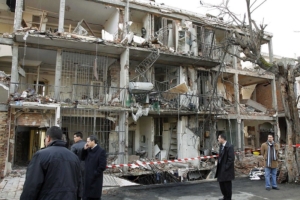 The link between poverty and terrorism is complex, involving economic, political and social factors that drive individuals toward extremism. Economic hardship can create environments where extremist groups thrive, as they often exploit the vulnerability of impoverished communities to gain followers. When individuals lack access to stable employment, education and necessities, the appeal of joining extremist movements increases as these groups often promise income, food and social belonging. Understanding the connection between poverty and terrorism is crucial for crafting effective counterterrorism strategies that address root causes rather than just symptoms.
Economic Hardship as a Driver of Extremism
Studies indicate that poverty-stricken regions are more susceptible to terrorism due to the economic vulnerability of their populations. With limited job opportunities and scarce resources, extremist groups can lure impoverished individuals with promises of financial support and security. For instance, research from the United Nations Development Programme (UNDP) found that economic factors played a significant role in driving individuals to join extremist groups. Poverty and unemployment create a fertile environment for radicalization as individuals seek stability and hope in regions where governmental support is lacking.
Social Marginalization and Lack of Education
Poverty often coincides with a lack of educational opportunities, which further exacerbates vulnerability to extremist ideologies. Without access to education, individuals are more susceptible to radical propaganda, as they may lack the critical thinking skills to resist extremist narratives. Alongside this, poor education systems can create a failure to address poverty and unemployment. Addressing educational inequality can be a significant tool in reducing susceptibility and root causes of extremist recruitment.
Political Instability and Weak Institutions
Economic hardship is often intertwined with political instability, as poverty-stricken regions frequently lack robust institutions capable of maintaining law and order. In regions with weak governance, extremist groups can step in to provide services such as food distribution, security and basic health care, essentially becoming a de facto government. This creates a power vacuum that extremist groups exploit, using economic incentives to gain loyalty and recruit members. For instance, areas like the Sahel region in Africa have seen an increase in terrorism partly due to the inability of local governments to provide essential services.
Displacement and Refugee Crises
Poverty exacerbates displacement, which in turn fuels terrorism by creating large populations of vulnerable, dislocated individuals who may turn to extremism out of desperation. The United Nations Refugee Agency (UNHCR) reports that displaced populations face extreme economic hardship, often living in dire conditions with limited access to food, shelter and safety. Extremist groups, recognizing this desperation, target refugee camps and displaced communities to recruit new members with promises of stability and sustenance. Compared to only a decade ago, the number of refugees worldwide has more than tripled. Making it more important than ever to address the basic needs of displaced populations to reduce the risk of extremist recruitment.
Economic Development as a Tool Against Terrorism
Countering terrorism requires a multidimensional approach that includes addressing poverty through economic development programs. By investing in job creation, education and infrastructure, governments and international organizations can reduce the appeal of extremist groups. The United Nations advocates for initiatives that focus on youth employment and educational programs that offer alternatives to terrorism. In Africa and the Middle East, for example, initiatives that promote vocational training have helped safeguard youth against extremist ideologies by providing economic opportunities outside of radical groups.
Conclusion
The relationship between poverty and terrorism highlights the need for holistic counterterrorism strategies that address socioeconomic factors. Tackling poverty, improving educational access, strengthening governance and supporting displaced populations are all crucial steps in reducing the appeal of extremist ideologies. Furthermore, by addressing these underlying issues, the global community can work toward a future where economic stability undermines terrorism’s grip on vulnerable populations.
– Harriet Conway
Harriet is based in London, UK and focuses on Politics for The Borgen Project.
Photo: Flickr
