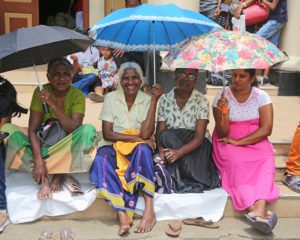
 Sri Lanka, renowned for its achievements in education and health care, still faces significant gender inequality, particularly in wages. According to the United Nations Development Programme (UNDP) report, “Making Our Future: New Directions for Human Development in Asia and the Pacific,” social disparity remains prevalent, with a persistent gender wage gap limiting economic opportunities and exacerbating poverty in Sri Lanka. Closing this gap is crucial not only for gender equity but also for fostering economic growth and reducing poverty.
Current Status of the Gender Wage Gap in Sri Lanka
The gender wage gap in Sri Lanka remains significant. A recent International Labour Organization (ILO) report shows that women earn, on average, 30-36% less than their male counterparts. This gap is even wider in the informal sector, where many women are employed. They are often concentrated in low-wage sectors like agriculture, textiles and services. In contrast, high-paying sectors such as IT, engineering and finance remain male-dominated, widening the income divide.
While Sri Lanka performs well on global gender indices, particularly in education, the wage disparity highlights a deeper issue: economic progress has not translated into pay equity. Women still face wage discrimination and are often steered into lower-paying jobs, pointing to systemic barriers that need addressing.
Key Factors Contributing to the Gender Wage Gap
Occupational segregation remains a key issue. Despite women’s critical economic contributions, they are concentrated in lower-wage industries. Sectors like agriculture and textiles, where women predominate, tend to be undervalued. Cultural norms further compound the issue, with societal expectations often prioritizing women’s roles as caregivers, pushing them toward part-time or informal work. This “double burden” limits their full-time employment and career progression opportunities, constraining their earning potential.
Education and skills gaps also play a role. Although Sri Lanka has made strides in female education, women remain underrepresented in high-paying fields like science, technology, engineering and mathematics (STEM). Without targeted initiatives to encourage women’s participation in these fields, wage disparities will likely persist. Workplace discrimination and unconscious bias further entrench wage inequality. Women face obstacles in promotions, salary negotiations and leadership roles. Although legal frameworks exist to promote gender equality, weak enforcement leaves many women vulnerable to wage discrimination.
The Impact of COVID-19
The COVID-19 pandemic has widened Sri Lanka’s gender wage gap. The economic downturn disproportionately affected Women, particularly those in low-paying, informal jobs. Sectors such as hospitality, textiles and domestic services—where women are heavily represented—suffered severe losses during lockdowns.
The burden of unpaid caregiving also increased during the pandemic, with many women leaving the workforce to care for children or elderly relatives. This prolonged absence from the labor market has long-term repercussions on their earning potential, threatening to reverse years of progress toward wage equality.
Addressing the Gender Wage Gap in Sri Lanka
To close the gender wage gap in Sri Lanka, a comprehensive approach involving government intervention and support from nongovernmental organizations (NGOs) is essential. Enforcing existing equal pay laws and conducting regular wage audits are necessary first steps. According to U.N. Women, strengthening labor laws to ensure equal pay for equal work across all sectors is crucial for narrowing the gap.
NGOs play a pivotal role in advocating for women’s economic empowerment. For example, the Women’s Development Federation (WDF) in Sri Lanka has been actively working to empower women through skills training, entrepreneurship programs and advocacy for fair wages. Its initiatives have enabled thousands of women to gain financial independence by entering nontraditional sectors or starting small businesses. This has helped to bridge the wage gap in local communities.
Another notable organization, CARE International, has launched initiatives like the Made by Women movement, which focuses on improving working conditions and wages for women in the textile industry. Its advocacy has led to partnerships with local businesses to ensure better pay and opportunities for women workers, serving as a model for other industries.
The government can also expand women’s access to high-paying fields through targeted education and vocational training programs. According to recommendations from the UNDP, providing scholarships and incentives for women to pursue careers in traditionally male-dominated fields like STEM can help bridge the skills gap and diversify the workforce.
Addressing the caregiving burden through policies like affordable childcare and family-friendly work environments would enable more women to participate fully in the workforce. Such measures would encourage women to return to work after caregiving responsibilities, reducing career interruptions and ensuring better career progression.
A Path Forward: Economic Growth and Gender Equality
Addressing the gender wage gap is not just an issue of fairness—it’s crucial for Sri Lanka’s economic growth. Studies indicate that closing the wage gap could significantly boost the country’s gross domestic product (GDP) by increasing women’s labor force participation and productivity. Reducing gender wage inequality could lift many families from poverty, contributing to national economic resilience.
While Sri Lanka has progressed in some areas of gender equality, the wage gap remains a substantial barrier to true economic equity. A coordinated effort from the government, private sector and civil society is necessary to dismantle the barriers that keep women in low-wage roles and ensure equal opportunities.
– Nandini Bhatia
Nandini is based in the United Kingdom and focuses on Politics for The Borgen Project.
Photo: Flickr

Ekwere Akpan Foundation: Giving Hope
Additionally, it focuses on caring for orphans by providing them access to education through scholarships and skills acquisition programs. Beyond addressing the needs of older widows, widowers and orphans, the organization is dedicated to tackling the challenges faced by people living in the rural parts of Nigeria, particularly those in Akwa Ibom, a state in the southern part of Nigeria.
Challenges Faced by Rural Communities in Akwa Ibom
What Is Being Done
In December 2023, the NGO donated foodstuffs to older widows in the rural community of Ikot Akpafuk, located in the Nsit Ubium Local Government Area (LGA) of Akwa Ibom. Furthermore, in partnership with the International Center for Leadership Development Nigeria (ICLDNG), the Foundation has educated more than 500 students and youths on safe internet practices, aiming to empower them with the knowledge to navigate the digital world securely and responsibly.
As an organization dedicated not only to eradicating poverty but also to improving the overall well-being of individuals, the Foundation has partnered with the Nigeria Youth Civil Society Organizations (CSOs) to raise awareness about the “Coalition Against Synthetic Drug Threat.” This initiative aims to enlighten the general public about the dangers of synthetic drugs and promote healthier choices within the community.
Additionally, the Foundation has advocated for donations to support community members suffering from bilateral visually significant cataracts, including an elderly widow who has become visually impaired due to this illness. The organization has also sought assistance for individuals whose homes have collapsed due to excessive rainfall and inadequate building structures.
Final Note
The Ekwere Akpan Foundation is making significant strides in addressing poverty and improving the quality of life for vulnerable populations in Akwa Ibom, Nigeria. Through its multifaceted approach, the organization empowers youth with essential skills and advocates for health awareness. It provides immediate relief to those in need. With its commitment to the well-being of marginalized groups, the Foundation exemplifies the transformative impact of grassroots initiatives in creating sustainable change.
– Staff Reports
Photo: Pexels
Humanitarian Visit to North Korea Signals Hope for Future Aid
As a result of North Korea’s rigid border policies during the COVID-19 pandemic, there was a mass exodus of aid workers from the country in 2020. By spring 2021, the last remaining humanitarian officials had left, as North Korean authorities refused almost all attempts by aid organizations to reenter. This occurred despite the pandemic’s disproportionate impact on food and health security among the most impoverished populations. The government’s stringent measures included strict border closures, increased surveillance and severe restrictions on freedom of movement and access to information.
Break in Isolation Amid Heightened Repression
Qu Dongyu’s visit is significant not only because of its timing but also due to its potential implications for reactivating humanitarian efforts. The FAO described the trip as a “milestone” demonstrating mutual trust and respect, opening new avenues for engagement to tackle food security and nutrition challenges post-pandemic. During his visit, Qu met with North Korean officials and toured key agricultural sites, including the Kangdong Greenhouse Complex and the Kangdong Central Institute for Vegetables.
He commended the “great achievements made by [the] DPRK people in agriculture development, food security and the Pyongyang city” under Kim Jong Un’s leadership. However, independent experts remain cautious. The FAO’s Global Information and Early Warning System reported that “the food security situation is expected to remain fragile amid persistent weak economic growth.”
Expert Opinions and Skepticism
Analysts have expressed skepticism about the improvements in North Korea’s food security. A former CIA analyst, William Brown, suggested that Qu’s flattering remarks might be a strategic move to maintain access to North Korea. “So many people in North Korea are going hungry even as we speak,” Brown said. Bradley Babson, a former World Bank adviser, interpreted the excessive compliments as a means to “reestablish a relationship,” emphasizing that the FAO’s return would be beneficial. The government’s reluctance to accept international assistance has been a longstanding issue. In 2021, North Korea rejected several offers to provide millions of doses of COVID-19 vaccines, including offers from COVAX, South Korea and Russia. The health care system, already fragile due to underfunding and lack of resources, has deteriorated further, with access to medicines and medical supplies severely limited.
Humanitarian Impact of the Pandemic
The pandemic has worsened North Korea’s chronic food insecurity. The U.N. reports that since 2017, more than 10 million people—more than 40% of the country’s official population of 25 million—face food insecurity. Reports have emerged of food shortages even among Pyongyang’s elite, with incidents of starvation across various regions. With minimal external aid, issues of widespread malnutrition and deteriorating children’s health persist. Humanitarian organizations such as UNICEF and the World Food Program (WFP) are prepared to resume operations but have been without access for nearly four years.
Regional Engagements and Geopolitical Dynamics
Qu’s visit to North Korea followed an official visit to Mongolia from July 10 to 12, 2024, where he discussed sustainable agrifood systems transformation. These regional engagements underscore the FAO’s commitment to supporting sustainable agriculture in developing countries. Analysts also note geopolitical undercurrents, such as China’s possible interest in counterbalancing Russia’s growing ties with North Korea. Qu, who is Chinese, met with Chinese Ambassador Wang Yajun in Pyongyang, highlighting China’s longstanding support for North Korea.
Moving Forward
The recent visit by the FAO Director-General to North Korea marks a crucial step in resuming humanitarian efforts after years of restricted access. While challenges remain, this engagement could lead to renewed cooperation on food security and agricultural development. Qu Dongyu, in particular, emphasized the importance of innovation, digitalization and green development in transforming the agricultural sector. He encouraged the North Korean government to explore new opportunities for collaboration and resource mobilization to support the most vulnerable populations. The outcome of these ongoing efforts potentially depends on sustained collaboration between North Korea and international organizations.
– Sophia Lee
Photo: Flickr
PHAAE: Mission for Clean Water and Sanitation in Rural Nigeria
Public Health Aid Awareness & Education (PHAAE), a nongovernmental organization (NGO), focuses on addressing the critical lack of access to clean water and sanitation facilities in rural communities across Nigeria. PHAAE’s work is vital in bridging this gap by providing water systems and sanitation facilities, starting with schools and extending to entire communities. By improving hygiene infrastructure, PHAAE enhances educational environments, reduces disease risks and promotes long-term community health.
Public Health Aid Awareness & Education
PHAAE adopts a community-centered and sustainable approach to addressing rural Nigerian communities’ water and sanitation crisis. Starting with a thorough needs assessment in collaboration with local leaders and school administrators, PHAAE tailors interventions to meet each community’s unique requirements. Schools serve as central hubs for education and social progress, so by installing clean water systems and sanitation facilities there, PHAAE enhances learning environments and extends these essential resources to the broader community. Each water facility positively impacts thousands of residents beyond the school, creating lasting community-wide benefits.
Transforming Lives
Through partnerships with sponsors like the U.S. Embassy and global philanthropists, PHAAE has transformed thousands of lives, affirming that clean water and sanitation are essential rights for every child and community. PHAAE’s initiatives have significantly enhanced the health, education and overall well-being of the communities it serves. By equipping rural schools with clean water and sanitation facilities, the organization has greatly improved the quality of life for students and extended these benefits to surrounding communities.
In Kunyami, Abuja, a PHAAE water project initially designed for 1,500 students now benefits more than 5,000 community members, significantly reducing waterborne diseases and promoting better hygiene practices. Before PHAAE’s intervention, children like Sater had to trek long distances to the Toge River for water, sometimes going days without bathing. Today, with clean water accessible directly at school, they can prioritize their education and personal well-being, marking a transformative change in their daily lives.
PHAAE’s projects have broad societal impacts, including increased school attendance, especially for girls who can now attend during menstruation thanks to proper sanitation facilities. In Takushara, during the COVID-19 pandemic, PHAAE provided water and sanitation for 1,300 students and delivered hygiene education, equipping the entire community to navigate the health crisis more effectively. Altogether, these initiatives have positively impacted more than 9,000 people.
Closing Remark
PHAAE’s work is far from over. It is driven by a vision of a world where no child is denied access to clean water and proper sanitation simply because of their birthplace. PHAAE continues to work in rural communities across Nigeria, expanding its reach and deepening its impact.
– Staff Reports
Photo: Flickr
The Shanghai Oasis Green Food Bank in China
Food Waste Problem in China
China discards food valued at approximately 200 billion RMB each year. This waste is a significant loss that affects the economic stability of food supply chain participants. Furthermore, it challenges the livelihoods of hundreds of millions of Chinese smallholder farmers. This substantial waste not only signifies a loss of economic potential but also squanders essential resources like water, seed and labor, all scarce in China. Moreover, these conditions have made China the world’s largest importer of food. Despite this, urban disposable income in China saw a substantial increase, rising to more than 30,000 RMB in 2015. For reference, this is nearly five times the amount in 2000, China’s National Bureau of Statistics reported. To address these ongoing issues, Li Bing founded the Shanghai Oasis Green Food Bank in 2015.
6 Initiatives of the Oasis Green Food Bank
Looking Ahead
Through innovative distribution methods and strategic partnerships, Shanghai Oasis Green Food Bank has broadened food access to support vulnerable communities across China. With substantial contributions from donors and an emphasis on quality standards, the organization exemplifies a community-driven approach to mitigating food waste and addressing hunger. As China’s first food bank, it sets a significant precedent, enhancing both local and national efforts toward sustainable food security.
– Jimmy Nguyen
Photo: Flickr
Organizations Advancing Menstrual Health Awareness in Pakistan
According to the World Health Organization (WHO), more than 1.5 billion people worldwide are still deprived of access to basic sanitation facilities. Period poverty also arises from the lack of education and proper awareness of one’s menstrual health. Even today, many girls only come to know about menstruation once they experience it. That said, here are three organizations improving menstrual health awareness in Pakistan, as well as equipping them with the tools they need.
HER
HER is a women-headed organization focusing on creating lifelong social change by supporting communities to overcome the menstrual-related obstructions they face. It does this by delivering educational programs such as the “School Puberty Education Program,” which is aimed at educating and providing training to parents and teachers. Hence, they are aware of puberty changes and can create safe spaces for their children.
“Oh my period” is a group run by the organization which allows girls and women to openly talk about everything related to menstruation and provides the opportunity for young people to learn from one another’s experiences. HER also encourages policy change, hoping to end poverty and reduce the stigma around menstruation by advocating for menstrual equity. The organization has served 38,000 periods, impacting more than 110,000 people.
Santex
Santex is a well-known pioneer in the personal hygiene brand. Founded in 1983, it began as a family-led business focusing on providing a healthy lifestyle for everyone, irrespective of their socioeconomic background. It aims to develop innovative and unique sanitary products to serve women from all corners of Pakistan. One of its leading products, “Butterfly” sanitary pads, was the first “stick-on” menstruation product in Pakistan. In Santex’s own words, it is “the only company to introduce breathable sanitary napkins and panty liners in Pakistan that allows women to breeze through puberty and periods.”
The organization aims to remove taboos relating to menstruation and raise awareness about personal hygiene. In 2022, Santex joined hands with the United Nations Children’s Fund (UNICEF) to continue the discussion of period poverty and barriers women face due to a lack of menstrual health awareness. Both organizations have committed to developing innovative research that will provide high-quality and safe menstrual products for women. Santex has served more than one million periods and trained 184,867 women regarding menstrual health.
Aahung
Aahung, a nonprofit organization founded in Karachi in 1995, aims to spread awareness and improve the sexual and reproductive health and rights (SRHR) of women, men and youths across Pakistan. The organization focuses on empowering and educating young girls and women about their reproductive health rights. This is achieved by disseminating information and ensuring high-quality access to health care facilities. Aahung collaborates with educational institutions and workplace structures to deliver training to people through its various programs.
In 2022, the organization reached 73,645 people, trained 75 schoolteachers and held 40 training sessions to educate parents about SRHR. When catastrophic floods hit Sindh in 2022, Aahung worked to ensure young girls and women facing menstrual issues during the crisis were not abandoned. The organization distributed 300 menstrual kits containing essential sanitary products, soap and other personal hygiene items. It also held informational sessions where women could openly discuss menstruation-related issues and receive needed support.
Final Thoughts
The stigma around a woman’s period remains widespread and is a primary cause of period poverty in developing nations. However, the organizations mentioned above are making significant progress in reducing the taboo surrounding women’s bodies and health. Their work will continue to improve menstrual health awareness in Pakistan, to the benefit of many women across the country.
– Aleena Shahid
Photo: Flickr
5 Ways Renewable Energy Can Transform Developing Countries
Global Efforts for Sustainable Energy
Moving toward sustainable modern energy will require renewable sources to constitute 60% of power generation by 2030, supporting resilient industry and infrastructure in developing countries. The World Bank, which currently has a $10 billion portfolio in energy projects, supported Nigeria’s electrification program that has transformed the country. Accelerating global electrification will necessitate a fundamental shift in the conception of energy access.
5 Ways Renewable Energy Transforms Developing Countries
Looking Ahead
Renewable energy holds significant transformative potential for developing countries. By adopting solar, wind and hydroelectric power, these nations can drive economic growth. Furthermore, initiatives will create jobs, improve health outcomes, reduce environmental impact and enhance energy security. As these countries seek sustainable solutions for their energy needs, renewable energy emerges as a promising and transformative approach that can potentially lead to a brighter and more sustainable future.
– Maria Urioste
Photo: Flickr
Poverty in Venezuela: Foreign Aid as a Lifeline
The Role of Foreign Aid
Venezuela’s economy has spiraled for years, burdened by political turmoil, reliance on oil exports and international sanctions. As a result, more than seven million Venezuelans urgently need assistance. Foreign aid, primarily through nonprofits and international organizations, has become essential, filling the gaps in food security, health care and clean water access. Many Venezuelans depend on foreign aid to survive and keep families together and communities functioning.
World Food Programme
World Food Programme (WFP) World Food Programme is one of Venezuela’s largest humanitarian agencies providing food assistance. Its programs focus on distributing food baskets and providing school meals to fight hunger and malnutrition. WFP has aimed to reach at least 1.5 million children, especially in rural areas, where food scarcity is most severe. By targeting schools, WFP ensures that children receive proper nutrition and are encouraged to continue their education.
International Rescue Committee
The International Rescue Committee (IRC) provides essential health care, emergency support and cash assistance in Venezuela. It works with families to ensure access to lifesaving medicines and health services, which are otherwise too expensive or unavailable. The IRC also collaborates with partners in neighboring countries to assist those fleeing Venezuela, supporting them with food, shelter and legal assistance. The IRC’s focus on holistic support allows it to address immediate needs while helping people stabilize for the future.
Caritas Internationalis
Caritas Internationalis is a Catholic humanitarian organization with a strong local network across Venezuela. It provides food, medicine and clean water to those most affected by the crisis, including families in remote areas. Caritas also has nutritional programs that target malnourished children and pregnant women, who are most vulnerable to the effects of food insecurity. The organization runs soup kitchens, distributes medical supplies and promotes community health initiatives.
Challenges and Gaps in Aid
While these organizations are achieving significant impacts, their challenges are substantial. Political restrictions make it difficult for foreign organizations to operate freely and aid workers often face bureaucratic barriers that delay the delivery of supplies. Additionally, underfunding limits the reach of their programs. Despite their best efforts, organizations like WFP, IRC and MSF often report funding shortfalls, which prevent them from scaling their efforts to meet the growing demand.
A Call to Action
The poverty crisis in Venezuela is one of the most pressing humanitarian issues today, yet it receives limited global attention. Donor countries, private sectors and international institutions need to increase their support for Venezuelan aid. Without sustained and coordinated aid efforts, the situation will only worsen, deepening poverty and further destabilizing the region.
– Yuhan Ji
Photo: Flickr
HIV/AIDs in Indonesia
HIV/AIDs in Indonesia: Barriers
In 2023, 570,000 people were living with HIV/AIDs in Indonesia. Indonesia is the fifth most vulnerable (to HIV/AIDs) country in Asia. The main causes of HIV/AIDs transmission in Indonesia are unprotected sexual activities, unsanitary drug injection and communal needle use. The leading cause is sexual transmission, which accounts for nearly 89% of all cases. Not enough information is available among the Indonesian population, leading to an absolute lack of awareness.
Currently, the largest barrier regarding HIV/AIDs treatment in Indonesia is financial access to health care. Most Indonesians are unaware of their status (regarding the virus) and do not have access to testing or cannot afford treatment. Additionally, there is the social fear of rejection that many living with HIV/AIDs face. Having HIV/AIDs, though out of people’s control, often leads to social rejection and distancing. People may fear having ties cut between them and their family or friends, disallowing them from sharing their status and getting help.
Treatment of HIV/AIDs in Indonesia
As of February 2024, nearly 130,000 people are receiving ARP therapy in Indonesia, which is a great start, according to the 2024 Frontiers Article. With the help of UNAIDS, Indonesia is now much more intensive on HIV testing (so people living with HIV/AIDs are aware of their status and can get help) and treating those with HIV as well. Additionally, the government is attempting to put HIV or STI services into health benefits packages, so more people can access them, according to the 2024 Frontiers Article. The Indonesian Government is also taking the World Health Organization (WHO) guidelines much more seriously and attempting to implement them in more facets of the country.
According to the 2024 Frontiers Article, Indonesia is also actively trying to involve private health care providers and diversify treatment to increase its outreach.
IAC and AHF
Based in Jakarta, the Indonesian AIDs Coalition (IAC) primarily helps communities and locals. It has specifically worked on the financial aspects of treatment (increasing accessibility) and allowing for a more inclusive and accepting space for those living with HIV/AIDs in Indonesia, according to the 2024 Frontiers Article. The IAC holds the Global Fund Principal Recipient status and used the Global Fund to Fight AIDs, Tuberculosis and Malaria’s grant for HIV in Indonesia.
AIDS Healthcare Foundation (AHF) has been conducting HIV testing to help people figure out their status. It helps with treatment, specifically by offering free ARV drugs, according to the 2024 Frontiers Article. AHF has also begun focusing on “housing, food security, and pandemic response and preparedness” as well.
LAP, SWING and UNAIDS
One Child One Life program by Lentera Anak Pelangi (LAP) primarily focuses on psychological support for adolescents and children. This program specifically offers mental support along with educating younger people who have HIV/AIDs, according to the 2024 Frontiers Article. By providing an environment of people with similar circumstances, LAP can provide solidarity to children with HIV and build their confidence. The program is especially good at helping those with HIV/AIDs return to school and continue their normal lives.
Service Workers in Group Foundation (SWING) focuses on working with female sex workers. In the process, the group tries to highlight the dangers of HIV/AIDs and how to protect themselves and others from the disease, according to the 2024 Frontiers Article. Often, sex workers are not able to access health clinics (due to working hours and schedule), though they need to check their health and stay in good condition. Considering that their job provides many opportunities for contraction of diseases (such as HIV/AIDs), getting tested is incredibly important.
Along with the US Government, UNAIDS has partnered with the Indonesian Government to partake in PEFPAR, to help Indonesia reach its HIV targets and improve treatment. One of UNAIDS’s many focuses is eradicating stigma or discrimination towards those living with HIV, and fostering a more accepting community, according to its website.
Overall, there is so much being done to increase HIV testing, improve treatment, and address and eliminate stigma around HIV in Indonesia. With these groups working together and in tandem with the Indonesian government, Indonesia is getting closer and closer to reaching its goal of HIV eradication!
– Lakshya Anand
Photo: Unsplash
The Growth of Telemedicine in Peru
Background of Telemedicine in Peru
Peru’s health system is divided into three practices, the first one being Social Security Hospitals (SSH), the second being the Federal Government Hospitals (FGH) and then private hospitals. The growth of internet access in Peru started in 2005. That year the first regulatory document related to telehealth was approved by the “Supreme Decree No. 028-2005-MTC.” Furthermore, in 2009, the first technical standards were approved to set guidelines for these online services. Later, in 2016, a framework was set for expanding telehealth, such as the ability to fill out prescriptions online.
When the pandemic hit, the full force of telemedicine and telecommunication services was set into motion. However, Peru is divided into three main geographical regions: the Coast, the Peruvian Andes and the Jungle. Internet access remains limited across these areas, with only 63.3% of residents on the Coast, 36% in the Andes and 33% in the Jungle having connectivity. This disparity poses a significant challenge to the advancement of telemedicine, as limited internet access hinders the reach of digital health care services to remote and underserved communities.
What Is Being Done?
“Teleatiendo,” created by the Ministry of Health of Peru, provides online consultations for those seeking virtual health care services. Other online resources, such as the “Cayetano Heredia National Hospital” teleconsultation application, specifically support diabetic patients. Looking toward the future, the incoming candidates for Congress and the presidential seat have promised to work on making the Internet more available nationwide.
Peru has the highest internet costs in Latin America, posing a barrier to equal access, especially in telemedicine advancements. More structured frameworks are being set in motion for mobile health apps (mHealth) based on different evaluations, such as effectiveness and security. Due to 60% of the population being in a lower socioeconomic sphere, accessing these technologies is difficult. However, the “WiLD multihop network” could improve connectivity in underserved areas, making health care access more feasible for those in remote or low-income communities.
Partners in Health
Partners in Health is an organization dedicated to creating “preferential options” for the impoverished in health care. The organization has developed seven telemedicine applications to improve health care access, each tailored to specific needs:
Each app is vital in expanding health care access across different demographics in Peru.
The Future of Telemedicine in Peru
As telemedicine expands in Peru, so does the push for broader internet access, ensuring that all citizens can access essential health care. Significant progress has been made in recent years, with the trajectory continuing upward as internet availability increases and telemedicine gains a stronger foothold in the country. These advancements promise a future where health care is more accessible and inclusive for all Peruvians.
– Isabella Chavez
Photo: Flickr
The Gender Wage Gap in Sri Lanka: Bridging the Divide
Current Status of the Gender Wage Gap in Sri Lanka
The gender wage gap in Sri Lanka remains significant. A recent International Labour Organization (ILO) report shows that women earn, on average, 30-36% less than their male counterparts. This gap is even wider in the informal sector, where many women are employed. They are often concentrated in low-wage sectors like agriculture, textiles and services. In contrast, high-paying sectors such as IT, engineering and finance remain male-dominated, widening the income divide.
While Sri Lanka performs well on global gender indices, particularly in education, the wage disparity highlights a deeper issue: economic progress has not translated into pay equity. Women still face wage discrimination and are often steered into lower-paying jobs, pointing to systemic barriers that need addressing.
Key Factors Contributing to the Gender Wage Gap
Occupational segregation remains a key issue. Despite women’s critical economic contributions, they are concentrated in lower-wage industries. Sectors like agriculture and textiles, where women predominate, tend to be undervalued. Cultural norms further compound the issue, with societal expectations often prioritizing women’s roles as caregivers, pushing them toward part-time or informal work. This “double burden” limits their full-time employment and career progression opportunities, constraining their earning potential.
Education and skills gaps also play a role. Although Sri Lanka has made strides in female education, women remain underrepresented in high-paying fields like science, technology, engineering and mathematics (STEM). Without targeted initiatives to encourage women’s participation in these fields, wage disparities will likely persist. Workplace discrimination and unconscious bias further entrench wage inequality. Women face obstacles in promotions, salary negotiations and leadership roles. Although legal frameworks exist to promote gender equality, weak enforcement leaves many women vulnerable to wage discrimination.
The Impact of COVID-19
The COVID-19 pandemic has widened Sri Lanka’s gender wage gap. The economic downturn disproportionately affected Women, particularly those in low-paying, informal jobs. Sectors such as hospitality, textiles and domestic services—where women are heavily represented—suffered severe losses during lockdowns.
The burden of unpaid caregiving also increased during the pandemic, with many women leaving the workforce to care for children or elderly relatives. This prolonged absence from the labor market has long-term repercussions on their earning potential, threatening to reverse years of progress toward wage equality.
Addressing the Gender Wage Gap in Sri Lanka
To close the gender wage gap in Sri Lanka, a comprehensive approach involving government intervention and support from nongovernmental organizations (NGOs) is essential. Enforcing existing equal pay laws and conducting regular wage audits are necessary first steps. According to U.N. Women, strengthening labor laws to ensure equal pay for equal work across all sectors is crucial for narrowing the gap.
NGOs play a pivotal role in advocating for women’s economic empowerment. For example, the Women’s Development Federation (WDF) in Sri Lanka has been actively working to empower women through skills training, entrepreneurship programs and advocacy for fair wages. Its initiatives have enabled thousands of women to gain financial independence by entering nontraditional sectors or starting small businesses. This has helped to bridge the wage gap in local communities.
Another notable organization, CARE International, has launched initiatives like the Made by Women movement, which focuses on improving working conditions and wages for women in the textile industry. Its advocacy has led to partnerships with local businesses to ensure better pay and opportunities for women workers, serving as a model for other industries.
The government can also expand women’s access to high-paying fields through targeted education and vocational training programs. According to recommendations from the UNDP, providing scholarships and incentives for women to pursue careers in traditionally male-dominated fields like STEM can help bridge the skills gap and diversify the workforce.
Addressing the caregiving burden through policies like affordable childcare and family-friendly work environments would enable more women to participate fully in the workforce. Such measures would encourage women to return to work after caregiving responsibilities, reducing career interruptions and ensuring better career progression.
A Path Forward: Economic Growth and Gender Equality
Addressing the gender wage gap is not just an issue of fairness—it’s crucial for Sri Lanka’s economic growth. Studies indicate that closing the wage gap could significantly boost the country’s gross domestic product (GDP) by increasing women’s labor force participation and productivity. Reducing gender wage inequality could lift many families from poverty, contributing to national economic resilience.
While Sri Lanka has progressed in some areas of gender equality, the wage gap remains a substantial barrier to true economic equity. A coordinated effort from the government, private sector and civil society is necessary to dismantle the barriers that keep women in low-wage roles and ensure equal opportunities.
– Nandini Bhatia
Photo: Flickr