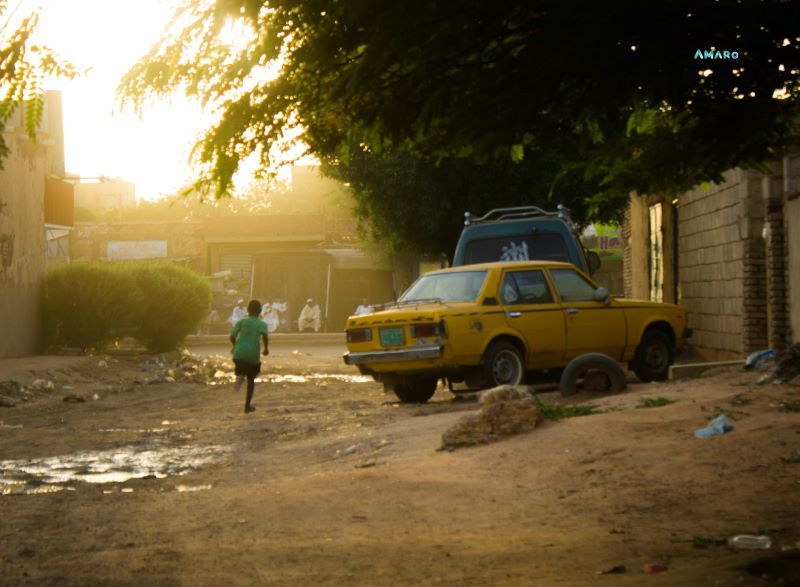
 Sudan faces its second year of civil war due to a power struggle between the Sudanese Armed Forces (SAF) and the Rapid Support Forces (RSF). Before the conflict, Sudan was already facing a humanitarian crisis caused by long-term political and economic instability. This year, Sudan was at the top of the list of countries in need of humanitarian assistance due to the escalation of conflict, mass movement of people, and the health care crisis in Sudan.
The Ongoing Civil War
The power struggle between the SAF and the RSF has created division within the country, with the SAF controlling the eastern regions and the RSF controlling the cities of Khartoum and the west. Foreign involvement also further intensified the Civil war, with the UAE and Chad supporting the RSF and Russia supporting and supplying weapons to the SAF. This rivalry and divide create an opportunity for a fractured Sudan with foreign-backed factions, like the Militia warfare in Libya.
Therefore, the ongoing civil war in Sudan has created a need for urgent international attention and humanitarian aid. The World Food Program (WFP) states that this conflict has made “the world’s largest hunger crisis.” Sudan’s situation has impacted millions and has quickly become the largest displacement crisis.
More than 25 million people across Sudan and its neighboring countries, South Sudan and Chad, struggle to find stability, food and shelter. According to the U.N., around 14,000 people have been killed and double that have been injured. More than 3 million refugees have fled the war since April 2023, and more than 8 million are internally displaced.
Poverty and War
Due to the ongoing conflict, food insecurity has become an extreme issue for the Sudanese people. More than 755,000 people face famine-like hunger, and famine on a larger scale could become a reality. In Sudan, 70% of the population relies on agriculture and livestock; however, many of these areas are used as grounds for fighting due to the conflict, according to the British Red Cross.
According to the WFP, 90% of people in need of humanitarian assistance and facing hunger are stuck in isolated areas inaccessible to the WFP. Authorities revoked permission for trucks to cross the borders to reach Sudan which further disturbed the distribution of humanitarian aid. Therefore, thousands of people in Darfur are struggling with hunger and malnutrition.
Health Care Crisis and Human Rights in Sudan
This deadly conflict has completely deteriorated Sudan’s already vulnerable health care system, limiting people’s access to medical attention and essential resources. More than two-thirds of hospitals in conflict zones are out of service, while the remaining are facing closure due to medical supply shortages, limited funding and staff.
Targeted attacks on hospitals and health care workers have prevented injured patients’ including women and children, from receiving medical attention and help. Hospitals in Sudan lack food, water and medicine. This health care crisis in Sudan limits civilians’ access to essential health care services and basic human necessities. Physical and verbal violence against staff has also increased and many people cannot receive medical help due to pressure from external groups.
Moreover, displacement and people’s urgent need to flee have severely impacted the Sudanese population. The lack of health care, water and sanitation led to the spread of various infections and waterborne illnesses. An outbreak of measles has caused the death of more than 1,000 children across the country, while diseases like cholera continue to spread, with around 8,000 confirmed cases, according to the International Rescue Committee (IRC).
Overcrowded shelters also increase health risks for vulnerable groups. Families struggle due to high food prices, inadequate shelter and limited medicinal care for people with chronic illnesses. Children also lack access to education due to the severity and distress of the conflict. concerns over sexual violence and public safety are also rising. The UNHCR calls for urgent civilian protection and safe access to aid and shelter.
Solutions
In response to increasing needs, many organizations are contributing to humanitarian efforts in Sudan despite the security and political barriers limiting humanitarian assistance in the country. UNICEF is working to provide essential services for children, including nutrition, education and safe water. The International Committee of the Red Cross (ICRC) provides medical aid, equipment, and urgent surgical procedures for injured civilians.
In addition, Save the Children is working to provide children with psychological support and primarily focus on child protection. At the same time, Doctors Without Borders runs emergency medical projects in conflict zones, offering treatment for malnutrition, vaccine programs and trauma care.
Conclusion
The health care crisis in Sudan has reached critical levels, with most hospitals out of service or struggling to operate amidst the war. Hospitals and health care facilities are short on staff and supplies but face continuous attacks, making them difficult to access and limiting health care treatments. The displacement of people also makes it difficult for people to access basic needs like water and medicine, increasing the risk of sickness and diseases. Many humanitarian organizations are working to provide medical aid, food supplies and shelter. However, urgent international efforts are necessary to support Sudan’s health care system and ensure its people’s safety and security.
– Gufran Elhrari
Gufran is based in London, UK and focuses on Global Health and Politics for The Borgen Project.
Photo: Unsplash

Poverty Reduction in Seychelles
Foreign Investment and Tax Reform
The government is utilizing its newest Fitch Rating to create more employment opportunities. A Fitch Rating evaluates an entity’s ability to pay back loans, keep promises and generally be a sound investment for a financial institution. This will lead to more FDI, allowing the government to further invest this money in creating employment. Recent increases in employment have been shown to reduce poverty in Seychelles from 5.9% to 5.6% from 2022 to 2023—this is vital for poverty reduction.
By reducing the tax from 30% to 25% for profits of more than 1 million SCR, the 2022 reform reduces strain on businesses in Seychelles and equally facilitates more Seychellois businesses. Businesses below the 1 million threshold now also benefit from a 15% tax on profits, down from 25% before 2022. This is promising for smaller business owners who may experience levels of poverty.
Regional Disparities
One challenge to poverty reduction in Seychelles is a high level of income inequality. However, the government is helping to address this intra-regional inequality by investing in the education system. Currently, Seychelles spends 10% of its GDP on education. It has also invested in health care and created social safety nets; an example of this is how it increased pensions and the minimum wage.
The World Bank
In 2021, the World Bank gave Seychelles a loan of $30 million for reforms on its social protection system, which is important for poor Seychellois as it covers pensions, welfare and help for those with disabilities. The World Bank estimated that the COVID-19 pandemic halted efforts in poverty reduction. This resulted in the percentage increasing from 25% to 37%, which was essential for further poverty reduction.
Multidimensional Poverty Index Report
Seychelles released its 2019 MPI report, a useful resource to help understand poverty within the country. The Seychelles’ Poverty Alleviation Department created this report as a way to produce a guideline for future policies for poverty reduction in Seychelles. This makes it easier to understand the situation of the poorest Seychellois and understand the challenges they face.
Despite these challenges, the future is bright for Seychelles. It has demonstrated economic growth and investment in its workforce even after 2020. By securing foreign investment, a future is secured for the poorest and most vulnerable of the Seychellois.
– Callum Bennett
Photo: Flickr
How Regional Conflict Is Worsening Lebanon’s Electricity Crisis
The severity of the outages varies significantly per region, with Beirut receiving an average of 21 hours of electricity a day. However, areas further from the capital receive much less, leading to higher private generator bills. The inconsistency of electricity from the state-run electricity provider has had significant implications for the population, especially the nation’s impoverished, who cannot afford to buy private generators. Lama Fakih, Middle East and North Africa director at Human Rights Watch explains that “Lebanon’s electricity crisis is leaving people in the dark and dramatically reducing people’s access to critical rights such as food, water, education and health care.”
The Impact of Regional War
Before the Lebanon-Israel conflict erupted, The National News reported that both sides had threatened to target energy infrastructure in the event of war. Such actions would disrupt essential services, including telecommunications, sanitation networks, irrigation systems and hospitals, all of which depend on electricity to operate.
Since October 2023, Hezbollah has launched airstrikes on Israel, stating that they would halt their actions in exchange for a ceasefire in Gaza. One year later, with no truce reached, Israel began launching heavy strikes on Lebanon. Approximately 60% of border communities in the south have sustained infrastructural damage, impacting residential buildings, roads, water supplies, electrical grids and telecommunications. This destruction has resulted in casualties among maintenance workers and health care staff, intensifying the existing energy crisis.
The war has further strained EDL, which struggles to meet demand even under normal circumstances. According to The Jerusalem Post, EDL recently announced a nationwide power shutdown, stating, “After exploiting all the other options to extend the duration of power production to the maximum possible, the company’s last power plant has ceased power supply across all Lebanese territories, due to a lack of fuel and with that, the power supply to all of Lebanon has been completely halted.” This shutdown affects critical facilities, including the airport, ports, water pumps, sewage systems and prisons.
Organizations on the Ground
Organizations working on the ground to help ease Lebanon’s electricity crisis include Aid Pioneers. This Berlin-based organization began its efforts in 2020, providing humanitarian relief following the Beirut port explosion. Aid Pioneers primarily focuses on medical procurement and clean energy access. Through partnerships with groups like the Altenburg Foundation and Ströer, it has raised millions of dollars, supporting 40,000 people across various projects.
Local organizations like the Lebanese Solar Energy Society (LSES) are also working to address Lebanon’s energy crisis. Operating since 1980, LSES focuses on providing sustainable energy solutions. Through public education on solar energy, high-quality technical support for efficient solar panel installation and ongoing advocacy, LSES aims to promote energy independence and long-term sustainability in Lebanon.
What Does the Future Hold?
With the ongoing conflict with Israel and continued infrastructure damage, Lebanon’s electricity crisis is expected to worsen. Humanitarian organizations and the government are increasingly focused on immediate security and humanitarian needs, often placing energy reforms on the back burner. The U.S. has attempted to broker ceasefire negotiations among the parties involved, but these efforts have remained inconclusive. According to Reuters, Hamas has rejected a temporary truce, stating that current ceasefire proposals do not meet its conditions.
Israeli officials have also indicated that diplomacy alone will not prompt a ceasefire, as it demands that Hezbollah comply with UNSCR 1701, which prohibits the presence of its fighters near the Israeli border. With no ceasefire in sight, a resolution to the crisis appears distant. Given that EDL struggled to meet demand even before the war, any improvements in the energy situation are likely to be minimal, even if all parties eventually reach a ceasefire agreement.
– Floria Persis
Photo: Flickr
The Almanah Hope Foundation: Supporting African Widows
“For many women, becoming a widow does not just mean the heartache of losing a husband, but often losing everything else as well,” stated Cherri Blair. Governments implementing policies within these areas are key to building sustainable and universal empowerment of African Widows.
Challenges Faced by African Widows
The myriad of challenges that threaten African widows’ very survival include:
The Almanah Hope Foundation
The Almanah Hope Foundation, a nonprofit organization based in Nigeria, stands as a beacon of light to African widows by bridging the gap between the “cold sweat of stigmatization and the hot flashes of economic hardship” widows in Africa encounter. The organization has implemented a multifaceted approach to address these complex issues:
These initiatives, among others, demonstrate the Almanah Hope Foundation’s commitment to supporting widows in Africa.
Summary
Widows in Africa continue to face significant challenges, including a lack of economic opportunities, marginalization and stigmatization. However, the Almanah Hope Foundation addresses these issues through various initiatives, including a radio program and an annual African widows’ summit. These programs raise awareness of the obstacles African widows encounter and empower them to advocate for their rights and well-being.
– Staff Reports
Photo: Flickr
Sawré Muybu: A Landmark Win for Indigenous Peoples in Brazil
These incursions threaten the livelihoods of Indigenous communities who rely on the land for farming, fishing and hunting. One egregious example of the detrimental effects of these invasions is the use of toxic mercury by gold miners to extract gold. This contaminates rivers and endangers both community health and cultural traditions like fishing. Furthermore, the resulting food scarcity and deforestation have driven many Indigenous people to relocate to cities, where they face discrimination and have limited access to health care.
Conflict Over Sawré Muybu
Within the heart of the Amazon lies the Sawré Muybu, an Indigenous land inhabited by the Munduruku people for generations. Rich in diverse plant and animal life, safeguarding this land is essential to preserving an ancestral way of life that connects deeply to the forest and is grounded in cultural and spiritual harmony. However, frequent land invasions by miners and loggers threaten the Munduruku people’s livelihoods and their ability to sustain this ancestral way of life. Leaders of the Munduruku community have endured violence and death threats for defending their territory, highlighting the severe risks they take to protect their land and heritage.
Demarcation establishes the legal process of officially defining and protecting Indigenous lands, creating clear boundaries to recognize and safeguard the rights of Indigenous communities to their ancestral territories. This process is crucial for preventing incursions by external parties, such as miners and loggers and preserving Indigenous livelihoods and culture. The demarcation process for the Sawré Muybu territory began in 2007 but saw long delays due to the economic sway of the mining industry in the region.
In 2014, the Munduruku people took control by self-demarcating their land, marking its borders and driving out intruders. This act carried significant political weight and inspired other Indigenous communities across Brazil to assert their rights in similar ways.
The Demarcation of the Sawré Muybu Territory
On September 25, 2024, Brazil’s Minister of Justice officially decreed the demarcation of the Sawré Muybu territory, achieving a major victory for Indigenous peoples in Brazil. This 17-year struggle for the Munduruku’s ancestral land highlights the power of solidarity and persistent advocacy in influencing political decisions on Indigenous rights. With this demarcation, incursions on the land are now illegal, placing a duty on the government to enforce the decree, remove land invaders and prevent any acts of violent retaliation.
The Path Ahead for Indigenous Rights
This victory marks a pivotal step toward Indigenous dignity and rights amid the numerous pressures affecting Indigenous peoples in Brazil. Indeed, it stands not only as a landmark in the fight for land rights but also as a triumph for human rights, poverty reduction and environmental preservation. Furthermore, it demonstrates that Indigenous voices possess strength—and, if ignored, will find ways to be heard.
Chief Juarez Saw of Sawré Muybu village aptly expressed this sentiment upon the decree’s signing: “Yesterday was a victory for all of us who depend on the forest, which means the whole world. For forest defenders, the minister’s signature was very important in helping us to guarantee the preservation of nature and the standing forest. When I speak of our victory, I speak of our collective victory.”
– William Pickering
Photo: Flickr
Maasai Poverty and the Path to Prosperity
Multi-Dimensional Poverty
Multi-dimensional poverty is a serious issue within Africa, with 317 million children being multidimensionally poor in sub-Saharan Africa. This is especially evident in rural areas, where vulnerable groups like women and children do not have access to education, clean water or food. The Maasai people are no exception to these statistics, with cultural ideals stating that the males of the group should get the more nutritious food, leaving the women and children dealing with malnutrition as a result of the food insecurity, according to The Conversation.
This is just one aspect of poverty the Maasai people deal with, with 20% of people having access to safe water in Narok County (where the Maasai reserves are based). This rural area also needs clean sanitation levels with only 35% of people having access to clean sanitation.
These risks to the traditional way of life have forced the Maasai to turn to different ways to feed themselves. One instance following a drought earlier this year forced the tribe to begin fish farming as a way to feed themselves, a divergence considering the typical diet of a Maasai revolves mainly around cattle and the odd goat during hard periods. To help accustom the Maasai local governments, like Kajiado have gifted pond liners, fish fingerlings and food to help them become self-sufficient.
Maasai Poverty and Tourism
However, this is not the only new practice the Maasai have undertaken, with the tribe working with tourism groups as a way to increase its economy. This transition to modern currency, whilst diverging from their cultural practices, allows the tribe to increase its resources. Companies like Wayfairer have discussed how they operate on a level that helps Maasai poverty rates rather than exploit them. Wayfairer ensures that any money generated from the tourists goes directly to local development initiatives helping to support the Indigenous people.
The Maasai poverty rate threatens their traditional way of life, a threat commonly seen among Indigenous groups, another example is the San people. They are the oldest inhabitants of South Africa and are known for their connection and use of the land they inhabit, however, most of the San people live below the poverty line due to aspects of Indigenous poverty the Maasai also deal with, such issues as low resources, land disputes and social and cultural shifts.
Thankfully the Maasai people and the tourism surrounding them often has ethical options, for instance, companies reminding groups to treat them with respect, using Maasai guides and asking these guides what donation they recommend.
Organizations Helping Maasai People
There are also specific organizations to help support the Maasai, like the Maasai Wilderness Conservation Trust, which works to ensure the land protection of the Maasai, subsequently helping protect the animals and ecosystem that it supports. Not only does this help the planet and diversity of species in Kenya, but also the Maasai people who live off the land.
RedTribe helps tackle Maasai poverty and helps people adjust to modern life. The organization focuses on raising money for the community by selling traditional beadwork that women make, helping ensure access to clean water, and the Maasai clinic, which helps the 12,000 people in the community to stay healthy with treatments like vaccines and dental care. Whilst this company helps the Maasai integrate into contemporary life it is run by those from the tribe ensuring that the values and beliefs that were considered vital to the Maasai way of life are still honored, working for sustainability through empowering locals rather than aid.
This prioritizing of the tribe’s needs and values allows the tourists to support the Maasai in a way that doesn’t further threaten their cultural practices, helping the poverty rates as well as educating those who visit them.
– Caitlin Mulholland
Photo: Unsplash
3 Organizations Fighting Heart Disease in the Philippines
These countries often face a shortage of medical professionals. Research from the University of the Philippines highlights a significant gap in its health care system, particularly the low ratio of doctors to the population, which delays CVD diagnoses. To address these ongoing challenges, several organizations are stepping up to help, including the Children’s Heart Foundation, Gift of Life International and the Philips Foundation.
3 Organizations Fighting Heart Disease in the Philippines
Looking Ahead
Efforts to combat cardiovascular disease in the Philippines continue to expand, bringing hope to many in need of critical care. By providing treatment, financial assistance and early diagnostic tools, dedicated organizations aim to reduce the incidence of heart disease and strengthen the health care system. As these initiatives progress, they pave the way for greater health equity and set a foundation for improved medical support across the country, especially for those most at risk.
– Nadia Haeryfar
Photo: Flickr
Excellent World Foundation and Its Approach to Poverty Alleviation
In addition to poverty, the Niger Delta communities grapple with environmental degradation caused by oil spills from the oil and gas industry. This destruction of their surroundings is compounded by other issues, including conflict, insecurity and corruption, which further destabilize the region. The Excellent World Foundation focuses its efforts in these states, aiming to address the region’s challenges.
Efforts
As a grassroots-based organization, the Excellent World Foundation employs a variety of approaches and methodologies to implement its initiatives and engage critical stakeholders effectively. These methods emphasize direct engagement and allow for real-time feedback that supports continuous planning and evaluation. The key approaches include:
Impact and Outcomes
In partnership with the Nigerian Petroleum Development Company (NPDC) through the Community Development Board (CDB) of Oil and Mineral Lease (OML) 26 in Delta State, Nigeria, the Excellent World Foundation has previously implemented programs that have empowered more than 20,000 youths. These initiatives provided skill training and starter packs in areas such as welding and fabrication, fashion and design, solar installation, sewing and cake baking, among other trades, directly benefiting youths within the OML 26 communities.
Furthermore, in partnership with PRO-DATA, it has established more than 200 peace clubs, an early warning system, HIV/AIDs clubs and environmental watch in public schools in Nigeria. With funding support from the United States Agency for International Development (USAID), the Excellent World Foundation has established more than 200 Emergency Water Sanitation and Hygiene Group (EWASH) committees, providing essential training in more than 200 communities. Currently, the foundation is implementing “Skools” and digital skills training programs, aiming to reach more than 10,000 beneficiaries across Nigeria, with a focus on student participants.
Conclusion
The Excellent World Foundation has demonstrated a steadfast commitment to addressing poverty and promoting sustainable development in Nigeria, particularly within the Niger Delta and other underserved communities. Supported by partnerships with organizations like USAID and the NPDC, the foundation’s initiatives have positively impacted tens of thousands, equipping them with essential skills and resources to create lasting change.
– Staff Reports
Photo: Flickr
Health Care Crisis in Sudan
The Ongoing Civil War
The power struggle between the SAF and the RSF has created division within the country, with the SAF controlling the eastern regions and the RSF controlling the cities of Khartoum and the west. Foreign involvement also further intensified the Civil war, with the UAE and Chad supporting the RSF and Russia supporting and supplying weapons to the SAF. This rivalry and divide create an opportunity for a fractured Sudan with foreign-backed factions, like the Militia warfare in Libya.
Therefore, the ongoing civil war in Sudan has created a need for urgent international attention and humanitarian aid. The World Food Program (WFP) states that this conflict has made “the world’s largest hunger crisis.” Sudan’s situation has impacted millions and has quickly become the largest displacement crisis.
More than 25 million people across Sudan and its neighboring countries, South Sudan and Chad, struggle to find stability, food and shelter. According to the U.N., around 14,000 people have been killed and double that have been injured. More than 3 million refugees have fled the war since April 2023, and more than 8 million are internally displaced.
Poverty and War
Due to the ongoing conflict, food insecurity has become an extreme issue for the Sudanese people. More than 755,000 people face famine-like hunger, and famine on a larger scale could become a reality. In Sudan, 70% of the population relies on agriculture and livestock; however, many of these areas are used as grounds for fighting due to the conflict, according to the British Red Cross.
According to the WFP, 90% of people in need of humanitarian assistance and facing hunger are stuck in isolated areas inaccessible to the WFP. Authorities revoked permission for trucks to cross the borders to reach Sudan which further disturbed the distribution of humanitarian aid. Therefore, thousands of people in Darfur are struggling with hunger and malnutrition.
Health Care Crisis and Human Rights in Sudan
This deadly conflict has completely deteriorated Sudan’s already vulnerable health care system, limiting people’s access to medical attention and essential resources. More than two-thirds of hospitals in conflict zones are out of service, while the remaining are facing closure due to medical supply shortages, limited funding and staff.
Targeted attacks on hospitals and health care workers have prevented injured patients’ including women and children, from receiving medical attention and help. Hospitals in Sudan lack food, water and medicine. This health care crisis in Sudan limits civilians’ access to essential health care services and basic human necessities. Physical and verbal violence against staff has also increased and many people cannot receive medical help due to pressure from external groups.
Moreover, displacement and people’s urgent need to flee have severely impacted the Sudanese population. The lack of health care, water and sanitation led to the spread of various infections and waterborne illnesses. An outbreak of measles has caused the death of more than 1,000 children across the country, while diseases like cholera continue to spread, with around 8,000 confirmed cases, according to the International Rescue Committee (IRC).
Overcrowded shelters also increase health risks for vulnerable groups. Families struggle due to high food prices, inadequate shelter and limited medicinal care for people with chronic illnesses. Children also lack access to education due to the severity and distress of the conflict. concerns over sexual violence and public safety are also rising. The UNHCR calls for urgent civilian protection and safe access to aid and shelter.
Solutions
In response to increasing needs, many organizations are contributing to humanitarian efforts in Sudan despite the security and political barriers limiting humanitarian assistance in the country. UNICEF is working to provide essential services for children, including nutrition, education and safe water. The International Committee of the Red Cross (ICRC) provides medical aid, equipment, and urgent surgical procedures for injured civilians.
In addition, Save the Children is working to provide children with psychological support and primarily focus on child protection. At the same time, Doctors Without Borders runs emergency medical projects in conflict zones, offering treatment for malnutrition, vaccine programs and trauma care.
Conclusion
The health care crisis in Sudan has reached critical levels, with most hospitals out of service or struggling to operate amidst the war. Hospitals and health care facilities are short on staff and supplies but face continuous attacks, making them difficult to access and limiting health care treatments. The displacement of people also makes it difficult for people to access basic needs like water and medicine, increasing the risk of sickness and diseases. Many humanitarian organizations are working to provide medical aid, food supplies and shelter. However, urgent international efforts are necessary to support Sudan’s health care system and ensure its people’s safety and security.
– Gufran Elhrari
Photo: Unsplash
Renewable Energy in Uzbekistan
The Introduction of Renewable Energy
The World Bank, Abu Dhabi Future Energy Company (Masdar) and the Government of Uzbekistan have entered into a financial agreement to develop a 250-megawatt solar photovoltaic plant, paired with a 63-megawatt battery energy storage system (BESS). This project aims to deliver clean and reliable electricity to approximately 75,000 households.
It stands out as Central Asia’s first renewable energy initiative to include an integrated BESS, enhancing the efficiency and flexibility of the power system. This initiative will improve supply security and mitigate the intermittency associated with renewable energy generation. Thanks to the World Bank’s guarantee, the project ensures an affordable supply of renewable energy in Uzbekistan for both households and businesses throughout the country.
Affordable and Steady Energy Supply
Access to affordable and reliable renewable energy in Uzbekistan could be critical for improving the quality of life and economic opportunities for the poor. In many remote areas of Uzbekistan, access to electricity is limited or nonexistent. Yet, a steady supply of energy is crucial to rural farmers, especially for irrigation, as the impact of natural disasters could intensify soon. Therefore, the implementation of cost-effective renewable energy such as solar energy could greatly enhance the agricultural production of wheat landscapes in key regions in Uzbekistan, thus increasing incomes for the agricultural sectors, which account for approximately a quarter of the national economy
Also, these initiatives could help address the electricity shortages. For instance, the introduction of energy-saving technologies could improve living conditions reducing reliance on expensive and harmful fuels for cooking and heating and facilitating the establishment of small businesses.
In October 2019, the Uzbek government adopted a strategy to transform the Republic of Uzbekistan into a Green Economy by 2030. This strategy aims to increase the share of renewable energy to over a quarter of total energy use and to modernize industrial infrastructure with environmentally safe technologies.
Economic Growth and Job Creation
Renewable energy can significantly combat poverty by fostering economic growth and job creation. A reliable supply of renewable energy can bolster the national and regional economies, leading to the expansion of small and medium-sized enterprises. This growth can create employment opportunities during the construction, maintenance and operation phases of renewable projects.
For instance, in 2018, Uzbekistan joined the World Bank’s Scaling Solar program to kickstart the development of 1 GW of solar energy. This investment in solar power could assist the country in lowering greenhouse gas emissions and reducing the carbon intensity of its GDP. This green approach ensures that every sector such as business and social services could have a stable supply of clean and reliable energy. Moreover, the renewable energy sector can attract foreign investment, driving technological advancements and skill development among the local workforce.
The Future
In conclusion, Uzbekistan has set ambitious targets to halve its poverty rate by 2026 and become an upper-middle-income country by 2030. Renewable energy presents a formidable opportunity for Uzbekistan to combat poverty while promoting sustainable development. By investing in renewable technologies, Uzbekistan could stimulate economic growth, create jobs and improve the quality of life for its citizens. Furthermore, transitioning to cleaner energy sources could enhance environmental sustainability and resilience against climate change. As Uzbekistan continues its development journey, harnessing the potential of renewable energy could be crucial in empowering its population and reducing poverty.
– Hoi Ieng Chao
Photo: Unsplash
Economic Growth in El Salvador: Key Areas
Tourism
El Salvador has experienced significant growth in tourism in recent years, highlighting its appeal as a travel destination. Reforms in public security and government efforts to improve safety have resulted in a safer environment for tourists. According to the World Travel and Tourism Council (WTTC), El Salvador has had an exponential growth of 157% during the first six months of 2023 compared to previous years. The organization forecasts El Salvador to be the leading country in international tourism in Latin America in 2024. Improvements in public security have created a more favourable environment for tourism, contributing to the country’s economic growth and sustainable development in the tourism sector.
Foreign Investments
El Salvador has seen a noticeable increase in foreign investments, reflecting growing confidence in the country’s economic potential. As the country has become safer, international businesses and investors have started to take a big interest in the opportunities available. This surge of foreign capital has stimulated economic growth which could create more jobs. This has opened the door for sustainable economic progress, positioning El Salvador as an attractive destination for future investments. A recent report by the Central Reverse Bank reflects a notable surge in foreign investments in the first three months of 2024; investments from abroad increased by 8%. El Salvador’s economy expanded by $14.33 million more than in 2023.
Infrastructure Development
El Salvador’s government has made significant strides in several major projects, including the construction of a new international airport and a port in La Unión. These projects are at various stages of development, alongside the modernization of road infrastructure and the health care system with new hospitals and roads. These achievements reflect the government’s commitment to the country’s development and set the stage for a more prosperous and stable future in El Salvador.
Entrepreneurship and Small and Medium Enterprises
The reduction of violence in El Salvador could significantly impact entrepreneurship and the growth of small and medium enterprises (SMEs). According to the Bloomberg article based on Moody’s Investors Service information, the decrease in crime could encourage local companies to increase their investments. This is largely due to the implementation of the Territorial Control Plan (PCT) and the Exception Regime by the government, which has restored peace of mind and confidence among both the population and business owners. With more than 64,000 terrorists captured and one of the lowest homicide rates in the world, the safer environment has allowed SMEs to prosper, contributing to the country’s economic growth and creating new opportunities for employment and development.
Community Development Programs
The government, in collaboration with organizations like the Peace Corps, is providing training in entrepreneurship, employability skills, financial management and life skills. These programs aim to empower communities, especially the youth and women, to take advantage of new economic opportunities. By focusing on these areas, El Salvador is promoting economic security and mobility, ultimately contributing to the nation’s growth and stability.
Conclusion
To conclude, economic growth in El Salvador illustrates the significant effects of stability and growth on national prosperity. The boost in tourism, rise in foreign investments, extensive infrastructure improvements, community development programs and the expansion of entrepreneurship and small businesses are key factors driving this transformation. These developments not only emphasize El Salvador’s potential but also set the stage for a brighter and more prosperous future, pointing out the substantial benefits of a stable and succeeding economy.
– Maria Urioste
Photo: Unsplash