Between 2011 and 2021, Paraguay’s forest coverage fell from 48.2% to 39.8%, with 88% of the deforestation happening in the Paraguayan Chaco, largely due to cattle ranching and coal mining. Domestic laws allow most of these clearances, as they require preserving only 25% of forested land in ranching or mining areas. As part of ongoing efforts and updates on SDG 15 in Paraguay, the country signed the Glasgow Leaders’ Declaration on Forests and Land Use in 2021, pledging to halt and reverse deforestation and forest degradation, according to the World Bank. This commitment aligns with SDG 15 (“Life on Land”), which focuses on the conservation, restoration, and sustainable use of ecosystems, like forests.
However, critics argue that this pledge has been vague and ineffective. Rather than achieving its goal of forest preservation, the declaration has resulted in deforestation, permitting invasive eucalyptus plantations to replace biodiverse ecosystems and encroach upon Indigenous lands, the World Bank reports.
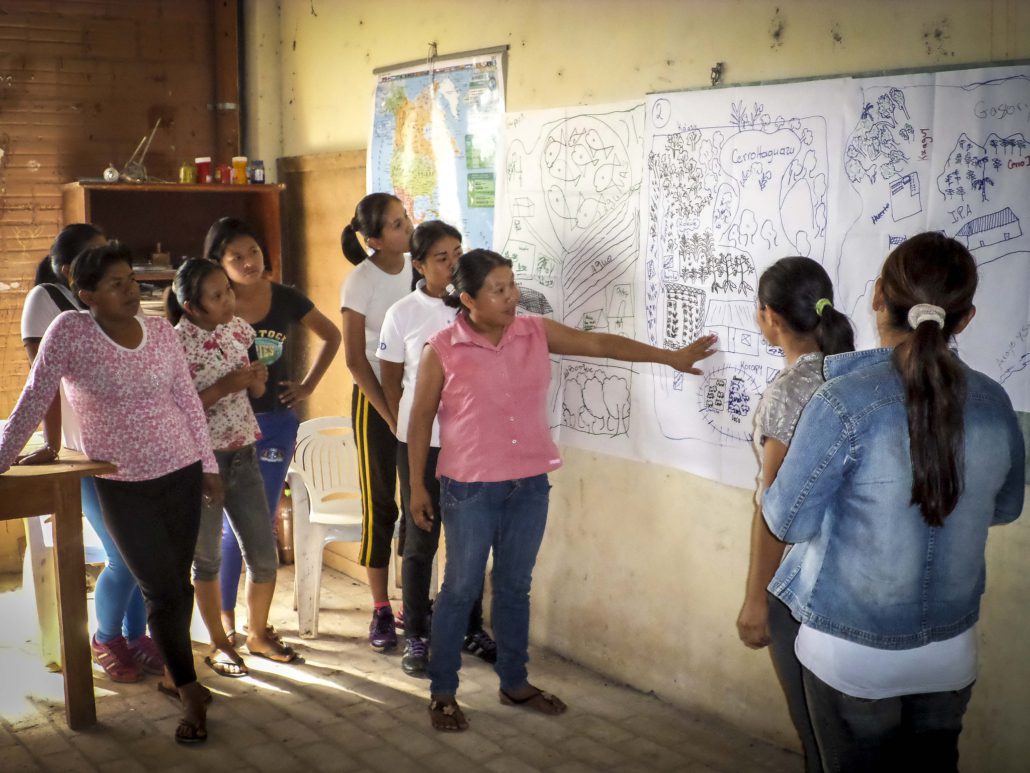
According to the World Bank, this issue particularly affects Paraguay’s Indigenous communities, who suffer disproportionately from environmental changes. Approximately 66% of Indigenous people live in poverty, with 34.4% living in extreme poverty—three times the national average. Additionally, 33.5% of Indigenous people are illiterate, less than 1% have access to the Internet and less than 4% benefit from state social protection programs. These conditions heighten the vulnerability of groups like the Qom in the Chaco forest, whose livelihoods are further endangered by harmful eucalyptus plantations introduced under the pretext of conservation, the World Bank reports. This is because Indigenous communities often depend on natural resources for their daily needs, such as gathering and agriculture, as well as for maintaining cultural practices. Here is some information about updates on SDG 15 in Paraguay.
Understanding REDD+
In 2007, the forestry sector accounted for about 17% of global greenhouse gas emissions, prompting the creation of REDD+, an international mechanism designed to reduce deforestation while maintaining forests as carbon sinks. Initially known as REDD, U.N. climate negotiations later expanded it and incorporated it into the Paris Agreement under Article 5. REDD+ now includes conservation, sustainable forest management, and enhancing forest carbon stocks in developing countries. The initiative incentivizes nations to preserve forests by offering financial rewards, making standing forests more valuable than cleared ones.
COP introduced safeguards for REDD+ projects to prevent harm, such as violations of Indigenous rights. These safeguards ensure Indigenous communities and other relevant groups fully participate in decision-making. For nations to receive financial rewards, they must submit reports proving their compliance with these safeguards.
Additionally, the COP urged capable countries to “support capacity-building, provide technical assistance” and facilitate technology transfer to strengthen the effectiveness of these initiatives.
The Corazón Verde del Chaco Project: A Case Study
In 2023, Paraguay’s largest REDD+ initiative, the Corazón Verde del Chaco Project, gained validation for its Climate, Community and Biodiversity (CCB) Standards from the nonprofit organization Verra. This validation demonstrates that the project reduces carbon emissions while also promoting biodiversity conservation and benefiting local communities, including Indigenous peoples.
By earning this validation, the project adds credibility and transparency, making it more attractive to investors and helping secure results-based payments. Covering approximately 300,000 hectares of Indigenous community lands shared by the Maria Auxiliadora community, interviews with community leaders confirmed no evidence that the REDD+ project negatively impacted Indigenous communities.
The Role of REDD+ in Achieving SDGs
REDD+ plays a critical role in Paraguay’s efforts to meet the U.N.’s SDGs, particularly SDG 15 on forest conservation and SDG 10 on reducing inequalities. In the latest updates on SDG 15 in Paraguay, REDD+ aligns with SDG 15 by promoting forest conservation and sustainable land use, offering a more equitable development approach compared to land clearing for cattle ranching and mining. Achieving SDG 15 encourages practices that protect natural resources, which many of Paraguay’s poorest communities, especially Indigenous peoples, rely on for their livelihoods. In addition, REDD+ projects reduce inequalities (SDG 10) by safeguarding the rights of marginalized groups and ensuring they fully participate in decision-making processes, per the safeguards introduced at COP 16.
Future Prospects
Looking forward, ongoing updates on SDG 15 in Paraguay include projects like the Corazón Verde del Chaco initiative, which, with its Verra certification, aims to reduce net greenhouse gas emissions by an estimated 5.6 million tons of CO2 over its initial 10-year period, according to Quadriz. Beyond reducing emissions, this project will likely strengthen the capacity of local communities in the Paraguayan Chaco, potentially by employing Indigenous technicians to monitor forests, as seen in previous REDD+ initiatives in Paraguay.
The initiative also includes gender-focused projects, such as creating childcare spaces, which enable Indigenous women to participate fully in decision-making and workshops. The project’s scale presents an opportunity to expand these benefits, alleviating stress on Indigenous women across Paraguay. By empowering communities and addressing issues like invasive eucalyptus plantations, this initiative seeks to promote better forest management nationwide while preventing the marginalization of Indigenous groups.
– William Pickering
William is based in Nottingham, UK and focuses on Good News and Technology for The Borgen Project.
Photo: Flickr

How Award-Winning Authors Are Showing Support for Palestine
With no sign of an end in sight and access to aid severely restricted, global support for Palestinians is crucial for encouraging leaders of the most powerful nations to act in every way they can to see this reality of horror come to an end. One thousand acclaimed publishing professionals and authors, including the author of “Normal People,” Sally Rooney, have demonstrated their stance of support for Palestine by signing a letter that pledges to boycott Israeli cultural institutions.
The Situation in Gaza
Palestinian rights are increasingly violated day by day as the conflict continues to escalate. Since the conflict began on 7 October 2023, more than 40,000 lives have been lost and a minimum of 97,000 civilians have been injured in Gaza. Intern physician Dr. Amira Qadeeh spoke with The New Humanitarian about the devastating impact of the conflict on those living through this nightmare.
Qadeeh expresses: “Before, I was in the safety and comfort of my home, leading a quiet life … and doing all the things that are normal for any human being. Now we need a miracle to get clean drinking water, enough healthy food, a blanket that warms us in the bitter cold and above all, safe shelter.” Urgent continued support for Palestine is crucial for the restoration of livelihood; however, with many companies, countries and institutions still profiting off this crisis, we are witnessing complicity that actively enables the bloodshed to persist.
Support for Palestine From Book Industry Figures
Rooney, Arundhati Roy and Rachel Kushner are just a few names among more than 1,000 signatories of the pledge to boycott Israeli cultural institutions that “are complicit or have remained silent observers of the overwhelming oppression of Palestinians.” Organized by the Palestine Festival of Literature, the boycott recognizes the existence of institutions profiting from others’ suffering. All those in favor of this campaign express that they will refuse to work with any Israeli publishers, festivals, literary agencies and publications that are complicit in the violation of Palestinian rights.
This also includes those operating “discriminatory policies and practices” or “whitewashing and justifying Israel’s occupation, apartheid or genocide.” Among others, Rooney’s support for Palestine has been unwavering, demonstrated through her history of openly advocating for Palestinian rights and refusing to “sell the Hebrew translation rights of her third novel, “Beautiful World, Where Are You,” to an Israeli publisher in 2021.
The impact of well-known and loved book industry figures such as Rooney using their influence to speak out about the situation in Gaza, as well as calling for the boycott of institutions, is invaluable for generating as much public support for Palestinian rights as possible. Moreover, this high-profile boycott has the power to influence others and highlight companies and institutions that capitalize on the conflict in Gaza.
– Imogen Prince
Photo: Flickr
Boateng’s Plastic Bricks Offer Affordable Housing for Ghana
This invention also helped save his company, as the Ghanaian government was considering a ban on single-use plastics due to health and safety hazards associated with plastic pollution. Boateng told “Africa Calling” podcast correspondent Zubaida Mabuno Ismail, “I had to find a way of dealing with the plastic in a more sustainable way.”
Waste Management in Ghana
A major factor driving plastic repurposing efforts in Ghana is the country’s significant plastic pollution problem. The National Library of Medicine reports a link between public health issues in Ghana and inconsistent waste management practices, a concern shared by many Ghanaians. Indeed, Gbeddy Phanuel’s online survey on household waste management practices in Accra found that 83% of respondents consider quality service to be the top priority. Many feel that current waste management practices are unpredictable and lack professionalism.
As a developing country, Ghana has yet to establish fully functional waste management sites, making it challenging for residents to dispose of waste properly. In fact, 62% of Ghana’s waste reaches landfills. Furthermore, the remaining 38% is disposed of through unregulated methods, including 14.5% in waterways and 16.5% in gutters. This poses health risks for Ghanaians as inadequate waste management solutions compromise water sources.
Fortunately, Gbeddy’s survey of more than 200 Ghanaians revealed that 81% are willing to participate in waste management initiatives. Plastic waste ranks third highest in Africa and due to its long lifespan, finding sustainable ways to reduce its usage is crucial for the health and safety of people in Ghana.
Beautiful Plastic Homes for a Low Price
In an interview with Voice of America, Boateng offers an inside look at the plastic brick manufacturing process and its final results. He showcases his home, which is built entirely from Nelplast bricks made of recycled plastic. Constructing a one-bedroom apartment with these bricks costs around $11,000, making it an affordable housing option for low-income families in Ghana.
Each home uses about 13,400 kilograms (approximately 29,542 pounds) of plastic. Boateng and his company developed these bricks by heating and compressing a blend of plastic and sand, creating durable materials that leverage plastic’s resilience against decay—a promising solution to Ghana’s housing shortage.
Boateng introduces an innovative solution for both the housing shortage and plastic waste problem, providing a hopeful path forward for affordable housing in Ghana.
– Madeline Star Heintz
Photo: Flickr
Updates on SDG 15 in Paraguay: The Work of REDD+
Between 2011 and 2021, Paraguay’s forest coverage fell from 48.2% to 39.8%, with 88% of the deforestation happening in the Paraguayan Chaco, largely due to cattle ranching and coal mining. Domestic laws allow most of these clearances, as they require preserving only 25% of forested land in ranching or mining areas. As part of ongoing efforts and updates on SDG 15 in Paraguay, the country signed the Glasgow Leaders’ Declaration on Forests and Land Use in 2021, pledging to halt and reverse deforestation and forest degradation, according to the World Bank. This commitment aligns with SDG 15 (“Life on Land”), which focuses on the conservation, restoration, and sustainable use of ecosystems, like forests.
However, critics argue that this pledge has been vague and ineffective. Rather than achieving its goal of forest preservation, the declaration has resulted in deforestation, permitting invasive eucalyptus plantations to replace biodiverse ecosystems and encroach upon Indigenous lands, the World Bank reports.
According to the World Bank, this issue particularly affects Paraguay’s Indigenous communities, who suffer disproportionately from environmental changes. Approximately 66% of Indigenous people live in poverty, with 34.4% living in extreme poverty—three times the national average. Additionally, 33.5% of Indigenous people are illiterate, less than 1% have access to the Internet and less than 4% benefit from state social protection programs. These conditions heighten the vulnerability of groups like the Qom in the Chaco forest, whose livelihoods are further endangered by harmful eucalyptus plantations introduced under the pretext of conservation, the World Bank reports. This is because Indigenous communities often depend on natural resources for their daily needs, such as gathering and agriculture, as well as for maintaining cultural practices. Here is some information about updates on SDG 15 in Paraguay.
Understanding REDD+
In 2007, the forestry sector accounted for about 17% of global greenhouse gas emissions, prompting the creation of REDD+, an international mechanism designed to reduce deforestation while maintaining forests as carbon sinks. Initially known as REDD, U.N. climate negotiations later expanded it and incorporated it into the Paris Agreement under Article 5. REDD+ now includes conservation, sustainable forest management, and enhancing forest carbon stocks in developing countries. The initiative incentivizes nations to preserve forests by offering financial rewards, making standing forests more valuable than cleared ones.
COP introduced safeguards for REDD+ projects to prevent harm, such as violations of Indigenous rights. These safeguards ensure Indigenous communities and other relevant groups fully participate in decision-making. For nations to receive financial rewards, they must submit reports proving their compliance with these safeguards.
Additionally, the COP urged capable countries to “support capacity-building, provide technical assistance” and facilitate technology transfer to strengthen the effectiveness of these initiatives.
The Corazón Verde del Chaco Project: A Case Study
In 2023, Paraguay’s largest REDD+ initiative, the Corazón Verde del Chaco Project, gained validation for its Climate, Community and Biodiversity (CCB) Standards from the nonprofit organization Verra. This validation demonstrates that the project reduces carbon emissions while also promoting biodiversity conservation and benefiting local communities, including Indigenous peoples.
By earning this validation, the project adds credibility and transparency, making it more attractive to investors and helping secure results-based payments. Covering approximately 300,000 hectares of Indigenous community lands shared by the Maria Auxiliadora community, interviews with community leaders confirmed no evidence that the REDD+ project negatively impacted Indigenous communities.
The Role of REDD+ in Achieving SDGs
REDD+ plays a critical role in Paraguay’s efforts to meet the U.N.’s SDGs, particularly SDG 15 on forest conservation and SDG 10 on reducing inequalities. In the latest updates on SDG 15 in Paraguay, REDD+ aligns with SDG 15 by promoting forest conservation and sustainable land use, offering a more equitable development approach compared to land clearing for cattle ranching and mining. Achieving SDG 15 encourages practices that protect natural resources, which many of Paraguay’s poorest communities, especially Indigenous peoples, rely on for their livelihoods. In addition, REDD+ projects reduce inequalities (SDG 10) by safeguarding the rights of marginalized groups and ensuring they fully participate in decision-making processes, per the safeguards introduced at COP 16.
Future Prospects
Looking forward, ongoing updates on SDG 15 in Paraguay include projects like the Corazón Verde del Chaco initiative, which, with its Verra certification, aims to reduce net greenhouse gas emissions by an estimated 5.6 million tons of CO2 over its initial 10-year period, according to Quadriz. Beyond reducing emissions, this project will likely strengthen the capacity of local communities in the Paraguayan Chaco, potentially by employing Indigenous technicians to monitor forests, as seen in previous REDD+ initiatives in Paraguay.
The initiative also includes gender-focused projects, such as creating childcare spaces, which enable Indigenous women to participate fully in decision-making and workshops. The project’s scale presents an opportunity to expand these benefits, alleviating stress on Indigenous women across Paraguay. By empowering communities and addressing issues like invasive eucalyptus plantations, this initiative seeks to promote better forest management nationwide while preventing the marginalization of Indigenous groups.
– William Pickering
Photo: Flickr
Queentrepreneur Women’s Foundation: Empowering Women
Furthermore, more than 37 million girls and women in Nigeria are affected by period poverty. Addressing these challenges could significantly reduce poverty rates among women, leading to an increase in economic growth. Estimates show that closing the gender gap in labor force participation could boost sub-Saharan Africa’s gross domestic product (GDP) by up to 10%. Improved literacy and economic inclusion for women would also ensure better education, health and protection outcomes for children, breaking the cycle of poverty for future generations.
The Queentrepreneur Women’s Foundation
The Queentrepreneur Women’s Foundation (QWF), a nonprofit organization, is addressing these issues through skill acquisition programs, AI-powered business tools, health education, legal aid partnerships and mentorship. By empowering women with economic, educational and legal resources, QWF aims to transform these challenges into progress and resilience, offering hope and the tools for self-reliance. In return, the women advocate for and look out for children, ensuring they receive the necessary care and protection.
The foundation’s vision is clear and ambitious: to create a sustainable ecosystem where women uplift each other, educate and contribute to eliminating poverty. This vision is brought to life through a series of innovative programs and partnerships that address the multifaceted challenges faced by women and children in Nigeria.
Impacts
The Queentrepreneur Women’s Foundation doesn’t just talk about change; it creates it, one life at a time. Its programs align closely with several of the United Nations Sustainable Development Goals (SDGs), demonstrating its commitment to global sustainable development.
A Sustainable Model of Empowerment
The organization is distinguished by its sustainable model. Women who benefit from the foundation’s programs are encouraged to give back through advocacy and fundraising, creating a cycle of empowerment that continues to grow and strengthen the community. Indeed, QWF’s core values of empowerment through education, community support and advocacy, innovative solutions and sustainability through giving back are evident in every aspect of its work.
Looking Forward
In a world where the path to gender equality and women’s empowerment can often seem daunting, QWF offers hope and a practical roadmap for change. It reminds us that when we empower women and children, we truly do grow nations and in doing so, we make significant strides toward achieving the global goals for sustainable development.
As QWF continues to grow and expand its reach, it stands as a shining example of what can be achieved when women come together to support and uplift each other and their communities. Furthermore, by addressing immediate needs while also focusing on long-term empowerment and education, the foundation is not just changing individual lives – it’s helping to build a stronger, more equitable future for all.
– Staff Reports
Photo: QWF
Everything You Need to Know About Hunger in Kashmir
Political Conflict
For decades, Kashmir has been a victim of political instability. Ongoing conflicts have left deep scars on Kashmir’s infrastructure and economy. Constant enforcement of strikes, curfews and road blockages have prevented the free movement of food supplies, cutting off access to essential resources. This pressing issue disproportionately impacts rural communities and intensifies existing challenges.
The disruption of transportation networks leads to inevitable food shortages, triggering a chain reaction affecting daily life and the locals’ normalcy. Moreover, Kashmir’s economy heavily relies on its agricultural industry to support its financial independence. However, farmers are often unable to sow or harvest under the instability of conflict, leading to further uncertainty in food availability.
Climate Emergencies
In addition to the political turmoil, Kashmir is facing another key issue: the mounting pressure of climate instability. Specifically targeting the agricultural industry, erratic weather patterns have become the norm. Unexpected droughts and unseasonal rains are becoming increasingly common, increasing food prices and reducing yields. Farmers who have previously relied on winter snowmelt for irrigation are now met with the unpredictable nature of modern-day winters that bring either too little snow or none at all, resulting in shortages in crop production and water shortages.
Poverty and Rising Unemployment
In Kashmir, the ongoing conflict has severely paralyzed job opportunities, demonstrating an unemployment crisis, particularly among the youth. As food prices rise and stable job opportunities continue to plummet, families are forced to make difficult decisions about their consumption needs. The crushing reality of poverty means that even if food is available, many decide against purchasing it because they can not afford it. According to the Kashmir Welfare Foundation, approximately 40% of Kashmir’s population lives below the poverty line, with food insecurity contributing heavily to the issue.
The Impact of Harsh Winters
Winters in Kashmir are not just cold, they are crippling. As soon as temperatures start to drop, agricultural activities come to a halt. For families living in remote areas, the winter months bring isolation for long periods, with limited access to food and fresh produce. Hunger peaks in Kashmir during these months and it is often the most vulnerable groups—such as women, children and older people— that are affected the most. Without access to proper storage systems or supply chains, winters in Kashmir become a season of dread.
Solutions and Hope on the Horizon
Various international organizations are working in the region via aid and food security programs to provide immediate relief. The Kashmir Welfare Foundation is one organization that actively works on food security programs, reaching thousands of families with food aid and livelihood support. It also calls for an interest in better technology and government to protect the Kashmiri agricultural industry and those who rely on it.
Another key player is CHINAR Kashmir, a nonprofit organization dedicated to uplifting the region’s marginalized children, women and families. One of its flagship initiatives is the CHINAR Home Program. The program offers a safe and nurturing environment for orphaned and vulnerable children. It provides them with health care, nutrition, education and emotional support. Additionally, in response to natural disasters, CHINAR Kashmir offers immediate relief by distributing food and other necessities to affected families, addressing acute hunger crises during emergencies.
Through these efforts, CHINAR Kashmir and the Kashmir Welfare Foundation are helping to improve access to basic rights and essential services. They empower the region’s most vulnerable populations and build hope for a better future.
– Mashal Aman
Photo: Flickr
Organizations Offering Humanitarian Aid in Lebanon
Oxfam
Oxfam runs the ‘Gaza-Lebanon Appeal,’ seeking public donations to assist with humanitarian aid in Gaza and Lebanon. The charity uses these funds to improve access to clean water and provide emergency cash, food and hygiene kits. Oxfam also supports displaced individuals in shelters across Beirut, Mount Lebanon and North Lebanon. It advocates for an ‘immediate and permanent ceasefire’ to end the conflict and facilitate greater aid flow across borders.
The Lebanese Red Cross
In Lebanon, the Red Cross serves as the ‘lead emergency responder,’ uniquely providing ambulance services and managing a blood bank for distributing donated blood. By the end of September 2024, the charity had dispatched 254 ambulances staffed by 810 medical workers and distributed 45,988 ready meals and 22,349 food packages. The Red Cross further conducts rescue searches and evacuations.
Action Against Hunger
Action Against Hunger provides vital humanitarian aid in Lebanon and works globally to end hunger in 59 countries. In Lebanon, the charity focuses on the Southern Red Zones—areas devastated by conflict—supplying food, water, medicine and shelter. The organization emphasizes the need for more donations to continue distributing necessary aid.
Medical Aid for Palestinians
Medical Aid for Palestinians (MAP) operates in Gaza, Lebanon and the West Bank, focusing on displaced individuals in refugee camps. The organization provides mental health support, psychological services and immediate medical aid. Midwives volunteer to assist pregnant women, mothers and children; the charity distributes medical kits. MAP is planning a two-week mission to send a medical team to aid the injured. The organization advocates for a permanent ceasefire and urges the United Kingdom (U.K.) government to suspend arms sales to Israel.
Médecins Sans Frontières – Doctors Without Borders
Médecins Sans Frontières (MSF) operates mobile health clinics in Lebanon’s shelters, providing essential items such as mattresses and hygiene kits and running a mental health helpline. This helpline supports those grappling with the psychological impacts of conflict, grief, displacement and separation. It is particularly beneficial for children who face premature adulthood, displacement, educational losses and limited access to food. MSF also provides in-person mental health assistance through mobile units. As of Oct. 21, the organization has conducted nearly 5,000 psychological first-aid sessions and facilitated 450 individual sessions. This mental health support is crucial for Palestinian and Syrian refugees in Lebanon, who live with the constant fear of deportation and struggle to find safety.
Age International
Age International is actively running a Middle East Humanitarian Appeal that specifically assists older individuals in Lebanon and Gaza. The charity acknowledges the heightened risks faced by the elderly, who often struggle to receive support due to disabilities, mobility issues and illnesses. By providing medical assistance and assistive products, such as walking sticks, Age International aids those who find it difficult to access support.
Looking Ahead
Humanitarian aid is flowing steadily into Lebanon as international and local organizations mobilize to support vulnerable populations affected by the ongoing conflict. With targeted assistance, including clean water, medical care, food and shelter, efforts by groups like Oxfam, the Lebanese Red Cross and others are crucial in providing immediate relief. Specialized support, such as mental health counseling and aid for the elderly, helps address the diverse needs of those impacted. These ongoing collective actions are vital in sustaining and protecting affected communities in a nation already grappling with significant economic challenges.
– Ellie Western
Photo: Flickr
Diseases Impacting Papua New Guinea
Papua New Guinea is an Island in the Asian Pacific, with rainforests covering 75% of the country’s area. A lack of basic infrastructure puts the population at a higher risk of contracting diseases. More than 76% of the population “lacks access to safe toilets,” and “66% do not have access to clean drinking water,” according to UNICEF.
Additionally, delivering health care in Papua New Guinea is a significant challenge. Eighty-five percent of the population lives in rural territories with limited transport infrastructure. To combat this, the government allocated $30 million in funding for Provincial Health Authorities as a part of the IMPACT Health Project. This funding will improve the delivery of services of the ground, ensuring that medical drugs, equipment and expertise reach rural areas.
Diseases Causing the Most Deaths
Diseases impacting Papua New Guinea are eight out of the 10 top causes of death in the nation. Of these. five are noncommunicable, with strokes being the leading cause of death in the nation. Coronary heart disease, a common lung disease, diabetes and respiratory infections (e.g. pneumonia) make up the other non-contagious diseases, according to the World Health Organization (WHO).
The three contagious diseases are malaria, diarrhoea and tuberculosis, which is the second leading cause of death in Papua New Guinea. Malaria cases have been improving since 2004. A Global Fund Grant of $109 million in 2009 financed the distribution of more than 7.5 million nets over six years in Papua New Guinea. This, alongside improved treatment and diagnosis, has contributed to the progress.
Children Diseases
Papua New Guinea has an infant mortality rate of 33 per 1,000. The leading cause of death for under 5-year-olds is diarrhea.
Medical care barriers for pregnant women further exacerbate the country’s infant mortality rates. Only 5% of health facilities have the equipment to provide emergency prenatal care 24/7. Moreover, just 32% of women receive skilled care during childbirth.
Endemic and vaccine-preventable infections cause 82% of the deaths in children under 5. In 2018, only 35% of children had received basic vaccinations, according to UNICEF.
Tropical Diseases Impacting Papua New Guinea
The remote geographical location of the PNG and its tropical environments has contributed to the presence of rare and neglected tropical diseases (NTDs). These include Lymphatic Filariasis – the contraction of parasitic worms, trachoma – a bacterial infection affecting the eyes and yaws.
A Mass Drug Administration campaign launched in 2023 by the WHO aims to distribute medicinal drugs to 37 health facilities in two districts.
Yaws is a skin disease caused by bacterial infection, which begins with wart-like tumors and can turn into ulcers. Without treatment, the infection can lead to disability. More than 80% of yaws cases are reported from the West Pacific region, particularly PNG.
In 2012, it was demonstrated that a single dose of the inexpensive oral antibiotic azithromycin was effective at treating yaws. The WHO target for eradication is now 2030.
Looking Ahead
The tropical and rural environments of the nation provide significant challenges to combating the diseases impacting Papua New Guinea. They make it harder to access clean water and lack sanitation infrastructure, and create barriers to delivering medical assistance. Changing weather patterns and antibiotic resistance have additionally given rise to new challenges. However, the tireless efforts of the international, national and provincial communities, ensures that progress is being made to cure diseases in PNG.
– Georgia de Gidlow
Photo: Flickr
Poverty Reduction in Seychelles
Foreign Investment and Tax Reform
The government is utilizing its newest Fitch Rating to create more employment opportunities. A Fitch Rating evaluates an entity’s ability to pay back loans, keep promises and generally be a sound investment for a financial institution. This will lead to more FDI, allowing the government to further invest this money in creating employment. Recent increases in employment have been shown to reduce poverty in Seychelles from 5.9% to 5.6% from 2022 to 2023—this is vital for poverty reduction.
By reducing the tax from 30% to 25% for profits of more than 1 million SCR, the 2022 reform reduces strain on businesses in Seychelles and equally facilitates more Seychellois businesses. Businesses below the 1 million threshold now also benefit from a 15% tax on profits, down from 25% before 2022. This is promising for smaller business owners who may experience levels of poverty.
Regional Disparities
One challenge to poverty reduction in Seychelles is a high level of income inequality. However, the government is helping to address this intra-regional inequality by investing in the education system. Currently, Seychelles spends 10% of its GDP on education. It has also invested in health care and created social safety nets; an example of this is how it increased pensions and the minimum wage.
The World Bank
In 2021, the World Bank gave Seychelles a loan of $30 million for reforms on its social protection system, which is important for poor Seychellois as it covers pensions, welfare and help for those with disabilities. The World Bank estimated that the COVID-19 pandemic halted efforts in poverty reduction. This resulted in the percentage increasing from 25% to 37%, which was essential for further poverty reduction.
Multidimensional Poverty Index Report
Seychelles released its 2019 MPI report, a useful resource to help understand poverty within the country. The Seychelles’ Poverty Alleviation Department created this report as a way to produce a guideline for future policies for poverty reduction in Seychelles. This makes it easier to understand the situation of the poorest Seychellois and understand the challenges they face.
Despite these challenges, the future is bright for Seychelles. It has demonstrated economic growth and investment in its workforce even after 2020. By securing foreign investment, a future is secured for the poorest and most vulnerable of the Seychellois.
– Callum Bennett
Photo: Flickr
How Regional Conflict Is Worsening Lebanon’s Electricity Crisis
The severity of the outages varies significantly per region, with Beirut receiving an average of 21 hours of electricity a day. However, areas further from the capital receive much less, leading to higher private generator bills. The inconsistency of electricity from the state-run electricity provider has had significant implications for the population, especially the nation’s impoverished, who cannot afford to buy private generators. Lama Fakih, Middle East and North Africa director at Human Rights Watch explains that “Lebanon’s electricity crisis is leaving people in the dark and dramatically reducing people’s access to critical rights such as food, water, education and health care.”
The Impact of Regional War
Before the Lebanon-Israel conflict erupted, The National News reported that both sides had threatened to target energy infrastructure in the event of war. Such actions would disrupt essential services, including telecommunications, sanitation networks, irrigation systems and hospitals, all of which depend on electricity to operate.
Since October 2023, Hezbollah has launched airstrikes on Israel, stating that they would halt their actions in exchange for a ceasefire in Gaza. One year later, with no truce reached, Israel began launching heavy strikes on Lebanon. Approximately 60% of border communities in the south have sustained infrastructural damage, impacting residential buildings, roads, water supplies, electrical grids and telecommunications. This destruction has resulted in casualties among maintenance workers and health care staff, intensifying the existing energy crisis.
The war has further strained EDL, which struggles to meet demand even under normal circumstances. According to The Jerusalem Post, EDL recently announced a nationwide power shutdown, stating, “After exploiting all the other options to extend the duration of power production to the maximum possible, the company’s last power plant has ceased power supply across all Lebanese territories, due to a lack of fuel and with that, the power supply to all of Lebanon has been completely halted.” This shutdown affects critical facilities, including the airport, ports, water pumps, sewage systems and prisons.
Organizations on the Ground
Organizations working on the ground to help ease Lebanon’s electricity crisis include Aid Pioneers. This Berlin-based organization began its efforts in 2020, providing humanitarian relief following the Beirut port explosion. Aid Pioneers primarily focuses on medical procurement and clean energy access. Through partnerships with groups like the Altenburg Foundation and Ströer, it has raised millions of dollars, supporting 40,000 people across various projects.
Local organizations like the Lebanese Solar Energy Society (LSES) are also working to address Lebanon’s energy crisis. Operating since 1980, LSES focuses on providing sustainable energy solutions. Through public education on solar energy, high-quality technical support for efficient solar panel installation and ongoing advocacy, LSES aims to promote energy independence and long-term sustainability in Lebanon.
What Does the Future Hold?
With the ongoing conflict with Israel and continued infrastructure damage, Lebanon’s electricity crisis is expected to worsen. Humanitarian organizations and the government are increasingly focused on immediate security and humanitarian needs, often placing energy reforms on the back burner. The U.S. has attempted to broker ceasefire negotiations among the parties involved, but these efforts have remained inconclusive. According to Reuters, Hamas has rejected a temporary truce, stating that current ceasefire proposals do not meet its conditions.
Israeli officials have also indicated that diplomacy alone will not prompt a ceasefire, as it demands that Hezbollah comply with UNSCR 1701, which prohibits the presence of its fighters near the Israeli border. With no ceasefire in sight, a resolution to the crisis appears distant. Given that EDL struggled to meet demand even before the war, any improvements in the energy situation are likely to be minimal, even if all parties eventually reach a ceasefire agreement.
– Floria Persis
Photo: Flickr
The Almanah Hope Foundation: Supporting African Widows
“For many women, becoming a widow does not just mean the heartache of losing a husband, but often losing everything else as well,” stated Cherri Blair. Governments implementing policies within these areas are key to building sustainable and universal empowerment of African Widows.
Challenges Faced by African Widows
The myriad of challenges that threaten African widows’ very survival include:
The Almanah Hope Foundation
The Almanah Hope Foundation, a nonprofit organization based in Nigeria, stands as a beacon of light to African widows by bridging the gap between the “cold sweat of stigmatization and the hot flashes of economic hardship” widows in Africa encounter. The organization has implemented a multifaceted approach to address these complex issues:
These initiatives, among others, demonstrate the Almanah Hope Foundation’s commitment to supporting widows in Africa.
Summary
Widows in Africa continue to face significant challenges, including a lack of economic opportunities, marginalization and stigmatization. However, the Almanah Hope Foundation addresses these issues through various initiatives, including a radio program and an annual African widows’ summit. These programs raise awareness of the obstacles African widows encounter and empower them to advocate for their rights and well-being.
– Staff Reports
Photo: Flickr