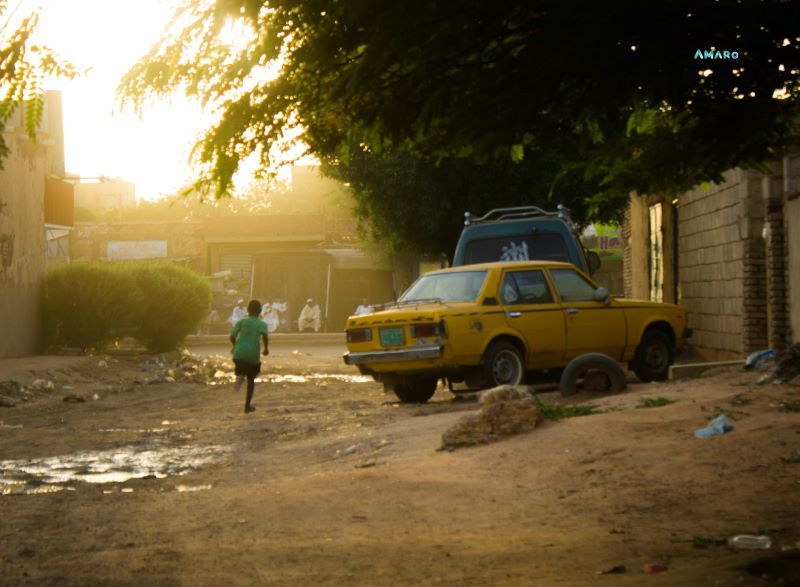
 Sudan faces its second year of civil war due to a power struggle between the Sudanese Armed Forces (SAF) and the Rapid Support Forces (RSF). Before the conflict, Sudan was already facing a humanitarian crisis caused by long-term political and economic instability. This year, Sudan was at the top of the list of countries in need of humanitarian assistance due to the escalation of conflict, mass movement of people, and the health care crisis in Sudan.
The Ongoing Civil War
The power struggle between the SAF and the RSF has created division within the country, with the SAF controlling the eastern regions and the RSF controlling the cities of Khartoum and the west. Foreign involvement also further intensified the Civil war, with the UAE and Chad supporting the RSF and Russia supporting and supplying weapons to the SAF. This rivalry and divide create an opportunity for a fractured Sudan with foreign-backed factions, like the Militia warfare in Libya.
Therefore, the ongoing civil war in Sudan has created a need for urgent international attention and humanitarian aid. The World Food Program (WFP) states that this conflict has made “the world’s largest hunger crisis.” Sudan’s situation has impacted millions and has quickly become the largest displacement crisis.
More than 25 million people across Sudan and its neighboring countries, South Sudan and Chad, struggle to find stability, food and shelter. According to the U.N., around 14,000 people have been killed and double that have been injured. More than 3 million refugees have fled the war since April 2023, and more than 8 million are internally displaced.
Poverty and War
Due to the ongoing conflict, food insecurity has become an extreme issue for the Sudanese people. More than 755,000 people face famine-like hunger, and famine on a larger scale could become a reality. In Sudan, 70% of the population relies on agriculture and livestock; however, many of these areas are used as grounds for fighting due to the conflict, according to the British Red Cross.
According to the WFP, 90% of people in need of humanitarian assistance and facing hunger are stuck in isolated areas inaccessible to the WFP. Authorities revoked permission for trucks to cross the borders to reach Sudan which further disturbed the distribution of humanitarian aid. Therefore, thousands of people in Darfur are struggling with hunger and malnutrition.
Health Care Crisis and Human Rights in Sudan
This deadly conflict has completely deteriorated Sudan’s already vulnerable health care system, limiting people’s access to medical attention and essential resources. More than two-thirds of hospitals in conflict zones are out of service, while the remaining are facing closure due to medical supply shortages, limited funding and staff.
Targeted attacks on hospitals and health care workers have prevented injured patients’ including women and children, from receiving medical attention and help. Hospitals in Sudan lack food, water and medicine. This health care crisis in Sudan limits civilians’ access to essential health care services and basic human necessities. Physical and verbal violence against staff has also increased and many people cannot receive medical help due to pressure from external groups.
Moreover, displacement and people’s urgent need to flee have severely impacted the Sudanese population. The lack of health care, water and sanitation led to the spread of various infections and waterborne illnesses. An outbreak of measles has caused the death of more than 1,000 children across the country, while diseases like cholera continue to spread, with around 8,000 confirmed cases, according to the International Rescue Committee (IRC).
Overcrowded shelters also increase health risks for vulnerable groups. Families struggle due to high food prices, inadequate shelter and limited medicinal care for people with chronic illnesses. Children also lack access to education due to the severity and distress of the conflict. concerns over sexual violence and public safety are also rising. The UNHCR calls for urgent civilian protection and safe access to aid and shelter.
Solutions
In response to increasing needs, many organizations are contributing to humanitarian efforts in Sudan despite the security and political barriers limiting humanitarian assistance in the country. UNICEF is working to provide essential services for children, including nutrition, education and safe water. The International Committee of the Red Cross (ICRC) provides medical aid, equipment, and urgent surgical procedures for injured civilians.
In addition, Save the Children is working to provide children with psychological support and primarily focus on child protection. At the same time, Doctors Without Borders runs emergency medical projects in conflict zones, offering treatment for malnutrition, vaccine programs and trauma care.
Conclusion
The health care crisis in Sudan has reached critical levels, with most hospitals out of service or struggling to operate amidst the war. Hospitals and health care facilities are short on staff and supplies but face continuous attacks, making them difficult to access and limiting health care treatments. The displacement of people also makes it difficult for people to access basic needs like water and medicine, increasing the risk of sickness and diseases. Many humanitarian organizations are working to provide medical aid, food supplies and shelter. However, urgent international efforts are necessary to support Sudan’s health care system and ensure its people’s safety and security.
– Gufran Elhrari
Gufran is based in London, UK and focuses on Global Health and Politics for The Borgen Project.
Photo: Unsplash

Sawré Muybu: A Landmark Win for Indigenous Peoples in Brazil
These incursions threaten the livelihoods of Indigenous communities who rely on the land for farming, fishing and hunting. One egregious example of the detrimental effects of these invasions is the use of toxic mercury by gold miners to extract gold. This contaminates rivers and endangers both community health and cultural traditions like fishing. Furthermore, the resulting food scarcity and deforestation have driven many Indigenous people to relocate to cities, where they face discrimination and have limited access to health care.
Conflict Over Sawré Muybu
Within the heart of the Amazon lies the Sawré Muybu, an Indigenous land inhabited by the Munduruku people for generations. Rich in diverse plant and animal life, safeguarding this land is essential to preserving an ancestral way of life that connects deeply to the forest and is grounded in cultural and spiritual harmony. However, frequent land invasions by miners and loggers threaten the Munduruku people’s livelihoods and their ability to sustain this ancestral way of life. Leaders of the Munduruku community have endured violence and death threats for defending their territory, highlighting the severe risks they take to protect their land and heritage.
Demarcation establishes the legal process of officially defining and protecting Indigenous lands, creating clear boundaries to recognize and safeguard the rights of Indigenous communities to their ancestral territories. This process is crucial for preventing incursions by external parties, such as miners and loggers and preserving Indigenous livelihoods and culture. The demarcation process for the Sawré Muybu territory began in 2007 but saw long delays due to the economic sway of the mining industry in the region.
In 2014, the Munduruku people took control by self-demarcating their land, marking its borders and driving out intruders. This act carried significant political weight and inspired other Indigenous communities across Brazil to assert their rights in similar ways.
The Demarcation of the Sawré Muybu Territory
On September 25, 2024, Brazil’s Minister of Justice officially decreed the demarcation of the Sawré Muybu territory, achieving a major victory for Indigenous peoples in Brazil. This 17-year struggle for the Munduruku’s ancestral land highlights the power of solidarity and persistent advocacy in influencing political decisions on Indigenous rights. With this demarcation, incursions on the land are now illegal, placing a duty on the government to enforce the decree, remove land invaders and prevent any acts of violent retaliation.
The Path Ahead for Indigenous Rights
This victory marks a pivotal step toward Indigenous dignity and rights amid the numerous pressures affecting Indigenous peoples in Brazil. Indeed, it stands not only as a landmark in the fight for land rights but also as a triumph for human rights, poverty reduction and environmental preservation. Furthermore, it demonstrates that Indigenous voices possess strength—and, if ignored, will find ways to be heard.
Chief Juarez Saw of Sawré Muybu village aptly expressed this sentiment upon the decree’s signing: “Yesterday was a victory for all of us who depend on the forest, which means the whole world. For forest defenders, the minister’s signature was very important in helping us to guarantee the preservation of nature and the standing forest. When I speak of our victory, I speak of our collective victory.”
– William Pickering
Photo: Flickr
Maasai Poverty and the Path to Prosperity
Multi-Dimensional Poverty
Multi-dimensional poverty is a serious issue within Africa, with 317 million children being multidimensionally poor in sub-Saharan Africa. This is especially evident in rural areas, where vulnerable groups like women and children do not have access to education, clean water or food. The Maasai people are no exception to these statistics, with cultural ideals stating that the males of the group should get the more nutritious food, leaving the women and children dealing with malnutrition as a result of the food insecurity, according to The Conversation.
This is just one aspect of poverty the Maasai people deal with, with 20% of people having access to safe water in Narok County (where the Maasai reserves are based). This rural area also needs clean sanitation levels with only 35% of people having access to clean sanitation.
These risks to the traditional way of life have forced the Maasai to turn to different ways to feed themselves. One instance following a drought earlier this year forced the tribe to begin fish farming as a way to feed themselves, a divergence considering the typical diet of a Maasai revolves mainly around cattle and the odd goat during hard periods. To help accustom the Maasai local governments, like Kajiado have gifted pond liners, fish fingerlings and food to help them become self-sufficient.
Maasai Poverty and Tourism
However, this is not the only new practice the Maasai have undertaken, with the tribe working with tourism groups as a way to increase its economy. This transition to modern currency, whilst diverging from their cultural practices, allows the tribe to increase its resources. Companies like Wayfairer have discussed how they operate on a level that helps Maasai poverty rates rather than exploit them. Wayfairer ensures that any money generated from the tourists goes directly to local development initiatives helping to support the Indigenous people.
The Maasai poverty rate threatens their traditional way of life, a threat commonly seen among Indigenous groups, another example is the San people. They are the oldest inhabitants of South Africa and are known for their connection and use of the land they inhabit, however, most of the San people live below the poverty line due to aspects of Indigenous poverty the Maasai also deal with, such issues as low resources, land disputes and social and cultural shifts.
Thankfully the Maasai people and the tourism surrounding them often has ethical options, for instance, companies reminding groups to treat them with respect, using Maasai guides and asking these guides what donation they recommend.
Organizations Helping Maasai People
There are also specific organizations to help support the Maasai, like the Maasai Wilderness Conservation Trust, which works to ensure the land protection of the Maasai, subsequently helping protect the animals and ecosystem that it supports. Not only does this help the planet and diversity of species in Kenya, but also the Maasai people who live off the land.
RedTribe helps tackle Maasai poverty and helps people adjust to modern life. The organization focuses on raising money for the community by selling traditional beadwork that women make, helping ensure access to clean water, and the Maasai clinic, which helps the 12,000 people in the community to stay healthy with treatments like vaccines and dental care. Whilst this company helps the Maasai integrate into contemporary life it is run by those from the tribe ensuring that the values and beliefs that were considered vital to the Maasai way of life are still honored, working for sustainability through empowering locals rather than aid.
This prioritizing of the tribe’s needs and values allows the tourists to support the Maasai in a way that doesn’t further threaten their cultural practices, helping the poverty rates as well as educating those who visit them.
– Caitlin Mulholland
Photo: Unsplash
3 Organizations Fighting Heart Disease in the Philippines
These countries often face a shortage of medical professionals. Research from the University of the Philippines highlights a significant gap in its health care system, particularly the low ratio of doctors to the population, which delays CVD diagnoses. To address these ongoing challenges, several organizations are stepping up to help, including the Children’s Heart Foundation, Gift of Life International and the Philips Foundation.
3 Organizations Fighting Heart Disease in the Philippines
Looking Ahead
Efforts to combat cardiovascular disease in the Philippines continue to expand, bringing hope to many in need of critical care. By providing treatment, financial assistance and early diagnostic tools, dedicated organizations aim to reduce the incidence of heart disease and strengthen the health care system. As these initiatives progress, they pave the way for greater health equity and set a foundation for improved medical support across the country, especially for those most at risk.
– Nadia Haeryfar
Photo: Flickr
Excellent World Foundation and Its Approach to Poverty Alleviation
In addition to poverty, the Niger Delta communities grapple with environmental degradation caused by oil spills from the oil and gas industry. This destruction of their surroundings is compounded by other issues, including conflict, insecurity and corruption, which further destabilize the region. The Excellent World Foundation focuses its efforts in these states, aiming to address the region’s challenges.
Efforts
As a grassroots-based organization, the Excellent World Foundation employs a variety of approaches and methodologies to implement its initiatives and engage critical stakeholders effectively. These methods emphasize direct engagement and allow for real-time feedback that supports continuous planning and evaluation. The key approaches include:
Impact and Outcomes
In partnership with the Nigerian Petroleum Development Company (NPDC) through the Community Development Board (CDB) of Oil and Mineral Lease (OML) 26 in Delta State, Nigeria, the Excellent World Foundation has previously implemented programs that have empowered more than 20,000 youths. These initiatives provided skill training and starter packs in areas such as welding and fabrication, fashion and design, solar installation, sewing and cake baking, among other trades, directly benefiting youths within the OML 26 communities.
Furthermore, in partnership with PRO-DATA, it has established more than 200 peace clubs, an early warning system, HIV/AIDs clubs and environmental watch in public schools in Nigeria. With funding support from the United States Agency for International Development (USAID), the Excellent World Foundation has established more than 200 Emergency Water Sanitation and Hygiene Group (EWASH) committees, providing essential training in more than 200 communities. Currently, the foundation is implementing “Skools” and digital skills training programs, aiming to reach more than 10,000 beneficiaries across Nigeria, with a focus on student participants.
Conclusion
The Excellent World Foundation has demonstrated a steadfast commitment to addressing poverty and promoting sustainable development in Nigeria, particularly within the Niger Delta and other underserved communities. Supported by partnerships with organizations like USAID and the NPDC, the foundation’s initiatives have positively impacted tens of thousands, equipping them with essential skills and resources to create lasting change.
– Staff Reports
Photo: Flickr
Health Care Crisis in Sudan
The Ongoing Civil War
The power struggle between the SAF and the RSF has created division within the country, with the SAF controlling the eastern regions and the RSF controlling the cities of Khartoum and the west. Foreign involvement also further intensified the Civil war, with the UAE and Chad supporting the RSF and Russia supporting and supplying weapons to the SAF. This rivalry and divide create an opportunity for a fractured Sudan with foreign-backed factions, like the Militia warfare in Libya.
Therefore, the ongoing civil war in Sudan has created a need for urgent international attention and humanitarian aid. The World Food Program (WFP) states that this conflict has made “the world’s largest hunger crisis.” Sudan’s situation has impacted millions and has quickly become the largest displacement crisis.
More than 25 million people across Sudan and its neighboring countries, South Sudan and Chad, struggle to find stability, food and shelter. According to the U.N., around 14,000 people have been killed and double that have been injured. More than 3 million refugees have fled the war since April 2023, and more than 8 million are internally displaced.
Poverty and War
Due to the ongoing conflict, food insecurity has become an extreme issue for the Sudanese people. More than 755,000 people face famine-like hunger, and famine on a larger scale could become a reality. In Sudan, 70% of the population relies on agriculture and livestock; however, many of these areas are used as grounds for fighting due to the conflict, according to the British Red Cross.
According to the WFP, 90% of people in need of humanitarian assistance and facing hunger are stuck in isolated areas inaccessible to the WFP. Authorities revoked permission for trucks to cross the borders to reach Sudan which further disturbed the distribution of humanitarian aid. Therefore, thousands of people in Darfur are struggling with hunger and malnutrition.
Health Care Crisis and Human Rights in Sudan
This deadly conflict has completely deteriorated Sudan’s already vulnerable health care system, limiting people’s access to medical attention and essential resources. More than two-thirds of hospitals in conflict zones are out of service, while the remaining are facing closure due to medical supply shortages, limited funding and staff.
Targeted attacks on hospitals and health care workers have prevented injured patients’ including women and children, from receiving medical attention and help. Hospitals in Sudan lack food, water and medicine. This health care crisis in Sudan limits civilians’ access to essential health care services and basic human necessities. Physical and verbal violence against staff has also increased and many people cannot receive medical help due to pressure from external groups.
Moreover, displacement and people’s urgent need to flee have severely impacted the Sudanese population. The lack of health care, water and sanitation led to the spread of various infections and waterborne illnesses. An outbreak of measles has caused the death of more than 1,000 children across the country, while diseases like cholera continue to spread, with around 8,000 confirmed cases, according to the International Rescue Committee (IRC).
Overcrowded shelters also increase health risks for vulnerable groups. Families struggle due to high food prices, inadequate shelter and limited medicinal care for people with chronic illnesses. Children also lack access to education due to the severity and distress of the conflict. concerns over sexual violence and public safety are also rising. The UNHCR calls for urgent civilian protection and safe access to aid and shelter.
Solutions
In response to increasing needs, many organizations are contributing to humanitarian efforts in Sudan despite the security and political barriers limiting humanitarian assistance in the country. UNICEF is working to provide essential services for children, including nutrition, education and safe water. The International Committee of the Red Cross (ICRC) provides medical aid, equipment, and urgent surgical procedures for injured civilians.
In addition, Save the Children is working to provide children with psychological support and primarily focus on child protection. At the same time, Doctors Without Borders runs emergency medical projects in conflict zones, offering treatment for malnutrition, vaccine programs and trauma care.
Conclusion
The health care crisis in Sudan has reached critical levels, with most hospitals out of service or struggling to operate amidst the war. Hospitals and health care facilities are short on staff and supplies but face continuous attacks, making them difficult to access and limiting health care treatments. The displacement of people also makes it difficult for people to access basic needs like water and medicine, increasing the risk of sickness and diseases. Many humanitarian organizations are working to provide medical aid, food supplies and shelter. However, urgent international efforts are necessary to support Sudan’s health care system and ensure its people’s safety and security.
– Gufran Elhrari
Photo: Unsplash
Renewable Energy in Uzbekistan
The Introduction of Renewable Energy
The World Bank, Abu Dhabi Future Energy Company (Masdar) and the Government of Uzbekistan have entered into a financial agreement to develop a 250-megawatt solar photovoltaic plant, paired with a 63-megawatt battery energy storage system (BESS). This project aims to deliver clean and reliable electricity to approximately 75,000 households.
It stands out as Central Asia’s first renewable energy initiative to include an integrated BESS, enhancing the efficiency and flexibility of the power system. This initiative will improve supply security and mitigate the intermittency associated with renewable energy generation. Thanks to the World Bank’s guarantee, the project ensures an affordable supply of renewable energy in Uzbekistan for both households and businesses throughout the country.
Affordable and Steady Energy Supply
Access to affordable and reliable renewable energy in Uzbekistan could be critical for improving the quality of life and economic opportunities for the poor. In many remote areas of Uzbekistan, access to electricity is limited or nonexistent. Yet, a steady supply of energy is crucial to rural farmers, especially for irrigation, as the impact of natural disasters could intensify soon. Therefore, the implementation of cost-effective renewable energy such as solar energy could greatly enhance the agricultural production of wheat landscapes in key regions in Uzbekistan, thus increasing incomes for the agricultural sectors, which account for approximately a quarter of the national economy
Also, these initiatives could help address the electricity shortages. For instance, the introduction of energy-saving technologies could improve living conditions reducing reliance on expensive and harmful fuels for cooking and heating and facilitating the establishment of small businesses.
In October 2019, the Uzbek government adopted a strategy to transform the Republic of Uzbekistan into a Green Economy by 2030. This strategy aims to increase the share of renewable energy to over a quarter of total energy use and to modernize industrial infrastructure with environmentally safe technologies.
Economic Growth and Job Creation
Renewable energy can significantly combat poverty by fostering economic growth and job creation. A reliable supply of renewable energy can bolster the national and regional economies, leading to the expansion of small and medium-sized enterprises. This growth can create employment opportunities during the construction, maintenance and operation phases of renewable projects.
For instance, in 2018, Uzbekistan joined the World Bank’s Scaling Solar program to kickstart the development of 1 GW of solar energy. This investment in solar power could assist the country in lowering greenhouse gas emissions and reducing the carbon intensity of its GDP. This green approach ensures that every sector such as business and social services could have a stable supply of clean and reliable energy. Moreover, the renewable energy sector can attract foreign investment, driving technological advancements and skill development among the local workforce.
The Future
In conclusion, Uzbekistan has set ambitious targets to halve its poverty rate by 2026 and become an upper-middle-income country by 2030. Renewable energy presents a formidable opportunity for Uzbekistan to combat poverty while promoting sustainable development. By investing in renewable technologies, Uzbekistan could stimulate economic growth, create jobs and improve the quality of life for its citizens. Furthermore, transitioning to cleaner energy sources could enhance environmental sustainability and resilience against climate change. As Uzbekistan continues its development journey, harnessing the potential of renewable energy could be crucial in empowering its population and reducing poverty.
– Hoi Ieng Chao
Photo: Unsplash
Economic Growth in El Salvador: Key Areas
Tourism
El Salvador has experienced significant growth in tourism in recent years, highlighting its appeal as a travel destination. Reforms in public security and government efforts to improve safety have resulted in a safer environment for tourists. According to the World Travel and Tourism Council (WTTC), El Salvador has had an exponential growth of 157% during the first six months of 2023 compared to previous years. The organization forecasts El Salvador to be the leading country in international tourism in Latin America in 2024. Improvements in public security have created a more favourable environment for tourism, contributing to the country’s economic growth and sustainable development in the tourism sector.
Foreign Investments
El Salvador has seen a noticeable increase in foreign investments, reflecting growing confidence in the country’s economic potential. As the country has become safer, international businesses and investors have started to take a big interest in the opportunities available. This surge of foreign capital has stimulated economic growth which could create more jobs. This has opened the door for sustainable economic progress, positioning El Salvador as an attractive destination for future investments. A recent report by the Central Reverse Bank reflects a notable surge in foreign investments in the first three months of 2024; investments from abroad increased by 8%. El Salvador’s economy expanded by $14.33 million more than in 2023.
Infrastructure Development
El Salvador’s government has made significant strides in several major projects, including the construction of a new international airport and a port in La Unión. These projects are at various stages of development, alongside the modernization of road infrastructure and the health care system with new hospitals and roads. These achievements reflect the government’s commitment to the country’s development and set the stage for a more prosperous and stable future in El Salvador.
Entrepreneurship and Small and Medium Enterprises
The reduction of violence in El Salvador could significantly impact entrepreneurship and the growth of small and medium enterprises (SMEs). According to the Bloomberg article based on Moody’s Investors Service information, the decrease in crime could encourage local companies to increase their investments. This is largely due to the implementation of the Territorial Control Plan (PCT) and the Exception Regime by the government, which has restored peace of mind and confidence among both the population and business owners. With more than 64,000 terrorists captured and one of the lowest homicide rates in the world, the safer environment has allowed SMEs to prosper, contributing to the country’s economic growth and creating new opportunities for employment and development.
Community Development Programs
The government, in collaboration with organizations like the Peace Corps, is providing training in entrepreneurship, employability skills, financial management and life skills. These programs aim to empower communities, especially the youth and women, to take advantage of new economic opportunities. By focusing on these areas, El Salvador is promoting economic security and mobility, ultimately contributing to the nation’s growth and stability.
Conclusion
To conclude, economic growth in El Salvador illustrates the significant effects of stability and growth on national prosperity. The boost in tourism, rise in foreign investments, extensive infrastructure improvements, community development programs and the expansion of entrepreneurship and small businesses are key factors driving this transformation. These developments not only emphasize El Salvador’s potential but also set the stage for a brighter and more prosperous future, pointing out the substantial benefits of a stable and succeeding economy.
– Maria Urioste
Photo: Unsplash
Sports Programs Fighting Child Poverty in Saint Lucia
Special Olympics St. Lucia
Since the late 1970s, Special Olympics St. Lucia has provided year-round sports training and competition for children and adults with intellectual disabilities. The program includes five official sports and development programs: Athlete Leadership, Young Athletes, Healthy Athletes and Project UNIFY. In 2023, Special Olympics St. Lucia had 181 registered athletes and participated in the 2023 Special Olympics World Games in Berlin, Germany. Overall, the organization aims to promote physical fitness, courage and community engagement.
United Through Sports
United Through Sports has achieved a 100% increase in school attendance among the 2,000 children they worked with in Saint Lucia and supported 16 of those players in becoming nationally capped athletes, meaning those athletes represented their national team in an international competition. The organization has three sports programs in Saint Lucia. The Youth Rugby Crime Prevention Project uses rugby to channel aggression and teach discipline to youth in high-crime areas. The Young Leadership Project trains older children as leaders and coaches, encouraging them to mentor younger peers. The Female Empowerment Project aims to break stereotypes in sports by encouraging and empowering young girls to participate in traditionally male-dominated sports.
Saint Lucia Sports Academy
When the school opened in 2019, the Saint Lucia Sports Academy became the first and only boarding school in Saint Lucia that emphasized both athletic and educational discipline. The Academy provides students with all the school supplies, tutors and sports equipment necessary to succeed academically and athletically.
Looking Ahead
Sports programs in Saint Lucia are essential for transforming the lives of young athletes by providing support that addresses both their athletic and personal needs. These programs offer critical resources that many young athletes might not otherwise have access to, including training facilities, sports equipment and educational materials necessary for their academic and athletic success. Mentorship plays a pivotal role, guiding young athletes through the challenges of sports and life while fostering a sense of community that instills important values like discipline, resilience and teamwork. By equipping these athletes with the tools they need to overcome child poverty in Saint Lucia, sports programs empower them to achieve success both on the field and in their academic and personal lives.
– Nina Bujewski
Photo: Flickr
Poverty and Terrorism: How Economic Inequality Fuels Extremism
Economic Hardship as a Driver of Extremism
Studies indicate that poverty-stricken regions are more susceptible to terrorism due to the economic vulnerability of their populations. With limited job opportunities and scarce resources, extremist groups can lure impoverished individuals with promises of financial support and security. For instance, research from the United Nations Development Programme (UNDP) found that economic factors played a significant role in driving individuals to join extremist groups. Poverty and unemployment create a fertile environment for radicalization as individuals seek stability and hope in regions where governmental support is lacking.
Social Marginalization and Lack of Education
Poverty often coincides with a lack of educational opportunities, which further exacerbates vulnerability to extremist ideologies. Without access to education, individuals are more susceptible to radical propaganda, as they may lack the critical thinking skills to resist extremist narratives. Alongside this, poor education systems can create a failure to address poverty and unemployment. Addressing educational inequality can be a significant tool in reducing susceptibility and root causes of extremist recruitment.
Political Instability and Weak Institutions
Economic hardship is often intertwined with political instability, as poverty-stricken regions frequently lack robust institutions capable of maintaining law and order. In regions with weak governance, extremist groups can step in to provide services such as food distribution, security and basic health care, essentially becoming a de facto government. This creates a power vacuum that extremist groups exploit, using economic incentives to gain loyalty and recruit members. For instance, areas like the Sahel region in Africa have seen an increase in terrorism partly due to the inability of local governments to provide essential services.
Displacement and Refugee Crises
Poverty exacerbates displacement, which in turn fuels terrorism by creating large populations of vulnerable, dislocated individuals who may turn to extremism out of desperation. The United Nations Refugee Agency (UNHCR) reports that displaced populations face extreme economic hardship, often living in dire conditions with limited access to food, shelter and safety. Extremist groups, recognizing this desperation, target refugee camps and displaced communities to recruit new members with promises of stability and sustenance. Compared to only a decade ago, the number of refugees worldwide has more than tripled. Making it more important than ever to address the basic needs of displaced populations to reduce the risk of extremist recruitment.
Economic Development as a Tool Against Terrorism
Countering terrorism requires a multidimensional approach that includes addressing poverty through economic development programs. By investing in job creation, education and infrastructure, governments and international organizations can reduce the appeal of extremist groups. The United Nations advocates for initiatives that focus on youth employment and educational programs that offer alternatives to terrorism. In Africa and the Middle East, for example, initiatives that promote vocational training have helped safeguard youth against extremist ideologies by providing economic opportunities outside of radical groups.
Conclusion
The relationship between poverty and terrorism highlights the need for holistic counterterrorism strategies that address socioeconomic factors. Tackling poverty, improving educational access, strengthening governance and supporting displaced populations are all crucial steps in reducing the appeal of extremist ideologies. Furthermore, by addressing these underlying issues, the global community can work toward a future where economic stability undermines terrorism’s grip on vulnerable populations.
– Harriet Conway
Photo: Flickr
DSWHUB Fights Poverty in Nigeria
This economic disparity is a major factor in irregular migration, with many Nigerians risking their lives to seek better opportunities abroad. In 2017 alone, more than 18,000 Nigerians arrived in Italy via the perilous Mediterranean route. The desperation that pushes individuals to migrate also makes them vulnerable to human trafficking, often ending up in forced labor or sexual exploitation.
Denny Social Welfare Hub
Denny Social Welfare Hub (DSWHUB), a nonprofit organization, is tackling the root causes of irregular migration and human trafficking by focusing on community empowerment, education and advocacy. One of its key initiatives is the iEMPATHY Campaign, which raises awareness about the dangers of irregular migration and human trafficking. This campaign specifically targets women and other vulnerable groups, educating them about the risks involved in irregular migration and empowering them to make informed decisions.
In 2023, DSWHUB held a notable community engagement event in Ogun State, where it educated residents on the risks of illegal migration and the tactics traffickers use to exploit vulnerable individuals. The event emphasized the role of women in migration decisions and promoted the idea of safe and legal migration pathways. By increasing awareness and fostering informed decision-making, DSWHUB reduces the number of individuals falling prey to traffickers.
Support for Migrants and Survivors of Human Trafficking
In addition to awareness campaigns, DSWHUB actively supports the reintegration of returned migrants and survivors of human trafficking. These individuals often face stigma and difficulty rebuilding their lives. Through vocational training, education and capacity-building programs, DSWHUB equips them with the skills they need to reintegrate successfully into society. Its focus on long-term economic empowerment ensures survivors are less likely to become re-trafficked.
DSWHUB’s efforts have had a tangible impact on the communities it serves. By educating vulnerable populations and offering alternatives to dangerous migration routes, DSWHUB has helped reduce instances of irregular migration and human trafficking. Many individuals who participated in the iEMPATHY Campaign have shared testimonies of how the program equipped them with knowledge that helped them avoid falling victim to traffickers.
Moreover, DSWHUB’s reintegration programs have enabled survivors of trafficking to rebuild their lives. Through skills training and support, individuals have gained the confidence and resources to start small businesses, seek employment or return to education. By addressing the root causes of poverty and unemployment, DSWHUB is making a lasting impact in breaking the cycle of exploitation and preventing retrafficking.
Summary
DSWHUB is addressing the systemic issues of poverty and unemployment in Nigeria, which drive irregular migration and human trafficking. Through innovative campaigns like iEMPATHY and comprehensive reintegration programs, DSWHUB is creating long-term solutions that empower individuals and strengthen communities. Its work not only saves lives but also offers a model for how grassroots organizations can combat human trafficking and irregular migration in regions plagued by socioeconomic challenges.
DSWHUB is helping vulnerable populations build safer, more secure futures free from exploitation by focusing on education, empowerment and advocacy. DSWHUB’s ongoing work highlights the importance of addressing the root causes of migration and trafficking to create lasting change in Nigeria.
– Staff Reports
Photo: Flickr