Understanding Poverty in Papua New Guinea’s Rural Highlands
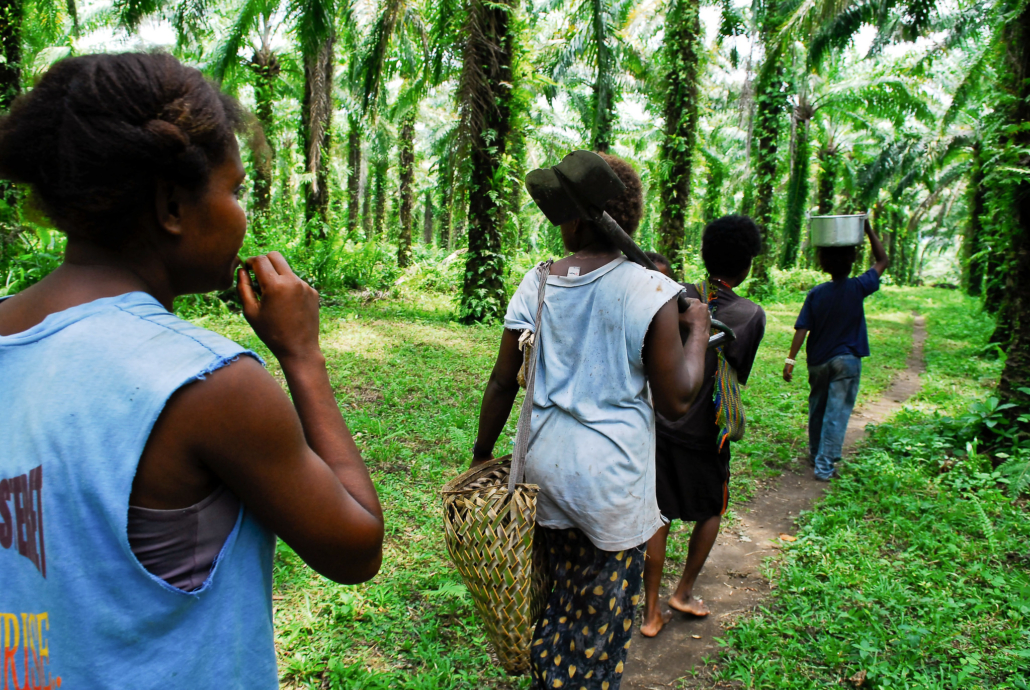 Papua New Guinea (PNG) is linguistically known as one of the most diverse nations in the world, with more than 800 languages. However, deep-rooted socioeconomic inequalities are experienced in its rural highlands. According to the United Nations Children’s Fund (UNICEF), PNG has a poverty rate of about 40% as of 2022. This percentage is glaring in Papua New Guinea’s rural highlands, where the impoverished population struggles to access basic infrastructure, health services and education.
Economic Realities
Central to highland poverty is a complex interaction of economic factors. Subsistence agriculture forms the backbone of rural livelihoods, with smallholder farmers relying on rudimentary tools to squeeze out a living from the land. Poor market access and fluctuating commodity prices compound their vulnerability, trapping many in persistent poverty. The United Nations Development Programme (UNDP) reports that 70-80% of PNG’s population resides in rural areas, highlighting the crucial importance of addressing rural poverty for the nation’s overall development.
Besides the economic aspects, other factors that contribute to the creation of the poverty experience in the highlands are sociocultural practices and norms. Gender disparities, for example, cut across, with women often marginalized in decision-making processes and sometimes denied access to particular resources. In addition to these models, customary land tenure systems, though important for maintaining an indigenous identity, might be a constraint to development efforts if they interfere with land access for purposes of infrastructure or commercial agriculture.
Health and Education Challenges
Health and education are barometers of development for any society and the highlands would not be an exception. Limited access to medical institutions and professionals causes health inequalities, with preventable diseases like malaria and tuberculosis still endemic. Similarly, educational outcomes lag behind national averages, with remote villages often lacking schools or qualified teachers. The United Nations Educational, Scientific and Cultural Organization (UNESCO) estimates that nearly 40% of primary school-aged children in PNG are out of school, underlining the need to address this overdue predicament of educational inequities.
Solutions
The past decade has seen the single largest strides toward infrastructure development across Papua New Guinea’s rural highlands. Recently, the European Investment Bank (EIB) Global invested about $50 million to construct roads that can link remote villages to regional markets. This, in addition to other projects, has impacted the lives of about 400,000 residents of PNG’s rural highlands by providing them with easy access to markets and social services.
Regarding health care, several interventions have occurred. For example, government and international health organizations’ collaboration has spearheaded the opening of new health clinics and the deployment of mobile health teams into the underserved highland regions, drastically reducing malaria and tuberculosis cases while providing health care annually.
In education, initiatives have led to the building of new schools and training of local teachers; this has increased the rate of enrollment among children of primary school-going age. Some of the measures supported by organizations such as UNESCO and UNICEF have included expanding education facilities, which have benefited children who did not get a chance to have formal education. This, therefore, drives home a collective effort toward the eradication of education inequity and advancing literacy rates with long-term socioeconomic development in the region.
Pathways to Progress
Addressing poverty in Papua New Guinea’s rural highlands is complex and requires a multifaceted approach. It is necessary to address the basic causes of poverty while empowering communities toward sustainable development. Investment in rural infrastructure, including roads and electricity, opens up economic opportunities and improves access to critical services. Likewise, programs targeting women and the promotion of gender equality are instrumental in benefiting inclusive growth and social cohesion.
Community-driven development programs that draw on local experience and expertise bestow the possibility to inculcate independence and resilience amid adversity.
– Honorine Lanka Perera
Honorine is based in Highland, NY, USA and focuses on Business and Good News for The Borgen Project.
Photo: Flickr
