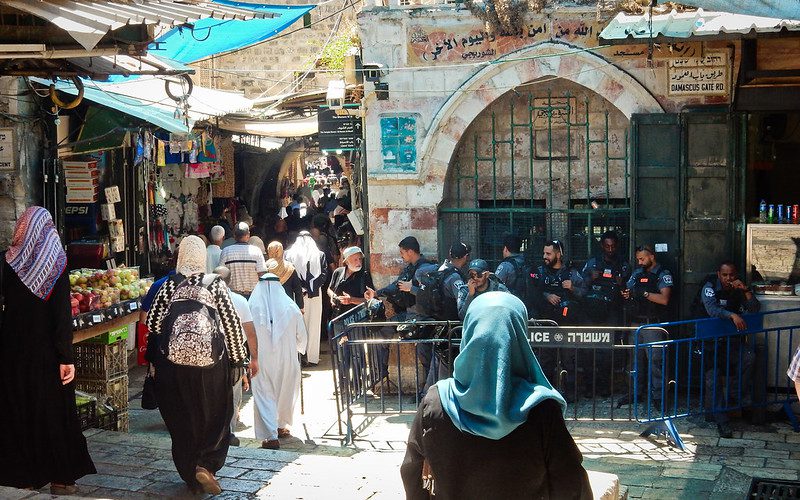
 Decades of conflict and hardship have left millions of Palestinians in need of humanitarian assistance, with 3.3 million requiring aid in Gaza and the West Bank. Amid widespread poverty—nearly half of Palestinian families live below the poverty line—80% of Gazans depend on relief supplies to survive. In response, a network of international and local NGOs are supporting Palestinians by providing life-saving aid, fostering economic resilience and advocating for human rights to support Palestinian communities.
PRCS and the Red Cross
Amid conflict, medical teams and first responders work tirelessly to deliver critical care under fire. The Palestine Red Crescent Society (PRCS), in coordination with the International Committee of the Red Cross (ICRC), has been treating the injured and distributing essential supplies despite extreme dangers. By early January 2024, PRCS teams in Gaza had treated about 15,000 injured people while also distributing food, water, blankets and medical supplies to displaced families seeking shelter in hospitals. However, these humanitarian efforts have come at a cost, with ambulances and medical staff frequently coming under attack.
The ICRC has reinforced PRCS’s efforts by delivering relief supplies to more than 1.8 million displaced Gazans and providing cash assistance to more than 110,000 vulnerable individuals. In the West Bank, the ICRC has implemented emergency cash grants for 910 families whose homes were destroyed while also improving water and sanitation systems that benefit many residents. Together, these joint emergency medical efforts have been a lifeline for Palestinian civilians, ensuring that those in the most dire conditions receive critical support.
Healing Hands: International Medical Aid in Gaza
Beyond emergency response teams, international medical NGOs are addressing urgent health care shortages and providing life-saving treatment for Palestinians. Médecins Sans Frontières (MSF), which has operated in Gaza for decades, continues to provide surgical and burns care despite hospitals sustaining severe damage.
Following an airstrike on a refugee camp in northern Gaza in 2023, MSF teams treated 50 wounded patients in a single day at Al-Awda Hospital. Over the year, MSF provided more than 107,000 outpatient consultations, conducted 3,670 surgeries and led 13,300 mental health sessions for patients recovering from PTSD and war-related trauma.
Similarly, Medical Aid for Palestinians (MAP) has led one of its biggest humanitarian responses to date. In 2024 alone, MAP provided medical aid and humanitarian support to nearly 1 million Palestinians in Gaza. Working with local hospitals, MAP dispatched dozens of truckloads of medical supplies, including 32 aid trucks since a January 2025 ceasefire. Additionally, emergency medical teams have performed more than 7,593 consultations and 1,587 surgeries for injured civilians.
MAP’s work has also included hospital rehabilitation efforts, setting up new surgical wards and field clinics, while screening 47,000 people for malnutrition to prevent famine. As conflict continues to strain Gaza’s fragile health care system, these NGOs play a crucial role in sustaining life-saving medical operations.
Essential Aid for Displaced Families
Beyond medical care, NGOs are supporting displaced Palestinians by ensuring they receive necessities such as food, clean water and shelter. Save the Children, which has been active in the occupied Palestinian territories since the 1970s, has reached more than 1 million people in Gaza through relief efforts across 50 locations. The organization has distributed drinking water, food parcels, hygiene kits and winter supplies while also establishing Child-Friendly Spaces to support children’s mental health.
Similarly, Oxfam has launched an extensive emergency response, overcoming severe logistical challenges to assist. Since October 2023, Oxfam and its local partners have assisted more than 262,000 people in Gaza, including 120,000 children. Its efforts include:
- Delivering clean water to 120,000 people through desalination units and latrines
- Providing food aid to 140,000 individuals, including fresh vegetables from remaining local farms
- Distributing winter supplies, including blankets and warm clothing, to 42,000 displaced people
- Supplying cash vouchers, allowing families to buy essentials as needed
Despite ongoing fuel shortages and security threats, these organizations continue to provide vital aid to families facing extreme hardship.
Building Long-Term Resilience
While immediate humanitarian relief is crucial, NGOs are also working to rebuild Palestinian livelihoods by fostering economic resilience. The ICRC has provided cash grants to nearly 2,800 vulnerable individuals in the West Bank, helping sustain livestock and agriculture in rural communities. These grants allow farming families to replace lost animals and continue producing food despite instability.
Oxfam has also been instrumental in supporting Palestinian entrepreneurship. In Gaza, Oxfam-backed programs have helped individuals like Aya Kishko, a carpenter who opened a workshop recycling scrap wood into furniture despite the blockade. With limited raw materials entering Gaza, her business—supported by Oxfam initiatives—not only generates income but also repurposes scarce resources, showcasing NGO-driven resilience efforts. By investing in local businesses and sustainable economic opportunities, these organizations are empowering Palestinians to rebuild their futures despite ongoing challenges.
Balancing Aid and Advocacy
From field hospitals to food distribution centers, the NGOs supporting Palestinians provide a range of humanitarian services to Palestinians facing crisis and recovery efforts. While emergency aid addresses immediate survival needs, development programs focus on supporting livelihoods and long-term stability. However, demand for assistance continues to exceed available resources and aid agencies face operational challenges, including security risks and restricted access. As the situation continues, NGOs play a significant role in addressing humanitarian needs and supporting ongoing recovery efforts.
– Leah Ishak
Leah is based in Exeter, Devon, UK and focuses on Politics for The Borgen Project.
Photo: Flickr

WEHAF Foundation: Knowledge is Power for Women in Tanzania
These risks include Female Genital Mutilation (FGM), early marriages, vulnerable employment and unfit education on reproductive health. Indeed, as of 2016, 10% of women experienced the cultural practice of FGM. Furthermore, 35% of those women were under the age of 1.
WEHAF in Tanzania
Ensuring women in Tanzania have access to proper education and tools to fight economic and social issues was the deciding factor behind Widows Encouragement & HIV/AIDS Foundation (WEHAF). Founders Theresia Mollel and Silvia George are sisters who came together in 2016 to empower women of all ages to create a better life for themselves and their families.
WEHAF’s objectives include lobbying for human rights policy change, increasing psychosocial support services to victims of HIV/AIDS and women in need, providing legal assistance to these groups, etc. Further, most young women simply need educating on daunting practices like FGM and early marriage that propel them into adulthood. WEHAF holds workshops and open conversations surrounding FGM in Tanzania to get women equipped to overcome these hardships.
Unemployment
Along with human rights violations, these women lack the necessary resources to cultivate an adequate income. Women are more likely to participate in unpaid labor than men. The employment rate among women has dropped from 79% in 2005 to 72% in 2016.
Vulnerable employment rates, or informal work arrangements and fewer protections, have steadily stayed at a higher rate among women than men in Tanzania. In 2023, the vulnerable employment rate in women was 89.3%, with men at 77.8%. As this rate slowly decreases over time, WEHAF is building a New Mama Center to revive economic prosperity among Maasai women.
In December 2023, construction on WEHAF’s New Mama Center began in Moshono, a small suburb in Arusha, Tanzania. This facility will provide a more permanent care center for women and victims of HIV/AIDS. Furthermore, classes on menstrual hygiene practices are provided for an array of life skills that will set these women up for a successful future.
Success Story
From food packages to sewing classes, WEHAF has created real results that encourage the community in Tanzania to trust the process. One example of the sisters making an impact is through 63-year-old Aisha. She was an accomplished coal saleswoman, but after her leg was amputated, she could no longer invest in her business once the hospital bills came through. WEHAF provided two bags of coal and a food package to kick start her career again. Just one month later Aisha was flourishing once again.
The outreach programs graciously provided by WEHAF is proof that investing in the younger generation is highly important. There is a call to action regarding these women and children, through donations, volunteering or advocacy. The Mollel sisters and everyone fighting with WEHAF appreciate any efforts to break down barriers for women in poverty in Tanzania.
– Rachael Wexler
Photo: Flickr
The Campaign to Eliminate Poverty in Uttar Pradesh
The Zero Poverty Campaign
The government of Uttar Pradesh has launched the Zero Poverty Campaign to eliminate poverty throughout the state completely. The program seeks to ensure that all families can meet their basic needs. It provides low-income families with access to a wide variety of government resources. The program works at the village level, identifying the neediest families in each village who struggle to meet their basic needs. Families are identified for the program through a statewide survey, whose accuracy will be backed up by local village committees. Priority is given to families who are homeless, reside in “kutcha” or temporary makeshift houses or rely on daily wages to survive.
These families will receive access to a wide range of government programs to support them and help lift them out of poverty, such as free education, free medical care, access to affordable housing and job training. The program also ensures that families have a reliable source of income and aims to raise their annual income to 125,000 Rupees or $1,440. The government aims to support impoverished families through various programs, providing immediate assistance to help lift them out of poverty and reintegrate them into society.
Implementation
The campaign is initially being rolled out in certain select districts within the state. The government plans to expand the program throughout the state, given its effectiveness. The program’s success will be monitored via a database. It will track the recipients’ upward mobility and quality of life improvements. The government can assess the program’s effectiveness and implement necessary changes by collecting data on recipient outcomes. If successful, the Zero Poverty Campaign could guide poverty reduction efforts nationwide.
Looking Forward
While Uttar Pradesh has made significant strides in alleviating poverty in recent years, significant challenges remain. However, Uttar Pradesh’s Zero Poverty Campaign demonstrates the government’s dedication to addressing widespread poverty. If successful, the campaign can potentially lift millions of people out of poverty and transform how the Indian government addresses poverty. With continued government efforts and funding, Uttar Pradesh can accomplish its goal of eliminating poverty in the state.
– Matthew Wornom
Photo: Flickr
China’s Precision Poverty Alleviation Policy
Market Reforms That Transformed the Economy
China’s economic transformation began in the late 1970s under Deng Xiaoping, who introduced market-oriented reforms to transition from a planned economy to a more open market system. The Household Responsibility System (HRS), implemented in the late 1970s and early 1980s, marked a significant shift in agricultural policy. Before this reform, agriculture was collectivized under Mao Zedong’s leadership, forcing farmers to work in state-run communes with little incentive to improve productivity. Deng Xiaoping ended the commune system, allowing farmers to lease land, choose their crops and sell surplus produce after meeting government quotas.
The shift significantly boosted agricultural productivity, raised rural incomes and granted farmers greater economic freedom. The success of these agricultural reforms laid the foundation for further market-based changes across industries, attracting foreign investment, expanding industrial production and integrating China into the global economy. These reforms created millions of new jobs, increased urbanization and played a critical role in poverty reduction.
The Precision Poverty Alleviation Policy
The Chinese government implemented targeted poverty relief strategies to address specific needs within impoverished communities. The Precision Poverty Alleviation Policy, launched under President Xi Jinping’s administration, introduced a more individualized approach to poverty relief. Instead of applying broad, one-size-fits-all programs, this strategy identified and assisted individual households, tailoring aid to their unique circumstances. Data-driven tracking systems ensured that resources reached those most in need, preventing misallocation and inefficiencies. By focusing on precise identification, the policy allocated resources more effectively and addressed the root causes of poverty rather than just its symptoms.
Rural Revitalization and Agricultural Development
Rural development played a key role in bridging the gap between urban and rural economies. The Rural Revitalization Strategy, launched in 2017, focused on modernizing agriculture, improving infrastructure and expanding economic opportunities in rural communities. A three-year plan introduced in 2021 reinforced these efforts by prioritizing sustainable farming, food security and environmental protection to improve rural living conditions. Reflecting its commitment to food security, China raised its 2024 grain production target to more than 700 million tons, up from its previous goal of 650 million tons. Strengthening food production and ensuring agricultural sustainability have remained central to China’s long-term poverty alleviation strategy.
Looking Ahead
While China’s poverty alleviation campaign has set a global precedent, challenges remain in addressing income inequality, regional disparities and long-term economic sustainability. However, its approach offers valuable insights into how economic reforms, targeted policies and rural investments can potentially lead to transformative change.
– Emina Bolic
Photo: Flickr
NGOs Supporting Palestinians Amid Conflict and Hardship
PRCS and the Red Cross
Amid conflict, medical teams and first responders work tirelessly to deliver critical care under fire. The Palestine Red Crescent Society (PRCS), in coordination with the International Committee of the Red Cross (ICRC), has been treating the injured and distributing essential supplies despite extreme dangers. By early January 2024, PRCS teams in Gaza had treated about 15,000 injured people while also distributing food, water, blankets and medical supplies to displaced families seeking shelter in hospitals. However, these humanitarian efforts have come at a cost, with ambulances and medical staff frequently coming under attack.
The ICRC has reinforced PRCS’s efforts by delivering relief supplies to more than 1.8 million displaced Gazans and providing cash assistance to more than 110,000 vulnerable individuals. In the West Bank, the ICRC has implemented emergency cash grants for 910 families whose homes were destroyed while also improving water and sanitation systems that benefit many residents. Together, these joint emergency medical efforts have been a lifeline for Palestinian civilians, ensuring that those in the most dire conditions receive critical support.
Healing Hands: International Medical Aid in Gaza
Beyond emergency response teams, international medical NGOs are addressing urgent health care shortages and providing life-saving treatment for Palestinians. Médecins Sans Frontières (MSF), which has operated in Gaza for decades, continues to provide surgical and burns care despite hospitals sustaining severe damage.
Following an airstrike on a refugee camp in northern Gaza in 2023, MSF teams treated 50 wounded patients in a single day at Al-Awda Hospital. Over the year, MSF provided more than 107,000 outpatient consultations, conducted 3,670 surgeries and led 13,300 mental health sessions for patients recovering from PTSD and war-related trauma.
Similarly, Medical Aid for Palestinians (MAP) has led one of its biggest humanitarian responses to date. In 2024 alone, MAP provided medical aid and humanitarian support to nearly 1 million Palestinians in Gaza. Working with local hospitals, MAP dispatched dozens of truckloads of medical supplies, including 32 aid trucks since a January 2025 ceasefire. Additionally, emergency medical teams have performed more than 7,593 consultations and 1,587 surgeries for injured civilians.
MAP’s work has also included hospital rehabilitation efforts, setting up new surgical wards and field clinics, while screening 47,000 people for malnutrition to prevent famine. As conflict continues to strain Gaza’s fragile health care system, these NGOs play a crucial role in sustaining life-saving medical operations.
Essential Aid for Displaced Families
Beyond medical care, NGOs are supporting displaced Palestinians by ensuring they receive necessities such as food, clean water and shelter. Save the Children, which has been active in the occupied Palestinian territories since the 1970s, has reached more than 1 million people in Gaza through relief efforts across 50 locations. The organization has distributed drinking water, food parcels, hygiene kits and winter supplies while also establishing Child-Friendly Spaces to support children’s mental health.
Similarly, Oxfam has launched an extensive emergency response, overcoming severe logistical challenges to assist. Since October 2023, Oxfam and its local partners have assisted more than 262,000 people in Gaza, including 120,000 children. Its efforts include:
Despite ongoing fuel shortages and security threats, these organizations continue to provide vital aid to families facing extreme hardship.
Building Long-Term Resilience
While immediate humanitarian relief is crucial, NGOs are also working to rebuild Palestinian livelihoods by fostering economic resilience. The ICRC has provided cash grants to nearly 2,800 vulnerable individuals in the West Bank, helping sustain livestock and agriculture in rural communities. These grants allow farming families to replace lost animals and continue producing food despite instability.
Oxfam has also been instrumental in supporting Palestinian entrepreneurship. In Gaza, Oxfam-backed programs have helped individuals like Aya Kishko, a carpenter who opened a workshop recycling scrap wood into furniture despite the blockade. With limited raw materials entering Gaza, her business—supported by Oxfam initiatives—not only generates income but also repurposes scarce resources, showcasing NGO-driven resilience efforts. By investing in local businesses and sustainable economic opportunities, these organizations are empowering Palestinians to rebuild their futures despite ongoing challenges.
Balancing Aid and Advocacy
From field hospitals to food distribution centers, the NGOs supporting Palestinians provide a range of humanitarian services to Palestinians facing crisis and recovery efforts. While emergency aid addresses immediate survival needs, development programs focus on supporting livelihoods and long-term stability. However, demand for assistance continues to exceed available resources and aid agencies face operational challenges, including security risks and restricted access. As the situation continues, NGOs play a significant role in addressing humanitarian needs and supporting ongoing recovery efforts.
– Leah Ishak
Photo: Flickr
Sickle Cell Disease in Tanzania
Without early diagnosis and consistent treatment, up to 90% of these children may not survive past their fifth birthday. To address this, Texas Children’s Global Hematology-Oncology Pediatric Excellence (HOPE) and Baylor College of Medicine Global Health have launched a low-cost program to combat sickle cell disease in Tanzania.
What Is Sickle Cell Disease?
According to the National Institutes of Health (NIH), sickle cell disease is a genetically inherited blood disorder that affects hemoglobin. Hemoglobin is the protein that binds with oxygen in red blood cells as they travel throughout the body. Generally, red blood cells resemble crimson frisbees, gliding through the blood vessels to various organs and tissues. Upon arrival, they distribute oxygen and carry carbon dioxide from the tissues to the lungs for exhalation.
When a person has sickle cell disease, their red blood cells morph into a crescent shape, resembling a traditional farming tool called a sickle. As they become crescent-shaped, the hemoglobin often hardens, causing the blood cells to turn rigid. The sickled cells can then get caught in the vessels, blocking blood flow and causing severe pain.
Causes and Symptoms
These malformed cells are caused by a gene mutation inherited from parents who are both carriers of the recessive gene. According to the NIH, symptoms can develop as early as five or six months. These symptoms usually include yellowing of the skin or the whites of the eyes, often called jaundice and icterus, respectively, extreme tiredness or fussiness and painful swelling of the hands and feet.
As the affected children age, the symptoms begin to intensify exponentially. The NIH states that common symptoms found in sickle cell patients are severe pain events often referred to as “pain crises” or “vaso-occlusive crises,” fatigue, shortness of breath, irregular heartbeat and chest pain, among other abnormalities. Many of these occur when the sickled cells block the blood flow and restrict oxygen delivery to the rest of the body. Most commonly, this is the catalyst for the pain crises, which occur sporadically and can continue for multiple hours or even days.
Global HOPE and Baylor College of Medicine
Texas Children’s developed the Global HOPE program in 2017 to improve the survival of children with cancer and blood diseases in Africa. Its mission is to accomplish this by leading patient care, education and research to equate survival rates to those of the United States (U.S.). Through its Global Health collaboration with Baylor College of Medicine, the organization has become one of the largest distributors of pediatric HIV care on the planet. Its global programs aim to decrease health disparities and provide creative, forward-thinking solutions for improved care and survival rates.
In January of 2025, with the support of Bristol Myers Squibb, a global biopharmaceutical charitable organization, Texas Children’s and Baylor College of Medicine announced that they would be tackling the devastating threat of sickle cell disease in sub-Saharan Africa. The program will begin by rolling out interventions and treatments for sickle cell disease in Tanzania and Uganda. According to the Texas Children’s website, the interventions it has planned are economically advisable and have proven histories of success. They have been implemented in Western countries, often known for leading medical innovation, since the 1980s, with initial pilot trials also returning impressively positive results in Africa. The interventions are just as simple and effective in controlling sickle cell disease in Tanzania.
Prevention and Treatment
For infants, screening and immunizations will be administered. Screening is often done in newborns by pricking the infant’s heel and recovering a blood sample on a lab card. A lab then uses tests such as high-performance liquid chromatography, capillary electrophoresis and isoelectric focusing to separate and identify the components of the sample and attempt to detect the presence of abnormal hemoglobin proteins. Once a sickle cell has been identified in a child, Texas Children’s and Baylor College of Medicine plan to provide a daily penicillin pill for five years due to the increased susceptibility to bacterial infections such as pneumococcus. This will be administered orally until the child is five years old and should prevent the development of bloodstream bacterial infections.
Finally, they also plan to administer a daily dose of hydroxyurea, an oral medicine approved in 1998 by the U.S. Food and Drug Administration for treating sickle cell disease. Hydroxyurea has been found to prevent pain crises and hospitalizations for children. It does so by maintaining the circular flexibility of the red blood cells, allowing easier flow and oxygen delivery throughout the body. This will come as a big win in a country such as Tanzania, where access to health care, especially for children, is extremely limited due to high rates of multidimensional poverty, an unequipped infrastructure and a lack of access for rural populations.
Conclusion
The work of Texas Children’s Global HOPE and Baylor College of Medicine’s alliance has already proven to be successful in the work they have done in HIV and AIDS prevention and treatment. Their work to detect, educate, treat and research has lofty goals of emulating their success in the U.S. With the determination they have brought to the medical world thus far, their initiative provides a hopeful future for all children struggling with sickle cell disease in Tanzania.
– Jacob Christopher
Photo: Pixabay
Diseases Impacting Vietnam
The government has also committed itself to increasing the coverage of low-income and marginalized groups in the country’s more rural and mountainous regions. These areas, which are higher in poverty than the larger cities, see the biggest impact when it comes to diseases, as many in these rural areas see lower income rates, which cause people to have health care bills they cannot afford. However, Vietnam continues to make improvements to the health care system and now boasts a life expectancy rate of 2.4 years higher than the world average. However, due to lifestyle changes and limited health care access in some regions, there are still many diseases impacting Vietnam, including communicable diseases like dengue fever, measles and influenza, as well as rising rates of noncommunicable diseases such as cancer, cardiovascular disease and diabetes.
Infectious Diseases
With a tropical climate, diseases impacting Vietnam include many communicable diseases, such as dengue fever, which the country has had continued struggles with over the years. There were more than 114,000 reported cases of dengue fever in 2024, which is less than half of previous years, such as 2019 and 2022, when the country saw epidemics of dengue fever. In September of 2024, the country rolled out a dengue fever vaccine, Qdenga, which was dispersed in a vaccine drive in more than 200 health centers, in the hopes of slowing future breakouts of the disease.
Vietnam has also experienced several measles outbreaks over the years, which has affected mostly younger children, including an outbreak in 2024, where there were more than 7,500 confirmed cases. These cases have been mostly concentrated in the southern part of the country and attributed to a lack of children being vaccinated in these regions. The government continues to push for greater measles vaccination campaigns to curb outbreaks in these susceptible areas. The VNVC or Vietnam Vaccine Joint Stock Company donated 500,000 doses of the vaccine to be distributed throughout the country. These vaccination campaigns originally targeted for young unvaccinated children ages 1-10 but was expanded to include 6-9 month old children in early 2025. In total, 45 provinces have deployed vaccination campaigns with 28 of them having already completed the first phase.
Noncommunicable Diseases
As the country sees an increase in urbanization and lifestyle changes, it is also seeing an increase in noncommunicable diseases such as cancer, cardiovascular disease and diabetes. NCDs are still the leading cause of death in Vietnam, with these diseases causing 77% of deaths. The rise in these NCDs is primarily due to an aging population and an increase in unhealthy diets and a lack of exercise. The country has seen a steep rise in inactivity in adolescence, and records show that more than 50% of the female population are overweight. These factors have contributed to a steep rise in diabetes in Vietnam, especially undiagnosed diabetes. With larger cities and more sedentary lifestyles, if not appropriately addressed with methods such as prescreening, and a push for healthier communities, the increase of diabetes could pose a significant risk to the population.
Looking Forward
The government has made a lot of progress over the years concerning its population’s health. With more access to health care than ever before, the country’s health should continue improving. However, diseases impacting Vietnam remain a challenge, especially as the rate of urbanization increases dramatically in Vietnam. This brings along accompanying problems, like air pollution, environmental changes and lifestyle changes. If not properly addressed, these issues can lead to the continued rise of cancer, cardiovascular disease and diabetes rates. However, the government plans to expand universal health care and reform health care centers across the country.
A new law concerning health care in the country is set to start July 1, 2025, which will expand the number of health care facilities that citizens can use, along with other changes, such as moving patients with rare or advanced diseases to higher-level facilities without prior approval. The country still has a ways to go, but currently, it is on a steady path to improving public health by reducing the rate of infectious diseases and providing more people nationwide with health care.
– Collier Simpson
Photo: Flickr
Mystery Illness Sparks Public Health Crisis in the DRC
Investigating the Source of the Outbreak
Dr. Michael Ryan, WHO’s director of emergencies, suggested the outbreak may be linked to poisoning, though investigations remain ongoing. The African Centres for Disease Control and Prevention (Africa CDC) has also considered malaria as a possible factor, given its high prevalence in the country. Researchers traced the first reported deaths to three young children who had consumed a bat carcass before falling ill. While zoonotic diseases—those transmitted from animals to humans—are common in the region, scientists have not confirmed a direct link. Health authorities are also assessing whether contaminated water sources or food poisoning contributed to the outbreak. The Congolese government has deployed health experts to affected areas to conduct research and assist local health care workers. However, limited resources and a fragile health care system pose challenges to an effective response.
Public Health Crisis: Food Insecurity and Disease Risk
Congo, the second-largest country in Africa by landmass, has a population of 105.8 million, with 73% of people living on less than $2.15 per day. The DRC ranks among the poorest in the world, with widespread food insecurity, displacement and malnutrition. More than 6.9 million people are displaced and 3.7 million children and women suffer from acute malnutrition.
Agriculture remains Congo’s largest economic sector, but it struggles to meet food demands due to climate change, conflict and underdeveloped infrastructure. Production growth slowed to 2.2% in 2023, further limiting access to food. Many rural communities rely on subsistence farming, but disruptions in crop yields and market access leave millions vulnerable to hunger. Deforestation and land degradation further impact food production, driving many Congolese to rely on bushmeat for survival.
Health experts warn that extreme poverty and food shortages create conditions where people turn to wild animals as a food source, increasing the risk of zoonotic disease transmission—infections that jump from animals to humans. Over the last decade, Africa has seen a 60% rise in rare disease outbreaks linked to wild animal consumption. Congo’s vast tropical forests harbor numerous pathogens, making human- wildlife interactions a continuous public health risk.
Dr. Gabriel Nsakala, a public health professor at Congo’s National Pedagogical University, emphasized that as long as poverty, deforestation and food insecurity persist, epidemics will continue to emerge and evolve. Poor sanitation, limited access to clean water and weak health care infrastructure further increase the likelihood of disease outbreaks spreading rapidly in vulnerable communities.
International Response and Humanitarian Assistance
Congo’s public health system lacks sufficient personnel and resources to contain large-scale outbreaks. Fewer than 10 employees work at the country’s national public health agency, making it heavily reliant on the WHO and other international partners.
The United States Agency for International Development (USAID) recently reduced funding for foreign health initiatives, limiting the resources available for emergency responses in the DRC. Without international aid, the country struggles to conduct laboratory testing, deploy medical personnel and provide essential treatments. Meanwhile, the World Food Programme (WFP) remains one of the largest humanitarian organizations operating in the DRC. The WFP provides nutrition assistance, cash transfers and food security programs, reaching more than 5.3 million people in 2023. The organization also funds long-term agricultural initiatives, literacy programs and infrastructure projects to improve economic stability.
Looking Ahead
The public health crisis in the DRC coincides with a worsening humanitarian crisis in the country, where ongoing conflict between the Congolese military and the M23 rebel group has displaced thousands. With limited health care infrastructure, high poverty rates and persistent violence, controlling disease outbreaks remains a significant challenge. As investigations continue, health officials emphasize the urgent need for increased funding, stronger health care infrastructure and international support to prevent future epidemics and strengthen public health responses in the region.
– Mackenzie Inman
Photo: Flickr
Being Poor in Kenya: Challenges and Solutions
Challenges
Several challenges exist that exacerbate poverty in Kenya. Here are some examples of those challenges:
Solutions and Initiatives
Despite the difficulties that Kenya is facing, several initiatives are working to address poverty in Kenya. Here are examples of some of those initiatives:
Looking Ahead
Millions of Kenyans struggle with limited access to essential services, unemployment and food shortages made worse by climate change and sanitary concerns. However, successful initiatives against poverty are possible through heavy investments in many government and international organizations. Overcoming this widespread issue involves long-term partnerships between many organizations to guarantee the complete elimination of poverty in Kenya.
– Rafe Photopoulos
Photo: Pixabay
Reducing the Gender Wage Gap in Senegal
Senegal aims to become an emerging economy by 2035, but to achieve this goal, it must tackle a persistent challenge in its labor market: the gender wage gap. Despite economic progress, the country still has one of the highest disparities in pay between men and women. Closing the gender wage gap in Senegal is essential not only for social equity but also for fostering sustainable growth and unlocking the full potential of its workforce.
Persistent Wage Disparities
Progress has occurred in closing the gender wage gap in Senegal, but inequalities remain in several key sectors. Women continue to earn significantly less than men, despite efforts to promote fair pay. In fact, according to the work of Franck Viroleau in The Evolution of Gender Wage Inequality in Senegal Following the Economic Partners, “the ratio of female to male wages is estimated to be between 0.50 and 0.70 for tasks requiring similar skills.” The gap is particularly evident in sectors such as agriculture and manufacturing, where women are overrepresented in lower-paying jobs. In contrast, industries like finance and telecommunications have shown signs of improvement, with more women accessing leadership positions.
The persistent disparity not only hinders women’s economic independence but also worsens poverty on a larger scale. When women earn less, families struggle to meet basic expenses, pushing them further into financial insecurity. Additionally, lower wages in industries like the agricultural sector mean reduced savings and limited access to credit, making it harder for women to invest in entrepreneurial activities or break the cycle of poverty.
Sectoral Differences in Pay Gaps
The gender wage gap in Senegal varies by industry with agriculture, manufacturing and the informal sector showing the widest disparities. Women in these fields often earn significantly less than men due to lower wages, informal employment and limited career growth. In contrast, sectors like finance and telecommunications have made progress in reducing pay gaps, partly due to policies promoting wage equality. However, women remain underrepresented in leadership roles, highlighting the need for continued efforts toward fair pay.
Root Causes of Wage Inequality
As mentioned earlier, the gender wage gap in Senegal varies across sectors, but the root causes of these inequalities are complex. First and foremost, the social and economic system tends to favor men, with cultural norms and gender stereotypes shaping opportunities and responsibilities. Women are often expected to prioritize domestic roles, limiting their access to higher-paying jobs and career advancement. Additionally, women are more likely to work in informal sectors or low-paying jobs, while men dominate formal, higher-paying positions. These systemic barriers contribute significantly to the wage gap.
Ongoing Challenges and Future Outlook
Nevertheless, there is some good news regarding the gender wage gap, thanks to Plan Senegal Emergent. This ambitious initiative aims to drive Senegal’s emergence through a series of key actions set to take place between 2024 and 2025. One of its priorities is addressing the persistent wage disparity between men and women, recognizing that greater gender equality in the workforce is essential for sustainable economic growth. Indeed, increasing women’s participation in the country’s economic life is one of its core objectives. To achieve this, the plan includes measures to facilitate women’s access to production resources and financial capital, ensuring they have the necessary support to thrive as entrepreneurs and professionals. Additionally, it seeks to strengthen their technical and managerial skills, equipping them with the expertise required for full and active participation in economic activities across various sectors.
Looking Ahead
Closing the gender wage gap is essential for reducing poverty, fostering economic growth, and ensuring social equity. By promoting fair pay and equal opportunities, Senegal can unlock its full workforce potential and move closer to its 2035 development goals.
– Eléonore Bonnaterre
Photo: Flickr
Hunger in Saint Vincent and the Grenadines
Saint Vincent and the Grenadines is an agricultural economy, although over half of its population (54.3%) is urban. Its mountainous terrain is more than two-thirds forest, with less than 13% arable land. It is home to La Soufriere volcano, which last erupted in 1979, and in addition to volcanic eruptions is also threatened by hurricanes.
Natural and External Challenges
In July 2024, the minister of agriculture for Saint Vincent and the Grenadines declared, “Saint Vincent and the Grenadines is on the brink of food insecurity. On average it has been hit by one natural disaster every year for the past five years, which has disrupted every food chain. We have experienced COVID-19, 32 volcanic eruptions, severe droughts and hurricanes.” June’s Hurricane Beryl, destroyed the country’s fisheries and lobster chain, affecting 95% of vessels and displacing a large percentage of producers and fisherfolk, along with destroying 98% of plantain and banana production.
By October 2024, however, the World Bank reported that these natural and external disasters and shocks were followed by agricultural recovery and “robust performance” in tourism. Those improvements, along with the implementation of large-scale infrastructure projects, were driving economic growth. Despite high food prices, food security concerns decreased with a decrease in inflation, and the proportion of the population experiencing severe food shortages (no food, or skipping meals, for a whole day) had declined over the year. In addition, food-vulnerable households were supported by existing social programs, including safety net payments.
Agenda for Sustainable Development
In 2015, Saint Vincent and the Grenadines committed to the United Nations 2030 Agenda for Sustainable Development, along with the agenda’s 17 sustainable development goals. SDG 2 is Zero Hunger: end hunger, achieve food security and improved nutrition and promote sustainable agriculture.
As of 2024, Saint Vincent and the Grenadines was assessed as having significant remaining challenges in meeting SDG 2, with its score “stagnating or increasing at less than 50% of the required rate.” The country was on track or maintaining its achievement only with regard to the prevalence of undernourishment and cereal yield, and its major challenge was in the prevalence of obesity. (Data were unavailable on three of the eight indicators.)
Nutrition Targets
Saint Vincent and the Grenadines has implemented ten national food and noncommunicable disease policies, with targets related to six global nutrition targets. However, the 2022 Global Nutrition Report reported the country as “off course” in meeting all the global nutrition targets for maternal, infant and young child nutrition, no progress in reducing anemia of reproductive age women and insufficient data to assess several other targets.
The FAO and Saint Vincent and the Grenadines
Saint Vincent and the Grenadines joined the United Nations Food and Agriculture Organization (FAO) in 1981. Initial support included capacity building, legislative development, formulation of policy and agricultural planning. Food security programs, technology transfer, market infrastructure and climate change resilience were later foci. Recent FAO contributions to the country have included technical support in 2022 to prepare and implement the country’s first agriculture census in 22 years and, in 2023, assistance to finalize a Fisheries Bill to manage the country’s fisheries resources.
Global Alliance Against Hunger and Poverty
In October 2024, Saint Vincent and the Grenadines joined the Global Alliance Against Hunger and Poverty. The Global Alliance formally launched in November 2024 to serve as a platform “for the development, implementation, or expedited execution of public policies aimed at SDGs 1 and 2.” Joining the Alliance was Saint Vincent and the Grenadines’ commitment to collaborate with Alliance members in addressing solutions to hunger and poverty worldwide. This voluntary membership is significant in recognizing the global challenges of hunger and poverty and the importance of a collaborative and mutually supportive response to those challenges.
– Staff Reports
Photo: Flickr