Innovation and Technology in Nicaragua
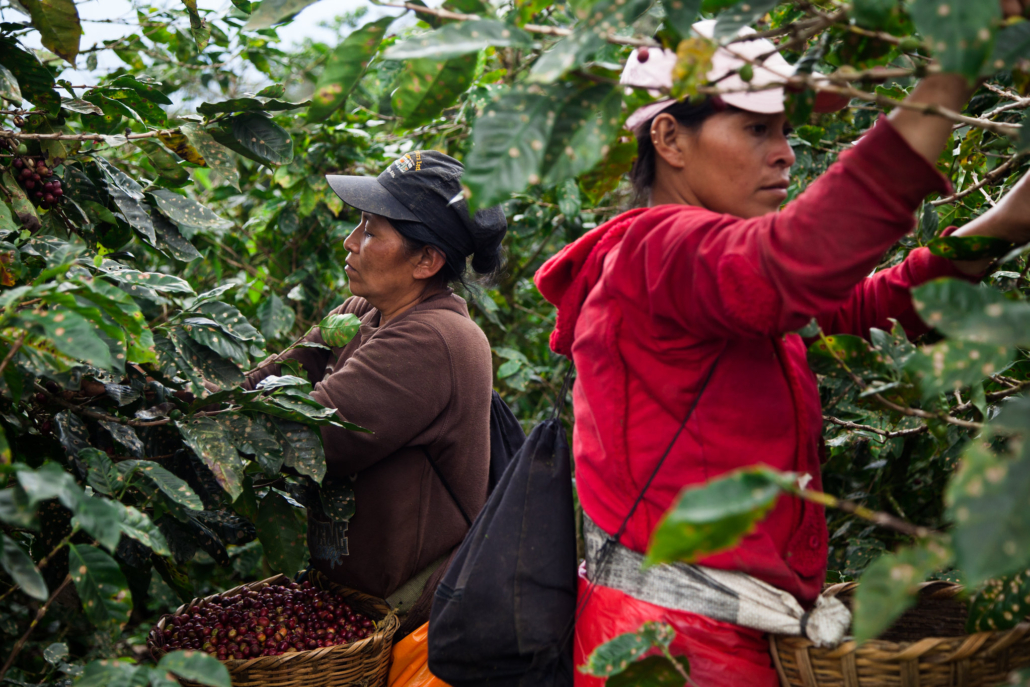 The nation of Nicaragua is the second poorest country in the Western Hemisphere, with almost 25% of families struggling below the extreme poverty line living off less than $1.25 per day. With more than 1.3 million citizens suffering from a lack of economic opportunity, access to decent health care and roadblocks to change, the country’s trajectory is in a downward spiral. However, the modern face of innovation and technology has provided opportunities for specialized groups to have a real effect on many contributors to national poverty.
Tackling Teen Pregnancy
In Latin America, the number of teen pregnancies (between the ages of 15 and 19) are some of the highest percentages in the world. In 2019, that recorded statistic reached as high as 83.3 cases of pregnancy per every 1,000 women. These pregnancies and the rise in STIs associated with them, when occurring within low-income families, present challenges to the medical, social and economic positions of those affected, further inflaming already struggling families and limiting future life opportunities.
Sometimes, prevention of teen pregnancy altogether can be as simple as reaching out to and educating teens on safe practices, which was the goal of Teen Smart International’s (TSI) program in Nicaragua. In 2019, TSI developed information packets (micro-messages) delivered through email and mobile apps — delivery venues frequented by the demographic in question. As of 2022, efforts saw as many as 50,000 teens engaged with the online program over the three years, with 98% reporting being satisfied with the results, presenting a viable avenue for improving the education and eventually even the lives, of Nicaragua’s youth.
Technology in Farming
As an agriculturally reliant country, many of Nicaragua’s poorest families have to weather the many challenges and developing complications of fishing and farming, from water scarcity to market and environmental instability, to keep themselves fed. As of 2022, 16.78% of the country’s GDP could be attributed solely to the agricultural sector, necessitating efforts to empower struggling farmers.
Non-Profit International Development Enterprises (iDE) tackle these areas by addressing road bumps on the path to climate sustainability and providing technology to smooth them over. It established ‘iDEal Technologias’ in Nicaragua to directly support the various small farms of Nicaragua and keep them sustainable across competitive and unforgiving markets. Smart application of technology and innovation in Nicaragua, such as providing low-pressure irrigation systems combined with long-term consultancy, helps bridge the gap between what these farms need and what they can feasibly acquire as poor farmers. The iDE, in particular, has managed to seriously transform the lives of the farmers they work with, increasing the annual profits of their partners and reinforcing opportunity and the broader economy.
Expanding Health Care
Health Care has remained a point of contention for Nicaragua’s developmental goals throughout most of the 2000s, with limited hospital coverage, lack of general health insurance and a high poverty rate limiting access to potentially life-saving medication and even just enough to keep children from suffering the effects of malnutrition. Advancements to the health care system can come slowly in Nicaragua, but the aftermath of COVID-19 helped spur efforts to preserve vaccines.
A vaccine storage center opened in Nicaragua, funded with foreign investment from the governments of Canada and Japan, the GAVI alliance, PHAO and UNICEF — providing storage for vital vaccinations that support 30% of the country’s population. With these upgrades to technology and innovation in Nicaragua, the country’s health care can work better to promote the immunization of children and pregnant women and provide a buffer in the event of any viral outbreaks in the future.
Poverty statistics have improved steadily over the past decade. With the rigors of creative innovation and the utilization of modern technology, we have started to see further improvements in addressing pain points, which is key to dealing with the causes of poverty in Nicaragua. The trick is bridging the space between modern technology’s benefits and the feasibility of bringing these tools to developing countries and solving that the biggest hurdle to overcome is the joining of technology and innovation in Nicaragua for the future.
– Brandon Murphy
Photo: Flickr
