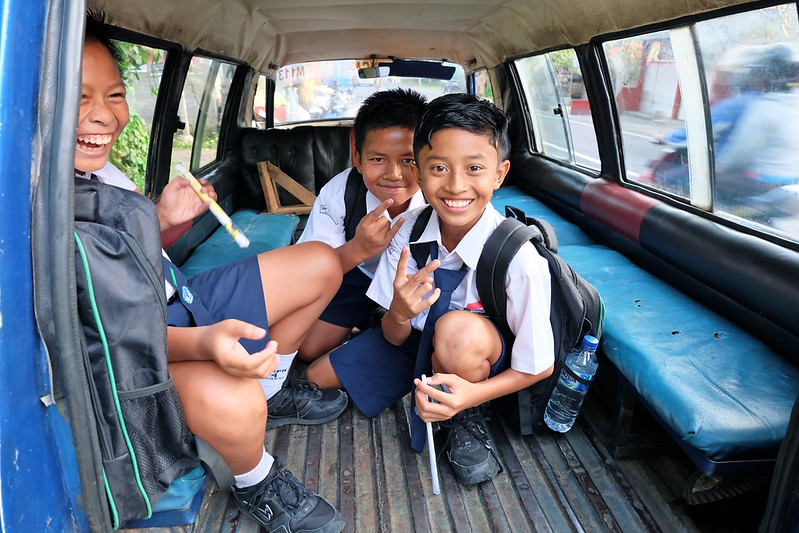
 Indonesia is a populous country located in Southeast Asia with more than 17,000 islands and 300 ethnic groups. According to the World Bank, Indonesia is classified as an upper-middle-income country (UMIC). Using the World Bank’s UMIC poverty line, 68.3% of Indonesians are classified as poor. Poverty limits access to education and economic opportunity, slowing long-term development.
Understanding Poverty
The World Bank measures poverty using three international poverty lines: $2.15 per day for extreme poverty, $3.65 for lower-middle-income countries and $6.85 for UMICs. These figures are calculated using purchasing power parity, which adjusts for differences in cost of living across countries.
Poverty is especially common in rural areas, where limited access to education and economic opportunity can hinder long-term development. Dompet Dhuafa, a nonprofit organization in Indonesia that aims to empower the underserved, spoke with The Borgen Project. The nonprofit said poverty must be viewed from multiple perspectives, not only income, but also accessibility, quality of life, resilience and sustainability. The organization categorizes poverty into material, spiritual, cultural, geographic and thematic dimensions, highlighting how financial hardship intersects with limited infrastructure, education and social support.
Poverty and Education in Indonesia
Poverty in Indonesia continues to shape access to education by limiting resources and creating unstable home environments that hinder learning and early childhood development. Government data from BPS–Statistics Indonesia shows the national literacy rate reached 97.10% in 2025, with a 3.12% gap between urban and rural areas. However, literacy does not necessarily reflect functional literacy. Only about 10% of Indonesians read books regularly and the national reading interest remains extremely low (0.001%).
Student achievement data further highlights these challenges. In 2025, literacy competency reached 71.81% among primary students, 72.07% in middle school and 72.89% in high school, while vocational high schools lagged behind at 66.02%. Numeracy rates were slightly lower across all levels. Limited educational quality, unequal access to school facilities and reading materials and increased reliance on digital media continue to affect learning outcomes.
Dompet Dhuafa told The Borgen Project that limited education reduces job opportunities, while limited job opportunities make education harder to afford, creating a cycle that can persist across generations. Although Indonesia provides free primary and secondary education, the organization notes that persistent challenges in curriculum quality, teacher capacity and infrastructure continue to hinder progress toward high-quality education.
Education Empowerment Programs
To address these barriers, Dompet Dhuafa runs education empowerment programs such as SMART Ekselensia Indonesia, YouLead, Ethos ID and Sekolah Literasi Indonesia. These initiatives aim to expand access to quality education while developing leadership and life skills. As of the 2023–24 academic year, Dompet Dhuafa’s education programs reached more than 53,000 beneficiaries, demonstrating the importance of investing not only in access to education but also in its quality.
Government initiatives also play an important role. The Smart Indonesia Card (Kartu Indonesia Pintar (KIP) provides financial assistance to children from low-income families through the Smart Indonesia Program (Program Indonesia Pintar (PIP). By 2025, the program had reached more than 2.6 million students, helping families cover school expenses such as books, supplies and tuition. For many families, this support makes continuing education possible, including a girl named Fedia.
Fedia is an 18-year-old girl with a dream to be an interior designer studying at Setia Budhi Community Learning Activity Center (PKBM) in Pati Regency. As a recipient of PIP aid funds, Fedia uses her funds to buy books and other school necessities. She then continues her learning to pursue her dream and enter college, majoring in interior design. As a result, Fedia’s family felt aided through PIP, especially her mother, who hopes that her child can continue studying to turn her dream into a reality.
This demonstrates how poverty impacts low-income communities—including students—and how nonprofit and governmental initiatives help relieve these hardships through community empowerment and financial aid. By expanding education access, individuals and communities receive an increase in potential earnings and reduce unemployment rates, directly contributing to national productivity tied to economic growth. Together, nonprofit and government efforts highlight the importance of sustained investment in education to break the cycle of poverty and expand long-term economic opportunity.
Economic Opportunity
Poverty in Indonesia not only affects access to education but also limits economic opportunities later in life. Limited access to quality education and skills training often results in lower-paying and unstable employment. In rural and low-income communities, individuals may enter the workforce early to support their families, reducing long-term earning potential. Dompet Dhuafa told The Borgen Project that despite ongoing empowerment efforts, internal and external challenges remain, including financial sustainability, policy dynamics, human resource capacity, governance and program development. The organization explained that “economic opportunities require human resources with sufficient knowledge and skills. However, the majority of Indonesia’s workforce still has only secondary education or lower, meaning access to economic opportunities is limited to only a small portion of society.”
These barriers contribute to the growth of informal employment, low wages and limited social mobility, allowing the cycle of poverty to persist across generations. Informal employment typically refers to work without formal contracts or legal protections, including self-employment, casual labor and unpaid family work. Data from Indonesia’s Central Statistics Agency (BPS) shows a strong link between education level and informal employment. Individuals without schooling have a 93% likelihood of working in the informal sector, compared with 17.3% of university graduates. As education levels rise, the proportion of informal employment declines, highlighting the role of education in improving economic stability.
In addition, organizations such as Dompet Dhuafa focus on economic empowerment programs that provide vocational training, entrepreneurship support and community development initiatives. Through the use of zakat, infaq, alms and waqf (ZISWAF), the organization aims to promote long-term economic independence. Dompet Dhuafa stated that these initiatives seek to build a more inclusive economy by equipping vulnerable communities with vocational skills, business knowledge and long-term support, enabling mustahik (recipients) to eventually become muzakki (donors). Increasing access to economic opportunities is essential for sustainable development. When individuals gain stable employment and financial independence, communities experience improved living standards and reduced vulnerability to poverty.
Conclusion
Poverty continues to shape access to education and economic opportunity in Indonesia, creating barriers that can limit long-term development. When these barriers persist, governmental programs such as the KIP, PIP and nonprofit organizations like Dompet Dhuafa step in to address these challenges. Through educational access, vocational empowerment and community-based development, these initiatives aim to break intergenerational poverty and create long-term social and economic resilience in Indonesia.
Continued investment in education and economic empowerment will be essential to ensuring that future generations have the opportunity to break the cycle of poverty and contribute to Indonesia’s long-term growth.
– Bianca P. Gunawan
Bianca is based in Jakarta, Indonesia and focuses on Good News and Global Health for The Borgen Project.
Photo: Flickr

MedAdd: 3D Printing Project Improving African Health Care
Despite a poverty rate of 37.9%, the country continues to grow, with 8% to 9% of its GDP coming from health care, which exceeds the World Health Organization’s (WHO) recommended spending by 4%. Statssa reports the public sector spends $30.59 on health care, contributing 44%. This increases the demand for 3D printing in South Africa, especially for custom-designed implants and prosthetics.
What Is MedAdd?
The Central University of Technology (CUT) and the Department of Science and Innovation (DSI) lead the innovative Medical Device Additive Manufacturing Technology Demonstrator Project (MedAdd), transforming health care across South Africa. MedAdd developed 3D printing, also known as additive manufacturing, of medical devices tailored specifically to the needs of the region.
Financial support of a R97 million (approximately $5.85 million) additive manufacturing (3D printing) project in Bloemfontein on April 8, 2022, provided a start-up.
How This Works
MedAdd aims to reduce South Africa’s dependence on imported devices. The Centre for Rapid Prototyping and Manufacturing (CRPM) at CUT is doing groundbreaking work in the design, development and manufacturing of medical devices. This makes the university a leading institution in South Africa in the field of customized medical production.
MedAdd’s 3D printing solution provides a groundbreaking approach for South Africa’s dependence on medical device imports. With the health care budgets, hospitals and clinics lacking vital equipment, will receive immense support through this initiative, as it will also help with the costs of imported devices.
MedAdd aims to:
MedAdd Is Changing Lives
The importance of health innovation, which is the focus of the DSI, is already enhancing the impact of science in society. Rebecca Maserumule, Acting Deputy Director-General for Technology Innovation at the DSI, emphasized the importance for African countries to proactively invest in medical research and health innovation.
She says, “Our overall objective in this space is to help grow the health economy by providing locally developed and relevant diagnostics and medical devices with a view to boosting their manufacturing.”
Maserumule adds that enhancing existing capacity to manufacture active pharmaceutical ingredients, vaccines, biopharmaceuticals, diagnostics and medical devices will address the disease burden and ensure the security and sustainable supply of essential therapeutics and prophylactics.
Currently, more than 1,000 patients have been assisted through the CRPM’s efforts, which are supported by state and private hospitals and funding from the DSI, TIA and other partners. Among these cases are Princess Moshona and Luan Adams.
BBC covered a MedAdd success story emphasizing how the 3D printing medical devices changed the life of a gunshot survivor, Princess Moshona, who was shot in the jaw by carjackers, deforming her face. Thanks to a 3D metal implant treatment, her face is restored.
Another success story follows Luan Adams, whose face was disfigured by sinus cancer affecting his speech and breathing. Currently, a facial prosthetic implant made of silicone at the CRPM has helped both his breathing and his speech. The CRPM 3D-printed the titanium frame implant used to hold the prosthetic in place. Thanks to this, Adams shares that he is more than grateful to be alive.
MedAdd’s Future and Impact
South Africa’s leadership in 3D printing is projected to reach a market size of $70 million by 2030, setting a benchmark for other African nations. The emergence of technology hubs and fab labs, like the Togolese fab lab Woelab Lomé, reflects a growing ethos of innovation across the continent, which is instrumental in adopting new technologies for societal needs.
Looking further ahead, the broader Africa 3D printing medical devices market is projected to reach $1,065 million by 2025, with a compound annual growth rate of 17.04%.
A Model for the Continent
MedAdd shows that Africa does not wait for imported solutions to meet its health care needs. By investing in local manufacturing capability, accredited research infrastructure and partnerships across government, academia and industry, South Africa is building a model that other African nations can follow. As 3D printing technology becomes more available and accessible, initiatives like MedAdd offer a blueprint for how developing nations can close the medical device gap affordably, sustainably and on their own terms.
– Joy Kohol
Photo: Pexels
Economic Benefits of Sustainable Tourism in Indonesia
Poverty and the Promise of Tourism
Although Indonesia has made significant progress in reducing poverty over the past two decades, many rural communities still face economic hardship. According to the World Bank, Indonesia’s national poverty rate fell from approximately 24% in 1999 to below 9% in recent years, lifting millions of people out of poverty. However, families in rural areas often continue to rely on seasonal work, agriculture and informal employment that provide unstable incomes and limited opportunities for advancement.
Poverty can restrict access to education, health care and transportation, making it difficult for families to improve their economic situation. Sustainable tourism helps address these challenges by creating jobs, supporting local businesses and attracting investment to underserved regions. By connecting travelers with local guides, drivers, restaurants, accommodations and artisans, tourism generates income that remains within communities and supports long-term economic growth.
Recovery After the Pandemic
The COVID-19 pandemic exposed the vulnerability of tourism-dependent communities when international travel came to a sudden halt. Indonesia recorded a 75% decline in international tourist arrivals in 2020 compared to 2019, disrupting livelihoods for millions of workers who depended on tourism-related industries. Many drivers, guides, hospitality workers and small business owners experienced significant income losses as visitor spending disappeared almost overnight. In response, Indonesia partnered with international organizations to rebuild the tourism sector through sustainable development initiatives that prioritized local communities, environmental protection and economic resilience.
The United Nations Educational, Scientific and Cultural Organization (UNESCO) supported community-based tourism programs that encouraged cultural preservation while helping local residents benefit directly from tourism revenue. As tourism recovered, workers gained access to new opportunities through infrastructure improvements, workforce training and digital business development programs. Indonesia’s average monthly wage now exceeds 3.5 million rupiah ($196), while minimum wages have increased by more than 30% since 2020, reflecting broader economic recovery efforts. These initiatives focus on creating long-term opportunities rather than short-term recovery.
The United Nations and Sustainable Tourism
The United Nations (U.N.) has also recognized tourism’s role in supporting economic recovery and sustainable development. According to U.N. News, tourism generates employment opportunities, supports local entrepreneurship and creates pathways for women and young people to participate in economic growth. These benefits become especially important in developing regions where employment opportunities may be limited. By investing in sustainable tourism practices, communities can strengthen local economies while preserving cultural and environmental resources for future generations.
A Local Entrepreneur’s Story
Barna, owner of Rizkynata Bali Tours and Transfers, has experienced these opportunities firsthand. Before the pandemic, he built a successful career in Bali’s tourism industry and watched visitor spending on support drivers, guides, restaurants, hotels and small business owners throughout the region. According to Barna, tourism creates opportunities for families to earn stable incomes, invest in their futures and improve their overall quality of life. He has seen local entrepreneurs expand their businesses and create jobs as tourism demand increases.
When international travel slowed during the pandemic, Barna returned to his hometown in Java and helped his brother manage the family farm. Many tourism workers made similar decisions and temporarily found work in agriculture, construction and retail. Although these industries helped families earn income during difficult periods, they often provided fewer opportunities for growth than tourism-related work. As visitor numbers recovered, many workers returned to tourism and rebuilt their businesses. Barna’s experience demonstrates the importance of creating resilient local economies that can adapt to economic disruptions.
Infrastructure and Investment
Today, communities across Indonesia continue to benefit from investments in sustainable tourism infrastructure. In destinations such as Lake Toba and Lombok, tourism development projects upgraded roads that connect villages, tourism sites, airports and ferry terminals, making travel faster and more reliable for residents and visitors. The projects also expanded access to clean water, improved wastewater management systems and upgraded public sanitation facilities, helping protect local ecosystems while improving public health. According to the World Bank, these investments supported approximately 1.15 million jobs, helped more than 20,000 tourism businesses establish an online presence and provided skills certification to more than 84,000 tourism professionals. By improving infrastructure and expanding economic opportunities, these initiatives help communities attract investment, support local businesses and strengthen long-term economic growth.
Digital Tools for Small Business Growth
Digital technology has expanded access to economic opportunities for entrepreneurs across Indonesia. Barna uses Facebook and TikTok to connect with travelers and market his services to international visitors. He believes digital platforms allow small businesses to compete more effectively while reaching customers they might never meet through traditional advertising. His long-term goal is to create a transportation network that connects travelers with local drivers across Bali and Java, creating additional income opportunities for workers throughout Indonesia.
Rather than increasing prices during slower seasons, Barna focuses on providing reliable service, affordable rates and positive customer experiences. He believes strong customer relationships, repeat visitors and positive reviews create sustainable business growth. His approach reflects the values behind the economic benefits of sustainable tourism in Indonesia, where local entrepreneurs rely on trust, quality service and community support to build successful businesses that contribute to local economic development.
Looking Ahead
Barna remains optimistic about the future. He plans to diversify his income through agriculture and additional business ventures while continuing to expand his tourism company. He hopes future generations of his family will benefit from the opportunities tourism has provided him. His story demonstrates how sustainable tourism can reduce economic vulnerability, strengthen local economies and create pathways toward financial stability. As Indonesia continues investing in tourism development, entrepreneurs like Barna show how innovation, resilience and community partnerships can drive lasting economic progress and help communities move closer to sustainable prosperity
– Kianna Hines
Photo: Barna
Education Leads Reform in Preventing Child Marriage in India
This article examines how education leads reform in preventing child marriage in India by highlighting the growing role of schooling and life skills training in driving meaningful change.
Social Pressures Keep the Practice Alive
Indian communities often link a girl’s honor to her marital status, which creates strong expectations for early marriage and social consequences when families resist. In many areas, girls hold a lower social value than boys, leaving marriage as the only accepted path to improve their standing and support their families. These pressures place family reputation above girls’ education, and many girls leave school early to take on household roles. As dropout rates rise, girls lose access to the life skills and opportunities that could expand their futures. These social norms show why education leads reform in preventing child marriage in India, as schooling offers girls an alternative to long-standing traditions, according to UNICEF India.
Early Marriage Harms Girls’ Futures
Prioritizing marriage over education limits girls’ futures and removes access to employment and independence, both of which are essential for empowerment. When families value marriage over education, girls face higher health risks and challenges to their futures. The infant mortality rate among mothers under 20 stands at 45 per 1,000 live births, compared to 33 among mothers ages 20 to 29. Early marriage increases the likelihood of early pregnancies, maternal mortality and malnutrition. Expanding access to education creates a protective barrier for girls and gives them the freedom and opportunities to move beyond traditional expectations.
India has seen the number of girls marrying before 18 fall from 47% to 27% between 2005-06 and 2015-16. Education drives much of this progress by lowering the rate of underage marriage. Studies show that completing secondary school can reduce child marriage by two-thirds because schooling gives girls life skills, literacy and the confidence to make informed decisions about their futures. Each additional year of education lowers the risk of child marriage by 6%. These gains show how education leads reform in preventing child marriage in India and strengthens efforts to protect children’s rights.
Expanding School Access for Girls
Government initiatives that expand access to education for girls play a central role in reducing child marriage in India. These programs aim to empower girls and give them schooling that delays marriage and opens new paths to independence. The government initiative Beti Bachao Beti Padhao promotes girls’ survival, protection and education by addressing gender bias and improving welfare services for girls. These efforts show how education leads reform in preventing child marriage in India by giving girls the tools and support they need to shape their futures.
Global efforts to end child marriage in India have expanded access to education, life skills and social protection programs for millions of girls. Since 2019, 17 million girls have received life-skills lessons and health information that support their education and delay early marriage. These programs ensure that young girls receive guidance and tools to continue learning and pursue career opportunities that strengthen their independence. Because of this progress, South Asia is on track to eliminate child marriage within 55 years, driven by improved female education, reduced poverty, stronger gender norms and better enforcement.
Education Driving Long-Term Reform
Education provided through targeted new initiatives gives girls stronger access to support systems and new opportunities that move them beyond traditional expectations of early marriage. As communities place greater value on girls’ schooling, long-held norms around marriage begin to shift and girls gain more control over their futures. This change strengthens progress across India and supports sustainable reform. These outcomes show how education leads reform in preventing child marriage in India and continues to shape long-term improvements for girls nationwide
– Flora de Leeuw
Photo: Flickr
The Impact of Poverty and Education in Indonesia
Understanding Poverty
The World Bank measures poverty using three international poverty lines: $2.15 per day for extreme poverty, $3.65 for lower-middle-income countries and $6.85 for UMICs. These figures are calculated using purchasing power parity, which adjusts for differences in cost of living across countries.
Poverty is especially common in rural areas, where limited access to education and economic opportunity can hinder long-term development. Dompet Dhuafa, a nonprofit organization in Indonesia that aims to empower the underserved, spoke with The Borgen Project. The nonprofit said poverty must be viewed from multiple perspectives, not only income, but also accessibility, quality of life, resilience and sustainability. The organization categorizes poverty into material, spiritual, cultural, geographic and thematic dimensions, highlighting how financial hardship intersects with limited infrastructure, education and social support.
Poverty and Education in Indonesia
Poverty in Indonesia continues to shape access to education by limiting resources and creating unstable home environments that hinder learning and early childhood development. Government data from BPS–Statistics Indonesia shows the national literacy rate reached 97.10% in 2025, with a 3.12% gap between urban and rural areas. However, literacy does not necessarily reflect functional literacy. Only about 10% of Indonesians read books regularly and the national reading interest remains extremely low (0.001%).
Student achievement data further highlights these challenges. In 2025, literacy competency reached 71.81% among primary students, 72.07% in middle school and 72.89% in high school, while vocational high schools lagged behind at 66.02%. Numeracy rates were slightly lower across all levels. Limited educational quality, unequal access to school facilities and reading materials and increased reliance on digital media continue to affect learning outcomes.
Dompet Dhuafa told The Borgen Project that limited education reduces job opportunities, while limited job opportunities make education harder to afford, creating a cycle that can persist across generations. Although Indonesia provides free primary and secondary education, the organization notes that persistent challenges in curriculum quality, teacher capacity and infrastructure continue to hinder progress toward high-quality education.
Education Empowerment Programs
To address these barriers, Dompet Dhuafa runs education empowerment programs such as SMART Ekselensia Indonesia, YouLead, Ethos ID and Sekolah Literasi Indonesia. These initiatives aim to expand access to quality education while developing leadership and life skills. As of the 2023–24 academic year, Dompet Dhuafa’s education programs reached more than 53,000 beneficiaries, demonstrating the importance of investing not only in access to education but also in its quality.
Government initiatives also play an important role. The Smart Indonesia Card (Kartu Indonesia Pintar (KIP) provides financial assistance to children from low-income families through the Smart Indonesia Program (Program Indonesia Pintar (PIP). By 2025, the program had reached more than 2.6 million students, helping families cover school expenses such as books, supplies and tuition. For many families, this support makes continuing education possible, including a girl named Fedia.
Fedia is an 18-year-old girl with a dream to be an interior designer studying at Setia Budhi Community Learning Activity Center (PKBM) in Pati Regency. As a recipient of PIP aid funds, Fedia uses her funds to buy books and other school necessities. She then continues her learning to pursue her dream and enter college, majoring in interior design. As a result, Fedia’s family felt aided through PIP, especially her mother, who hopes that her child can continue studying to turn her dream into a reality.
This demonstrates how poverty impacts low-income communities—including students—and how nonprofit and governmental initiatives help relieve these hardships through community empowerment and financial aid. By expanding education access, individuals and communities receive an increase in potential earnings and reduce unemployment rates, directly contributing to national productivity tied to economic growth. Together, nonprofit and government efforts highlight the importance of sustained investment in education to break the cycle of poverty and expand long-term economic opportunity.
Economic Opportunity
Poverty in Indonesia not only affects access to education but also limits economic opportunities later in life. Limited access to quality education and skills training often results in lower-paying and unstable employment. In rural and low-income communities, individuals may enter the workforce early to support their families, reducing long-term earning potential. Dompet Dhuafa told The Borgen Project that despite ongoing empowerment efforts, internal and external challenges remain, including financial sustainability, policy dynamics, human resource capacity, governance and program development. The organization explained that “economic opportunities require human resources with sufficient knowledge and skills. However, the majority of Indonesia’s workforce still has only secondary education or lower, meaning access to economic opportunities is limited to only a small portion of society.”
These barriers contribute to the growth of informal employment, low wages and limited social mobility, allowing the cycle of poverty to persist across generations. Informal employment typically refers to work without formal contracts or legal protections, including self-employment, casual labor and unpaid family work. Data from Indonesia’s Central Statistics Agency (BPS) shows a strong link between education level and informal employment. Individuals without schooling have a 93% likelihood of working in the informal sector, compared with 17.3% of university graduates. As education levels rise, the proportion of informal employment declines, highlighting the role of education in improving economic stability.
In addition, organizations such as Dompet Dhuafa focus on economic empowerment programs that provide vocational training, entrepreneurship support and community development initiatives. Through the use of zakat, infaq, alms and waqf (ZISWAF), the organization aims to promote long-term economic independence. Dompet Dhuafa stated that these initiatives seek to build a more inclusive economy by equipping vulnerable communities with vocational skills, business knowledge and long-term support, enabling mustahik (recipients) to eventually become muzakki (donors). Increasing access to economic opportunities is essential for sustainable development. When individuals gain stable employment and financial independence, communities experience improved living standards and reduced vulnerability to poverty.
Conclusion
Poverty continues to shape access to education and economic opportunity in Indonesia, creating barriers that can limit long-term development. When these barriers persist, governmental programs such as the KIP, PIP and nonprofit organizations like Dompet Dhuafa step in to address these challenges. Through educational access, vocational empowerment and community-based development, these initiatives aim to break intergenerational poverty and create long-term social and economic resilience in Indonesia.
Continued investment in education and economic empowerment will be essential to ensuring that future generations have the opportunity to break the cycle of poverty and contribute to Indonesia’s long-term growth.
– Bianca P. Gunawan
Photo: Flickr
How the Boda-boda Industry in Kenya Creates Opportunity
According to a Viffa Consult report, a Kenyan-based management consultancy that supports micro, small and medium enterprises (MSMEs), boda-bodas now form a critical backbone of Kenya’s transport system, generating KES 660 billion annually.
Munde captured the industry’s everyday importance, telling The Borgen Project that boda-bodas deliver food, drinks, medicine, and almost everything one can think of. Beyond their practical advantages — such as enabling businesspeople to bypass traffic and reach meetings on time — these bikes have also created a series of opportunities for the social fabric of Kenya.
The Transport Shift
According to Munde, the boda-boda industry in Kenya has become essential to daily life because it provides an affordable and practical transportation option in a country where car ownership remains inaccessible for many. A 2023 Statista survey revealed the scale of Kenya’s car ownership gap, with only 7% of respondents reporting they owned a car.
Data from The Global Economy reported Kenya’s average 2021 vehicle price index at 82.99, compared to a global average of 100. While this figure may appear relatively low, vehicle ownership in Kenya remains expensive in the context of average incomes, helping to explain why boda-bodas have become such a popular alternative.
As a result, boda-bodas have emerged as a far more realistic financial option for many citizens. Unlike the small 7% of Kenyans who own cars, the country’s estimated 4 million boda riders ensure that mobility is not restricted to a wealthy minority. By providing cheaper transport, boda-bodas allow more people to reach essential services without being limited by the high costs associated with car ownership. In doing so, the industry has expanded everyday opportunities across many communities in Kenya.
The Employment Shift
Although boda-bodas have increased opportunities for many Kenyans, it is the country’s youth who appear to have benefited the most. Youth unemployment in Kenya has risen sharply in recent years, increasing from 7.3% in 2016 to 15.2% in 2025. This rise has left a significant portion of Kenya’s young labor force without stable employment. Young people make up more than 35% of the country’s population, making youth unemployment a major economic challenge.
Against this backdrop, the gradual expansion of the boda-boda industry in Kenya has created an important new route into employment. Munde told The Borgen Project that the industry’s low barriers to entry make it far more accessible than many forms of formal employment, with the main requirement being obtaining a driver’s license.
Research conducted by Too Zakayo Kibet, a student from the University of Nairobi, further highlights the industry’s economic potential. A study of 206 youth boda-boda drivers found that 94% of those surveyed were able to meet their basic needs through the work, while 88% reported that their financial status had improved as a direct result of employment in the industry. Furthermore, 63% of the youth riders were also able to build savings, demonstrating that the work can generate not only short-term income but also long-term financial security. An additional 67.7% reported an overall increase in their purchasing power after entering the boda-boda sector.
These findings demonstrate the strong relationship between the boda-boda industry and economic opportunity in Kenya. Increased income from motorbike employment can play a significant role in alleviating poverty by allowing individuals to move beyond day-to-day survival. When riders are able to consistently meet their basic needs and generate savings, they and their households gain greater financial stability and resilience.
Looking Ahead
As Munde told The Borgen Project, boda-bodas have created a whole new avenue for employment, especially for young people. By reducing reliance on cars and lowering barriers to entry into work, the boda-boda industry has opened economic doors for Kenyans, demonstrating that accessible, low-cost solutions can drive meaningful poverty reduction at scale.
– Sophia Lupo
Photo: Flickr
How Somalia’s Vaccination Program Reaches Vulnerable Children
Displacement Crisis in Somalia
Somalia continues to face one of the world’s largest displacement crises. According to the United Nations High Commissioner for Refugees (UNHCR), millions of Somalis have experienced displacement due to conflict, climate-related disasters and food insecurity. Families arriving in communities such as Kahda often struggle to access health care services, increasing children’s vulnerability to diseases such as measles and polio. Malnutrition and limited health care access can further increase health risks for young children.
Challenges and Progress
Health officials classify many of these children as “zero-dose” children because they have not received even one routine vaccine. A 2025 study found that approximately 60% of Somali children remain zero-dose, with the highest concentrations located in rural, nomadic and conflict-affected regions. Limited health care infrastructure, transportation barriers and workforce shortages continue to prevent many families from accessing immunization services. Reaching these children remains one of Somalia’s most important public health priorities.
Partnerships Driving Success
Vaccination efforts for children continue achieving remarkable progress through partnerships led by Gavi and the International Rescue Committee (IRC). Established in 2000, Gavi works to increase vaccine access in lower-income countries, while the IRC, founded in 1933, provides humanitarian assistance in more than 40 countries worldwide. Through the REACH consortium, led by the IRC, health care workers have delivered more than 30 million vaccine doses and reached more than 1 million children across Somalia since 2022. The initiative also expanded humanitarian access from 16% of targeted communities to 100%, allowing health care workers to reach children who previously lacked access to routine immunizations.
Community-Based Efforts
Somalia’s vaccination program for children succeeds because health care workers actively bring immunization services directly to families. Mobile health teams travel to remote villages, displacement camps and underserved communities to vaccinate children and connect families with health care resources. Community health workers educate parents about vaccine safety, identify children who missed vaccinations and encourage families to complete immunization schedules. These efforts help health care workers protect more children from preventable diseases and strengthen community health.
Broader Impact of Vaccination
Vaccines provide benefits that extend beyond individual health. Immunization reduces child mortality, prevents disease outbreaks and lowers health care costs for families already facing financial hardship. When children stay healthy, they are more likely to attend school, participate in their communities and achieve better long-term outcomes. Public health experts consistently identify vaccination as one of the most cost-effective investments countries can make to improve health and reduce poverty.
Continuing Efforts and Future Outlook
Coordinated investments and expanded humanitarian access continue improving vaccination coverage across Somalia. Organizations such as Gavi, the United Nations Children’s Fund (UNICEF), the World Health Organization (WHO) and the IRC work alongside local partners to strengthen health care delivery systems and expand access to immunization services. These partnerships help ensure that children living in remote and underserved communities receive the same opportunities for healthy development as children living in more accessible areas. The continued growth of Somalia’s vaccination program for children offers hope to families seeking better health outcomes, according to WHO and UNICEF immunization coverage estimates.
Challenges remain, particularly in regions affected by insecurity, climate shocks and displacement. However, Somalia’s vaccination program for children continues demonstrating what targeted investments, strong partnerships and community-based health care can accomplish. Health care workers have already delivered more than 30 million doses and reached more than 1 million children through the REACH consortium. As health care teams continue serving families in Bakool, Hiraan and communities such as Kahda, they are protecting children, strengthening local health care systems and creating healthier futures across Somalia
– Kianna Hines
Photo: Flickr
The U.S. Economy and Reducing Global Poverty
The closure of USAID is perhaps the most significant consequence of these cuts, as its funding has historically been vital for poverty reduction in developing countries. Alongside the international consequences of these changes, thousands of federal employees and contractors associated with foreign assistance programs lost their jobs. Nonetheless, these actions have drawn strong criticism from development professionals and humanitarian organizations.
Foreign assistance has also historically supported American exports and strengthened diplomatic relationships with strategic partners. According to the House Budget Committee, international affairs funding supports economic assistance programs, promotes U.S. exports and contributes to global peacekeeping efforts, all of which can create long-term economic benefits for the United States.
The Legacy of USAID
Established in 1961, USAID has been central to U.S. international aid efforts. The agency has provided lifesaving medicine, food assistance, clean water infrastructure, agricultural support and protections for vulnerable populations. USAID programs have supported countries across Africa, Asia, Eastern Europe and Latin America.
One of USAID’s most successful investments has been maternal and child health programming. According to USAID archives, global under-five mortality has fallen by more than half since 1990, with U.S.-supported health initiatives contributing to improved vaccination rates, nutrition programs and access to medical care.
USAID also played a significant role in global HIV/AIDS prevention through the President’s Emergency Plan for AIDS Relief (PEPFAR), which has saved more than 26 million lives since its launch in 2003.
The decision to dismantle an organization that has significantly contributed to global poverty reduction raises serious concerns. Researchers from Boston University estimated that disruptions to foreign assistance programs could contribute to hundreds of thousands of preventable deaths worldwide if essential health services remain interrupted.
According to the House Committee on the Budget, Function 150 (International Affairs) covers U.S. international activities, including operations of embassies and consulates, providing military assistance to allies, supporting developing nations, promoting U.S. exports abroad, funding international organizations and contributing to peacekeeping efforts. Agencies within this category have historically included the Department of State, USAID, the Peace Corps and the Millennium Corporation. The agency’s work has long been viewed as a cornerstone of American humanitarian leadership and international engagement. Through innovative funding mechanisms and partnerships, USAID helped countries strengthen health systems, improve agricultural productivity and expand economic opportunities for millions of people.
Organizations Reducing Global Poverty
Despite reductions in U.S. foreign assistance, several organizations continue reducing global poverty and improving the quality of life around the world. The Global Fund to fight AIDS, Tuberculosis and Malaria has helped save approximately 65 million lives since 2002 by supporting disease prevention and treatment programs in more than 100 countries.
Similarly, the World Food Programme assisted more than 150 million people across more than 120 countries in 2024 through emergency food aid and resilience-building initiatives.
The Millennium Challenge Corporation, another U.S.-funded development organization, has invested more than $17 billion in grants benefiting nearly 300 million people worldwide through infrastructure, education and economic development projects.
These organizations demonstrate that international partnerships remain effective tools for reducing poverty, promoting economic growth and strengthening stability.
Humanitarian Concerns Following Aid Reductions
Function 150 highlights how U.S. taxpayer funds are allocated to foreign affairs and international aid. International aid and development represent a relatively small portion of the overall federal budget, yet this spending is essential for strengthening American diplomacy. Reductions in these funds not only affect developing countries but can also weaken the U.S.’s position globally. In 2025, approximately 3% of federal spending was dedicated to international affairs.
International development and humanitarian assistance help reduce global health risks by supporting programs that address HIV/AIDS, tuberculosis and malaria while mitigating the effects of refugee crises. International Security Assistance funds advance U.S. national security through diplomatic, consular and border security initiatives. International spending also plays a key role in combating global terrorism.
International affairs spending increased following major global events, including the Sept. 11 terrorist attacks, the 2013 Ebola outbreak and Russia’s 2022 invasion of Ukraine. These increases reflected recognition that global crises can directly affect U.S. national security and economic interests.
The decline in U.S. soft power is often linked to reduced international engagement. The U.S. has long been recognized as a global leader through both military strength and humanitarian assistance. Recent aid reductions and strained relationships with some allies have raised concerns among foreign policy experts about America’s influence abroad. According to economic analysts, tariffs and trade disputes have also contributed to uncertainty in global markets, encouraging some countries to seek alternative trading partnerships. These developments may affect supply chains, investment opportunities and long-term economic growth.
Looking Ahead
The future of U.S. foreign assistance remains uncertain. However, organizations such as the Global Fund, the World Food Programme and the Millennium Challenge Corporation demonstrate that international partnerships continue to generate measurable results in the fight against poverty. Their work shows that strategic investments in health, food security and economic development can improve millions of lives while advancing global stability.
The debate over USAID and international affairs funding raises broader questions about America’s global responsibilities, national interests and long-term strategic priorities. While policymakers continue to debate the future of foreign assistance, the evidence suggests that international aid remains an important tool for promoting economic opportunity, reducing poverty and strengthening diplomatic relationships around the world.
– Rayonna M Sanders
Photo: Flickr
5 Charities Operating in Mali
1. Save the Children
The first of the five charities operating in Mali is Save the Children. Save the Children has operated in Mali since 1987 and has become one of the country’s leading humanitarian organizations. It focuses on education, nutrition, child protection and health care services. The organization combines emergency responses efforts with long-term development programs. It supports schools, trains teachers and helps children access life-saving nutrition services. In 2025, Save the Children helped more than 613,000 children in Mali.
By investing in children during emergencies and periods of stability, the organization helps families build stronger futures while reducing the long-term effects of poverty.
2. World Vision Mali
World Vision Mali combats poverty through a wide range of community-based programs. It focuses on education, clean water, food security and child protection.
One of its most impactful initiatives involves expanding access to safe drinking water. According to its 2025 report, its program helped more than 136,000 people gain access to improved water sources in the country. The charity also supported more than 71,000 students through education programs and provided humanitarian assistance to hundreds of thousands of people. These investments improve health outcomes, reduce the burden of collecting water and create more opportunities for children to remain in school.
3. WaterAid Mali
Access to clean water and good hygiene remains a major challenge for many communities in Mali, where 3.3 million people don’t have clean water close to home. WaterAid Mali is building sustainable water, sanitation and hygiene systems. Rather than focusing only on infrastructure, the organization collaborates with local governments and community leaders to ensure that services remain operational for years after the installation. It also promotes hygiene education and sanitation improvements that help reduce waterborne diseases.
WaterAid Mali aims to provide water, hygiene and sanitation services to three million people by 2028. Improved access to these services can help families spend more time on economic activities and allows children to attend school more consistently.
4. SOS Children’s Villages Mali
Children who lose parental care often face higher risks of poverty, exploitation and interrupted education. SOS Children’s Villages Mali has created family-based care programs and community support initiatives. The charity operates children’s villages and family-strengthening programs in several parts of the country. In addition to providing safe homes for children, it supports vulnerable families with social services and educational assistance. This approach helps prevent family separation and allows children to grow up in stable environments.
By prioritizing long-term family support, the organization helps children develop the skills and opportunities needed to break cycles of poverty.
5. CARE Mali
CARE Mali focuses on economic development and community empowerment programs. The organization works closely with women, farmers and local leaders to improve livelihoods and strengthen resilience. It supports agricultural training, savings groups and income-generating activities that help families increase earnings. The charity also works to improve food security in areas affected by climate shocks and instability. Many of its programs prioritize women’s economic participation, recognizing the important role they play in household and community development.
Through these initiatives, CARE Mali helps families build financial stability while creating stronger local economies.
Looking Ahead
These five charities operating in Mali demonstrate how targeted solutions can help communities overcome poverty. Whether through education, clean water, child protection or economic empowerment, each organization addresses critical challenges while creating opportunities for long-term progress.
– Violette Bardouil
Photo: Wikimedia Commons
Mental Health Support in Bangladesh After Natural Disasters Strike
Eastern Floods
In August 2024, more than 500,000 were forced from their homes and 71 were killed by devastating floods. The rivers and overall water levels in cities like Feni threatened to cover the rooftops of many buildings as the water levels reached up to 30 feet in some places. Citizens directed traffic to allow emergency vehicles to arrive faster. Acts of kindness included giving out hot meals and helping evacuate stranded individuals by boat.
Besides being impacted by the flood, people in such an altered environment are at greater risk of experiencing different forms of violence. To help mitigate this problem, the government provided women experiencing gender-based violence with safe shelters. Many of these women also received psychological first aid to help manage their trauma.
Psychological first aid is not a formalized therapy session. It provides a safe space for affected individuals to process trauma and helps connect people with additional disaster relief resources. The Bangladesh Red Crescent Society (BDRCS) provided medical support for more than 83,000 individuals. Thousands also received psychological aid in the same place where medical support was provided.
People living in poverty can have their situations exacerbated by various circumstances, with extreme floods being one of the worst. About three-quarters of impoverished households see their economic situations worsen after a flood. Bangladesh lost over a million metric tons of food due to the 2024 floods, primarily rice and vegetables. This caused food prices to rise and led to increased inflation. Sixty-two percent of households regularly had scarce meals as a result.
Cyclone Sidr
A devastating Category 4 storm hit Bangladesh in November 2007, killing over 3,400 people, injuring 55,000 and displacing 500,000 from their homes. Beyond the physical damage, a quarter of those impacted by the storm suffered from post-traumatic stress disorder (PTSD).
The BDRCS organized a psychological first aid program to provide mental health support in Bangladesh after the storm. It included staff members as well as community volunteers, including 20 psychology students from Dhaka University. Over 400 additional volunteers were trained to help in highly affected areas. As part of the immediate recovery goals after the cyclone, the BDRCS aimed to help 20,000 people with psychosocial support.
The BDRCS also provided funding for individuals impacted by the storm to help them improve their situations. A woman named Misti built her own boat for a ferry service thanks to a grant from the BDRCS. She uses this boat to have a self-sustaining career and to help people escape dangerous situations when another major storm is on the horizon. There are many more success stories of people achieving financial independence thanks to BDRCS funding.
A Preemptive Plan of Action
In 2024, the World Health Organization (WHO) in Bangladesh developed a preemptive plan to mitigate the effects of future natural disasters. The WHO will increase mental health support in Bangladesh before, during and after disasters and will also seek feedback from people in refugee camps to determine how they can be better supported.
At least 16% of people in Bangladesh experience a mental health challenge due to various circumstances beyond natural disasters. However, the actual number is estimated to be much higher due to many remaining undiagnosed or untreated. Since there is a predisposition toward worsening mental health after a natural disaster, it is helpful for care in some form to be set in place every step of the way.
– Logan Hessek
Photo: Flickr
5 Charities in the Republic of Congo
The Republic of Congo faces vast challenges, including the threats of disease and climate change, despite possessing ancestral forests that hold the history of indigenous peoples and biodiversity that enriches the planet. In 2011, roughly 50 million people didn’t have access to clean drinking water. Fortunately, dedicated organizations strive to protect and empower local communities in the Republic of Congo. This article highlights five charities operating in the Republic of Congo that are making a significant impact.
1. Survival International
Survival International works to protect Indigenous populations who have livelihoods that industries like logging, mining and oil extraction are threatening. The organization recognizes that land holds profound meaning beyond its economic value for many indigenous peoples. Survival International maintains a presence in 90 countries, including work focused on communities within the Republic of Congo.
It is a strong advocate for the Baka People, an indigenous community residing in the Congo Basin rainforest, which runs primarily through the Democratic Republic of the Congo (DRC), the Republic of Congo and Gabon. Survival International highlights that, under the guise of international conservation efforts, the Baka people have suffered severe human rights abuses, including a loss of ancestral lands. The group uses the term “Green Genocide” to describe the events.
Survival International strives to maintain its independence by refusing funding from national governments and corporations that infringe on indigenous rights. As of 2023, individual donors provided more than 65% of their annual budget. In the Republic of Congo, their primary methods for change involve lobbying and advocacy campaigns. Its work includes hands-on support for indigenous groups facing land disputes, as well as communicating these hardships to actors championing conservation efforts.
2. Sightsavers
Sightsavers is best known for its efforts to fight avoidable blindness. It also works to fight diseases that can lead to blindness and disability. Additionally, the group advocates for disability rights and inclusion. Founded in 1950, Sightsavers operates in more than 30 countries globally, working with both international and local organizations to provide accessible medical care. Eye health, eradicating neglected tropical diseases (NTDs), education and social inclusion are among their highest priorities.
In the Republic of Congo, Sightsavers plays an important role in tackling lymphatic filariasis, which is a neglected tropical disease transmitted through mosquito bites that affects almost 120 million people worldwide. Most recognizable by the inflamed body parts of the afflicted, this disease can lead to permanent disability, including blindness, if not treated correctly. Currently, more than 1.1 million people in the Republic of Congo require medication to protect them from lymphatic filariasis. Sightsavers works in collaboration with the Congo’s Ministry of Health to facilitate the distribution of life-saving medicine, in addition to improving the overall healthcare systems and quality.
3. Salvation Army
While widely recognized for its holiday fundraising efforts, The Salvation Army provides invaluable disaster relief services for numerous developing countries, including the Republic of Congo. Its long-standing presence in the Congo since 1937 grew from small-scale community aid, like building health clinics and improving access to education, to more comprehensive disaster response. This makes them one of the vital five charities operating in the Republic of Congo during times of crisis.
In 2020, the Republic of Congo declared a state of emergency after ongoing floods decimated homes and communities in the Northern region. The floods affected an estimated 170,000 people, and destroyed more than 15,000 acres of agricultural fields. In response to this devastating event, the Salvation Army collaborated with the local government and the United Nations World Food Programme (WFP). Through this partnership, they provided life-saving emergency food supplies, blankets, clothing and hygiene products to thousands of people fleeing their homes.
4. Acted
Acted is another of the many charities operating in the Republic of Congo. The organization is a nonprofit humanitarian group headquartered in Paris, France, that adopts a multi-sectoral approach to aid. It operates within the crucial intersection between emergency relief services, sustainable development assistance and environmental protection.
In the Republic of Congo, its work most commonly involves strengthening community-based organizations, which are an essential part of the country’s developing civil society. Since 2012, Acted has maintained the Grassroots Organization Capacity Assessment (GOCA), which can help increase the capacity of civil society groups to receive funding. In 2024 alone, Acted has made significant contributions:
5. Aspinall Foundation
The Aspinall Foundation, an animal conservation charity founded in 1984, protects endangered wildlife by returning captive-bred animals to secure wilderness areas. This innovative approach has led to the successful reintroduction of species such as Western lowland gorillas, black rhinos, Javan langurs and gibbons in the wild.
Its work reaches the Republic of Congo, where the dense northern rainforests are home to western lowland gorillas. Due to disease and poaching, these gorillas are critically endangered. Estimates have determined that one-third of the wild gorilla population died from Ebola in the early 2000s. The Aspinall Foundation actively works to secure a one-million-acre area in the savannah and forests of the Batéké Plateau, a region located between the Congo and its neighboring country, Gabon. It protects this crucial land for the gorillas, and simultaneously combat poaching through direct arrests and collaboration with law enforcement.
This protection does more than keep these powerful gorillas alive: conservation can drive economic growth through ecotourism, which is a budding industry for the nation. Healthy wildlife populations indicate a balanced ecosystem, which is crucial for providing clean water and air for human populations.
Looking Ahead
Among other things, the nation continues to face extreme natural disasters and infectious disease outbreaks; however, for every flood or case of lymphatic filariasis, countless groups put in tremendous amounts of effort. While there is much work to be done, these five charities operating in the Republic of Congo combine international aid resources, advocacy efforts, and the bright minds within Congolese communities, providing an outstanding recipe for future success.
– Julia Sanders
Photo: Unsplash