Mental Health Support in Bangladesh After Natural Disasters Strike
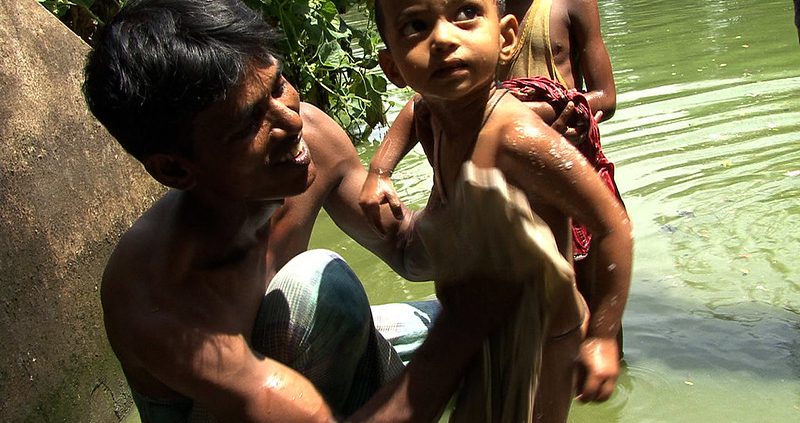 Bangladesh ranks among the top countries in the world in terms of deaths and home displacements due to natural disasters. Between 1970 and 2005, half a million people died from natural disasters, primarily cyclones, floods, riverbank erosion and droughts. While the main responses to such devastation have been to the physical well-being of citizens and to rebuild infrastructure, another key issue is addressing the mental health concerns of those impacted.
Eastern Floods
In August 2024, more than 500,000 were forced from their homes and 71 were killed by devastating floods. The rivers and overall water levels in cities like Feni threatened to cover the rooftops of many buildings as the water levels reached up to 30 feet in some places. Citizens directed traffic to allow emergency vehicles to arrive faster. Acts of kindness included giving out hot meals and helping evacuate stranded individuals by boat.
Besides being impacted by the flood, people in such an altered environment are at greater risk of experiencing different forms of violence. To help mitigate this problem, the government provided women experiencing gender-based violence with safe shelters. Many of these women also received psychological first aid to help manage their trauma.
Psychological first aid is not a formalized therapy session. It provides a safe space for affected individuals to process trauma and helps connect people with additional disaster relief resources. The Bangladesh Red Crescent Society (BDRCS) provided medical support for more than 83,000 individuals. Thousands also received psychological aid in the same place where medical support was provided.
People living in poverty can have their situations exacerbated by various circumstances, with extreme floods being one of the worst. About three-quarters of impoverished households see their economic situations worsen after a flood. Bangladesh lost over a million metric tons of food due to the 2024 floods, primarily rice and vegetables. This caused food prices to rise and led to increased inflation. Sixty-two percent of households regularly had scarce meals as a result.
Cyclone Sidr
A devastating Category 4 storm hit Bangladesh in November 2007, killing over 3,400 people, injuring 55,000 and displacing 500,000 from their homes. Beyond the physical damage, a quarter of those impacted by the storm suffered from post-traumatic stress disorder (PTSD).
The BDRCS organized a psychological first aid program to provide mental health support in Bangladesh after the storm. It included staff members as well as community volunteers, including 20 psychology students from Dhaka University. Over 400 additional volunteers were trained to help in highly affected areas. As part of the immediate recovery goals after the cyclone, the BDRCS aimed to help 20,000 people with psychosocial support.
The BDRCS also provided funding for individuals impacted by the storm to help them improve their situations. A woman named Misti built her own boat for a ferry service thanks to a grant from the BDRCS. She uses this boat to have a self-sustaining career and to help people escape dangerous situations when another major storm is on the horizon. There are many more success stories of people achieving financial independence thanks to BDRCS funding.
A Preemptive Plan of Action
In 2024, the World Health Organization (WHO) in Bangladesh developed a preemptive plan to mitigate the effects of future natural disasters. The WHO will increase mental health support in Bangladesh before, during and after disasters and will also seek feedback from people in refugee camps to determine how they can be better supported.
At least 16% of people in Bangladesh experience a mental health challenge due to various circumstances beyond natural disasters. However, the actual number is estimated to be much higher due to many remaining undiagnosed or untreated. Since there is a predisposition toward worsening mental health after a natural disaster, it is helpful for care in some form to be set in place every step of the way.
– Logan Hessek
Logan is based in Northglenn, CO, US and focuses on Good News and Global Health for The Borgen Project.
Photo: Flickr
