The U.S. Economy and Reducing Global Poverty
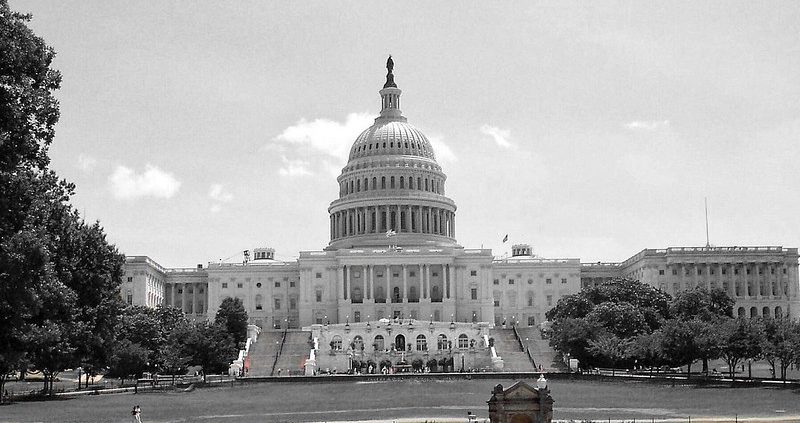 At the start of his second term, President Donald Trump redefined the role of the federal government and significantly reduced international aid. Executive orders led to major changes in foreign assistance, including the dissolution of the United States Agency for International Development (USAID). These programs are subject to strict waivers that can be difficult to obtain.
The closure of USAID is perhaps the most significant consequence of these cuts, as its funding has historically been vital for poverty reduction in developing countries. Alongside the international consequences of these changes, thousands of federal employees and contractors associated with foreign assistance programs lost their jobs. Nonetheless, these actions have drawn strong criticism from development professionals and humanitarian organizations.
Foreign assistance has also historically supported American exports and strengthened diplomatic relationships with strategic partners. According to the House Budget Committee, international affairs funding supports economic assistance programs, promotes U.S. exports and contributes to global peacekeeping efforts, all of which can create long-term economic benefits for the United States.
The Legacy of USAID
Established in 1961, USAID has been central to U.S. international aid efforts. The agency has provided lifesaving medicine, food assistance, clean water infrastructure, agricultural support and protections for vulnerable populations. USAID programs have supported countries across Africa, Asia, Eastern Europe and Latin America.
One of USAID’s most successful investments has been maternal and child health programming. According to USAID archives, global under-five mortality has fallen by more than half since 1990, with U.S.-supported health initiatives contributing to improved vaccination rates, nutrition programs and access to medical care.
USAID also played a significant role in global HIV/AIDS prevention through the President’s Emergency Plan for AIDS Relief (PEPFAR), which has saved more than 26 million lives since its launch in 2003.
The decision to dismantle an organization that has significantly contributed to global poverty reduction raises serious concerns. Researchers from Boston University estimated that disruptions to foreign assistance programs could contribute to hundreds of thousands of preventable deaths worldwide if essential health services remain interrupted.
According to the House Committee on the Budget, Function 150 (International Affairs) covers U.S. international activities, including operations of embassies and consulates, providing military assistance to allies, supporting developing nations, promoting U.S. exports abroad, funding international organizations and contributing to peacekeeping efforts. Agencies within this category have historically included the Department of State, USAID, the Peace Corps and the Millennium Corporation. The agency’s work has long been viewed as a cornerstone of American humanitarian leadership and international engagement. Through innovative funding mechanisms and partnerships, USAID helped countries strengthen health systems, improve agricultural productivity and expand economic opportunities for millions of people.
Organizations Reducing Global Poverty
Despite reductions in U.S. foreign assistance, several organizations continue reducing global poverty and improving the quality of life around the world. The Global Fund to fight AIDS, Tuberculosis and Malaria has helped save approximately 65 million lives since 2002 by supporting disease prevention and treatment programs in more than 100 countries.
Similarly, the World Food Programme assisted more than 150 million people across more than 120 countries in 2024 through emergency food aid and resilience-building initiatives.
The Millennium Challenge Corporation, another U.S.-funded development organization, has invested more than $17 billion in grants benefiting nearly 300 million people worldwide through infrastructure, education and economic development projects.
These organizations demonstrate that international partnerships remain effective tools for reducing poverty, promoting economic growth and strengthening stability.
Humanitarian Concerns Following Aid Reductions
Function 150 highlights how U.S. taxpayer funds are allocated to foreign affairs and international aid. International aid and development represent a relatively small portion of the overall federal budget, yet this spending is essential for strengthening American diplomacy. Reductions in these funds not only affect developing countries but can also weaken the U.S.’s position globally. In 2025, approximately 3% of federal spending was dedicated to international affairs.
International development and humanitarian assistance help reduce global health risks by supporting programs that address HIV/AIDS, tuberculosis and malaria while mitigating the effects of refugee crises. International Security Assistance funds advance U.S. national security through diplomatic, consular and border security initiatives. International spending also plays a key role in combating global terrorism.
International affairs spending increased following major global events, including the Sept. 11 terrorist attacks, the 2013 Ebola outbreak and Russia’s 2022 invasion of Ukraine. These increases reflected recognition that global crises can directly affect U.S. national security and economic interests.
The decline in U.S. soft power is often linked to reduced international engagement. The U.S. has long been recognized as a global leader through both military strength and humanitarian assistance. Recent aid reductions and strained relationships with some allies have raised concerns among foreign policy experts about America’s influence abroad. According to economic analysts, tariffs and trade disputes have also contributed to uncertainty in global markets, encouraging some countries to seek alternative trading partnerships. These developments may affect supply chains, investment opportunities and long-term economic growth.
Looking Ahead
The future of U.S. foreign assistance remains uncertain. However, organizations such as the Global Fund, the World Food Programme and the Millennium Challenge Corporation demonstrate that international partnerships continue to generate measurable results in the fight against poverty. Their work shows that strategic investments in health, food security and economic development can improve millions of lives while advancing global stability.
The debate over USAID and international affairs funding raises broader questions about America’s global responsibilities, national interests and long-term strategic priorities. While policymakers continue to debate the future of foreign assistance, the evidence suggests that international aid remains an important tool for promoting economic opportunity, reducing poverty and strengthening diplomatic relationships around the world.
– Rayonna M Sanders
Rayonna is based in Chicago, IL, USA and focuses on Good News and Politics for The Borgen Project.
Photo: Flickr
