How Somalia’s Vaccination Program Reaches Vulnerable Children
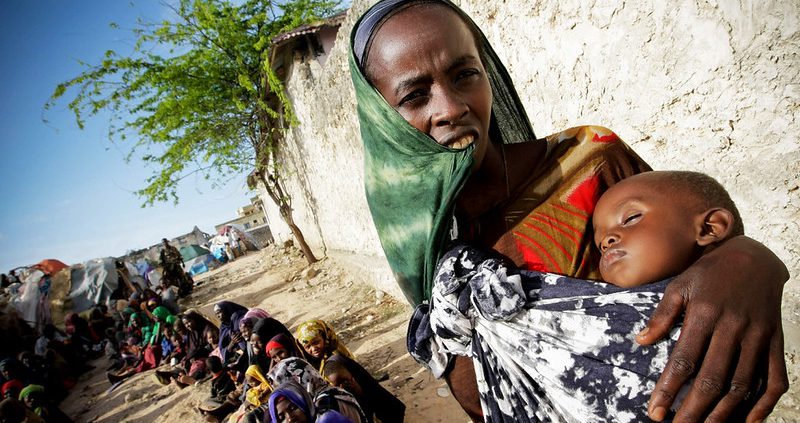 Years of drought, conflict and economic hardship have displaced thousands of families from Somalia’s Bakool and Hiraan regions. Many families have sought safety in communities such as Kahda District in Mogadishu, where humanitarian organizations continue expanding access to essential services. Through Somalia vaccination efforts for children, health care workers are helping vulnerable families access lifesaving immunizations and build healthier futures for children who might otherwise face preventable diseases.
Displacement Crisis in Somalia
Somalia continues to face one of the world’s largest displacement crises. According to the United Nations High Commissioner for Refugees (UNHCR), millions of Somalis have experienced displacement due to conflict, climate-related disasters and food insecurity. Families arriving in communities such as Kahda often struggle to access health care services, increasing children’s vulnerability to diseases such as measles and polio. Malnutrition and limited health care access can further increase health risks for young children.
Challenges and Progress
Health officials classify many of these children as “zero-dose” children because they have not received even one routine vaccine. A 2025 study found that approximately 60% of Somali children remain zero-dose, with the highest concentrations located in rural, nomadic and conflict-affected regions. Limited health care infrastructure, transportation barriers and workforce shortages continue to prevent many families from accessing immunization services. Reaching these children remains one of Somalia’s most important public health priorities.
Partnerships Driving Success
Vaccination efforts for children continue achieving remarkable progress through partnerships led by Gavi and the International Rescue Committee (IRC). Established in 2000, Gavi works to increase vaccine access in lower-income countries, while the IRC, founded in 1933, provides humanitarian assistance in more than 40 countries worldwide. Through the REACH consortium, led by the IRC, health care workers have delivered more than 30 million vaccine doses and reached more than 1 million children across Somalia since 2022. The initiative also expanded humanitarian access from 16% of targeted communities to 100%, allowing health care workers to reach children who previously lacked access to routine immunizations.
Community-Based Efforts
Somalia’s vaccination program for children succeeds because health care workers actively bring immunization services directly to families. Mobile health teams travel to remote villages, displacement camps and underserved communities to vaccinate children and connect families with health care resources. Community health workers educate parents about vaccine safety, identify children who missed vaccinations and encourage families to complete immunization schedules. These efforts help health care workers protect more children from preventable diseases and strengthen community health.
Broader Impact of Vaccination
Vaccines provide benefits that extend beyond individual health. Immunization reduces child mortality, prevents disease outbreaks and lowers health care costs for families already facing financial hardship. When children stay healthy, they are more likely to attend school, participate in their communities and achieve better long-term outcomes. Public health experts consistently identify vaccination as one of the most cost-effective investments countries can make to improve health and reduce poverty.
Continuing Efforts and Future Outlook
Coordinated investments and expanded humanitarian access continue improving vaccination coverage across Somalia. Organizations such as Gavi, the United Nations Children’s Fund (UNICEF), the World Health Organization (WHO) and the IRC work alongside local partners to strengthen health care delivery systems and expand access to immunization services. These partnerships help ensure that children living in remote and underserved communities receive the same opportunities for healthy development as children living in more accessible areas. The continued growth of Somalia’s vaccination program for children offers hope to families seeking better health outcomes, according to WHO and UNICEF immunization coverage estimates.
Challenges remain, particularly in regions affected by insecurity, climate shocks and displacement. However, Somalia’s vaccination program for children continues demonstrating what targeted investments, strong partnerships and community-based health care can accomplish. Health care workers have already delivered more than 30 million doses and reached more than 1 million children through the REACH consortium. As health care teams continue serving families in Bakool, Hiraan and communities such as Kahda, they are protecting children, strengthening local health care systems and creating healthier futures across Somalia
– Kianna Hines
Kianna is based in Brooklyn, NY, USA and focuses on Good News and Global Health for The Borgen Project.
Photo: Flickr
