5 Charities in the Republic of Congo
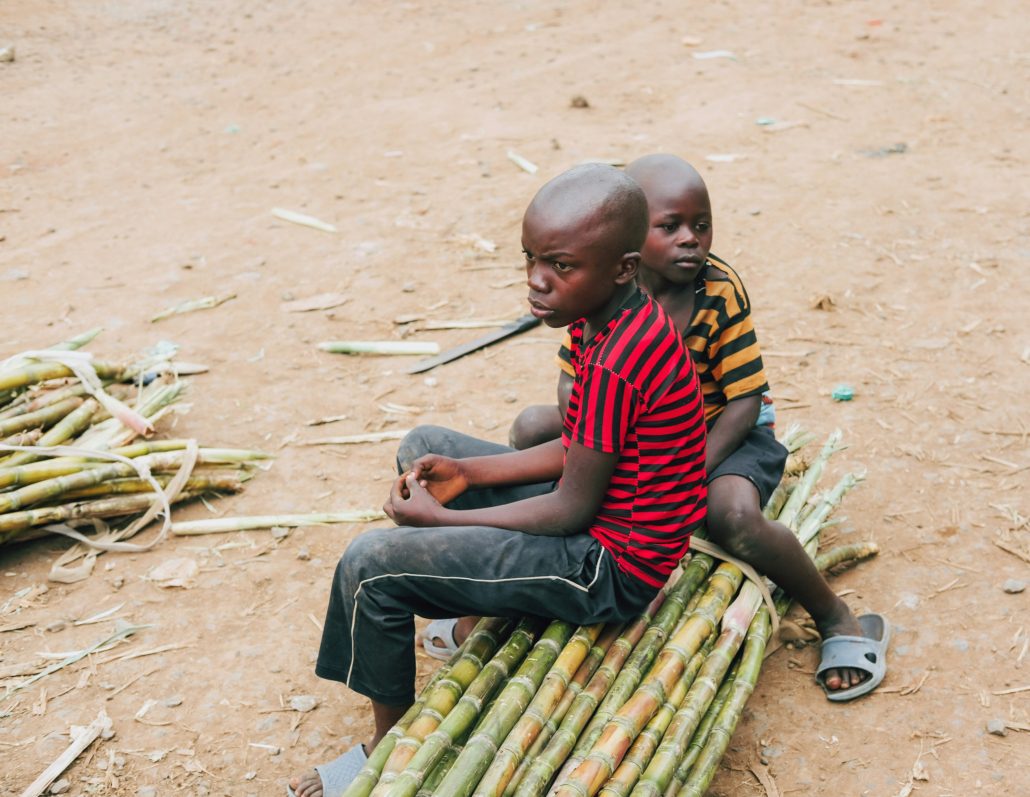 The Republic of Congo, sometimes referred to as Congo-Brazzaville, is a nation located in central Africa. Not to be confused with the Democratic Republic of the Congo, this nation is roughly seven times smaller than its resource-rich neighbor. While its economy benefits from being the third-largest oil producer in Sub-Saharan Africa, according to the World Bank, the nation also faces critical humanitarian and environmental concerns. The most recent data available indicates the poverty rate is approximately 51.7% in 2025.
The Republic of Congo faces vast challenges, including the threats of disease and climate change, despite possessing ancestral forests that hold the history of indigenous peoples and biodiversity that enriches the planet. In 2011, roughly 50 million people didn’t have access to clean drinking water. Fortunately, dedicated organizations strive to protect and empower local communities in the Republic of Congo. This article highlights five charities operating in the Republic of Congo that are making a significant impact.
1. Survival International
Survival International works to protect Indigenous populations who have livelihoods that industries like logging, mining and oil extraction are threatening. The organization recognizes that land holds profound meaning beyond its economic value for many indigenous peoples. Survival International maintains a presence in 90 countries, including work focused on communities within the Republic of Congo.
It is a strong advocate for the Baka People, an indigenous community residing in the Congo Basin rainforest, which runs primarily through the Democratic Republic of the Congo (DRC), the Republic of Congo and Gabon. Survival International highlights that, under the guise of international conservation efforts, the Baka people have suffered severe human rights abuses, including a loss of ancestral lands. The group uses the term “Green Genocide” to describe the events.
Survival International strives to maintain its independence by refusing funding from national governments and corporations that infringe on indigenous rights. As of 2023, individual donors provided more than 65% of their annual budget. In the Republic of Congo, their primary methods for change involve lobbying and advocacy campaigns. Its work includes hands-on support for indigenous groups facing land disputes, as well as communicating these hardships to actors championing conservation efforts.
2. Sightsavers
Sightsavers is best known for its efforts to fight avoidable blindness. It also works to fight diseases that can lead to blindness and disability. Additionally, the group advocates for disability rights and inclusion. Founded in 1950, Sightsavers operates in more than 30 countries globally, working with both international and local organizations to provide accessible medical care. Eye health, eradicating neglected tropical diseases (NTDs), education and social inclusion are among their highest priorities.
In the Republic of Congo, Sightsavers plays an important role in tackling lymphatic filariasis, which is a neglected tropical disease transmitted through mosquito bites that affects almost 120 million people worldwide. Most recognizable by the inflamed body parts of the afflicted, this disease can lead to permanent disability, including blindness, if not treated correctly. Currently, more than 1.1 million people in the Republic of Congo require medication to protect them from lymphatic filariasis. Sightsavers works in collaboration with the Congo’s Ministry of Health to facilitate the distribution of life-saving medicine, in addition to improving the overall healthcare systems and quality.
3. Salvation Army
While widely recognized for its holiday fundraising efforts, The Salvation Army provides invaluable disaster relief services for numerous developing countries, including the Republic of Congo. Its long-standing presence in the Congo since 1937 grew from small-scale community aid, like building health clinics and improving access to education, to more comprehensive disaster response. This makes them one of the vital five charities operating in the Republic of Congo during times of crisis.
In 2020, the Republic of Congo declared a state of emergency after ongoing floods decimated homes and communities in the Northern region. The floods affected an estimated 170,000 people, and destroyed more than 15,000 acres of agricultural fields. In response to this devastating event, the Salvation Army collaborated with the local government and the United Nations World Food Programme (WFP). Through this partnership, they provided life-saving emergency food supplies, blankets, clothing and hygiene products to thousands of people fleeing their homes.
4. Acted
Acted is another of the many charities operating in the Republic of Congo. The organization is a nonprofit humanitarian group headquartered in Paris, France, that adopts a multi-sectoral approach to aid. It operates within the crucial intersection between emergency relief services, sustainable development assistance and environmental protection.
In the Republic of Congo, its work most commonly involves strengthening community-based organizations, which are an essential part of the country’s developing civil society. Since 2012, Acted has maintained the Grassroots Organization Capacity Assessment (GOCA), which can help increase the capacity of civil society groups to receive funding. In 2024 alone, Acted has made significant contributions:
- Supported 30 civil society organizations.
- Following another devastating flood in March 2024, Acted distributed WASH (water, sanitation and hygiene) and non-food item kits to 1,050 households in the Bétou and Impfondo districts.
- Supplied personal hygiene kits to 766 women and girls.
5. Aspinall Foundation
The Aspinall Foundation, an animal conservation charity founded in 1984, protects endangered wildlife by returning captive-bred animals to secure wilderness areas. This innovative approach has led to the successful reintroduction of species such as Western lowland gorillas, black rhinos, Javan langurs and gibbons in the wild.
Its work reaches the Republic of Congo, where the dense northern rainforests are home to western lowland gorillas. Due to disease and poaching, these gorillas are critically endangered. Estimates have determined that one-third of the wild gorilla population died from Ebola in the early 2000s. The Aspinall Foundation actively works to secure a one-million-acre area in the savannah and forests of the Batéké Plateau, a region located between the Congo and its neighboring country, Gabon. It protects this crucial land for the gorillas, and simultaneously combat poaching through direct arrests and collaboration with law enforcement.
This protection does more than keep these powerful gorillas alive: conservation can drive economic growth through ecotourism, which is a budding industry for the nation. Healthy wildlife populations indicate a balanced ecosystem, which is crucial for providing clean water and air for human populations.
Looking Ahead
Among other things, the nation continues to face extreme natural disasters and infectious disease outbreaks; however, for every flood or case of lymphatic filariasis, countless groups put in tremendous amounts of effort. While there is much work to be done, these five charities operating in the Republic of Congo combine international aid resources, advocacy efforts, and the bright minds within Congolese communities, providing an outstanding recipe for future success.
– Julia Sanders
Julia is based in Fitchburg, WI, USA and focuses on Good News and Global Health for The Borgen Project.
Photo: Unsplash
