Education Leads Reform in Preventing Child Marriage in India
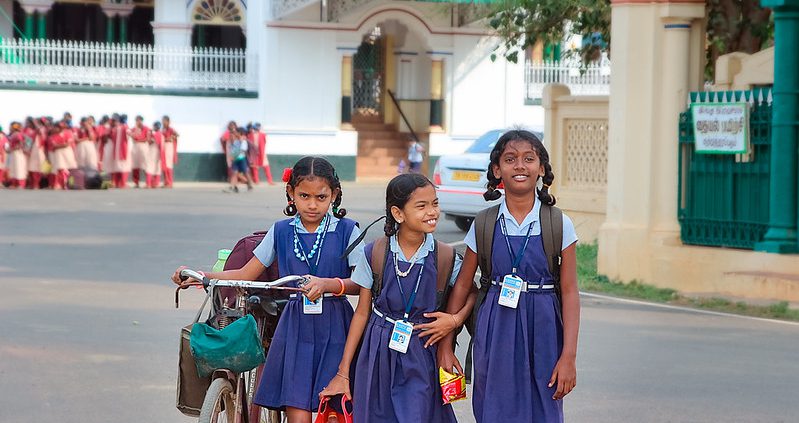 Child marriage remains a significant challenge in India with an estimated 1.5 million girls under 18 married each year. India also reports some of the highest adolescent marriage rates globally, with 16% of girls ages 15 to 19 already married. This cultural practice disproportionately affects girls and causes the most harm in rural and economically disadvantaged states such as Bihar, West Bengal, Jharkhand and Uttar Pradesh. This violates children’s rights and creates long-term consequences for girls’ health, safety and future opportunities. Preventing child marriage in India remains a national priority.
This article examines how education leads reform in preventing child marriage in India by highlighting the growing role of schooling and life skills training in driving meaningful change.
Social Pressures Keep the Practice Alive
Indian communities often link a girl’s honor to her marital status, which creates strong expectations for early marriage and social consequences when families resist. In many areas, girls hold a lower social value than boys, leaving marriage as the only accepted path to improve their standing and support their families. These pressures place family reputation above girls’ education, and many girls leave school early to take on household roles. As dropout rates rise, girls lose access to the life skills and opportunities that could expand their futures. These social norms show why education leads reform in preventing child marriage in India, as schooling offers girls an alternative to long-standing traditions, according to UNICEF India.
Early Marriage Harms Girls’ Futures
Prioritizing marriage over education limits girls’ futures and removes access to employment and independence, both of which are essential for empowerment. When families value marriage over education, girls face higher health risks and challenges to their futures. The infant mortality rate among mothers under 20 stands at 45 per 1,000 live births, compared to 33 among mothers ages 20 to 29. Early marriage increases the likelihood of early pregnancies, maternal mortality and malnutrition. Expanding access to education creates a protective barrier for girls and gives them the freedom and opportunities to move beyond traditional expectations.
India has seen the number of girls marrying before 18 fall from 47% to 27% between 2005-06 and 2015-16. Education drives much of this progress by lowering the rate of underage marriage. Studies show that completing secondary school can reduce child marriage by two-thirds because schooling gives girls life skills, literacy and the confidence to make informed decisions about their futures. Each additional year of education lowers the risk of child marriage by 6%. These gains show how education leads reform in preventing child marriage in India and strengthens efforts to protect children’s rights.
Expanding School Access for Girls
Government initiatives that expand access to education for girls play a central role in reducing child marriage in India. These programs aim to empower girls and give them schooling that delays marriage and opens new paths to independence. The government initiative Beti Bachao Beti Padhao promotes girls’ survival, protection and education by addressing gender bias and improving welfare services for girls. These efforts show how education leads reform in preventing child marriage in India by giving girls the tools and support they need to shape their futures.
Global efforts to end child marriage in India have expanded access to education, life skills and social protection programs for millions of girls. Since 2019, 17 million girls have received life-skills lessons and health information that support their education and delay early marriage. These programs ensure that young girls receive guidance and tools to continue learning and pursue career opportunities that strengthen their independence. Because of this progress, South Asia is on track to eliminate child marriage within 55 years, driven by improved female education, reduced poverty, stronger gender norms and better enforcement.
Education Driving Long-Term Reform
Education provided through targeted new initiatives gives girls stronger access to support systems and new opportunities that move them beyond traditional expectations of early marriage. As communities place greater value on girls’ schooling, long-held norms around marriage begin to shift and girls gain more control over their futures. This change strengthens progress across India and supports sustainable reform. These outcomes show how education leads reform in preventing child marriage in India and continues to shape long-term improvements for girls nationwide
– Flora de Leeuw
Flora is based in Bath, UK and focuses on Good News and Global Health for The Borgen Project.
Photo: Flickr
