• Link to X
  • Link to Facebook
  • Link to Instagram
  • Link to TikTok
  • Link to Youtube
  • About
    • About Us
      • President
      • Board of Directors
      • Board of Advisors
      • Financials
      • Our Methodology
      • Success Tracker
      • Contact
  • Act Now
    • 30 Ways to Help
      • Email Congress
      • Call Congress
      • Volunteer
      • Courses & Certificates
      • Be a Donor
    • Internships
      • In-Office Internships
      • Remote Internships
    • Legislation
      • Politics 101
  • The Blog
  • The Podcast
  • Magazine
  • Donate
  • Click to open the search input field Click to open the search input field Search
  • Menu Menu

Tag Archive for: USAID Cuts

Posts

Global Poverty, Health, HIV/AIDS

The Impact of USAID Cuts on an HIV-Prevention Program in Kenya

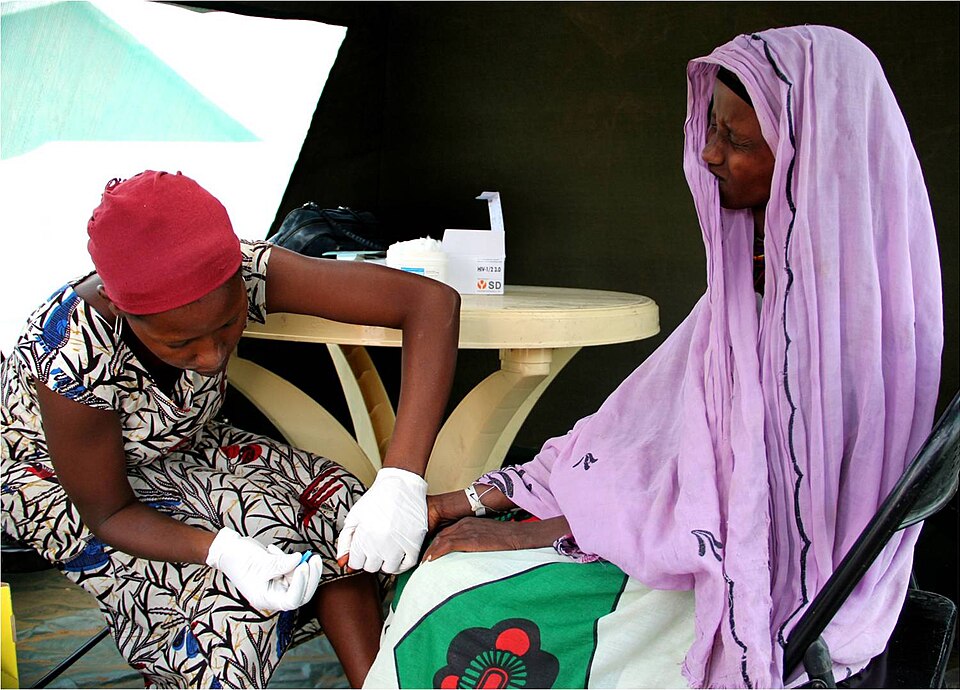
HIV-Prevention Program in KenyaDREAMS CONNECT is a project that aims to educate and empower young women and girls in Kenya through a range of programs and group-based activities that promote sexual health and safety awareness, as well as creating awareness of sexual harassment and violence among women. The name ‘DREAMS’ is an acronym for ‘Determined, Resilient, Empowered, AS-free, Mentored and Safe lives.’ Here is information about DREAMS including how USAID cuts are affecting this HIV-prevention program in Kenya.

Vision

Initiated in October 2021, the project was one of many Hope Worldwide Kenya (HWWK) programs in Mukuru informal settlement in Nairobi funded by the U.S. dating back to 2003, with the aim of preventing HIV among thousands of vulnerable youth, particularly adolescent girls and young women, through a variety of care and support programs. In a documentary commissioned by PBS NewsHour in the U.S., journalists spoke to many young women who came through the program. They tell of being educated on simple but potentially life-saving interventions, such as how to use a condom, in addition to compassionate reminders that each of them has inherent value and worth.

USAID Closure

DREAMS, however, despite its proven successes, is facing an existential crisis due to the shuttering of USAID by the Trump administration in early 2025, which left staff suddenly unemployed and vital funding withdrawn, endangering not just DREAMS but thousands of humanitarian programs worldwide.

Both statistical evidence and personal accounts demonstrate the success of DREAMS’s endeavors. Almost all of the 66,000 women and girls who came through DREAMS remained HIV-free during the three-year program. Stacy Njeri, an 18-year-old woman from Mwiki, Kasarani Sub-county in Nairobi, describes how the program introduced her to a Youth Savings and Loans Association which allowed her to start her own nail salon, a decision she says “changed her life.”

With many women’s enrolment cut short due to foreign aid cuts, however, the concern now is that HIV cases among young women may begin to rise again, and that the cuts will discontinue the salutary work that the organization carries out, not only in preventing the deadly disease, but also in caring for young women and girls and equipping them with vitally important life skills and encouragement. PBS NewsHour’s documentary already reported that some women began to turn to prostitution as a means of supporting themselves following the end of DREAMS.

Future

Yet, the three-year stint of this HIV-prevention program in Kenya has shown that the methods used are highly successful and potentially far-reaching; it is only a matter of repairing the broken aid infrastructure. With the decline of USAID, it remains to be seen whether other countries will step in to fill the humanitarian void. Other wealthy nations like the U.K., France and Germany all responded to the U.S. change in policy by cutting back their own foreign aid expenditure, with the U.K. reducing its ODA (Official Development Assistance Budget) from 0.7% to 0.3% of Gross National Income in order to bolster defense spending. 

It may take some time for a viable solution for DREAMS to materialize, but what the scaling back of U.S. foreign aid has shown is just what kind of valuable and quietly empowering programs in Kenya and around the world are being threatened by an increasingly volatile global humanitarian landscape.

– Tomás Quinn

Tomás is based in Glasgow, Scotland and focuses on Global Health for The Borgen Project.

Photo: Wikimedia Commons

July 12, 2026
https://borgenproject.org/wp-content/uploads/borgen-project-logo.svg 0 0 Jennifer Philipp https://borgenproject.org/wp-content/uploads/borgen-project-logo.svg Jennifer Philipp2026-07-12 01:30:452026-07-10 11:52:36The Impact of USAID Cuts on an HIV-Prevention Program in Kenya
Global Poverty, Humanitarian Aid, USAID

How US Aid Freezes Jeopardize USAID Programs in The Gambia 

USAID Programs in The GambiaIn the delicate landscape of democratic consolidation, foreign assistance serves as an indispensable scaffold for nations emerging from prolonged autocracy. For nearly a decade, the U.S. Agency for International Development (USAID) and partnered State Department programs have acted as a foundational pillar supporting The Gambia’s painstaking efforts to rebuild its public institutions following the 22-year dictatorship of Yahya Jammeh. However, according to the IMF’s April 2026 Regional Economic Outlook, these hard-won stabilization gains across Sub-Saharan Africa are now under severe macro-financial pressure. 

USAID Programs in The Gambia

Historically, this recovery has faced steep domestic hurdles. The 2026 regional economic slowdown to 4.3%, which external shocks, rising commodity inflation and climbing fertilizer costs that threaten fragile agricultural sectors drove, further exacerbated the structural vulnerability of the Gambian economy. While past USAID programs in The Gambia actively worked to alleviate these conditions, funding community-based civic education and agricultural resilience workshops, the IMF reports that declining foreign aid is creating sharp headwinds for poverty reduction and food security across low-income, non-resource-rich nations. 

The sudden freeze of USAID programs in The Gambia mirrors a dangerous, broader regional trend identified by the IMF: a synchronized, donor-driven contraction in bilateral official development assistance (ODA). As the IMF warns that these structural aid cuts hit fragile and low-income states the hardest, Banjul must navigate a high-stakes political transition with severely diminished external financing. Despite these immediate structural pressures, a combination of alternative European partnerships and regional civil society coalitions is actively working to safeguard the country’s democratic gains.

The Foundation of Institutional Rebirth

For a small, aid-dependent nation like The Gambia, international development assistance has historically been focused on systemic, long-term stabilization. Following the democratic election of President Adama Barrow, Washington stepped up its engagement, deploying targeted grants through USAID alongside multilateral frameworks led by the United Nations Development Programme (UNDP) to bolster governance, the rule of law, and anti-corruption measures. As the UNDP’s transitional justice initiatives detailed, these funds and partnerships were strategically channeled into rewriting the country’s repressive legal frameworks, training an independent judiciary and reinforcing security sector reforms meant to depoliticize the national armed forces and police.

Prior to the funding freeze, U.S. aid directly supported the infrastructure behind the country’s landmark transitional justice mechanisms, including the implementation phase of the Truth, Reconciliation and Reparations Commission (TRRC). International governance experts emphasize that such foundational support is critical for young democracies struggling to root out deeply embedded corruption and heal societal divisions that a generation of authoritarian rule left behind.

The Strategic Fallout of the Funding Freeze

The trajectory of governance in West Africa experienced a sharp disruption following a widespread freeze on foreign aid programs funded by the U.S. government. In Banjul, the sudden suspension brought critical joint projects with local ministries to an immediate standstill, exposing vulnerabilities across several priority areas:

  • Constitutional Reform – The U.S. government froze funding originally designated to support the National Assembly during the complex drafting and review of the new Constitution Amendment Bill, slowing down essential legislative progress.
  • Human Rights Oversight – The government has deferred frucial grants to expand the operational capacity of the National Human Rights Commission (NHRC), limiting the state’s ability to independently monitor abuses.
  • Media and Civic Space Protection – The government has abruptly cut subsidies aimed at training independent journalists, upholding ethical media monitoring standards and supporting civic education in schools.

When international funding pipelines dry up, the financial and administrative burden shifts back onto a fragile state economy already struggling with inflation and low human capital. Without robust alternative buffers, the structural gaps left by sudden aid cuts threaten to undo years of delicate institutional progress.

Towards a Positive Future

While external financing gaps have introduced significant friction, a robust multilateral effort is actively working to protect the Gambia’s progressive path. In alignment with its Global Gateway strategy, the European Union has stepped forward as a critical stabilizing partner, allocating €193 million in bilateral grant funding for the 2021–2027 period. These funds are explicitly designated to consolidate democratic transition, strengthen the National Social Protection Secretariat, and transform the rural energy infrastructure by powering 1,000 schools and 100 health centers via sustainable solar grids.

Simultaneously, international governance organizations like International IDEA have launched the EU-funded Consolidation of Democratic Dispensation in The Gambia (EU-CODE) project. Through this initiative, they have partnered directly with local networks, including the Gambia Press Union (GPU) and the CSO Gender Platform, to build legislative capacities, deliver ethical media monitoring training and amplify human rights and women’s representation within the national constitutional process. Ultimately, these cooperative frameworks demonstrate that the collective resolve of European institutions and local civic actors remains an essential buffer in maintaining the country’s democratic journey.

Looking Ahead

Ultimately, the suspension of U.S. foreign assistance exposes the deep vulnerabilities of transitional states operating under severe macro-financial pressures. While the freeze on USAID funding has abruptly disrupted critical pillars of democratic consolidation, stalling constitutional reform, human rights oversight, and civic space protections, The Gambia’s trajectory is not entirely compromised. The swift intervention of multilateral frameworks, catalyzed by the European Union’s €193 million Global Gateway strategy and International IDEA’s localized partnerships, highlights a shifting paradigm in international development. By successfully absorbing structural shocks, this diversified coalition of European institutions and local civic actors demonstrates that while single-donor dependencies pose high risks, a resilient, multi-layered international network remains a powerful buffer capable of safeguarding a young democracy’s hard-won gains.

– Ioana Marin

Ioana is based in Bucharest, Romania and focuses on Politics for The Borgen Project.

Photo: Unsplash

July 6, 2026
https://borgenproject.org/wp-content/uploads/borgen-project-logo.svg 0 0 Jennifer Philipp https://borgenproject.org/wp-content/uploads/borgen-project-logo.svg Jennifer Philipp2026-07-06 01:30:112026-07-05 09:37:53How US Aid Freezes Jeopardize USAID Programs in The Gambia 
Foreign Aid, Global Poverty

The U.S. Economy and Reducing Global Poverty

Reducing Global PovertyAt the start of his second term, President Donald Trump redefined the role of the federal government and significantly reduced international aid. Executive orders led to major changes in foreign assistance, including the dissolution of the United States Agency for International Development (USAID). These programs are subject to strict waivers that can be difficult to obtain.
The closure of USAID is perhaps the most significant consequence of these cuts, as its funding has historically been vital for poverty reduction in developing countries. Alongside the international consequences of these changes, thousands of federal employees and contractors associated with foreign assistance programs lost their jobs. Nonetheless, these actions have drawn strong criticism from development professionals and humanitarian organizations.

Foreign assistance has also historically supported American exports and strengthened diplomatic relationships with strategic partners. According to the House Budget Committee, international affairs funding supports economic assistance programs, promotes U.S. exports and contributes to global peacekeeping efforts, all of which can create long-term economic benefits for the United States.

The Legacy of USAID

Established in 1961, USAID has been central to U.S. international aid efforts. The agency has provided lifesaving medicine, food assistance, clean water infrastructure, agricultural support and protections for vulnerable populations. USAID programs have supported countries across Africa, Asia, Eastern Europe and Latin America.

One of USAID’s most successful investments has been maternal and child health programming. According to USAID archives, global under-five mortality has fallen by more than half since 1990, with U.S.-supported health initiatives contributing to improved vaccination rates, nutrition programs and access to medical care.

USAID also played a significant role in global HIV/AIDS prevention through the President’s Emergency Plan for AIDS Relief (PEPFAR), which has saved more than 26 million lives since its launch in 2003.

The decision to dismantle an organization that has significantly contributed to global poverty reduction raises serious concerns. Researchers from Boston University estimated that disruptions to foreign assistance programs could contribute to hundreds of thousands of preventable deaths worldwide if essential health services remain interrupted.

According to the House Committee on the Budget, Function 150 (International Affairs) covers U.S. international activities, including operations of embassies and consulates, providing military assistance to allies, supporting developing nations, promoting U.S. exports abroad, funding international organizations and contributing to peacekeeping efforts. Agencies within this category have historically included the Department of State, USAID, the Peace Corps and the Millennium Corporation. The agency’s work has long been viewed as a cornerstone of American humanitarian leadership and international engagement. Through innovative funding mechanisms and partnerships, USAID helped countries strengthen health systems, improve agricultural productivity and expand economic opportunities for millions of people.

Organizations Reducing Global Poverty

Despite reductions in U.S. foreign assistance, several organizations continue reducing global poverty and improving the quality of life around the world. The Global Fund to fight AIDS, Tuberculosis and Malaria has helped save approximately 65 million lives since 2002 by supporting disease prevention and treatment programs in more than 100 countries.

Similarly, the World Food Programme assisted more than 150 million people across more than 120 countries in 2024 through emergency food aid and resilience-building initiatives.

The Millennium Challenge Corporation, another U.S.-funded development organization, has invested more than $17 billion in grants benefiting nearly 300 million people worldwide through infrastructure, education and economic development projects.

These organizations demonstrate that international partnerships remain effective tools for reducing poverty, promoting economic growth and strengthening stability.

Humanitarian Concerns Following Aid Reductions

Function 150 highlights how U.S. taxpayer funds are allocated to foreign affairs and international aid. International aid and development represent a relatively small portion of the overall federal budget, yet this spending is essential for strengthening American diplomacy. Reductions in these funds not only affect developing countries but can also weaken the U.S.’s position globally. In 2025, approximately 3% of federal spending was dedicated to international affairs.

International development and humanitarian assistance help reduce global health risks by supporting programs that address HIV/AIDS, tuberculosis and malaria while mitigating the effects of refugee crises. International Security Assistance funds advance U.S. national security through diplomatic, consular and border security initiatives. International spending also plays a key role in combating global terrorism.

International affairs spending increased following major global events, including the Sept. 11 terrorist attacks, the 2013 Ebola outbreak and Russia’s 2022 invasion of Ukraine. These increases reflected recognition that global crises can directly affect U.S. national security and economic interests.

The decline in U.S. soft power is often linked to reduced international engagement. The U.S. has long been recognized as a global leader through both military strength and humanitarian assistance. Recent aid reductions and strained relationships with some allies have raised concerns among foreign policy experts about America’s influence abroad. According to economic analysts, tariffs and trade disputes have also contributed to uncertainty in global markets, encouraging some countries to seek alternative trading partnerships. These developments may affect supply chains, investment opportunities and long-term economic growth.

Looking Ahead

The future of U.S. foreign assistance remains uncertain. However, organizations such as the Global Fund, the World Food Programme and the Millennium Challenge Corporation demonstrate that international partnerships continue to generate measurable results in the fight against poverty. Their work shows that strategic investments in health, food security and economic development can improve millions of lives while advancing global stability.

The debate over USAID and international affairs funding raises broader questions about America’s global responsibilities, national interests and long-term strategic priorities. While policymakers continue to debate the future of foreign assistance, the evidence suggests that international aid remains an important tool for promoting economic opportunity, reducing poverty and strengthening diplomatic relationships around the world.

– Rayonna M Sanders

Rayonna is based in Chicago, IL, USA and focuses on Good News and Politics for The Borgen Project.

Photo: Flickr

June 23, 2026
https://borgenproject.org/wp-content/uploads/borgen-project-logo.svg 0 0 Lynsey Alexander https://borgenproject.org/wp-content/uploads/borgen-project-logo.svg Lynsey Alexander2026-06-23 03:00:362026-07-09 15:16:41The U.S. Economy and Reducing Global Poverty
Global Health, Global Poverty, Politics

Cuts to USAID and the Ebola Outbreak in the DRC

Health workers in protective gear walking on a street, highlighting USAID cuts impact on Ebola response. Ebola Outbreak in the DRCIn 2014, an Ebola crisis heavily affected West Africa. The U.S. government was deeply involved in the response. A Disaster Assistance Response Team (DART) was formed under the U.S. Agency for International Development (USAID) to oversee logistics and planning required to control the spread. Soon after, the U.S. committed nearly $1 billion toward fighting Ebola in West Africa.

At the time, this was the largest response by the U.S. government to a health crisis overseas. According to President Barack Obama, the response helped cut cases of the disease by 80%. There was a clear initiative to collaborate globally to recognize the threat this outbreak posed if not addressed appropriately. This contrasts starkly with the current response.

The Numbers

Since the start of May 2026, a similar Ebola outbreak has emerged, affecting regions in Africa, with the Democratic Republic of Congo (DRC) being most impacted. According to the International Rescue Committee (IRC), it could become the deadliest outbreak on record if not addressed appropriately.

So what do the numbers say so far? Despite the first case being confirmed only recently, it is already the third-largest outbreak of the disease, with the speed of its spread most alarming. According to the British Medical Journal, there have been 250 deaths and 1,200 cases recorded. These numbers doubled in just a week, from 551 cases and 136 deaths. These statistics were published on May 27, 2026. It is important to note that these numbers include both confirmed and suspected cases.

USAID Cuts’ Impact on Ebola Outbreak in the DRC

With these numbers growing daily, understanding the impact of USAID cuts on Ebola is essential. USAID has been a cornerstone of American foreign policy since President John F. Kennedy. In 2025, President Trump reduced it by 90% while also permanently cutting funding for thousands of projects that support development and health worldwide. The response to this outbreak has been directly affected by these cuts.

The outbreak was reported to the World Health Organization (WHO) nine days before U.S. officials became aware of it, a delay that occurred after cuts to USAID funding and the U.S. withdrawal from the WHO.

Dennis Carroll, an infectious disease specialist and former director of the Emerging Pandemic Threats program at USAID, said in a recent interview with NPR that the abolishment of USAID led to the disappearance of support for infrastructure. Simple logistics are not being met as before, such as personnel being able to reach critically needed hospitals and moving laboratories and samples swiftly for quick infection determination.

The experts who built a rapport with health workers in this region have largely been dismissed, so a significant amount of expertise and experience has vanished. This void left by the U.S. has not been filled by any other nation. Coordination with organizations like the WHO and the CDC was a key element in responding to outbreaks like this one.

Solutions

The data is clear on the impact of USAID cuts on the Ebola outbreak in the DRC. However, lessons from previous outbreaks can inform the current response.

Dr. Patrick Otim, WHO’s area manager for Africa, explained the importance of reacting quickly in a recent interview with the BBC. He detailed how delaying the detection of cases, engaging communities and isolating patients allows transmission chains to expand rapidly. He stresses the importance of community trust and engagement. Medical intervention alone is not enough to stop the spread effectively. Clear communication from local government and dignified, safe burials are as significant as medical supplies and test centers.

The U.S. is not inactive. It has committed more than $160 million in humanitarian and emergency funds to help fight the disease. The U.S. is also sending CDC personnel, along with a disaster-assistance response team, to the region. This, along with lessons learned from other outbreaks, gives locals hope that this crisis can be managed effectively.

Charities are also contributing to the effort. For example, UNICEF has personnel on the ground working to address the situation. So far, the organization has provided almost 50 tons of infection prevention and control supplies, including personal protective equipment, disinfectant, soaps and water purification tablets.

Conclusion

Bob Kitchen, the IRC’s Vice President Emergencies & Humanitarian Action, stated, “The warning signs are flashing red. Eastern DRC is confronting the outbreak more fragile and less prepared than during the 2018–2020 outbreak that killed more than 2,000 people and with fewer resources to fight it.”

The U.S. attitude toward foreign aid has changed significantly over the past few years. President Obama sought to reduce Ebola cases to zero, while President Trump emphasized an America-first message during his campaign and the results of those intentions are now evident. This outbreak serves as a case study demonstrating the impact of American foreign aid on global health.

Although the numbers may seem bleak, the solutions mentioned are making a difference, whether through lessons learned from previous outbreaks or through charities like UNICEF working on the front lines to slow the spread.

– Oisín Downes

Oisín is based in Galway, Ireland and focuses on Politics for The Borgen Project.

Photo: Unsplash

June 14, 2026
https://borgenproject.org/wp-content/uploads/borgen-project-logo.svg 0 0 Lynsey Alexander https://borgenproject.org/wp-content/uploads/borgen-project-logo.svg Lynsey Alexander2026-06-14 07:30:032026-06-19 06:24:22Cuts to USAID and the Ebola Outbreak in the DRC
Food Insecurity, Global Poverty, Hunger

The Porridge Mums: Community-Led Hunger Relief in Nigeria

The Porridge MumsIn Borno State, Nigeria, hot meals are provided to women not only to make them feel cared for but also to address food scarcity. The Porridge Mums is the name of this program, which provides community-led hunger relief for mothers and children in Nigeria. It is made up of mothers who provide meals not only to postpartum mothers, but also to pregnant and lactating women and children under 5.

With the support of Action Against Hunger, groups of Porridge Mums work in units across Africa. They operate in areas where nutrition is particularly scarce, with a mission to provide women and children with a single daily meal of porridge.

Food Scarcity in Borno State and Response

Borno State, Nigeria, has been particularly vulnerable since 2009 as a result of the Boko Haram insurgency. Because of the resulting insecurity, Borno has one of the highest numbers of internally displaced persons (IDPs) in the country. In addition to this large displaced population, Borno State also faces severe food insecurity.

According to the World Food Program (WFP), 5.8 million Nigerians living in Borno and two other states face food insecurity in 2026. This is why community-led hunger relief programs for mothers and children in Nigeria, such as the Porridge Mums, are so important. Groups like the Porridge Mums are vital to survival amid the food insecurity that comes with conflict.

Impact of USAID Budget Cuts

While many people recognize the importance of feeding vulnerable populations, grassroots groups like the Porridge Mums sometimes fall through the cracks of the system. Because the Porridge Mums rely on funding from Action Against Hunger, any USAID budget cuts can directly affect the availability of meals for mothers and young children in Nigeria. 

Action Against Hunger is a global charity run by a larger organization called Global Impact. Global Impact is a “trusted philanthropy advisor” to several nonprofits. 

Funding for Action Against Hunger is vital to the Porridge Mums and other community-led hunger relief programs for mothers and children in Nigeria. While these efforts are grassroots, scaling and implementation require some capital to succeed. Funding enables the mothers who run these operations to purchase ingredients, secure facilities for meal preparation and manage the logistics needed to deliver food to those in need of sustenance and comfort.

The Future

It can sometimes feel unnecessary to explain the need for nutrition relief programs. However, many of these programs benefit from outside funding, even if it is not widely advertised. For instance, for the Porridge Mums to provide hot meals across Borno State, there needs to be sufficient usable kitchen space and transportation.

While the mothers may theoretically have these resources, they may not have enough resources to scale the program in a meaningful way. This means they either would not be able to provide daily meals or the reach wouldn’t be very far. The good news is that the Porridge Mums are still operating, even with USAID cuts. The less encouraging news is that the hunger crisis in Borno, Nigeria, is not reducing.

With resources becoming more limited, this presents a challenge. Fortunately, restoring funding for these women and children is not a futile effort.

– Nicole Miller

Nicole is based in Pittsburgh, PA, USA and focuses on Global Health for The Borgen Project.

Photo: Flickr

February 1, 2026
https://borgenproject.org/wp-content/uploads/borgen-project-logo.svg 0 0 Lynsey 2 https://borgenproject.org/wp-content/uploads/borgen-project-logo.svg Lynsey 22026-02-01 03:00:112026-02-09 01:27:30The Porridge Mums: Community-Led Hunger Relief in Nigeria
Global Poverty, Nonprofit Organizations and NGOs, Poverty Reduction, USAID

Private Foundations Expanding Global Aid Amid USAID Cuts

Private Foundations Expanding Global Aid Amid USAID CutsIn early 2025, the new White House administration initiated sweeping changes to the United States (U.S.) foreign aid policy, placing a 90-day pause on all new obligations and disbursements from the U.S. Agency for International Development (USAID). This move, part of a broader effort to “reevaluate and realign” foreign assistance with American interests, has significantly reduced the federal government’s role in global development and has significantly decreased foreign assistance to countries across the world.

Concerns Over USAID Cuts

The administration’s budget proposal includes an $8.3 billion cut to foreign assistance, effectively dismantling large portions of USAID. These cuts have raised concerns among international development experts. Humanitarian organizations warn that the withdrawal of U.S. support could destabilize fragile economies and undo decades of progress in global health, education and poverty reduction. In the wake of these reductions, experts have noted that the following foundations are expanding global aid amid USAID cuts.

Private Foundations Expanding Global Aid

  • The Bill & Melinda Gates Foundation. The Gates Foundation, already one of the largest private funders of global health initiatives, has increased its investments in vaccine distribution, agricultural development and maternal health. The foundation is increasing its notoriety, as Microsoft Co-founder and philanthropist Bill Gates has set forth the largest philanthropic commitment in history, planning to raise $200 billion by 2045. The organization’s goals in global health and development aim to reduce health inequities by developing innovative tools and strategies to combat infectious diseases and leading causes of child mortality in developing countries. The organization, so far, has gained upwards of $8 billion in charitable support, with partners of the organization spanning 130 countries. 
  • The Rockefeller Foundation. Created by John D. Rockefeller in 1913, the Rockefeller Foundation has grown to be one of the largest philanthropic organizations in the U.S., investing more than $26 billion in philanthropic capital in the last century.  The organization’s three main areas of work globally are health, food and power.  The organization mostly aims to help people in the U.S., but also in areas such as Africa and Asia. By addressing health globally, the organization aims to increase health equity by centering on vulnerable communities, scaling cross-sector innovations, securing sustainable financing and aligning global partnerships and policies for lasting impact. For food prosperity, the Rockefeller Foundation supports innovative tools, smart policies and public procurement strategies that build a sustainable food system—one that values the environment, local economies and racial equity. The main sector the organization deals with is renewable energy and power. While working with the Global Energy Alliance for People and Planet (GEAPP), the Rockefeller Foundation introduced renewable energy in more than 80 nations, mostly in Africa and Asia, where access to electricity remains limited.
  • Open Society Foundations. Founded by George Soros, the Open Society Foundations (OSF) is one of the world’s largest philanthropic organizations, which has donated more than $32 billion to support its mission. In 2023 alone, it donated $1.7 billion in funding. OSF works worldwide to promote justice, human rights and democratic governance through various initiatives. Its philanthropic efforts extend across continents—including Africa, Asia, Europe, Latin America and the U.S. The foundation grants thousands of dollars each year to individuals and organizations that share its values, emphasizing long-term partnerships, quick-response funding during government crises and strategic litigation. 
  • The William and Flora Hewlett Foundation. The William and Flora Hewlett Foundation is a major philanthropic organization dedicated to advancing global foundations through grants and long-term partnerships. Founded in 1966 by Bill and Flora Hewlett, the foundation supports initiatives that promote education, environmental sustainability, gender equity and democratic governance across the world.  Globally, it funds efforts to combat climate change, expand access to reproductive health and empower women economically, particularly in East and West Africa and Mexico. Indeed, in 2024 alone, the organization awarded $148.6 million in grants to promote gender equity and governance in these regions. Evidence-informed policymaking through governance is one of its strategies for increasing gender equity and this empowers policymakers to effectively use data and evidence in meeting the needs of citizens through organizations that work with the foundation. The foundation invests in strengthening civil society and inclusive governance, aiming to build effective communities and institutions. 

Looking Ahead

These foundations expanding global aid continue to play a crucial role in supporting foreign assistance, especially during periods of uncertainty in public funding. Indeed, their growing influence highlights the increasing role of private foundations in driving global aid efforts. As current funding evaluations wrap up, the trajectory of foreign assistance remains unclear. In the meantime, global development initiatives look set to increasingly rely on the strength and commitment of the philanthropic sector.

– Dylan Fly

Dylan is based in Detroit, MI, USA and focuses on Business and Technology for The Borgen Project.

Photo: Flickr

August 21, 2025
https://borgenproject.org/wp-content/uploads/borgen-project-logo.svg 0 0 Precious Sheidu https://borgenproject.org/wp-content/uploads/borgen-project-logo.svg Precious Sheidu2025-08-21 01:30:052025-08-20 16:08:36Private Foundations Expanding Global Aid Amid USAID Cuts

Get Smarter

  • Global Poverty 101
  • Global Poverty… The Good News
  • Global Poverty & U.S. Jobs
  • Global Poverty and National Security
  • Innovative Solutions to Poverty
  • Global Poverty & Aid FAQ’s
Search Search

Take Action

  • Call Congress
  • Email Congress
  • Donate
  • 30 Ways to Help
  • Volunteer Ops
  • Internships
  • Courses & Certificates
  • The Podcast
Borgen Project

“The Borgen Project is an incredible nonprofit organization that is addressing poverty and hunger and working towards ending them.”

-The Huffington Post

Inside The Borgen Project

  • Contact
  • About
  • Financials
  • President
  • Board of Directors
  • Board of Advisors

International Links

  • UK Email Parliament
  • UK Donate
  • Canada Email Parliament

Get Smarter

  • Global Poverty 101
  • Global Poverty… The Good News
  • Global Poverty & U.S. Jobs
  • Global Poverty and National Security
  • Innovative Solutions to Poverty
  • Global Poverty & Aid FAQ’s

Ways to Help

  • Call Congress
  • Email Congress
  • Donate
  • 30 Ways to Help
  • Volunteer Ops
  • Internships
  • Courses & Certificates
  • The Podcast
Scroll to top Scroll to top Scroll to top