 Nations across the African continent are developing renewable energy projects at an impressive pace. With some of the world’s best solar exposure, the continent is harnessing the sun’s potential through large-scale solar farms. This paves the way for cleaner air, sustainable industrialization and new economic opportunities.
However, a fundamental challenge has long constrained this progress. Solar panels only generate electricity when the sun is shining. This limitation means power can be unreliable for a hospital, school or business. Such an inconsistency has traditionally tethered grids to expensive, polluting fossil fuels and hindered the ultimate goal of true energy independence.
To capture the full benefits of the sun, the continent has to invest in a crucial parallel technology: energy storage. Fortunately, in 2025, this is not a secret and several African countries have now pledged gigawatts of storage in the near term.
A Surge in Battery Deployment
According to the African Solar Industry Association, operational energy storage in Africa skyrocketed from 31 megawatt-hours in 2017 to an estimated 1,600 megawatt-hours in 2024. This growth is driven by falling battery costs and a clear understanding that storage is the key to unlocking the full value of renewables.
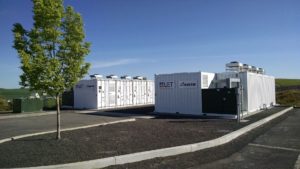
In 2024, South Africa brought one of the world’s largest solar-and-battery projects online. The Kenhardt hybrid complex in the Northern Cape combines 540 megawatts of solar with a 225-megawatt, 1,140-megawatt-hour battery system, delivering reliable clean energy to the grid and strengthening power supply for industries, including mining.
Energy Sovereignty as a Path to Development
The foundation of energy sovereignty is the ability to generate, store and deploy energy locally. More than just energy independence, sovereignty is the right and ability of a nation to define its energy policies, control its resources and ensure that its energy systems are designed to meet the specific needs of its people. Today, battery storage empowers nations to build resilient, decentralized systems that are owned and operated by Africans, for Africans. This shift is a direct pathway to systemic poverty reduction.
Consistent electricity creates tangible benefits across society. It allows children to study after dark, improving educational outcomes. It enables health clinics to refrigerate vaccines and power essential medical equipment, saving lives. It empowers small businesses to operate machinery, access digital markets and create local jobs.
Furthermore, countries can capture even more economic value by developing domestic supply chains for these technologies. An example is South Africa’s initiative to manufacture batteries locally using its vast vanadium reserves. This creates high-skill jobs in manufacturing and engineering instead of simply exporting raw materials, fostering sustainable and equitable development.
Using Flow Batteries in Africa
Technological breakthroughs are making the future of energy storage in Africa even more attainable. While lithium-ion batteries have led the charge, next-generation technologies suited for African climates are emerging. Vanadium redox flow batteries, for example, are gaining significant traction in Africa. Unlike solid-state batteries, these batteries use two tanks of a vanadium electrolyte solution to store and release charge. This design means they do not degrade over thousands of cycles. Additionally, they have an operational lifespan of more than 20 years and pose virtually no fire risk, making them exceptionally safe and durable.
Such characteristics make flow batteries ideal for many African renewable energy sites, often with hot and remote conditions. Alongside these systems, innovations in chemistries like sodium-ion promise to drive down costs even further by eliminating the need for expensive and environmentally complex minerals like cobalt and lithium. These are not advancements of the far future, either, only validated on paper. They are currently in production phases.
With this future coming fast, Africa is proving through strategic energy storage development that they are ready to generate and hold onto the benefits of a green future.
– Levi Ravnsborg
Levi is based in Summerland, BC, Canada and focuses on Technology and Solutions for The Borgen Project.
Photo: Wikimedia Commons

Solidarity Christmas Campaign for the Children of São Paulo
The Restoration Association
The Restoration Association is a Christian nonprofit, founded in 1989. It serves marginalized adolescents and children living in social vulnerability in the communities of São Paulo. The nonprofit’s “main reach or the focus of [the] ministry is to reach kids of the favelas, which is the Portuguese word for slums in São Paulo, Brazil,” said Isabella Hutchison, a volunteer with the Restoration association, during an interview with The Borgen Project.
The Solidarity Christmas Campaign
The “Solidarity Christmas” campaign began in 2011. It aims to sponsor children in social vulnerability through thoughtful gifts and meals to make a difference during the holiday season. The association works in five communities across São Paulo: Iguatemi, Promorar (Jd. Rio Claro), Vila Júlia (Sapopemba), Vila Rosa and Tolstoi.
Last year, the campaign’s 14th edition hosted two Christmas parties featuring music, games, a play about Christmas and a feast for more than 300 children. Funds raised went toward the celebrations and the gifts for the children, including shoes, a toy and clothes.
This year, the association aims to raise R$30,000 (about $5,457) by October to organize a Children’s Day celebration and Christmas event for approximately 380 children between the ages of 3 and 12. The celebrations brighten the children’s Christmas and allow them to connect with children from other Favelas (slums) who are in similar social circumstances.
The association operates several community projects throughout the year, including sports classes, music workshops, home visits, educational programs and even spaces to support women in the community dealing with drug abuse or domestic violence.
Community Activities for Kids
The group holds “agitas,” or community activities, that promote citizenship and social support twice a week. At the end of these activities, the kids are given little goodie bags, usually filled with a snack, to incentivize them to return.
The programs and activities provide structure and relief for families through educational or recreational activities.
“The sad reality is that most of these kids don’t have adequate food at home,” Hutchison said. “They may not have eaten all day, so this provides some nutrients for them.”
“All the parents want their kids to go to camp,” Hutchison said. “It takes some stress off their hands for the week and the unfortunate reality of it is a lot of these kids don’t eat three meals a day, so they think, OK, well, if nothing else, my kids are gonna eat three meals a day and have enough to eat for this weekend.”
Holiday Events To Inspire Hope
Funds raised this year will go toward the Children’s Day and Christmas events. Indeed, the organization aims to celebrate the holidays and offer hope and support to children growing up in difficult circumstances so they may have a brighter future than the one they were born into.
– Sahana Shastry
Photo: Wikimedia Commons
How African Countries Combat Poverty by Banning Mineral Exports
Africa’s Ban on Mineral Exports
These minerals have been growing in demand in recent years, according to the World Trade Organization:
Many of these minerals are mined in Africa, though unfortunately, much of the populations in those countries live in poverty. The Democratic Republic of the Congo, for example, supplies 57% of the world’s cobalt, 70% of the world’s coltan and 20% of the world’s diamonds. However, nearly 72% of the population lives in poverty.
African nations want to refine the rare minerals and metals they mine domestically to better capitalize on their natural resources and fight poverty. They hope refining these resources, which is primarily done overseas, can bring economic development. To accomplish this, many African nations ban mineral exports to pressure mining companies to build domestic mineral processing plants.
For those 54 countries, it could bring economic development and jobs to Africa. Zimbabwe’s mines ministry, for example, is pressuring foreign investors to increase spending from $70 million to $600 million; the Sinomine Resource Group, a Chinese mining company, is already investing $300 million in a lithium-processing plant there.
These policies in other countries have had similar success in banning mineral exports. In 2020, for example, Indonesia banned the exportation of unprocessed nickel. Now, after securing significant investments from China, it dominates nickel production.
African Nations Banning Mineral Exports
Potential Impacts
Currently, most jobs in Africa’s rare minerals and metals sector are in mining, a field known for its hazards. In Nigeria, lithium mines employ children as young as 6 years, where they are exposed to dangerous dust that can cause asthma. If rare mineral processing were to stay in the continent, African countries could use the revenues to ensure safe mining practices.
This increase in foreign investment can also strengthen the workforce of African countries. About 80% of young Africans aspire to have high-skilled jobs. However, only 8% can get them due to a lack of such jobs and training to prepare workers for these jobs.
Conclusion
If African nations secure foreign investment in mineral refinement, citizens can gain access to better-paying, skilled jobs. By capitalizing on their massive deposits of natural resources, which are becoming increasingly valuable with time, African countries can further reduce poverty for their citizens.
– Seth Pintar
Photo: Wikimedia Commons
Preserving Yemen’s Cultural Pride
However, Yemen’s cultural heritage fosters a profound sense of belonging, identity and resilience amidst the ongoing humanitarian crisis and conflict. Several initiatives are preserving and restoring historical archives, while instilling Yemen’s cultural pride and opportunities in the young generation. The Yemeni House of Music, Takween Cultural Club and the UNESCO Cash for Cash project are initiatives promoting artistic and creative industries, increasing employment and creating social cohesion among the Yemeni population.
Yameni House of Music and Art
Yemeni House of Music and Art (YHMA) is dedicated to preserving Yemen’s rich musical and artistic heritage. By digitizing 10,000 recordings, the lyric and audio heritage has been safeguarded. This has encouraged new research, helping to revive Yemen’s cultural heritage efforts. Additionally, there is a push to instill cultural pride in the younger generation by getting them involved in crafting and playing the Yemeni lute, Al Quanbus.
This endangered traditional musical instrument has been revived and honoured by Yemeni youth. YHMA promotes artistic expression through performances and exhibitions celebrating the richness of Yemeni culture. Likewise, The Heritage Symphony echoes a similar message and recently hosted composer Mohammad Alghoon, who plays a significant role in preserving Yemen’s musical legacy.
Alghoon’s ability to blend authenticity with modernity creates a distinct image of contemporary Yemeni cultural pride. Both celebrate Yemeni musical heritage, creating spaces of love, connection and identity, while promoting cultural pride.
Takween Cultural Club
The Takween Cultural Club ensures safe and expanded access to cultural artefacts and experiences. In particular, the restoration of the Alsutania Library has transformed the oldest library in Hadramout, becoming one of the first modern libraries in the Arabian Peninsula. The Writing Foundation supported the restoration project by reviving 3,000 manuscripts through basic repair strategies. During this process, damaged texts were digitized by newly trained library staff and volunteers.
More than 800 people participated, especially young men and women who gained practical IT and library management training. Both bookbinding and digital archiving formed the basis for ensuring the library’s longevity. After six months of conservation work, the library saw a 600% increase in visitors. Researchers, writers and university students can work safely and contribute to the archives. The library became a symbol of Yemeni cultural pride and community. It also became a hub for education and discussion through seminars and events, enriching public engagement.
UNESCO Cash for Cash Project
UNESCO Cash for Work supports Yemen’s disadvantaged youth by promoting social welfare opportunities. Launched in 2018, Cash for Work creates jobs related to cultural preservation for Yemen’s urban youth. The project seeks to develop sustainable short- and long-term employment opportunities since young people comprise 70% of the Yemeni population. These are focused on regeneration activities and the restoration of historic buildings.
This provides economic benefits and fosters a sense of cultural pride, social cohesion and peace-building through these restorative efforts. Additionally, Cash for Work addresses urban youth well-being and livelihood as it gives young people a purpose and skill set, preventing them from being influenced by radicalization movements.
Going Forward
Yemen’s cultural pride is at the nation’s heart, destabilized by the ongoing conflict. For many Yameni, these three initiatives have provided a sense of belonging, identity and community spirit. They have also successfully instilled a strong sense of cultural pride and purpose in the young generation of Yemenis to continue preserving, celebrating and restoring their rich and profound heritage into the future.
– Jule Riemenschneider
Photo: Flickr
How Mexico’s Plant-Food Industry Is Fighting Poverty
Plant-based diets can improve the health of Mexicans while also creating job opportunities and ending hunger among those most in need. In recognition, in April 2024, Mexico enacted the General Law on Appropriate and Sustainable Food (LGASS). This aimed to promote the consumption of healthy foods, though not necessarily vegan foods and ensure sustainable food production.
The law called upon the Secretariat of Health to establish regional food baskets, prioritizing locally or regionally produced foods derived from sustainable production. This naturally emphasizes fruits, vegetables and traditional plant-based staples.
Improving People’s Health
Diabetes, heart disease, high cholesterol and obesity all contribute to an early death. People can mitigate these ailments with a healthy diet of vegetables, fruits and whole grains. Plant-based diets of these foods allow people to get a rich assortment of vitamins and minerals.
One common misconception is that animal protein is the only source of protein. Plant-based diets provide plenty of protein, including foods like peanut butter, tempeh and beans. Mexicans eat beans multiple times daily, using them as a versatile ingredient in many dishes. This high consumption of beans, among other plant-based meat alternatives, ensures that vegans and vegetarians in Mexico always have a source of high-protein foods.
Another common misconception is that plant-based diets cause vitamin deficiencies. Except for vitamin B12, a balanced diet of fruits, vegetables and whole grains provides every vitamin a person needs. A vitamin B12 supplement is strongly recommended for people interested in switching to a plant-based diet. However, it’s worth noting that one in six meat-eaters will also experience vitamin B12 deficiency anyway, so a supplement is recommended either way.
New Economic Opportunities for Mexican Workers
New plant-based food companies are rapidly expanding across Mexico. They actively create crucial job opportunities for workers and skillfully leverage Mexico’s vast network of produce farmers to develop innovative products. Mexico already boasts a significant export market for fruits and vegetables and global companies are increasingly recognizing and investing in this burgeoning sector, further solidifying its economic potential within the nation’s borders.
Mexico’s plant-food industry is impacting poverty by generating new, high-paying manufacturing jobs that offer upward mobility for individuals who might otherwise have few options for stable employment. Food manufacturing is a critical driver of jobs throughout Mexico and the accelerating growth of the plant-based food sector holds immense potential to expand employment opportunities significantly for people living in impoverished areas.
Increased Food Availability and Ending Hunger
A common misconception suggests that plant-based diets are more expensive, but the evidence strongly indicates otherwise; plant-based eating can significantly save people money compared to meat-rich diets. This is particularly true for low-income communities, which often consume more plant-based foods due to their lower cost. Increasing access to diverse plant-based options in these communities would empower families to achieve well-balanced diets without financial strain.
As incomes rise, people tend to eat more meat, a trend seen in high-income countries like the U.S. and China, where meat is consumed at nearly every meal. The plant-based food industry is working to counter this by promoting the benefits of plant-based diets in low-income communities.
Respecting Cultural Differences and Individual Beliefs
Mexico’s growing plant-food industry offers undeniable benefits, holding the potential to alleviate poverty and uplift disadvantaged communities toward greater prosperity. This burgeoning industry promotes healthier lifestyles and fosters sustainable economic development. It creates new jobs and investment opportunities across the nation’s agricultural and manufacturing sectors. Beyond economic advantages, the health benefits of a plant-based diet impact individuals regardless of their income.
– Jeff Mathwig
Photo: Pexels
How Debt Restructuring in Ghana Creates Room for Development
The HIPC Initiative and Debt Relief Successes
In 2002, the Ghanaian government granted the central bank autonomy to use monetary policy as a tool to promote economic growth and deal with inflation. Falling from 30% to 10% by 2007, fiscal policy enacted under the joint IMF-World Bank debt relief program, the Heavily Indebted Poor Countries Initiative (HIPC), was key in taming the country’s economic problems.
After part of the country’s debt was cancelled during the program’s implementation, Ghana’s external debt fell by $4.3 billion between 2006 and 2003, from $6.6 billion to $2.3 billion. Debt relief proved to be a successful means of fighting poverty and increasing the potential for development. Improvements in health care and education followed, with money being invested in social services for Ghanaian citizens.
One of the most important features of the government’s budgetary operations under the HIPC Initiative was its positive impact on poverty reduction. The Ghana poverty reduction strategy document emphasized integrated rural development, economic growth, expanded employment opportunities and improved access to public services. To achieve these goals, the government would have to implement sound monetary and fiscal policies made possible through debt relief.
New Debt Restructuring Framework in Ghana
However, the country’s continued reliance on the export of commodities has led it into another debt crisis. When the price of raw materials rose in the 2010s, more countries became willing to lend to Ghana. However, after another fall in the cost of commodities in 2013, the African country became unable to repay loans and started accumulating debt. Debt now places a new, significant burden on Ghana’s economy and society, which could lead to stagnation and higher poverty rates.
Recently, Ghana’s parliament approved a $2.8 billion debt restructuring framework for 25 creditor countries. Although the deal is not yet final, debt relief would again allow the country to invest in social services instead of using its revenues to pay off lender countries. In the 2000s, debt restructuring was critical in restoring macroeconomic stability; by rescheduling debt payments due between 2022 and 2026 to 2039 – 2043, there is hope that the country can break its cycle of debt.
The newly created Agenda for Jobs II (2022–2025) aims to develop further Ghanaian life’s economic, social and environmental dimensions. It focuses on expanding education and health care initiatives. The agenda also seeks to broaden the coverage of the Livelihood Empowerment Against Poverty (LEAP) Program.
Conclusion
In collaboration with international partners, new debt restructuring efforts in Ghana have opened a new chapter in the country’s economic development. The potential ratification of these new agreements will free up significant public funds that can be invested in public sectors such as health care, education and infrastructure, contributing to the country’s fight against poverty. Debt restructuring allows for future economic growth, catalyzing social progress.
– Rafaela Paquet
Photo: Wikimedia Commons
Shred the Patriarchy: The Janwaar Skate Troupe That Fights Back
The Cultural Landscape that Shred The Patriarchy Exists In
As in Western nations, skateboarding is a sport primarily dominated by men and boys; as it stands, the Indian gender ratio of men to women in skateboarding is 95% to 5%. This gender disparity is only heightened by the cultural stereotypes placed upon Indian women; they are expected to be homemakers, often forced into arranged marriages. From there, they will be the primary caregiver of a husband and children, having little time for their hobbies or interests. This is the tradition; this is the life that many Indian women have come to expect. However, many do not have it.
From the anger of a sexist patriarchal society stemmed resistance. In 2023, The Guardian spoke to female Mumbai and Pune skaters about their experience engaging with the sport in the current cultural landscape. Above all, an impenetrable bond exists between the women in these communities; due to a lack of female skateboarding instructors, these troupes teach one another and collectively improve their skills. This supportive environment has greatly fostered the female skateboarding scene’s growth in India.
What Does Shred The Patriarchy Do?
Highlighting the resistance and resilience of Janwaar women was Pinzi’s paramount goal with Shred The Patriarchy. In April 2025, Pinzi told World Skate that she has “always tried to understand and challenge the structures of power, oppression, sexism and misogyny. Choosing to focus on women skaters is part of that commitment. [She sees] it as both a form of resistance and a responsibility.”
Pinzi’s collection of photographs for the project is utterly iconoclastic. With each photo, the stereotypical ideal of what an Indian woman is or should be, is fragmented until it is entirely shattered. Pinzi highlights young women, primarily in traditional kurtis or sari dresses, engaging in anything but traditional activities. Some shots capture the subject mid-way through a skate trick, while others capture women alone or in a company, holding their boards as if the object were a lifeline.
While most subjects can be seen in traditional Indian dress, more commonly worn khussa shoes are exchanged for worn trainers, like Vans or Converse, which are much more appropriate for the sporting activity. Sometimes, these women do not comply with the customs: in one shot, a young subject poses clad in a Jim Morrison t-shirt, black trousers and trainers. These women are, one custom at a time, fighting back.
Conclusion
Due to resistant factions, like the Janwaar women learning to skate, sociocultural change is being pushed in India. In Western nations, the idea that a woman might be unable to do something as simple as skateboarding with her friends seems absurd. For millions of Indian women, however, this is reality; they are denied the basic right to live in communities that nurture their interests. However, with the rise to prominence of these troupes via projects like Shred The Patriarchy, widespread acceptance of broken gender norms is one step closer.
– Sarina Maloy
Photo: Unsplash
Energy Storage and Flow Batteries in Africa
However, a fundamental challenge has long constrained this progress. Solar panels only generate electricity when the sun is shining. This limitation means power can be unreliable for a hospital, school or business. Such an inconsistency has traditionally tethered grids to expensive, polluting fossil fuels and hindered the ultimate goal of true energy independence.
To capture the full benefits of the sun, the continent has to invest in a crucial parallel technology: energy storage. Fortunately, in 2025, this is not a secret and several African countries have now pledged gigawatts of storage in the near term.
A Surge in Battery Deployment
According to the African Solar Industry Association, operational energy storage in Africa skyrocketed from 31 megawatt-hours in 2017 to an estimated 1,600 megawatt-hours in 2024. This growth is driven by falling battery costs and a clear understanding that storage is the key to unlocking the full value of renewables.
In 2024, South Africa brought one of the world’s largest solar-and-battery projects online. The Kenhardt hybrid complex in the Northern Cape combines 540 megawatts of solar with a 225-megawatt, 1,140-megawatt-hour battery system, delivering reliable clean energy to the grid and strengthening power supply for industries, including mining.
Energy Sovereignty as a Path to Development
The foundation of energy sovereignty is the ability to generate, store and deploy energy locally. More than just energy independence, sovereignty is the right and ability of a nation to define its energy policies, control its resources and ensure that its energy systems are designed to meet the specific needs of its people. Today, battery storage empowers nations to build resilient, decentralized systems that are owned and operated by Africans, for Africans. This shift is a direct pathway to systemic poverty reduction.
Consistent electricity creates tangible benefits across society. It allows children to study after dark, improving educational outcomes. It enables health clinics to refrigerate vaccines and power essential medical equipment, saving lives. It empowers small businesses to operate machinery, access digital markets and create local jobs.
Furthermore, countries can capture even more economic value by developing domestic supply chains for these technologies. An example is South Africa’s initiative to manufacture batteries locally using its vast vanadium reserves. This creates high-skill jobs in manufacturing and engineering instead of simply exporting raw materials, fostering sustainable and equitable development.
Using Flow Batteries in Africa
Technological breakthroughs are making the future of energy storage in Africa even more attainable. While lithium-ion batteries have led the charge, next-generation technologies suited for African climates are emerging. Vanadium redox flow batteries, for example, are gaining significant traction in Africa. Unlike solid-state batteries, these batteries use two tanks of a vanadium electrolyte solution to store and release charge. This design means they do not degrade over thousands of cycles. Additionally, they have an operational lifespan of more than 20 years and pose virtually no fire risk, making them exceptionally safe and durable.
Such characteristics make flow batteries ideal for many African renewable energy sites, often with hot and remote conditions. Alongside these systems, innovations in chemistries like sodium-ion promise to drive down costs even further by eliminating the need for expensive and environmentally complex minerals like cobalt and lithium. These are not advancements of the far future, either, only validated on paper. They are currently in production phases.
With this future coming fast, Africa is proving through strategic energy storage development that they are ready to generate and hold onto the benefits of a green future.
– Levi Ravnsborg
Photo: Wikimedia Commons
Children International: Lasting Poverty Relief
Over the following decades, the initiative’s care expanded as its positive results increased with the growing care providers. Much of its growth included the development of its own global headquarters, child sponsorship programs, hospitals and many different specialized care opportunities.
By 1989, the organization formally named itself Children International. It began their full-fledged mission to give children poverty relief for a lifetime.
How Children International Works
Children International seeks to provide care and support to all children in need, helping to break the cycle of poverty. Its specialized programs are flexible, adapting to give each child the resources they need to flourish.
One of the organization’s most pertinent parts is sponsorship-supported interventions. These help children and adolescents reach critical milestones and create lasting pathways out of poverty.
Measuring Success
Children International supports its recipients in specific areas to help them achieve lifelong freedom from poverty. The organization’s outreach focuses on the following key aspects of life:
A Lasting Impact
Children International aims to create connected, thriving communities for every child, family and individual. The charity allows communities to grow and prosper through programs supporting health, education and careers.
Using targeted outreach strategies, Children International works to break the cycle of poverty and provide families with lasting relief through essential resources.
– Angelina Tas
Photo: Flickr
Addressing Hunger and Trauma Among Rohingya Children
Keeping Children Alive With Integrated Nutrition Services
UNICEF and its partners operate Integrated Nutrition Facilities within the camps. There, children below the age of 5 are routinely weighed and measured, screened with MUAC colour tapes and put on treatment plans. In 2021, these facilities treated 6,923 children suffering from severe acute malnutrition.
The organization exceeded its annual target, providing ready-to-use therapeutic food, deworming treatments and follow-up care. It also offered counseling for parents on breastfeeding and complementary feeding, reaching 14,000 pregnant and lactating mothers with infant and young child feeding support. Indeed, these cost-effective, life-saving services are making a real difference.
Restoring Food Rations and Protecting Nutrition Budgets
When rations are cut, hunger spikes quickly. New International Rescue Committee (IRC) data reveal that between 2022 and 2023, the number of Rohingya refugees without adequate food jumped from 44% to 70%. Nearly half of young children displayed physical signs of malnutrition and fewer than one in six children ate three meals daily.
Restoring rations to prior levels and ensuring predictable funding would immediately blunt wasting and protect child development, whilst addressing hunger and trauma among Rohingya children.
Healing in Crisis
A large randomized controlled trial tested BRAC’s Home-Based Humanitarian Play Lab (HPL), which offered weekly peer-led sessions for Rohingya mothers and children under 2. The program significantly improved mothers’ mental well-being. It enhanced children’s developmental outcomes through simple, low-cost activities led by trained Rohingya “Mother Volunteers.” In settings where specialist care is scarce, HPL provides a practical, scalable way to deliver psychosocial support.
Similarly, BRAC’s broader Humanitarian Play Lab approach is home-based for ages 0–3 and centre-based for ages 3–5. It creates safe, culturally rooted spaces where trained Rohingya Play Leaders guide activities. These activities build language, problem-solving skills and resilience. Furthermore, evaluations in Cox’s Bazar show gains in children’s development and improvements in maternal mental health. The model is now being adapted to other countries, offering the kind of community-powered intervention donors can scale.
Furthermore, child-friendly spaces run with UNICEF support give children predictable routines to play, learn and feel safe. This is critical in protecting them from toxic stress. These hubs are also entry points for early learning, protection, nutrition and health services referrals.
Nutrition + Mental Health = Better Outcomes
None of these solutions works in isolation. In December 2021, UNICEF Bangladesh reported that one-third of Rohingya children under 5 were stunted due to poor diets and repeated illness. Combining nutrition services with caregiver counseling and play-based psychosocial support multiplies impact, helping children recover physically while stimulating their brains for long-term learning and well-being. Trained Rohingya community members are already delivering this integrated package.
– Arabella D’Aniello
Photo: Flickr
Reducing Poverty in Ukraine: From Nonprofits to IKEA
Poverty in Ukraine
Despite recent negative trends, Ukraine’s national poverty decreased from 2016 through 2021, with poverty levels of 51.1% declining to 20.6%, according to the United Nations Economic Commission for Europe. With the help of sustained economic growth, increased income, improvements in the labor market and government policies, Ukraine ensured a reduction in poverty.
Once the war began in 2022, government policies and initiatives, including the Household Budget Surveys (HBS), were canceled because of disruptions and the need to consolidate funds. According to the Ministry of Economy of Ukraine, the government implemented a program to modernize state statistical methods and initiatives, including the HBS, reinforcing Ukraine’s commitment to the United Nations’ Sustainable Development Goals through 2030.
With these and other poverty-reducing policies now on hold, continued international support and donations are imperative to help reduce poverty in Ukraine.
National Organizations Supplying Donations
IKEA’s Humanitarian Aid for Ukraine
IKEA, a Swedish furniture and home goods company, has taken steps, along with partners, to address the humanitarian issues that arise from the war. After Russia’s initial invasion in 2022, IKEA halted exports and imports to Russia and Belarus. Additionally, IKEA and its partners have donated millions of dollars to aid organizations, hoping to support services and individuals in Ukraine impacted by the war.
These donations also support medical organizations and allow medics and doctors in Ukraine to receive modern equipment, improving the country’s medical system. These supplies benefit civilians, enlisted military and members of international aid organizations near and at the frontlines, maintaining direct humanitarian aid for Ukraine.
Within IKEA, the Ingka Group, a retail partner, donated furniture, toys and other goods for displaced families and Ukrainians fleeing the nation at the start of the war. The donations were crucial for supplying UNICEF with the necessities of housing and caring for individuals and added humane relief for children. IKEA and its partners help reduce poverty in Ukraine by supporting organizations that assist refugees while creating and preserving jobs and livelihoods for Ukrainians in need.
– Avery Kachmarsky
Photo: Flickr