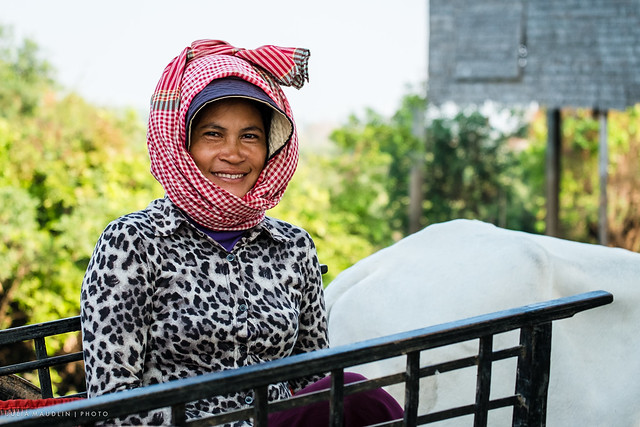
 Gender equality is an important factor in determining the future of civil and social development in a country. However, gender norms and traditional roles in Southeast Asia, sustained by historical-cultural contexts such as religion and village class systems, create a preference for boys and a belief that motherhood is a woman’s primary role. This perception diminishes the skills of women, affecting the way they view their own capabilities and futures.
On average, women in the Southeast Asian region are 70 percent less likely than men to have a career. While it is difficult to assess the full economic standing of women in Southeast Asia, it is evident that countries with higher poverty rates experience greater barriers to gender equality.
Listed below are some of the ways countries at the forefront of gender equality are closing the gender gap in Southeast Asia.
Job Opportunities
According to the Asian Development Bank, most women in Southeast Asia earn between 30 and 40 percent less than men. In addition, the average percentage of workforce female participation in Asia is only 55 percent.
In contrast, Vietnam’s informal and formal workforce holds 80 percent of the country’s women. Influenced by the rise of working women during the Vietnam War, Vietnam’s current rate of participation is due to increasing numbers of self-employed women, especially as the manufacturing industry becomes more prominent than farming. For example, according to the Mekong Development Research Institute, new road development in the Mekong Delta has allowed more women to travel to work in nearby textile factories while their husbands stay in town to farm. As a result, women in the delta have gained equal standing and in some cases even higher pay, thus balancing power dynamics in the family unit.
In environments like this, women are even attaining more positions as executive officers. The Boston Consulting Group reported that 25 percent of CEOs in Vietnam are women. Vietnam boasts a 17.6 percent rate of female board members in a survey of 50 companies, compared to more developed countries like South Korea and Japan, which have some of the lowest rates of female board members.
With 13 million members throughout the country, the Vietnam Women’s Union is an organization that is closing the gender gap in Southeast Asia and implementing gender equality policies in the private sector. VWU has helped to increase the rate of female employment in Vietnam by collaborating with SNV to support activities under the Enhancing Opportunities for Women Enterprises (EOWE) project that assists women in both Vietnam and Kenya. By supporting small and medium enterprises led by women, one of the initiative’s key focus is to ensure 20,000 women in Vietnam gain greater business and workforce techniques by 2020.
Political Participation
The rates of female representation in Asia’s parliaments and political bodies differ from region to region. However, the Philippines boasts some of the highest numbers of female lawmakers. The WEF Global Gender Gap Report in 2018 listed the Philippines 13th place, out of 149 countries, based on its empowerment of women in politics. Female participation rates in Philippines politics is still relatively slow growing with an overall ratio of one woman to every two men holding top positions in government. Yet, in the Philippines Lower House, women occupied almost 30 percent of the seats in 2016 and overall, more than 40 percent of positions in civil service were filled by women. The growing push toward closing the gender gap in Southeast Asia through female representation in Philippine politics is attributed to some of the organizations that are mobilizing more Filipino women.
The Philippines’ future goal is to have more women engage in conversations about gender equality. The Philippine Commission on Women assists that goal by focusing on strengthening areas of women’s empowerment. One of its specific focus areas is the Women’s Priority Legislative Agenda, which creates thorough policies that stand before the government for consideration and also removes existing discriminatory laws that hinder the abilities of all Filipino women.
Education
The narrative around girls’ education has been improving in some countries of Southeast Asia. For instance, in Malaysia, women in Malaysia surpassed men in primary, secondary and tertiary education enrollment rates in 2017. Female enrollment rates in secondary school topped 78 percent compared to male enrollment which stoood at 72 percent.
Since the 1970s, National Union of the Teaching Profession Malaysia has sustained the futures of teachers. With a total membership of 172,995, it has reached many Malaysians nationwide. Its different branches host member activities and local committees. A few of the union’s accomplishments have been establishing counselor positions in schools, extending maternity leave time from 60 days to 90 days and increasing the basic salary of teachers by 13 percent. These successes challenge the systemic problems around education and push the government to make necessary changes to support the nation’s educators.
Final Thoughts
Over the past two decades, several countries have already made progress in closing the gender gap in Southeast Asia through employment, politics and education. While female participation rates have increased in the region, improvement is still needed to ensure that equality policies are being created in all areas of Southeast Asian life and that opportunities are not withheld from women.
After all, continuing to uphold gender discrimination could result in worldwide economic loss. The OECD estimates a 7.5 percent loss of GDP. In addition, ADP found, via a simulation model, that closing the gender gap in Southeast Asia and across the world could contribute to a 30 percent increase per capita income of an average Asian economy in one generation and reduce poverty rates. Therefore, increasing women’s standing in the Southeast Asian region will also increase the region’s economic prosperity.
– Melina Benjamin
Photo: Flickr

Making Nutrition Attainable for Impoverished Countries like Bangladesh
There are roughly 15.2 million children under the age of 5 in Bangladesh, according to the World Health Organization (WHO). Malnutrition affected about half of this population for years. However, there has been some success in lowering this amount by making nutrition attainable. The WHO records that growth stunting reduced from 41 percent in 2011 to 36 percent in 2014. The percentage of underweight children also dropped from 36 percent to 33 percent between 2011 and 2014.
Although Bangladesh’s economy has progressed and the country has experienced a reduction in poverty, food insecurity remains a concern for about 35 percent of its citizens. The International Food Policy Research Institute recommends that children who consume at least four different food groups a day will be 22 percent less likely to experience stunting. In spite of the food insecurity, each day there are more possibilities for making nutrition attainable for poor countries.
Processed Foods
A very common misconception among big companies and corporations is that poor countries would not be able to purchase their food. Therefore, many companies do not venture to sell to these countries in fear of failure. However, in countries like Bangladesh, India and Nigeria, people purchase over 80 percent of the food rather than relying on home-grown. In Bangladesh, 75 to 90 percent of low-income urban consumers and about 40 percent of low-income rural consumers purchase their food. Fifty to 70 percent of the food people purchase in these countries is processed.
Although there are many unhealthy packaged foods, there is also a market for nutritional processed goods. A study in Nepal found that 80 to 90 percent of the country’s children of 6 to 23 months of age ate commercially-produced packaged foods. In Nigeria, people buy 80 million MAGGI bouillon broth cubes every day. These bouillon cubes carry essential nutritional qualities such as iron and other key micronutrients. There is a need for more similarly packaged and processed foods that provide nutritional density and quality.
Making Nutrition Attainable
In an effort to improve the situation, Groupe Danone and Grameen Bank collaborated to make a fortified yogurt factory in Bangladesh. Danone is the world’s largest yogurt maker with more than $21 billion in annual sales. Muhammad Yunus, the Bangladeshi microfinance pioneer and founder of Grameen Bank, first suggested making baby food, however, a yogurt factory became the ultimate choice.
The company is successfully putting enough vitamin A, iron, zinc and iodine into the 60 and 80-gram cups of yogurt to meet 30 percent of a child’s daily needed diet. Overall, the local children who are often poor and malnourished benefit from the yogurts the factory produces. There is still a lot of work to do. The consumer demand increasing in the U.S. leads many businesses to cut sugar out of their products by at least 20 percent. However, for countries in Africa and Asia, there has yet to be this kind of motion.
The Danone and Grameen Factory Help People
The Danone and Grameen factory’s main goal is not to make large revenue, but rather to provide nutrition and education. Professor Muhammad Yunus of Grameen Bank hopes to share a lesson in manufacturing, business and humanitarian efforts for the developing world and the West. He believes that in starting this project, “You don’t see the money-making aspect, but how you can help people.” The project has employed the rural community through its links with the farmers which serve the factory. The yogurt company pays the local workers and farmers more than any customer does. Many employees are earning $60 a week, a substantial amount for rural Bangladesh.
Many private sector companies are hesitant to step into this effort because of the misinformation that affordable nutrition cannot be profitable. Professor Yunus hopes to educate these companies by challenging them to begin thinking about running their businesses in a different manner. For Danone, this project provides a clearer understanding of marketing food in South Asia and entering in a more profitable market in India.
The Impact
Danone and organizations like Feed the Future strive to make nutrition attainable in Bangladesh. As of January 2018, the U.S. Government selected Bangladesh as one of the 12 Feed the Future target countries. Feed the Future, under the U.S. Government Global Food Security Strategy, is a global hunger and food security initiative. It has established a strategy for making nutrition attainable. Feed the Future aims to intensify production while diversifying agriculture. It uses high-value, multi-nutrient products. Feed the Future’s target beneficiaries include rice farmers, the landless poor who are net purchasers of rice, small and medium-size farmers who can diversify production, agricultural-based enterprises and people employed in the fishing and aquaculture sector. In poor countries, companies such as Danone make nutrition attainable by placing more importance on those in need than on the profit it makes. Government organizations like Feed the Future also help in providing food security to poor countries like Bangladesh.
– Francisco Benitez
Photo: USAID
Martin Luther King Jr. Quotes on Family
Martin Luther King Jr. Quotes on Family
Dr. Martin Luther King Jr. quotes on family went hand in hand with his mission for equality. Whether it was America’s children or his own, Dr. King emphasized coexisting and love for one another throughout his famous speeches. He used images of brotherhood and children to exemplify the relationships he believed Americans should have with one another. To Dr. King, family referred to more than blood relatives. It encompassed all people in the United States, regardless of color. Today, his message of prioritizing family is forever ingrained in his legacy, to be studied and appreciated by generations to come.
– Natalie Malek
Photo: Flickr
Closing the Gender Gap in Southeast Asia
On average, women in the Southeast Asian region are 70 percent less likely than men to have a career. While it is difficult to assess the full economic standing of women in Southeast Asia, it is evident that countries with higher poverty rates experience greater barriers to gender equality.
Listed below are some of the ways countries at the forefront of gender equality are closing the gender gap in Southeast Asia.
Job Opportunities
According to the Asian Development Bank, most women in Southeast Asia earn between 30 and 40 percent less than men. In addition, the average percentage of workforce female participation in Asia is only 55 percent.
In contrast, Vietnam’s informal and formal workforce holds 80 percent of the country’s women. Influenced by the rise of working women during the Vietnam War, Vietnam’s current rate of participation is due to increasing numbers of self-employed women, especially as the manufacturing industry becomes more prominent than farming. For example, according to the Mekong Development Research Institute, new road development in the Mekong Delta has allowed more women to travel to work in nearby textile factories while their husbands stay in town to farm. As a result, women in the delta have gained equal standing and in some cases even higher pay, thus balancing power dynamics in the family unit.
In environments like this, women are even attaining more positions as executive officers. The Boston Consulting Group reported that 25 percent of CEOs in Vietnam are women. Vietnam boasts a 17.6 percent rate of female board members in a survey of 50 companies, compared to more developed countries like South Korea and Japan, which have some of the lowest rates of female board members.
With 13 million members throughout the country, the Vietnam Women’s Union is an organization that is closing the gender gap in Southeast Asia and implementing gender equality policies in the private sector. VWU has helped to increase the rate of female employment in Vietnam by collaborating with SNV to support activities under the Enhancing Opportunities for Women Enterprises (EOWE) project that assists women in both Vietnam and Kenya. By supporting small and medium enterprises led by women, one of the initiative’s key focus is to ensure 20,000 women in Vietnam gain greater business and workforce techniques by 2020.
Political Participation
The rates of female representation in Asia’s parliaments and political bodies differ from region to region. However, the Philippines boasts some of the highest numbers of female lawmakers. The WEF Global Gender Gap Report in 2018 listed the Philippines 13th place, out of 149 countries, based on its empowerment of women in politics. Female participation rates in Philippines politics is still relatively slow growing with an overall ratio of one woman to every two men holding top positions in government. Yet, in the Philippines Lower House, women occupied almost 30 percent of the seats in 2016 and overall, more than 40 percent of positions in civil service were filled by women. The growing push toward closing the gender gap in Southeast Asia through female representation in Philippine politics is attributed to some of the organizations that are mobilizing more Filipino women.
The Philippines’ future goal is to have more women engage in conversations about gender equality. The Philippine Commission on Women assists that goal by focusing on strengthening areas of women’s empowerment. One of its specific focus areas is the Women’s Priority Legislative Agenda, which creates thorough policies that stand before the government for consideration and also removes existing discriminatory laws that hinder the abilities of all Filipino women.
Education
The narrative around girls’ education has been improving in some countries of Southeast Asia. For instance, in Malaysia, women in Malaysia surpassed men in primary, secondary and tertiary education enrollment rates in 2017. Female enrollment rates in secondary school topped 78 percent compared to male enrollment which stoood at 72 percent.
Since the 1970s, National Union of the Teaching Profession Malaysia has sustained the futures of teachers. With a total membership of 172,995, it has reached many Malaysians nationwide. Its different branches host member activities and local committees. A few of the union’s accomplishments have been establishing counselor positions in schools, extending maternity leave time from 60 days to 90 days and increasing the basic salary of teachers by 13 percent. These successes challenge the systemic problems around education and push the government to make necessary changes to support the nation’s educators.
Final Thoughts
Over the past two decades, several countries have already made progress in closing the gender gap in Southeast Asia through employment, politics and education. While female participation rates have increased in the region, improvement is still needed to ensure that equality policies are being created in all areas of Southeast Asian life and that opportunities are not withheld from women.
After all, continuing to uphold gender discrimination could result in worldwide economic loss. The OECD estimates a 7.5 percent loss of GDP. In addition, ADP found, via a simulation model, that closing the gender gap in Southeast Asia and across the world could contribute to a 30 percent increase per capita income of an average Asian economy in one generation and reduce poverty rates. Therefore, increasing women’s standing in the Southeast Asian region will also increase the region’s economic prosperity.
– Melina Benjamin
Photo: Flickr
Poverty Among the Romani in Albania
Albania, a country located east of the heel of Italy and bordering a chunk of the Adriatic Sea, receives millions of Euros each year. However, Albania invests next to nothing, if even that, in the ghettos where a majority of the Romani population live. The result is a continuous cycle of poverty among the Romani in Albania.
Estimates determine that Romani people migrated from Northern India to Eastern Europe in the 1400s. Upon arriving, Eastern Europeans discriminated against the Romani people due to their nomadic lifestyles. Romani people lived in tribes and worked as craftsmen. Being further developed when it came to technology, the Eastern Europeans used this to justify why they treated the Romani as “less than” or “untouchables.” In Albania, this treatment is still present today.
A Large Population
Although no one seems to have accurate data of how many Romani people live in Albania, the majority of sources seem to estimate somewhere between 50,000 to 100,000. Of this amount, 80 percent of the Romani in Albania have no job and live in extreme poverty. While this is a vast percentile, the Albanian government is still not fully addressing the issue of poverty among the Romani in Albania. For instance, the country’s social services such as welfare and economic aid make it difficult, sometimes impossible, for the Romani people to access them. Because most Romani people in Albania do not register at their local municipality, the government uses this to justify them as ineligible for the social services. However, the reason Romani in Albania do not register at their local municipality is due to the discrimination they face. This causes them to live on unclaimed land, move frequently and/or bear children at home rather than in a hospital.
Issues of Education
In Albania, 52 percent of the Romani population has no education. Of the other 48 percent who do attend school, 14 percent complete elementary school, three percent complete secondary school and four percent graduate from a college or university. Because of the lack of education, many Romani are not eligible to access employment which further contributes to their poverty.
Romani children tend to not attend school for the following reasons:
Temporary Work
Because many Romani people in Albania are unable to find a stable source of income, they often resort to small, temporary jobs in different trades such as construction and agriculture, and most of these are low pay. While the government does provide economic aid to the unemployed, very few Romani benefit from this aid, and if they do, they do not receive it for as long as they need it. On top of all of this, Romani people are continuously denied their rights to adequate housing and lack of access to clean drinking water, and often experience ill-treatment from local police for no reason other than being of Romani descent.
The ERRC
In 1996, the European Roma Rights Centre (ERRC) emerged out of recognition of the discrimination Romani people face in multiple countries including Albania. It uses two methods to establish equal rights and opportunities for all Romani people:
An ERRC Victory
The ERRC completed its latest project in Albania on December 12, 2018. Due to discrimination, Romani citizens of Fushe Kruje, a city in Albania that has been home to a Romanian community since 1990, were suffering from lack of clean drinking water. While numerous Romani organizations took action to prevent this for the past 20 years, next to nothing has changed. The ERRC stepped in and went to court to fight the local municipality in Fushe Kruje for refusing to address the community’s limited access to clean water. The ERRC won the case, and the court declared that the local municipality would have to fix this issue within 30 days or receive a fine.
The ERRC envisions a world in which Romani people and non-Romani people in Albania are able to work together to challenge the racism that exists. By doing so, poverty among the Romani in Albania will end, thus, allowing them to receive access to proper education, steady employment, and ultimately, better healthier lives.
– Emily Turner
Photo: Flickr
The Elders Organization Makes An International Impact
Who Are The Elders?
The first and founding member of the organization was Nelson Mandela, the former President of South Africa, who dedicated his life to ending apartheid. Like Mandela, peace makers, peace builders, social revolutionaries, and pioneering women comprise this group of influential individuals. The current Chair of the Elders is Mary Robinson, the first female Prime Minister of Ireland. Former Presidents of Mexico, Chile, and Liberia are also among the elite group. Currently, 11 individuals comprise the organization, while there are an additional five leaders considered “Elder Emeritus,” including former U.S. President Jimmy Carter.
Focuses of The Elders
The Elders focus on six programming areas. Firstly, the organization works to support international cooperation in solving issues that threaten all global citizens. For example, The Elders believe that nuclear weapons are a threat to all humans on Earth and are working on nuclear non-proliferation and disarmament. The organization believes that the only way to achieve this, and many other overarching goals, is through practical steps and global cooperation. The Elders also use their experience in peace making and building to aid in securing peaceful solutions to conflicts throughout the world. Specific priorities of the Elders include tension and conflict in the Korean Peninsula, the Middle East, and Zimbabwe.
Through global and country-level lobbying and activity, the Elders aim to build support for the importance of universal health coverage. Through keynote speeches and visits to countries in need of healthcare, the Elders are committed to achieving universal health coverage. The organization also believes that global complacency in climate change is one of the largest injustices in human history. To combat climate change, the organization is seeking to ease the transition to a low carbon economy and encourage creative solutions to keeping the planet sustainable.
In response to the number of migrants and refugees, The Elders works to keep struggles of these individuals at the forefront of the news and the minds of the public. Lastly, the group works with governments and countries to ensure that access to justice remains an important human right.
This esteemed group of individuals has massive impacts in unstable regions of the world, from Israel and Palestine to Sudan and South Sudan. Using its six programming focuses, the organization tackles a massive variety of issues, challenging injustice and praising and supporting strong governments and ethical leadership.
– Orly Golub
Photo: Flickr
Raising Awareness for Autism
The importance of raising awareness for autism in developing countries is clear. According to professionals, “awareness is the first step and is essential for early diagnosis. Diagnosing autism as early as possible, both in the U.S. and in other countries, can lead to early intervention and treatment that can greatly reduce symptoms for many children and help them make meaningful progress as well as promote independence and improve quality of life.” It is conditions in these countries and the importance of raising awareness for autism that prompted the creation of the Global Autism Project.
The Global Autism Project’s Mission
The Global Autism Project is committed to reducing the disparity of resources in developing countries. The project works to research and treat autism across the world. Its resources are geared towards early intervention. In the U.S., children are typically diagnosed with autism by the age of three, conversely, in developing countries, some children aren’t diagnosed until the age of eight. This project seeks to increase early intervention in developing countries by raising awareness for autism.
Another aspect of the Global Autism Project is to ensure that all children have access to trained professionals. This organization seeks to increase the number of licensed professionals by getting more people board-certified in Behavior Analysis. The world must raise the bar for these professionals. Many countries do not have special needs services, other international services provide subpar training with no further follow-ups. The Global Autism Project desires to create quality level professionals that are capable of aiding children and adults that suffer from autism. The project pairs with various centers and follows up with them for seven years to monitor growth, and to ensure that world-class professionals are being provided in these regions.
The Global Autism Project’s Recent Efforts
The Global Autism Project recently partnered up with The Zeebah Foundation to further its mission. The Zeebah Foundation seeks to address autism in Africa. The foundation paired up with the Global Autism Project to ensure that their staff on the ground would be properly trained to give quality service to children suffering from autism.
Members of the Global Autism Project have recently met up with workers from The Zeebah Foundation stationed in Nigeria. Jessica Miller, a member of the Global Autism Project, has provided her insights into the group’s efforts in Nigeria.
Miller was enthused to see how welcoming and eager the Zeebah staff were. The workers of Zeebah embraced all the insight the Global Autism Project had to share and was eager to implement its suggestions among autistic Nigerian children. After Miller and colleagues observed the Nigerian staff and children for a full day, Miller was able to collaborate with Zeebah to increase communication during group activities, and the collaboration has only continued to increase. After each school day, the Zeebah and Global Autism Project members gather to troubleshoot ideas. To encourage independent thinking amongst Zeebah staff representatives of the Global Autism Project, to push Zeebah members to use their analytical skills to figure out ways to address the problems they have raised.
Through its work with The Zeebah Foundation, the Global Autism Project has been able to carry out its mission by ensuring that Nigeria, and eventually other regions of Africa, will have access to well-trained professionals who know how to help children with autism. Miller is particularly enthusiastic about the Global Autism’s Project experience in Nigeria. Miller recalls a Zeebah staff member commenting, “it’s overwhelming, the goodness of today,” after the first day the two teams spent working together. Miller believes that all members present from both organizations shared a similar feeling. Through the work of the Global Autism Project, aiding other organizations like The Zeebah Foundation, raising awareness for autism in developing countries can be accomplished.
– Gabriella Gonzalez
Photo: Flickr
Promoting the HPV Vaccine in the Middle East to Prevent Cervical Cancer
Regional Barriers to Preventive Measures
Since many people in the Middle East and North Africa associate the immunization of adolescents with STI-preventing vaccines with the presumption that adolescents are seeking sexual intercourse, religiously strict societies of this region fail to implement preventive sexual health measures such as HPV vaccinations and cervical cancer screenings. Common understanding suggests that these societies view the HPV vaccine as an infringement on long-standing cultural and religious practices and a foreign intrusion on regional values. However, this perception is largely shaped by key religious leaders and politicians who regulate public discourse and are viewed as possessing the authority to distinguish between what is morally right and wrong. In fact, contributors working on behalf of the Eastern Mediterranean Health Journal have discovered that most families in the Middle East and North Africa display an acceptance of STI-preventing vaccines and educative initiatives promoting sexual health.
Public View on the HPV Vaccine in the Middle East and North Africa
A study published by WHO in 2017 examined 18 studies pulled from the PubMed and Embase databases dated between January 2010 and April 2017 to ascertain the prevalence of the HPV vaccine in the countries composing the Arab World. The selected studies interviewed various groups and subgroups of national populations, including adolescent men and women, young men and women, women of various age groups, healthcare professionals and parents. Among a variety of questions probed were knowledge of the existence of an HPV vaccine and awareness of the causal link between HPV and cervical cancer. The question limited to this report address general acceptance of the HPV vaccine in the Middle East and North Africa.
The results were promising. Considering the religious composition of the Arab World, the non-secular identities of political bodies in Arab countries and the influence of religion on policymaking, 99 percent of Egyptian women, 91.3 percent of Bahraini women and 89.9 percent of Saudi women were accepting of the HPV vaccine. Rates of acceptability among women tended to be high in most Arab countries, although the lowest incidence was recorded by a study of Emirati women which showed an acceptability rate of 46 percent. The average acceptability rate for university men in the United Arab Emirates was 46 percent and a 2015 study in Morocco showed that 76.8 percent of mothers and 68.9 percent of fathers approved of immunizing their children with the HPV vaccine.
Promoting the HPV vaccine in the Middle East and North Africa
The national health organizations of many countries in the region are promoting an open discourse about sexual health and advocating for the institutionalization of vaccinations in public facilities such as schools. Cervical cancer remains among the top ten leading causes of death among women in Arab countries. Meanwhile, Israel possesses one of the lowest rates in the world. This could be due to the institutionalized vaccination system in the Israeli school system. However, Baruch Velan, a vaccination compliance researcher at the Gertner Institute for Health Policy and Epidemiology in Israel, cites that the HPV vaccine compliance rate is higher in the Arab population than in the Jewish population in Israel. Why Israel has such low rates of cervical cancer, especially compared to other countries in the region, is unknown.
The changing views toward the HPV vaccine in the Middle East and North Africa shows that there is hope to increase vaccinations and decrease rates of cervical in the region.
– Grayson Cox
Photo: Flickr
The Fight to Eliminate Polio in Pakistan and Afghanistan
In 1988, polio existed in more than 100 countries and infected close to 1,000 children daily. Due to advocacy efforts and the implementation of preventable vaccinations, cases of polio have significantly dropped at a rate of 99 percent. In 1988, about 350,000 children had polio while statistics indicated that in 2017, only 22 documented illnesses existed. However, children are still struggling as Pakistan and Afghanistan attempt to eliminate polio their countries.
Children are most vulnerable to contracting polio between birth and age five. One in 200 contagions result in irreparable paralysis, most commonly in the legs; five to 10 percent of those infected die from this disease due to the disabling of their breathing muscles.
Most children that are living with polio do not experience manifestations; however, polluted water and food can still spread the disease. Polio is preventable through several doses of vaccinations, but there is no treatment.
Modernized Vaccines to Prevent Polio
In 2013, all countries began to implement one dose of the new vaccines and terminate the use of the oral vaccines by 2018, which the Polio Eradication & Endgame Strategic Plan instructed.
In order to eliminate polio in Pakistan and Afghanistan, the Polio Eradication and Endgame Strategic Plan is terminating the administrations of oral vaccines which only protected against type 2 of the virus; instead, Afghanistan and Pakistan are implementing doses of the inactivated polio vaccine, which should be more effective in preventing the disease as it prevents all three types of polio. The modern vaccine can also enhance immunity and inhibit further epidemics of polio.
Efforts to Eliminate Polio in Pakistan and Afghanistan
In 2018, The Ministry of Public Health in Afghanistan partnered with UNICEF and The World Health Organization to initiate the country’s third nation-wide polio vaccination campaign. Nearly 9.9 million children below age five received the vaccination.
Regions such as Kandahar, Helmand, Uruzgan and Zabul contained nearly 1.2 million children who did not have access to the vaccine. However, this past program and future programs will ensure that these children can also receive the necessary dosages.
Vaccinated children also received Vitamin A capsules to strengthen their immunity and decrease diarrhea. This also strengthened their immune systems from respiratory infections. Immunity can increase their chances of survival by nearly 24 percent. Nearly 70,000 health workers visited every household to administer vaccinations. This was to ensure that other children received the preventable medication as well. Because polio is contagious, each family’s chances of surpassing the disease increases if every child receives a vaccination.
In Pakistan, the number of polio infections is at a low rate. Further, improved immunity has also begun to increase. While this country has made progress in battling polio, many children have not received the preventable vaccines in high-risk areas. Therefore, Pakistan has begun to implement various solutions such as customized vaccines. Additionally, the country has partnered with the Emergency Operations Centers to administer effective prevention techniques.
Polio is most common in Karachi as well as the federally administered tribal areas, the Quetta block and the Khyber-Peshawar corridor. While the disease is highly present in these areas, other areas nationwide are susceptible to contracting the virus due to travel and migration.
The Partnership Between Pakistan and Afghanistan
To eliminate polio in Pakistan and Afghanistan, the two nations plan on partnering to identify children who are vulnerable to the disease and provide vaccinations, while also administering health campaigns to promote advocacy about the prevention of polio. Environmental surveillance has discovered the presence of polio. This serves as evidence that children with weaker immune systems are present in these areas. Consequently, this enables the disease to grow and infect other children.
– Diana Dopheide
Photo: Flickr
The Biggest Global Issues Facing Humankind
Hundreds of millions of people around the world experience insufficient living conditions due to environmental factors, displacement, disease, poverty or some combination of the four. Here is a list of the biggest global issues that plague humankind.
The Biggest Global Issues Facing Mankind
1. Food and Malnutrition
Food and nutrition are essential for just about every life form on the planet, especially humankind. Although countries such as China, India, Brazil and the United States produce vast amounts of food for the world, about one in nine people will not eat enough food today. Malnourishment leads to the inability of about 795 million people to lead active and healthy lives around the globe.
Malnutrition leads to poor health and can stunt development in education and employment. According to The Food Aid Foundation, 66 million school-aged children will go to school hungry today. Consistent hunger in schools is linked to a lack of concentration.
World hunger has decreased by about 219 million people within the past two decades. It is through the innovative and ambitious work of organizations like the World Food Programme, in partnership with governments and communities, that the world can fill empty stomachs and provide communities with the resources to fill their own stomachs without aid, overtime.
The World Food Programme provides the Home Grown School Feeding Programme to counter the effects of consistent hunger in schools. One model of the Home Grown School Feeding Programme in Kenya provides school meals to over 600 million schoolchildren. The organization purchases the meals from local farmers which helps boost Kenya’s agriculture-dependent economy. Constant meals in school serve as an incentive for poor families to send their children to school every day and enhance the quality of children’s education by reducing hunger.
2. Access to Clean Water
Water covers about 70 percent of planet Earth. Inadequate water supply, water supply access and lack of sanitation kill millions of people annually. Used for drinking and hygiene practices, lack of water sanitation is a leading cause of child mortality around the world.
Two days of the year educate the world about one of the biggest global issues facing humankind: the global water crisis. World Water Day and World Toilet Day are reminders that 700 million people around the globe could be facing displacement due to decreased access to fresh water by 2030. Severe droughts are a major reason for displacement. When there is no more water for drinking or for crops and livestock, people must leave their homes in search of a place where there is an adequate supply of water.
Within the past two decades, the percentage of countries without basic sanitation services decreased by 17 percent. Forty countries are on track to receive universal basic sanitation services by the year 2030. In the meantime, 88 countries are progressing too slowly in their sanitation advancements and 24 countries are decreasing in their advances toward universal sanitation coverage.
The Water Project is committed to providing safe water to Africa. It builds wells and dams to provide access to safe water. The project also delivers improved technology for more sanitary toilets that keep flies away. The Water Project provides and monitors 157 water projects in Sierra Leone including wells, dams and sanitary toilets. The Water Project builds these projects in schools and communities in the Port Loko region of Sierra Leone, serving some 7,000 Sierra Leoneans. The Water Project’s save water initiative impacts over 40,000 people on the continent of Africa.
3. Refugee Crisis
The refugee crisis is one of the biggest global issues facing humankind today. Refugees are seeking asylum from persecution, conflict and violence. A grand total of 68.5 million people have been forcibly displaced from their home countries. Some 54 percent of those displaced are children.
Developing countries host a third of the world’s refugees. Many refugees reside in the neighboring countries of those they left behind. Turkey, Jordan, Pakistan and Lebanon lead the world in hosting refugees.
Asylum seekers from Syria, Democratic Republic of Congo and South Sudan continuously flee ongoing persecution, conflict and violence in their home countries. More recently, four million Venezuelans have fled their home country, 460 thousand of whom are seeking asylum in Spain, Central America and North America.
Venezuelans are fleeing dire political unrest and hyperinflation. Shortages in food, water, electricity and medicine also afflict the country. The Red Cross now provides at least $60 million worth of aid to Venezuela, reaching at least 650,000 Venezuelans. The World Vision Organization delivers aid to Venezuelan refugees in Venezuela’s neighboring countries. For example, in Colombia, World Vision provides economic empowerment, education, food and health essentials to some 40,000 refugees.
4. AIDS Epidemic
Acquired immunodeficiency syndrome (AIDS) is a longstanding global issue. With at least 36.9 million AIDS or HIV (the virus that causes AIDS) infections around the world, the disease is one of the biggest global issues facing humankind. Since 2004, AIDS-related deaths have been reduced by over half. In 2004, almost two million people worldwide died of AIDS-related illnesses, compared to 940,000 in 2017.
Organizations like the International AIDS Society, UNAIDS, Kaiser Family Foundation and PEPFAR are dedicated to stopping the spread of HIV/AIDS. These organizations help to ensure that infected people have access to treatment and the opportunity to live healthy lives. Adolescent girls and young women (AGYW) are 14 times more likely to contract HIV than boys. The DREAM initiative by PEPFAR and partners prioritizes the safety of AGYW against new HIV infections. PEPFAR is reaching at least 144,000 AGYW in Kenya, one country where HIV infections are most prevalent.
Although there is currently no cure, UNAIDS has a Sustainable Development Goal of bringing the number of new HIV infections down to zero by the year 2030. The Kaiser Family Foundation conducts research and analyzes data regarding U.S. AIDS policy and funding, both domestic and globally. It serves as a source of information about AIDS and other global health issues for U.S. policymakers and the media.
5. Eradicating Poverty
Poverty is the lack of income necessary to access basic everyday needs and/or living below a specific country’s standard of living. Living in poverty can result in malnutrition, poor health, fewer opportunities for education and increased illness. With an estimated 783 million people living in poverty, eradicating poverty is one of the biggest global issues facing humankind.
Malnutrition, contaminated water, the refugee crisis and the AIDS epidemic all contain some aspects of poverty. Organizations like the United Nations and the Bill and Melinda Gates Foundation focus on sustainable development strategies to alleviate global poverty. The number of people living in poverty has decreased by half, thanks to the U.N.’s Millennium Development Goals. The Millennium Development Goals have lifted at least one billion people out of extreme poverty within the last two decades.
The Gates Foundation is proving that poverty can be ameliorated through Agricultural Transformation. Increasing a country’s food production can counter malnutrition and boost the country’s economy by increasing farmer’s crop productivity. Poverty in Ethiopia has decreased by at least 45 percent since the Gates Foundation first started investing in agricultural development there in 2006. Ethiopia, one of the poorest countries in the world, is witnessing an overall increase in its economy.
With the help of innovative organizations partnered with governments, the world is implementing practical techniques to help eliminate hunger, water scarcity, AIDS/HIV and poverty from the list of the biggest global issues facing humankind. Eliminating these problems will improve the living conditions of millions of people around the world, including refugees and internally displaced people.
– Rebekah Askew
Photo: Flickr
Nigerian Dance Company Makes a Difference
People primarily consider dance a form of art or entertainment, but this Nigerian dance company is using dance to make a difference and better its community, as well as provide the determination and focus for the younger population. QDanceCenter is a dance studio, touring dance group and community development center all in one. It has received international recognition for touring and performing shows that focus on a variety of current socio-cultural, personal and political topics.
History and Mission of QDance
Qudus Onikeku, an internationally acclaimed choreographer and dancer, founded QDance in 2014. QDance started as a way to promote dance and tradition in the Lagos community. Onikeku also realized the need for employment and personal development opportunities and decided that fighting unemployment would be a major goal of the center as well. It now works with dancers and non-dancers and provides many employment and internship opportunities throughout Nigeria and the rest of the African continent.
QDance has a mission of “embracing creativity and innovation as a way of life.” It places high importance on innovation, using it as a means to create a goal, generate creative ideas, follow through on development and practical application and make it deliver real value and products. The QDance philosophy combines art and business to create a social enterprise and works with young people primarily in order to keep striving for the future of the center. QDanceCenter believes that dance is a business and employs not only dancers but also non-dancers who ensure that all the content and intellectual properties QDance produces returns an income. Its primary focus is to make sure that the center can continue to pay employees as well as continue to tour and perform.
Dance to Make a Difference
With over 203 million people in Nigeria, 19.81 percent of the population is between the ages of 15 and 24. Of that number, 12.4 percent of the people within that age range do not have employment and are dealing with homeless issues. QDance is trying to make a difference both in the world of dance and within its own community. Currently, the Nigerian dance company employs nine full-time positions, 150 part-time positions, 20 internship opportunities and 230 indirect/outside jobs. Although it focusses primarily in Nigeria, it has made an impact in nearly 50 countries.
Onikeku considers QDance to be comprised of change-makers and says that they “have to be willing to attack something that society’s failing woefully at.” One of the other major focuses of QDance is working with dancers and artists living with disabilities. The center provides a platform for all dancers, based on talent and regardless of ability or disability. To date, QDance has trained over 100 young dancers, including those disabilities. It has amassed over 10,000 active followers and has worked with over 200 artists.
By providing employment opportunities for both dancers and non-dancers, QDanceCenter has been able to provide an income to hundreds of people as well as make a positive impact on the Lagos community in the past five years. In addition, the international community has recognized the work and talent of the center and its dancers, with many clients and artists located outside of Nigeria. Through these continued efforts, the Nigerian dance company is using dance to make a difference in the community by fighting against poverty and unemployment. Over the next several years, the organization will have helped many more people follow a passion, receive a steady income and foster a sense of community and development over an international following.
– Jessica Winarski
Photo: Flickr