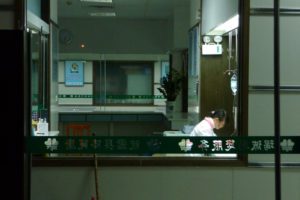
 China is now in its 13th five-year plan to improve its overall healthcare system, and it’s maintained a steady momentum so far. Universal health coverage has now taken center stage in the country as nearly 95% of citizens have some form of basic health coverage. China’s healthcare reform in 2020 reform is coming to a close and it is a far cry from the 1970s. The next projected reform to continue the expanded coverage seen in years prior and to optimize the quality of care for greater access will be in 2030.
A Brief Snapshot of China’s Previous Healthcare Reforms
During 1978, China underwent a period of transforming its economy to a socialistic market model, and as a result, its healthcare system shifted through two reform cycles. The initial cycle focused on funding via market forces to provide care, yet this came at the cost of higher hospital fees and low-quality services. Many became impoverished as the cycle took a toll on those with severe health concerns and rural populations.
In 2003, the government took on a series of health reforms to alter the state of the healthcare landscape. China’s healthcare reforms meant that social health insurance assisted the uninsured, which accounted for 75% of the populace. This effort aided urban workers and rural citizens alike. 2012 marked a significant stride as 95% of China’s population now had some form of basic healthcare. Ten years later, the country went through another transition in 2013 to return to a market influence on healthcare.
Lessons Learned
In 2016, the World Bank Group authored a report to address the reforms in China, which called for a more cost-effective healthcare system with a higher standard of quality. In turn, a massive study “was undertaken jointly with the World Health Organization (WHO) and three Ministries of the Chinese Government.”
As a result, the study determined that China had to change to a “primary-care centered an integrated model with provider payment reforms” to achieve desired healthcare reform results. If the country did not adhere to the study, it would increase its health spending drastically from 5.6% to 9.1% over the next twenty years.
2020 Reform: The 13th Five-Year Plan
China’s healthcare reform for 2020is yet another effort to transpose China’s previous efforts with those “below the poverty line.” A big focus will be providing basic healthcare to those living in rural areas to match the national average and to alleviate the burden of those in poverty due to healthcare expenses.
For example, this endeavor will increase hospital capacity and allow for investments in private hospitals, improved training for nurses and staff, optimize the grassroots level medical centers, better integration of medical technology and full comprehensive healthcare coverage is the goal set for the new reform.
Moreover, the primary focus was on implementing universal basic healthcare to more than 1.3 billion Chinese citizens as part of the new reform, but the entire system is going to see further changes. As of March 2018, the People’s Congress has outlined a plan “to improve efficiency and public services.”
In Action
Thus far, China has seen improvements from previous reforms as 1.35 billion participating in the “basic medical insurance program” in January 2020. The new healthcare model now insures 95% of Chinese citizens. Moreover, 72 drugs are now at a reduced cost under the insurance catalog as of November 2019, and a shortage prevention system is to ensure adequate drug supplies are in stock.
New service models will allow patients to withhold out of pocket expenses so that patients may receive treatment first. These provisions are possible through public funding of basic medical insurance, yet residents have the option of enrolling in an “Urban-Rural Resident Basic Medical Insurance” program through government subsidies. The plan covers all basic elements of hospital care as well as prescription drugs.
Dependent on the insurance plans, citizens are no subject to various copayment and deductible options. For individuals who are unable to cover the out-of-pocket costs, medical assistance programs are available through government-funded donations.
2020 and Beyond
Beyond the 2020 reform, China has its sights set on the 2030 healthcare agenda, which has 20 departments formulating what is next. This plan will further expand the healthcare sector to make it a much larger proponent in the economy by vastly improving the quality and reach of care across China.
Health equity is the driving force behind what is to come in 2020 with strides already conducted to ensure that goal. These efforts have already extended health coverage to the rural regions with “less than one-third of China’s population” having direct access to healthcare. Furthermore, the ongoing development with healthcare and traditional medicine will serve a role in maintaining chronic illness and disease prevention. Healthy China 2030 will be the initiative that takes the current healthcare climate to new heights.
– Michael Santiago

Hunger in Dominica: 5 Fast Facts
Hunger in Dominica: 5 Fast Facts
Dominica has been one of 15 Member States of CARICOM for over 50 years. CARICOM comprises mostly small, developing island countries, whose objectives include sustained economic development along with increased production and productivity. Among its many initiatives, in 2010 CARICOM established the Caribbean Agricultural Health and Food Safety Agency to assure the highest standards for trade in agricultural products. Dominica joined the 25% by 2025 initiative, where participating governments are working to reduce the region’s food import bill by 25% by 2025. This effort is linked to CARICOM’s Agri-Food Systems Strategy whereby special attention is given to priority crops and products, e.g., rice, “niche” vegetables, meat, poultry, corn and soya—all products heavily imported in the region.
– Staff Reports
Photo: Flickr
Updated: September 25, 2024
Equality and Empowerment for Women in Egypt
More Inequality Toward Women in Egypt
This repressive verdict is only the most recent in a series of laws and court decisions. Similar to others, it squashes young women’s freedom of expression in Egypt. This is especially done on the internet. More than 40% of Egyptian youths are regular internet users, which opens many doors for communication, education and entertainment. However, the certain punishments of young women for their behavior on the internet do not apply to young men in the same way. For instance, a belly dancer who posted videos on the internet was sentenced to three years of imprisonment for debauchery, and other female singers, artists and dancers have received similar treatment.
Given that gender equality and women’s empowerment are crucial to eradicating global poverty, attacks on women like these by the Egyptian government are especially troubling. In light of these disturbing outcomes for young women in Egypt, it is important to highlight nongovernmental organizations. These are the NGOs that do the important work of fighting for gender equality and empowerment in Egypt. The below organizations work to elevate women’s status in Egyptian society by providing opportunities for economic participation. They also work to address sexual violence and improve access to education.
What is Being Done
Only 26% of Egyptian women participate in the labor force, compared with 79% of men. Women in developing economies that include the economy of Egypt will forge progress in gender equality, economic growth, and poverty eradication.
The Center of Egyptian Family Development operates in Upper Egypt, providing women with economic opportunities. The NGO provides technical training and marketing support for handicraft production offered exclusively to women in this area. The NGO has reached nearly 340 women with its economic initiatives and has seen numerous positive outcomes. Communities are more aware of gender equality issues, women have improved negotiation power, and many women have since become interested in running for local elections.
Women also suffer from lower literacy rates in Egypt at 65% compared to 82% for males. Access to education for women and girls is critical to ensuring their active participation in the workforce and the reduction of poverty. One NGO working to protect access to education is the Association of the Advancement of Education. This organization prioritizes reducing dropout rates for Egyptian girls through researching and influencing education policy.
Based in Cairo, the NGO works with the United Nations as well as the Egyptian Ministry of Education to achieve its goals.
More Help from Organizations
Another enormous obstacle that women in Egypt face is the prevalence of sexual harassment and violence. Operation Anti-Sexual Harassment/Assault in Cairo provides a hotline for victims of sexual assault, and also works to combat sexual harassment in public places. This organization steps in to evacuate women from violent situations. It also provides them with legal and medical assistance and operates safe houses as well. The group also believes in the importance of female participation in its cause. It erodes the narrative that women need to be rescued by men. Activist Reem Labib said, “The solution is not just for men to defend us. We, too, have to participate.” Where the Egyptian government and courts fail the women of the country, groups such as OpAntiSH step in.
The NGOs highlighted above are only a few of the myriad organizations working tirelessly toward women’s equality and empowerment in Egypt. They face many barriers like the recent women’s censorship online and the harsh punishments that followed. However, one thing is clear: Egyptian women have demonstrated their refusal to be silent and complicit. As a result, a new generation of young activists yields hope.
– Addison Collins
Photo: Care
Celebrities Who Advocated For Yemen
What is Going on in Yemen?
The ecology issue in Yemen is partially responsible for its political instability. Each citizen, on an annual average, has around 140 cubic meters of water usage. Yemen’s lack of a main water source has led to its low supply of food. This unfortunate problem has created many disputes in rural areas over food and water supplies. The quarrels are responsible for about 4,000 deaths each year. In addition, Yemen has been a part of an ongoing war. The war in Yemen started in 2014 when the Houthi rebels controlled the capital of Yemen and the largest city, Sana’a. They demanded lower fuel prices and a new constitution. Due to that, as of 2015, over 100,000 Yemen citizens have lost their lives and homes. As of now, Yemen is in need of foreign aid. Thus, many individuals, including celebrities, are shedding awareness to Yemen’s humanitarian crisis.
American Celebrities Who Advocated for Yemen
Halsey is an American singer, songwriter and activist. She advocated on her social media about the humanitarian crisis Yemen is currently experiencing. She shared that she has made a $20,000 donation to help the children who are suffering. Halsey encourages her supporters to shed a light on Yemen’s issue by sharing her posts and tells them to donate.
Additionally, George Clooney is an American actor, film producer, director and activist. Back in 2017, he began advocating on the crisis in Yemen and other neighboring countries. He is actively known for his humanitarian services. At the time, he encouraged all Americans to contribute donations for those suffering on impoverished lands.
Gigi Hadid, an American fashion model, is also one of the celebrities who advocated for Yemen. She did this by advocating for its crisis through her Instagram story. She brought awareness by sharing a post from an Instagram account named @muslim. In addition, Hadid provided a post with links for her fans to donate.
More Celebrity Advocates
Furthermore, Ben Stiller is an American actor, comedian, film producer, film director and writer. Since 2017, he has been urging citizens to pay attention to countries facing huge humanitarian crises. These countries include Somalia and its neighboring territories. He posted a two-minute video on his Twitter, informing viewers on how certain countries’ citizens are dying due to the lack of resources.
Mark Ruffalo is an American actor and producer who is famously known for his role in the film “Avengers: EndGame.” He called for citizens to help stop the ongoing illegal war in Yemen. In a video he spoke in, Ruffalo informed his viewers that the United States is providing weapons to Saudi Arabia, who are also using starvation as a tactic of war. He stated that the U.S.’s involvement is unconstitutional and needs to be stopped. Ruffalo urged people to call Congress and vote for the Sanders-Lee Resolution to end the unauthorized U.S. war in Yemen.
Overall, when celebrities advocate on behalf of countries in need of aid, such as Yemen, they are bringing awareness to millions of their social media followers who were possibly unaware of foreign issues. By making generous donations, celebrities and their fans are able to make changes and improve the living conditions of Yemen citizens.
– Megan Ha
Photo: Flickr
COVID-19 Unites Brazil’s Favelas
Brazil’s Viral Epicenter
Favelas became epicenters for COVID-19. The number of infected individuals is 17% of the inhabits in favelas are infected in relation to 7.5% in the entire city. Data shows that the most at risk are those of ethnic minority groups. Sao Paulo’s municipal government data states that 62% of black Brazilians are at a higher risk of dying from COVID-19 than white Brazilians. According to the Ministry of Health, one out of three deceased has been from a population of color.
Gang-Enforced Curfews
Rampant gang warfare is well-known in favelas. However, favela residents initially stuck to social distancing guidelines due to local drug gangs imposed curfews in some settlements as well. In Rocinha, residents feared death threats as a result of violating curfew. In another favela, gangs enforced a strict 8 a.m. to 8 p.m. curfew for nearly a month.
Also, gangs have used a variety of methods to spread the news of these lockdowns. Large posters, social media and public announcements made through megaphones atop moving cars have been their delivery method. They even boldly proclaimed that if the government does not have the capacity to fix it, organized crime will solve it. Favela gangs are the first to know about what happens inside these settlements and often make decisions regarding any actions taken.
Luiz Henrique Mandetta, the former health minister, even recommended that authorities have an open discourse with gangs to quell the outbreak within the various favelas. However, removing Mandetta from his position led to his recommendation never coming into effect.
Favelas Unite to Fight COVID-19
In Brazil, 13 million people inhabit favelas across the country. They are unable to handle self-isolation or maintain proper sanitary standards needed to halt the spread of COVID-19. However, residents throughout the various favelas have made notable efforts to fight back.
Paraisopolis is the second biggest favela in Sao Paolo. It has taken on a local production of face masks, the distribution of food rations and hygiene supplies to aid residents. Two makeshift sick wards have opened for those who might be a carrier. For two weeks, 300 residents used the facilities for isolation.
Furthermore, favelas have even organized ambulances to respond to emergencies with doctors, and three have been hired in Paraisopolis. When the municipal government failed to help, proceeds came from donations and crowdsourcing efforts.
Additionally, around 100,000 people live within Rocinha, yet 1 out of 4 tested positive for COVID-19. Rocinha is the largest favela in the country and it is located in Rio de Janeiro. Further outreach efforts via campaigns to inform the denizens of risks associated with COVID-19 continue.
From daycares to financial aid for children to study, the favelas are reacting in solidarity to the outbreak. These initiatives taken by Brazil’s most impoverished population are a stark contrast to the official response from municipal governments across the country. A bold, yet critical, move to combat the pandemic.
– Michael Santiago
Photo: Flickr
The Haitian Water Crisis During Covid-19
On March 19, Haiti’s government declared a state of emergency wafter confirming its first COVID-19 case. Haiti has confirmed over 6,000 cases of COVID-19 since then. Fortunately, Haiti has seen low death rates reported at less than one percent and, despite experiencing some case spikes, Haiti’s COVID-19 cases have been on a downward trend since the beginning of June. However, without proper precaution, COVID-19 death rates could easily be back on the rise in Haiti.
Covid-19 and Water
According to a public health announcement issued by the World Health (WHO) Organization, one of the most effective ways to avoid COVID-19 contagion is to wash your hands regularly. WHO also recommends frequently cleaning and sanitizing surfaces and everyday objects.
Any WHO-advised COVID-19 prevention measures that require increasing sanitation practices pose a problem for Haiti. Only about half of the Haitian population has access to clean water, and only one-third of the population has access to basic sanitation facilities. The Haitian water crisis is making it difficult for citizens to take precautions. Water resources and sanitation facilities are particularly inadequate in rural areas of Haiti. Lacking the resources to combat COVID-19 will only increase the probability of contracting the already highly contagious virus.
Along with the pressure of a worldwide pandemic, Haiti is still dealing with the effects of a devastating natural disaster. In 2010, an earthquake decimated Haiti destroying essential infrastructures in Port Au Prince, Haiti’s Capital city. The earthquake caused mass displacement and migration to rural areas of Haiti. These highly populated rural areas are now struggling to contain COVID-19 contagion without the necessary resources to prevent widespread contamination.
Another challenge rural Haitians face is the lack of communication with the government about COVID-19 prevention methods. Because rural areas host almost half of the population in Haiti, many Haitians are unaware of the need for proper sanitation. PureWaterfortheWorld.org is working along with the Centre of Affordable Water and Sanitation Technology to get radio and virtual COVID-19 prevention sanitation methods to rural areas of Haiti that experience government communication issues. The PWW proposes driving trucks through rural areas while blasting sanitation messages through loudspeakers.
The Way Forward
While the PWW focuses on the dissemination of information, many are working to provide better sanitation in rural communities. These organizations aim to provide clean water and hygienic sanitation facilities to curb the spread of COVID-19. An organization called Charity:water.org establishes long-term water solutions in rural Haiti. Charity:water.org uses hydrologists and engineers to design wells and pumps that extract water from natural resources in mountains and springs. Up to now, Charity:water.org has invested in 40 water projects in Haiti and over 50,000 all over the world.
The organizations working to provide better and more accessible water resources to rural Haiti will significantly impact the prevention of COVID-19 through sanitation practices. Along with the efforts to advertise the importance of sanitation, the western hemisphere’s poorest country can manage COVID-19 amid a water crisis.
– Kaitlyn Gilbert
Photo: Flickr
How Jio Transformed Internet Access in India
High Speed, Affordable Internet
Jio was launched in 2015 by Indian billionaire, Mukesh Ambani, as a part of his $125 billion company, Reliance Industries. With deep sources of funding, Jio could afford to invest over $22.5 billion. This would go toward an ambitious plan to build a nationwide 4G mobile. Unlike 2G and 3G, 4G technology handles both data and voice in the same, data-efficient way and offers cheaper and faster speeds. This has made 4G technology the backbone of the modern internet. It enables the speed and instant connectivity required for tasks like streaming videos or online banking.
After it launched, Jio gained customers by giving them access to its 4G network entirely for free in 2016. It has since introduced rates that start as low as $1 a month and scale to offer gigabytes of data for just a few dollars. Along with the mobile network, Jio has built an online ecosystem and sells its own 4G smartphone. Customers can acquire smartphones for as little as a $20 deposit. Jio’s low prices have been a complete gamechanger for the hundreds of millions of Indians who previously couldn’t afford an expensive data plan.
Over the past four years, Jio has gained almost 400 million subscribers and became the largest mobile network on the planet. With the tremendous scale and 4G infrastructure, Jio has been able to make money while upending the Indian mobile market. Competitors have been forced to cut prices to compete, leading to a 35% drop in revenue in the industry over the past two years despite an expanding market.
What it All Means for India
Jio has fundamentally transformed what internet access in India looks like for hundreds of millions of people. Access to the internet in rural areas has tripled since 2015 and is growing at a rate of 35% a year. As a result of Jio’s prices and 4G infrastructure, analysts estimate that the average internet user has gone from using 700MB of data a month to 11GB. This means that more people are accessing sites such as YouTube, for which India is currently the fastest-growing market.
Currently, 80% of poor people in India live in rural areas. Rapid growth in internet access stands to shorten the opportunity gap between urban and rural areas. In recent years, there has been a boom in tech companies innovating in e-commerce. They have also been innovating in financial services and entertainment among other things. For many people in rural areas, access to the internet also means access to services that can improve their quality of life. These services include online education programs.
Just the Beginning
For all of Jio’s success, 627 million people in India are internet users. It is expected that millions more will be online over the next few years. Google, Facebook and other American tech companies have announced over $20 billion in investments with Jio so far in 2020. By all accounts, the internet transformation unleashed by Jio is just beginning. Internet access in India will continue to expand at a very high rate over the years to come.
– Jack McMahon
Photo: Flickr
China’s Healthcare Reform in 2020 and Beyond
A Brief Snapshot of China’s Previous Healthcare Reforms
During 1978, China underwent a period of transforming its economy to a socialistic market model, and as a result, its healthcare system shifted through two reform cycles. The initial cycle focused on funding via market forces to provide care, yet this came at the cost of higher hospital fees and low-quality services. Many became impoverished as the cycle took a toll on those with severe health concerns and rural populations.
In 2003, the government took on a series of health reforms to alter the state of the healthcare landscape. China’s healthcare reforms meant that social health insurance assisted the uninsured, which accounted for 75% of the populace. This effort aided urban workers and rural citizens alike. 2012 marked a significant stride as 95% of China’s population now had some form of basic healthcare. Ten years later, the country went through another transition in 2013 to return to a market influence on healthcare.
Lessons Learned
In 2016, the World Bank Group authored a report to address the reforms in China, which called for a more cost-effective healthcare system with a higher standard of quality. In turn, a massive study “was undertaken jointly with the World Health Organization (WHO) and three Ministries of the Chinese Government.”
As a result, the study determined that China had to change to a “primary-care centered an integrated model with provider payment reforms” to achieve desired healthcare reform results. If the country did not adhere to the study, it would increase its health spending drastically from 5.6% to 9.1% over the next twenty years.
2020 Reform: The 13th Five-Year Plan
China’s healthcare reform for 2020is yet another effort to transpose China’s previous efforts with those “below the poverty line.” A big focus will be providing basic healthcare to those living in rural areas to match the national average and to alleviate the burden of those in poverty due to healthcare expenses.
For example, this endeavor will increase hospital capacity and allow for investments in private hospitals, improved training for nurses and staff, optimize the grassroots level medical centers, better integration of medical technology and full comprehensive healthcare coverage is the goal set for the new reform.
Moreover, the primary focus was on implementing universal basic healthcare to more than 1.3 billion Chinese citizens as part of the new reform, but the entire system is going to see further changes. As of March 2018, the People’s Congress has outlined a plan “to improve efficiency and public services.”
In Action
Thus far, China has seen improvements from previous reforms as 1.35 billion participating in the “basic medical insurance program” in January 2020. The new healthcare model now insures 95% of Chinese citizens. Moreover, 72 drugs are now at a reduced cost under the insurance catalog as of November 2019, and a shortage prevention system is to ensure adequate drug supplies are in stock.
New service models will allow patients to withhold out of pocket expenses so that patients may receive treatment first. These provisions are possible through public funding of basic medical insurance, yet residents have the option of enrolling in an “Urban-Rural Resident Basic Medical Insurance” program through government subsidies. The plan covers all basic elements of hospital care as well as prescription drugs.
Dependent on the insurance plans, citizens are no subject to various copayment and deductible options. For individuals who are unable to cover the out-of-pocket costs, medical assistance programs are available through government-funded donations.
2020 and Beyond
Beyond the 2020 reform, China has its sights set on the 2030 healthcare agenda, which has 20 departments formulating what is next. This plan will further expand the healthcare sector to make it a much larger proponent in the economy by vastly improving the quality and reach of care across China.
Health equity is the driving force behind what is to come in 2020 with strides already conducted to ensure that goal. These efforts have already extended health coverage to the rural regions with “less than one-third of China’s population” having direct access to healthcare. Furthermore, the ongoing development with healthcare and traditional medicine will serve a role in maintaining chronic illness and disease prevention. Healthy China 2030 will be the initiative that takes the current healthcare climate to new heights.
– Michael Santiago
How the Beirut Explosion Could Impact Health
Though there is still uncertainty about the massive explosion that occurred on August 4, 2020, near the port of Beirut, the capital of Lebanon, there are some facts and predictions about the health outcomes that it has and will cause. NGOs mobilized humanitarian aid teams immediately after the tragedy in an effort to provide aid. The recent explosion could impact much of the population’s health, considering the mass amounts of ammonium nitrate and other toxins in the air, the falling infrastructure and destroyed hospitals, an increasing lack of access to healthcare and the rising demand for emergency response teams. The following four points are a few of the health outcomes and predictions regarding the Beirut explosion, as well as what organizations on the ground are doing to help those the explosion impacted the most.
4 Facts About How the Beirut Explosion Could Impact Health
Beirut has a population of nearly 2.5 million people, all of whom may be at risk of detrimental health outcomes from the explosion. When considering the impacts of the toxins in the air, destroyed housing and other vital infrastructure and mental health impacts from the Beirut explosion, it is critical for experts to account for and properly assess present and future health outcomes in order to aid the affected civilians. The most reliable and effective place to donate is through the Lebanese Red Cross. Thirty teams mobilized to work on the ground in Beirut; they worked on rescuing and searching for the wounded, and treating them on-site and/or transporting them to hospitals. Additionally, Lebanese Red Cross teams have provided emergency shelter for thousands of families, with goals to shelter over 10,000 families in the coming months, as well as offer food, water, hygiene kits and PPE to families.
– Naomi Schmeck
Photo: Wikipedia
Pregnant Women and Children In the Yemen Crisis
The Yemeni Civil War began in 2015 and has become a humanitarian crisis, devastating families and communities. The conflict between the Yemeni government and Houthi rebels continues with no end in sight. More than 80 percent of the population, about 24 million people, lack food, health care and safe living conditions. Those who need assistance most are pregnant women, newborns and children.
Childcare and the Civil War
The civil war in Yemen prevents the most defenseless people in Yemeni society — pregnant women, newborns and children — from receiving life-saving medical treatment on time. At MSF’s Taiz Houban Mother and Child Hospital, the number of children and newborns dead on arrival at the location has doubled from 52 in 2016 to 103 in 2018. The most prevalent causes of death in newborns were prematurity, deprivation of oxygen known as birth asphyxia and severe infection.
Families struggle to find access to limited medical facilities and must navigate frontlines and checkpoints to receive care. Additionally, the Yemenis’ ability to access healthcare of any kind has dramatically diminished. Due to the declining economy that has devalued people’s savings, the vast majority depend on insufficient public healthcare.
Despite the conditions pregnant women and children during the Yemen Crisis are facing, several organizations aim to help these disadvantaged Yemenis receive the care they need.
Stay Safe Mama Project
The United Nations Population Fund, with help from the Kingdom of Saudi Arabia and the United Arab Emirates, has launched the Stay Safe Mama project so that pregnant women in Yemen can safely deliver their babies. As a result, 300 health facilities have been enhanced with reproductive health kits, medicine and supplies for maternity units. The project also supports midwives in local communities so that pregnant women and children during the Yemen Crisis who don’t have access to a hospital can still obtain the care they deserve. Aisha, a 27-year-old, who fled the violence from her village in Hodeida and now lives in a small shack with multiple relatives and children, received healthcare through a center organized under the ‘Stay Safe Mama’ project.
“The care I received at the center was beyond what I expected,” Aisha told representatives from UNFPA. Aisha also said that she “had regular check-ups, and when it was time to give birth, [she] was not worried anymore. [She] gave birth to a healthy baby girl.”
Responsive Governance Project
The Responsive Governance Project (RGP), with the assistance of the U.S Agency for International Development (USAID), provides instruction to improve the skills and knowledge of midwives. Additionally, RGP’s main priority is to provide pregnant women and children during the Yemen Crisis access to emergency obstetrical and natal care. Dr. Jamila Alraabi, the Deputy Health and Population Minister, states that the RGP has supported her agency and local health councils to improve maternal health policies.
In speaking with Jeff Baron from Counterpart International, Dr. Alraabi said that “no one can work alone, and no one can achieve success alone. It should be a partnership, and this is our hope in Yemen, that we will not have a woman die from preventable causes.”
UNICEF and Yemen
The United Nations Children’s Fund (UNICEF) provides Yemenis access to health treatment and access to safe water for drinking, cooking and personal hygiene. As of August 2019, UNICEF maintained over 3,700 health centers and aided around 730,000 pregnant and lactating women by providing basic health care services. Additionally, 11.8 million children were vaccinated for measles and rubella, and 200,000 children were treated for severe acute malnutrition. Going forward, UNICEF’s efforts will focus on “strengthening systems, improving access to primary health care, as well as malnutrition management and disease outbreak response, including maintaining vaccination coverage.”
These three organizations are just examples of the efforts raising awareness and providing aid toward the Yemen Crisis. Children continue to be killed and injured during the conflict. Before COVID-19, 2 million children under the age of five were dying from acute malnutrition and in need of treatment. In addition to this, around 70 percent of the arriving pregnant women experience “obstructed labor, prolonged labor, eclampsia, uterine rupture or post-partum bleeding” and other life-threatening conditions. While the conflict continues, these organizations are making efforts that have helped many women and children in Yemen.
– Mia Mendez
Photo: Flickr
Refugee Poverty in the Netherlands
In 2018, the Netherlands’ government reported that 584,000 households, or 7.9% of the general population, were subsisting on an income at or below the poverty line. In other words, they were making less than 60% of the national median disposable income. This is relatively low; the Netherlands has the fifth-lowest rate of poverty amongst the nations in the European Union, and poverty rates have been on the decline over the past several years due to economic growth and lower unemployment rates. However, refugee poverty in the Netherlands remains a major concern.
The Netherlands’ Reputation
Refugees and immigrants have always been attracted to the country because of its historically high levels of tolerance. The Netherlands is also notorious for being a nation of prosperity, egalitarianism and humanitarian aid. For instance, in World War I, 900,000 Belgians sought refuge in the Netherlands, which was neutral, to escape fighting. During the Holocaust, tens of thousands of people fleeing the Nazis hid in the Netherlands until Axis powers occupied it.
Fast forward to the 21st century, and once again, tens of thousands of people from all over the world are applying for asylum in the Netherlands each year. Although some are moving around within the European Union, many are escaping their war-torn countries of birth. In 1998, this was due to the Yugoslav wars, which kept the number of asylum seekers at high numbers until 2004. In 2015, the Syrian Civil War commenced the flow of a new wave of refugees that are still coming in high numbers today.
The Struggle for Refugee Poverty in the Netherlands
Although the country welcomes these refugees, they do not fare as well economically as their Dutch counterparts. Currently, 79% of Syrian refugees are making less than the low-income threshold, and 95% rely on income support as their main source of income. The nationality of refugees that are best off, Iranians, are still four times as likely to be living in poverty as their Dutch counterparts. In total, 53% of refugee households have a low income.
A cycle has developed because sectors of the Dutch economy, such as agriculture and labor, depend on migrant workers. However, these jobs consistently do not pay well, and few efforts occured to increase their wages. Because refugees typically do not have schooling on par with those from the EU, they have limited job options, and they continue to struggle economically.
The One’s Providing Aid
The Dutch government has done a lot to help incoming refugees. To ensure that immigrants are adjusting well to a new country, immigrants must take a national integration exam within three years of arrival. There are additional levels of support for highly educated refugees resettling in the Netherlands. The Foundation for Refugee Students (UAF) allows for better planning of “educational guidance, language training and educational courses once refugees arrive in the Netherlands.” UAF provides housing for refugees in areas that are close to universities and higher education establishments, and it has recently created a mentor program that matches Dutch students with resettled refugees to provide them with support to settle into university life.
The Netherlands has been a place refugees immigrated to during many different conflicts, including the 2015 Syrian Civil War. However, an economic gap still remains between native-born Dutch citizens and refugees. In order to address this issue, the government and UAF have been working to make the transition into the country easier and positively impact refugee poverty in the Netherlands.
– Sophie van Leeuwen
Photo: Pixabay