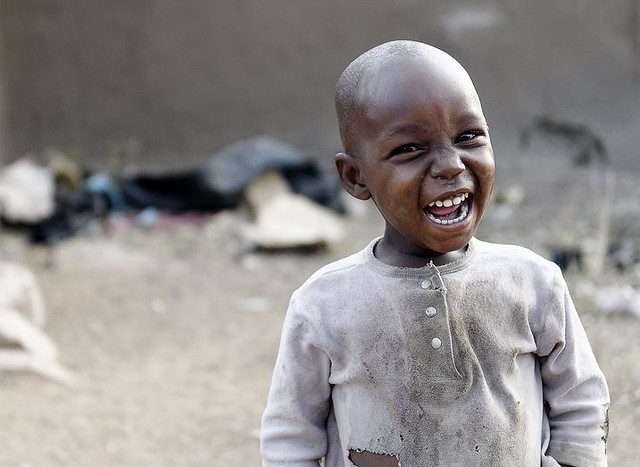
Homelessness in Burkina Faso is a crisis in a long list of crises. Aside from the ongoing challenges that confront the landlocked West African nation, housing shortages have escalated for over 18 million inhabitants. The woes of the former French colony are plentiful, but Burkina Faso’s U.N. advisor, Miriame Fofaso, sees hope in Burkina Faso’s future.
A Brief History
- In 1960, Burkina Faso gained independence from France, which had held the nation as a protectorate since 1896.
- Since the 1960s, the region has had a number of military coups and juntas laying the foundation for ongoing destabilization.
- People knew Burkina Faso as Upper Volta until 1984 when the country decided to break with its colonial past.
- Burkina Faso has inclement weather (floods, droughts, etc.) which continue to put stress on housing, food, clean water and several mainstays of infrastructure and economic health.
- In April 2020, flooding wiped out internally displaced persons (IDPs: Burkinabé residents) camps and washed away homes, businesses, agricultural harvests and livestock.
- Militant groups have carried out countless terrorist attacks throughout the countryside. Groups like the Al Qaeda-inspired Jama’at Nusrat al-Islam wal Muslimin (JNIM) and the
Islamic State of the Greater Sahara (Sunni Islamists) have increased by several hundred since 2015.
- Refugees from surrounding war-torn countries (Mali, the Central African Republic and more) add to the homeless crisis.
- Homelessness in Burkina Faso is a struggle, as the weather and raids have displaced a staggering number (700,000) of Burkinabé citizens, of whom 40% live off $1.25 per day. Due to these issues, current data on homelessness is sparse. Some sources claim a 100% increase in homelessness (1 million), as compared to early in 2020 (450,000).
The needs of the Burkinabé are growing, according to Jerry-Jonas Mbasha, the health cluster coordinator for the World Health Organization (WHO) in Burkina Faso. The landlocked nation had 1,929 COVID-19 cases as of September 27, 2020.
Within the homeless population, there is also susceptibility to disease due to a lack of basic needs like clean water, health care, basic hygiene and sanitation. This includes diseases that were already present before the pandemic, like cholera, dengue fever and yellow fever to name a few.
COVID-19 Relief
In an unfortunate, but not unforeseen turn of events, COVID-19 has ravaged the countryside in almost apocalyptic fashion. The International Organization for Migration (IOM), a United Nations entity that appeals to public and private partners, raised $37.8 million to aid 480,000 people in June 2020. The organization has provided health kits, community and IDP camps awareness campaigns regarding the virus, providing temporary housing and more.
The European Civil Protection and Humanitarian Aid Operations, an arm of the European Union, has also added to the relief funding, earmarking €22.5 million to aiding the country’s humanitarian aid needs. But the economic impact has already disrupted economic viability for families, whether it be lockdown measures or children’s school cancellations.
A New Hope
Homelessness in Burkina Faso seems hopeless and endless, with the coronavirus adding to the stresses of a county already on the brink. That is unless Mariame Fofana is involved. Fofana serves as the Burkinabé Ambassador Deputy Permanent Representative at the U.N. Social Development Commission. The commission is devoted to developing housing relief in the impoverished nations of the U.N.
Under her tenure, she has successfully lobbied for the funding of 35,000 new government housing units from the U.N. In a session from earlier this year, she drew attention to the opportunity for solutions, saying that “2020 provides a chance for the international community and the Commission to take stock of its work in social development [….] underlining the need to prioritize poor and vulnerable people.”
Fofana has advocated for anti-poverty investments for several years. Fofana serves on the Group of 77, an international organization of developing nations within the U.N. that advocates for the needs of developing countries.
At a 2019 International Day for the Eradication of Poverty meeting, through her French-accented English, she conveyed sympathy for her people. Noting the terrorist attacks that had ravaged the Burkinabé countryside, she called on younger generations to fend off discouragement and depression. ‘Young people? Who better than you, through your innocent eyes, can make us better aware of a need to build a world of solidarity, prosperity, and security? Where all children, without exception, will benefit from the full enjoyment of their right[s].”
Fofana represents a light for homelessness in Burkina Faso and an international hope for the Burkinabé population. Perhaps in the future, that hope will prevail.
– Christopher Millard
Photo: Flickr

New Ghanian Research and Training Center Aids African Supply Chains
USAID recently announced its plans to invest $15 million in the development of a state-of-the-art research and training facility in Ghana that aims to improve African supply chains. Supply chains constitute the path that goods take as they go from a mere idea to a concrete purchase. Goods move through supply chains from companies to manufacturers and finally to buyers. Supply chains often operate on a global scale as communication and technology have progressed. Struggles to join capital-building and international supply chains prevent many African economies from experiencing serious growth.
According to Arizona State University research, healthy, efficient supply chains are essential for economic development. Furthermore, healthy supply chains are crucial to providing widespread access to necessary goods such as medicine and sanitary products. To grow African economies and expand access to resources, USAID is sponsoring a groundbreaking research and training facility in Ghana. It will be named the Center for Applied Research in Supply Chain-Africa. This facility aims to strengthen supply chains across the African continent.
A Research and Training Facility Rooted in Innovation and Education
The Kwame Nkrumah University of Science and University Technology in Ghana and Arizona State University, who have successfully partnered on projects in the past, will spearhead the Center for Applied Research in Supply Chain-Africa, also called CARISCA. Accordingly, the research and training center will function as a facility to “connect African researchers, practitioners, and businesses to supply chain assets around the world.” Additionally, the partnership between Kwame Nkrumah University and Arizona State University is a facet of USAID’s BRIDGE-Train program that seeks to connect American and African institutions in order to strengthen international relationships in education. Thus, the training center will not only connect business professionals but students and educators as well.
The Center for Applied Research in Supply Chain-Africa intends to boost economic autonomy in African countries. As a result, it focusses on providing marginalized populations with the opportunity to join expanding supply chains. USAID has committed itself to investments that will stimulate long-term growth. These will consequently reduce global poverty and decrease the need for international aid.
An African Free Trade Agreement
With the establishment of the African Continental Free Trade Area in 2019, the research and training facility in Ghana will likely prosper. The agreement will permit free trade between 28 African countries. Moreover, it will remove barriers that previously hindered movement through African supply chains. In 2016, only 18% of exports were intra-regional, meaning that relatively little trade is taking place between African countries. Researchers believe that by increasing intra-regional trade, many African economies could grow in order to make the whole continent a more dynamic force in international markets.
The development of the Center for Applied Research in Supply Chain-Africa in Ghana is a major investment in African economic growth. It will hopefully provide opportunities for innovation in African businesses.
– Courtney Bergsieker
Photo: Pixabay
How Microfinance Empowers Women
How Do Loans Help Women?
Women account for 74% of the clients of microfinance institutions, which provide credit to almost 20 million people around the world. These loans help women in developing countries gain autonomy while also positively impacting their children and the opportunities available to them. When women gain financial security, they are more likely to invest money in their children’s education or medical expenses. Microfinance for women can also have positive impacts on entire communities. For instance, through the prioritization of education and reduction of gender inequalities.
Women’s Empowerment Benefits the Economy
Microfinance enables women around the world to start businesses and act on ideas that they would not be able to achieve without a loan. FINCA, a Microfinance institution, has stated that 72% of its female clients were able to provide for their families and send their children to school. Gender inequality has significant economic implications. According to Kiva, another Microfinance institution, there are 1 billion women around the world without access to a savings account and necessary credit. Women earn 63% less than men on average and over twice as many men are involved in the early stages of business planning. Kiva loans have helped 2.7 million women in 94 countries, and 83% of the institution’s loan recipients are women. Additionally, these loans impact communities by building confidence in young girls. Estimates have determined that by 2025 the global GDP would grow by $12 trillion if women equally contributed to the economy.
Women’s Empowerment and Healthcare
Microfinance programs often require women to meet on a weekly or monthly basis to repay loans and deposit money. This allows women to come together and simultaneously provides financial security while building support systems. These meetings also create an opportunity to provide health education to women who lack insurance and access to health care. Specifically, HIV/AIDS prevention programs can increase the reproductive and sexual health of marginalized women.
Therefore, in many different ways microfinance empowers women. It not only allows women to gain independence financially but it increases opportunities for children and positively affects entire communities. Enabling women to gain financial security and empowering young girls can help decrease gender inequality around the world and combat poverty. From this, it is clear that microfinance has a far greater impact on poverty and female empowerment than simply providing a loan.
– Maia Cullen
Photo: Flickr
Female Empowerment through UN Partnership
When Gaby Aghion founded the French fashion brand Chloé in 1952, she desired to give young women control of their destinies. While Aghion attached destiny to elegant clothing, Chloé’s recent partnership with UNICEF will expand her company’s mission. Chloé seeks to mobilize young women beyond the runway by endorsing UNICEF’s #GirlsForward campaign. All this, to increase female empowerment through U.N. partnership.
What is #GirlsForward?
The #GirlsForward campaign will optimize educational opportunities for 6.5 million girls. Chloé’s partnership with UNICEF will equip young women “with [the] digital and technology skills, entrepreneurial capacity, spirit and confidence” they need to succeed in the workforce. In March, UNICEF began implementing the #GirlsForward program in Bolivia, Jordan, Morocco, Senegal and Tajikistan.
Both UNICEF and Chloé recognize global gender disparities and will attempt to correct them through quality education. UNICEF claims that “one in three girls are not enrolled in secondary school” as “girls aged 10–14 tend to spend 50% of their time doing chores.” Their families do not prioritize their education but confine them to domestic spaces.
As girls mature and grow, they remain outside the educational system and do not receive equal employment opportunities. If they dare venture into the workforce, Chloé contends that women remain segregated from networks and capital, receiving only 77% of what men earn. Chloé’s efforts to remedy this disparity center in female empowerment through U.N. partnership (specifically, with UNICEF) — and seeking to amend these systemic barriers by making girls’ education a worldwide priority.
Voices of Youth Pushes for Girls’ Education
Chloé hints that “supporting girls education could help us all;” however, the organization Voices of Youth specifically outlines the potential benefits. Like Chloé and UNICEF, Voices of Youth believes girls’ education is a lifeline to their development. An affiliate of UNICEF, Voices of Youth argues that supporting girls’ education will:
A Promising Future for All
The #GirlsForward campaign understands these benefits and yearns to educate every adolescent girl in the developing world. As Voices of Youth suggested, education will ultimately improve the lives of young girls and their communities. Chloé’s initiative to support young girls in the developing world pushes forward the agenda of female empowerment, through U.N. partnership. With UNICEF as a partner, Chloé’s mission stretches beyond fashion and will help transform young women into successful entrepreneurs, scientists and coders.
The three-year partnership began on International Women’s Day during the Paris Fashion Week — a fitting time for Chloé to expand its mission statement. Although its goals might be shifting from clothing to education, Chloé will hold fast to the teachings of its founder, helping young women around the world gain control of their destinies.
– Kyler Juarez
Photo: Wikimedia Commons
Rihanna’s Clara Lionel Foundation
While people may best know Rihanna for her music, she has also used her fame and influence to become a powerful force for global change. In 2012, she launched the Clara Lionel Foundation. This philanthropic organization works to strengthen vulnerable communities in Africa and the Caribbean. Here are a few ways the Clara Lionel Foundation (CLF) has fought against global poverty.
Emergency Response
Every year, natural disasters around affect over 200 million people worldwide and push 26 million into poverty. In the wake of a natural disaster, donors and organizations often rush to provide support and resources to impacted areas. However, after donors eventually lose interest, these regions are left helpless; furthermore, numerous organizations trying to help can become ineffective if they do not communicate with each other.
The Clara Lionel Foundation’s climate resilience and emergency preparedness plan proactively helps vulnerable communities prepare for environmental disasters. Rather than focusing on reactionary rebuilding, they can get ahead of future problems. In 2018, the organization worked to strengthen existing infrastructure in the Caribbean to withstand future disasters and eliminate the need for extensive rebuilding.
The Foundation recognized that women’s health centers often go unincluded in typical emergency response assistance initiatives. Therefore, it partnered with the International Planned Parenthood Federation and Engineers Without Borders to improve access to reproductive health clinics in vulnerable Caribbean areas.
Additionally, the CLF issued a $25 million grant for emergency equipment at the beginning of the 2018 hurricane season. This money helped ensure that relief organizations could distribute these supplies whenever necessary. The aim of this proactive emergency response model is to turn the Caribbean into the world’s first climate-resilient zone, a strategy that could eventually scale up and adapt to protect other vulnerable communities around the world.
Global Education
The Clara Lionel Foundation has worked since 2016 to provide access to education for vulnerable children in the Caribbean and Sub-Saharan Africa, focusing on Malawi, Barbados and Senegal. CLF partners with the Campaign for Female Education in Malawi to support girls’ secondary education. They provide financial assistance and transportation. CLF also provided paid internships for secondary school graduates to become trained HIV testers. This initiative created employment opportunities and helped to address a prominent health crisis. In Senegal, CLF invests in repairing and constructing classrooms for children who lack a safe place of education.
In 2016, Rihanna and the CLF joined the Global Partnership for Education (GPE) to advocate the importance of accessible education. As the GPE Global Ambassador, Rihanna visited impoverished schools in Malawi and encouraged world leaders to increase support for global education initiatives.
COVID-19
As communities worldwide face the devastating effects of the COVID-19 pandemic, the Clara Lionel Foundation has stepped in to help. The foundation donated $6.2 million in partnership with Jack Dorsey and the Shawn Carter Foundation to help marginalized communities in the U.S., Africa and the Caribbean fight COVID-19. This funding fueled frontline organizations such as Direct Relief, Partners in Health, the International Rescue Committee and the WHO’s COVID-19 Response Fund. CLF’s donation allowed for increased testing capacity, more personal protective equipment and the development of medical facilities equipped to handle the virus.
Through the Clara Lionel Foundation, Rihanna uses her fame to be an advocate, ally and role model in the fight against global poverty. Her actions have transformed the lives of many vulnerable people throughout the world. Rihanna and CLF will continue to have a wide impact as others hopefully adopt her philanthropic spirit.
– Allie Beutel
Photo: Flickr
The Secret to Success: Bhutan’s Gross National Happiness
Over the last two decades, Bhutan has made remarkable progress towards reducing national rates of poverty. The key to its success? Happiness. At the core of its development philosophy is Bhutan’s Gross National Happiness (GNH) — the idea that sustainable development requires a holistic approach and needs to take into consideration all aspects of well-being.
The Origin of GNH
The phrase was first coined by King Jigme Singye Wangchuk, the fourth king of Bhutan, in 1972. He declared that “Gross National Happiness is more important than Gross Domestic Product.” Bhutan created the GNH Index, a measurement of well-being, to use in policymaking. The GNH Index does not measure happiness alone, but also the overall well-being of Bhutanese citizens. It includes nine domains:
Each domain falls under one of four pillars: (1) good governance, (2) sustainable socio-economic development, (3) cultural preservation and (4) environmental conservation. The United Nations’ Sustainable Development Goals, aimed to be accomplished by 2030, fit well together with the GNI. Out of the 17 Sustainable Development Goals, 16 of them fall under one of the GNH pillars.
Developments in the GNH
In 1990, Bhutan had roughly the same levels of poverty as other South Asian countries, with more than 50% of the population living in poverty. By 2010, Bhutan reduced its rate of poverty to just 4%, while poverty for South Asia, on the whole, dropped to 30%. Although people are falling back into poverty, Bhutan has made tremendous progress towards poverty reduction through its holistic developmental approach.
Reforms that helped to improve the standard of living through various five-year-plans and programs include the commercialization of agriculture, development of infrastructure and increased amount of hydropower projects. The commercialization of agriculture led to about 8% annual growth in crop production per hectare. Moreover, the creation of more roads and highways increased access to education. Notably, much of the poverty reduction has taken place in rural areas, while in urban areas there is a danger of poverty increases.
Hydropower and Carbon Emissions in Bhutan
The main driver of wealth in rural areas is hydropower projects. Almost all of Bhutan’s energy comes from hydropower and the country even sells hydro electricity to neighboring nations. This is a major reason why Bhutan is the only country in the world that is actually carbon negative. This means that it absorbs more greenhouse gases from the atmosphere than it produces. The small population size, larger forest cover, relative underdevelopment and use of clean energy make Bhutan a carbon sink rather than a source. This is a remarkable achievement; Luxembourg, which is even smaller than Bhutan, emits four times the amount of carbon. The nation’s (Bhutan’s) lack of carbon emissions falls under the environmental conservation pillar of Bhutan’s Gross National Happiness. Yet, it also contributes to economic prosperity and development through hydropower projects.
Bhutan takes a wholly unique approach to govern its citizens by focusing on their happiness. The 1629 legal code of Bhutan states that “If the government cannot create happiness for its people, there is no purpose for the government to exist.” For hundreds of years, concern for the well-being of its people has informed policymaking. It is the reason why poverty has been drastically reduced, why annual GDP growth is 7.5% and why the country is carbon negative. Countries around the world can draw significant conclusions from Bhutan’s focus on gross national happiness.
– Fiona Price
Photo: Pixabay
Coldfront: Energy Poverty in Portugal
One of the latest trends in the development of anti-poverty measures in the EU is the focus on “energy poverty” or “fuel poverty.” It encompasses two dimensions. The first is the incidence with which a household provides adequate environmental conditions (heating and cooling) for its residents. The second relates to the ability of individual members to get fuel for their vehicles. Perhaps surprisingly, Portugal is one of the worst-affected states in the European Union despite its relatively mild climate in comparison to EU states further north. This article will examine details from the type of housing prone to energy poverty to the adverse health conditions. It will then offer potential means to address the sources of energy poverty in Portugal.
On the Ground
Unsurprisingly, energy poverty in Portugal does not comprise a neat package. Factors ranging from local climate, homeownership and the home’s architecture influence energy poverty. The methods a household employs to sustain its environment also impact whether it experiences energy poverty. Additionally, researchers show that these factors can influence whether a home is energy-poor:
Similarly, there is also a general profile that tends to fit the people that live in this type of housing, such as:
Yet, all of this merely helps to describe the problem, not substantiate it. What are the practical consequences of energy poverty for the people who have to struggle with it? And what are its implications for broader society?
It All Starts at Home
Studies that researchers have conducted worldwide demonstrate that members of energy-poor homes tend to suffer higher rates of diseases and higher rates of mortality. A study from 2014 found that Portugal had nearly twice the EU average of excess deaths in winter. Disputes have emerged as to how much excess morbidity one can ascribe to just cold housing. However, one cannot deny that the high prevalence of insufficiently-heated homes exacerbates other causes of excess death in the winter.
Moreover, homes that struggle with energy poverty tend to shelter people who are more vulnerable to these illnesses in the first place. For example, the elderly have more vulnerability due to having weaker immune systems in comparison to the young and the poor possessing fewer resources to advocate for themselves. Under international law, adequate housing is a human right that the state has an obligation to secure for its citizens. Therefore, this is a social problem that requires a societal response.
How to Respond?
Among social scientists who study energy poverty, a disagreement exists on whether the solution to this problem lies with addressing household income or through renovating and/or replacing existing structures. In contrast, the main reason people shelter themselves in energy-poor houses is that they are affordable. Providing people with additional income to go towards rehousing could be an easy solution to this problem. Another solution could be augmenting people’s current living space.
In fact, the Portuguese government passed social tariffs on electricity and natural gas in 2010 and 2011. Respectively, the income passed on to populations the government deemed to be vulnerable to energy poverty in Portugal. While the extra income was marginally beneficial for the recipient populations, many consider it an inefficient answer to the problem of energy poverty.
On the other hand, the issue of housing itself also exists. Many of the homes these studies discuss are old public housing units that have not undergone renovations to meet the present standards. Retrofitting these structures with modern designs that incorporate better insulation and repairing existing heating and piping systems are labor-intensive and expensive. Yet the results of a successful renovation could lift more people from energy poverty than simply hoping that the markets will provide an adequate answer.
One can see the practical effects of this in nearby Barcelona, where a 2016 study found that there was a significant decline in cold-related mortality rates for public housing unit residents when housing interventions (i.e renovations) occurred on the building they lived in. Renovations are not a cure and they do not address privately-owned energy-poor homes, but they could mean a world of difference for public housing residents’ quality of life.
The Upshot
Energy poverty is an emerging field of study that has yet to experience full contextualization between its environmental, economical and socio-psychological aspects. Nevertheless, it is the new frontline in the war on poverty in Europe. Even in sunny Portugal, cold indifference costs lives yearly. Better is possible, so long as Portugal puts in the effort.
– Aidan King
Photo: Flickr
Tackling Homelessness in Burkina Faso
Homelessness in Burkina Faso is a crisis in a long list of crises. Aside from the ongoing challenges that confront the landlocked West African nation, housing shortages have escalated for over 18 million inhabitants. The woes of the former French colony are plentiful, but Burkina Faso’s U.N. advisor, Miriame Fofaso, sees hope in Burkina Faso’s future.
A Brief History
Islamic State of the Greater Sahara (Sunni Islamists) have increased by several hundred since 2015.
The needs of the Burkinabé are growing, according to Jerry-Jonas Mbasha, the health cluster coordinator for the World Health Organization (WHO) in Burkina Faso. The landlocked nation had 1,929 COVID-19 cases as of September 27, 2020.
Within the homeless population, there is also susceptibility to disease due to a lack of basic needs like clean water, health care, basic hygiene and sanitation. This includes diseases that were already present before the pandemic, like cholera, dengue fever and yellow fever to name a few.
COVID-19 Relief
In an unfortunate, but not unforeseen turn of events, COVID-19 has ravaged the countryside in almost apocalyptic fashion. The International Organization for Migration (IOM), a United Nations entity that appeals to public and private partners, raised $37.8 million to aid 480,000 people in June 2020. The organization has provided health kits, community and IDP camps awareness campaigns regarding the virus, providing temporary housing and more.
The European Civil Protection and Humanitarian Aid Operations, an arm of the European Union, has also added to the relief funding, earmarking €22.5 million to aiding the country’s humanitarian aid needs. But the economic impact has already disrupted economic viability for families, whether it be lockdown measures or children’s school cancellations.
A New Hope
Homelessness in Burkina Faso seems hopeless and endless, with the coronavirus adding to the stresses of a county already on the brink. That is unless Mariame Fofana is involved. Fofana serves as the Burkinabé Ambassador Deputy Permanent Representative at the U.N. Social Development Commission. The commission is devoted to developing housing relief in the impoverished nations of the U.N.
Under her tenure, she has successfully lobbied for the funding of 35,000 new government housing units from the U.N. In a session from earlier this year, she drew attention to the opportunity for solutions, saying that “2020 provides a chance for the international community and the Commission to take stock of its work in social development [….] underlining the need to prioritize poor and vulnerable people.”
Fofana has advocated for anti-poverty investments for several years. Fofana serves on the Group of 77, an international organization of developing nations within the U.N. that advocates for the needs of developing countries.
At a 2019 International Day for the Eradication of Poverty meeting, through her French-accented English, she conveyed sympathy for her people. Noting the terrorist attacks that had ravaged the Burkinabé countryside, she called on younger generations to fend off discouragement and depression. ‘Young people? Who better than you, through your innocent eyes, can make us better aware of a need to build a world of solidarity, prosperity, and security? Where all children, without exception, will benefit from the full enjoyment of their right[s].”
Fofana represents a light for homelessness in Burkina Faso and an international hope for the Burkinabé population. Perhaps in the future, that hope will prevail.
– Christopher Millard
Photo: Flickr
Homelessness in Eswatini
Eswatini, formerly known as Swaziland, is an enclaved country within Southern Africa. The nation faces a massive problem of homelessness caused by a broken system of human rights and poverty. The country’s land governance system has unfairly sent many people out of their homes. King Mswati III owns much of the land that the people live on — leaving the Swazi people powerless when evictions occur. These evictions hit women and other marginalized groups especially hard, as they do not have protection under the law. AIDS, HIV and the eradication of agriculture for land development have also played a role in worsening homelessness in Eswatini.
Land Insecurity
Farming is a vital part of the Swazi peoples’ livelihood. Yet, recent land development disputes have begun to hurt farming practices with evictions leaving hundreds of people homeless. These evictions have occurred at the hands of police and bulldozers, which destroyed many homes. To make matters worse, many newly-evicted people have no alternative or even temporary shelter. In April 2018, dozens of people and more than 30 children became homeless — forced to live in inhumane conditions. Some people slept at a local school, some slept outside of their now-demolished home and some slept in a chicken shed.
As more people increasingly fall victim to homelessness in Eswatini, fewer places exist for families to purchase goods for themselves. It has been difficult to fight these evictions due to the country’s government being an absolute monarchy. As a result, people cannot overturn the policies that the king has put in place. These forced evictions come from not only Mswati III owning the land, but also private entities and/or the government owning some as well. This leaves the Swazi people at a high risk of eviction without preparation, warning or recompense.
Connections to HIV
The contraction of HIV has also contributed to the problem of homelessness in Eswatini. Almost 40% of sexually active Swazi adults are positive of the virus. As adults suffer or die as a result of HIV contraction, their children and other members of their households are left without a breadwinner. Sometimes, these homes become children-led. This makes it easier for the government to remove the homes with no plan or adequate place for the family to live afterward.
What is Being Done?
Amnesty International, a non-government organization focused on human rights, reported human rights violations causing homelessness in Eswatini. Moreover, Amnesty International assessed that the violations were caused by the country’s government. The organization has recommended and pushed the prime minister, attorney general and the minister of justice to address this problem. It has urged the prime minister to prohibit all evictions due to violations of legal protections and lack of adequate housing. Specifically, in the regions of Malkerns and Nokwane, the prime minister is to protect the people and provide them with safe places to live until they find a home. The attorney general is to put into law the stoppage of all forced evictions regardless of the circumstance. Relevant institutions would have to go through the proper procedures, before evicting someone.
Upon converting these policies into law, the attorney general is to make sure their new land policy is in line with international human rights involving housing. In this way, the government is taking action to reduce the problem of homelessness in Eswatini.
– Dorian Ducre
Photo: Flickr
UNRWA Struggles after the US Pulls Funding
The United Nations Relief and Works Agency (UNRWA) was specifically created to help Palestinian refugees after the 1948 Israeli-Arab war. The Palestinian refugee problem has only grown since its formation, so the U.N. has allowed the agency to continue operating.
Palestinian refugees are unique. Every person who was a resident or a resident’s descendant of what is now Israel all have a legal designation as ‘refugees.’ UNRWA now serves four generations of Palestinian refugees, having grown from serving 750,000 to 5.6 million.
The United States Pulls Funding
The United States pulled its funding from UNRWA in 2018. President Trump cited the reason behind the defunding as the agency’s incompetency. The United States had previously been contributing about $355,000 million of UNWRA’s budget.
The United States’ decision affected refugees who rely on UNRWA’s aid for education, health care, protection and basic human needs like food security. In 2017, reports determined that 39% of Palestinian refugees lived in poverty, and very little effort has occurred to assimilate Palestinians into host communities.
Palestine, Israel and the international community, in general, see the United States’ choice as an effort to delegitimize UNRWA and the 5.6 billion Palestinian refugees it serves. Revoking these generations of Palestinians’ refugee status would take away their right to return to their homeland.
Aftermath of Funding Removal
In 2020, the U.N. extended UNRWA’s mandate to the year 2023. However, UNRWA is still struggling financially. Not only did it appeal to the international community to donate a minimum of $1.4 billion for the yearly budget, but it requested another $14 million for COVID-19 emergency aid.
The UNRWA reported that it can only sustain operations until May 2020 with the added health crisis that COVID-19 brought on. It has only raised one-third of its budget. UNRWA’s director stated that the UNRWA must run on a “month to month basis” enduring the biggest financial instability since its creation.
Pleas for Help
The United States made the suggestion to transition the UNRWA’s responsibilities into the hands of the Arab countries that host Palestinian refugees. However, these nations are struggling to fill their own funding gap. Arab countries are suffering from high poverty rates and an influx of refugees from the ongoing conflict in Syria.
UNRWA has also sought the help of NGOs, such as Islamic Relief USA, to fill the funding gap. This is a faith-based organization that works to raise funds and mobilize volunteers for a range of initiatives including UNRWA. It has been helping Palestinian refugees since 1994. Islamic Relief USA has served 1,077,000 people from 2017 to 2019.
The United States government might have cut off funding to UNRWA as a result of flaws within the agency. It might have hoped to delegitimize the Palestinian right of return. Either way, Palestine’s impoverished people need UNRWA’s support. If UNRWA is not successful in gaining new donors, they will lose their access to education, health care and other necessary securities that are human rights.
– Olivia Welsh
Photo: Flickr
4 Updates on SDG 11 in Luxembourg
Luxembourg is a small European country sandwiched between Belgium, France and Germany. Around 630,000 people live in the nation, which has a landmass smaller than the U.S. state of Rhode Island. As a member of the United Nations, Luxembourg is subject to an annual Sustainable Development Report. The report encompasses goals ranging from zero hunger to gender equality. Sustainable Cities and Communities is number 11 on the list of 17 Sustainable Development Goals (SDGs). SDG 11 is an attempt to “make cities and human settlements inclusive, safe, resilient and sustainable.” Rent overburden in Luxembourg contributes to the significant challenges the nation faces, but progress toward achieving SDG 11 is moderately improving. Here are four updates on SDG 11 in Luxembourg.
4 Updates on SDG 11 in Luxembourg
Looking Forward
While rent overburden in Luxembourg is a significant roadblock for achieving SDG 11 in Luxembourg, free public transportation is a critical building block for sustainable cities and communities. Workers commuting to Luxembourg from abroad (it is just a 30-minute drive from Luxembourg City to Germany, France or Belgium) contribute to air pollution, but air quality is improving, albeit slowly. One can partially link this to more Luxembourgers opting for public transportation as opposed to their personal vehicles.
NGOs like the Luxembourg Anti-Poverty Network are working to reduce rent overburden, although a more concerted effort in conjunction with the government is necessary. Though challenges remain for Luxembourg to develop sustainable cities and communities, steps like providing country-wide free public transportation are positive signs that Luxembourgers have committed themselves to the achievement of SDG 11.
– Spencer Jacobs
Photo: Wikipedia Commons