Homelessness in Eswatini
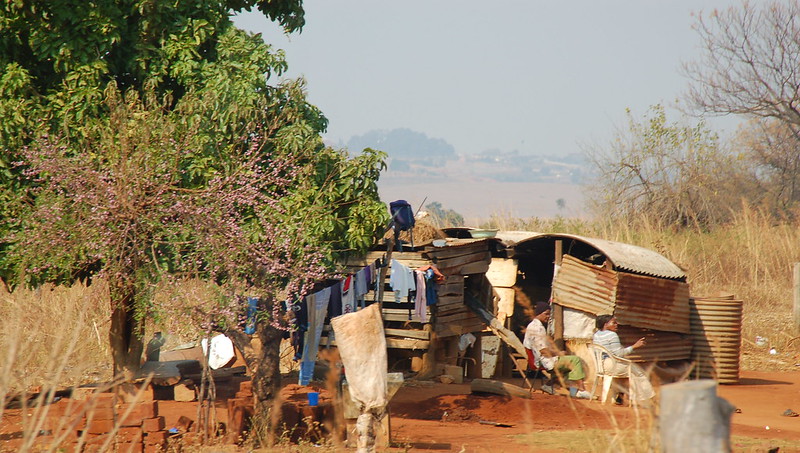
Eswatini, formerly known as Swaziland, is an enclaved country within Southern Africa. The nation faces a massive problem of homelessness caused by a broken system of human rights and poverty. The country’s land governance system has unfairly sent many people out of their homes. King Mswati III owns much of the land that the people live on — leaving the Swazi people powerless when evictions occur. These evictions hit women and other marginalized groups especially hard, as they do not have protection under the law. AIDS, HIV and the eradication of agriculture for land development have also played a role in worsening homelessness in Eswatini.
Land Insecurity
Farming is a vital part of the Swazi peoples’ livelihood. Yet, recent land development disputes have begun to hurt farming practices with evictions leaving hundreds of people homeless. These evictions have occurred at the hands of police and bulldozers, which destroyed many homes. To make matters worse, many newly-evicted people have no alternative or even temporary shelter. In April 2018, dozens of people and more than 30 children became homeless — forced to live in inhumane conditions. Some people slept at a local school, some slept outside of their now-demolished home and some slept in a chicken shed.
As more people increasingly fall victim to homelessness in Eswatini, fewer places exist for families to purchase goods for themselves. It has been difficult to fight these evictions due to the country’s government being an absolute monarchy. As a result, people cannot overturn the policies that the king has put in place. These forced evictions come from not only Mswati III owning the land, but also private entities and/or the government owning some as well. This leaves the Swazi people at a high risk of eviction without preparation, warning or recompense.
Connections to HIV
The contraction of HIV has also contributed to the problem of homelessness in Eswatini. Almost 40% of sexually active Swazi adults are positive of the virus. As adults suffer or die as a result of HIV contraction, their children and other members of their households are left without a breadwinner. Sometimes, these homes become children-led. This makes it easier for the government to remove the homes with no plan or adequate place for the family to live afterward.
What is Being Done?
Amnesty International, a non-government organization focused on human rights, reported human rights violations causing homelessness in Eswatini. Moreover, Amnesty International assessed that the violations were caused by the country’s government. The organization has recommended and pushed the prime minister, attorney general and the minister of justice to address this problem. It has urged the prime minister to prohibit all evictions due to violations of legal protections and lack of adequate housing. Specifically, in the regions of Malkerns and Nokwane, the prime minister is to protect the people and provide them with safe places to live until they find a home. The attorney general is to put into law the stoppage of all forced evictions regardless of the circumstance. Relevant institutions would have to go through the proper procedures, before evicting someone.
Upon converting these policies into law, the attorney general is to make sure their new land policy is in line with international human rights involving housing. In this way, the government is taking action to reduce the problem of homelessness in Eswatini.
– Dorian Ducre
Photo: Flickr
