• Link to X
  • Link to Facebook
  • Link to Instagram
  • Link to TikTok
  • Link to Youtube
  • About
    • About Us
      • President
      • Board of Directors
      • Board of Advisors
      • Financials
      • Our Methodology
      • Success Tracker
      • Contact
  • Act Now
    • 30 Ways to Help
      • Email Congress
      • Call Congress
      • Volunteer
      • Courses & Certificates
      • Be a Donor
    • Internships
      • In-Office Internships
      • Remote Internships
    • Legislation
      • Politics 101
  • The Blog
  • The Podcast
  • Magazine
  • Donate
  • Click to open the search input field Click to open the search input field Search
  • Menu Menu

Tag Archive for: USAID

Information and news about mobile technology

Posts

Global Poverty, Poverty Reduction

Poverty in India and Pakistan

India and Pakistan
A man from India and a man from Pakistan stood proudly together representing their nations at a T-20 Cricket World Cup game in 2012. This is significant, as, in the year 1947, after India became independent from the British Empire, the Muslim minorities in the nation felt that they were experiencing underrepresentation and demanded partition. As a result of their religious divisions, India and Pakistan became two sovereign nations. About 70 years later, their harsh differences continue to exist. It is important to note that despite their religious and lingual difference, their poverty rates are both high. In India, about 21.9% of people lived below the poverty line as of 2011. Meanwhile, in Pakistan, about 24.3% of people lived below the poverty line as of 2015.

Religious Divisions

The main reason behind India’s partition was its religious divisions. Due to the Hindu majority within the government, the Muslim minorities felt that the government policies would only benefit the Hindus. Moreover, they also felt that the government would misrepresent them. Muhammed Ali Jinnah, a Pakistani politician, led Pakistan and developed a Muslim majority nation, while Jawaharlal Nehru, India’s first prime minister, developed a Hindu majority of India. Religion became the foundation of the partition movement. Many still view it as the basis of the conflict between the two nations.

Consequently, about 15 million people suffered displacement, as the Muslims in India migrated to the newly established Pakistan. Along with this, about 1 million and more people died due to religious conflicts. The political conflicts between the two nations had led many other citizens to suffer the consequences. As a result, many families lost important members, and some became homeless.

Poverty in India

While the two nations have often been enemies, they have a common issue of high poverty rates, with India at 21.9% in 2011 and 29.5% in 2015. The causes of the high rates of poverty are similar in both nations as well.

A common cause of poverty in both nations is hunger, unemployment and lack of education. In India, about 200 million people do not have access to decent food. In addition, the lack of employment with proper wages is difficult to access, since many Indian people live in small rural villages. UNICEF revealed that about 25% of children in India do not have access to education in India. In fact, often girls in India have to learn household jobs. Due to this unequal treatment of women, it is difficult for them to find jobs with a good wage.

Poverty in Pakistan

Pakistan has seen a similar trend to India. Typically, women and children find it really difficult to find access to food. Due to inflation, many resources are simply unaffordable.

In terms of employment, many Pakistani citizens live in rural areas. Consequently, they do not have access to proper jobs. Many who have jobs do not have proper wages. Moreover, about 90 million people lived on less than $2 a day in 2011. This makes poverty harder to overcome.

Inequality amongst women and young girls also increases poverty levels. Like India, women have to learn household tasks so that they have experience when they marry. Additionally, people often look down on women who work outside the house. Efforts to educate women have made a significant impact on this. Other influences on poverty include violence, ongoing conflicts with terrorist groups, malnutrition, infant mortality rates and child labor.

Solutions to Poverty in India

In India, the government is working to combat poverty in a variety of different ways. An initiative the government has launched to help decrease poverty is Pradhan Mantri Awas Yojana or Housing For All. It focuses on providing the poor with affordable housing. Additionally, the program tries to empower the women by mandatorily making them the owner or co-owner of the house. Another program that the government launched is the Atal Mission For Urban Rejuvenation and Transformation. This program focuses on improving infrastructure and developing a proper sewage network, along with better water supplies for urbanization. In addition, the nation gets support from international organizations such as the U.N.

Solutions to Poverty in Pakistan

Pakistan’s government is also working effectively to decrease poverty levels. A program that the Pakistani government launched to help combat poverty is known as the Benazir Income Support Program. It focuses on assisting the poor financially. The program is essentially a cash transfer program that forces on reducing poverty and elevating the status of marginalized and underprivileged communities. Additionally, Pakistan receives plenty of support from international organizations such as USAID and the World Bank.

India and Pakistan continue to have political conflicts with each other. Similar to the relationship between the United States and Russia, the two nations have competitive views toward each other. Despite their differences, they have similar issues internally, such as poverty. However, although the new nations have significantly high levels of poverty, they have decreased the rates. Within a period of 10 years, from 2006 to 2016, India lifted about 271 million people out of poverty. Pakistan significantly lowered its poverty rates as well and now has the second-lowest headcount poverty rate in South Asia. As urbanization continues in both countries, reductions in poverty are occurring, although at a slow rate.

– Krishna Panchal
Photo: Flickr

June 3, 2020
https://borgenproject.org/wp-content/uploads/borgen-project-logo.svg 0 0 Jennifer Philipp https://borgenproject.org/wp-content/uploads/borgen-project-logo.svg Jennifer Philipp2020-06-03 07:30:082024-05-29 23:15:56Poverty in India and Pakistan
Clean Water Access, Global Poverty, Sanitation, USAID

10 Facts About Sanitation in Venezuela 

Sanitation in Venezuela
Venezuela was one of the wealthiest countries in the world, with its main exporter being oil. However, the country has suffered a water and sanitation crisis, as only 18% of the population had access to clean drinking water in 2018. Around 30% of the population that has unimproved sanitation live in rural areas, while 2.5% are in urban areas. While climate change has significantly impacted Latin America’s resources, Venezuela’s water/sanitation status has affected the lives of Venezuelan citizens. Here are 10 facts about sanitation in Venezuela.

10 Facts About Sanitation in Venezuela

  1. Blackouts and the lack of electricity pose a threat to Venezuela’s access to water. The electricity generates throughout the country’s water plants and sewage pipes. These outdated infrastructures have dealt with terrible maintenance. As a result, when these blackouts happen, the electricity and water from pipes or faucets stop, disrupting the flow of the water. Venezuelan President Nicolas Maduro has promised to put back-up water tanks on rooftops to relieve the problem.
  2. Venezuela’s water supply is sparse throughout the country. Around 80% of the population lives in the northern region of the country; however, not even 10% of water resources are available in that region. The inconsistency of the access to water provides frustration for many citizens, as they have to travel to other areas outside of their homes to find a decent supply of water. Urban areas are near the northern region, while rural areas are near the southern region. In the country’s first-year rehabilitation plan, it stresses that efforts will focus on the northern region, to identify who needs urgent assistance.
  3. UNICEF provided access to drinking water for over 2.8 million people in 2019. The organization has worked on supplying safe drinking water through sources like water trucking and system repairs. Using these methods will be beneficial in fixing the main spots for water distribution like schools and hospitals, and cleaning main water sources to improve safe use. In 2019, UNICEF provided water and hygiene services to at least 18,300 people in the health centers and learning spaces.
  4. Multiple laws are in place for better water access. Laws like the Organic Law on the Environment protect river basins, preserving their natural soils and guarding the availability of water to sustain the water cycle. While these laws establish some framework into the conservation of water and sanitation, they have not been fully effective because they do not address the lack of maintenance in infrastructures that affects the distribution of water.
  5. The Venezuelan government is finding new means to upgrade water treatment facilities. Over the years, Venezuela’s infrastructure to transport and contain water has been aging and lacking any type of improvement. In 2013, the government asked for Electrotécnica SAQUI’s help to rebuild and restructure the water plants, removing harmful material that seeps into the water. Adding fiberglass blades to the water plants to remove large amounts of sludge helps keep the plants cleaner, which improves the water quality.
  6. The Guaire River in Caracas is Venezuela’s biggest water source. Many citizens make long travels to the Guaire River, as it is the main body of water they have access to. However, wastewater has contaminated the river. The Guaire River is near the city of Caracus, which has three water plants: La Mariposa, Caujarito and La Guaira. The plants sanitize the water, removing sludge so that it does not settle in the tanks.
  7. The average cost for a bottle of water matches the country’s minimum wage. In a Caracus supermarket, 5 liters of water is $2. Unfortunately, that makes up almost half of Venezuela’s minimum wage or approximately $6 a month.
  8. The lack of access to water and sanitation has impacted education. Because of the lack of decent water service for drinking and sanitation, multiple educational institutions have had to shut down. Around 28% of students could not attend school because of the shortage of water. Venezuela’s emergency plan’s response in its first 6 months involved an effort to provide clean water and sanitation, especially in schools, to eliminate the rate of diseases like malaria.
  9. The water supply has had a significant impact on food security. Production of Venezuela’s main crops — like rice and coffee — has fallen to 60% within the last 20 years. This dramatic decrease has caused a surge in weight loss and malnourishment for many citizens and children. To better help Venezuela’s agriculture production, USAID is using its funding to provide hot meals to food kitchens and schools and increase access to livestock and tools.
  10. Venezuela needs approximately $400 million to initiate a first-year rehabilitation plan. Damage to the water supply has been detrimental to the point that this amount of funding is necessary for effective rehabilitation and restoration of water and sanitation resources. USAID has provided more than $56 million of humanitarian aid to Venezuela for assistance in sanitation, hygiene, medicine and health care.

Venezuela still has a long way to go in improving its water and sanitation services. Still, looking at these 10 facts about sanitation in Venezuela, the country is steadily working on the necessary progress it needs to increase clean water accessibility. By reevaluating infrastructure and establishing several laws surrounding water and sanitation access, sanitation in Venezuala should continue to improve.

– Loreal Nix
Photo: Flickr

May 29, 2020
https://borgenproject.org/wp-content/uploads/borgen-project-logo.svg 0 0 Jennifer Philipp https://borgenproject.org/wp-content/uploads/borgen-project-logo.svg Jennifer Philipp2020-05-29 01:30:062024-05-29 23:17:2910 Facts About Sanitation in Venezuela 
Global Poverty, Sanitation, Water Quality, Water Sanitation

10 Facts about Sanitation in Zambia

10 Facts About The Sanitation In Zambia Zambia is a country with a population of more than 16.5 million. It neighbors Zimbabwe, Tanzania, the Democratic Republic of the Congo, Angola, Botswana, Mozambique and Malawi in the Southern-Central region of Africa. In 2011, Zambia achieved middle-income country status, reflecting the country’s substantial economic growth of an average of 7.4% per year from 2004-2014. However, as of 2015, more than half of Zambians earn less than the international poverty line and only 26% of the population has access to safely managed sanitation services. Here are 10 facts about sanitation in Zambia.
10 Facts About Sanitation in Zambia 

  1. According to the World Bank, the Water Sector Performance Improvement Project advanced the Lusaka Water and Sewerage Company (LWSC) in the Lusaka, Kafue, Chongwe and Luangwa districts of Zambia. The project reduced interruptions to clean water supplies from 5,000 to 333 from 2007-2013 and increased the water collection ratio from 70% to 90%. The Water Sector Performance Improvement Project was crucial to improving Zambia’s public health resources by developing clean water resources and advancing the area’s sewerage systems.
  2. In 2003, a community-driven water and sanitation project delivered nine boreholes and 40 Ventilated Improved Pit-Latrines (VIPs) to the rural Chibizyi area of Zambia. The Zambia Social Investment Fund (ZAMSIF) aided this and benefited over 4,000 members of the community. Before the project, the people of the Chibizyi region walked vast distances in search of water, usually collecting water from polluted streams.
  3. After receiving better access to clean water, the Chibizyi community of Zambia then formed water, sanitation and health education committees in each village. The committees formed construction sites to build sufficient sanitation facilities to keep the water clean. Additionally, ZAMSIF used the Ventilated Improved Pit-Latrines (VIPs) sites as stations for distributing information on HIV/AIDS and malaria control.
  4. From 2011-2015, the Schools Promoting Learning Advancement through Sanitation & Hygiene (SPLASH) initiative implemented its program in 495 Zambian schools. Before SPLASH, Zambian schools faced limited drinking water and sanitation facilities, causing harsh learning environments for the students. SPLASH installed 662 handwashing facilities and 386 female washrooms in the schools. This allowed 133 schools to achieve a WASH-Friendly status and attract more students.
  5. In 2012, the National Rural Water Supply and Sanitation Program of the Ministry of Local Government and Housing developed national guidelines for Community-Led Total Sanitation in Zambia. These guidelines reached over 2.5 million people across the country by 2015. Officials implemented the guidelines through Zambia’s District Health Information System 2 (DHIS2) digital software, which enabled real-time monitoring and feedback via computers. Communities following these guidelines and switching from open defecation to toilet use received verification as Open Defecation Free (ODF).
  6. The Water and Development Alliance (WADA), along with its partners United States Agency for International Development (USAID) and Coca-Cola, are working to improve sanitation globally. Since 2005, they have improved avenues in more than 30 countries, giving more than 580,000 people access to clean water. WADA aids Zambia in improving water and sanitation access by implementing latrines and handwashing stations across the country.
  7. The Partnership for Integrated Social Marketing (PRISM), a marketing program for health services and products, instigated a distribution project in 2014. PRISM administered over 13,000,000 bottles of chlorine at Zambian hospitals. Zambians were then able to use the chlorine to disinfect and clean 9.27 billion liters of drinking water in all 10 provinces of Zambia.
  8. Only 18 percent of women in Zambia are able to obtain modern, feminine hygiene products. In response, Maboshe Memoria Centre in Mongu, Zambia, began producing sanitary napkin kits in 2019, modeled after the Days for Girls sanitary kits. The sanitary napkin kits are washable pads that can last up to three years. Previously, many Zambian girls skipped school during their menstrual cycle due to inadequate supplies. These kits enabled them to attend school during their menses and obtain hygienic and long-lasting products.
  9. The United Nations Children’s Fund (UNICEF) has aided in enabling 44% of Zambia’s population to achieve improved sanitation. UNICEF allowed Zambian villages to receive acceptable latrines and in 2015, around 75% of Zambia’s villages became Open Defecation Free (ODF). By 2020, UNICEF expects every Zambian to have an adequate latrine–ones that have handwashing facilities, offer privacy and dispose of matter effectively.
  10. The United States Agency for International Development (USAID) is currently aiding Zambia by investing in plans that encourage sustainable outlets for safe drinking water. The Global Water Strategy and USAID Agency Specific Plan aim to provide 1.7 million Zambians with sustainable water and sanitation resources by 2020. They plan to invest in significant infrastructure improvements that will strengthen water supply, sanitation and drainage in Zambia’s capital, Lusaka.

Zambia has made substantial progress in sanitation since the early 2000s. It has developed plans to decontaminate drinking water and replace poor sanitation facilities. However, as Global Waters has indicated, there is still a considerable need for improved sanitation guidelines across the country to ensure every citizen has access to clean water. These 10 facts about the sanitation in Zambia shed light on these issues.

– Kacie Frederick
Photo: Flickr

May 22, 2020
https://borgenproject.org/wp-content/uploads/borgen-project-logo.svg 0 0 Jennifer Philipp https://borgenproject.org/wp-content/uploads/borgen-project-logo.svg Jennifer Philipp2020-05-22 07:30:122024-05-29 23:17:2910 Facts about Sanitation in Zambia
Global Poverty, Poverty Reduction

7 Facts About Poverty in Bangladesh

poverty in Bangladesh
About one in four Bangladeshis live in poverty, making poverty in Bangladesh an ongoing fight for the nation. However, there has been significant economic growth and improved education and infrastructure. With international development assistance, poverty in Bangladesh is on a downward trajectory, especially in rural areas. These seven facts about poverty in Bangladesh show the country’s improvements.

 7 Facts About Poverty in Bangladesh

  1. International Assistance. The International Development Association (IDA) has been a large part of Bangladesh’s success in education, health and infrastructure. Funded by member countries, IDA coordinates donor assistance. Additionally, IDA also works to provide development assistance to countries around the world. Bangladesh is one of the largest recipients of IDA funding. In fact, its program totals $11.3 billion. Also, multilateral organizations, like the Asian Development Bank and the United Nations, have worked with the IDA to lower poverty in Bangladesh.
  2. Economic Growth. Bangladesh has made strides in alleviating poverty through sustained economic growth in recent years. Impressively, steady growth in its gross domestic product (GDP) allowed Bangladesh to reach lower-middle-income status in 2015. Bangladesh remains one of the fastest-growing economies among developing nations. Its GDP in 2018 was $274.02 billion, a 9.73% increase from 2017. With these steady increases, the GDP should grow another 8% in 2020.
  3. Education. Bangladesh has seen an increase in education enrollment. In addition, more girls are going to school. The enrollment rate at the primary school level increased from 80% in 2000 to above 90% in 2015, and from 45% to 62% at the secondary school level. Bangladesh has also achieved gender equality in education enrollment. It sent almost 6.4 million girls to secondary school in 2015. This makes the nation a frontrunner among developing countries to achieve gender parity in education.
  4. Health. Bangladesh has also made important progress in its health indicators over the past few decades. This includes improvements in maternal and child health. There was a 40% reduction in maternal mortality, from 322 deaths per 100,000 live births in 2000 to 194 deaths in 2010.  Credit goes to the United States Agency for International Development’s (USAID’s) work with local groups.  The USAID work provides high-quality reproductive services and brings integrated health care to Bangladeshis as well.
  5. Agricultural Growth. The agriculture sector is essential to Bangladesh, and its growth has been among the highest in the world for the past 25 years. Through IDA, more than a million households have modernized food practices and 500,000 households have increased grain reserve. Natural disasters are a primary threat to Bangladesh’s success in agricultural production. IDA is also financing almost $1.5 billion in aid to Bangladesh’s resistance against natural disasters. This leads to further increases in agricultural production and promotes food security.
  6. Sustainable Development Goals. According to the United Nations Development Programme, Bangladesh is making strides in attaining the 17 Sustainable Development Goals (SDGs) to end poverty and improve its quality of life. For example, Bangladesh is well on its way towards reaching the access of 100% of households to electricity by 2025, which is SDG 7. Bangladesh has also seen improvements in sanitation and access to clean water, which the SDGs also include. In 2019, 87% of the population had access to clean water and 61% had access to sanitation.
  7. Rural Infrastructure: Efforts to alleviate poverty in Bangladesh have occurred in rural areas, and IDA has provided support to build roads and increase access to water in these areas. According to the World Bank, 1.1 million people in rural areas now have access to clean water, and support measures have led to the paving of 800 kilometers of new roads in these areas. This infrastructure allows for easier transportation to school and the creation of jobs for men and women, improving the quality of life in several rural areas.

These seven facts about poverty in Bangladesh show that efforts to alleviate poverty in the country have been remarkably successful in the past few decades. Still, much work remains essential in order to alleviate poverty in urban areas and bring about continued growth in Bangladesh’s economy, infrastructure and access to food security. However, with continued international assistance and Bangladesh’s commitment to reducing poverty, there is hope that Bangladesh will continue to be a global model for poverty reduction.

– Anita Durairaj
Photo: Wikimedia

May 20, 2020
https://borgenproject.org/wp-content/uploads/borgen-project-logo.svg 0 0 Kim Thelwell https://borgenproject.org/wp-content/uploads/borgen-project-logo.svg Kim Thelwell2020-05-20 07:30:072024-05-29 23:00:087 Facts About Poverty in Bangladesh
Global Poverty

Earthquake Preparedness in Nepal

Earthquake Preparedness in Nepal
Nepal sits between two very seismically active tectonic plates that span the length of the Himalayan mountain range. In the 20th-century and again in the early 21st century, devastating earthquakes prompted the Nepali government to create programs that prepare the Nepali people for possible earthquake situations. International organizations were also present and significantly aided earthquake preparedness in Nepal. The development of technological programs that maintain the tracking of people during a panic has made an enormous difference in the way first responders find and rescue people during natural disasters. To keep people safe, it is necessary to have earthquake preparedness programs in place.

Earthquake Education and Planning

The Nepali government created the Kathmandu Valley Earthquake Risk Management Project (KVERMP) in 1997 as an earthquake preparedness initiative. This project instituted an earthquake scenario program that simulated an emergency situation and assigned specific roles to various actors in the towns. A branch of KVERMP includes the School Earthquake Safety Program (SESP). This program provided funding to schools so students could practice earthquake safety drills and masons received training to make the school buildings more resilient. Community members also received safety information along with risk-prevention advice from professionals. Another notable achievement of the KVERMP was the creation of Earthquake Safety Day, which is to promote awareness and normalize new earthquake preparedness safety methods.

The Study on Earthquake Disaster Mitigation of Kathmandu Valley (SEDM) was a study that the Nepalese government initiated in conjunction with the Japan International Cooperation Agency to increase earthquake preparedness in the country. The goal of SEDM was to assess the possible outcomes of major earthquakes in relation to resources, infrastructure and aid. The parties involved suggested various policy changes and committee formations to further promote earthquake preparedness. Most notably, the group suggested the establishment of a National Disaster Council and recommended that the government put a higher priority on policy relating to disaster preparation and mitigation and implement a disaster management plan in each level of government.

Gorkha Earthquake Relief and Recovery

When people in the 21st-century talk about earthquakes in Nepal, they are most likely referring to the April 2015 earthquake near Kathmandu. The magnitude 7.8 quake, also known as the Gorkha earthquake, killed about 9,000 people and injured around 25,000 more. The earthquake was so powerful, that Bangladesh, China and India could feel it and the devastation prompted response crews from all over the world to sift through more than 600,000 damaged structures. These aftershocks led to international organizations partnering with the Nepali government to reconstruct the damaged infrastructure using sustainable tactics. This relief effort built upon the earthquake preparedness that Nepal already put in place.

Nepal’s Ministry of Science, Technology, and Environment wrote a document entitled, Rapid Environmental Assessment (REA), outlining the issues that the 2015 earthquake caused and the frameworks to fix them. Topics that the report covered included damaged water and sanitation facilities, agricultural impacts, education and more. Taking preventative action, such as changing toilet construction methods, should allow for faster reconstruction and less waste containment issues in the case of an earthquake. Among the multitudes of topics the document covers, another example is sustainable land use. Landslides that were dormant for years became free during the earthquake. This is partly due to the misuse of land and tree removal. The REA is calling for the revision of land-use laws and the enforcement of policies.

Life-Saving Technology

Earthquake preparedness comes in many forms. In response to various earthquakes around the world, a nonprofit organization called Flowminder created a population tracking program. Rescue crews use the technology to pinpoint the location of endangered civilians in a timely manner. Utilizing mobile phone data, satellite images and census data, the program analyzes the information and then sends the data to organizations in the midst of disasters. Organizations involved in relief efforts following the 2010 Haiti earthquake used similar programs, so the technology does work. Governments and first responders often struggle to find people in the dynamic aftermath of a crisis. Nepal would have an easier time finding and helping citizens with this sort of technology.

Sustainable Rebuilding

During the Gorkha earthquake, hospitals remained open and functional due to the earthquake preparedness technique of retrofitting. The World Health Organization (WHO) praised the Kathmandu hospital for working diligently to fill cracks and holes as they appeared on walls. The process of retrofitting has been a long-term campaign of the WHO in efforts to promote earthquake preparedness in the health sector. While thousands of other buildings collapsed, the hospital was able to continue to care for patients. The hospital also cited an emergency preparedness plan for the staff’s ability to respond quickly to the crisis. The plan ensured that everyone knew where to go and what to expect after the earthquake hit.

In the immediate aftermath of the earthquake in 2015, USAID trained over 900 locals to build earthquake-resistant buildings. In the years after, the organization trained thousands more to help in the effort. The only way to prevent widespread infrastructure devastation is to take every precaution possible so that structures do not fall. USAID also encouraged the construction of seven deep wells in Kathmandu to ensure clean water in case of a natural disaster. Another project working towards earthquake preparedness involved the development of 12 “relief material” warehouses throughout Nepal in case of emergency. The idea was to stockpile supplies before a disaster occurred, allowing relief agencies sufficient amounts of resources to reduce the negative impacts of earthquakes. USAID has been instrumental in the long recovery since 2015 and preventing similar results from the next earthquake.

Creating Open Spaces

The final instance of earthquake preparedness in Nepal is the protection of open spaces. During crises like earthquakes, it is important for first responders and humanitarians to have a place to set up. The urbanization of Nepal has endangered these open spaces and the 2018 National Policy for Disaster Risk Reduction saw this as a threat to optimal earthquake preparedness. As a result, the planners decided to focus attention on the preservation of urban parks. The International Organization for Migration claims that 83 of the 123 parks in the Kathmandu area are at risk for infringement. However, various groups are actively working to protect those open spaces.

– Ashleigh Litcofsky
Photo: Flickr

May 15, 2020
https://borgenproject.org/wp-content/uploads/borgen-project-logo.svg 0 0 Lynsey Alexander https://borgenproject.org/wp-content/uploads/borgen-project-logo.svg Lynsey Alexander2020-05-15 07:30:552024-05-29 23:15:53Earthquake Preparedness in Nepal
Developing Countries, Development, Global Poverty

A Look At Agricultural Development in Mali

Agricultural Development in Mali
Mali is a subsistence farming-based economy in West Africa. Approximately 80 percent of the population works in the agriculture industry, yet low productivity, natural disasters and poor crop yields prevent many Malians from rising out of poverty. The 40 percent poverty rate includes farmers that rely on outdated farming techniques for their livelihoods while also depending on favorable crop prices that fluctuate based on Mali’s fragile economy. Since agriculture is the main industry, USAID and the World Bank are working towards agricultural development in Mali.

Importance of Crops

The main crops in Mali are cotton, corn, cereal, peanuts and tobacco. It exports cotton to neighboring countries like Senegal on the Ivory Coast, and various types of cereal remain important due to their ability to withstand droughts. Since the Sahara Desert covers the northern portion of Mali, it is difficult to find suitable land for farming and livestock. Most farmers rely on the Niger River and its surrounding area for fertile land, as about 65 percent of the country is desert or semi-desert.

Mali cultivates less than 5 percent of its land, yet almost half of its GDP is from agriculture. Most of the cultivated land involves various types of cereals, such as sorghum and millet. One issue that affects the agriculture sector in Mali is desertification, which overgrazing livestock, droughts and deforestation can cause. Farmers rely on rainfall, yet rainfall in Mali is rare and droughts are common. Since the agriculture sector in Mali remains the most important industry for the majority of Malians with more than 40 percent of its GDP comprising of the agriculture sector, further agricultural development in Mali could benefit its people and economy by increasing income and reducing poverty.

USAID Projects

As part of its strategy to end world hunger, the U.S. Government’s Feed the Future initiative in Mali focuses on cereal for food security and poverty reduction, as well as rice production to improve income and livestock for food security and another source of income. To date, the Feed the Future initiative has benefitted approximately 500,000 Malians. In 2019, USAID used two methods as part of its Fertilizer Deep-Placement Micro-Dosing. This project aims to improve crop production through fertilizer deep placement and micro-dosing technology. More than 453 jobs emerged in rural areas due to the success of the two productivity methods.

Another project in the Mopti region helped increase farming productivity by 60 percent. The goal of the Large Scale Diffusion of Technologies for Sorghum and Millet Systems project was to increase sorghum and millet income. Seed treatment, hybrids of sorghum and millet and soil fertility improvement were among the reasons for the high productivity. Sorghum and millet were the focus crops due to their climate resilience and drought tolerance.

Nah Drame benefitted from the project in the Mopti region after receiving training on fertilizer, irrigation, sowing, land preparation and harvesting. She replicated what she learned on her own five-acre farm. Production and income increased so much that she expanded her farm to 12 acres and hired three employees to help with her expansion. Drame used some of the money she earned to buy clothes and school kits for her grandchildren. She also used the money to help her daughter start a business of her own, and it was all thanks to USAID’s involvement in the agriculture sector in Mali.

The World Bank’s Involvement

The World Bank’s $150 million Fostering Agricultural Productivity Project for Mali began in 2010 with the goal of improving productivity and crop yields. The project proved successful as crop yields increased from 27 million pounds in 2016 to 34 million pounds in 2018. The project also benefitted 668 farms and 4,300 producers in Sabalibougou, and it developed more than 6,600 acres of land for agriculture in M’Bewani and Sabalibougou.

USAID, the World Bank and various other organizations are continually working towards agricultural development in Mali. Economic development is slow, yet improving income for millions of farmers in Mali could help reduce poverty and develop the economy. If more Malians like Nah Drame obtained training on improved farming techniques, an even greater impact could take place, as increased income would help millions afford better education, health care, necessities and many other things that those in developed countries often take for granted.

– Lucas Schmidt
Photo: Wikipedia

April 20, 2020
https://borgenproject.org/wp-content/uploads/borgen-project-logo.svg 0 0 Lynsey Alexander https://borgenproject.org/wp-content/uploads/borgen-project-logo.svg Lynsey Alexander2020-04-20 01:30:042024-05-29 23:15:37A Look At Agricultural Development in Mali
Global Poverty, Humanitarian Aid, USAID

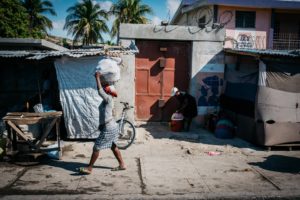
USAID’s Humanitarian Work in Haiti

USAID’s Humanitarian Work For Haiti
Haiti has been through many economic and political turmoils. Haiti has also faced many natural disasters including hurricanes and earthquakes. The U.S. Agency for International Development (USAID) has been at the forefront of providing aid to help the country continue its development. Here is some information about USAID’s humanitarian work in Haiti.

Economic Development

Haiti has been experiencing many economic challenges, including big and small businesses not getting the tools that they need to flourish, such as training and development guidance. Meanwhile, around 40 percent of Haitians do not have employment. Additionally, farmers are not producing at their fullest potential or selling their products well. Haitians are often living on less than $1.25 a day with the majority of the population relying on family farming for work. However, the growing population, droughts, flooding and lack of access to education and training have affected agriculture.

USAID’s humanitarian work in Haiti has been focusing on helping farmers. USAID’s aim has been to create better incomes by granting increased access to education and training, new and improved technology and an open segway to trade and a fair marketplace. Moreover, USAID has made three key contributions. The first contribution had to do with fostering and maintaining food security. USAID directly trained farmers on new and improved farming practices and techniques. In addition, it also trained the farmers on energy and resource conservations. The second contribution involved connecting the farmers with businesses inside and outside of Haiti to sell their products. The last contribution comprised of creating and maintaining partnerships with corporations, local businesses, government and nonprofit organizations.

The Environment

Haiti is experiencing many environmental issues including deforestation, overfishing, insufficient weather information and lack of support from the government on the issues. USAID is helping by working with communities to set up the working agenda and follow through with set working priorities. It is also providing support during a time of change. In addition, USAID is promoting novel techniques for farming and reforestation. Through its work, USAID reached an agreement to plant more trees to regenerate forests. The agreement also covered boosting cocoa production that resulted in $5.2 million in revenue.

Furthermore, USAID’s work on marine life encompasses the Caribbean Marine Biodiversity Program with a pact of Three Bays National Marine Protected Area and the National Conservation Trust Fund. The Program created an agreement with local fishermen to conserve the environment with provided training. At the same time, USAID hired staff to look over the protected areas.

Finally, USAID has implemented the Climate Smart Solutions program. USAID sets up weather stations for researchers, agriculturalists and environmentalists. This way USAID can monitor the weather and collect accurate data. Additionally, the collected data can help farmers monitor rainfalls and climate change. As a result, the farmers can customize their farming according to their current temperatures.

Health

Haiti’s health system faces many challenges, including that it has a weak health care delivery system in that more than 40 percent of the Haitian population has no access to health care. There is also a lack of qualified health care professionals. As a result, USAID has been working to secure a functional health care delivery system by implementing the U.S. President’s Emergency Program for AIDs Relief (PEPFAR) to address HIV treatment and prevention, maternal and child health and nutrition and reproductive health outside of PEPFAR.

Part of USAID’s care plan involved setting up 164 primary care centers around Haiti to carry out all the necessary care services. USAID’s WASH program collaborates with the Haitian Water and Sanitation Department. The two organizations provide clean water and sanitation to prevent transmitted diseases such as cholera. Hundreds of thousands of children and women are receiving the necessary nutrition that they need. Over 200,000 HIV patients are obtaining testing, prevention and counseling services. Moreover, USAID has allowed the staffing of over 1,400 workers at the 164 health care facilities. As a result, the number of maternal and child deaths have reduced.

Education

Haiti has low school enrollment, poor literacy rates, a lack of government support and limited qualified teachers in the education system. USAID has been involved in upgrading the Haitian education system. USAID invests in reading and teaching programs and helping students with visual impairments to learn. The early-grade reading and writing program trains young children to read and write in Haitian and French. Furthermore, the teaching program trains teachers with new and innovative materials and techniques. USAID has successfully provided thousands of teachers and children with training on children’s reading development. It has supplied teaching and learning materials, including books and other published materials. In addition, USAID enhanced services at the Ministry of Education. USAID also helped schools bounce back from Hurricane Matthew by purchasing furniture for schools and paying for cleaning services.

Other USAID Humanitarian Work

With the political unrest in Haiti, USAID committed to eradicating hunger in the country. USAID has provided the United Nations World Food Programme (WFP) with $1 million. The funding will go towards transporting emergency supplies to war-torn regions, maintaining WFP’s operations, information management and supply storage. USAID is working with WFP to give out a total of 4.4 metric tons of food to the people of Haiti. Thus far, USAID has funded a total of $20 million for food emergencies and activities to upgrade the quality of life. For example, USAID funded activities that promote healthy eating and general assistance of water, sanitation, personal hygiene and shelter.

USAID’s humanitarian work in Haiti is particularly notable since the country has suffered heavily from natural disasters and their socio-economic impact. Additionally, USAID has been trying to address the root cause of issues such as health care reforms and food security. It is encouraging to see that the U.S. has been continually helping to improve lives around the world through the work and accomplishments of USAID.

– Hung Le
Photo: Flickr

April 14, 2020
https://borgenproject.org/wp-content/uploads/borgen-project-logo.svg 0 0 Lynsey Alexander https://borgenproject.org/wp-content/uploads/borgen-project-logo.svg Lynsey Alexander2020-04-14 13:48:442024-05-29 23:15:45USAID’s Humanitarian Work in Haiti
Advocacy, Children, Development, Education, Global Poverty

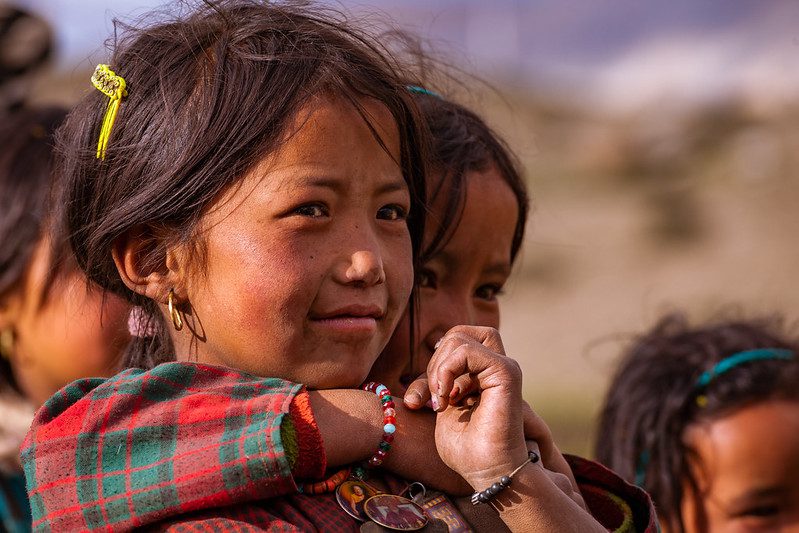
7 Facts about Illiteracy in Nepal

Illiteracy in Nepal
Nepal is a country of Asia that lies along the southern side of the Himalayas. It is a landlocked nation with a territory of just 500 miles east to west. Nepal has long experienced isolation under a series of rulers who favored isolationist policies and remained closed off to the rest of the world up until the year 1905. Today, Nepal is a country between two superpowers, India and China. As a result of this extreme isolation, it has become one of the least developed nations in the world. This underdevelopment has also led to a heavily illiterate population. Here are seven interesting facts about illiteracy in Nepal.

7 Facts About Illiteracy in Nepal

  1. Illiteracy in Nepal: As recently as 2015, Nepal had an illiterate population of 6,784,566 people. Luckily this statistic has been on a steady decline of about 2 percent every year since 1991.
  2. Literacy in Nepal: Nepal’s literate population in 2015 was at 55 percent. Although this means that just under half the population is illiterate, it is still an extremely large increase from the 1950s, during which only 5 percent of the population was literate.
  3. Women: Only 49 percent of women in Nepal are literate. The average literacy rate for women in Nepal is 20 percent lower than men. This may be a result of fewer women completing a full education than men, a statistic that is slowly becoming more equal and challenging illiteracy in Nepal.
  4. World Vision: Thankfully, literacy rates in Nepal are rising. An organization called World Vision has been working to eliminate illiteracy in Nepal. World Vision has been training teachers in Nepal to use more engaging methods to get their students more interested in reading.
  5. Reading Camps: World Vision has also created reading camps outside of school, in addition to encouraging parents to nurture a reading friendly environment in their homes so students are more willing to read. In just two years, the children involved in the program were one and a half times better at reading than children who did not attend the program.
  6. Room to Read: Another organization, Room to Read, has created a Girls’ Education Program that has helped nearly 5,000 girls in Nepal since 2001 to read and write. Children in Nepali schools with Room to Read libraries have checked out, on average, more than 16 books per student. Room to Read has been a catalyst in helping many children to appreciate reading.
  7. Five-Year Initiative: In 2016, Room to Read launched a five year initiative with the government of Nepal, USAID and the research group RTI International to improve the country’s primary grade literacy programs greatly. This initiative has the goal of changing the lives of 1 million students in grades one to three in order to combat illiteracy in Nepal.

Illiteracy in Nepal is an issue that has significantly decreased due to the actions of these, and many other programs and initiatives, all with the goal of improving literacy rates in Nepal. If it were not for groups like Room to Read and World Vision, the people, and especially the children, would still be stuck in the darkness of illiteracy.

– William Mendez
Photo: Flickr

April 11, 2020
https://borgenproject.org/wp-content/uploads/borgen-project-logo.svg 0 0 Lynsey Alexander https://borgenproject.org/wp-content/uploads/borgen-project-logo.svg Lynsey Alexander2020-04-11 01:30:442024-05-29 23:15:297 Facts about Illiteracy in Nepal
Developing Countries, Education, Global Poverty, Technology

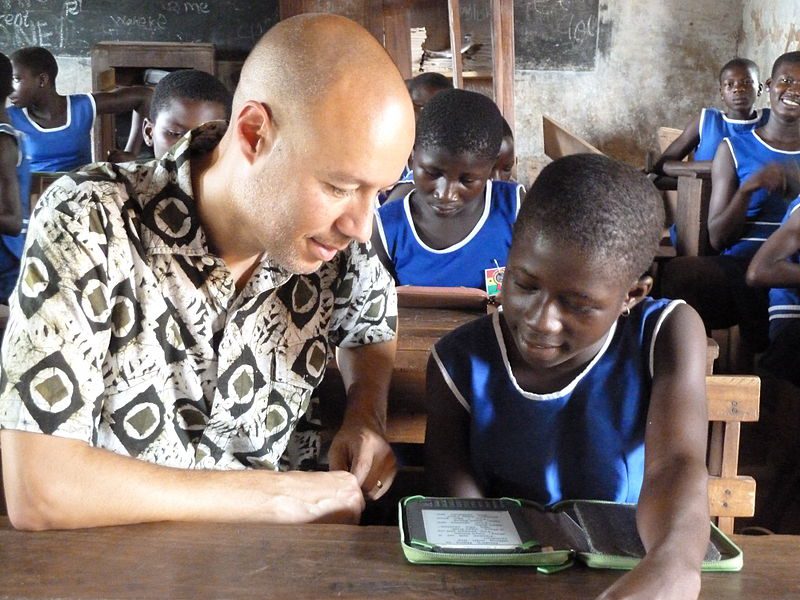
Worldreader Empowers Communities

Worldreader Empowers Communities to Create Lifelong Readers
Illiteracy is not much of a problem in developed countries, but for developing countries, rates of illiteracy are high. Around 617 million children are not meeting the minimum reading level because the regions they live in do not always stress education as much or it simply is not available. Illiteracy is a huge problem, especially in this day and age. It can cause an average decrease of 35 percent in income, and a lack of reading can lead to a lack of cognitive development. Worldreader empowers communities to create lifelong readers.

Worldreader Empowers Readers

When people have an education, they tend to give posterity a better chance. Children born to literate mothers are 50 percent more likely to live past 5 years old. Worldreader is an application with a library of 35,000 books in 52 different languages. It is available on advanced but affordable e-readers and other devices. The content of these books depends on the reader but all titles aim to be culturally relevant.

There are four categories of reading on the application. Worldreader has tailored the programs to each of its audiences to best address the main problems for each crowd. These programs include pre-reading, library reading, lifelong reading and school reading.

Pre-reading is for younger people up to age 19 but can also help illiterate adults. This program promotes positive interaction, cognitive development and school preparedness. Library reading focuses on promoting reading culture through libraries no matter the age. The goal of this program is to get more people to visit libraries and more librarians to emerge in their areas.

Lifelong reading is for people from 16 and up to read digital books on the Worldreader Open Library application. This program seeks to build a reading habit in people and promote an overall joy of reading. It also wishes to gain more regular readers by transitioning users to readers. That may sound similar, but really it is for a noncommittal user to develop a reading habit and become a lifelong reader.

Lastly, school reading is just how it sounds. School programs have e-readers with books for any age or grade level, language or even cultural context. It has a teaching program for educators to help cultivate learning and reading cultures. Worldreader also works to train families, schools and libraries so they can reap the most benefit from its programs.

Worldreader’s partners help to make this happen. Worldreader’s partners provide the resources that it needs to reach people in need. Its main partners are Binu, the Stavros Niarchos Foundation and Opera Mini. Binu helps to promote Worldreader on its Moya app. The Stavros Niarchos Foundation helps to launch e-readers in all national Kenyan libraries. Opera Mini promotes Worldreader to its users from 34 sub-Saharan African countries. Other prominent partners include USAID, The U.N. Refugee Agency, UNHCR, Bill & Melinda Gates Foundation, LinkedIn, Pearson and Amazon. Penguin Random House, Sub-Saharan Publishers, Longhorn Publishers, Modjaji Books and Rosetta Books are the partners that help to publish and translate books for Worldreader.

Worldreader’s Accomplishments

The year 2018 saw an increase of 3 million readers with over 10 million readers overall. Worldreader has gained 100 million hours of reading since 2014 and has received $12.1 million total in donations. These donations have made it much easier for Worldreader to reach more potential readers from around the world. These funds mostly went toward program services, but other notable areas are management and fundraising. Worldreader empowers communities through this funding. As of 2018, Worldreader is already in 49 countries including Mexico, Ghana, India, Kenya and Jordan.

The Future for Worldreader

Worldreader empowers communities to improve literacy rates. Worldreader’s plans for the future consist of continuing to provide cheap but good technology for under-resourced people, which should in turn help schools to save on book money. The application also plans to expand on its pre-existing book collection. While 35,000 titles is a lot, it aims to add much more. It will also collect the data from its readers to provide future insights into technology improvements. Through this data collection, Worldreader will be able to improve its technology and books. Worldreader encourages sharing costs and responsibilities for sustainable impact. Its donors and supporters help to do so. Worldreader is always searching for more supporters to bring reading to the under-resourced. The Worldreader website has options to sponsor schools, volunteer or join its Reading for Opportunity campaign.

– Nyssa Jordan
Photo: Wikimedia Commons

April 9, 2020
https://borgenproject.org/wp-content/uploads/borgen-project-logo.svg 0 0 Lynsey Alexander https://borgenproject.org/wp-content/uploads/borgen-project-logo.svg Lynsey Alexander2020-04-09 07:30:342020-04-06 14:26:40Worldreader Empowers Communities
Global Poverty

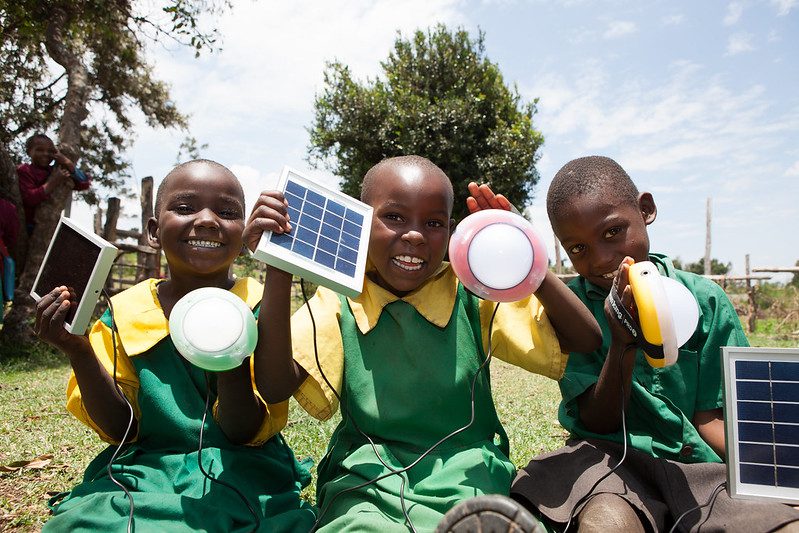
3 Solar Energy Developments in Malawi

Solar Energy Developments in Malawi
Solar energy developments in Malawi are helping its local communities maintain sustainable energy. Bwengu Projects Malawi provides teachers in high-needs schools with solar-powered LED projectors in Bwengu, the northern countryside of Malawi. This solar energy initiative partners with local providers and financial institutions to connect new solar farms to the power grid. Additionally, USAID is collaborating with solar power companies to provide solar home systems for homes in Malawi.

3 Solar Energy Developments in Malawi

  1. Solar-powered LED Projectors: In 2018, the International Monetary Fund (IMF) reported that 53 percent of Malawi’s population was under the age of 18. Classrooms often swell to 150 students per teacher, and schools experience poor maintanence. Moreover, there are not enough books and resources for students. To help assuage these issues, Bwengu Projects Malawi established itself to help support community and educational projects in Northern Malawi. Most recently, it developed Whole Class Teaching Kits which includes solar-powered LED projectors. It connects with an android tablet and pertains to Malawi’s junior and secondary curriculum. This tablet installs with 20,000 pages of lessons and notes which teachers can then project on the wall. Volunteers regularly visit the schools to maintain the equipment and add additional schools that qualify for the project. Reports show that attendance is up at schools with teaching kits and in the case of one school, passing rates increased from 27 to 65 percent.
  2. The Bwengu Solar Park Project: A local initiative in Bwengu to bring more energy to the community is underway with the creation of solar farms that will feed into the energy grid. The development began in August 2019  and should generate approximately 50 megawatts of renewable energy per year to feed into homes and local businesses in Malawi. The construction of the facility is located on 125 acres in Ulalo Nyirenda village, a piece of land just 1,000 meters from the Bwengu Escome Substation power grid. QUANTEL announced the project in May 2019, a renewable energy producer. More than a dozen other energy companies have signed on to the deal to create the Bwengu Solar Park, marking a milestone in creating a sustainable energy supply in Malawi. The agreement that local and international stakeholders made complies with both United Nations Sustainable Development Goals and the Malawi Growth and Development Strategy (MDGS III) and comes as demand for energy in Africa, population and industrialization all grow. Feasibility studies in Africa to scale up affordable solutions to meet these needs also drove it.
  3. Solar Home Systems: With financial backing from USAID, a collection of applicant companies like SolarWorks!, Vitalite, Yellow Solar and Zuwa Energy are aiming to deliver electricity to more 100,000 households in Malawi before 2023. However, the energy that these companies provide is uniquely off-grid. Solar Home Systems (SHS) is a focus of the Malawi Government National Energy Policy of 2018. One of the solutions that the policy put forth was off-grid solar energy for households that is easy to deploy and gives sufficient electricity for mobile charging, radio use and lighting. Currently, Malawi has only an 11 percent electrification rate and only 4 percent for rural areas, such as Bwengu. The SHS Kick-Starter Program not only has the design to increase access to energy but also to grow private sector business and provide companies with multiple supports, including operations support, capital and financing over the next three years. USAID has committed $2 million in grant funding and there are many financial backers, such as the Malawi Government and national banks. Among the energy providers are M-PAYG, an SHS pay-as-you-go service for low-income households in the developing world to give them off-grid, solar energy access. According to the Nordic Development Fund, the solar energy that SHS provides, such as M-PAYG, can level the gender playing field as well. Many expect schoolgirls to do household chores and homework in the morning before school. However, if families have access to reliable electricity, girls will have more time in the evenings to finish homework assignments before bedtime. This allows them to sleep in for longer before doing their morning chores.

These three solar power developments in Malawi come at a time when the population is expanding and demand for energy is growing. Cooperating charities, policymakers, national banks and energy providers have successfully powered the developments with support from the government and international community in line with sustainability goals. From these examples, one sees that the educational field has especially benefited from these innovative technologies in spite of historically poor conditions.

– Caleb Cummings
Photo: Flickr

March 25, 2020
https://borgenproject.org/wp-content/uploads/borgen-project-logo.svg 0 0 Lynsey Alexander https://borgenproject.org/wp-content/uploads/borgen-project-logo.svg Lynsey Alexander2020-03-25 18:06:102024-06-06 00:32:523 Solar Energy Developments in Malawi
Page 49 of 92«‹4748495051›»

Get Smarter

  • Global Poverty 101
  • Global Poverty… The Good News
  • Global Poverty & U.S. Jobs
  • Global Poverty and National Security
  • Innovative Solutions to Poverty
  • Global Poverty & Aid FAQ’s
Search Search

Take Action

  • Call Congress
  • Email Congress
  • Donate
  • 30 Ways to Help
  • Volunteer Ops
  • Internships
  • Courses & Certificates
  • The Podcast
Borgen Project

“The Borgen Project is an incredible nonprofit organization that is addressing poverty and hunger and working towards ending them.”

-The Huffington Post

Inside The Borgen Project

  • Contact
  • About
  • Financials
  • President
  • Board of Directors
  • Board of Advisors

International Links

  • UK Email Parliament
  • UK Donate
  • Canada Email Parliament

Get Smarter

  • Global Poverty 101
  • Global Poverty… The Good News
  • Global Poverty & U.S. Jobs
  • Global Poverty and National Security
  • Innovative Solutions to Poverty
  • Global Poverty & Aid FAQ’s

Ways to Help

  • Call Congress
  • Email Congress
  • Donate
  • 30 Ways to Help
  • Volunteer Ops
  • Internships
  • Courses & Certificates
  • The Podcast
Scroll to top Scroll to top Scroll to top