10 Facts About Sanitation in Malawi
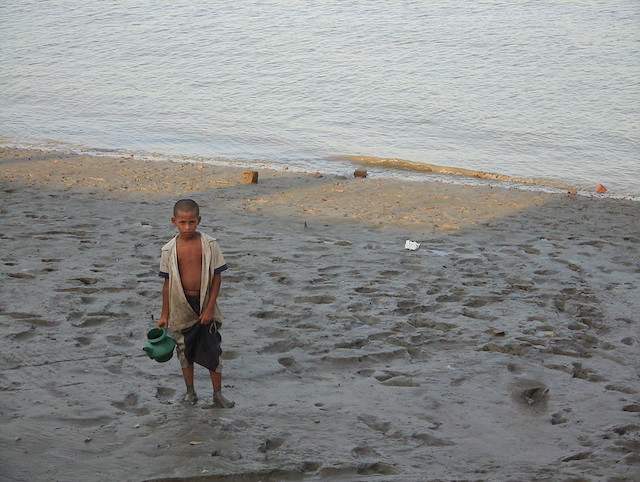 Malawi is an impoverished, landlocked country in southeastern Africa. As is common among impoverished nations, Malawi critically struggles with health and sanitation. Here are the top 10 facts about sanitation in Malawi.
Top 10 Facts About Sanitation in Malawi
- Menstrual hygiene – In Malawi, there are imbedded cultural beliefs surrounding menstruation that lead to communal ignorance. This stigma surrounding menstruation extends to schools, where girls similarly do not receive education about menstruation. Furthermore, most school bathrooms provide little to no privacy. This lack of privacy, combined with the societal shame of menstruation, results in girls leaving school once they get their period.
- Hygiene in schools – For children without access to clean water, toilets or soap at home, school can be their only hope of sanitation. Unfortunately, hygiene in schools often falls short in Malawi. As of 2018, only 4.2% of Malawian schools had handwashing facilities with soap and 9% did not have a secured water source.
- Education about hygiene and sanitation – Schools are a key tool for educating youth on basic hygiene and sanitation, especially due to the fact that children are effective agents of behavior change. They capable of sharing lessons they learn at school with their local community. However, similar to their lack of sanitation infrastructure, schools also lack education surrounding sanitation in Malawi. Even if schools did offer education surrounding hygiene and sanitation, high rates of enrollment would be required to create a large scale change in behavior. In many rural communities, girls are tasked with traveling long distances to collect water. This responsibility combined with the obstacle of menstruation reduces female enrollment in school.
- Toilets – As of 2015, 9.6 million Malawians – almost half of the population – did not have access to an adequate toilet. There are two types of toilets in Malawi. The first is the Western-style with a toilet bowl and a seat; the second is a hole in the ground. The Western-style is common in urban towns and cities while the hole in the ground is common in rural areas.
- Open defecation – In 2008, Malawi adopted the Community Lead Total Sanitation and Hygiene program (CLTS) in an effort to make the country Open Defecation Free (OPF). Malawi has made great strides, but 6% of rural communities continue to openly defecate. Open defecation results from inadequate health infrastructure such as toilets and is a key health concern in Malawi. Open defecation is linked to sanitation-related diseases, high child mortality and the spread of cholera.
- Access to water – As of 2015, only 67% of households in Malawi had access to basic drinking water. Similarly, 5.6 million do not have access to a safe water source. In fact, pproximately 30% of water points in rural areas were non-functional at any given time. Water is deeply intertwined with sanitation. Without access to clean water people catch water-borne diseases, are unable to stay clean through bathing and risk their safety by traveling long distances to receive water.
- Access to local sanitation facilities – As of 2015, only 42% of Malawian rural households had access to basic sanitation services. Consequently, in 2018 there were 9.9 million people in Malawi who did not use basic sanitation. Combined with poor transportation infrastructure, this lack of local sanitation facilities places strain on rural communities. Communities that do not have secure access to water, predominantly rural communities, are reliant on local sanitation facilities to stay clean and healthy. Thus, without such facilities, the risks of experiences the consequences of poor sanitation increase dramatically.
- Role of drought – In the past 36 years, Malawi has experienced eight major droughts. Droughts directly cause a reduction in water availability and thus, indirectly impact sanitation. The most recent drought in Malawi occurred in 2016 and disrupted household economic activities by increasing the time needed to search for water. It also increased the degradation of water catchment areas and increased the risk of water-washing diseases due to a prioritization of water for drinking rather than personal hygiene. Drought places another obstacle in the way of achieving universal sanitation in Malawi.
- Higher risk of diseases – Poor sanitation and unhygienic practice result in approximately 3,000 under-five child deaths per year in Malawi. Diarrhea is often a tragic consequence of poor sanitation with 11.4% of infant and child mortality resulting from diarrhea. Similarly, even if diarrhea does not result in death, frequent episodes can yield a negative effect on child development, stunting and acute respiratory infections. Furthermore, poor sanitation not only leads to diarrhea but also waterborne illnesses such as cholera. Thus high rates of communicable diseases are intimately tied to poor sanitation in Malawi.
- Improvements to WASH services – USAID is an active participant in increasing WASH services in Malawi and has made great progress. In 2015 alone USAID had constructed 60 shallow wells and three boreholes. It built 360,080 toilets with handwashing facilities as well as installed 2600 chlorine dispensers in 25 villages. This progress provides hope for the achievement of universal sanitation in Malawi.
Malawi is an impoverished African nation currently suffering from inadequate sanitation. This lack of sanitation in Malawi not only impacts health but household income and child attainment of education. While progress has been made through organizations such as USAID, more still needs to be done. Please consider visiting the Borgen Project website on information on how to call or email your representatives to put international aid as a priority on the U.S. agenda.
– Lily Jones
Photo: Flickr
