• Link to X
  • Link to Facebook
  • Link to Instagram
  • Link to TikTok
  • Link to Youtube
  • About
    • About Us
      • President
      • Board of Directors
      • Board of Advisors
      • Financials
      • Our Methodology
      • Success Tracker
      • Contact
  • Act Now
    • 30 Ways to Help
      • Email Congress
      • Call Congress
      • Volunteer
      • Courses & Certificates
      • Be a Donor
    • Internships
      • In-Office Internships
      • Remote Internships
    • Legislation
      • Politics 101
  • The Blog
  • The Podcast
  • Magazine
  • Donate
  • Click to open the search input field Click to open the search input field Search
  • Menu Menu

Tag Archive for: USAID

Information and news about mobile technology

Posts

COVID-19, Foreign Aid, Global Poverty

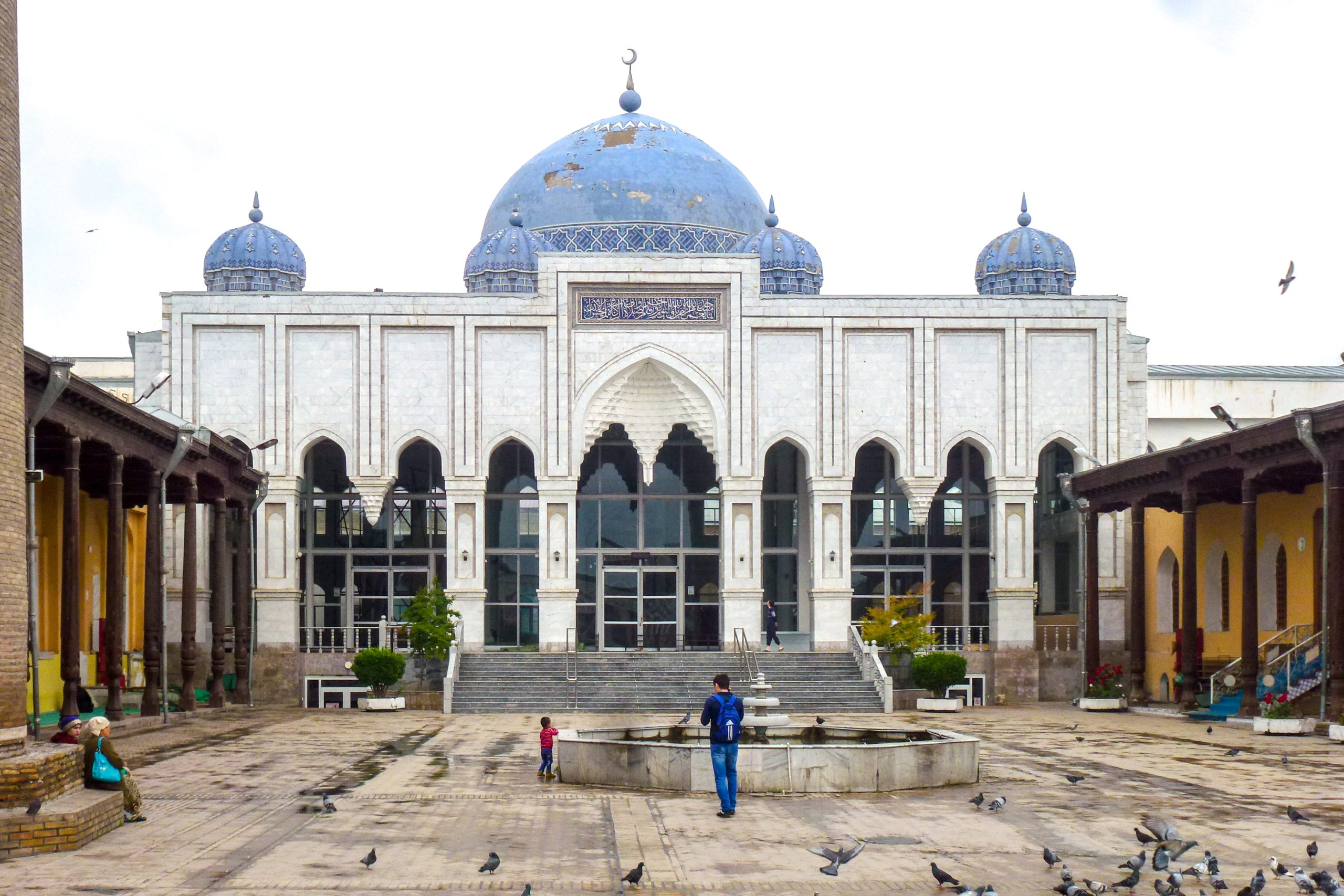
Tajikistan’s Response to COVID-19

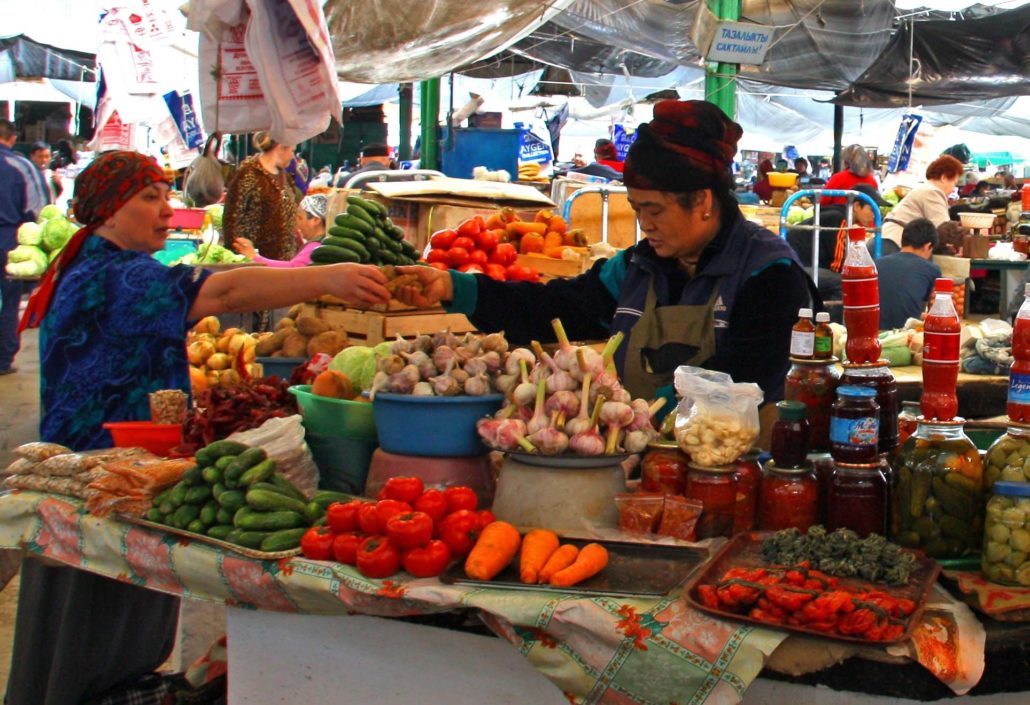
Tajikistan’s Response to COVID-19In February 2020, many countries arranged a summit to discuss how they would assist countries with weaker health care systems due to the COVID-19 pandemic. Tajikistan’s response to COVID-19 was one of the topics at the summit.

Tajikistan, a small country in Central Asia, is regarded by the World Health Organization (WHO) as one of the most impoverished countries. Primarily private out-of-pocket deals run the country’s health care system. According to the WHO, this process undermines the system’s ability to grow in equity, efficiency and quality.

Combating COVID-19

Tajikistan was one of the first countries to receive COVID-19 support. In April 2020,  the World Bank provided emergency relief to Tajikistan, along with aid from various other countries. The World Bank said that it is a continuous goal to strengthen Tajikistan’s response to COVID-19 by improving its health care system.

On June 7, 2020, Tajikistan received emergency medical teams (EMTs) and mobile laboratories from Poland, Germany, Russia and the United Kingdom. After this support, the country began to see an increase in COVID-19 contact tracing, testing and optimization of patient care. The EMTs gave Tajikistani health care workers advice on how to handle severe COVID-19 cases.

Tajikistan enacted a national COVID-19 laboratory upscale plan, and with help from international aid, the Tajikistan government established a Public Emergency Operations Center. On July 22, 2020, Russian lab experts arrived in the Central Asian country to help strengthen its data management system. Now, Tajikistan is seeing an increase in testing and staff capacity.

In addition, USAID donated $7.17 million to the Tajikistan government. Tajikistan used the funding to support migrants that traveled into the country. The country is also buying new, life-saving equipment and medical supplies. In April 2020, the USAID and other American organizations sent 58,620 kilograms of food to more than 100 health and social welfare institutions. These donations totaled approximately $171,000.

Further, the World Bank allocated $11.3 million to a grant for the Tajikistan Emergency COVID-19 Project. The project works to improve healthcare for Tajikistan’s citizens, sending funds to impoverished households and informing the public on COVID-19 safety measures.

Hope for Tajikistan

The Intensive Care Unit in Varzob, Tajikistan, was one of 10 hospitals chosen for refurbishment with funding from the World Bank. The hospital received upgraded medical equipment and supplies to strengthen Tajikistan’s response to COVID-19. The Tajikistan hospital can now serve all district citizens instead of only private out-of-pocket citizens.

Several hospitals throughout Tajikistan received batches of medical equipment. Donations included 68 ICU ventilators, 68 ICU beds with patient monitors and 400,000 pieces of personal protective equipment.

According to the World Bank, 41% of Tajikistani households reported that they had to reduce food consumption, while 20% of families could not afford health care. With international funds, the Tajikistan government sent out one-time cash payments of 500 somonis to approximately 65,000 low-income families with children less than three years old.

In February 2021, Tajikistan received a grant for COVID-19 vaccines and to increase the oxygen supply in 15 of the country’s hospitals. Most of the funding went to Tajikistani patients suffering from COVID-19 to receive top-of-the-line care. Subsequently, the remaining grant money provided one-time cash assistance to an additional 70,000 poor households.

Future of Tajikistan

On June 16, 2021, the Asian Development Bank approved a grant of $25 million to strengthening Tajikistan’s response to COVID-19. This grant helped the country procure COVID-19 vaccines and improve its vaccination system. On the same date, Tajikistan created a goal to vaccinate about 62% of its population. This grant is one of many that allowed the country to strengthen its supply of medical equipment and care for the maximum number of high-risk COVID-19 patients.

As of July 9, 2021, Tajikistan has vaccinated 1.2% of the population, administering 223,648 doses. With help from international aid, the country is giving out approximately 9,273 doses each day. It will take more than 200 days to vaccinate 10% of the population, but Tajikistan is steadily recovering from the COVID-19 pandemic.

– Rachel Schilke
Photo: Flickr
July 15, 2021
https://borgenproject.org/wp-content/uploads/borgen-project-logo.svg 0 0 Kim Thelwell https://borgenproject.org/wp-content/uploads/borgen-project-logo.svg Kim Thelwell2021-07-15 06:32:522021-08-17 04:12:05Tajikistan’s Response to COVID-19
COVID-19, Global Poverty

The Impact of COVID-19 on Poverty in the Palestinian Territories

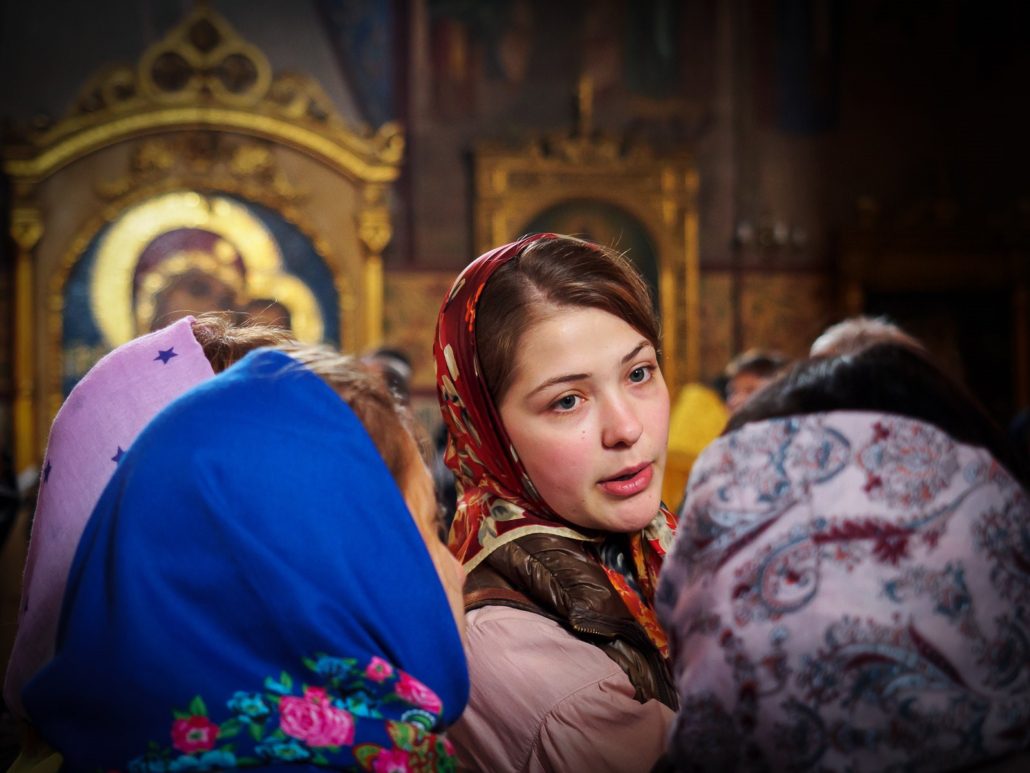
The Impact of COVID-19 on Poverty in the Palestinian Territories
The impact of COVID-19 on poverty in the Palestinian territories has been extensive. COVID-19 devastated the previously struggling economies of the West Bank and Gaza Strip. In the last quarter of 2019, the Gaza Strip had a 43% unemployment rate while the West Bank had a 14% unemployment rate. Moreover, the recent conflict between Hamas and Israel, lasting from May 10, 2021, to May 21, 2021, further disrupted the Palestinian economy.

COVID-19 in the West Bank and Gaza Strip

In March 2020, the Palestinian Authority (PA) identified the first cases of coronavirus in the Palestinian territories. Surges in cases since August 2020 have resulted in intermittent lockdowns and stressed an already burdened Palestinian healthcare system. The Palestinian healthcare system’s already limited capacity and dearth of specialized medical care workers means the Palestinian territories have an insufficient ability to handle large influxes of COVID-19 patients. Also, Israeli-implemented movement restrictions between the Palestinian territories and Israel have constrained Palestinian efforts to combat COVID-19 by delaying the Palestinian territories’ acquisition of necessary medical equipment.

As of June 2, 2021, the vaccination campaign across the Palestinian territories has vaccinated 344,260 Palestinians in the West Bank and Gaza Strip or 7% of the population. Thus far, COVAX has heavily supported the Palestinian vaccination effort and aims to vaccinate 20% of the Palestinian population.

State of the Palestinian Economy

Coronavirus-induced social distancing and lockdown measures have further weakened the fragile Palestinian economy. Even before COVID-19, political instability, periods of violence and Israeli restrictions on human and material movement in and out of the Gaza Strip were already causing a state of humanitarian emergency in the Gaza Strip. In the West Bank, the PA’s suspension of coordination with Israel between May 2020 and November 2020 intensified the impact of COVID-19 on poverty. The suspension led Israel to suspend tax transfers to the PA, which account for the majority of the PA’s budget.

Due to the health and socioeconomic crisis, the Gaza Strip’s unemployment rate jumped to 49% by the end of 2020. Likewise, the pandemic has caused wages to decline by 50% or more in nearly 40% of West Bank households. In the West Bank, the pandemic and tax revenue crisis caused the PA, the territory’s largest employer, to cut its staff’s pay in half.

The pandemic also intensified Gazan food insecurity. The United Nations Relief and Works Agency for Palestine Refugees in the Near East (UNRWA) reported that “food expenditure declined in 40% of surveyed households in Gaza once lockdowns went into effect.” As of early 2021, 68% of Gazans were food insecure.

Altogether, the impact of COVID-19 on poverty in the Palestinian territories has been drastic as experts project the pandemic will push many households below the poverty line. Specifically, estimates indicated the proportion of Gazan households living in poverty would jump from 53% in 2019 to 64% by the end of 2020 and the proportion of West Bank households living in poverty would rise from 14% to 30% in the same period.

Israel-Hamas Conflict

The May 2021 conflict between Israel and Hamas worsened already dire living conditions in the Gaza Strip and may increase COVID-19 cases in the territory. The conflict damaged 57 Gazan educational facilities and 29 Gazan health facilities. Moreover, the conflict damaged the Gaza Strip’s water, sanitation and hygiene infrastructure, which serves 1.2 million people.

When the conflict caused the number of Gazan internally displaced persons to temporarily spike to 77,000, the United Nations Children’s Fund (UNICEF) raised concern that the displacement may spread COVID-19. Following the conflict, positive cases in the Gaza Strip increased and now account for 84% of all COVID-19 cases in the Palestinian territories.

Renewal of US Aid to the Palestinian Territories

The impact of COVID-19 on poverty in the Palestinian territories has been stark. However, the Biden administration recently ended a nearly three-year U.S. hiatus on aid to Palestinians. On April 7, 2021, Secretary of State Antony Blinken announced an aid pledge promising $275 million. The pledge dedicates $150 million to fund UNRWA, which serves nearly six million Palestinians across the Middle East.

The Biden administration earmarked another $15 million to aid the Palestinian response to COVID-19 and provide food assistance. Furthermore, the aid plan will provide the U.S. Agency for International Development (USAID) with $75 million to fund economic and development assistance projects and $10 million to fund peace-building programs. USAID will use more than half of the $75 million to improve access to water and sanitation and upgrade Palestinian infrastructure.

During Secretary Blinken’s visit to Ramallah, he announced another $112 million of aid to Palestinians. Specifically, the U.S. will provide another $32 million to fund UNRWA. The pledge will also provide another $75 million in economic and development assistance to Palestinians in the West Bank and the Gaza Strip and $5.5 million in immediate assistance to the Gaza Strip. During the visit, Secretary Blinken also outlined the United States’s goal to procure 1.5 million COVID-19 vaccines for Palestinians.

Future Outlook

While the U.S. only recently announced its Palestinian territories aid plan, the pledge will contribute to combating COVID-19 and provides a hopeful outlook for reversing the impact of COVID-19 on poverty in the Palestinian territories. Additionally, international efforts to procure vaccines and support COVAX have the potential to increase Palestinian access to COVID-19 vaccinations.

– Zachary Fesen
Photo: Flickr

July 14, 2021
https://borgenproject.org/wp-content/uploads/borgen-project-logo.svg 0 0 Jennifer Philipp https://borgenproject.org/wp-content/uploads/borgen-project-logo.svg Jennifer Philipp2021-07-14 07:30:422021-07-14 00:31:47The Impact of COVID-19 on Poverty in the Palestinian Territories
Food & Hunger, Food Aid, Foreign Aid, Global Poverty

Promising Foreign Aid in Central Asia

Foreign Aid in Central Asia
Central Asia comprises Kazakhstan, Tajikistan, Uzbekistan, Turkmenistan and Kyrgyzstan. The combined population of these countries is about 72 million. Promising foreign aid efforts in Central Asia are working to combat a variety of issues in these countries.

Food Distribution

One critical area for foreign aid in Central Asia has been food security. During the COVID-19 pandemic, the World Food Programme (WFP) has been leading a program to provide food to impoverished children in Tajikistan. This program has given vegetable oil and flour to more than 22,000 households in Tajikistan.

This has been part of a more significant effort by the WFP School Feeding Programme to ensure student food security in Tajikistan. The School Feeding Programme has helped more than 600,000 students across the country.

Russia is a critical contributor to these aid programs. Since 2012, Russia has given more than $28 million to the School Feeding Programme to facilitate food distribution and the modernization of food infrastructure for schools.

The World Food Programme and Russia are not the only sources of food aid in Central Asia. The United Arab Emirate’s 100 Million Meals campaign has distributed more than 600,000 meals to Central Asia as of June 2021.

The organization gave out food baskets with enough food to feed an entire family for a month. It assists families in Kazakhstan, Tajikistan and Kyrgyzstan. The campaign coordinated with other charity organizations within these three countries, and the campaign target has already increased from 100 million meals to more than 200 million meals.

Electrical and Water Supply

Another critical area for foreign aid in Central Asia is the development of electrical infrastructure and water management. The U.S. recently started an effort via USAID to develop a sustainable and reliable electricity market in the region. An October 2020 agreement between USAID, Kazakhstan, Kyrgyzstan and Tajikistan planned to create an electrical market with “expected economic benefits from regional trade and… reductions in greenhouse gas emissions.”

USAID also recently started the Water and Vulnerable Environment project, which will help all five Central Asian countries. The project aims to “promote regional cooperation to improve natural resources (water) management that sustains both growths, promote[s] healthy ecosystems, and prevent[s] conflict.” This is the second water management project USAID has supported in the region in recent years, as it recently completed the Smart Waters project.

The Smart Waters project successfully ensured that dozens of citizens received degrees in water management or received additional training in the field. The project also trained almost 3,000 people in “water resources management, water diplomacy, water-saving technologies, and international water law through 100 capacity building events.”

Medical Assistance

USAID partnered with the World Health Organization (WHO) in 2021 to help Uzbekistan address the management of drug-resistant tuberculosis. The project’s goal is to better manage the disease by providing assistance to Uzbekistan’s Ministry of Health. The program conducted 35 training sessions throughout Uzbekistan, which resulted in more than 600 specialists receiving certification to prevent, identify and treat drug-resistant tuberculosis.

In recent years, foreign aid in Central Asia has resulted in food distribution, medical assistance, efforts to develop an electrical grid and assistance in water management. The U.S., Russia and the United Arab Emirates have contributed to these efforts alongside various international and local organizations.

– Coulter Layden
Photo: Flickr

July 13, 2021
https://borgenproject.org/wp-content/uploads/borgen-project-logo.svg 0 0 Kim Thelwell https://borgenproject.org/wp-content/uploads/borgen-project-logo.svg Kim Thelwell2021-07-13 10:39:482024-05-30 22:23:54Promising Foreign Aid in Central Asia
Global Poverty

Pregnancy and the Fetal Mortality Rate in Russia

Fetal Mortality Rate in Russia
The Russian Federation is the largest nation by land area in the world, and its approximately 146 million people, according to Worldometer, are remarkably diverse and varied across this vast territorial expanse. While this broad and beautiful nation has problems both similar and different to all nations of the world, one real issue that is relatable across all borders, regardless of culture, is the danger of losing one’s child at the time one gives birth. The fetal mortality rate in Russia is no exception.

This is a problem that purveys all species of animals, yet for humans, the struggle to survive childbirth has become easier in many places across the world with the succeeding decades. For Russia, remedying its fetal mortality rate will go hand in hand with fixing their nations own blighted poverty, as the two play off of one another in a Sisyphean loop.

The Poverty and Fetal Mortality Rate in Russia

The numbers across the board in 2021 are markedly better than those at the start of the century. However, in comparison to 50 years ago, the fetal mortality rate in Russia has actually been improving at a steady rate, even as national poverty, currently at just 13% nationally, continues on its own uneven road.

The U.N. Inter-Agency Group for Child Mortality Estimation estimates that nationally in 1970, approximately every 31 out of 1,000 births resulted in the death of the child in the Soviet Union. That number is today on par with the fetal mortality rate of far poorer nations, yet during this time, the Soviet Union was, under Leonid Brezhnev, still a powerful, if declining, force across the globe. The succeeding decades have since produced a consistent decline in these numbers, yet they have remained alarming to varying degrees, and for varying constituents, during this time.

By 2002, a bit more than a decade after the fall of the Soviet Union, the Russian Federation, now led by ex-KGB agent Vladimir Putin, had shaved the number of estimated infant deaths per 1,000 children nationally from approximately 31 to 14.8 across 30 years. However, regions and cities like Tula, amongst the poorest regions in Russia, still recorded nearly 17 per 1,000. But, as a scathing report on the conditions on the ground told at the time, even these numbers, high as they are, might yet be untrustworthy and lower than in reality.

In this report, the infant mortality rate in St. Petersburg in 2001 was just 9.3 per 1,000 births. Meanwhile, in the region of Chuktskity Okrug, that number was actually more than four times higher than the national average at just over 42 per 1,000 live births. Therefore, one can surely conclude that the wealth and internal infrastructure of the region certainly has a part to play in the fetal mortality rate both regionally and nationally.

The Numbers Today

Today, the national number has continued to shrink in comparison to the old data, yet this onus remains a terrible burden on the massively expansive nation; in 2019, estimates determined that Russia had only 4.93 infant deaths on a national scale, which is a far cry from approximately 31 out of 1,000 just slightly more than 50 years ago. While Russia’s rates have officially dropped, again buoyed by the more readily available healthcare of the larger cities like Moscow, the country’s official standing regarding the fetal mortality rate is nuanced.

However, while some facts change across the decades, other things remain the same. Available reports from all of these periods show that the nation was not infrastructurally integrated enough to sustain mothers or their children with the necessary resources, education or medical attention. Today, like in 2010, 2000 and 1970, the poorest regions in the federation, as well as within cities themselves, continue to suffer this trauma and unfair indignity at higher rates than their city-dwelling fellow citizens.

Russia: Between a Proverbial Rock and Hard Place

With sanctions against Russia omnipresent and the nation’s government itself outwardly hostile towards global nonprofits since 2012, external as well as internal human rights and advocacy groups have struggled to positively affect change. Population and Development was a Russian NGO that focused primarily on the promotion and protection of the reproductive health of Russian citizens before it shut down alongside so many others. The United States Agency for International Development, which has previously invested time and energy towards the betterment of Russian society through education and health initiatives, has had limited power and prestige in Russia in the years since 2012, as the country kicked it out in September of that year. Vladimir Putin’s government’s newest crackdown in April 2021 has left still fewer external or internal options for advocates to effectively affect positive change across the society, apart from the World Bank.

While the Russian government has largely discontinued or silenced internal and external assistance, cooperation with the World Bank has continued and might be the surest recourse for the fetal mortality rate in Russia. While Vladimir Putin has said that “Russia’s fate and its historic prospects depend on how many of us there are…,” his government alone has not been up to fixing all that ails the nation’s fetal mortality rate, and so continues to place its population in the most dangerous of positions. On the other hand, since 1992, the World Bank has been helping the Russian Federation advance the internal dynamics of their nation, from the hard and soft infrastructure necessary to producing stable economic circumstances to the education and resources necessary to create healthy environments for mothers to have, and then subsequently care for, their children.

Helping Russia

In such an unforgiving natural environment, the people require all of the help they can to sustain themselves and their families from generation to generation. Ultimately, organizations like the United Nations, USAID, Population and Development and other organizations can still help Russia with its poverty and fetal mortality rate, should they only receive the chance to do so once again.

– Trent Nelson
Photo: Flickr

July 10, 2021
https://borgenproject.org/wp-content/uploads/borgen-project-logo.svg 0 0 Kim Thelwell https://borgenproject.org/wp-content/uploads/borgen-project-logo.svg Kim Thelwell2021-07-10 10:17:052024-05-30 22:23:56Pregnancy and the Fetal Mortality Rate in Russia
Foreign Aid, Global Poverty, Malaria

The Need for Aid Toward Vector-Borne Diseases

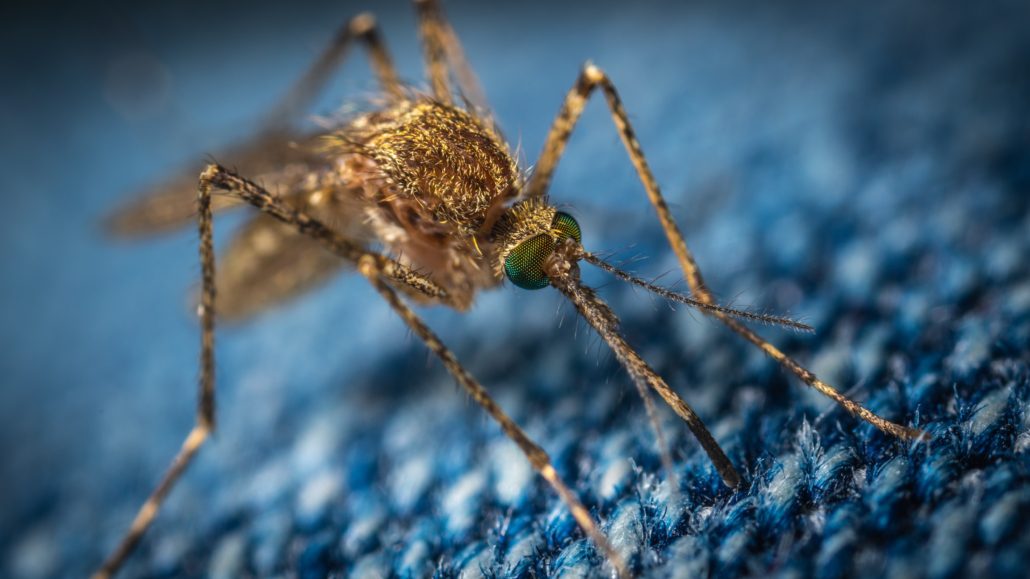
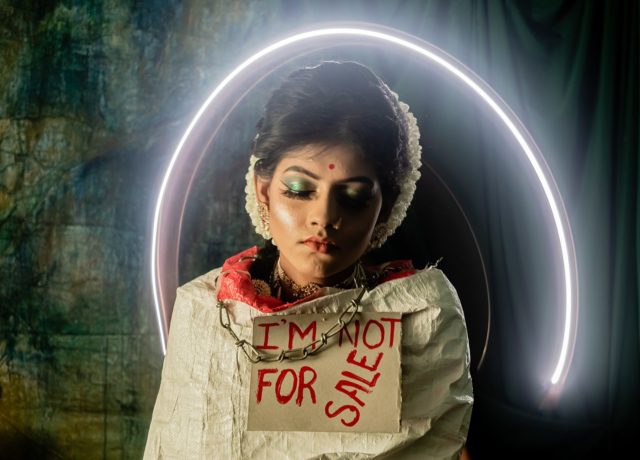
Vector-borne diseasesDisease and poverty are two deeply interconnected issues affecting many countries across the world, particularly those in Africa. Among the most pressing diseases are those that are vector-borne, (illnesses caused by pathogens and parasites in the human population) such as malaria and dengue fever. Unfortunately, these diseases foster ideal conditions for poverty, given their effects on the working population. Moreover, poverty also creates conditions that foster vector-borne diseases, such as underdeveloped healthcare, a lack of information and poor living conditions.
About Vector-Borne Diseases in Africa

According to the World Health Organization (WHO), malaria is the most deadly vector-borne disease. It leads to approximately 1.2 million deaths annually. A 2017 report from the WHO shows that 90% of the roughly 219 million global malaria cases are found in Africa. Dengue fever is also a particularly concerning vector-borne disease. As of May 2021, dengue is endemic in more than 100 countries. Dengue fever can develop into a lethal form of the illness, called severe dengue.

Impact on Poverty

In order to eradicate poverty, there must be a working population that can sustain itself. With the devastating symptoms of diseases like malaria and dengue, many are forced out of work, unable to sustain themselves. According to a 2019 study in BMC’s Malaria Journal on a farm in Zimbabwe, absenteeism among those affected by malaria was between 1.4 to 4.1 business days during the 5 month study. This is especially concerning given that in 2019, 15 countries in both Sub-Saharan Africa and India carried 80% of the world’s malaria burden. This means that in African countries where malaria is prevalent, millions of workers are unable to sustain themselves as they fight for their lives.

Current Solutions

Many non-governmental organizations (NGOs) are aiming to combat vector-borne diseases on both domestic and global scales. Initiatives by the CDC and WHO are invaluable ways to mitigate this health crisis. Even with this, one of the most influential solutions is foreign aid. As one of the most powerful and influential countries in the world, the U.S. can distinctly impact the global disease burden.

Malaria is one of the biggest health priorities of USAID, with funding going toward research and the development of vaccines and insecticide tools. USAID also collaborates with other groups and organizations, like the RBM Partnership to End Malaria and The Global Fund to Fight AIDS, Tuberculosis and Malaria. There is also the U.S. President’s Malaria Initiative, which is led by USAID and includes 27 different programs in Africa and Asia aimed toward building treatment capacity for malaria and other vector-borne diseases.

Aid Looking Forward

Despite this funding into research, African countries desperately need more aid. As of 2019, nearly 95% of malaria deaths were in Africa. It is evident that current aid is useful, yet the gravity of the current disease burden requires further U.S. commitment. Research funding, treatment capacity building and development in African countries are crucial initiatives. Organizations like USAID are important vessels to create necessary change.

While initiatives solely targeted toward poverty reduction are necessary, they cannot completely eradicate poverty. This is largely because poverty is such a multifaceted issue.

As vector-borne diseases create conditions for poverty, poverty exacerbates vector-borne diseases. Therefore, they must both be approached in tandem, with further aid and support from the United States.

– Samuel Weinmann
Photo: Unsplash

July 8, 2021
https://borgenproject.org/wp-content/uploads/borgen-project-logo.svg 0 0 Kim Thelwell https://borgenproject.org/wp-content/uploads/borgen-project-logo.svg Kim Thelwell2021-07-08 17:27:062021-08-11 04:46:08The Need for Aid Toward Vector-Borne Diseases
Global Poverty, Human Trafficking, Women's Rights

5 Ways to Combat Human Trafficking in Azerbaijan

Human Trafficking in Azerbaijan
An Azerbaijani woman called Gulnara took a job in Turkey to support her daughter and her sick father. Upon her arrival, Gulnara’s contact in Turkey took her passport and forced her into prostitution. After a year, Gulnara was able to escape and return to Azerbaijan. The Azerbaijani Government Department on Combating Trafficking in Persons referred her to a shelter for human trafficking survivors. The IOM-implemented shelter is part of an initiative that the United States Agency for International Development (USAID) funds. Azerbaijan has been working tirelessly to combat human trafficking to ensure vulnerable people like Gulnara receive protection.

5 Ways to Combat Human Trafficking in Azerbaijan

  1. Decrease the Gender Gap. Azerbaijan has one of the highest gender inequality gaps of the countries that left the Soviet Union. Women lack the economic opportunities that men have. The women’s workforce participation rate in 2018 was 68.7% in contrast to 73.9% for men, a statistic that has barely changed since 2012. Further, females form 96.6% of people who do not work due to household and caregiving responsibilities. Minimal economic prospects can lead to people being lured into sexual exploitation and human trafficking. Providing women with more and improved economic opportunities could help prevent these situations.
  2. Provide Long-term Assistance. In 2018, the Anti-Trafficking Review published a study in which it interviewed 22 Azerbaijani survivors of human trafficking. The survivors believed that long-term help, including assistance with “job placement and family reunification,” could better help them rebuild their lives. Only nine of the 22 interviewees had full-time paid jobs at the time, while nine others had no paid jobs at all. Secure employment provides a steady income flow to economically empower women.
  3. Reunite Survivors and Families. Victims of human trafficking in Azerbaijan often end up disconnected from their families. By reconnecting with their families, victims can return to some semblance of normalcy. However, there is a stigma surrounding sex work that can impact familial relations. If organizations work to combat this stigma, survivors can repair relationships and gain much-needed emotional familial support that will reduce the chance of victims falling prey to human trafficking again.
  4. Address the Root Causes. People struggling economically, like Gulnara, are prime targets for human trafficking. Using foreign aid to create more programs to combat poverty could decrease human trafficking in Azerbaijan. In a 2020 report, the U.S. Department of State noted that Azerbaijan had increased the funds allocated for victim protection and shelters from $86,760 to $114,530. This is an important increase, but it only helps after the fact. Greater funds could go toward helping people living below the poverty line before traffickers lure them into human trafficking.
  5. Prosecute Human Trafficking in Azerbaijan. The U.S. Department of State encourages Azerbaijan to convict more traffickers and issue harsher sentences as many Azerbaijani judges issue suspended sentences. In 2018, 20 traffickers received suspended sentences. The Azerbaijan government can create a powerful deterrent by more effectively convicting human traffickers.

Azerbaijan’s Progress

In 2020, Azerbaijan remained on the Tier 2 Watch List of the U.S. Department of State. This designation means the country “does not fully meet the minimum standards for the elimination of trafficking but is making significant efforts to do so.” From 2020 through 2024, the government of Azerbaijan’s National Action Plan on Combating Trafficking in Human Beings will target and address the root causes of human trafficking while improving support services for victims.

USAID Assistance

Since 2015, USAID has supported three shelters in Azerbaijan. These shelters “provided direct assistance to more than 100 confirmed and presumed victims of trafficking” between 2015 and 2018. The shelters also helped more than 1,000 people who were vulnerable to trafficking. The shelters provide “psychological, medical and legal support” services.

Azerbaijan created a human trafficking hotline center to provide information on services and relay necessary information to law enforcement officials. As of 2021, the hotline aims to incorporate an online system to allow workers to screen calls in a more efficient and detailed manner.

Human trafficking in Azerbaijan is progressing in the right direction. With commitment and continuity, Azerbaijan can improve its human trafficking tier ranking, protecting thousands of vulnerable people in the process.

– Alessandra Heitmann
Photo: Wikimedia Commons

July 8, 2021
https://borgenproject.org/wp-content/uploads/borgen-project-logo.svg 0 0 Kim Thelwell https://borgenproject.org/wp-content/uploads/borgen-project-logo.svg Kim Thelwell2021-07-08 07:30:362024-05-30 22:23:485 Ways to Combat Human Trafficking in Azerbaijan
Poverty

The Impact of COVID-19 on Poverty in Afghanistan

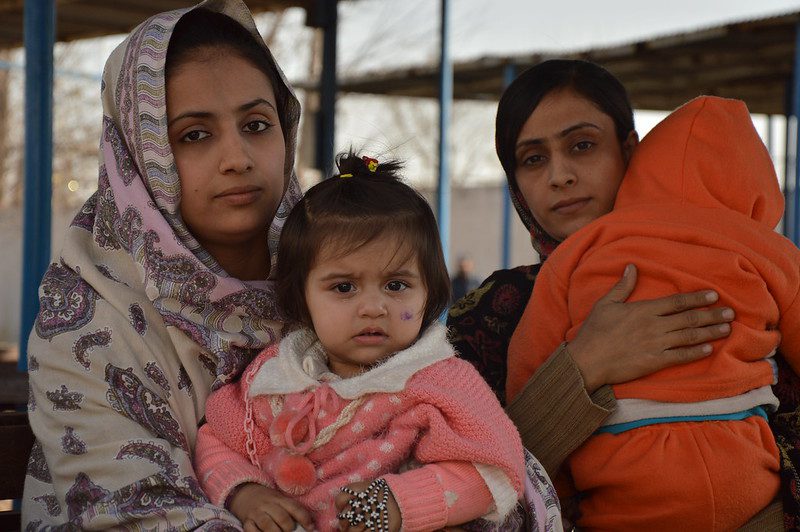
The Impact of COVID-19 on Poverty in Afghanistan
Since the first confirmed case of COVID-19 in Afghanistan in February 2020, the total number of confirmed cases rose to 93,288, with deaths reaching a toll of 4,871 on July 1, 2021. Low government capacity and limited public health resources have hampered Afghanistan’s ability to contain the virus, amounting to only 0.9% of the population becoming fully vaccinated. The impact of COVID-19 on poverty in Afghanistan has been a domino effect across the country as many have fallen below the poverty line.

COVID-19 and Afghanistan

As COVID-19 continues to spread, Afghan citizens grapple with increased instability in the form of Taliban attacks on national security. The reduction of U.S. troops and decreased NATO assistance resulted in a 29% increase in civilian casualties and heightened corruption.

One of the most extreme effects of the pandemic is the impact of COVID-19 on poverty in Afghanistan. In 2020, the economy contracted by 1.9%, and poverty levels rose from 41.6% to 45.5%, with more than half of the population living under the poverty line. These higher levels correspond with a significant rise in food insecurity, as suppliers raised prices in response to trade restrictions. However, the World Bank and USAID initiatives promise enhanced development of humanitarian aid efforts for Afghan citizens.

The Domino Effect: How Poverty Affects Food Insecurity

Food insecurity is part of a domino effect. As COVID-19 in Afghanistan continues to spread throughout, poverty levels climb as more civilians fall into unemployment, resulting in them being unable to purchase sufficient amounts of food because of a rise in prices.

According to the office of the Special Inspector General for Afghanistan Reconstruction (SIGAR), the combination of COVID-19 and rising urban poverty levels are resulting in 16.9 million Afghans facing crisis and emergency levels of food insecurity. Of these 16.9 million, 5.5 million are experiencing emergency levels of food insecurity, severely threatening their health.

The surge and impact of COVID-19 on poverty in Afghanistan, along with food insecurity, is partly due to the early closing of borders. In March 2020, one of Afghanistan’s primary food import and export sources––Pakistan––closed its routes to and from suppliers to prevent the spread of COVID-19, resulting in a food shortage.

Although borders opened again in July 2020, the initial closing proved to be disruptive. Nearly half of the children below 5 years old will face acute malnutrition by the end of 2021. To put food on their tables and fund medical treatment, several Afghan civilians resorted to selling their organs illegally. These combined infrastructure and economic pressures outline a need for aid to Afghanistan.

Relief Efforts

To combat the impact of COVID-19 on poverty in Afghanistan, various organizations implemented insecurity-reduction measures. In July 2020, the United States government designated more than $36.7 million to support COVID-19 relief efforts in Afghanistan through USAID. The United States allocated these funds primarily toward refugee assistance, health and disaster assistance and support for the Afghan government. This contribution proved helpful, as Afghanistan’s domestic revenues increased by 1.4% in the first quarter of 2021.

Additionally, the World Bank approved and issued a grant of $97.50 million in February 2021 to support Afghan civilians suffering the effects of droughts and COVID-19. By extension, a portion of this sum will go toward improving nutritional and food insecurity, which worsened as a result of widespread droughts and disease. This grant will also finance the Early Warning, Early Finance and Early Action Project (ENETAWF). The project aims to aid approximately 2.2 million impoverished Afghans and 78 districts struggling with poverty, drought and food insecurity.

Individuals in and outside of the United States can also support COVID-19 humanitarian aid efforts in Afghanistan by supporting Afghan businesses. Greater demand for goods will result in the creation of companies and jobs and the economy’s growth, so more funds go toward alleviating the impact of COVID-19 on poverty in Afghanistan.

– Riya Sharma
Photo: Flickr

July 7, 2021
https://borgenproject.org/wp-content/uploads/borgen-project-logo.svg 0 0 Jennifer Philipp https://borgenproject.org/wp-content/uploads/borgen-project-logo.svg Jennifer Philipp2021-07-07 10:43:452024-05-30 22:23:52The Impact of COVID-19 on Poverty in Afghanistan
USAID

USAID is Gendering Belarus Politics

USAID is Gendering Belarus PoliticsUSAID is an independent agency of the United States federal government that takes care of administering civilian foreign aid and development assistance. It is one the largest official aid agencies in the world, controlling a large share of U.S. foreign assistance programs. USAID operates in more than 100 countries all around the world. One of them is Belarus, where USAID — which represents the second-largest actor after the E.U. — is effectively gendering its politics. USAID has indeed been able to transform the current business and social landscapes for Belarusian women.
Gender Politics in Belarus

In 2017, Belarus ranked 26 out of 144 in the Global Gender Gap Index. However, differences start to show when looking at detail. Women outnumber men at tertiary education enrollment. But despite being more likely to achieve white-collar positions, women are not as likely as men to receive managerial power. Only 17% of female white-collar employees rise through the ranks against a stark 41% for men. Women also lack executive power in politics. Although they hold around 30% of parliament seats, their presence in the executive branch is scarce. In addition, gender wage gaps have been increasing in recent years. This is due to the country’s employment residing namely in public sectors such as education, where pay is lower.

Belarus is a country where STEM start-ups and corporations are usually presented as a field for men to develop their careers. Belarus has profited from USAID support to Belarusian women. By sponsoring teams that consist of at least 30% women, the U.S. support program is bringing forth a cultural shift in the entrepreneurial mentality of Belarusians.

USAID is Gendering Belarus Politics

USAID is gendering Belarus politics by increasing the relative bargaining power of women in society. A clear example of this promotion commitment is USAID’s Community Connections Exchange Program, through which Belarusians have the opportunity to travel to the U.S. to undergo short-term exchanges. During this stage, they learn about innovative practices, youth business promotion and female empowerment. Women made up more than half of 2017’s edition of the program, enlarging the ranks of the more than 400 women that had already enjoyed these lessons and leadership skill-building tools. Not only that, but another instance of leading by example would be the U.S.’s personal compromise to constitute offices in Belarus. At least one staff member n the office must be female. This is regardless of whether their tasks involve directing diplomatic meetings, developing the private sector or dealing with administrative matters.

USAID’s Action

The U.S. commitment to improving the living conditions in Belarus extends well beyond jobs. It is also focusing on the way that politics are carried out in the country. The U.S. Department of State’s Human Rights Report has criticized the increasing neglect by Belarusian authorities to protect human rights as fundamental as the freedom of speech or press. However, to encourage positive promotion and not negative condemnation, the Embassy also assists the growing independent media and NGO community. It is offering public exchanges and bringing American experts to the country to offer insight into democratic initiatives and reforms.

Along those lines, American and Belarusian counterparts in law enforcement and international development agreed to collaborate; this is particularly through American support schemes for the education of Belarusian officials to enable the law to be upheld and create strong legal infrastructures. The advancement of human rights entails a clear compromise toward the inclusion of women in society, especially in a country where legislation is “gender blind.” While discrimination is formally prohibited, this does not stop employers to view women as undesirable based on their maternity benefits and earlier retirement age (55 for women and 60 for men).

USAID gendering Belarusian politics also means USAID is pushing for human rights to become a fundamental principle guiding legislative activity. Independent media, expert advice and reforms help create a more inclusive society. In addition, it is important to implement legislation that is gender aware, rather than gender blind.

Moving Forward

Women’s participation in politics has been one of the main issues at stake in Belarus. USAID has helped promote civilian expansion and participation in political and economic decision-making. It has helped encourage opening up society and allowing for reform.

With markets opening, women have taken it as a sign that it is time for politics to follow the economic trail. The continued support offered by U.S. institutions to promote the role of women in the labor market may also enable them to increase their bargaining power in politics. Alongside the U.S. focus on protecting and projecting democratic reform and the rule of law in the country, there comes peaceful reform in a country that is making strides toward gender equality.

– Álvaro Salgado
Photo:Flickr

July 4, 2021
https://borgenproject.org/wp-content/uploads/borgen-project-logo.svg 0 0 Kim Thelwell https://borgenproject.org/wp-content/uploads/borgen-project-logo.svg Kim Thelwell2021-07-04 01:31:222024-05-30 22:23:34USAID is Gendering Belarus Politics
COVID-19, Global Poverty

Efforts for COVID-19 Vaccination in Mongolia

COVID-19 Vaccination in MongoliaEfforts for COVID-19 vaccination in Mongolia can be described in the oxymoron “small but mighty.” This tiny nation is typically overshadowed by its neighboring states, Russia and China. However, in the event of a pandemic, the position as a small country enclosed by the borders of the world’s two largest vaccine manufacturers can be extremely valuable. Mongolia has benefited greatly from its close ties with its neighbors, powerful forces determined to aid their partners through vaccine diplomacy. As a result of these vaccination efforts, Mongolia hopes to be free of COVID-19 sometime around the Mongolian summer of 2021.
Helpful Partnerships

Mongolia has a sufficient number of vaccines to properly ensure protection within the adult population, primarily due to its advantageous location between China and Russia. The relationship between Mongolia and China dates back to the 1940s when the countries signed a treaty of friendship and mutual assistance. As for Mongolia and Russia, both nations signed the Russo-Mongolian Agreement back in 1912, which gives both countries major commercial advantages. Through these foreign policy agreements, toward the end of April 2021, Mongolia had 1.5 million doses of the Sinopharm vaccine from China and 20,000 doses of Sputnik-V vaccines from Russia.

Additionally, on March 24, 2020, the United States Agency for International Development (USAID) committed $1.2 million to assist the Mongolian government in its COVID-19 response, according to the U.S. Embassy in Mongolia. USAID is committed to assisting efforts for COVID-19 vaccination in Mongolia by strengthening the country’s disease-fighting capabilities. USAID also supports other critical areas such as “infection prevention and control, preparing laboratory systems for large-scale testing” and public communication on personal preventative measures. Due to aid from Russia, China, the United States and other foreign assistance, as of May 6, 2021, Mongolia has administered more than 1.3 million doses of COVID-19 vaccines.

Vaccination Diplomacy and Foreign Policy

The worldwide pandemic brought into sharp focus the importance of a nation’s foreign policy and what is made possible through efforts of foreign and domestic relations. Mongolia is reaping the benefits of vaccination diplomacy by relying on its well-established foreign policy framework. Mongolia’s COVID-19 vaccine initiative includes COVAX, an international effort aimed at ensuring equal access to COVID-19 vaccinations throughout the world.

Specifically, Mongolia’s foreign minister, Battsetseg Batmunkh, has maintained excellent relationships with Mongolia’s allies. For instance, the U.S. and Mongolia have been in regular contact on how the United States, as a key ally, can help Mongolia tackle COVID-19. Additionally, On February 24, 2021, Batmunkh expressed deep gratitude to the foreign minister of China, Wang Yi, for China’s generous assistance in providing resources to Mongolia to fight COVID-19. Batmunkh also adds that the China-Mongolia relationship sets a good example of how nations around the world can empower one another in the face of adversity.

The Mongolian government is so optimistic about the country’s vaccination rollout that Mongolia is promising citizens a summer free from COVID-19. With a fully vaccinated population of 53.4% as of June 1, 2021, Mongolia is without a doubt at the forefront of the worldwide effort to safeguard communities against COVID-19.

– Anna Lovelace
Photo: Unsplash

July 2, 2021
https://borgenproject.org/wp-content/uploads/borgen-project-logo.svg 0 0 Jennifer Philipp https://borgenproject.org/wp-content/uploads/borgen-project-logo.svg Jennifer Philipp2021-07-02 05:16:582024-05-30 22:23:47Efforts for COVID-19 Vaccination in Mongolia
Global Poverty, Human Trafficking

Human Trafficking in Kazakhstan Targets Migrants

Human Trafficking in KazakhstanIn 2018, a migrant named E.Sh.M. lost his documents while trying to cross the border into Kazakhstan. Upon arrival at the nearest market, human traffickers kidnapped him and sold him into forced labor on a farm. There, he was illegally detained and subjected to inhumane working conditions where his employer would regularly abuse him. On one extreme occasion, E.Sh.M.’s legs were beaten with an ax, and his finger was cut off. E.Sh.M. serves as just one example of the treatment that migrants who become victims of human trafficking in Kazakhstan endure.

The Influx of Foreign Migrants

Kazakhstan used to be a land of emigration and transit to Russia. However, this changed at the start of the new millennium when the country’s economy improved. The influx of migrants increased even more after the Russian financial crisis in 2014 as Kazakhstan became more financially accessible to citizens from Central Asian countries like Uzbekistan, Tajikistan and Kyrgyzstan, who now make up the bulk of the migrant population. In 2015, the U.N. estimated that 20% of Kazakhstan’s population were migrants.

What Leads to Migrant Vulnerability

The case of E.Sh.M. is not an anomaly. Rather, it is emblematic of the larger issue of human trafficking in Kazakhstan, which has registered more than 1,100 crimes in the last three years. Labor exploitation, especially of male migrants coming from Central Asia, is just as dominant as sexual exploitation in the country. Trafficked migrants are forced into construction and agricultural work. They are lured with the promise of a high income. Instead, they are illegally detained and forced into labor. Therefore, the poor economic conditions of the migrant’s native country combined with the common recruitment tactic of a deceptive income are factors responsible for the exacerbation of human trafficking in Kazakhstan.

Although E.Sh.M. lost his documents, a more sinister approach for human traffickers in Kazakhstan is forcefully taking away documents and leveling violent threats against migrants. Rodnik is an NGO that helps survivors of human trafficking in Kazakhstan. Diana Bakyt, a lawyer who works for Rodnik, reiterated this point in an interview with The Borgen Project. Bakyt stated, “the main risk factor for getting into a situation of human trafficking is the lack of identity documents.” If a migrant emigrates for work without proper documentation stating their relationship with their employer, they risk trafficking.

The Impact of COVID-19

With borders closing at the beginning of the pandemic, hundreds of Central Asian migrants were left stranded at the Russian-Kazakh border. However, as restrictions eased, the plight of the migrants did not. Migrants lost income during the lockdown, and they were also subjected to a migrant phobia media onslaught. Rhetoric, such as “hotbeds for infections” and “breeding grounds for the virus,” has stigmatized migrants. Migrants stranded at the border became “congestions.” These notions further worsen the vulnerability of migrants and increase the risk of human trafficking.

Rodnik has Solutions

Nina Balabayeva founded Kazakhstan’s first shelter, Rodnik, in 2006. The nongovernmental organization has since become the leading mitigator of human trafficking in the country and has provided assistance to more than 16,000 people.

Taking on the plight of the migrants, Diana Bakyt stated that Rodnik has assisted with documentation, securing of legal fees and the return of trafficked migrants to their homeland. The organization is also responsible for combating the migrant phobia supplied by the media and is working to reduce the risk of COVID-19 exposure to migrants. E.Sh.M.’s story could only have a platform today because Rodnik assisted in his return back to Kyrgyzstan in 2021.

Based in Almaty, Rodnik lies in a pivotal location. Almaty is the primary destination for migrant workers in Kazakhstan. In collaboration with USAID, UNICEF, Winrock International and the Eurasia Foundation, Rodnik has successfully implemented several campaigns and projects, including multiple information drives. During one of these drives, migrant workers on the streets of Almaty received booklets. In a single day, more than 500 people learned about the risks of the human trafficking of migrants in Kazakhstan.

Owing to their founder’s degree in psychology, Bakyt stated that the organization also prioritizes providing psychological help to victims. Other institutions that Rodnik works with include governments, schools, healthcare institutions, militaries, social workers, migration officers and law enforcement.

What Lies Ahead for Kazakhstan

While stories about migrants like E.Sh.M. are heartbreaking, his fight inspires others to stand against human trafficking. Kazakhstan has recently seen an increase of new migrants as a byproduct of the pandemic. However, the tireless efforts of organizations like Rodnik show that trafficking can be overcome.

– Iris Anne Lobo
Photo: Flickr

June 24, 2021
https://borgenproject.org/wp-content/uploads/borgen-project-logo.svg 0 0 Jennifer Philipp https://borgenproject.org/wp-content/uploads/borgen-project-logo.svg Jennifer Philipp2021-06-24 01:31:132021-06-23 14:19:56Human Trafficking in Kazakhstan Targets Migrants
Page 31 of 92«‹2930313233›»

Get Smarter

  • Global Poverty 101
  • Global Poverty… The Good News
  • Global Poverty & U.S. Jobs
  • Global Poverty and National Security
  • Innovative Solutions to Poverty
  • Global Poverty & Aid FAQ’s
Search Search

Take Action

  • Call Congress
  • Email Congress
  • Donate
  • 30 Ways to Help
  • Volunteer Ops
  • Internships
  • Courses & Certificates
  • The Podcast
Borgen Project

“The Borgen Project is an incredible nonprofit organization that is addressing poverty and hunger and working towards ending them.”

-The Huffington Post

Inside The Borgen Project

  • Contact
  • About
  • Financials
  • President
  • Board of Directors
  • Board of Advisors

International Links

  • UK Email Parliament
  • UK Donate
  • Canada Email Parliament

Get Smarter

  • Global Poverty 101
  • Global Poverty… The Good News
  • Global Poverty & U.S. Jobs
  • Global Poverty and National Security
  • Innovative Solutions to Poverty
  • Global Poverty & Aid FAQ’s

Ways to Help

  • Call Congress
  • Email Congress
  • Donate
  • 30 Ways to Help
  • Volunteer Ops
  • Internships
  • Courses & Certificates
  • The Podcast
Scroll to top Scroll to top Scroll to top