• Link to X
  • Link to Facebook
  • Link to Instagram
  • Link to TikTok
  • Link to Youtube
  • About
    • About Us
      • President
      • Board of Directors
      • Board of Advisors
      • Financials
      • Our Methodology
      • Success Tracker
      • Contact
  • Act Now
    • 30 Ways to Help
      • Email Congress
      • Call Congress
      • Volunteer
      • Courses & Certificates
      • Be a Donor
    • Internships
      • In-Office Internships
      • Remote Internships
    • Legislation
      • Politics 101
  • The Blog
  • The Podcast
  • Magazine
  • Donate
  • Click to open the search input field Click to open the search input field Search
  • Menu Menu

Tag Archive for: USAID

Information and news about mobile technology

Posts

Global Poverty

Famine Looms After Drought in Southern Madagascar

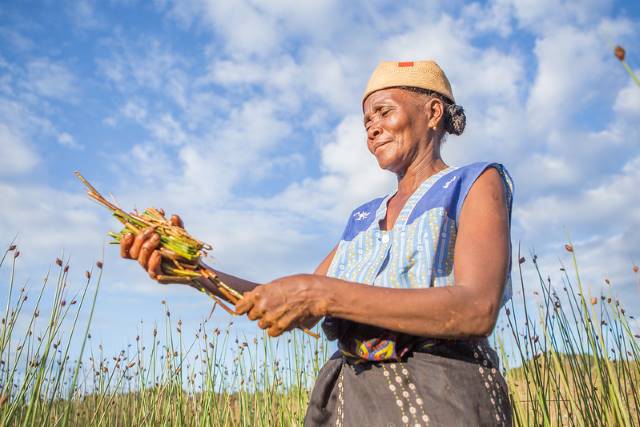
drought in Southern MadagascarThe current drought in Southern Madagascar is the country’s worst since 1981. The food insecurity brought about by the drought has resulted in desperate families resorting to eating insects, ash, clay and even shoe leather. Desperate to fill their bellies, more than one million people are suffering from hunger. Furthermore, 16.5% of children younger than 5 meet the requirements of Global Acute Malnutrition (GAM). Alarmingly, the GAM rate stands at 27% in the Ambovombe district, putting children in life-threatening conditions. Organizations aim to address these conditions, attempting to prevent a potential famine in Southern Madagascar.

The Impacts of Drought in Madagascar

Years of cyclones, soil depletion, locust plagues and a severe drought in Southern Madagascar have killed most crops, including “maize, manioc and beans,” leaving farmers without seeds for plants. The drought has also killed off local livestock.

Some Madagascans have cut down trees to make charcoal, although, this act contributes to aggravated drought conditions. The affected regions of Anosy, Androy and Atsimo-Andrefana are dependent on agriculture, livestock and fishing, which makes them particularly vulnerable to drought and storms.

The COVID-19 pandemic has exacerbated the situation because it has prevented migrant workers from migrating in search of more work, escaping the drought in Southern Madagascar at the same time. The pandemic has also caused rising food prices since it began.

Famine Without Conflict

Madagascar is dealing with intensifying dust storms blanketing the region in thick dust and devastating crops. The World Bank predicts that droughts in this already drought-prone region will worsen in the coming years. The situation in Southern Madagascar is unusual because human conflict is not playing a role in the starvation of Madagascans, says David Beasley, World Food Programme chief. According to the Integrated Food Security Phase Classification, Madagascar is the only nation classified as facing a “famine humanitarian catastrophe” that is not involved in conflict.

FAO Recommendations

The United Nations Food and Agriculture Organization (FAO) says it needs $40.4 million to begin agricultural recovery from the drought in Southern Madagascar. A report by the FAO highlights the need for agriculture to move away from plants that need a lot of water, like maize, to plants that need less water, like sorghum. The FAO’s recommendations for recovery include:

  • Prioritizing replacing the livestock.
  • The “provision of inputs for cereal and vegetable production” as well as micro‑irrigation.
  • Cash transfers to support people during the off-season and high season.
  • Providing “fishing inputs and processing equipment.”
  • Implementing climate-smart agriculture.
  • Encouraging plant protection measures.
  • Implementing early warning systems.
  • Aiming to “promote large-scale quality seed multiplication at community level.”
  • Manage and eliminate diseases in animals as well as crop pests and diseases.

The US Assists Madagascar

In June 2021, the United States government invested almost $40 million in the recovery of Southern Madagascar through USAID. The funding will support the efforts of the World Food Programme (WFP), UNICEF and Catholic Relief Services (CRS). Support to the WFP will, from August to October 2021, “provide immediate food assistance for 465,000 people.” Supplementary nutrition to address acute malnutrition will be given to “19,800 pregnant women and new mothers as well as 63,400 children.” This funding will also support CRS in rebuilding wells, among many other efforts.

Looking to the Future

The United Nations declares that as weather patterns change, nations will face more humanitarian crises similar to the conditions Madagascar is facing now. Societies cannot depend on humanitarian aid to solve the problems of these crises, but must proactively prepare for the ways life on Earth must change in the future. The United Nations makes five specific recommendations:

  • Prepare for, respond to and prevent humanitarian crises by adapting and increasing community resiliency.
  • Invest in “resilience-building strategies” and preparedness.
  • Take advantage of scientific advances by using technology to predict and prepare for future disasters.
  • Aid the most vulnerable nations with improved access to finance and insurance.
  • Reflect “overlapping vulnerabilities” in the functionings “of international financial institutions.”

With the help of the international community, there is hope for Southern Madagascar to rebuild and recover. By implementing the guidelines of the FAO and the United Nations, Madagascar and other countries around the world can better prepare for future challenges.

– Hilary Brown
Photo: Flickr
August 7, 2021
https://borgenproject.org/wp-content/uploads/borgen-project-logo.svg 0 0 Kim Thelwell https://borgenproject.org/wp-content/uploads/borgen-project-logo.svg Kim Thelwell2021-08-07 01:30:012021-08-07 01:13:34Famine Looms After Drought in Southern Madagascar
Children, Foreign Aid, Global Poverty, Nonprofit Organizations and NGOs

The Pearl Foundation Aids Nicaragua

Pearl Foundation
The Pearl Foundation is a nonprofit organization based on Christian beliefs. As a humanitarian service, the organization expands its ministry in Nicaragua through assistance in nursing homes, helping find recyclables, providing feeding services and much more.

Why Nicaragua?

Linda and Darrell Hindson started taking mission trips to Nicaragua in 2000. The couple had developed such a bond with the people there that they then set more trips in motion. With the church’s help, the pair founded the Pearl Foundation in 2007, with the ultimate goal being ministry but also improving the lives of the people of Nicaragua.

How the US Provided Aid in Honduras

In an interview with The Borgen Project, Reynel Soto recalled poverty in the mountains of Honduras. He claimed that “Poverty is when people have no money, no houses… That’s what poverty is to me.” He also recalled there not being many job opportunities. The people survived off the land, farming and taking advantage of banana and mango trees. When asked about the United States coming in to help, he said, “Concrete costs a lot of money. The U.S. came in and pour concrete in the floors and built roofs… It made a big difference, yeah.”

The Pearl Foundation understands the need to connect with all of humanity every time a stomach is full, a person learns how to make money despite economic difficulties and someone finds joy in the midst of pain. The organization comprises teams that are working towards reducing poverty by highlighting the value of relationships and personal morals.

Accomplishments

In recent years, the Pearl Foundation has funded Christmas presents for children, fed multitudes of families and individuals, have explored the recycling opportunities at dumps and have educated the public on economic distress on their blog and Facebook, prompting people to donate money. With headquarters in both Granada, Nicaragua and Boiling Springs, South Carolina, the organization gathers numerous volunteers and raises money.

The Impact of Nonprofits

Many nonprofits host fundraisers, ask for donations online and rely on volunteers or interns to maintain necessary resources. The money they obtain may go toward a specific need or advocacy while the rest goes toward expansion. Making decisions to fund infrastructure, feeding programs, shoes and more are essential to encouraging economic growth, making for a better future and quality of life for communities.

Nonprofits take on a responsibility most would not. According to Naomi Camper, nonprofits should participate in the policy-making process to further ensure stable communities as organizations are experienced in financing, resources, communication and marketing. With this knowledge, economies stand a chance at growth, security and mobility.

Foreign Aid Myths Many US Citizens Believe

U.S. citizens have many misconceptions when it comes to foreign aid. Many believe that the U.S. spends around 25% on foreign aid when the reality is 0.1%. To top it off, the myth goes that any aid does not even make a difference. However, there has been a reduction in diseases such as malaria, polio, HIV/AIDS and many other curable or controllable illnesses around the world. In recent years, increased spending on the health of children saved approximately 3.3 million lives.

Many may also think of foreign aid as charity, meaning that the U.S. gets nothing in return. The reality is that the U.S. seriously negotiates what it does with the budget to ensure that it will benefit U.S. citizens. To avoid corruption, many organizations such as USAID keep track of how donor countries use the money, as well as create systematic contracts with government facilities. These precautions keep foreign aid genuine.

Another misconception is that foreign aid is only useful and necessary during war times. However, the likelihood of safety is greater during times of peace, as it reduces the chance of conflict. In the long run, providing stability to those who need it will likely not lead to the need for U.S. military intervention.

The Importance of Economic Growth

Economic growth ensures services for communities, essentially when it comes to improving living standards. Nonprofit organizations have employed approximately 12.3 million people compared to those that other U.S. companies employ. Nonprofits also supply the unemployed with job skills and training to help find them opportunities and take care of elderly parents.

Economic growth can also increase based on the events a nonprofit hosts. For example, an organization can hold a concert as a fundraiser. Many people go shopping to dress up for the occasion, go out to eat before or after, potentially pay for parking and, of course, donate. This brings in tax revenue, giving businesses a reason to stay open.

Bringing Hope to the Hopeless

The Pearl Foundation contributes to job opportunities, tax revenue and peace when aiding the people of Nicaragua. Not only is it about poverty, but the nature of mankind. The organization uses its morals to reach new staff members and volunteers to raise money. It passionately serves people by providing fun and games, food, assistance and knowledge of ways to make a living. Nicaragua is in good hands thanks to the assistance the Pearl Foundation provides.

– Selena Soto
Photo: Flickr

August 2, 2021
https://borgenproject.org/wp-content/uploads/borgen-project-logo.svg 0 0 Kim Thelwell https://borgenproject.org/wp-content/uploads/borgen-project-logo.svg Kim Thelwell2021-08-02 11:35:402021-09-16 11:39:33The Pearl Foundation Aids Nicaragua
Foreign Aid, Global Poverty

The Build Back Better World Initiative

Build Back Better World Initiative
Congress has been negotiating the size and scope of a domestic infrastructure bill for most of Joe Biden’s presidency. Still, action is necessary to further infrastructure abroad. The U.S. and its allies in the G7 recognize this need and have launched the Build Back Better World Initiative (B3W) to address global infrastructure challenges. A closer look at the initiative provides insight into the state of infrastructure in low and middle-income countries around the world.

The Infrastructure Gap

Infrastructure connects people and goods, which allows economies to scale and grow. Forming highways, ports, bridges, railways, pipelines, sewage systems and more, infrastructure projects are vital for transport, communication, energy and health. Infrastructure projects are the foundation of economic development and are vital to the Sustainable Development Goals (SDGs), including universal access to water and electricity. 

Infrastructure projects are also important for developing nations because the projects can be a major source of employment, spurring economic growth and allowing workers to gain new skills. The White House currently estimates that the infrastructure needed in low and middle-income countries globally totals more than $40 trillion.

Infrastructure gaps are significant because the gaps hinder economic growth. According to World Bank research, “Every 10% increase in infrastructure provision increases [economic] output by approximately 1% in the long term.” In other words, spending on infrastructure grows an economy. Further, as environmental challenges continue to threaten nations around the world, the World Bank says that even small investments in climate-resilient infrastructure can save trillions of dollars in recovery efforts.

The Build Back Better World Initiative

Partnering with G7 nations, the U.S. launched the B3W to alleviate some of the problems associated with infrastructure gaps. The White House will look toward not only its allies but the private sector for hundreds of billions of dollars in funding for infrastructure investment. The administration says that it will leverage partnerships with the private sector because “status quo funding and financing approaches are inadequate” to meet the size of these challenges. 

The focus for projects is four distinct areas, including climate, health, digital technology and gender equity. The aim is to reach all around the world with different partners, but, USAID and other U.S. development groups will take leading roles. However, there is still an understanding that local needs will be a priority, as “infrastructure that is developed in partnership with those whom it benefits will last longer and generate more development impact.” 

The Biden administration has stressed the importance of good governance in foreign assistance and has already noted the importance of using B3W as a way to encourage full transparency with monitoring tools, common contracts and metrics for evaluation.

The Build Back Better World Initiative and US Interest

Foreign assistance supports U.S. strategic interests, which is why Deputy National Security Advisor for International Economics Daleep Singh has indicated support for the initiative. In recent years, especially when the U.S. has taken a step back from foreign affairs, China has accelerated spending on global infrastructure with the Belt and Road Initiative. 

However, Singh indicates that the point of the initiative is not to inflame hostilities or work as an anti-China group but rather to provide an alternative to Belt and Road financing. The goal is to “rally countries around a positive agenda that projects our shared values.” B3W supports U.S. interests by providing an alternative and showing that the U.S. is once again ready and willing to be a good partner for the world.

With Congress working on a domestic infrastructure package, it is important to not lose sight of the critical need for sustained and significant investment in infrastructure around the world. Infrastructure projects connect the world, making it safer and healthier. Funding infrastructure around the world as part of the Build Back Better World Initiative aligns with U.S. strategic interests. Hopefully, this initiative will encourage bridging gaps and becoming a more connected world.

– Alex Muckenfuss
Photo: Flickr

July 30, 2021
https://borgenproject.org/wp-content/uploads/borgen-project-logo.svg 0 0 Kim Thelwell https://borgenproject.org/wp-content/uploads/borgen-project-logo.svg Kim Thelwell2021-07-30 07:30:462021-08-02 02:28:27The Build Back Better World Initiative
Global Poverty, Water Crisis

Fighting the Water Crisis in Kenya’s Slums

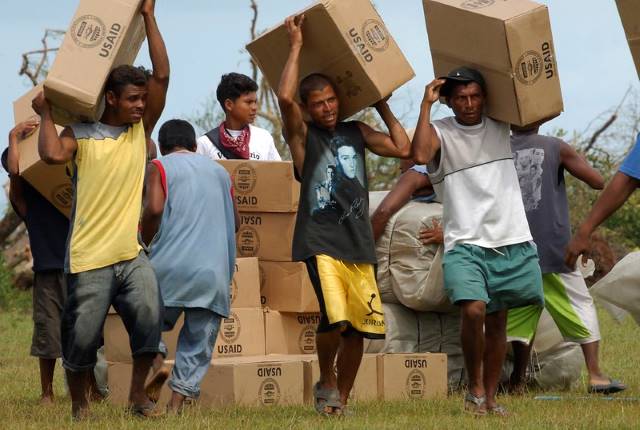
Water Crisis in Kenya’s SlumsKenya, a country in East Africa, has a population of more than 50 million, with about 4.4 million people residing in the capital city of Nairobi. The combination of a dry climate and a rapidly growing population has caused a water crisis in Kenya’s slums, where citizens in poverty live in informal settlements without water infrastructure.
Origins of the Crisis

Urbanization plays a large role in the water crisis. While 90% of urban residents had clean water in 1990, this figure fell to 50% in Nairobi as the city’s population nearly quadrupled. The city began rationing water in 2017. The Nairobi City Water and Sewerage Company estimates that supply still falls 25% short of demand. Informal settlements lack piped water and the World Health Organization (WHO) warns that water from vendors or surface sources often contains contaminants.

The Kenyan government struggles to address the water crisis in Kenya’s slums due to the informal nature of the urban settlements. Aid organizations and private nonprofits also fail to provide long-term relief, with more than 60% of water projects failing in their first year.

Well Aware Executive Director Kareece Sacco told The Borgen Project that “There’s the first water crisis that everyone is aware about that’s left people lacking access to reliable clean water. But the second one, as we have termed it, is the failure of the system.” Well Aware is a nonprofit with more than 70 successful water projects in East Africa.

In 2021, the organization plans to complete a new water project for the Ingrid Education Center in the Kayole-Soweto slum in Nairobi. Speaking on the systemic failures that perpetuate the water crisis, Sacco explained that “a lot of organizations doing similar work don’t have these long term relationships with these communities and they’re just not being empowered in the correct way to help maintain them [water systems].” Strengthening local partnerships with aid organizations empowers Kenyans in poverty to solve the water crisis in Kenya’s slums.

The Challenges

Without connections to a water source, residents of the Kayole-Soweto slum often trek long distances to provide water for their families. This chore falls mostly on women and girls, which worsens gender inequalities in the area. The World Bank interviewed residents of Kayole-Soweto, with many respondents reporting that they often resort to purchasing water at high costs from vendors who take advantage of this need. The vendors also sell water of questionable quality to slum dwellers for discounted rates, which causes health and sanitation issues throughout Kayole-Soweto.

The Impact of Local Partnerships

Aid and non-governmental organizations that effectively engage in local partnerships directly address these issues. For example, Well Aware maximizes its impact by partnering with local schools to drill wells, which increases education rates overall by 34% and increases education rates for girls by 58% on average.

Sacco told The Borgen Project that “if we do a drill at a school, most of the time, we’ll set up a kiosk at the road for the community to be able to come too.” This is how water projects with local partnership components make a larger impact. By engaging directly with local partners, projects to solve the water crisis in Kenya’s slums are more responsive to the needs of those in poverty.

Slums also struggle with incorporating traditional connections to water sources. Piped water requires large initial investments that individual households in slums cannot bear, and this has adverse health and sanitation effects. As a result, the decision to implement piped water systems in the slums of Kayole-Soweto and other locations favors landlords who pool money from multiple sources. This poses additional barriers to clean water for slum-dwellers in poverty.

Water projects that provide innovative solutions to the water crisis in Kenya’s slums circumvent traditional barriers to water access. For example, Stanford University water projects in Kenyan slums recognize the fact that around 70% of urban Kenyans own cellphones. Bearing this in mind, Stanford innovates apps and mobile services that help slum dwellers pinpoint water locations. Similar ideas come from courses at Stanford University that prioritizes local partnerships and requires in-person meetings in Kenya with local leaders. This demonstrates how local partnerships foster innovative solutions that accurately meet the needs of locals in poverty.

The Future of the Water Crisis in Kenya’s Slums

The water crisis in Kenya’s slums becomes more urgent as infrastructure fails to keep up with population growth. USAID reported that the Kenyan government drastically increased spending on the water sector as sufficient progress requires $14 billion in the next 15 years.

As a result, the Kenyan government needs international aid and private assistance from humanitarian organizations to bridge the gap. Current water project financing in the country consists of 64% donor funds. This creates an opportunity for donors to find new methods of delivering water access apart from traditional government-provided public goods.

Rapid urbanization in Kenya exacerbates the existing water crisis in the country. With many new arrivals to Kenya’s cities ending up in slums, inequality and failures of traditional water systems to adequately serve the needs of citizens in poverty have further worsened the water crisis. As donors continue to drive the financing of the water sector in Kenya, opportunity grows for innovative partnerships with local actors in Kenya’s slums. Kayole-Soweto exemplifies this by using conventional and unconventional tools for water access, including building wells on school land and incorporating cellphone technology. Local partnerships empower residents of Kenya’s slums to find the best solution to the water crisis for themselves.

– Viola Chow
Photo: Unsplash

July 29, 2021
https://borgenproject.org/wp-content/uploads/borgen-project-logo.svg 0 0 Kim Thelwell https://borgenproject.org/wp-content/uploads/borgen-project-logo.svg Kim Thelwell2021-07-29 10:55:322024-12-13 18:02:32Fighting the Water Crisis in Kenya’s Slums
Global Poverty, USAID

A Look at USAID Hurricane Preparation Efforts

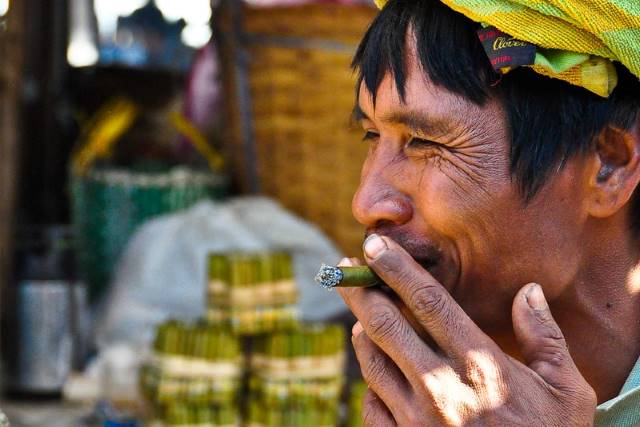
USAID hurricane preparation effortsBefore hurricanes arrive, aid organizations such as USAID work to prepare for the natural disasters. USAID hurricane preparation efforts for the Atlantic hurricane season include ensuring that the organization itself and communities in Latin America and the Caribbean have the supplies and knowledge needed to minimize the impact of hurricanes. With the 2021 Atlantic hurricane season underway, USAID’s preparation efforts will help communities, especially those most impacted by poverty, recover from the aftermath of hurricanes.
The 2021 Atlantic Hurricane Season Forecast

June 1 marked the start of the 2021 Atlantic hurricane season with the arrival of the first Atlantic hurricane, Hurricane Elsa. According to AccuWeather meteorologists, Hurricane Elsa is one of seven to 10 hurricanes expected for the year 2021. Meteorologists believe three to five of these hurricanes will qualify as major hurricanes — hurricanes with wind speeds more than or equal to 111 miles per hour.

The 2021 Atlantic hurricane season forecast predicts a season with above-average intensity, but meteorologists do not forecast a record-breaking season. As with the 2020 hurricane season, COVID-19 presents a challenge for evacuation and relief efforts.

The increased poverty levels in Latin America and the Caribbean also create a new challenge for the 2021 Atlantic hurricane season. Extreme poverty levels increased in the region during 2020 due to COVID-19, with approximately 12.5% of Latin America and the Caribbean’s population currently living in extreme poverty.

People living in poverty face more barriers in recovering from the impact of hurricanes because they lack access to financial resources that could help them rebuild and seek assistance after hurricanes land. Furthermore, impoverished countries usually lack resilient infrastructure and housing, making these countries more vulnerable to damage and destruction.

Off-site USAID Preparation

Effective USAID hurricane preparation efforts require the agency to accumulate the supplies needed to help people affected by hurricanes. USAID maintains supply stockpiles in the U.S. state of Miami, Dubai in the United Arab Emirates and Pisa in Italy. By maintaining these stockpiles, USAID can distribute supplies as needed.

USAID hurricane preparation efforts also include testing temporary shelter in simulated hurricane conditions offsite before taking it to disaster-prone areas. Testing housing helps ensure that people impacted by hurricanes receive shelter that is safe and resilient to natural disasters.

On-site USAID Preparation

USAID hurricane preparation efforts also involve working with people on-site in communities at risk of hurricanes. USAID trains meteorologists, educates people about individual safeguarding measures to take to stay safe during hurricanes, stations experts in the Caribbean and Latin America and sends teams to disaster sites before hurricanes make landfall. All these actions help minimize the impact of hurricanes. To create teams that are familiar with the region before disasters happen, USAID stations long-term consultants, advisers and program officers in Latin America and the Caribbean.

USAID’s onsite work in Latin America and the Caribbean creates a network of people prepared to respond to disasters. As of May 2019, USAID trained 70,000 people in the region on disaster response. USAID provides disaster management teams with the necessary information to evacuate regions before flash floods begin, the most life-threatening aspect of hurricanes, by training meteorologists to evaluate the risk of flash floods.

Hurricane preparation saves lives by ensuring that physical and human capital is in place to respond to hurricanes and their after-effects. The Atlantic hurricane season continues until November 30, 2021. With the dedication of organizations such as USAID, disaster response in developing countries is strengthened and the impacts of natural disasters are mitigated.

– Caroline Kuntzman
Photo: Flickr

July 28, 2021
https://borgenproject.org/wp-content/uploads/borgen-project-logo.svg 0 0 Lynsey Alexander https://borgenproject.org/wp-content/uploads/borgen-project-logo.svg Lynsey Alexander2021-07-28 07:30:362024-05-30 22:23:57A Look at USAID Hurricane Preparation Efforts
Global Poverty

Fighting the Opium Epidemic in Myanmar With Coffee

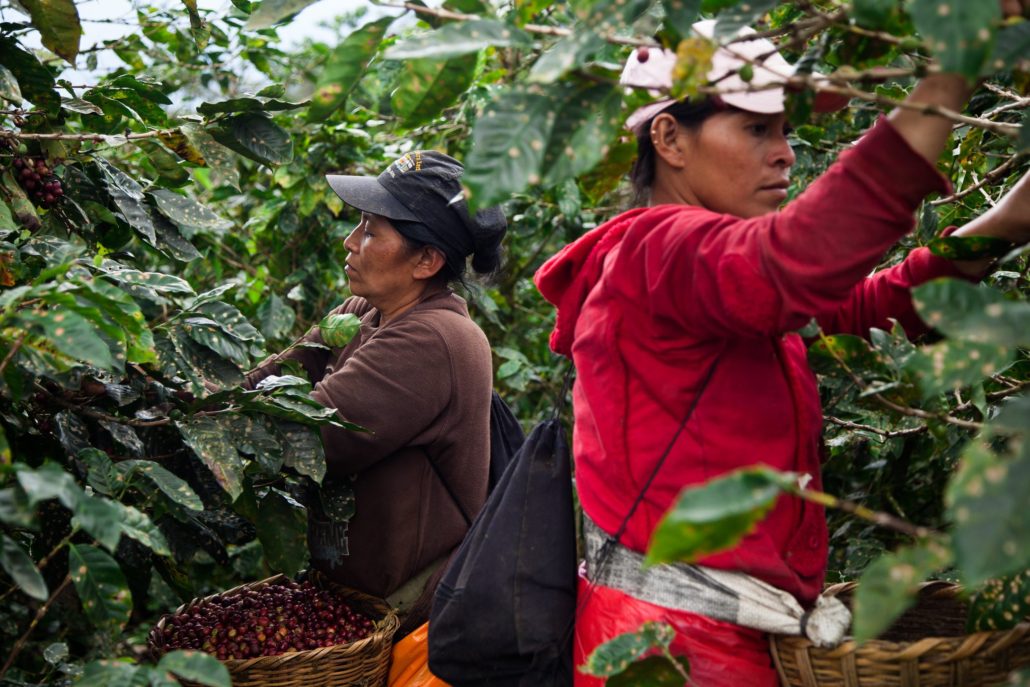
The Opium Epidemic In MyanmarMyanmar has been suffering from an opium epidemic for decades. The country’s political instability and lack of economic opportunities outside of the world of illicit drugs are driving it. However, various initiatives are emerging to encourage another way of life. A French coffee company has emerged to give opium-producing communities hope and offer them an alternative livelihood.

The Opium Epidemic in Myanmar

Myanmar is the second-largest producer of opium in the world. The poppies the country produces end up as heroin, which is transported to neighboring countries. Alternatively, Myanmar citizens themselves purchase it for use. Opium use has historically been medicinal or traditional, with people offering it at ceremonies such as weddings. However, more serious drug-related issues have arisen. There are now many cases of HIV/AIDs and hepatitis C. This is due to the general switch to the more cost-effective manner of injecting heroin rather than smoking it, resulting in the unsanitary sharing of needles.

Due to the long-lasting political instability in the country, the health system collapsed whilst international aid dwindled as a political response to the deteriorating governance in Myanmar. In this time, the production and consumption of drugs also skyrocketed.

According to the United Nations Office on Drugs and Crime (UNODC), between 2006 and 2014, the production of opium increased from 240 tons to 670 tons per annum. This is due to a mix of factors, such as poppies being more lucrative than other crops. This resulted in a rise in living costs for these impoverished farmers. Ultimately, for many, there are no other viable means of making enough money. However, an initiative to fight the opium epidemic in Myanmar with coffee has emerged to make a difference.

Alternative Development

The UNODC works with governments and other organizations in Southeast Asia, where poppy cultivation and consumption is rife, to create programs of alternative development. The aim of this is to permanently eradicate poppy cultivation by providing sustainable alternative livelihoods to producers.

In 2014, in an attempt to alleviate the opium epidemic in Myanmar, the UNODC set up the Green Gold Cooperative (GGC), which brings together many families from various villages in the Shan state to give them an alternative livelihood to opium production. Shan is a northern state of Myanmar, producing 90% of the country’s opium.

The cooperative provides a change in occupation for almost 1,000 farmers. In addition, it is giving the community social space facilities such as nurseries. This initiative works on several levels, including working to improve gender equality, with 50% of the administration board being women. The cooperative continues to evolve as a success story, having received its Fairtrade certification in 2019.

Malongo and the Green Gold Cooperative (GGC)

Malongo is a French coffee company, and in 2017, it formed a partnership with the GGC and the UNODC, subsequently launching its new Shan Mountain Coffee in 2019. For Malongo, this was not simply a charitable act to fight the opium epidemic in Myanmar with coffee. First and foremost, this was a business initiative as the company wanted to create a market alternative where the workers benefit from the added value of the high-quality coffee they produce, and, where consumers can be sure of the quality when purchasing it on the international market. Malongo, therefore, provided training for each stage of coffee production.

There were other substantial local benefits that came from this business initiative. Not only did it provide livelihoods, but it also increased peace through uniting different ethnic groups in the region that historically were in conflict to work together and leave poppy cultivation behind. These local groups can also consume their coffee, an evidently safer alternative to the opium they used to produce.

Coffee production has also helped environmentally as poppy cultivation brought about deforestation, soil erosion and decreased biodiversity. Now, many former poppy fields are becoming forests and the replacement production of coffee provides eco-friendly and sustainable crops. The farmers take great pride in coffee production. The particular coffee even became internationally sought out in top markets due to its high quality.

The Role of Foreign Aid

The importance of foreign aid in fighting the opium epidemic in Myanmar with coffee is unprecedented. Germany and Finland were the main financers of the development program, with Switzerland providing resources directly to the GGC.

USAID has also played a key role by giving technical assistance and market advice to locals since 2013, helping more than 8,000 farmers with the quality and sale of their coffee beans. This foreign aid has, in turn, meant these countries benefit directly from their work abroad as Myanmar now exports coffee to more than 16 countries, including the U.S.

These alternative production initiatives have significantly improved the economic, social and environmental situations for the farmers involved, and, overall opium poppy production is decreasing in Myanmar. This has served private sector interests as Malongo’s return from its investment is embodied in its high-quality coffee range. Additionally, countries such as the U.S. can now enjoy an emerging and increasingly stable trading partner in Myanmar. This initiative, benefiting all parties involved, is proof that public and private interests can overlap and bring about profound and long-lasting change in suffering communities.

– Hope Browne
Photo: Flickr

July 28, 2021
https://borgenproject.org/wp-content/uploads/borgen-project-logo.svg 0 0 Kim Thelwell https://borgenproject.org/wp-content/uploads/borgen-project-logo.svg Kim Thelwell2021-07-28 07:08:422024-05-30 22:23:54Fighting the Opium Epidemic in Myanmar With Coffee
Foreign Aid, Global Poverty

USAID Shifts to Direct Aid in El Salvador

direct aid in El Salvador
On May 1, 2021, the Legislative Assembly of El Salvador removed the nation’s attorney general and all members of its Supreme Court. This sudden action sparked concern regarding the separation of powers in El Salvador’s government, with human rights organizations viewing it as a power grab by the country’s president, Nayib Bukele. USAID acted on the concerns by pulling all foreign aid funding previously dispersed through the Salvadoran government. The funding is now promised as direct aid to El Salvador’s civil society groups. Direct aid in El Salvador will ensure the most vulnerable El Salvadorans receive the help needed.

USAID Projects in El Salvador

USAID’s most recent foreign aid projects in El Salvador are designed to address the root causes of migration from Latin America to the United States. In January 2021, President Biden issued an executive order that set aside $4 billion to address immigration from the Northern Triangle countries: El Salvador, Guatemala and Honduras. The order states that improving livelihoods in these countries eliminates the need for migrants to flee to the United States. In May 2021, USAID launched an official Northern Triangle Task Force. The task force laid out a strategy for improving livelihoods by targeting three areas:

  1. Prosperity – USAID will fund economic development to prevent poverty in El Salvador. This strategy includes improving infrastructure, investing in higher-value industries to create job opportunities and fostering entrepreneurship. The Salvadoran organizations receiving aid to implement these programs are primarily private sector actors.
  2. Security – USAID will target crime and corruption as another root cause of migration. This strategy includes increasing government transparency and making justice systems more responsive to citizens’ needs. Originally, the governmental National Civil Police and Institute for Access to Public Information were involved with the implementation of USAID projects related to this target. However, the shift to direct aid requires non-governmental organizations in El Salvador to replace government actors.
  3. Governance – USAID aims to make governments in the Northern Triangle more effective at responding to citizens needs. This strategy includes increasing accountability for government spending, improving government delivery of services and promoting citizen engagement with democracy. Civil society is the main recipient of direct aid for this purpose.

Civil Society in El Salvador

Direct aid in El Salvador builds upon a preexisting robust civil society landscape. Civil society in El Salvador first rose to prominence in the 1960s by providing humanitarian services. The Salvadoran Civil War in the 1980s saw the organizations taking on economic and social welfare work to replace overextended governments. The constitution of El Salvador protects the right of assembly and the Ministry of Interior and Territorial Development registers civil society organizations under that protection. Previous administrations promoted the creation and smooth functioning of civil society organizations. However, President Bukele mistrusts civil society organizations and his government stigmatizes them.

Civil society organizations previously received direct aid in El Salvador from USAID. In 2020, $7.5 million out of $60 million in USAID funding for El Salvador targeted improving governance and involving civil society. Experts had been lobbying for civil society organizations’ increased involvement with the distribution of aid long before President Bukele incited USAID’s action and many activists in Latin America praised USAID’s adjustment. Activists expressed hope that civil society organizations from other countries in the Northern Triangle would also secure larger roles in upcoming projects.

Strategy for El Salvador

While foreign aid from the United States circumvents the Salvadoran government, foreign policy officials continue to pressure the Bukele administration to restore the separation of powers. Secretary of State Antony Blinken traveled to Costa Rica in June 2021 for an annual meeting with the member states of the Central American Integration System. During the gathering, Blinken met privately with the Salvadoran foreign minister to discuss the issue of aid. The Biden administration also decided to bypass the lengthy appointment process for an ambassador to El Salvador and instead sent former U.S. ambassador Jean Manes to El Salvador as charge d’affaires to handle diplomatic relations with El Salvador immediately.

While the programs in El Salvador that will receive direct aid are currently unspecified, the United States has successfully committed domestic private actors to invest in El Salvador. For example, Vice President Kamala Harris announced that Microsoft will give internet access to three million citizens in the Northern Triangle countries, including El Salvador. This demonstrates how private actors fulfill roles that governments traditionally perform, such as infrastructure expansion, when governments fail to provide services. USAID hopes to utilize civil society organizations to run similar programs for democratic reform in El Salvador.

Moving Forward

The Salvadoran government’s decision to remove its top judiciaries led USAID to retract its trust in the country’s government with regard to aid funding. USAID chose civil society organizations to receive aid instead and also set aside direct aid to further democratic reforms. Official plans for redirected aid funding have yet to be released, but U.S. government officials have historically seen success in engaging private actors in tasks that governments usually complete. As the United States continues to pressure the Salvadoran government to increase accountability, foreign aid to El Salvador fosters more civil society engagement.

– Viola Chow
Photo: Wikipedia Commons

July 27, 2021
https://borgenproject.org/wp-content/uploads/borgen-project-logo.svg 0 0 Kim Thelwell https://borgenproject.org/wp-content/uploads/borgen-project-logo.svg Kim Thelwell2021-07-27 07:30:222021-07-27 02:01:36USAID Shifts to Direct Aid in El Salvador
Global Poverty, Water, Water Crisis

The 2021 Nyiragongo Volcanic Eruption in the DRC

Volcanic Eruption in the DRCOn May 22, 2021, the Nyiragongo volcano in the Democratic Republic of Congo erupted. Hundreds of thousands of people experienced the aftershocks, including contaminated water and structural damage. The destruction of water infrastructure means 500,000 people now lack access to a safe water supply. In a press release, USAID announced that it would be committing $100,000 worth of humanitarian aid to secure clean and safe drinking water for citizens affected by the volcanic eruption in the DRC.
History of Mount Nyiragongo

The Nyiragongo volcano stands almost 12,000 feet tall on the eastern border of the DRC in the strip of Virunga Mountains, a chain of active volcanoes. The volcano is one of the most active in the world and has the largest, most active lava lake. Nyiragongo has erupted several times since 1884, with the most severe eruption occurring in 1977, taking up to 400 lives. The most recent eruption before 2021 occurred in 2002, resulting in about 100 deaths and displacing up to 400,000 people.

The Aftershocks of the 2021 Eruption

The 2021 volcanic eruption in the DRC led to about 32 deaths and thousands of displacements. On May 30, 2021, in a period of just 24 hours, 92 aftershock earthquakes and tremors occurred but only about four were felt by citizens. For safety purposes, more than 400,000 people were evacuated from the North Kivu area.

Cholera, a diarrheal infection caused by drinking contaminated water, is an increased threat since the eruption.  Natural disasters often increase the risk of epidemics, especially those transmitted via contaminated water. The eruption of the Nyiragongo volcano in the DRC caused the destruction of a vital water pipe and damaged a water reservoir. The damage cut off water access for about 500,000 people.

On June 7, 2021, UNICEF and partners announced that they were working to restore the water supply to the area. For temporary water access, UNICEF “installed 15 emergency station chlorination points” close to Lake Kivu. UNICEF also committed to assisting a task force by “supporting installation of 1,500 meters of pipe on top of the lava to replace pipework that has melted.”

The Hope of Crisis Assistance

Prior to the 2021 volcanic eruption in the DRC, the nation was already struggling with a humanitarian crisis, following years of political violence and conflict. At the beginning of 2021, the United Nations predicted that 19.6 million people in the DRC were in need of humanitarian assistance. With more than five million displaced persons and the highest recorded levels of food insecurity before the eruption even took place, the humanitarian crisis in the DRC has only grown. The U.N. requires financial assistance from the international community in order to comprehensively address the crisis in the DRC.

The United States serves as the largest donor to the DRC, providing more than $130 million worth of humanitarian assistance in 2021 alone. The U.S. commitment of $100,000 for water security initiatives in the DRC will aid the efforts of organizations such as UNICEF, protecting the well-being of vulnerable Congolese people.

– Monica Mellon
Photo: Flickr

July 25, 2021
https://borgenproject.org/wp-content/uploads/borgen-project-logo.svg 0 0 Kim Thelwell https://borgenproject.org/wp-content/uploads/borgen-project-logo.svg Kim Thelwell2021-07-25 07:30:542024-05-30 22:23:41The 2021 Nyiragongo Volcanic Eruption in the DRC
Global Poverty, USAID, Women's Empowerment

USAID Programs in Pakistan See Success

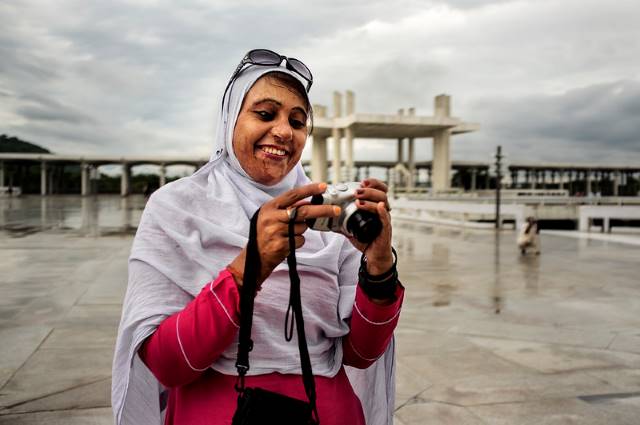
USAID Programs in PakistanFor more than 60 years, the U.S. and Pakistan have shared a mutually beneficial relationship. Pakistan is the world’s fifth-most populous nation and one of the fastest-growing economies. Recent U.S. funding through USAID has targeted economic growth as well as peace and health in Pakistan. Two current areas of emphasis, education and gender empowerment, have seen recent success through USAID programs in Pakistan, serving as a powerful example of the potential impact of aid and investment in developing nations.

The Sindh Basic Education Program

USAID has worked closely with the Government of Pakistan to improve the nation’s overall access to schools and quality of education. The Sindh Basic Education Program (SBEP) targets the Sindh region of Pakistan. The region was affected by devastating floods in 2010 and is home to 47.9 million people.

Through USAID, the U.S. has invested $159.2 million in building schools to increase primary, middle and secondary school enrollment. The program will ultimately see the construction of 106 new schools in flood-affected areas as well as the consolidation of up to 280 existing schools. These newly merged schools will help streamline and revolutionize Pakistan’s education system.

The program aims to reduce the number of small, underfunded and understaffed schools in favor of more reliable teaching and an easier flow of resources. SBEP has the potential to increase enrollment while improving the reading skills of more than 400,000 Pakistani children. The program also looks to enhance overall child nutrition.

Reducing the Gender Gap and Increasing Budget

One of SBEP’s objectives is to shrink the gender gap in Pakistan’s education system. The program will designate 18 schools constructed under SBEP specifically for adolescent girls. These spaces will include computer and science lab resources. USAID partnered with Intel to train learners and educators in information and communications technology, specifically in these girls’ education facilities.

Another goal of SBEP is to, “provide technical assistance to the Education and Literacy Department of the Government of Sindh,” a process that has already started to positively influence Pakistan’s government. Sindh Provincial Education Minister Saeed Ghani announced a 13.5% budget increase for the Schools Education and Literacy Department for the fiscal year 2021-22. This denotes the nation’s heightened emphasis on providing access to high-quality education.

Prioritizing Gender Empowerment in Pakistan

USAID programs in Pakistan prioritize addressing gender inequality in the country. According to the Global Gender Gap Report 2020, Pakistan ranks third-last in the world in terms of gender equality due to high rates of gender-based violence and a general lack of both economic opportunity and sexual and reproductive health rights for women. The U.S. and Pakistan have identified gender empowerment as a necessary vehicle for national growth and development.

Aside from boosting girls’ access to education, USAID gender empowerment initiatives cover several areas of need, aiming to create a more inclusive and equitable society. Beginning in 2012, “USAID-supported interventions have helped nearly 11 million women and children receive quality maternal, child and reproductive healthcare services.” The organization also trained Pakistani women to administer quality “health services to women in Khyber Pakhtunkhwa (KP) province through a mobile health unit program.”

Female Economic Empowerment

Programs also promote entrepreneurship and job creation, specifically for Pakistani women. USAID has impacted at least 50,000 female entrepreneurs with business development services, training and grants. By funding training and new technologies in agriculture, USAID helped create job opportunities for women.

USAID also assisted with placing female graduates in the male-dominated yet burgeoning Pakistani energy sector. Furthermore, USAID contributed to training close to “16,000 female political party representatives” to improve female representation in politics. USAID’s efforts focus on the development of women — a key step in diminishing the nation’s gender gap and lifting women out of poverty.

The Power of Partnership

Between reforming education by building and consolidating schools and empowering women through improved healthcare and career opportunities, USAID programs in Pakistan are fundamentally changing the lives of those most in need. The successes of USAID programs highlight the benefits of partnerships as the U.S. and Pakistan collaborate to reduce poverty and inequality.

– Sam Dils
Photo: Flickr

July 18, 2021
https://borgenproject.org/wp-content/uploads/borgen-project-logo.svg 0 0 Kim Thelwell https://borgenproject.org/wp-content/uploads/borgen-project-logo.svg Kim Thelwell2021-07-18 01:30:422024-05-30 22:23:53USAID Programs in Pakistan See Success
Global Poverty

The Impact of the Djibouti-Eritrea Conflict on Citizens

The Djibouti-Eritrea Conflict
The boundary between Djibouti and Eritrea has been under scrutiny for many decades. Both countries have debated where the border between the regions truly is and have sent militant forces across the perimeter. In 2008, the Djibouti-Eritrea conflict reached a boiling point, which left many dead and resulted in the United Nations embargoing Eritrea for years. Although the two countries have agreed to normalize relations and resume trade, the citizens in the Horn of Africa still face poverty from the dissension.

History of the Conflict

Tensions have been high between the two nations since 1996 when the Djibouti government accused Eritrea of making advancements past their border, which France and Italy originally set earlier in the century. Eritrea also had a border conflict with Ethiopia, an ally of Djibouti, in 1998. However, the conflict did not bubble over until 2008, when Djibouti again claimed Eritrea was once again making advances on the border. The clash of both sides started what many know today as the Djibouti-Eritrea conflict. The conflict almost caused an all-out war in the Horn of Africa. The battle resulted in the deaths of 40 Djiboutians and 100 Eritreans. Eritrea also took many prisoners of war from Djibouti, who the region held for years.

The United Nations Security Council implemented a sanction on Eritrea in 2009 for its actions in the conflict and its support of militants in Somalia. The act created an embargo on arms shipment and created a travel ban within Eritrea. Eritrea denied all involvement with Somalia and engaged violently with Djibouti as the sanctions stayed.

In 2010, Qatar agreed to be a mediator between the two countries after encouragement from the U.N. In response, Qatar installed peacekeeping troops on both sides of the boundary. During this deal, Qatar fostered a small peace agreement between Djibouti and Eritrea in 2016. Yet, after U.S. presence grew in Djibouti resulting in Chinese involvement with the Djibouti-Eritrean conflict and pressure from other Gulf nations, Qatar withdrew its troops.

In late 2018, Eritrea and Djibouti agreed to normalize their relationship and restore trade if Eritrea released all prisoners of war. After this, the U.N. also lifted its sanctions on Eritrea. Ethiopia and Eritrea also restored their ties and commenced trade soon after the countries made the agreement.

The Present

Although the two nations seem to have settled their quarrel, the European Union gave Eritrea another sanction in March 2021. According to Reuters, Eritrea has been responsible for many “atrocities” in the Tigray area of Ethiopia, the home of a large rebellion in North Africa. The European Union claimed Eritrea was responsible for “serious human rights violations in Eritrea, in particular, arbitrary arrests, extrajudicial killings, enforced disappearances of persons and torture” according to Reuters. More sanctions could possibly emerge as the conflict continues.

While Djibouti has not engaged in conflict with Eritrea since tensions reduced, the nation has still been “volatile” in the Horn of Africa. The African Report said that the Eritrea, Djibouti and Ethiopia area is “at war with itself” with many “historical injustices.” With the continued Tigray conflict and Eritrea and Djibouti on either side, expectations have determined that conflict could emerge again.

The Impact on Citizens

The impacts of the Djibouti-Eritrea conflict still linger years after the countries reached peace. The World Bank said that 53% of the Eritrean population lives in poverty. Meanwhile, the United Nations World Food Programme stated that 79% of Djibouti’s population lives in poverty and over 40% lives in “extreme poverty.” Malnutrition and infant mortality rates are high in both regions. One can attribute the poverty in the regions can be attributed to the current and past Djibouti-Eritrea conflicts which limited trade for both nations. Currently, over 90% of Djibouti’s food is from other nations. As sanctions continue to undergo implementation in the region, many expect that Eritrea will import most of its nutrients as well. The climate of the area has also caused widespread drought.

Solutions

Multiple organizations have joined together to help fight poverty in Djibouti and Eritrea. Action Against Hunger has aided both nations. This organization is helping the area improve its food security and water sanitization. Action Against Hunger has also created medical and nutrition programs for the region.

The United States Agency for International Development (USAID) has also spawned an effort to help Djibouti and Eritrea. The Water, Sanitization and Health Project is helping “vulnerable children and women by increasing access to potable water, sanitation and hygiene and by raising awareness on key basic hygiene practices” during COVID-19. USAID is currently looking for both monetary donations and volunteers to help this effort.

Despite the challenges of the Djibouti-Eritrea conflict, some organizations are providing aid. Through the efforts of USAID and Action Against Hunger, hopefully, life will improve for the citizens of Djibouti and Eritrea. 

– Laken Kincaid
Photo: Flickr

July 17, 2021
https://borgenproject.org/wp-content/uploads/borgen-project-logo.svg 0 0 Kim Thelwell https://borgenproject.org/wp-content/uploads/borgen-project-logo.svg Kim Thelwell2021-07-17 10:30:162024-05-29 23:13:07The Impact of the Djibouti-Eritrea Conflict on Citizens
Page 30 of 92«‹2829303132›»

Get Smarter

  • Global Poverty 101
  • Global Poverty… The Good News
  • Global Poverty & U.S. Jobs
  • Global Poverty and National Security
  • Innovative Solutions to Poverty
  • Global Poverty & Aid FAQ’s
Search Search

Take Action

  • Call Congress
  • Email Congress
  • Donate
  • 30 Ways to Help
  • Volunteer Ops
  • Internships
  • Courses & Certificates
  • The Podcast
Borgen Project

“The Borgen Project is an incredible nonprofit organization that is addressing poverty and hunger and working towards ending them.”

-The Huffington Post

Inside The Borgen Project

  • Contact
  • About
  • Financials
  • President
  • Board of Directors
  • Board of Advisors

International Links

  • UK Email Parliament
  • UK Donate
  • Canada Email Parliament

Get Smarter

  • Global Poverty 101
  • Global Poverty… The Good News
  • Global Poverty & U.S. Jobs
  • Global Poverty and National Security
  • Innovative Solutions to Poverty
  • Global Poverty & Aid FAQ’s

Ways to Help

  • Call Congress
  • Email Congress
  • Donate
  • 30 Ways to Help
  • Volunteer Ops
  • Internships
  • Courses & Certificates
  • The Podcast
Scroll to top Scroll to top Scroll to top