• Link to X
  • Link to Facebook
  • Link to Instagram
  • Link to TikTok
  • Link to Youtube
  • About
    • About Us
      • President
      • Board of Directors
      • Board of Advisors
      • Financials
      • Our Methodology
      • Success Tracker
      • Contact
  • Act Now
    • 30 Ways to Help
      • Email Congress
      • Call Congress
      • Volunteer
      • Courses & Certificates
      • Be a Donor
    • Internships
      • In-Office Internships
      • Remote Internships
    • Legislation
      • Politics 101
  • The Blog
  • The Podcast
  • Magazine
  • Donate
  • Click to open the search input field Click to open the search input field Search
  • Menu Menu

Tag Archive for: UNHCR

Posts

Global Poverty, Refugees

How Brazil Helps Venezuelan Refugees

brazil helps Venezuelan refugeesDue to the ongoing turmoil in Venezuela, many of the country’s citizens are fleeing for refuge in other countries in Latin America. According to the U.N. Refugee Agency (UNHCR), the Venezuelan refugee crisis is among the worst in the world. Currently, more than 5 million Venezuelans are living in other locations because of issues in their home country. These issues include violence, poverty and a plethora of human rights concerns. Of the Venezuelans living abroad, around 2.5 million of them are living somewhere in the Americas. One country hosting these refugees is Brazil. Brazil helps Venezuelan refugees in several ways.

Brazil’s Relocation Efforts

Brazil has gone above and beyond for the Venezuelan refugees that have come to the country for refuge. Many of the Venezuelan refugees resided in the Brazilian northern state of Roraima. However, a relocation strategy that launched three years ago meant 50,000 refugees that were living in Roraima were relocated to other cities across Brazil. This effort is part of Operation Welcome and it has immensely improved the quality of life for Venezuelan refugees, according to a survey that the UNHCR conducted in which 360 relocated Venezuelan families participated.

Within only weeks of being relocated to a new city, 77% of these families were able to find a place of employment, which led to an increase in their income six to eight weeks after relocation. Quality of life improved for Venezuelans who partook in this survey. The majority of them were able to rent homes and just 5% had to rely on temporary accommodation four months following their relocation. This is a great improvement in comparison to the conditions refugees lived in before relocation. Before relocation, 60% of Venezuelan refugees had to rely on temporary shelter and 3% were entirely homeless. This relocation effort is a significant way in which Brazil helps Venezuelan refugees.

Brazil’s Social Assistance

Brazil helps Venezuelan refugees with its social assistance programs, specifically Brazil’s key conditional cash transfer program, Bolsa Familia. Social assistance programs are designed to help impoverished families, many of which are Venezuelan refugees. Currently, there are low but rising numbers of Venezuelans that are taking advantage of this program. According to the UNHCR, only 384 Venezuelans were using Bolsa Familia in January 2018. More than two years later, in February 2020, this number rose to 16,707. While the number could be higher, the past two years show an upward trend of Venezuelans using this important program to improve their living conditions in Brazil.

The Catholic Church in Brazil Assists

The Catholic Church in Brazil is providing its fair share of help to Venezuelan refugees. A center in the capital of Brazil is hosting Venezuelan migrants relocating from the refugee centers in the Amazon region. The center is receiving support from ASVI Brasil, which has a relationship with the Catholic Church, and Brazil’s Migration and Human Rights Institute. The effort was designed to support Operation Welcome, the Brazilian government’s initiative to address the Venezuelan migration crisis. The center will be able to house 15 Venezuelan families at a time and will rotate families every three months. The center will ensure working people from families have a safe place to live before moving on.

Brazil helps Venezuelan refugees by providing several forms of support. Many of these Venezuelan refugees have left their country because of unimaginable conditions of poverty and violence. The support from Brazil allows these refugees to avoid the hardships of poverty and secure shelter, basic needs and employment in order to make better lives for themselves.

– Jacob E. Lee
Photo: Flickr

May 24, 2021
https://borgenproject.org/wp-content/uploads/borgen-project-logo.svg 0 0 Kim Thelwell https://borgenproject.org/wp-content/uploads/borgen-project-logo.svg Kim Thelwell2021-05-24 01:30:102021-05-25 07:56:51How Brazil Helps Venezuelan Refugees
COVID-19, Global Poverty, Refugees

3 Ways the US Can Help Palestinian Refugees

Palestinian Refugees
Prior to 2018, the United States was the largest contributor to the United Nations Relief and Works Agency (UNRWA). UNRWA provides educational, medical and other resources to Palestinian refugees. While poverty rates of Palestinian refugees differ from country to country, about 25% live in overcrowded, unstable, underfunded and often unsafe refugee camps.

The services that UNRWA provides are vital to Palestinian refugees suffering from poverty. As a result, when diplomatic ties between the U.S. and Palestine severed, the organization lost 30% of its annual funding and basic resources became limited. Now, with the COVID-19 pandemic and subsequent financial crisis occurring, UNRWA’s resources have experienced severe strain.

In a United Nations press briefing in November 2020, UNRWA Spokesman Tamara Alrifai said, “Despite the immense efforts to raise sufficient funds in 2020 to maintain UNRWA’s critical services to 5.7 million Palestinian refugees across the Middle East, as of yesterday November 9, UNRWA has run out of money.” As a result, the organization had to cut pay for its 28,000 employees, most of whom were refugees themselves, during a global pandemic and international financial crisis.

Twenty-seven days into his presidency, President Joe Biden promised to restore diplomatic relations, including aid, with Palestine. These are three ways that impoverished Palestinian refugees may benefit when diplomatic relations between the U.S. and Palestine resume.

Medical Care

Over 3 million refugees rely on UNRWA’s medical services for basic medical care. Because UNRWA’s financial crisis is also happening during a global health crisis, the biggest strain has been on the organization’s medical services. Medical facilities have been running low on supplies, staff and medicine. The strain on medical services disproportionately affects Palestinian refugees.

Seham al-Lahem, a young expectant mother, and other Palestinian refugees have requested that UNRWA cover their medical fees at a non-UNRWA facility. “We have been hearing of the financial problems facing UNRWA, and it has left me worried about my delivery and the medical services provided to me and my newborn,” said Seham al-Lahem. With the financial struggles facing UNRWA, it is possible that she may not receive the cash she needs to pay for her delivery.

Palestinian refugees are three times more likely to die from the virus than the general population and must rely on local governments to receive vaccines. In Lebanon, for example, 6,200 Palestinians have already registered to get the vaccine. However, in the Gaza Strip and West Bank, Palestinian refugees rely on Israel to provide vaccines. Israel has not, as of yet, provided the Palestinian territories with any doses.

UNRWA Commissioner-General has cried out for global help to provide vaccines for Palestinian refugees in the territories and in the diaspora. “I am counting on the international community to ensure the availability of vaccines to refugees worldwide, including Palestine refugees in the occupied Palestinian territory and throughout the region,” he said. It is possible that, with U.S. funding, it would be more feasible for UNRWA to connect Palestinian refugees living in the territories with vaccinations.

Food Assistance

UNRWA’s food assistance program is also under strain due to the pandemic. The organization is now asking for its donors to provide additional funds so that they can feed 1.2 million Palestinian refugees experiencing hunger. UNRWA’s food assistance programs are absolutely essential for those facing rapidly declining financial conditions. In Gaza, 75% of refugees lack the ability to put food on the table. To remedy this, UNRWA currently provides food packages to 620,310 refugees and cash-credit to another 389,680 to ensure that all Palestinian refugees meet their daily caloric goals.

Education

There are over 526,000 students in 711 UNRWA elementary and preparatory schools. These UNRWA-run schools provide books, school supplies and mental health counseling. Although UNRWA schools have stayed open despite funding cuts, the organization struggles every year to meet educational funding needs. Every year, the organization, parents and students worry that schools might not be able to open up again.

This uncertainty threatened the future of Palestinian refugee children. Education is important for children to gain the confidence, knowledge and connections required to transcend their socio-economic situation.

Schooling also meets a social need for child protective services for refugee children. According to the UNHCR, teachers and counselors at refugee schools often connect children experiencing abuse and violence with the appropriate resources. With restored funding from the U.S., UNRWA children, parents and teachers could thrive without worrying that educational opportunities may cease at a moment’s notice.

The US’s Opportunity to Embrace Humanitarianism

UNRWA’s services are essential to the health, food security and education of Palestinian refugees. The organization provides basic resources to an economically and politically vulnerable population. No political situation should ever get in the way of basic human needs such as access to food and healthcare. Therefore, it is vital that the U.S. include the restoration of funding to UNRWA in its plan to re-extend diplomatic relations to Palestine.

– Monica McCown
Photo: Flickr

May 15, 2021
https://borgenproject.org/wp-content/uploads/borgen-project-logo.svg 0 0 Kim Thelwell https://borgenproject.org/wp-content/uploads/borgen-project-logo.svg Kim Thelwell2021-05-15 07:30:452021-05-12 08:50:233 Ways the US Can Help Palestinian Refugees
Global Poverty, Human Rights, Refugees

Nepal’s Refugee Resettlement Program

Nepal’s Refugee Resettlement Program
Much of the world struggles to assist refugees and other forcibly displaced people. However, Nepal stands out as a rare success story. The nation accepted more than 100,000 Bhutanese refugees since the 1990s. Nepal’s refugee resettlement program has proven to be effective. The program has relocated about 113,500 refugees to third countries. Additionally, many of the camps that emerged have shut down because they were no longer necessary. However, it is still challenging to provide refugees with their basic needs.

Origins of the Bhutanese Refugee Crisis

Ethnic Nepalis people whose origins lie in Bhutan primarily partake in Nepal’s refugee resettlement program. The Lhotshampas are Nepali people who reside in the southern portion of Bhutan and maintain a distinct culture.

The Bhutanese government initiated the One Nation, One People policy to promote the dominant Bhutanese culture. Many perceived this policy as an attempt to suppress Nepali culture in Bhutan. Additionally, this policy replaced the Nepali language with Dzongkha as the primary mode of instruction in schools. Furthermore, it forbade Nepalis from wearing their traditional clothing, forcing them to dress like the Bhutanese majority.

Bhutanese officials became wary of the substantial Lhotshampa population in the south after the 1988 census. Additionally, accusations emerged of them being illegal aliens along with instances of violence and discrimination. As a result, large numbers of ethnic Nepalis left Bhutan for refugee camps in Nepal.

Nepal’s Refugee Resettlement Program

The population of Lhotshampa refugees in Nepal has increased to more than 100,000 people. Unfortunately, talks with Bhutan failed to produce any solution. Thus, the government of Nepal developed a plan to resettle the refugees in other countries.

Nepal’s refugee resettlement program started in 2007. In addition, Nepal and eight other countries collaborated with each other. These countries are the United States, New Zealand, Norway, Canada, the Netherlands, Denmark, Australia and the United Kingdom. These nations agreed to accept Lhotshampa refugees, allowing them to lead new lives outside of refugee camps.

Organizations such as the United Nations High Commissioner for Refugees (UNHCR), the International Organization for Migration (IOM) and the government of Nepal have aided in the program’s success. UNHCR and the Nepalese government underwent efforts to provide documentation for each refugee. Photos and listings of details of each person provided an accurate number of refugees. This made monitoring the program much easier. In addition, IOM oversaw the practical side of the program. This included arranging flights and teaching refugees how to navigate through an airport.

Challenges That Those in the Camps Face

As a result of Nepal’s refugee resettlement program, the number of Lhotshampas in the country has decreased to about 6,000. Furthermore, out of the seven camps that began in the 1990s, only two remain in the Jhapa and Morang districts of eastern Nepal. While this constitutes a success, the Lhotshampas who remain in the camps still face challenges.

Many people feel isolated because they are unable to join their families abroad. Additionally, they suffer a lack of emotional support and income. As a result, many suffer from depression, substance abuse and suicide in these camps. Furthermore, the camp’s dwindling population has led to a shortage of teachers. UNHCR established a suicide prevention program and youth centers to combat these issues.

Nepal’s refugee resettlement program is effective in relocating most of the Lhotshampas refugees since the 1990s. UNHCR, IOM and the government of Nepal have allowed refugees to have the opportunity to lead new lives in other countries. Many challenges remain for those in the camps. However, the government has made significant efforts to address them.

– Nikhil Khanal
Photo: Flickr

May 1, 2021
https://borgenproject.org/wp-content/uploads/borgen-project-logo.svg 0 0 Kim Thelwell https://borgenproject.org/wp-content/uploads/borgen-project-logo.svg Kim Thelwell2021-05-01 07:31:172021-04-28 20:48:54Nepal’s Refugee Resettlement Program
Global Poverty, Refugees

Ben Stiller’s Advocacy for Syrian Refugees

Stiller's AdvocacyThe civil war in Syria is in its 11th year, and unfortunately, there is no end in near sight. The start of the deadly conflict can be traced back to March 2011 when protests seeking government reform took place in Daraa, Syria. Millions of Syrian people have fled due to the deadly conflict in their own country. The Syrian refugees of the civil war have fled as far as the U.S and Europe, while many are still located in the Middle East. Turkey is home to the majority of Syrian refugees, with around 3.6 million living within Turkey’s borders. Refugees who live outside of refugee camps often do not have access to basic services and resources needed to live adequately. Actor Ben Stiller works to improve conditions for Syrian refugees and bring awareness to the situation. In 2018, the U.N. Refugee Agency (UNHCR) honored Stiller with the UNHCR Goodwill Ambassador title. Stiller’s advocacy on behalf of Syrian refugees shows his commitment as a humanitarian and not just a celebrity.

Stiller’s Travels and Fundraising

Back in 2019, Stiller’s advocacy took him to Lebanon, a Middle Eastern country that is also home to a large number of Syrian refugees. As a UNHCR ambassador, Stiller uses his celebrity status to help bring attention to issues of concern for the UNHCR. While in Lebanon, Stiller met refugees who impacted him profoundly. Stiller shared with CBS News a story about a Syrian woman named Hanadi who was forced to flee Syria with her three children. He expressed how tough daily life is for this mother of three.

Another experience of Stiller’s was an encounter with an 8-year-old child, Yazan. Yazan’s family fled Syria when he was just an infant. Yazan now sells vegetables on the side of the road in order to provide for his family. Stiller carried these experiences long after he returned home. Stiller shared his experiences in Lebanon to get public attention focused on the Syrian refugee crisis. While in Washington, D.C., Stiller provided testimony to the Senate Foreign Relations Committee in an attempt to influence the Committee’s support for Syrian refugees. Using his filmmaking skills, Stiller also created fundraising videos for the UNHCR. Stiller’s fundraising videos were so successful that in just one month he was able to raise $500,000.

Advocacy Projects

Stiller’s advocacy has also allowed him to participate in many projects dedicated to helping Syrian refugees. Using his filmmaking skills yet again, Stiller filmed an interview with supermodel, Adut Akech, who was previously a South Sudanese refugee. The purpose of the interview was to showcase the struggles of being a refugee to help foster understanding and show what the experience is like. Stiller’s participation in Syrian refugee projects also took him to Albany, New York, in 2020. Once there, Stiller advocated for the resettlement of Syrian refugees within the state of New York.

Stiller offered to narrate a UNHCR campaign promotion video as well. The video was for UNHCR’s 1 Billion Miles to Safety campaign. The campaign asked for the walkers, runners and cyclists of the world to dedicate the distances the members traveled to refugees in order to raise awareness.

A Voice for Syrian Refugees

The civil war in Syria might be raging on, but that does not mean that the refugees who have fled are not receiving help. Stiller’s advocacy has helped raise awareness of the struggles that Syrian refugees experience. Stiller has also used his specific skills and talents in filmmaking for UNHCR’s campaign adverts. By bringing attention to Syrian refugees, Stiller shows his humanitarian side and his commitment to improving the lives of the most vulnerable.

– Jacob E. Lee
Photo: Flickr

May 1, 2021
https://borgenproject.org/wp-content/uploads/borgen-project-logo.svg 0 0 Kim Thelwell https://borgenproject.org/wp-content/uploads/borgen-project-logo.svg Kim Thelwell2021-05-01 07:30:412021-06-02 07:31:47Ben Stiller’s Advocacy for Syrian Refugees
Refugees

Sahrawi Refugees living in Algeria: The Forgotten Crisis

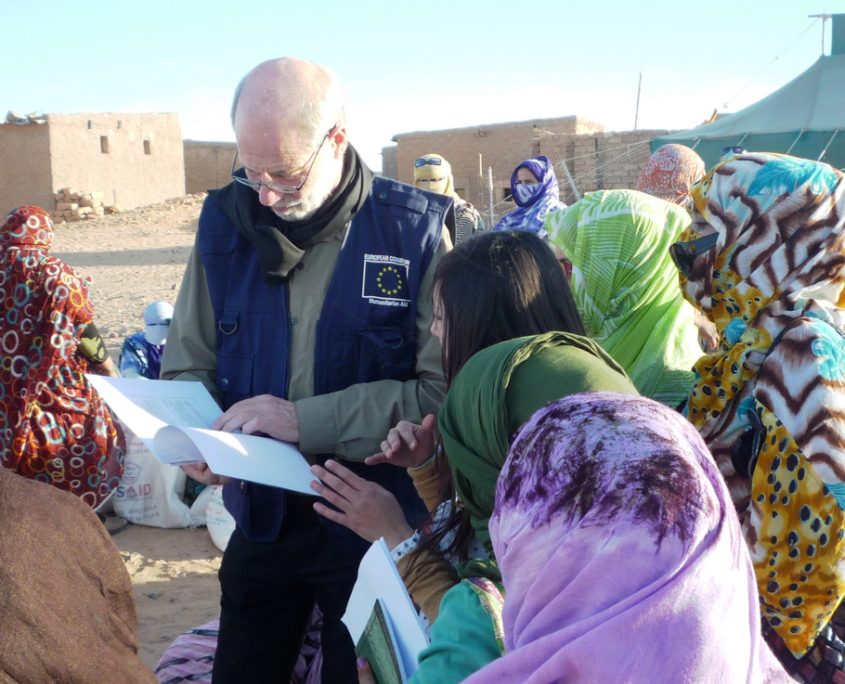
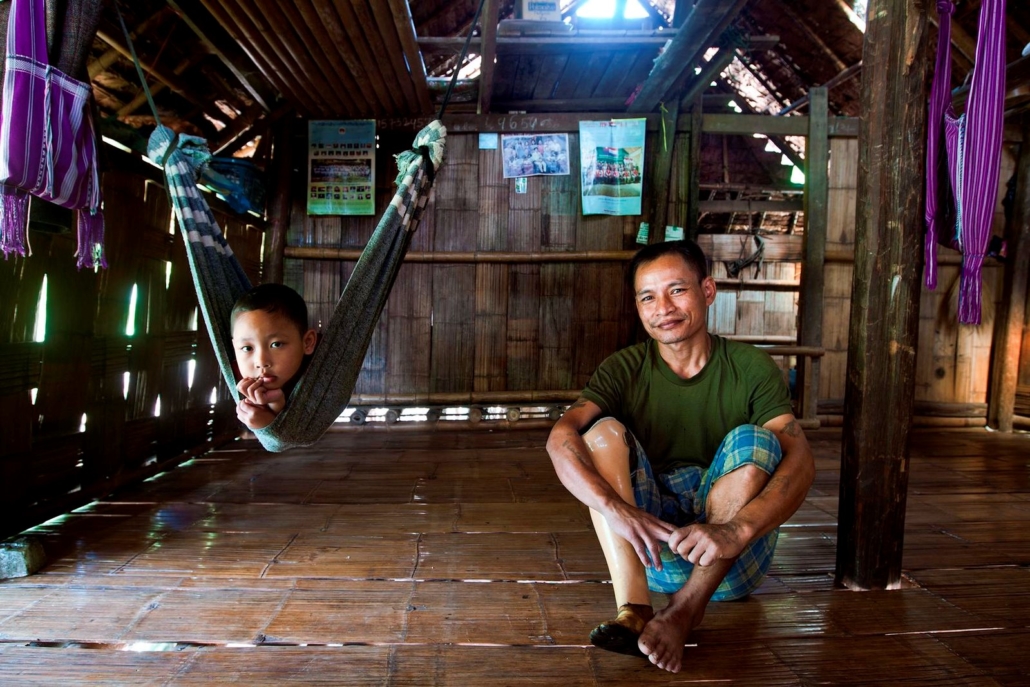
Sahrawi Refugees living in AlgeriaFor more than 45 years, Sahrawi refugees have left Western Sahara into neighboring countries fleeing conflict and instability. Many Sahrawi refugees have found themselves living in camps in Algeria. In these camps, refugees struggle with food and water insecurity, lack of medicine and healthcare access. This overview of the forgotten crisis of Sahrawi Refugees living in Algeria will provide insight into the ongoing humanitarian struggle.
The Refugee Camps in Algeria

A conflict between Morocco and the Polisario Front over Western Sahara’s sovereignty has gone on since Spain withdrew from the area in 1975. In the wake of this conflict, hundreds of thousands of Saharawi people have been displaced and have sought refuge in countries like Algeria. For more than 45 years, the Saharawi people have been living in camps in Algeria’s Tindouf region, which borders Western Sahara. There are five camps housing more than 150,000 Sahrawi refugees near the Algerian town of Tindouf. These refugees live almost entirely on humanitarian aid and assistance. The Algerian government has worked to improve the living conditions of these refugees by providing secondary education, healthcare services, land and infrastructure improvements. The government also works with international organizations like the UNHCR, WFP and UNICEF to continue supporting Sahrawi refugees.

Challenges for the Sahrawi Refugees

The situation of the Sahrawi refugees living in Algeria is referred to as the ‘forgotten crisis’ because there is little media coverage of their situation. According to the World Food Programme, over 88% of the Sahrawi Refugees are either at risk or suffering from food insecurity. Acute malnutrition affects roughly 8% of Sahrawi children aged five or younger and over 50% of Sahrawi women between the ages of 15 and 49 suffer from anemia. The COVID-19 pandemic has added further difficulties to the situation of the Sahrawi refugees. Since March 2020, the Sahrawi are under quarantine, with humanitarian aid continuing to arrive.

The Sahrawi refugee’s dependence on humanitarian aid has left the people lacking ways to be self-sufficient. Sahrawi refugees are at risk of radicalization or social unrest. There are few employment opportunities and frustration develops with the ongoing conflict in Western Sahara and vulnerability to flash floods and sandstorms. The lockdown has also caused many Sahrawi refugees to loose jobs, causing them to rely more heavily on aid.

Bilateral Aid

Despite being known as the “forgotten crisis,” there is still work being done to improve the Sahrawi refugees’ situation. In 2020, the EU provided more than $9 million in humanitarian aid for the Sahrawi refugees, primarily food, water and medicine. World Food Programme rations provide Sahrawi refugees with 2,100 calories a day and $5.4 million has gone toward combating malnutrition of women and children, which has been a persistent problem for refugees. There are plans to extend the water network in the camps to improve the efficiency of delivering water to the refugees. More than $500,000 have been used to combat the COVID-19 pandemic by improving hospitals and their capacities to deal with sickness. Efforts have been made to support disabled refugees to ensure they are part of the community.

Swiss contributions to the WFP’s efforts in Algeria have totaled more than $30 million over several decades. The programs have encouraged more than 40,000 children to attend school through a meal program which paused because of the COVID-19 pandemic but will continue afterward. While the Sahrawi camps are under lockdown during the pandemic, humanitarian aid provides necessary food, water and medicine to refugees. The Algerian government has included the Sahrawi refugees in its national response plan to support them throughout the lockdown in the form of sanitary services, medical supplies and a referral system to track the virus.

NGOs Helping the Sahrawi Refugees

Several nonprofits are working to help the Sahrawi refugees living in Algeria. The Danish Refugee Council has been working in Sahrawi refugee camps since 2016, providing over 200,000 people with training in business skills, self-sufficiency, business grants and technical support. Oxfam International has been providing fresh produce, clean water, farming skills and community support for refugees since the start of the crisis in 1975.

The conflict in Western Sahara continues to displace thousands of Sahrawi refugees and leaves them with few options and relying on humanitarian aid to survive. The forgotten crisis of the Sahrawi refugees living in Algeria has gone on since 1975. The Sahrawi refugees face many challenges in their daily lives, but humanitarian aid has allowed the community of refugees to survive. Until the conflict in Western Sahara resolves, there needs to be a greater awareness of the current refugee situation and continued humanitarian support for the thousands of Sahrawi refugees living in Algeria.

– Gerardo Valladares
Photo: Flickr

April 26, 2021
https://borgenproject.org/wp-content/uploads/borgen-project-logo.svg 0 0 Kim Thelwell https://borgenproject.org/wp-content/uploads/borgen-project-logo.svg Kim Thelwell2021-04-26 11:25:282021-04-26 11:25:28Sahrawi Refugees living in Algeria: The Forgotten Crisis
Global Poverty, Refugees and Displaced Persons

Addressing Statelessness in Thailand

Statelessness in Thailand
Thailand has one of the world’s largest populations of stateless people with nearly 500,000 registered in 2020. NGOs and human rights activists believe the true number is much higher at up to 2 million. Statelessness refers to those lacking recognition of citizenship by any country. Without having a nationality, people lack access to basic necessities such as healthcare, education and social security. Here is some information about statelessness in Thailand.

Why Are People Stateless?

The cultural heterogeneity and rugged border regions of Thailand have long allowed indigenous cultures to live outside of the modern nation-state framework. Some stateless groups in Thailand’s border regions actively avoided becoming part of the Thai nation-state. They remained separate to maintain their own unique cultural customs. Discriminatory practices toward ethnic minorities by the ethnic Thais have also played a role in statelessness in Thailand.

Ethnic groups such as the Hmong, Akha, Karen and others are traditionally semi-nomadic and live throughout different Southeast Asian nations. They do not identify with one specific nation. In modern times, borders have become more solidified. The relative autonomy of indigenous cultures has largely existed within international borders. For indigenous children born within the Thai borders, their citizenship ties to their parents. These parents often lack documentation to prove that they were technically born in Thailand, which renders children stateless.

Refugees and Asylum Seekers

Other stateless people in Thailand are refugees from Burmese states just across the border. These refugees have endured decades of armed conflict against the central government. More than 100,000 Karen, Karenni, Shan and other groups arrived in the 1980s and 1990s to refugee camps along the Thai border. They have largely remained in these camps due to instability at home and the Thai government’s unwillingness to grant citizenship. These refugees also lack Burmese citizenship in many cases. With increased political and social instability following the recent 2021 military coup, this protracted refugee crisis will likely persist.

There are also stateless people that others know as the Moken or ‘Sea Gypsies’ in the south of Thailand, along with asylum seekers originating from dozens of countries in the Bangkok metropolitan area. Thai authorities struggle to formulate clear strategies on how to process citizenship requests for the many existing situations. Some can lay claim to ancestry within the modern Thai borders that stretch back hundreds of years. Others are more recent arrivals in need of human rights assistance.

Risk Factors of Statelessness in Thailand

There are innumerable challenges for stateless people in Thailand. Without having Thai citizenship, stateless people cannot travel freely across international borders. As a result, they fear detention and arrest while traveling within Thailand. There are also barriers to accessing legitimate jobs. This puts some at risk of becoming victims of human trafficking in trying to access decent livelihoods.

For young people, the lack of a decent education is a major concern. The Thai government has made an effort to educate all children within its borders, but stateless students are not able to access scholarships for higher education. Lack of access to decent health care and legal representation are other barriers facing stateless people.

Solutions

Since 2016, Thailand has joined one of the central goals of the UNHCR to end statelessness worldwide by 2024 in its #IBelong campaign. The country has taken great efforts to reconfigure citizenship laws to allow tens of thousands to access Thai citizenship in recent years. Leading up to joining the #IBelong campaign, Thailand had loosened citizenship restrictions in 2008 with its amendment of the Thai Nationality Law. Although implementation has been slow, the processing of citizenship claims have ramped up with the help of UNHCR.

There have been highly publicized events uncovering the plight of stateless people, which include the Thai Cave Rescue in 2018, in which several of the rescued soccer team members and their coach were stateless at the time. The Thai government streamlined its citizenship procedures shortly after the rescue operation. The players and their coach had previously not been able to travel freely to play in games outside of their local area.

Increased Awareness

While the sheer number of stateless people in Thailand may make the 2024 deadline to end statelessness difficult to reach, there is more general awareness of the issue. That offers some hope in granting citizenship to large numbers in this population. Much of the recent stateless population is due to conflict in Myanmar, and others should commend Thailand for allowing refugees to remain in relative safety within its borders.

– Matthew Brown
Photo: Flickr

April 20, 2021
https://borgenproject.org/wp-content/uploads/borgen-project-logo.svg 0 0 Kim Thelwell https://borgenproject.org/wp-content/uploads/borgen-project-logo.svg Kim Thelwell2021-04-20 01:31:412021-04-17 20:56:23Addressing Statelessness in Thailand
COVID-19, Developing Countries, Development, Global Poverty, Health, Refugees

A Pandemic in a Refugee Camp

A Pandemic in a Refugee Camp
Since the Venezuelan refugee crisis began in 2015, over 360,000 Venezuelans have fled to Ecuador where they have sought political and economic asylum away from the tumultuous governing in Venezuela. In Ecuador, Venezuelan refugees have created camps and have attempted to rebuild their lives to little avail due to xenophobia, limited job opportunities and harsh living environments. While these harsh living conditions have continued for the Venezuelan refugees for years, the beginning of the COVID-19 pandemic has intensified hardships. Spending the pandemic in a refugee camp involving cramped and overflowing shelters has caused refugees to become extremely vulnerable to contracting and dying from COVID-19.

No Access

For the hundreds of thousands of impoverished and unemployed Venezuelan refugees living in cramped refugee camps, it is challenging to social distance or to retrieve information on COVID-19. Moreover, with limited money focused on food, shelter and provisions, refugees have little left to spend on personal hygiene or personal protective equipment. As a result, refugees do not have access to much-needed medical supplies to keep safe from virus transmissions such as masks, sanitizers, gloves or vitamins. Consequently, transmission rates in refugee camps are disproportionately higher than their urban Ecuadorian city counterparts, yet the medical care is disproportionately lower.

As hospitals in Ecuador have become overrun by sick patients and Ecuadorian first responders have become absorbed with endless virus-related emergencies, Ecuadorian healthcare workers have had to choose which patients they will actually provide medical care to. This decision oftentimes coincides with heavy racism against Venezuelan refugees. Consequently, first responders have often chosen to respond to the rich Ecuadorian citizens living in urbanized areas over the far away, impoverished Venezuelan refugee camps. Similarly, Ecuadoran doctors prefer to provide medical care to the more affluent Ecuadorian citizens who can surely pay their hospital bills rather than the refugees. In turn, Venezuelan refugees are not always able to use Ecuadorian healthcare and instead have to fend for themselves without medical supplies, information about the virus or the ability to social distance.

A Solution for Refugees Surviving a Pandemic in a Refugee Camp

Because solving xenophobia in Ecuador or empowering and enriching refugees could not rapidly happen in time so that they could receive proper treatment during the pandemic, refugees had to take matters into their own hands by looking to new initiatives to prevent the spread of COVID-19. Alongside the United Nations High Commissioner for Refugees (UNHCR), Venezuelan refugee communities in Ecuador developed the Community Epidemiological Surveillance System in an attempt to rapidly discover COVID-19 cases in refugee camps. The system can detect individuals with COVID-19 for quarantine purposes and consequently reduce the risk of COVID-19 transmission amongst refugee communities.

Once the system detects them, patients receive information about their diagnosis along with referrals for proper treatment. The system reports all cases to the national health authorities so that Venezuelan refugees can identify who they were in contact with so that all parties can undergo quarantine and testing for the virus.

How it Works

Since launching in July 2020, the Community Epidemiological Surveillance System has detected hundreds of cases and has prevented the further spread of the virus for thousands of refugees. By identifying a suspect COVID-19 case, the system is able to assess a localized community point of potential exposure for other refugees. Once discovered, the system registers all information upon a public health database that records exposed individuals and provides them with information and medical treatment for the virus. Furthermore, the Community Epidemiological Surveillance System records if a COVID-19 patient or exposed individual has access to personal protective equipment, has preexisting conditions or lives in overcrowded environments that would make them and their neighbors more susceptible to the virus.

UNHCR taught six refugee camps across Ecuador the process of contact tracing. Trained refugees can utilize the Community Epidemiological Surveillance System. This results in using telephone hotlines, community visits by healthcare workers and providing medical provisions. The system is curbing COVID-19 spread in a pandemic in a refugee camp for vulnerable Venezuelans who would have very few medical opportunities otherwise.

– Caroline Largoza
Photo: Flickr

April 10, 2021
https://borgenproject.org/wp-content/uploads/borgen-project-logo.svg 0 0 Kim Thelwell https://borgenproject.org/wp-content/uploads/borgen-project-logo.svg Kim Thelwell2021-04-10 13:36:262021-06-10 13:36:41A Pandemic in a Refugee Camp
Education, Refugees, Refugees and Displaced Persons

Higher Education Opportunities for Refugees

Higher Education opportunitiesWorldwide, 3.7 million refugee children are not in school. This is more than half of the 7.1 million school-age refugees. The higher the level of education, the less likely it is that a refugee attends school. Data from a 2019 UNHCR report shows that only 3% of refugees are enrolled in some form of higher education. Evidence suggests that education leads to less reliance on humanitarian aid. Online learning may present a possible solution. The benefits of higher education opportunities for refugees range from increased economic prosperity to higher levels of confidence, creativity and leadership.

Inclusive Education

One of the U.N. Sustainable Development Goals (SDGs) is inclusive educational access for all. This includes more access to higher education for refugees. The UNHCR’s Refugee Education 2030 strategy aims to achieve educational parity on all levels and raise the enrolment of refugees in higher education to 15%. A hybrid model of online and in-person instruction is becoming more popular. Increased interest and investment in online learning and degree certification could potentially provide new opportunities in higher education for refugees.

Providing Opportunities

Launched in March 2019, a hybrid learning initiative in Turkey has proven successful, serving more than 28,000 Syrian refugee students. The UNDP Turkey’s Syria Crisis Response and Resilience Programme started the initiative in order to offer easily accessible Turkish language lessons to Syrian refugees for them to better integrate into Turkish society. The initiative is funded by the European Union and implemented in cooperation with the Turkish Ministry of Education. The online language program is flexible, personalized and offers in-person meetings with an instructor. This is in addition to an array of online courses. Since the content is online, students can continue with their courses even if their living situation changes. Furthermore, a continuous reliable internet connection is not necessarily needed.

The University at Albany offers online medical courses in Arabic to Syrian refugees. The program launched in 2016 with 320 students enrolled. The courses give refugees who already have some form of higher education the chance to continue taking courses in their respective fields. The program also includes English language classes. It is part of a catalog of many other similar initiatives on the website MOOCs4inclusion. Massive Open Online Courses (MOOCs) are free digital education classes. MOOCS are accessible anywhere there is an internet connection.

Barriers to Learning

Western universities develop and teach the majority of online courses and degree programs used in refugee camps. However, the majority of refugees do not end up in a Western country, they stay in the refugee camp or return home. In order for online education to be truly successful, courses must take the particular circumstances of refugees into account. Researchers at the University of Geneva, Paul O’Keeffe and Abdeljalil Akkari, started a basic medical training course in Kenya’s Kakuma refugee camp. The goal of the online course was to focus on relevant health issues in the area of Kakuma. The refugees helped inform the course content. Culturally relevant courses and an understanding of life in a refugee camp are important to implement successful online education geared toward refugees. Another barrier often encountered is that reliable internet is usually a necessity for online learning, yet a rare resource in most refugee camps.

Solutions

Education for Humanity, a program of Arizona State University (ASU), uses technological innovations to break down some of the common barriers of online higher education opportunities for refugees. The program includes education on how to be a successful digital learner and the option of “earned admissions” for refugees without the required documents or qualifications for enrollment. In order to break down the internet barrier, Education for Humanity uses technology that does not require reliable access to the internet.

SolarSPELL is a solar-powered digital library that acts as an offline WiFi hotspot. Students access the course content by connecting their phone, tablet or laptop to the SolarSPELL’s offline WiFi signal. A whole 95% of the content is available offline and is available for download so students can still study without being connected to SolarSPELL. In 2019, Education for Humanity used SolarSPELL to offer an agribusiness course in the Nakivale refugee camp in Uganda.

Easier access to education for refugees is an important goal. Recent innovations such as SolarSPELL aim to break down barriers so that refugees can access higher education opportunities to ensure a promising future.

– Caitlin Harjes
Photo: Flickr

March 30, 2021
https://borgenproject.org/wp-content/uploads/borgen-project-logo.svg 0 0 Kim Thelwell https://borgenproject.org/wp-content/uploads/borgen-project-logo.svg Kim Thelwell2021-03-30 08:28:542024-05-30 22:23:11Higher Education Opportunities for Refugees
Global Poverty, Human Trafficking

Human Trafficking in Lebanon

Human Trafficking in Lebanon
Human trafficking in Lebanon is rampant and requires reform. Someone once asked Paul, a volunteer for the Catholic Church in Beirut, Lebanon, how he knows that most female prostitutes are trafficking victims? Paul answered that when he attempted to help a trafficking victim contact an NGO, her captors assaulted him.

The Situation

Paul is just one of the many workers on the frontlines fighting against human trafficking in Lebanon. Lebanon’s government is improving its work to stop human trafficking, but Lebanon remains on Tier 2 according to the U.S. Department of State’s Trafficking in Persons report. The Tier 2 standing means that Lebanon has not met the minimum standards to eliminate human trafficking.

Human traffickers target certain groups such as Syrian refugees, illegal migrants, domestic workers and women with artiste visas. Employers lure in workers and artistes under the guise of employment and then withhold their wages or passports to control them. Meanwhile, migrants and refugees come into the country with nothing leaving them open to capture. Poverty affects these targeted groups making it easier for employers and traffickers to control them. Lebanon has struggled with human trafficking because of various problems, including its past legislation and misguided judicial system.

Human Trafficking Issues in Need of Reform

  1. Lebanon’s human trafficking network is immense. The International Security Forces (ISF) and General Directorate of General Security (GDS) commented that even traffickers further down the chain of command contact more extensive organized networks. Beirut, Lebanon’s capital, and the town of Jounieh are where most human trafficking victims end up. Even though the ISF was able to identify 29 trafficking victims in 2017, the United Nations High Commissioner for Refugees (UNHCR) believes the number of victims is in the thousands.
  2. The country’s laws place a significant strain on the victims because women can work as licensed prostitutes, but Lebanon’s government has not supplied licenses since the 1970s. However, after 1990, the country made secret prostitution, or prostitution without a license, illegal. Foreign women come to Lebanon to work as dancers in nightclubs under an artiste visa. The visa’s terms restrict the women to the hotels they live in and give nightclub owners power over the women allowing them to withhold their wages and passports. Traffickers also exploit these women through physical or sexual abuse.
  3. Ashraf Rifi, who served as minister of justice between 2014 and 2016, and ISF director-general from 2005 to 2013, commented that Lebanon needs to change how it combats human trafficking. Rifi went on to mention how there is corruption at high levels and even corruption within the ISF. In 2018, authorities arrested Johnny Haddad, the head of an ISF department, on charges of corruption involving prostitution networks. The organization’s ethics committee placed him under investigation. If anti-trafficking organizations’ leaders experience compromise, fighting traffickers becomes even more difficult than it was before.
  4. For trafficking victims in Lebanon, the courts frequently show no remorse. After studying 34 different trafficking cases, lawyer Ghida Frangieh concluded a double standard in the judge’s treatment concerning prostitution and begging. Forced begging cases nearly always received the label of being a trafficking case, while in the case of prostitution, the judge would frequently find there was some level of consent. The problem here is that the U.N. Convention on Human Trafficking stated that consent is irrelevant in trafficking cases because traffickers could beat or kill victims if they do not consent.

Even though Lebanon struggles with human trafficking, it is making progress in combatting these human traffickers. Lebanon has focused on improving its identification of trafficking victims and bringing shadowy trafficking networks into the light.

How Lebanon is Fighting Against Human Trafficking

  1. In 2016, Lebanon shut down Chez Maurice, the largest human trafficking network in the country. Chez Maurice held more than 75 Syrian women in a house with blacked-out windows, only allowed to leave to have abortions or receive treatment for venereal disease. The organization lured the Syrian refugees by offering them jobs, such as restaurant work, and then imprisoned them. While there, the captors sexually and psychologically abused the women. After discovering the human trafficking network, authorities took those responsible into custody, and they are currently awaiting trial.
  2. Lebanon’s government has yet to completely satisfy the minimum requirements for human trafficking’s eradication, but it is making significant strides to change that. The government increased investigations into trafficking cases and improved its ability to identify trafficking victims. For example, in 2016, the ISF only investigated 20 human trafficking cases, while in 2018, it investigated 45 cases. This change may show an improvement in identifying trafficking victims. Lebanon’s government has improved its relationships with NGOs such as Legal Agenda or Kafa, leading to more effective cooperation with screening possible victims in government-controlled migrant detention facilities.
  3. The government has done great work investigating potential human trafficking cases, but it still has room for improvement. The GDS reported 124 of 167 cases, which ended with a referral to authorities for investigation, giving back pay to workers and repatriation for migrant workers. The MOJ reported prosecutor referred about 38 cases to judges for further analysis leading to 69 alleged traffickers’ prosecutions involving different types of human trafficking. Since numerous cases have overloaded Lebanon’s judicial system, it took time to resolve these cases, but the system settled them, nonetheless.

Lebanon is steadily improving in its fight against human trafficking. Human trafficking in Lebanon is still happening, but its people continue to work towards eradicating it.

– Solomon Simpson
Photo: Flickr

February 16, 2021
https://borgenproject.org/wp-content/uploads/borgen-project-logo.svg 0 0 Jennifer Philipp https://borgenproject.org/wp-content/uploads/borgen-project-logo.svg Jennifer Philipp2021-02-16 01:30:242021-02-12 10:50:29Human Trafficking in Lebanon
Global Poverty, Humanitarian Aid, Refugees

The Khaled Hosseini Foundation: Making Change in Afghanistan

The Khaled Hosseini Foundation
The Khaled Hosseini Foundation was formed in 2007 after Hosseini traveled Afghanistan with the U.N. Refugee Agency. He noticed the desperate need for intervention in the impoverished villages, as many of these families were barely surviving on $1 a day. After being exposed to these vulnerable populations of women, children and refugees, Hosseini started the foundation to provide these people with the basic resources needed to survive.

The Foundation’s Goals

The Khaled Hosseini Foundation operates as a 501(c)(3) nonprofit that works tirelessly to help the people of Afghanistan. Specifically, the foundation focuses on providing the following services:

  • Humanitarian aid and shelter to poverty-stricken families
  • Economic opportunities for women
  • Healthcare and education for children

Supporting Nonprofit Work

In the past few years, an abundance of work has been done through the foundation. A primary method of their work centers around their Omid Grants. Reviewed on an annual basis, The Khaled Hosseini Foundation gives out grants to nonprofits providing humanitarian aid in Afghanistan. The number of grantees continues to grow, but some of the most notable organizations funded by The Khaled Hosseini Foundation include:

  • U.S. Fund for UNICEF: The “Let Us Learn” program targets five impoverished countries, including Afghanistan, and works to educate children in remote areas who face either social or educational exclusion. In Afghanistan, the “Let Us Learn” program helps Afghani girls complete their secondary education through an accelerated program.
  • UNHCR: Afghanistan possesses the largest refugee population in Asia and the second largest in the world. In response, the UNHCR works to provide core relief items and emergency shelter assistance, as well as protect internally displaced people. The Khaled Hosseini Foundation has donated more than $1 million to UNHCR and provided homes to more than 3,200 families through this organization.
  • Afghan Connection: Founded in 2002, Afghan Connection works to bring educational and sports opportunities to children, especially girls, in Afghanistan. Afghan Connection has created 46 new schools that have served more than 75,000 children. The Khaled Hosseini Foundation heavily supports its Community Based Education Program based in the Takhar Province in Afghanistan.

Raising Fundings With Literature

As an author, Hosseini uses the funds raised from the sale of his books to support humanitarian aid in Afghanistan. The proceeds from Hosseini’s latest book “Sea Prayer” are being given to the Khaled Hosseini Foundation, as well as the UNHCR and the U.N. Refugee Agency.

“Sea Prayer” was published in September 2018, which marked the 3 year anniversary of the death of Alan Kurdi, a 3-year-old Syrian refugee. The content of this novel reflects the cause behind the fundraising initiative; “Sea Prayer,” written in the form of a letter, tells the story of a father and son who are fleeing war-torn Syria in hopes of finding a better life.

On the need to support refugees in Afghanistan, Hosseini stated, “We all have an individual duty to let our friends, our families, our communities, our governments know we support refugees, that we want to see the expansion of safe, legal pathways for those in need of international protection, and when, if they should reach our own doorstep in search of safety and sanctuary that we welcome them. We can show solidarity #WithRefugees in so many different ways. Please take action today.”

Moving Forward

Khaled Hosseini, known for his riveting written works, has been working tirelessly to help vulnerable populations in Afghanistan. The Khaled Hosseini Foundation is the most principal example of this effort, fighting for women, children and refugees. Moving forward, it is essential that efforts by the foundation and other related organizations continue in order to help bring these groups out of poverty.

– Hope Shourd
Photo: Flickr

January 26, 2021
https://borgenproject.org/wp-content/uploads/borgen-project-logo.svg 0 0 Yuki https://borgenproject.org/wp-content/uploads/borgen-project-logo.svg Yuki2021-01-26 10:36:122021-01-26 10:36:12The Khaled Hosseini Foundation: Making Change in Afghanistan
Page 8 of 21«‹678910›»

Get Smarter

  • Global Poverty 101
  • Global Poverty… The Good News
  • Global Poverty & U.S. Jobs
  • Global Poverty and National Security
  • Innovative Solutions to Poverty
  • Global Poverty & Aid FAQ’s
Search Search

Take Action

  • Call Congress
  • Email Congress
  • Donate
  • 30 Ways to Help
  • Volunteer Ops
  • Internships
  • Courses & Certificates
  • The Podcast
Borgen Project

“The Borgen Project is an incredible nonprofit organization that is addressing poverty and hunger and working towards ending them.”

-The Huffington Post

Inside The Borgen Project

  • Contact
  • About
  • Financials
  • President
  • Board of Directors
  • Board of Advisors

International Links

  • UK Email Parliament
  • UK Donate
  • Canada Email Parliament

Get Smarter

  • Global Poverty 101
  • Global Poverty… The Good News
  • Global Poverty & U.S. Jobs
  • Global Poverty and National Security
  • Innovative Solutions to Poverty
  • Global Poverty & Aid FAQ’s

Ways to Help

  • Call Congress
  • Email Congress
  • Donate
  • 30 Ways to Help
  • Volunteer Ops
  • Internships
  • Courses & Certificates
  • The Podcast
Scroll to top Scroll to top Scroll to top