• Link to X
  • Link to Facebook
  • Link to Instagram
  • Link to TikTok
  • Link to Youtube
  • About
    • About Us
      • President
      • Board of Directors
      • Board of Advisors
      • Financials
      • Our Methodology
      • Success Tracker
      • Contact
  • Act Now
    • 30 Ways to Help
      • Email Congress
      • Call Congress
      • Volunteer
      • Courses & Certificates
      • Be a Donor
    • Internships
      • In-Office Internships
      • Remote Internships
    • Legislation
      • Politics 101
  • The Blog
  • The Podcast
  • Magazine
  • Donate
  • Click to open the search input field Click to open the search input field Search
  • Menu Menu

Tag Archive for: UNHCR

Posts

Economy, Global Poverty

Examining and Reducing Poverty in Libya

Increase in Poverty in Libya
Following the 2009 overthrow of the authoritarian Libyan dictator Moammar Qaddafi, the country underwent serious social upheaval. Many citizens faced an increase in poverty in Libya. Libya is home to a wealth of natural resources. Markers such as life expectancy and literacy rates are substantially higher than other countries in the region. Nevertheless, ongoing political conflict combined with various refugee crises has dramatically elevated the number of people living below the poverty line. In fact, roughly one-third of the population lives in poverty, which is about 2.2 million people.

Violence and Politics

Numerous domestic parties and foreign countries have a stake in the political landscape. As a result, violence and fractured political relationships characterize Post-Qaddafi governance in Libya. Current Prime Minister Fayez al-Sarraj leads the Government of National Accord (GNA). It has garnered substantial support from the international community. However, the presence of militias and former Qaddafi supporters in the region have created lasting violence and contributed greatly to the impoverishment of its citizens. Opposition leader Khalifa Haftar has been leading a violent campaign against the GNA for the past several years. He envisions himself “a bulwark against extremists,” but his ties to the Islamic State worry his critics.

The Economic Aspect

Additionally, there are various international actors with an economic interest in the region. Countries like Italy, Russia and Turkey all have investments in Libya’s economic prosperity, and these investments tie closely to its remarkable oil and natural gas reserves. Historically, these countries have contributed to poverty in Libya by exploiting these natural resources. Ultimately, the conflict prolonged and intensified. It led to an increase in poverty in Libya by foreign leaders with personal interests in the outcome of the war. The fighting has destroyed important infrastructures such as roads and functioning sewage systems. This leaves many Libyans without access to clean water or food.

Improvements to Fight Libya’s Poverty

The political instability and constant violence increased poverty in Libya over the last decade. Moreover, the 90% of refugees migrating to Europe from Libya has compounded it. About 217,002 Libyans are currently displaced within the country, according to the UNHCR. This is in addition to another 43,113 asylum seekers who are passing through in search of a country that will take them in. Also, the number of “people of concern,” or those in dire need of aid, has increased by 50% since 2018. The political and social infrastructure to handle such numbers of displaced people is not available. However, groups like the IRC and UNHCR are working to improve the lives of Libyan citizens and asylum seekers. These organizations, among others, provide services such as community development centers and telephone hotlines in order to help identify, register and assist those who need it.

Furthermore, they work to provide humanitarian assistance to refugee camps and end the practice of detention centers in the region. Although terrorist and militia attacks on foreign aid centers have complicated efforts, there is noticeable improvement due to programs like these.

The Outlook

Ultimately, political violence and the competing desires of colonial powers have resulted in the increase of poverty in Libya in recent years. Religious conflict and foreign involvement have made the road to progress difficult. Aid will only reach 39% of those identified to be in need of critical assistance in 2020, according to the U.N. However, the outlook is not entirely bleak: the international aid community is working to provide relief to those in need. Also, the natural resources Libya possesses put the country in a unique position to recover and prosper. The region draws more international attention and humanitarian organizations continue to direct resources to Libyans in need. Therefore, there is reason to be hopeful that the country will soon be out of poverty.

– Leo Posel
Photo: Flickr

October 2, 2020
https://borgenproject.org/wp-content/uploads/borgen-project-logo.svg 0 0 Borgen Project https://borgenproject.org/wp-content/uploads/borgen-project-logo.svg Borgen Project2020-10-02 04:00:132022-03-17 14:48:10Examining and Reducing Poverty in Libya
Global Poverty

What To Know About Homelessness in Montenegro

Homelessness in Montenegro
Montenegro is a country located in the western Balkans. Neighbouring Albania, Kosovo, Serbia, Bosnia and Herzegovina and Croatia, the country spans approximately 13,800 square kilometers of land. With an approximate population of 622,300 people, the country has very few homeless people at an estimate of 300 people. This is partly due to the country’s high socioeconomic development. With a low number of homeless people when compared to the majority of the globe, the Montenegrin government has recently taken interest in minimizing the number of people in need. Here is some information about homelessness in Montenegro.

How Montenegro Defines Homelessness

The Montenegrin government officially defined the term “homeless person” in 2013. The legislation passed to officially recognize a homeless person as an individual that does not possess any property or means of living. They are expected to reside within a public space or center that is not habitable.

Four years later, there was a revision of the definition. In 2017, a homeless person was now defined as an individual that does not possess a residential address and is located within a public space or center that is not habitable.

The previous definition categorized people living in temporary conditions and conventional properties as homeless. However, the revised definition excluded them from being classified as homeless.

The Current Statistics

Montenegro’s government currently has insufficient information for a good estimate of the number of homeless people in the country. The 2013 national legislation is the only place where classification was introduced. As a result, homelessness in the country did not have accumulated data.

Alongside introducing the classification of a “homeless person” in 2013, the Strategy for Social and Child Protection System planned an initiative. This initiative determined the number of such individuals within the country. Due to the lack of existing records and failed attempts to implement the project, the statistics are only derived through social service facilities and unofficial sources. In 2015, several social service facilities reported that 36 individuals were homeless in Montenegro while other unofficial sources reported a different number ranging up to 300.

Government Initiatives to Fight Homelessness

The low amount of homelessness in Montenegro is in part due to several government initiatives that have helped Montenegrins for decades. The global housing market remains highly unstable and worrisome to many. However, Montenegro’s government initiated its year-long Housing Mortgage for Low-income Persons project in 2010. This project yielded an overwhelmingly positive effect. Approximately 433 families and 1,239 Montenegrins did not have any more housing issues.

The country’s government launched phase two of the project nearly six years later in December 2016 to further deal with the housing issues. With a heavily funded €20 million project, the government was able to solve housing issues of more than 500 families. It also facilitated in subsidized mortgage and permanent housing processes.

As a neighbor to struggling nations such as Croatia and Bosnia and Herzegovina, the government of Montenegro has facilitated approximately 150,000 displaced refugees over the years. Working alongside the UNHCR, the country has assisted and provided asylum for many. With displaced individuals looking for housing facilities within Montenegro, the country’s government has constructed more than 1,300 housing units for refugees to settle into.

With strong project management and several positive initiatives, the Montenegrin government has been very keen on minimizing homelessness in Montenegro. Alongside the continued efforts on the government-level and support from international agencies such as the UNHCR and Regional Housing Programme, Montenegro has been continually providing its citizens and refugees with permanent and guaranteed housing for years.

– Omer Syed
Photo: Flickr

September 22, 2020
https://borgenproject.org/wp-content/uploads/borgen-project-logo.svg 0 0 Kim Thelwell https://borgenproject.org/wp-content/uploads/borgen-project-logo.svg Kim Thelwell2020-09-22 01:30:202020-09-21 14:24:44What To Know About Homelessness in Montenegro
Global Poverty, Migration, Refugees

The Importance of Telling Refugee Stories

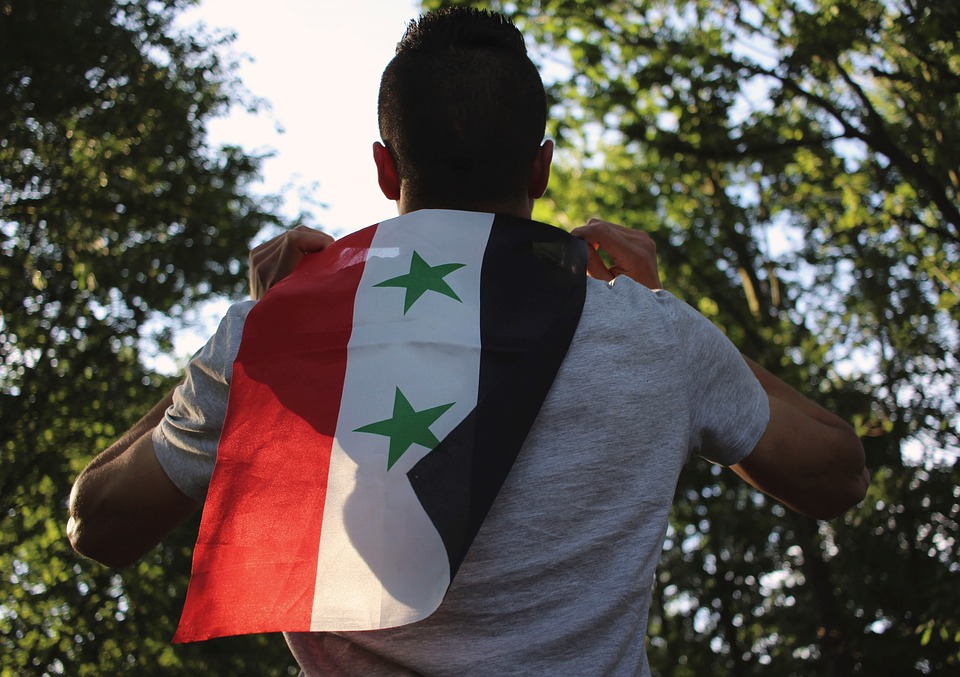
refugee storiesOf the world’s population, 79.5 million people have been forcibly displaced from their homes. There are currently about 26 million refugees worldwide. Many of these individuals have been forced to flee their homes, experiencing extreme difficulty and hardship. At the peak of the 2015 European refugee crisis, headlines surrounding refugees’ stories of fleeing their home countries saturated the news. Combined with sobering photographs, these refugee stories provided the world with a glimpse into the realities of what thousands of individuals and families were experiencing and enduring. As the years have passed, this coverage has diminished, but thousands of refugees continue to flee their homes to find asylum elsewhere.
Refugee Stories in the News

One World Media, an organization supporting independent media coverage on circumstances in developing countries, advocates for continued media coverage of the European Refugee Crisis. To do so, it launched the Refugee Reporting Award. In partnership with the British Red Cross, the award encourages accurate and empathetic coverage of the state of the continuous refugee crisis.

The Executive Director of Communications and Advocacy at British Red Cross, Zoë Abrams, expounds on the importance of telling refugee stories. She explains that these stories are key to breaking down misconceptions and bias surrounding refugees and migrants. Abrams further states that “the relative trickle of stories nowadays means it is easy to wrongly assume that the situation for people on the move has dramatically improved.” This, however, is far from true, as issues regarding migration have increased across the globe.

How We Tell Refugee Stories

Although it is important to compile and share refugee stories, the manner in which individuals and their stories are portrayed should be carefully considered. The United Nations High Commissioner for Refugees (UNHCR) advises readers not to focus on refugees’ pasts, but to consider what individuals can accomplish despite what they have experienced.

The UNHCR shared the story of Shahm Maskoun, a Syrian refugee now living in France. He was finding great success in his life in Syria, but then war broke out and he was forced to flee, leaving everything behind. When Maskoun arrived in France, he had nothing and was very lonely. However, taking advantage of the support offered to refugees and migrants, he received some financial and health support. He eventually enrolled in a master’s program and then began giving back, assisting students in his classes and using his skills in internships. Reflecting on his own experiences, Maskoun says that he wants people to understand that refugees themselves aren’t the crisis, but the manner in which the media tells their stories can be problematic, insinuating they are defined by the hardships they have experienced.

The Importance of Refugee Stories

All types of refugee stories, including those highlighting the difficulties that individuals experienced while fleeing their homes and those describing the success found by refugees in other countries, have their place. A recent study shows that children need to hear refugee stories because it makes them more compassionate and empathetic, especially if refugee children are living in their communities and attending their schools.

Testing three groups of children, the results illustrated the connection between empathy and a willingness to help others. In this case, hearing the stories and experiences of the refugee children who would be joining their school class made children act accordingly with kindness and mindfulness toward their new classmates.

Compiling and telling refugee stories can be a useful tool in educating and informing the public about the state of the refugee crisis. As these stories foster empathy, it is likely that communities will remember refugees and seek to help provide them with relief and safety.

– Kalicia Bateman
Photo: Flickr

September 18, 2020
https://borgenproject.org/wp-content/uploads/borgen-project-logo.svg 0 0 Kim Thelwell https://borgenproject.org/wp-content/uploads/borgen-project-logo.svg Kim Thelwell2020-09-18 09:40:042024-05-29 23:23:14The Importance of Telling Refugee Stories
Education, Global Poverty, Homelessness, Women

3 Consequences of the Documentation Crisis in Syria

Documentation Crisis in Syria
Syrians are facing striking consequences from the nearly 10-year civil war. With the destruction of the country also came the destruction of legal documents, including IDs, birth certificates and education degrees. This article will articulate the specific consequences of the documentation crisis in Syria, as well as organizations working to help.

Homelessness

For many Syrian refugees, finding housing is not a simple task. While some simply fled their homes in hopes of escaping the war, many had to leave due to the loss of their documentation. As The New Humanitarian stated, receiving proof of homeownership is extremely difficult in Syria as is. As the war progressed, more and more homeownership files experienced destruction or people lost them. Moreover, those living in stable homes had to leave.

Further Marginalization of Women

In Syria, significantly fewer women have proper documentation than men. The UN Refugee Agency (UNHCR) conducted a study in 2017 which showed that one in five Syrian men own passports, while only one in 50 women own passports. Not only are women at a great disadvantage due to Syria’s conservative values but as the war continued, Syrian women also lost their already little documentation. Gaining their passports back will be even more difficult than the process was before the war due to the documentation crisis.

Loss of Prior and Further Education

The war directly affected Syrian education as well. In fact, over 33% of Syria’s schools have experienced damage or destruction due to the decade-long war. Displaced people are primarily using the ones that remained intact. Syrian refugees who choose to come back to Syria may not have the ability to further their education without government documents; as of 2019, nearly half of school-aged children in Idleb, Syria is at risk of not having access to school. For some, a lack of documentation inhibits their ability to continue even elementary or secondary education. For others, the loss of their diplomas and other proof of graduation results in further difficulty in finding jobs. This, then, stunts any sort of academic mobilization for Syrians.

Further, secondary schools in Jordan, one of Syria’s bordering countries, “re-imposed documentation requirements it had previously waived, which risks undermining school access for vulnerable students,” according to Human Rights Watch. Moreover, some Syrian documents certify the most recent classes students have completed. Without these documents, the education ministry will place students based on their perceived age. If students lost their birth certificates along with class documentation, they might end up in a difficult learning environment, as they may be ahead or behind in their given class. Some students were drastically misplaced, as one student was meant to be in class two, but was placed in class five. This resulted in the student dropping out.

The Documentation Crisis and Poverty

With each mentioned issue comes the potential for poverty. Homelessness in Syria directly affects the family and the country itself. According to The Guardian, many families are only living on $200 a month, or $50 each week. This is a direct result of the decade-long war and the accompanying loss of homeownership documentation in the nation.

Moreover, as women in Syria already experienced great marginalization, leaving their homes caused serious effects on their health. According to the UN, nearly 7 million Syrians experience food insecurity. According to a 2017 study, food insecurity directly affects pregnant women, as they may suffer from anemia. The study also found that close to 8% of childbearing-aged women continued acutely malnourished. As the documentation crisis continues, so does the risk of poverty, which causes serious health risks for all people, but especially young women.

Lastly, education is pivotal in mobilizing any community. The UN confirmed 385 attacks on educational institutions since the year 2014. The Syrian war has obliterated all opportunities for young people to continue their education anytime soon. For example, 400,000 students were unable to take their final exams in the northwest region of Syria as of 2020. With education comes the ability to move up in the world both socioeconomically and personally. Now, with the documentation crisis paired with the destruction of schools in Syria, children are not able to participate in furthering their education. Some families (17%, according to the Norweigan Refugee Council, or the NRC) have resorted to obtaining false documentation in an attempt to restart their lives post-war.

Current Aid for Syrian Refugees

Organizations like UNICEF are providing various ways to help the documentation crisis in Syria. Whether it be psychological help or advocating for policy reform, there have been significant efforts to aid Syrian refugees. For example, UNICEF has involved 200,000 young people, youth and adolescents in civic engagement activities. The organization has also given 1 million children in both Syria and nearby countries the psychological help they may need. Additionally, UNICEF (along with partnering organizations) has given children access to informal and formal education.

The Borgen Project also allows individuals to make a difference with a simple email. Using The Borgen Project’s Action Center, one can send an email to their local representative to protect the International Affairs Budget. Further funding towards the budget allows for the U.S. to provide foreign aid and give Syrian children the education they deserve.

– Anna Hoban
Photo: Flickr

September 16, 2020
https://borgenproject.org/wp-content/uploads/borgen-project-logo.svg 0 0 Kim Thelwell https://borgenproject.org/wp-content/uploads/borgen-project-logo.svg Kim Thelwell2020-09-16 13:09:072024-12-13 18:02:143 Consequences of the Documentation Crisis in Syria
Refugees and Displaced Persons, War

War and Displacement in Yemen and Somalia

In 2019, an estimation concluded that 29 million Americans would spend a total of nearly $500 million to dress up their pets on Halloween. Half a billion dollars is equivalent to 25% of the money needed to fund the U.N.’s June through December 2020 Humanitarian Response Plan assisting Yemen. War and displacement in Yemen and Somalia have caused a lack of funds and resources in these countries. However, some organizations are attempting to provide aid.

The History of Yemen and Somalia

Yemen’s poverty rate increased from 47% of the population living in poverty in 2014 to 75% at the end of 2019. The war in Yemen is contributing to poverty, and if it continues, Yemen could become the poorest country in the world by 2022. Yemen has been in a civil war since 2014 when Houthi rebels took over the capital. The conflict took off when a Saudi-led military coalition fought back against the rebels to defend the government of Abd-Rabbu Mansour Hadi. The combat has been going on ever since and has plunged Yemen deeper and deeper into poverty.

The nearby country of Somalia has been struggling as well. General Siad Barre led a military coup and took over the government in 1969. In 1988, northern tribes rebelled against the dictator, and then in 1991, tribes from the north and south fought and brought down Barre. From 1991 on, a civil war has ravaged Somalia, with different factions fighting throughout the country.

The Displacement of Somalis

As the Somalian civil war has been charging on, Yemen, despite its instability, has been a place of refuge for around 200,000 fleeing Somalis. The action and displacement in Yemen and Somalia have caused many hardships for these countries’ citizens. The incoming Somalis, as well as the Yemenis, are facing dire conditions due to circumstances in Yemen. For example, Yemen imports most of its food, but since the beginning of the war, the cost of wheat flour has increased by 120%. The high poverty rate, combined with rising food prices, is leading to malnourishment affecting 3.2 million children and women.

Along with war and displacement in Yemen and Somalia increasing the risk of famine, Yemen is struggling with health care facilities. The war caused damage to more than half of Yemen’s health care facilities; as a result, these facilities were unable to provide sterile water and sanitation to 20.5 million people. Poor sanitation leads to many disease outbreaks, and this threat compounds the already-present risk of COVID-19. This situation is not only dangerous for Yemenis but also affects Somalian refugees residing in the country.

Aid for Yemenis and Somalis

Mercy Corps has been helping people in Yemen by providing them with food vouchers, repairing their water systems and educating them about health. In 2019, Mercy Corps assisted 1.2 million people, and the organization is now working to limit the effects of COVID-19.

Besides Mercy Corps, the UNHCR, the U.N. Refugee Agency, is also helping to mitigate the effects of displacement in Yemen and Somalia. The UNHCR began its Assisted Spontaneous Return (ASR) program in 2017. The ASR program assists Somalis on their return home from Yemen. By 2019, the ASR program had organized 37 trips, and more than 4,800 refugees had returned from Yemen to Somalia.

Fashion designer Gabriela Hearst has also decided to pitch in to help Yemen. From December 2 to 9, 2019, she donated all of her proceeds to Save the Children. Save the Children is a nonprofit organization that works towards relief on the ground in Yemen. To make the initiative more successful, she decided to “make her eclectic handbags” available at her online store. Typically, she only sells this handbag collection by request giving it a high value.

There is more the world can do to combat the war and displacement in Yemen and Somalia; however, Mercy Corps, the UNHCR and individuals such as Gabriela Hearst are making significant strides toward improvement.

– Hailee Shores
Photo: Flickr

September 9, 2020
https://borgenproject.org/wp-content/uploads/borgen-project-logo.svg 0 0 Kim Thelwell https://borgenproject.org/wp-content/uploads/borgen-project-logo.svg Kim Thelwell2020-09-09 12:37:382024-05-30 07:52:16War and Displacement in Yemen and Somalia
Global Poverty, Homelessness

6 Facts about Homelessness in Yemen

6 Facts about Homelessness in Yemen
Before conflict escalated in Yemen, many considered the country the poorest in the Middle East and North African region. Poverty affected half the population, about 29 million people, before the crisis. Today, poverty impacts 71% to 78% of the population. The Yemen Crisis has led to increased homelessness and internally displaced persons. In addition, more than 3.6 million people lived in displacement at the end of 2019. Below are six facts about homelessness in Yemen.

6 Facts about Homelessness in Yemen

  1. The internally displaced persons in Yemen are facing challenges beyond homelessness. More than 80% of the population requires humanitarian assistance and many Yemenis do not have access to clean water, food and health care. Children and women are among the most vulnerable to the crisis. Moreover, many international organizations, such as UNICEF, Oxfam and the World Food Program, are helping these helpless Yemenis.
  2. Aside from the conflict, natural disasters have contributed to an increase in internally displaced persons. In late May and June 2019, torrential rains and flash floods hit Yemen. It directly affected a total of 80,000 people.
  3. In 2013, Yemen designed a national policy on internal displacement. However, due to a lack of government capacity and legal structure for its implementation, international organizations have become responsible for aiding internally displaced persons.
  4. The COVID-19 pandemic heightens the risk for internally displaced persons. Epidemiological projections estimate that COVID-19 could infect nearly 16 million people in Yemen or 55% of the population. Additionally, most displaced people live in overcrowded camps where they lack access to clean water, sanitation and other essential services. Moreover, flash flooding in Marib increased the chances of another cholera outbreak.
  5. The International Organization for Migration reported that “18,320 refugees and migrants arrived in April 2019 and 18,904 people arrived in May 2019.” Refugees and migrants intend to move through Yemen to Saudi Arabia and other Gulf countries. Ethiopians make up 90% of the arrivals into Yemen. In addition, 10% of the arrivals were Somalis. Refugees and migrants face human trafficking, kidnapping, dying at sea, lack of clean water or sufficient food and traveling through a war-zone region.
  6. The United Nations High Commissioner for Refugees (UNHCR) and its partners are working hard to protect internally displaced persons. In the first half of 2019, UNHCR and its partners distributed 39,754 basic household items and non-food item kits, 10,156 Emergency Shelter Kits and 513 Transitional Shelter Kits. The organization is currently designing 192 Refugee Housing Units in different regions in Yemen. Moreover, the UNHCR focuses on community and addressing tensions between displaced persons and their host communities. Community-Based Networks (CBPN) connect humanitarian aid to the affected population and raise awareness for community support projects. CBPNs referred to 180,009 individuals for protection assessments to UNHCR protection partners.

Yemen is in desperate need of aid to provide its people with essentials. Additionally, the COVID-19 pandemic and conflict in Yemen continue to push Yemeni people into extreme poverty and homelessness. The U.S. and international organizations must come up with finances to help Yemen’s dire situation. Without the support of the global community, Yemenis will go to sleep hungry, thirsty and in unsuitable living conditions.

– Mia Mendez
Photo: Flickr

September 5, 2020
https://borgenproject.org/wp-content/uploads/borgen-project-logo.svg 0 0 Kim Thelwell https://borgenproject.org/wp-content/uploads/borgen-project-logo.svg Kim Thelwell2020-09-05 01:30:242020-09-03 15:00:476 Facts about Homelessness in Yemen
Global Poverty, Homelessness, Refugees

The Rising Problem of Homelessness in Cyprus

Homelessness in Cyprus
Homelessness in Cyprus is increasingly becoming a problem, or at least, many are just now recognizing it as a problem. Thousands of families are unable to afford the high rents and loan installments. Furthermore, asylum-seekers from a number of countries such as Syria, Cameroon, Somalia and Iraq are unable to find housing. However, the Ministry of Labor claimed in 2019 that “there isn’t a single person living on the street, not one homeless person exists.”

The leaders of Cyprus claim that the economy has spectacularly recovered from a 2012 to 2013 economic crisis in which the second-largest bank shut down and the largest, the Bank of Cyprus, had to seize deposits from savers in a bid. The government bailed out the economy, and Cyprus was able to repay the emergency liquidity assurance and regain the trust of its people. While it is true that Cyprus has made a remarkable recovery, the country cannot continue to ignore its housing problem.

Although the government has generally failed to recognize and take action against the problem of homelessness in Cyprus, here is some information regarding how Cypriots are coming together to make a difference.

Housing for All

Created in 2019, an alliance called Housing for All unites 20 social organizations together to fix the housing problem. It put forward demands and proposals to address the issue of homelessness across the European Union.

SXEDiA Shelter

A new center for the homeless opened on July 15, 2020, in Limassol called SXEDiA. The center, led by Nicos Nicolaides, teamed up with the Labor Ministry and provides shelter and support. The center’s goal is for homeless people to gain skills to re-enter the workforce. It also works to help the homeless strengthen support networks and find housing. Cyprus’ lack of data on the homeless population fuels the problem, so the group will also collect and monitor data. This is one of the first temporary accommodation centers in Cyprus.

UNHCR

The United Nations Refugee Agency (UNHCR) is advocating for Cyprus’ homeless, specifically the refugees. The Cyprus Refugee Law guarantees asylum-seekers immediate access to housing and social assistance after applying. However, the system currently fails to deliver on these promises. One problem is the time it takes to receive these applications, leaving many homeless and without money for long periods of time. The Kofinu Reception Center is no longer admitting single asylum-seekers, further exacerbating the problem.

However, the UNHCR claims the problem is avoidable. By allowing refugees to work as early as possible, they will become independent of state welfare and also contribute to the development of Cyprus’ economy. The UNHCR pushes for the government to review the current policy on asylum-seekers so that they can ensure a certain standard of living. They also push for assisting asylum-seekers outside of organized centers so they can more easily integrate into society.

Although homelessness in Cyprus does not seem to be a pressing problem due to the “very low rates,” it is much more of a problem than many realize. The limited statistical information hides the issue, but the number of those without housing is rising dramatically. Luckily, various organizations are taking action to ensure that the thousands in need of housing will receive it. Through direct action, Cyprus can solve its homelessness problem.

– Fiona Price
Photo: Flickr

September 2, 2020
https://borgenproject.org/wp-content/uploads/borgen-project-logo.svg 0 0 Kim Thelwell https://borgenproject.org/wp-content/uploads/borgen-project-logo.svg Kim Thelwell2020-09-02 01:30:582024-05-29 23:22:35The Rising Problem of Homelessness in Cyprus
Global Poverty

5 Facts about HIV in the Central African Republic

HIV in the Central African Republic

The Human Immunodeficiency Virus (HIV) has affected millions of people around the world for many decades. If left untreated, HIV can slowly develop into Acquired Immunodeficiency Syndrome (AIDS) and leave those infected with a compromised immune system. Thousands of individuals have suffered from the disease or lost their life to it since the first reported case in the Central African Republic in 1984. The country has mobilized numerous efforts to combat the disease but still requires assistance to ensure that the citizens have adequate testing and access to medicine. Here are five important facts to know about HIV in the Central African Republic.

5 Facts About HIV in the Central African Republic

  1. Around 5,000 citizens die each year from HIV/AIDS in the Central African Republic. In 2018, more than 5,000 individuals died from AIDS-related causes and an estimated 110,000 citizens were living with illness. Though the infection rate still remains high, the efforts being made to stop the spread of HIV have been effective. In 2010, the prevalence of HIV in the Central African Republic was 5% and according to recent data acquired in 2018, the rate has decreased, with only 3.6% of the population living with the disease.
  2. HIV in the Central African Republic primarily affects homosexual men and sex workers. In the Central African Republic, the number of HIV infections are extremely high in the sex worker population, with a prevalence of 9.2%. Similarly, gay men are also at an increased risk for contracting the virus, with a prevalence of 25.4%. Though these two demographics make up a smaller portion of the nation’s population, the lack of testing and awareness affects every citizen in the Central African Republic. With the help of funding from other countries and organizations, the Central African Republic can begin to provide more medicine and diagnostic centers for individuals.
  3. ART can treat HIV yet is seldom available in every community. While there is no cure for the virus, there is a well-known therapy for slowing it down. The treatment for HIV is a multi-drug regime known as antiretroviral therapy (ART). ART can alleviate the severity of HIV if a person begins treatment after diagnosis. While ART does not kill the virus, it stops the virus from creating DNA in the fourth phase of cell formation and slows the spread of HIV in the body. However, in remote cities like Zemio, medicine and supplies are hard to find. The prevalence of HIV is more than 12% higher in remote regions than it is in the rest of the Central African Republic. The HIV-positive residents in these areas seek comfort and support in Community Antiretroviral therapy Groups (CAGs). Some preemptive strategies for HIV-prevention include condom use, using new needles and premature testing. It is imperative that the citizens, especially those already diagnosed with HIV in the Central African Republic, have suitable access to new condoms and needles.
  4. Due to the political turmoil in the Central African Republic, testing and medicine have become inaccessible to some regions. Because of the conflict arising in the country and other surrounding areas in 2013, ransacking or closing of medical centers weakened the already struggling healthcare system. The political unrest and violence that ensued also resulted in individuals with HIV to avoid seeking treatment or to stop taking their medication. With an increase in displacement, poverty levels and closing of healthcare facilities, individuals in the Central African Republic are in dire need of trained medical staff, consistent medical treatment and more testing sites. It is imperative for the citizens living with HIV in the Central African Republic that other nations continue to increase funding for testing locations, training and medicine.
  5. Other countries and organizations are helping in numerous ways. The Central African Republic depends heavily on funding from other countries to provide treatment for its citizens, with more than 90% of the money spent on individuals with HIV coming from international sources. After the political instability faced by the country in 2013, The United Nations Refugee Agency, also known as the UNHCR, assisted the healthcare facilities in rebuilding their database and providing immediate treatment for refugees and asylum-seekers. UNICEF, another global organization, also provides technical services and financial aid for the Central African Republic. With the help of UNICEF, the country can provide more testing, ARV treatment and care for pregnant women with HIV.

HIV has been prevalent in the Central African Republic since the first case was reported in 1984. While the virus impacts many people, weakening their immune systems, organizations are stepping in to help. Outside funding and support from agencies like UNHCR and UNICEF are helping reduce the prevalence of HIV in the country. 

– Danielle Kuzel
Photo: Flickr

August 17, 2020
https://borgenproject.org/wp-content/uploads/borgen-project-logo.svg 0 0 Kim Thelwell https://borgenproject.org/wp-content/uploads/borgen-project-logo.svg Kim Thelwell2020-08-17 15:25:262024-06-06 00:38:175 Facts about HIV in the Central African Republic
Global Poverty, Homelessness

Homelessness in the Democratic Republic of the Congo

Homelessness in the Democratic Republic of the Congo
The Democratic Republic of the Congo (DRC) is a country roughly three times the size of Texas, rich in fertile land, minerals, precious metals and potential for green energy initiatives. Despite this, approximately 72% of Congolese people live in extreme poverty. Located in central Africa, the DRC has experienced decades of dictatorship and civil war after gaining its independence.

The DRC enjoyed a brief respite from tension when its civil war ended in 2003, and in 2019, the nation saw its first peaceful transfer of power since independence. Though these developments are promising, many of the nearly 90 million people who call DRC home do not consistently have a home. Here are some facts about homelessness in the Democratic Republic of the Congo that are worth knowing.

Understanding Homelessness and Displacement

Homelessness in the Democratic Republic of the Congo is better understood in terms of displacement. While displaced people may actually have had resources to build a home, they have been forced to move repeatedly, usually suddenly, because of violence or disaster. The Internal Displacement Monitoring Centre estimates that more than five million people are currently internally displaced in the DRC, making up one-tenth of the entire world’s internally displaced people. The Democratic Republic of the Congo is second only to Syria in terms of the magnitude of its displacement crisis.

Several factors overlap to contribute to homelessness in the Democratic Republic of the Congo. Violence by armed groups, ethnic conflicts, natural disasters, joblessness and scarcity of accessible resources all play a significant role in displacement. Any of the more than 120 armed groups operating in the region may clash with one another or the military because of political tensions or illegal mining operations. On the other hand, natural disasters like volcanic eruptions, earthquakes, fires, floods and landslides may combine with these conflicts to cause homelessness.

A significant number of the DRC’s homeless people are refugees from other countries. While Congolese people often leave the DRC for other countries, about half a million displaced people in the DRC are actually foreign refugees themselves. They come mainly from Burundi, Rwanda and the Central African Republic. Many of these refugees have fled disaster, violence or instability in their own home countries. Because of this, patterns of displacement are complex, ever-changing and challenging to track.

Homelessness Among Children

Families are especially impacted by these incessant conflicts, and the instability takes a toll on children. Farming families miss planting and harvesting times due to drought or forced flight from their homes. Other displaced people may be exploited for prostitution or child labor. Similarly, some children whose parents die live unattended in the streets. In the capital of Kinshasa alone, there are about 30,000 “street children” who are at risk for assault and exploitation every day.

To combat these obstacles, between 2015 and 2017, the Danish Refugee Council helped 26,000 school-aged Congolese children return to school and trained over 1,000 teachers and volunteers. The organization has also partnered with UNICEF, UNHCR and other NGOs to provide basic necessities to households, as well as counseling services to children who have experienced trauma.

Organizations Making a Difference

Aid organizations, nongovernmental organizations and intergovernmental organizations do not always have adequate funding and capacity to protect people from homelessness. Without assistance, homeless people may stay with relatives or a host family; those without that option may resort to living in settlements made up of makeshift structures. Others find shelter in more secure displacement camps, such as UNHCR’s South Ubangi Mole refugee camp in northwestern DRC, which has 15,000 inhabitants.

However, none of these situations is totally secure; armed individuals occasionally pass security checkpoints to assault inhabitants of displacement camps. Limited funding, close living conditions and insufficient sanitation do not allow residents of camps to protect themselves. This makes it easier for communicable illnesses like cholera, Ebola and COVID-19 to spread.

Humanitarian aid organizations and data-gathering agencies, along with local volunteers, lead the charge in helping track and mitigate homelessness and its effects. It is no small task to accurately measure the extent of displacement. The DRC’s massive size, porous borders and challenging geography all add to the challenge of this job.

Although the Congolese government does not have its own mechanism for tracking internal displacement, outside organizations present in the DRC have developed tools to assist. The Internal Displacement Monitoring Centre uses the latest technology to compile information from organizations and locals to provide an accurate picture of displacement in the region. Its tools bring together research, real-time reports and satellite imaging to assess where the greatest needs currently are. Some other organizations also assisting displaced people in the DRC are USAID and Amnesty International.

Hope for the Homeless

Though the DRC may still have miles to go, the U.S. House Foreign Affairs Committee recently introduced H. Res 531 and H.R. 1191, a simple resolution and bill, respectively, which are aimed at protecting Congolese children. These measures, along with other existing laws, could help create more accountability for foreign entities who allow exploitation and violence that contribute to displacement and homelessness.

At a recent security council meeting, Leila Zerrougui, Head of the United Nations Organization Stabilization Mission in the Democratic Republic of the Congo (MONUSCO) commended President Tshikesedi’s “reform agenda and improved relations with neighboring countries” as evidence of improvement in the DRC. President Tshikesedi himself seemed optimistic during these talks; he reiterated the gains he has made in securing the country since his election in 2019 and renewing his commitment to securing a brighter future for his people.

– Andrea Kruger
Photo: Flickr

August 3, 2020
https://borgenproject.org/wp-content/uploads/borgen-project-logo.svg 0 0 Kim Thelwell https://borgenproject.org/wp-content/uploads/borgen-project-logo.svg Kim Thelwell2020-08-03 01:30:372024-05-29 23:22:17Homelessness in the Democratic Republic of the Congo
Health

Recent Achievements of Healthcare in Djibouti

Healthcare In DjiboutiDjibouti is a coastal country located in the horn of Africa. In 2017, the country’s population was 1.1 million. However, despite the issues the country faces, there have also been recent major achievements of Healthcare in Djibouti.

Battles of Healthcare in Djibouti

Djibouti battles occasional natural disasters and receives many refugees from neighboring countries. These two challenges increase the displacement of people. As a result, this exposes them to different dangerous diseases and also leads to uneven health care accessibility. As reported by Reliefweb, regular measles outbreaks were recorded in 2018 and 2019 in Djibouti City. Additionally, 30,304 malaria cases were reported in the first half of 2019. The country’s health sector budget takes 6.73% of the government’s expenditures. The health sector focused on improving health care accessibility in rural areas, distribution of vaccines, maternal services to mothers and children and universal health coverage in the country.

From Issues to Achievements

To go on, Djibouti faces high hazards like consistent extended periods of droughts and occasional floods. Towards the end of 2019, DownToEarth reported that Djibouti faced floods that displaced around 250,000 people in the capital city. As said by the Global Facility for Disaster Reduction and Recovery, approximately 33% of the Djiboutian population live in areas of high hazard risk. Additionally, Djibouti faces a long time of droughts. There is a shortage of enough water which leads to the droughts and over-exploitation of underground water resources. Because of these natural disasters, there are poor sanitation and pollution-related diseases, dehydration and malnutrition. In response to this problem, the government established a Disaster Risk Management program. It has helped in sensitizing the public, better planning for resource management and preparing for better responses towards disasters. Fortunately, these steps will improve healthcare in Djibouti for its people as well.

More Major Achievements

Furthermore, Djibouti is one of the countries that receive high numbers of refugees in Africa. These refugees are mainly from Eritrea, Ethiopia, Somalia and Yemen. In May 2019, the World Bank released an additional $6 million towards the Improving Health Sector Performance Project in Djibouti. This program has been operating since 2013, and they have helped 143,000 women and children access essential health care services. These services are able to control communicable diseases like HIV and Tuberculosis. Additionally, In 2017, Action Africa Help International, UNHCR and the Government of Djibouti started the project Protection and Assistance to Refugees in Djibouti. The project provided essential health care to about 26, 915 refugees and asylum seekers. These interventions paid off when UNHCR reported that 100% of the refugees had access to primary health care services at the end of 2019.

Overall, Djibouti faces many challenges that affect the health of the population. However, it is important to be aware of the steps being taken to improve the health of the population. By addressing the problems caused by natural disasters and population displacement, all of these efforts have improved healthcare in Djibouti.


– Renova Uwingabire

Photo: Flickr

July 30, 2020
https://borgenproject.org/wp-content/uploads/borgen-project-logo.svg 0 0 Kim Thelwell https://borgenproject.org/wp-content/uploads/borgen-project-logo.svg Kim Thelwell2020-07-30 20:46:402024-05-29 23:22:13Recent Achievements of Healthcare in Djibouti
Page 10 of 21«‹89101112›»

Get Smarter

  • Global Poverty 101
  • Global Poverty… The Good News
  • Global Poverty & U.S. Jobs
  • Global Poverty and National Security
  • Innovative Solutions to Poverty
  • Global Poverty & Aid FAQ’s
Search Search

Take Action

  • Call Congress
  • Email Congress
  • Donate
  • 30 Ways to Help
  • Volunteer Ops
  • Internships
  • Courses & Certificates
  • The Podcast
Borgen Project

“The Borgen Project is an incredible nonprofit organization that is addressing poverty and hunger and working towards ending them.”

-The Huffington Post

Inside The Borgen Project

  • Contact
  • About
  • Financials
  • President
  • Board of Directors
  • Board of Advisors

International Links

  • UK Email Parliament
  • UK Donate
  • Canada Email Parliament

Get Smarter

  • Global Poverty 101
  • Global Poverty… The Good News
  • Global Poverty & U.S. Jobs
  • Global Poverty and National Security
  • Innovative Solutions to Poverty
  • Global Poverty & Aid FAQ’s

Ways to Help

  • Call Congress
  • Email Congress
  • Donate
  • 30 Ways to Help
  • Volunteer Ops
  • Internships
  • Courses & Certificates
  • The Podcast
Scroll to top Scroll to top Scroll to top