Addressing Statelessness in Thailand
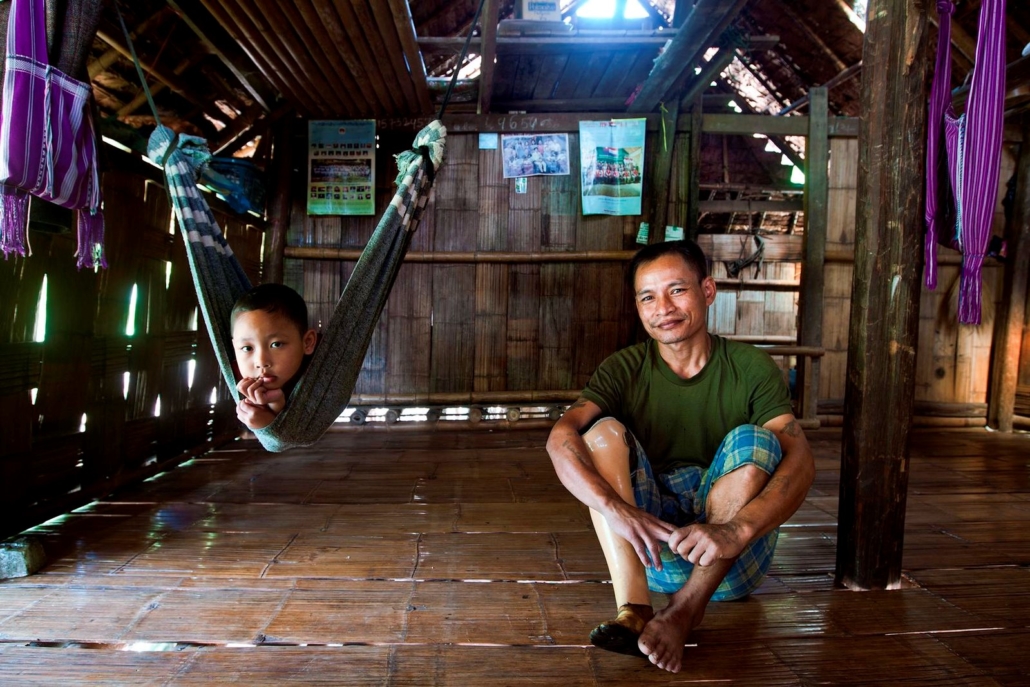
Thailand has one of the world’s largest populations of stateless people with nearly 500,000 registered in 2020. NGOs and human rights activists believe the true number is much higher at up to 2 million. Statelessness refers to those lacking recognition of citizenship by any country. Without having a nationality, people lack access to basic necessities such as healthcare, education and social security. Here is some information about statelessness in Thailand.
Why Are People Stateless?
The cultural heterogeneity and rugged border regions of Thailand have long allowed indigenous cultures to live outside of the modern nation-state framework. Some stateless groups in Thailand’s border regions actively avoided becoming part of the Thai nation-state. They remained separate to maintain their own unique cultural customs. Discriminatory practices toward ethnic minorities by the ethnic Thais have also played a role in statelessness in Thailand.
Ethnic groups such as the Hmong, Akha, Karen and others are traditionally semi-nomadic and live throughout different Southeast Asian nations. They do not identify with one specific nation. In modern times, borders have become more solidified. The relative autonomy of indigenous cultures has largely existed within international borders. For indigenous children born within the Thai borders, their citizenship ties to their parents. These parents often lack documentation to prove that they were technically born in Thailand, which renders children stateless.
Refugees and Asylum Seekers
Other stateless people in Thailand are refugees from Burmese states just across the border. These refugees have endured decades of armed conflict against the central government. More than 100,000 Karen, Karenni, Shan and other groups arrived in the 1980s and 1990s to refugee camps along the Thai border. They have largely remained in these camps due to instability at home and the Thai government’s unwillingness to grant citizenship. These refugees also lack Burmese citizenship in many cases. With increased political and social instability following the recent 2021 military coup, this protracted refugee crisis will likely persist.
There are also stateless people that others know as the Moken or ‘Sea Gypsies’ in the south of Thailand, along with asylum seekers originating from dozens of countries in the Bangkok metropolitan area. Thai authorities struggle to formulate clear strategies on how to process citizenship requests for the many existing situations. Some can lay claim to ancestry within the modern Thai borders that stretch back hundreds of years. Others are more recent arrivals in need of human rights assistance.
Risk Factors of Statelessness in Thailand
There are innumerable challenges for stateless people in Thailand. Without having Thai citizenship, stateless people cannot travel freely across international borders. As a result, they fear detention and arrest while traveling within Thailand. There are also barriers to accessing legitimate jobs. This puts some at risk of becoming victims of human trafficking in trying to access decent livelihoods.
For young people, the lack of a decent education is a major concern. The Thai government has made an effort to educate all children within its borders, but stateless students are not able to access scholarships for higher education. Lack of access to decent health care and legal representation are other barriers facing stateless people.
Solutions
Since 2016, Thailand has joined one of the central goals of the UNHCR to end statelessness worldwide by 2024 in its #IBelong campaign. The country has taken great efforts to reconfigure citizenship laws to allow tens of thousands to access Thai citizenship in recent years. Leading up to joining the #IBelong campaign, Thailand had loosened citizenship restrictions in 2008 with its amendment of the Thai Nationality Law. Although implementation has been slow, the processing of citizenship claims have ramped up with the help of UNHCR.
There have been highly publicized events uncovering the plight of stateless people, which include the Thai Cave Rescue in 2018, in which several of the rescued soccer team members and their coach were stateless at the time. The Thai government streamlined its citizenship procedures shortly after the rescue operation. The players and their coach had previously not been able to travel freely to play in games outside of their local area.
Increased Awareness
While the sheer number of stateless people in Thailand may make the 2024 deadline to end statelessness difficult to reach, there is more general awareness of the issue. That offers some hope in granting citizenship to large numbers in this population. Much of the recent stateless population is due to conflict in Myanmar, and others should commend Thailand for allowing refugees to remain in relative safety within its borders.
– Matthew Brown
Photo: Flickr
