• Link to X
  • Link to Facebook
  • Link to Instagram
  • Link to TikTok
  • Link to Youtube
  • About
    • About Us
      • President
      • Board of Directors
      • Board of Advisors
      • Financials
      • Our Methodology
      • Success Tracker
      • Contact
  • Act Now
    • 30 Ways to Help
      • Email Congress
      • Call Congress
      • Volunteer
      • Courses & Certificates
      • Be a Donor
    • Internships
      • In-Office Internships
      • Remote Internships
    • Legislation
      • Politics 101
  • The Blog
  • The Podcast
  • Magazine
  • Donate
  • Click to open the search input field Click to open the search input field Search
  • Menu Menu

Tag Archive for: UNHCR

Posts

Global Poverty

COVID-19 In Ecuador: Numbers vs Reality

COVID-19 In Ecuador
Since early on in the COVID-19 pandemic, Ecuador has exemplified how important testing is for regulating the number of coronavirus deaths. Ecuador is a small country on the western coast of South America. It is a country that was already struggling with an uncertain economy. Its greatest generator of wealth is crude oil exportation, which underwent severe damage when oil prices drastically fell at the beginning of the pandemic. Ecuador has continued to produce low numbers in terms of virus cases per capita. However, the huge rise in deaths recently is an alarming sign that the test numbers provided are not capturing the whole picture of COVID-19 in Ecuador.

Numbers vs. Reality

Ecuador has reported a total of 130,000 COVID-19 cases since February 2020. Doctor and public health specialist Esteban Ortiz estimates that the actual number is around 2.1 million. This estimate comes in part from the number of deaths being much higher than it should be for the given numbers of cases. Part of the issue is that the country is lacking the infrastructure necessary to handle the pandemic. Since Ecuador was already struggling financially, the government was not able to properly staff and equip hospitals. This meant that it was not able to provide enough outreach and testing locations.

The lack of testing also meant that Ecuador was not able to keep up with the number of deaths occurring. This resulted from its inability to accurately predict what would happen. Between March and mid-April 2020, the Guayas province, where Ecuador’s largest city Guayaquil is located, reported around 14,500 deaths. The average number of monthly deaths in this province stood at 2,000. The health system became overwhelmed and unable to keep up with the rise in deaths coming from an unknown number of cases. The number became so overwhelming that estimates determined that the actual death toll is 15 times higher than the official number of COVID-19 deaths the government reported.

Tracking the Effects of the Virus

One can also track the impact of COVID-19 in Ecuador by looking at unemployment. By June 2020, unemployment reached 13.3%, drastically higher than 3.8% just six months earlier. Statistics also found that around 67% of workers were underemployed during this time. Additionally, extreme poverty in Ecuador nearly doubled between 2019 and 2020. These economic pressures brought great stress upon the country. It was clear that the economy and the people faced monetary struggles. Reopening the country also seemed to be a massive risk, however, due to the unknown number of cases.

Another factor is the large population of refugees in Ecuador. Ecuador has one of the highest South American refugee populations at around 70,000 and close to 385,000 asylum seekers. These people have entitlement to government medical assistance but do not always receive aid in practice. The U.N. Refugee Agency (UNHCR) is working to detect COVID-19 in these communities and provide services. The UNHCR has also worked to train and equip six other community organizations around Ecuador to work at a more local level. These groups work through phone hotlines and home visits to identify cases and notify the community in an effort to slow the spread of the virus in these at-risk communities.

Ecuador in Recovery

In recent weeks, Ecuador has begun to regain control as the number of deaths has dropped off. The government is receiving money from private donors and other governments to bolster its medical system by better funding and equipping its hospitals. As Ecuador begins to build back, it is worth noting how the virus can devastate a country with an already unstable economy and an ill-equipped medical system in a short period of time. It seems that the worst is over for COVID-19 in Ecuador, but the nation’s story serves as a warning of the possible dangers of pandemics in developing countries.

– Jackson Bramhall
Photo: Flickr
January 21, 2021
https://borgenproject.org/wp-content/uploads/borgen-project-logo.svg 0 0 Lynsey Alexander https://borgenproject.org/wp-content/uploads/borgen-project-logo.svg Lynsey Alexander2021-01-21 11:29:562024-06-07 05:08:11COVID-19 In Ecuador: Numbers vs Reality
Child Poverty, COVID-19, Global Poverty, Poverty Eradication

Innovations to Reduce Poverty in Iraq

Poverty Reduction in Iraq
The Middle East has been one of the world’s hardest-hit regions to date when it comes to COVID-19. Unfortunately, Iraq, and other low-income countries, bear the brunt of the damage resulting from economic recession and humanitarian woes. Since the summer of 2019, 4.5 million Iraqis have fallen into extreme poverty, increasing the total number of people in poverty to more than 11 million. The majority of those falling into poverty are children, with reports claiming two out of every five children in Iraq live in desolate conditions. Nevertheless, despite new challenges, the international community and regional actors are preparing to jump-start new innovations to reduce poverty in Iraq.

Previous Progress

Over the past 10 years, Iraq has undergone a series of changes. In 2015, the Committee on World Food Security (CFS) outlined a series of initiatives designed to reduce Iraq’s poverty and hunger. From creating job opportunities to building a more robust social safety net, the CFS set the groundwork for crucial innovations to reduce poverty in Iraq.

Additionally, in 2018, Iraq worked with regional and international partners such as the World Bank to introduce a $300 million social fund designed to reduce poverty and inspire sustainable development.

While previous efforts are laudable, in the wake of COVID-19 and the recent economic recession, global and local actors need to do more to reduce Iraqi poverty. This is especially true when considering how, in 2020 alone, Iraqi poverty was expected to double to 40% of the population.

Poverty Reduction Innovations for Refugees

In an effort to reduce poverty in Iraq, many international and regional actors have banded together to create innovative approaches. For instance, the U.N. High Commissioner for Refugees (UNHCR) recently launched a water, sanitation and hygiene (WASH) program. The WASH program sets up water sanitation systems in vulnerable refugee camps, Iraq hosting many of them. According to the UNHCR, “The system uses a series of networked, ultra-sonic water-level sensors that are installed in the tanks of water delivery trucks as well as static water tanks in refugee settlements to provide real-time data on water deliveries and consumption. It is based on the ‘Internet of Things.’ Physical objects are fitted with sensors in order to connect and exchange data over the Internet.”

The system maximizes inter-regional coordination and saves Iraq money, all while minimizing the effect of Iraqi poverty. Although these programs are now widespread across other countries, Iraq is one of the ‘pilot phase’ countries. The UNHCR is thus allowing Iraq to harness the findings and help one of its largest groups of victims of poverty, refugees.

While crumbling infrastructure and lack of access to food are primary causes of poverty, the inability to care for Iraqi refugees has hindered any development progress. In essence, in order to reduce poverty in Iraq, one must also consider poverty among Iraqi refugees.

Innovating Through Technology

Another innovation in poverty reduction is a medical app designed to connect Iraqis to affordable medication. The military conflict in Iraq has destroyed numerous hospitals, so medical care in the country is exceedingly scarce. This led Ameen Hadeed and developer Ammar Alwazzan to create the Pharx Pharmacy app. The app connects patients to more than 200 Iraqi pharmacies. This eliminates the private medical middleman that makes drugs so expensive. Moreover, the Iraq Response Innovation Lab recently decided to sponsor the future development of the Pharx app. This will allow it to expand all across the country, far beyond urbanized areas such as Mosul.

As technological innovations become more frequent in Iraq, the fight against poverty is a primary focus for tech innovators. Take, for example, Miswag, the Middle East’s oldest online market platform. Miswag has recently taken a new direction in Iraq. The market members made the market more affordable to buy food, groceries, clothing, books and many other daily necessities. While Miswag was not explicitly designed for poverty alleviation, its growing market of 700,000 customers makes goods more affordable while allowing locals to sell their products more efficiently, which helps innovate the fight against poverty.

Looking Forward

Building more robust markets that encourage investment and innovation is crucial to continue poverty reduction in Iraq. It will also ensure sustainable growth in the long term. Poverty is not a simple problem and Iraq has weathered many conflicts in the past couple of years. However, if the international community works together, the world can make a difference in reducing global poverty.

– Juliette Reyes
Photo: Flickr

January 13, 2021
https://borgenproject.org/wp-content/uploads/borgen-project-logo.svg 0 0 Jennifer Philipp https://borgenproject.org/wp-content/uploads/borgen-project-logo.svg Jennifer Philipp2021-01-13 12:38:532022-04-22 08:29:09Innovations to Reduce Poverty in Iraq
Global Poverty, Refugees, Refugees and Displaced Persons

Improving Conditions for the Central African Republic Refugees

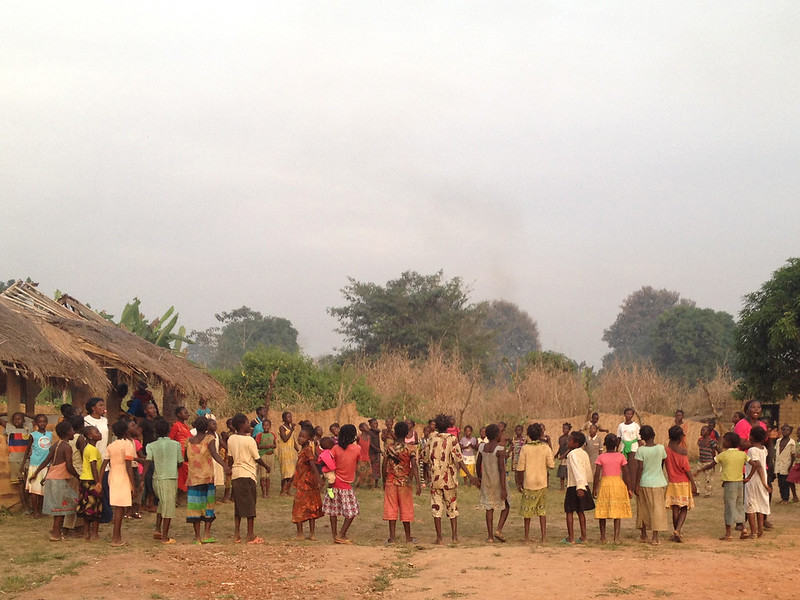
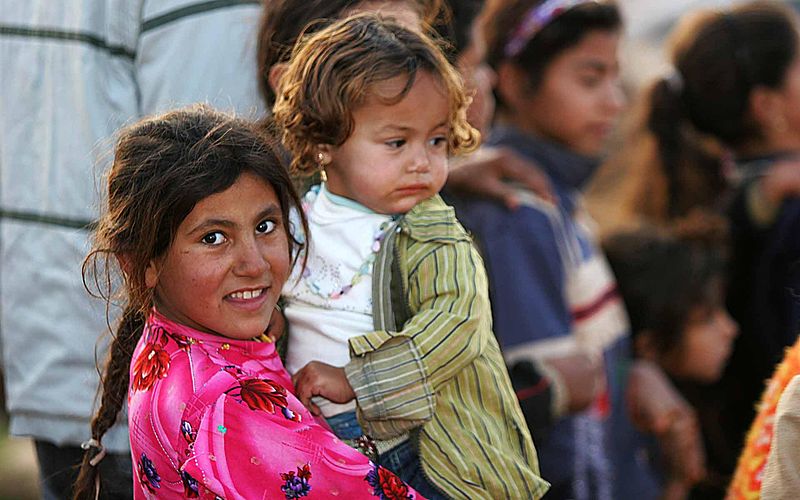
Improving Conditions for Refugees in the Central African RepublicRefugees are beginning to return home to the Central African Republic after years of religious internal conflict. Around 600,000 people have been displaced internally and another 600,000 displaced internationally since the start of the conflict. Now, about 2.6 million people that once resided peacefully in the CAR are reliant on humanitarian assistance. The U.N. has been heavily involved in peacekeeping missions and is beginning the process of transferring the Central African Republic refugees back to home soil.
Political Progress in the CAR

The Central African Republic’s politics are one way that citizens will regain their freedom within the country. The U.N. Security Council is interacting with the CAR government to get humanitarian war crimes accounted for and penalized. The war has led to numerous human rights violations and international forums have condemned the actions. Other political progress is being made to elect leaders based on a democratic method. The proposed elections are seen as a method of peacefully negotiating between political differences without force. This holistic method of finding peace incurs that the problem be examined from all angles and solutions will be diverse.

Refugees’ Experience and Local Aid

Since the CAR is land-locked, refugees have scattered in camps in the Democratic Republic of Congo, the Republic of Congo, Chad, Cameroon and Sudan. The journey for many leaving the territory of the CAR was extreme. Many refugees walked for weeks, hid in forests and were plagued with malnutrition. The resilience of the refugees is coming to fruition in the current transition to peace. Much progress is being made on the ground in the CAR that would create more stability in the government and society.

The problems faced by the displaced are numerous but also change from one area to the next. Much is being done to ease their basic needs, as the area is veiled in violence. The United Nations has adapted to local aid initiatives that provide effective assistance. Additionally, the U.N. has contributed $14.3 million to “help support local aid agencies deliver clean water, education, healthcare, livelihoods support, nutrition, protection and shelter.” Each of these assists makes the return of refugees more possible and more likely.

Humanitarian Aid

One institution committed to helping the Central African Republic refugees is UNICEF. The major ways the organization has contributed to the cause has to do with basic needs being met. For children, the organization is delivering Ready-to-Use-Therapeutic-Food that fights malnutrition and providing immunizations against diseases. Additionally, UNICEF is providing clean water, setting up temporary shelters, training teachers and encouraging education in camps and opening accessible sanitization stations. These major provisions are invaluable and majorly supporting the needs of refugees.

Another high priority for UNICEF is the resettlement of refugees within the country. The Central African Republic refugees, either internally or externally displaced, have begun rebuilding their lives. In 2019, the United Nations Refugee Agency (UNHCR) propelled a $430 million campaign to assist displaced refugees of the Central African Republic. Although funding and donations have not fulfilled this expensive plan, the campaign has certainly made headway. The coordination of funds is extremely beneficial in restructuring the country and enforcing the progress made in the developing peace agreements.

Major strides in assistance, both political and humanitarian, are making peace possible in the Central African Republic. The basic relief provided by both UNICEF and UNHCR is stabilizing the situation for refugees worldwide. As displaced groups transition back to their homes, currently and in the future, the assistance will be instrumental in securing a steady return.

– Eva Pound
Photo: Flickr 

December 19, 2020
https://borgenproject.org/wp-content/uploads/borgen-project-logo.svg 0 0 Kim Thelwell https://borgenproject.org/wp-content/uploads/borgen-project-logo.svg Kim Thelwell2020-12-19 01:30:392024-05-30 07:53:17Improving Conditions for the Central African Republic Refugees
Foreign Aid, Global Poverty, Humanitarian Aid

The Vastness of Turkey’s Foreign Aid

Turkey’s Foreign Aid
By contributing more than a quarter of the entire world’s humanitarian aid, Turkey became the leading country in providing aid to those in need in 2019. Needless to say, its strength in foreign aid is with humanitarian assistance. With combined efforts of government organizations, nonprofits and private donors, Turkey’s foreign aid comes through giving homes to refugees, aiding during natural disasters and providing relief for struggling countries.

Giving Homes to Refugees

Turkey is currently leading the world in hosting refugees. As of 2020, there are about 4.1 million refugees residing in Turkey. In addition to giving them homes, Turkey also has legislation to keep the foreigners and asylum seekers protected. The Regulation of Temporary Protection (RTP) allows those who are fleeing to Turkey to stay under its protection by making sure they do not have to return to the countries they fled. The Law on Foreigners and International Protection (LFIP) ensures the implementation of the RTP within and around Turkey’s borders.

UNHCR (United Nations Refugee Agency) is working with the government and other organizations, like UNICEF and Global Compact for Refugees, to make sure that the refugees receive proper aid once they are in Turkey’s borders. Living in refugee camps that the country provides, children obtain access to education either in Turkish public schools or temporary education centers. UNHCR encourages social cohesion between the refugees and local community members while monitoring tensions and issues. There are also efforts towards encouraging refugees to begin to rely on themselves and assisting some refugees towards resettlement.

Out of the 4.1 million refugees, about 3.7 million are Syrian. Syria has been in a civil war since 2011 and as a neighboring country, Turkey has been hosting its refugees since 2014.

The rest of the 400,000 refugees are all from different parts of the mostly Middle East but also Africa as well. Around 46% of the 400,000 are from Afghanistan, 39% from Iraq, 11% from Iran and a little less than 2% are from Somalia. The rest of them are other nationalities.

Aiding Countries During Natural Disasters

In addition to taking in refugees, Turkey is very active in its response to natural disasters by sending money or on-site relief. Since the early 2000s, it has conducted emergency foreign aid operations for a number of notable tragedies including:

  • Sending search and rescue teams as well as baby food, food and body bags to the 2005 earthquake in Pakistan.
  • Providing $2 million in aid including medical units, first aid items, tents, blankets, clothes, food and body bags to the earthquake in Haiti in 2010.
  • Donating $5 million and sending cargo planes with food packages, blankets, sleeping bags and beds to Pakistan for its floods in 2010.
  • Responding the fastest to the typhoons in the Philippines in 2014 by sending a rescue team and around 90 tons of aid including blankets, tents and kitchen equipment.
  • Sending food, clothes and cleaning products including blankets, diapers, sandbags and hygiene supplies to the Balkan floods in 2014.
  • Dispatching a search and rescue team and a medical aid team, and providing 1,000 blankets and 300 parcels of food to the victims of the Nepal earthquake in 2015.
  • Evacuating 1,000 people and sending food and clothes to the 2016 floods in Macedonia.

Helping Struggling Countries

 The last (and possibly the most important) is Turkey’s foreign aid to struggling and underdeveloped countries. Yemen, which is experiencing the “world’s worst humanitarian crisis” due to war and famine, has been continuously receiving foreign aid from Turkey. Turkey has two operational offices in Yemen: one in Sana’a and one in Aden. Out of the $7.6 billion that Turkey donated in 2019, almost $5 billion went to Yemen. The offices and funds went toward providing the locals with food and water, preventing diseases like cholera and collecting garbage.

Meanwhile, Turkey provided $2.3 billion to Syrians in Syria during 2019. This aid not only involved helping refugees but also went toward other “diversified humanitarian operations,” according to a conference report of Turkey’s Humanitarian Role. Turkey has worked to relieve the suffering of those still living in Syria near war and siege. For example, in 2016, it was the first to enter Aleppo and assist in the evacuation of its citizens.

In addition, Turkey has been a huge donor to the United Nations Relief and Works Agency for Palestine Refugees in the Near East (UNRWA), which has helped those who are struggling in Gaza, Palestine. Turkey has also directly assisted Palestinians by donating $1 billion in 2017 towards community and development projects, specifically building a hospital (in Gaza) and a number of education centers. Recently, a hospital opened that has been assisting those affected by COVID-19. Other notable countries that Turkey has aided in the past and/or continues to aid include Somalia, Sudan, Iraq, Libya, Afghanistan, Kyrgyzstan, Tunisia and Georgia.

Turkey: A Model and an Inspiration

Turkey’s demonstration of continuous generosity serves as a leading model for other countries to utilize great amounts of foreign aid in assisting the world’s poor. By combining efforts of government and nonprofits, Turkey has shown that its methods are useful and effective, ones that may serve as a template for others who wish to follow in its footsteps.

– Maryam Tori
Photo: Wikipedia Commons

November 30, 2020
https://borgenproject.org/wp-content/uploads/borgen-project-logo.svg 0 0 Jennifer Philipp https://borgenproject.org/wp-content/uploads/borgen-project-logo.svg Jennifer Philipp2020-11-30 01:30:542024-05-30 07:55:45The Vastness of Turkey’s Foreign Aid
Global Poverty, Human Trafficking

Human Trafficking in Venezuela

Human Trafficking in Venezuela
As the political, economic and social unrest continues in Venezuela, an increase in awareness and response to human trafficking is more urgent than ever. Human trafficking is a crime that exploits someone for labor, slavery, servitude or sex. Some of the causes of human trafficking (relentless poverty, high unemployment rates, violence, civil turmoil and a lack of human rates) are motivating 6.5 million Venezuelans to flee their country. About 94% of Venezuelans live in poverty, with an estimated 300% increase in human trafficking between 2014 and 2016. The former Venezuelan President, Maduro, administration prioritized maintaining power and carried out tenuous trafficking eradication attempts, including a lack of investigations, prosecutions and convictions. In response to the Venezuelan humanitarian crisis, organizations like UNICEF, UNFPA, UNHCR and IMO are contributing strong efforts to meet the needs of citizens, refugees and migrants and prevent human trafficking in Venezuela.

Inconsistencies in Human Trafficking Criminalization

From 2013 to 2019, the Maduro administration was responsible for managing economic adversity, increased crime rates and immense migration in an attempt to obviate human trafficking in Venezuela. The Maduro administration utilized Misiones (government social aid programs) as a deterrent to poverty and human trafficking in Venezuela. Misiones benefitted some communities by providing basic needs and education but became ineffective in 2014 due to its shifting political agenda, administrative instability and insufficient funding.

Venezuela has established human trafficking as a crime, but it still does not have an anti-trafficking law and policy. The Maduro administration demonstrated the intention to combat the development of human trafficking. However, Venezuelan law in 2019 only criminalized select forms of trafficking with insufficient penalties, prevention, reporting and protection of vulnerable groups. The human trafficking industry usually percolates between developing countries, making the rapid increase the only quantifiable data. Despite the challenge in obtaining evidence, eradicating human trafficking is most successful through prevention methods, the punishment of the perpetrator and adequate protection for the victim.

UNICEF and UNFPA

Venezuelan women and children are particularly vulnerable to the risk of being trafficked while migrating to neighboring South American countries. The urgency Venezuelan migrants feel to send money back to their families increases the risk for criminal gangs and guerrilla groups to force children into begging and women into sexual and labor exploitation.

On May 28, 2019, UNICEF and UNFPA signed an agreement heightening the humanitarian aid response to nearly 1 million children, pregnant women and mothers. This joined effort provides drinkable water, sexual and reproductive health services, high-quality birthing support, educational resources and information to increase safety for those who gender-based violence affects.

UNHCR

With an 8,000% increase in Venezuelans pursuing refugee status over the past six years, hundreds of thousands prevail without access to basic necessities. Without the authorization to stay in neighboring countries, arriving Venezuelans are highly susceptible to trafficking and desperately in need of documentation, shelter, nourishment and medical attention.

In December 2018, UNHCR collaborated with IOM and host countries to commence the Regional Response Plan for Refugees and Migrants which prioritizes 2.2 million Venezuelan migrant’s needs and improves overall assistance. UNHCR has increased protection along dangerous borders, provided basic resources for relief and ensured that refugees and migrants receive adequate information about advantageous opportunities.

The International Organization for Migration (IOM)

The 1 million Venezuelan children working in the informal labor sector and an estimated 200,000 children in servitude is likely to increase due to human trafficking in Venezuela. The Venezuelan government supported programming to improve conditions for working children and assist victims of human trafficking. The International Organization for Migration (IOM) imposed a campaign translated as “Your Life Challenges with fiscal support from the U.S. This campaign aims to protect Venezuelan children, women and men from traffickers during their transit. “Your Life Changes” is a song that conveys cautionary implications for travelers who are vulnerable to human trafficking. The campaign includes live demonstrations and the propagation of informative materials to increase awareness of forced labor and human trafficking in Venezuela.

The Colombian Family Welfare Institute (ICBF)

Colombia currently hosts 1.8 million Venezuelan migrants, making The Colombian Family Welfare Institute (ICBF) a crucial development in the prevention of and support for youth victims of human trafficking. From March to June 2018, ICBF determined that there were 350 Venezuelan victims of child labor in Columbia. ICBF provides care, programs, assistance, shelter and evaluations for Venezuelan child trafficking victims. The Institute focuses on the prevention of human trafficking through its educational training and increased awareness strategies.

A Continued Response

The responses from International Conventions, government policies and agencies to aid Venezuelans have undoubtedly protected many from their dangerous reality. However, Venezuela has remained a Tier 3 country as the government is not doing enough to eradicate human trafficking. The inconsistencies in the Venezuelan criminalization of trafficking and anti-tracking laws have compromised the well-being and lives of far too many. The Venezuelan crisis has stripped citizens of their humanitarian rights, calling for continued, collective efforts to assist those in need.

– Violet Chazkel
Photo: Flickr

November 25, 2020
https://borgenproject.org/wp-content/uploads/borgen-project-logo.svg 0 0 Jennifer Philipp https://borgenproject.org/wp-content/uploads/borgen-project-logo.svg Jennifer Philipp2020-11-25 15:39:222020-11-25 15:39:22Human Trafficking in Venezuela
Global Poverty, Refugees

Outreach Centers Provide Essential Services to Malaysian Refugees

Malaysian RefugeesAlthough the majority of Malaysian refugees reside in or near the country’s capital city, Kuala Lumpur, thousands live outside this area and struggle to access urban centers for crucial services. As a result, the United Nations refugee agency (UNHCR) has opened its first outreach and community center outside Kuala Lumpur.
Refugees In Malaysia

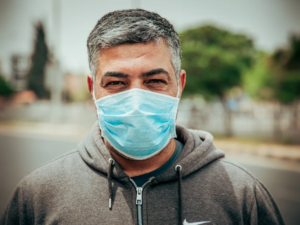
Nearly 180,000 refugees and asylum seekers are registered with the UNHCR across Malaysia. Currently, refugee community groups estimate that tens of thousands more reside in the country undocumented. Rohingya Muslims make up the majority of Malaysia’s refugee population. Malaysia currently hosts the largest number of Rohingya refugees in Southeast Asia. Other refugee populations originate from countries such as Yemen, Pakistan, Somalia, and Afghanistan.

Rising Hostility

Although initially supportive of refugees and asylum seekers, Malaysia has become increasingly hostile towards these vulnerable populations. For example, the country is not a signatory to the 1953 UN Refugee Convention. This means it does not recognize the legal status of refugees and asylum seekers. Classified as illegal immigrants, refugees in Malaysia risk arrest, detention, and deportation. Xenophobia towards foreigners has risen in recent years. Many now view Rohingya refugees as a threat to the nation’s social, economic, and security systems.

Malaysia’s refugee populations are especially vulnerable to aggressive crackdowns on immigration during the COVID-19 pandemic. Malaysian authorities have increased immigration arrests in refugee and migrant neighborhoods and turned away nearly 30 boats of displaced Rohingyas since the virus began. Human rights groups warn that the virus could spread through the country’s overloaded immigration detention centers, and reduce the likelihood of refugees seeking coronavirus treatment. The Malaysian government’s COVID-19 relief package excludes refugees despite their need for food and essential services.

The Johor Outreach and Community Centre

As there are no refugee camps in Malaysia, most settle into urban areas of the greater Klang Valley Region including Kuala Lumpur. However, thousands of refugees live outside this region and struggle to access urban UNHCR centers. These refugees have to travel long distances just to access crucial services. UNHCR is working to make essential services accessible to refugee communities living outside Kuala Lumpur through the establishment of outreach and community care centers. The refugee agency has recently opened a model outreach center in Johor, a southern state near Kuala Lumpur, and plans to develop more centers across Malaysia in the coming years.

The Johor Outreach and Community Centre (JOCC) will make essential services accessible to over 16,000 refugees in Southern Malaysia. This will save these vulnerable communities over three and a half hours of travel time and excessive bus fare costs. Moreover, the outreach center is life-changing during the COVID-19 pandemic, as it will bring vital services to Johor’s refugee population while preventing the movement of people and gathering of crowds in urban areas.

The JOCC will be managed by Cahaya Surya Bakti (CSB), a partner of the UNHCR. Since 2013, the Malaysian-based NGO has provided community-based support to Johor’s refugee community. CSB works to ensure the education of refugee children in Johor and develop resilient communities through the establishment of schools, refugee empowerment programs, health services and outreach initiatives like food distributions. The JOCC will help CSB strengthen its existing community-led initiatives and provide a safe space for refugees throughout the state.

The Importance of UNHCR Documentation Services

Outreach and community centers provide critical UNHCR registration and renewal services to Malaysia’s refugee populations. Registering with the UNHCR provides refugees claims of asylum and identification as “Persons of Concern”. UNHCR cards demonstrate official identity and refugee status and are usually respected by Malaysian authorities, protecting refugees from illegal immigration arrests. In addition, UNHCR cards incentivize businesses to employ refugees in the informal economic sector and reduce the foreigner’s fare at public hospitals. Refugees are deemed illegal immigrants with no rights if their UNHCR card is not updated every five years. The JOCC will make UNHCR registration and renewal services more accessible and prevent card expirations from upheaving the lives of Johor’s refugee community. The center will also provide accurate, up to date information on refugee protection in Malaysia, as well as available services.

Looking Ahead

The JOCC is a symbol of hope for refugee populations outside Malaysia’s urban areas. Expanding UNHCR outreach and community centers across the country will give refugees greater access to documentation and essential services. Therefore, this is a vital step in enabling them to contribute to society and rebuild their lives.

– Claire Brenner

Photo: Flickr

October 22, 2020
https://borgenproject.org/wp-content/uploads/borgen-project-logo.svg 0 0 Kim Thelwell https://borgenproject.org/wp-content/uploads/borgen-project-logo.svg Kim Thelwell2020-10-22 01:30:142024-05-30 07:52:34Outreach Centers Provide Essential Services to Malaysian Refugees
Global Poverty

Refugees in Jordan: NGOs Helping During COVID-19

Refugees in JordanAs of 2019, 83% of the refugee population in Jordan lives in cities, not camps. Many of the refugees in Jordan survive on low-paid work in the informal sector, picking up odd-jobs when they can. Considering the substantial number of refugees living in Jordan, nearly 750,000 registered refugees and almost two million Palestinians, the Jordanian government has protective stipulations in place to preserve jobs for Jordanian citizens.
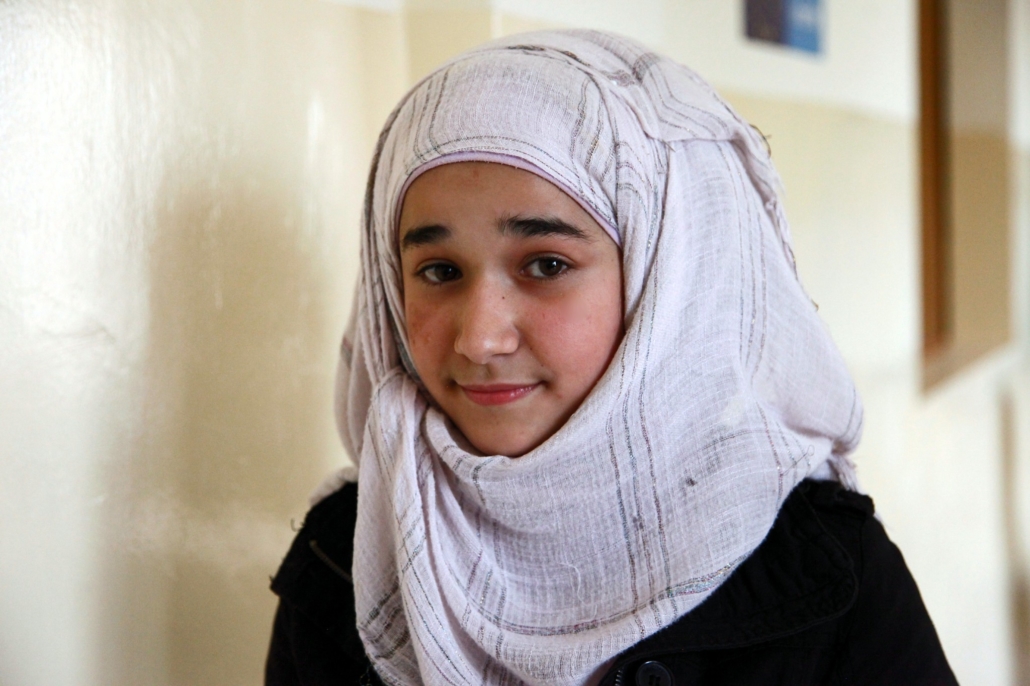
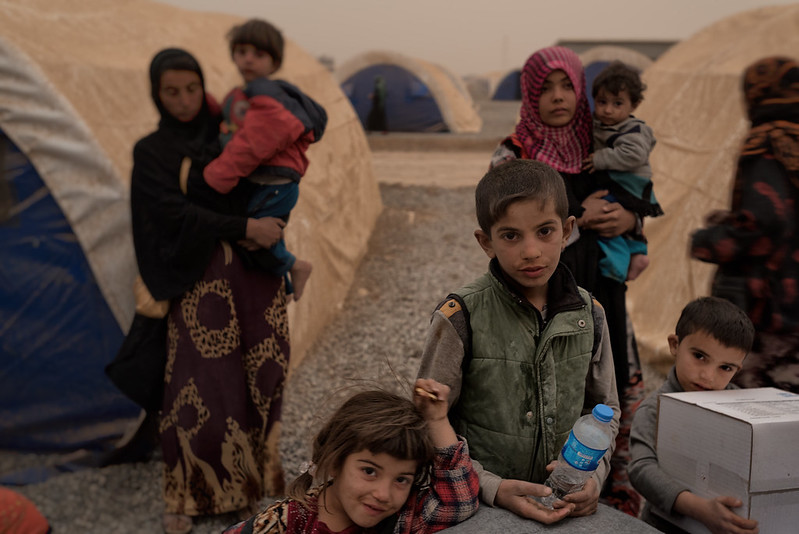
However, during the COVID-19 lockdown, the informal working sector shut down. Most refugees did not have savings to fall back on while roughly 80% of Syrian refugees in Jordan live below the poverty line. When Jordan began to reopen in late April, the government mandated that businesses first give employment preferences to Jordanians.

The International Labor Organization recently published a survey confirming that of all the vulnerable working populations, refugees have been hit the hardest amid the pandemic. Nearly all refugees are ineligible for governmental aid. Moreover, only about 30,000 refugee families receive cash assistance from UNHCR. The NGOs in Jordan were non-essential, and many shut down in the spring. However, with easing restrictions, NGOs are reopening and providing necessary assistance again.

Collateral Repair Project

Collateral Repair Project (CRP) is a nonprofit in Amman that provides many services. These services include a community center with programs for refugee children, women and men. Additionally, CRP runs a Basic-Needs Assistance program. It is essentially a food voucher program for refugees to trade in coupons for fresh produce. CRP know how essential this program is for refugees. As a result, it found a way to operate during the shutdown. By partnering with local markets, CRP managed to keep over 700 refugee families fed throughout the lockdown.

Reclaim Childhood

Reclaim Childhood provides sport and leadership training to refugee girls ages six to 18 in Amman and Zarqa. While it had to stop programming during the lockdown, its return is significant. Reclaim Childhood employs nine female coaches, some refugees, some Jordanians and has nearly 300 girls play each season. Refugee children are suffering from the effects of the pandemic. Girls in particular are hurt with schools shutting down. Children from families facing increased poverty are more likely to be forced into child labor or early marriage. Reclaim Childhood, beyond providing these girls with a meal each day, reminds them that they are strong, capable and surrounded by girls and women who support them. Even amid poverty and pandemics, children should always have the right to play, learn and grow.

Action Against Hunger

Action Against Hunger (AAH) is an organization that operates in Jordan. It provides water, sanitation, hygiene, food security and livelihoods and mental health services to both host communities and refugee populations. In 2019 alone, it reached 86,522 people with water, sanitation and hygiene programs. Additionally, the organization offers cash-assistance programs for refugees. During the height of the Jordanian lockdown, it became clear to AAH that the majority of people receiving its services also desired a way to access more information about the pandemic and preventative measures. In response to this need, AAH launched a free telephone hotline that offers updated information about the risks associated with the pandemic. They currently have 38 operators managing phone lines, communicating essential information.

Overall, the work of these organizations is essential to the livelihood and safety of many refugees in Jordan, especially during this global pandemic.

– Grace Harlan
Photo: Pixabay

October 20, 2020
https://borgenproject.org/wp-content/uploads/borgen-project-logo.svg 0 0 Kim Thelwell https://borgenproject.org/wp-content/uploads/borgen-project-logo.svg Kim Thelwell2020-10-20 01:30:142024-05-30 07:52:39Refugees in Jordan: NGOs Helping During COVID-19
COVID-19, Global Poverty, Hunger

3 Crises Affecting Hunger in Lebanon

Hunger in LebanonSeveral crises in Lebanon have crucially impacted its ability to feed its people. Three of these are the 2020 Beirut Explosion, ongoing conflict and internal displacement, in addition to ongoing conflict and the influx of refugees. All of this coincident with the long-term effect of COVID-19 and a severe economic crisis leading to inflation of over 221% in 2023 and over 98% devaluation of the Lebanese lira. 

The 2020 Beirut Explosion

On August 4, 2020, an explosion devastated the port of Beirut, Lebanon. Without a functioning port, this had a serious impact on the country, which imported 65% to 80% of its food. Such dependence on imports was a threat to food security before the disaster, and the impact was thus exacerbated by the destruction of the port.

Internal Displacement

The escalating regional conflict in fall 2024 has seen one million displaced civilians in southern Lebanon  (a fifth of the population) as of the end of September, with 900,000 fleeing in that last week. 

Refugees

UNHCR, the United Nations Refugee Agency, reports that the 1.5 million Syrian refugees in Lebanon, plus 11,238 refugees from other countries, make Lebanon host to “the largest number of refugees per capita and per square kilometer in the world.” Access to food and the practice of skipping meals are just two of the many challenges faced by both the Lebanese population and refugees. Over half of the Lebanese live below the poverty line, while 90% of Syrian refugees struggle to meet their basic needs.

Hunger Crisis

Another way to look at the situation is suggested by ANERA, American Near East Refugee Aid, a 56-year-old NGO providing humanitarian and development aid in the Middle East. ANERA sees the current food security crisis in Lebanon as being created by the perfect storm of economic collapse, political instability and continuing regional conflict, including the current war with Israel. 

The recent hostilities in southern Lebanon are reported to have impacted the earnings of 72% of farmers, with crop and livestock losses resulting from the extensive destruction of farmland. This, of course, severely restricts access to food. ANERA reports that 37% of the population in the south is experiencing severe food insecurity.

Northern Lebanon, typically less affected by these conflicts, is nevertheless also food insecure, especially as displaced southern families move north. ANERA notes that the World Food Programme reports up to a third of northern households facing food access challenges, and UNICEF suggests a quarter of Lebanese children are experiencing malnutrition and over 40% of children under five are at risk of malnutrition in some areas of the country. 

Humanitarian Crisis

In July 2024, The World Food Programme’s External Situation Report for Lebanon, indicated a tripling of poverty over the last decade, affecting 44% of Lebanon’s population. Also reported was a March 2024 IPC analysis projecting an increase in the number of food insecure in Lebanon to as many as 1.26 million people by September 2024.

IPC, the Integrated Food Security Phase Classification, is a global partnership to determine the severity and magnitude of acute malnutrition and chronic and acute food insecurity to assist decision-makers in improving food security. 

At the same time, humanitarian aid is needed. In October, OSCHA (U.N. Office for the Coordination of Humanitarian Affairs) issued a Flash Appeal for Lebanon for October – December 2024 for humanitarian assistance. This was described as “fully complementary to, and supportive of, the Lebanon Response Plan (LRP) 2024,” co-led with the Lebanese Government. (By mid-year, the LRP had received just 25% of its appeal for $2.72 billion.)  The U.N. and NGO partner responses include meal distribution; bread, water and food parcels; emergency nutrition rations and micronutrient supplements; and child malnutrition screening. 

Long-Term Impact

As IPC points out, current crises and their impact on food security and agricultural livelihoods, if not addressed, will eventually have a long-term effect on the health and education levels of “an entire generation” of vulnerable populations. This in turn may lead to an increased financial burden on the host countries and populations. So the “flash” and continuing appeals for external assistance are critical.

– Staff Reports
Photo: Flickr
Updated: October 26, 2024

October 19, 2020
https://borgenproject.org/wp-content/uploads/borgen-project-logo.svg 0 0 Jennifer Philipp https://borgenproject.org/wp-content/uploads/borgen-project-logo.svg Jennifer Philipp2020-10-19 06:41:582024-10-28 11:28:493 Crises Affecting Hunger in Lebanon
COVID-19, Migration

Migrant Camps in Greece During COVID-19

Migrant Camps in Greece
Over the past five years, Greece has struggled to accommodate the thousands of migrants arriving on its borders. Since the beginning of the migration crisis in 2015, over one million migrants have arrived in Greece in order to seek asylum in the European Union (EU). While many have traveled onward to stay in other European countries, large numbers have remained in migrant camps in Greece. The nation has struggled under this pressure.

Greece’s location makes it a prime port of entry for incoming migrants. However, the country has recently been accused of refusing to accommodate refugees due to overcrowded migrant camps. The COVID-19 pandemic has exacerbated this situation, as Greece has struggled to maintain a high standard of sanitation and healthcare within migrant camps. The EU and the United Nations High Commissioner for Refugees (UNHCR) are working to improve the situation and support Greece.

Who Are the Newest Migrants?

The refugees currently arriving to migrant camps in Greece originate from countries in Africa and the Middle East, including Somalia, Libya, Afghanistan, Palestine and Syria. Fleeing war-torn countries, oppressive regimes and extreme poverty, they travel through Turkey and Northern Africa, risking their lives to seek asylum in Europe. Greece has become a hotspot for arrivals since the start of the migration crisis. The nation acts as a European port of entry due to its geographic location near Africa and Turkey.

Turkey also worsened the situation by announcing in March 2020 that Europe is open for asylum seekers and urging migrants to travel to Greece. These declarations came in response to the EU not providing funding for Turkey’s own refugee arrivals. In response to Turkey’s statements, Greece declared that it would not accept illegal immigrants and vowed that it would protect Europe’s external borders. However, Turkey does not qualify as a safe third country and therefore, according to EU law, Greece should not return migrants to Turkey. This situation has increased pressure on Greece to accept and support increasing numbers of migrants. No new deal between Turkey and the EU has been reached yet.

Greece’s Actions

In August 2020, Greece was accused of refusing over 1,000 asylum seekers that arrived from Turkey by sea, turning them away in rafts. Pushbacks at land borders and police brutality have also been reported in the last year. These actions go against the EU’s laws regarding respect for human rights. It also goes against the obligation to not return asylum seekers to dangerous environments. The Greek government denies these allegations, suggesting that Turkey is responsible for conducting a misinformation campaign to diminish Greece’s credibility.

However, credible footage and interviewed victims have recently added to the mounting evidence that Greece is not upholding the standard of human rights required by the EU. To ensure the protection of human rights and those of asylum seekers, the UNHCR is currently investigating reports of Greece’s abandonment of migrants. The organization is also supporting migrants’ rights within migrant camps in Greece.

Migrant Camps and COVID-19

The COVID-19 pandemic has exacerbated conditions of the thousands of migrants currently located in migrant camps in Greece, on both the mainland and the islands. Greece’s measures have generally been beneficial in controlling the spread of the virus; however, the migrant camps lack specialized sanitation and healthcare and have become increasingly overcrowded since arrivals spiked in early 2020. These circumstances contribute to an environment that is particularly susceptible to the spread of COVID-19.

In response to the pandemic, the Greek government has tightened restrictions on the movement of migrants in camps. Major outbreaks within the camps have been prevented, but some camps, like those in Moria and Lesbos, have confirmed cases of COVID-19 and imposed strict lockdown measures to avoid spreading the virus. The camps are also routinely providing thorough health checks. Furthermore, in an effort to address the overcrowding of migrant camps, officials have been relocating migrants to hotels or apartments, which sometimes reduces the availability of public services.

In Search of Solutions

Greece’s migrant crisis has continued since 2015 and has recently been exacerbated by the COVID-19 crisis, tensions with Turkey and an increase in asylum seekers. Despite the country’s best efforts to control the situation, migrant camps in Greece are under extreme pressure.

In September 2020, UNHCR officials visited Greece to assess the situation and create a plan to help Greece cope, focusing especially on accommodation and the COVID-19 response within migrant camps. The UNHCR is now working with Greek authorities to implement accommodation transitions and cash-based assistance programs. It is also calling upon the EU and its member states to increase their support for Greece through financial assistance and the relocation of asylum-seekers.

Through these measures, Greece’s new and current migrants are receiving support until the EU can provide increased assistance. Solving the migrant crisis in the long-term, however, will require coordinated efforts between the EU, surrounding nations and humanitarian organizations.

– Angelica Smyrnios
Photo: Flickr

October 13, 2020
https://borgenproject.org/wp-content/uploads/borgen-project-logo.svg 0 0 Kim Thelwell https://borgenproject.org/wp-content/uploads/borgen-project-logo.svg Kim Thelwell2020-10-13 15:12:252020-10-13 15:12:25Migrant Camps in Greece During COVID-19
COVID-19, Global Poverty, Refugees

6 Facts About COVID-19 in Sudan

 COVID-19 in Sudan
Sudan, a country in northeastern Africa, has weathered a civil war that resulted in the creation of South Sudan, a coup d’état and food shortages, all within the last decade. The results of these events include a stunted healthcare system and an influx of refugees, which has affected the nation’s response to the coronavirus. With the number of cases reaching tens of thousands, Sudan’s leaders must find a way to keep citizens and refugees safe from the virus. Here are six facts about COVID-19 in Sudan.

6 Facts About COVID-19 in Sudan

  1. As of August 2020, the number of cases in Sudan is continuing to rise. The total number of cases is over 13,000, with 833 deaths. Most of the cases are in Khartoum, the Sudanese capital. Since March, the virus has spread to all 18 regions of the country. This is alarming because rural areas do not have the same access to healthcare as the cities.
  2. Sudan’s healthcare system was fragile before COVID-19 entered its borders. Before 2020, an estimated 9.3 million out of Sudan’s 41.8 million people lacked basic healthcare and were in need of humanitarian assistance. With the coronavirus pandemic in full force, community resources and previously accessible services are limited. For migrants and displaced communities, losing what little healthcare they did have puts them at greater risk of contracting and spreading the virus.
  3. The government has restricted movement within the country. Since healthcare infrastructure is still being built, the government is taking containment measures into its own hands. While lockdown restrictions have eased in Khartoum, a curfew from 6 p.m. to 5 a.m. is still in effect for the foreseeable future. Furthermore, though a handful of internal borders reopened and are resuming bus transportation, wearing face masks and social distancing are still required. As of August 2020, Port Sudan International Airport remains closed for entering and exiting the country; however, Khartoum’s airport is open for repatriation flights of Sudanese citizens stranded abroad because of the virus.
  4. At the same time as the pandemic, Sudan is experiencing heavy flooding, the worst in a century. As of September 2020, 125,000 refugees and displaced persons are suffering from these floods. Most of the flooding is in regions of East Sudan, Darfur, White Nile and Khartoum. As a result, makeshift shelters, latrines and buildings were destroyed, heightening the risk of disease in general, let alone the risk of COVID-19 in Sudan. Without access to latrines and clean water, many refugees in these communities are unable to wash their hands regularly, an essential COVID-19 prevention measure. Additionally, since the roads are too muddy for transportation to get through, these communities are not receiving the much-needed aid as quickly as they should.
  5. Luckily, global aid organizations are responding to this call for help. Working with the Sudanese government, the UNHCR is providing emergency aid to the refugees and displaced communities across the country. They predict the results of this flooding will be long term and have successfully appealed for support in this endeavor.
  6. Turkey is also assisting in Sudan’s battle against the virus. The organization Turkish Red Crescent’s donation has 1,236 items, including ventilators, masks and personal protective equipment for healthcare workers. Irfan Neziroglu, Turkey’s ambassador to Sudan, welcomed the donations when they arrived by way of an airplane in Khartoum.

Sudan was already enduring the aftermath of a war, political unrest and food shortages before the onslaught of the COVID-19 pandemic. On top of that, unprecedented flooding destroyed the lives of over 100,000 refugees and displaced Sudanese. However, this has not stopped the nation’s efforts to contain the virus to the best of its ability. With help from humanitarian organizations, COVID-19 in Sudan will hopefully decline.

– Faven Woldetatyos
Photo: Flickr

October 13, 2020
https://borgenproject.org/wp-content/uploads/borgen-project-logo.svg 0 0 Kim Thelwell https://borgenproject.org/wp-content/uploads/borgen-project-logo.svg Kim Thelwell2020-10-13 12:22:152020-10-13 12:22:156 Facts About COVID-19 in Sudan
Page 9 of 21«‹7891011›»

Get Smarter

  • Global Poverty 101
  • Global Poverty… The Good News
  • Global Poverty & U.S. Jobs
  • Global Poverty and National Security
  • Innovative Solutions to Poverty
  • Global Poverty & Aid FAQ’s
Search Search

Take Action

  • Call Congress
  • Email Congress
  • Donate
  • 30 Ways to Help
  • Volunteer Ops
  • Internships
  • Courses & Certificates
  • The Podcast
Borgen Project

“The Borgen Project is an incredible nonprofit organization that is addressing poverty and hunger and working towards ending them.”

-The Huffington Post

Inside The Borgen Project

  • Contact
  • About
  • Financials
  • President
  • Board of Directors
  • Board of Advisors

International Links

  • UK Email Parliament
  • UK Donate
  • Canada Email Parliament

Get Smarter

  • Global Poverty 101
  • Global Poverty… The Good News
  • Global Poverty & U.S. Jobs
  • Global Poverty and National Security
  • Innovative Solutions to Poverty
  • Global Poverty & Aid FAQ’s

Ways to Help

  • Call Congress
  • Email Congress
  • Donate
  • 30 Ways to Help
  • Volunteer Ops
  • Internships
  • Courses & Certificates
  • The Podcast
Scroll to top Scroll to top Scroll to top