• Link to X
  • Link to Facebook
  • Link to Instagram
  • Link to TikTok
  • Link to Youtube
  • About
    • About Us
      • President
      • Board of Directors
      • Board of Advisors
      • Financials
      • Our Methodology
      • Success Tracker
      • Contact
  • Act Now
    • 30 Ways to Help
      • Email Congress
      • Call Congress
      • Volunteer
      • Courses & Certificates
      • Be a Donor
    • Internships
      • In-Office Internships
      • Remote Internships
    • Legislation
      • Politics 101
  • The Blog
  • The Podcast
  • Magazine
  • Donate
  • Click to open the search input field Click to open the search input field Search
  • Menu Menu

Tag Archive for: UNHCR

Posts

Children, Developing Countries, Development, Education, Global Poverty, Health

Burundian Refugees Flee Violent Living Conditions

Burundian Refugees
Burundi is a country in East Africa comprising three ethnic groups of the same cultural background, history and language. The Hutu and Tutsi groups are responsible for years of war that plagued the Burundi communities. After 12 years of war, a ceasefire went into effect in 2005, ending the Burundian Civil War. However, Burundian refugees are just now returning to their homes after initially fleeing their violent living conditions.

The Civil War left approximately 200,000 people dead, and many displaced. To prevent attacks, civilians had to enter camps, which resulted in malnutrition, disease and death. The war resulted in a 19% increase in poverty between 1994 and 2006. According to the World Food Program (WFP), Burundi is one of the world’s poorest countries, with more than 50% of the population living in poverty.

The Fleeing of Burundian People

Many Burundians fled to surrounding countries due to the war, political inconsistency and human rights violations. Hundreds of thousands of refugees have fled Burundi since 2015. Many refused to return until it was safe.

The majority of Burundian refugees, more than 200,000, resided in Tanzania. Rwanda hosted more than 80,000 in the Mahama camp, and the Democratic Republic of Congo (DRC) held 45,000.

Underfunding became an increasing problem with many of the refugees living in camps. People had limited access to resources such as food and classrooms, and shelters began to deteriorate. Experts determined that approximately 2 million people in Burundi were food insecure during October 2017.

The Efforts to Make Refugees’ House a Home Once More

Although the United Nations Refugee Agency (UNHCR) and partners have not encouraged refugees to return, they are working with relevant governments to assist those who do return to Burundi. In 2018, UNHCR and its partners launched a Burundi Regional Refugee Response Plan for that very reason of support. More funding is necessary to sustain a large amount of returning refugees.

Included in the refugee return package are household items, three months rations, cash and non-food items. The cash grant increased in 2020 from $75 to $150 an adult and $35 to $75 a child. The increase is to ensure sustainability for three months.

Making a Safe Return Home

President Ndayishimiye’s call for refugees to return home finally occurred in June 2020. Since then, convoys of around 1,500 refugees are arriving in Burundi every week. Now that the political tension has subsided, refugees have the opportunity to return safely.

A 2021 Burundi Joint Refugee Return and Reintegration Plan that UNHCR created is also in place. The 2021 Burundi Joint Refugee Return and Reintegration Plan goals are to implement livelihood projects, increase the value of companies, strengthen programs to access and improve health services, water and sanitation, education, social protection and human rights.

Additionally, the community developed a joint response plan along with Burundian authorities to ensure a stress-free return, a safe environment and access to food, shelter, water and sanitation, education, health and job opportunities.

Even amid the COVID-19 pandemic, UNHCR and partners are working to ensure a safe transition from camps to Burundi. COVID-19 symptom checks, rapid tests and social isolation are all mandated.

Overall, the success of this plan is dependent solely upon funding. Burundian refugees could potentially build their lives and create stability with support from the community itself, UNHCR and partners and the Government of Burundi.

– Destiny Jackson
Photo: Flickr
November 19, 2021
https://borgenproject.org/wp-content/uploads/borgen-project-logo.svg 0 0 Jennifer Philipp https://borgenproject.org/wp-content/uploads/borgen-project-logo.svg Jennifer Philipp2021-11-19 07:30:252024-06-06 01:05:42Burundian Refugees Flee Violent Living Conditions
COVID-19, Global Health, Global Poverty

Recent COVID-19 Vaccine Success in South Sudan

Vaccine Success in South Sudan
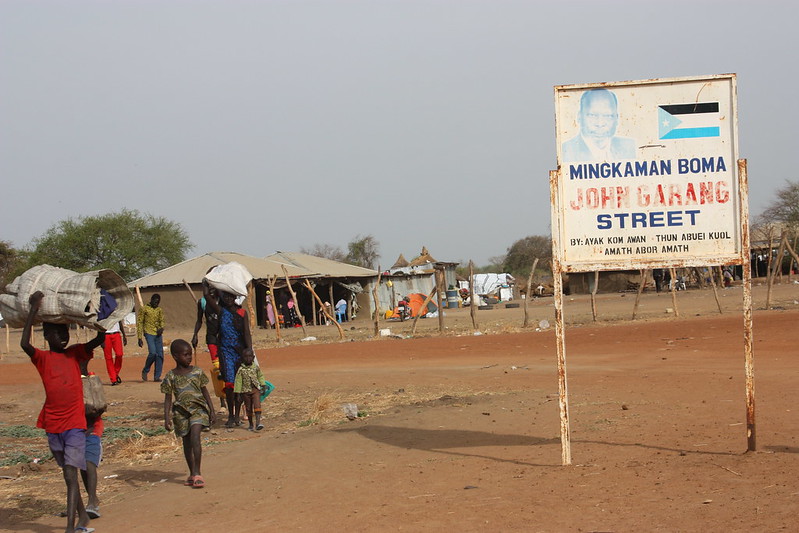
Gaining independence from the Republic of Sudan in 2011, South Sudan, “the world’s youngest nation,” now struggles with several economic, health and political challenges due to the COVID-19 pandemic. By November 6, 2021, South Sudan reported 12,453 COVID-19 cases and 133 deaths. In particular, the country is facing several obstacles in distributing COVID-19 vaccine doses. Confronting these difficulties, South Sudanese community leaders and international organizations are stepping up to ensure vaccine success in South Sudan. These efforts showcase how a country can turn challenges and tragedies into victories and triumphs.

Logistical Challenges in Vaccine Distribution

As a land ravaged by decades of war, underdeveloped South Sudan has one of the lowest COVID-19 vaccination rates globally, with just 0.8% of the population receiving one dose and 0.3% receiving both doses by October 15, 2021. Lacking road infrastructure significantly contributes to the nation’s low vaccination rate as much of “the country remains largely inaccessible by road.”

A country roughly “the size of France,” the nation grapples with governmental neglect, political challenges and ethnic violence, which has led to a poor infrastructure system, among other issues. Lacking road infrastructure means South Sudan must transport its vaccines by air, a very costly endeavor that makes vaccine distribution efforts in South Sudan significantly more expensive than the cost of purchasing vaccines.

These barriers to vaccine distribution have led to monumental consequences. In May 2021, COVAX donated 132,000 COVID-19 doses to South Sudan. However, these doses “went to waste” as South Sudan had no choice but to return the doses. According to CARE, “the logistics did not exist to get the doses from the capital city Juba into the arms of the South Sudanese people” before the vaccine expiry dates. These challenges exacerbate the inequality in vaccine distribution between South Sudan and other developed countries, which are already vaccinating children while administering third booster shots. Coordinating the entire procedure and timing correctly are vital factors for vaccine success in South Sudan.

Addressing Distribution Bottlenecks

In light of these vast logistical problems, South Sudan aimed to turn this situation around by the time it received its next shipment of doses in July 2021. South Sudan raced to obtain “surge funding from CARE’s Fast & Fair Campaign, South Sudan’s Health Pool Fund, UNHCR and UNICEF.” Although South Sudan did not have enough time and resources to build road infrastructure, the nation used the funding for “investing, building staff capacity, addressing staff gaps” and enhancing vaccine confidence in communities.

This helped address some of the other “distribution bottlenecks” South Sudan experienced in May 2021. As a result, South Sudan was able to administer all 60,000 vaccines from the July shipment. However, the vaccine delivery process was significantly “more expensive than what COVAX currently budgets for.” COVAX “budgets $1.41 per dose for vaccine delivery, but South Sudan had to spend about $10 per dose to successfully deliver vaccines.” These are costs that South Sudan cannot bear alone. Therefore, international support to South Sudan is essential.

These efforts continue to boost vaccine success in South Sudan, and with dedicated community leaders, the country is on track to deliver more vaccines to its people. In October 2021, South Sudan began “a new vaccination campaign” following the delivery of roughly 60,000 Johnson & Johnson vaccines from the United States. These single-dose vaccines eased the logistical burden of getting vaccines to citizens.

Aid to South Sudan

Because the vaccine distribution process in South Sudan is so costly, the nation may require “as much as $126 million for delivery alone.” These costs highlight the need for more grants and donations from international donors to ensure vaccine success in South Sudan. Despite South Sudan’s struggles in vaccination distribution, there is hope as organizations step in to support the nation. With continued support, South Sudan can dramatically increase its vaccination rate despite its standing as an underdeveloped nation.

– Tri Truong
Photo: Flickr

November 16, 2021
https://borgenproject.org/wp-content/uploads/borgen-project-logo.svg 0 0 Kim Thelwell https://borgenproject.org/wp-content/uploads/borgen-project-logo.svg Kim Thelwell2021-11-16 01:30:092021-11-15 08:05:54Recent COVID-19 Vaccine Success in South Sudan
Global Poverty

Improving Conditions in Minawao Camp, Cameroon

Minawao-Camp
According to UNHCR, about 20 people become displaced with each passing minute of each day, fleeing “persecution, conflict, violence or human rights violations.” At least 84% of these people flee to underdeveloped countries that already struggle with limited resources. In 2019, a rough estimate of 2 million people fled from their homes due to conflict in Nigeria. In just two months, 55,000 people became displaced with no place to call home. Many of these people sought refuge in Cameroon’s Minawao camp. Poverty and hunger disproportionately impact displaced persons and refugees, calling for solutions to assist these vulnerable people.

Minawao Camp

Minawao camp is a refugee settlement located in Cameroon, Africa. Since 2013, Minawao has been home to refugees fleeing the violence of their home country, Nigeria. By 2019, the camp became home to more than 60,000 Nigerian refugees. The violence in Nigeria largely stems from the activities of the Islamic militant group Boko Haram. The violence of the group ranges from terrorist attacks on the military to brutalities against civilians. Millions of Nigerians fear for themselves and their families, still traumatized by the memory of Boko Haram’s abduction of 276 schoolgirls in 2014, some of whom are still missing.

Minawao camp initially emerged with the purpose of holding a maximum of 15,000 refugees. With many refugees continuously flowing in, the camp struggles to provide for thousands in an area where desertification is prevalent and water, food and resources are already scarce. Additionally, the land suffers from deforestation due to the fact that people in the area use the trees for firewood.

Cameroon, in general, grapples with its own struggles. In some parts of Cameroon, people suffer the impacts of “years of successive natural disasters and below average harvests.” In 2015, the United Nations Children’s Fund oversaw a survey that reported an increased rate of malnutrition based on past data from 2013 and 2014.

Making Minawao Green Again

Despite Minawao’s past struggles, organizations are making efforts to secure a future for the inhabitants of the camp. A reforestation project beginning in 2017 aims to “make Minawao green again” by planting thousands of trees. The greenery will provide benefits such as access to cleaner energy, food, enriched soil, water, reforestation, jobs and more.

The Lutheran World Federation sponsored the reforestation project, with support from the United Nations High Commissioner for Refugees and the Nationale Postcode Loterij. Since launching the project, the community has planted 50,000 trees with the intention of planting 5,000 more trees each year. The trees will provide shaded areas to make life more comfortable for residents, considering the extreme heat in Cameroon.

As far as shelter, the program provides a better alternative to living conditions such as brick homes. The brick homes are more sustainable than the average tent. As many as 4,670 households now have eco-friendly stoves. Instead of burning wood, briquettes made from peanut shells, wheat husks and other agricultural waste are substitutes. The program has established “three tree nurseries” as well as “12 new nature clubs” for adults and children to “learn new skills” and understand the value of protecting the environment. The program has led to the creation of 175 employment opportunities, empowering people in the camp with incomes to improve their quality of life.

Slowly but surely, these efforts are paving the way for a bright future for people within the Minawao camp.

– Destiny Jackson
Photo: Flickr

October 29, 2021
https://borgenproject.org/wp-content/uploads/borgen-project-logo.svg 0 0 Kim Thelwell https://borgenproject.org/wp-content/uploads/borgen-project-logo.svg Kim Thelwell2021-10-29 04:04:272024-05-30 22:25:20Improving Conditions in Minawao Camp, Cameroon
Global Poverty, Refugees

How 3 NGOs Are Helping Eritrean Refugees

How These 3 NGOs Are Helping Eritrean Refugees
The ongoing conflict in the Tigray province of Ethiopia has wreaked devastation. In November 2020, after months of political turmoil, the Ethiopian government launched a military offensive against Tigray regional forces. As a result, an estimated 353,000 people are in the worst classification for food security and thousands more have died. U.N.-backed data also show that 1.7 million are near maximum risk of food insecurity. Because of the crisis, several NGOs are taking on the fight in helping Eritrean Refugees. Here is how three NGOs are helping Eritrean refugees.

The American Team for Displaced Eritreans (TATDE)

John Stauffer founded The American Team for Displaced Eritreans (TATDE) in 2010, which is an organization that provides aid to Eritrean refugees seeking asylum in the U.S. and around the globe. TATDE works with the United Nations High Commissioner for Refugees (UNHCR) by providing refugees in the U.S. and globally with adequate housing and resettlement support. This includes a new apartment checklist and a picture dictionary that translates Tigrinya, a prominent language that Eritrean people speak, to English.

In collaboration with other NGOs, TATDE assists in fielding emergency calls from Eritrean refugees on the run, defecting Eritrean individuals officials and those facing deportation. Some noteworthy work includes a scholarship program designed to provide nursing and other medical training to refugees living in camps.

Norwegian Refugee Council (NRC)

The Norwegian Refugee Council (NRC) provides clean water, education, medical aid and shelter to those who have had to flee or have experienced displacement. Operating in more than 30 countries and with about 15,000 humanitarians, NRC aims to rebuild futures and save lives. Working with Eritrea’s Ministry of Education, NRC helps provide Eritrean refugees with educational and economic programs. The main goals include:

  • Offering training in hairdressing, electrical installation, masonry, plumbing and irrigation skills and fishery.
  • Providing business starter kits to recent graduates of business management, thus incentivizing them to start their own businesses.
  • Ensuring that teachers receive hands-on training and classrooms have the proper tools and supplies.
  • Maintaining and supporting the training curriculum helping Eritrean refugees.

To date, about 6.6 million people have benefited from the WASH program in Eritrea. The WASH program focuses on providing sanitary water to displaced people in refugee camps and shelters. The program helps use safe water for drinking, cooking, personal hygiene, solid waste management and public restrooms.

The United Nations Refugee Agency (UNHCR)

In the first six months of 2020, UNHCR responded to the crisis by providing food and sanitary assistance to refugee camps on a monthly basis. Due to the current conflict and the COVID-19 pandemic, the work helping Eritrean refugees significantly slowed down. Access to the refugee camps remained suspended from July 13, 2020 to August 4, 2021, after violent clashes in the region prevented staff from reaching the refugee camps. UNHCR plans to allow for 200 refugees to receive regular cash assistance and 400 to receive protection assistance.

Progress is slow and while the Eritrean refugees still face hardships, efforts by NGOs like the UNHCR, The Norwegian Refugee Council and The American Team for Displaced Eritreans continue to show the good in humanity.

– Sal Huizar
Photo: Flickr

October 18, 2021
https://borgenproject.org/wp-content/uploads/borgen-project-logo.svg 0 0 Lynsey Alexander https://borgenproject.org/wp-content/uploads/borgen-project-logo.svg Lynsey Alexander2021-10-18 01:30:522021-10-15 13:11:46How 3 NGOs Are Helping Eritrean Refugees
Education, Refugees

IT Workforce Training Program for Kenyan Refugees

Workforce Training for Kenyan Refugees
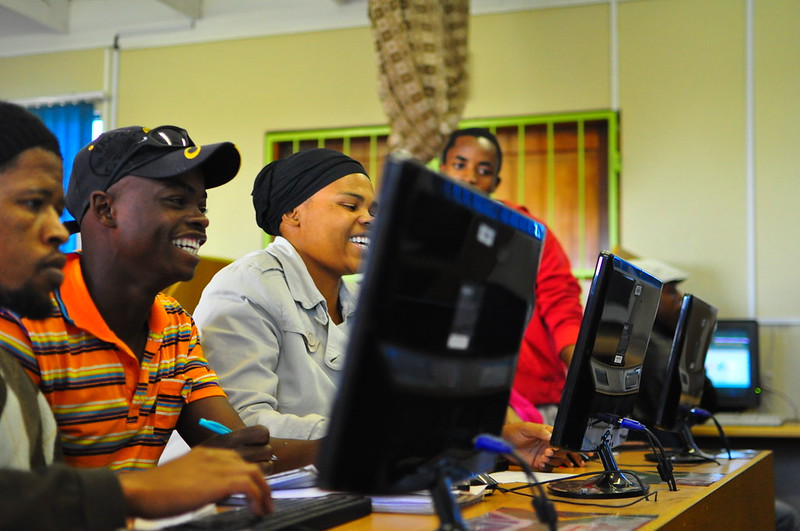
Many people have to uproot their entire lives and flee their homelands due to poverty, lack of opportunities, conflict and violence. Even after relocating to a potentially better country, many refugees struggle to assimilate into society because they are unable to obtain stable job opportunities due to a lack of education or skill inadequacy. To help alleviate this issue, the U.N. Refugees Agency (UNHCR) and the computer technology company Oracle are partnering on an information technology workforce training program for Kenyan refugees to upskill and look toward a potential career in the IT sector.

The Refugee Situation in Kenya

With an estimated total of nearly 530,000 refugees currently situated in Kenya, the country is the second-largest refugee-hosting country in Africa after Ethiopia. Somalian refugees comprise 54% of the total refugees in Kenya, followed by Sudanese refugees at 24.6% and Congolese refugees at 9%. South Sudan, the “world’s youngest country,” broke into conflict again in 2013, forcing millions to flee the only home they ever knew because of war, economic distress, disease and hunger. Children comprise nearly 63% of Sudanese refugees.

Civil war has affected Somalia for roughly 30 years, with the COVID-19 pandemic exacerbating the situation in the country. Floods and locust infestations bombarded the country, which has led to poor and unsanitary living conditions, food insecurity, disease and increased crime.

The political situation in the Democratic Republic of the Congo, as well as violence and disease, caused millions to flee the country in search of a better place to live. The country has seen the second-worst Ebola epidemic ever recorded in history, worsening the living conditions for many in the country and forcing citizens to flee their homes. There are several UNHCR camps in Kenya: Dadaab, Kakuma and a diaspora of camps in the capital, Nairobi. Nearly 44% of all refugees live in Dadaab, 40% reside in Kakuma and 16% reside in Nairobi.

Oracle’s IT Certification Program

With successful completion of the IT workforce training program, refugees gain IT skills on Oracle’s cloud-based technology and a course completion certificate from Oracle University. This qualification will help refugees gain employment within Africa’s growing IT sector.

“As digital transformation gathers pace across Africa, programming skills continue to be in high demand. This training program is designed to help prepare young learners to kickstart a rewarding career in the IT industry, directly empowering the youth in refugee camps to sustain their livelihood,” said Oracle Kenya Country Leader David Bunei.

Amid Africa’s “digital transformation, anyone with programming skills will be extremely vital to the Information and Communications Technology Industry.” IT skills can pave the way to a better future for many Kenyan refugees by helping them secure higher-paying, skilled employment to earn an income and rise out of poverty.

The workforce training program will deliver professional learning courses to the refugee diaspora in Kenya primarily focusing on Oracle Cloud technologies. This will help them develop a solid background in information technology. This program is vital because refugees in Kenya lack professional certification and industry-driven skills. In collaboration with the UNHCR, Zinger Solutions Limited, Oracle’s workforce development partner and a member of Oracle PartnerNetwork will specifically train the refugees on Oracle Cloud technologies.

Empowering Refugees with Skills and Education

Kenyan refugees residing in the diaspora of the Nairobi camps and the Kakuma camp have received training on Java SE8 programming and Java SE8 fundamentals. Java skills can aid in creating apps, building games, coding websites and much more. Overall, Oracle and UNHCR are uniting to address the issue of inadequate skills and education, helping refugees secure job opportunities for a better and brighter future.

– Matthew Port Louis
Photo: Flickr

October 16, 2021
https://borgenproject.org/wp-content/uploads/borgen-project-logo.svg 0 0 Lynsey Alexander https://borgenproject.org/wp-content/uploads/borgen-project-logo.svg Lynsey Alexander2021-10-16 01:30:512021-10-13 13:57:33IT Workforce Training Program for Kenyan Refugees
Global Poverty

Conflict and Poverty in the DRC

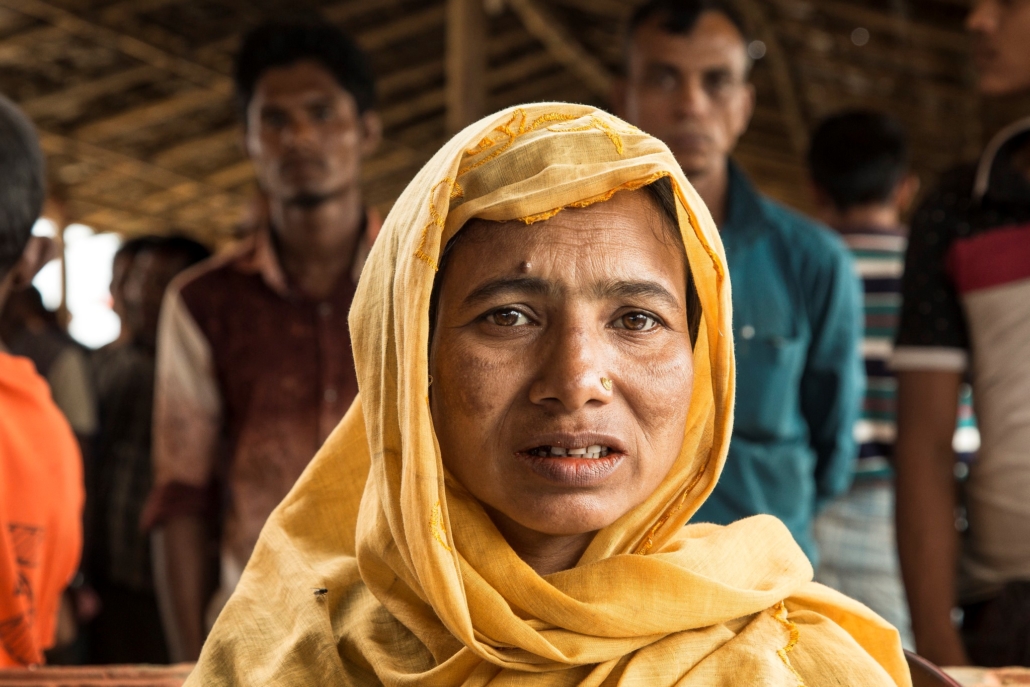
Poverty in the DRCConflict and poverty in the Democratic Republic of the Congo (DRC) have once again become causes of concern. Conflicts have escalated in recent months and resulted in a crisis that impacts enormous swaths of the country. Since there is a strong link between conflict and poverty in the DRC, international attention and aid efforts have shifted to combat the situation.
The Ongoing Conflict

The current crisis and the damaging relationship between conflict and poverty in the DRC is a persistent problem. For years, the DRC experienced widespread violence, especially in the country’s eastern provinces. About 3,000 civilians died in the eastern part of the country in 2020 alone. There were also much higher rates of human rights violations in 2020 in the DRC. The violence has a destabilizing effect on the entire region.

The most recent escalation in violence occurred as armed groups went on the offensive following military efforts by government forces in 2020. The worst of the fighting is in the provinces of Ituri, North Kivu and South Kivu. Attacks in recent months in the province of North Kivu displaced nearly 20,000 people. Additionally, about two million people experienced displacement within the province in the last two years.

Interaction Between Conflict and Poverty

The World Bank estimates that nearly 64% of the country lives in extreme poverty. The conflict is one of the key contributors to poverty in the country. In 2017 and 2018, there were two million displaced persons. Additionally, the violence is so widespread that many people have fled multiple times.

Conflict and poverty also resulted in an immense food shortage in the DRC. Hunger in the DRC skyrocketed in recent months due to conflict and COVID-19. “A record 27.3 million people in the Democratic Republic of the Congo are facing acute hunger, one-third of the violence-wracked Central African country’s population.” The areas that have the highest rates of hunger have also experienced widespread conflict.

Aid Efforts

The need for assistance to the DRC is massive. Organizations are providing as much assistance as possible for Congolese people suffering from hunger, conflict and poverty. The UNHCR and other organizations coordinated with local authorities. Since the start of 2020, the UNHCR has provided more than 100,000 people with emergency shelters. The current UNHCR operation in the country has so far only received 36% of the funding necessary.

The World Food Programme (WFP) alone assisted almost seven million people throughout the country in 2020. The WFP distributed tens of millions of dollars of cash assistance throughout the country and tens of thousands of metric tons of food in 2020. However, the WFP stated that it would need $662 million in 2021 alone to address the crisis.

The people of the DRC suffer from a crisis of conflict and poverty. The widespread conflict plays a critical role in keeping most of the population in extreme poverty and causing widespread hunger throughout the country. As a result, sizable amounts of aid have come from organizations such as the UNHCR and the WFP. Still, these efforts require more support from the international community to effectively combat this crisis of conflict and poverty in the DRC.

– Coulter Layden
Photo: Flickr

August 18, 2021
https://borgenproject.org/wp-content/uploads/borgen-project-logo.svg 0 0 Kim Thelwell https://borgenproject.org/wp-content/uploads/borgen-project-logo.svg Kim Thelwell2021-08-18 10:24:012021-08-30 02:38:44Conflict and Poverty in the DRC
Global Poverty, Refugees

Floods Affect Rohingya refugees in Cox’s Bazar

Rohingya Refugees in Cox’s Bazar
Cox’s Bazar in southeastern Bangladesh is home to the largest refugee population in the world. Today, there are almost 1 million Rohingya refugees in Cox’s Bazar, Bangladesh, where poverty rates and living conditions are increasingly affected by changes in annual weather patterns. Massive rainfall in late July 2021 has flooded the region while displacing more than 21,000 refugees and killing 14 people in the district. The government, refugee volunteers and international aid have joined together to provide aid to Cox’s Bazar. The partnership between the groups is important in preventing instability associated with extreme weather.

Rohingya Refugees in Cox’s Bazar

In 2017, more than 700,000 Rohingya refugees came west to Cox’s Bazar fleeing persecution from the Myanmar Military. In the past four years, Bangladesh has felt the continued strain of sharing resources with nearly 1 million refugees. The government has remained strict on laws against building more weather-resistant, permanent homes for the displaced Rohingyans. Refugees remain in makeshift shelters exposed to a yearly cycle of worsening weather extremes. Fires in March 2021 destroyed the shelters by the thousands while killing 11 refugees in the process.

The 2021 Monsoon Rains and Flooding

In the same way that too little rainfall will affect agriculture, increase water scarcity and spark fires, too much rain damages housing and infrastructure. Floods and landslides that monsoon rains cause have increased the need for both repairs and supplies in the camps. Over the span of a single day in late July 2021, the region saw near half the average rainfall for that entire month. Heavy rain continues to fall as projections have determined that the monsoon season could last another three months.

The Inter Sector Coordination Group (ISCG) in Bangladesh released a report on August 1 placing the affected number of Rohingya refugees in Cox’s Bazar at 46,545. More than 6,000 shelters have undergone damage and others still require assessing due to ongoing floods.

Emergency Response

Floods, landslides and windstorms have local volunteers working to save stranded families, repair the camps and deliver supplies to affected community members. More than 5,000 displaced Rohingya refugees in Cox’s Bazar have found shelter with extended family or in community spaces. In addition, 62 learning centers are currently functioning as temporary shelters.

International aid from the United Nations Refugee Agency (UNHCR) and its network of humanitarian partners has provided support and disaster response training to both refugee and local community volunteers. The UNHCR Emergency Response Team has been assessing damage to shelters and providing emergency supplies.

The August ISCG report details that 1,060 emergency kits went to affected shelters. Teams are focussing themselves on servicing hygiene facilities and water sources while distributing water treatment tablets and soap.

Changing Weather in South Asia

The World Bank predicted the vulnerability of Cox’s Bazar to natural disasters, similar to the recent floods back in 2018. Recognizing poverty as a serious consequence of rising global temperatures, the World Bank identified hotspot areas where the standard of living would experience a great effect from changing environmental conditions.

South Asia is home to many hotspots. The region varies from extreme hot to extreme cold, making it more vulnerable to changing weather patterns. Bangladesh, especially the district of Cox’s Bazar, is a hotspot where people could see an average 14.4% decline in their incomes by 2050. The effects of environmental changes threaten the ability to sustain both local communities and refugees in the area.

Looking Forward

Bangladesh host communities and Rohingya refugees in Cox’s Bazar have been working alongside one another in recent disaster relief. Organizations similar to the UNHCR are in place to provide key services and supplies to supplement Bangladesh’s shared resources. To date, the area has only received 30% of the annual Joint Response Plan budget. Increased international funding gives the communities an opportunity to plan and prepare for more unprecedented conditions together.

– Angela Basinger
Photo: Flickr

August 5, 2021
https://borgenproject.org/wp-content/uploads/borgen-project-logo.svg 0 0 Kim Thelwell https://borgenproject.org/wp-content/uploads/borgen-project-logo.svg Kim Thelwell2021-08-05 09:37:242021-09-30 14:51:04Floods Affect Rohingya refugees in Cox’s Bazar
Global Poverty, Humanitarian Aid

Residents of Goma Return After Volcano Erupts

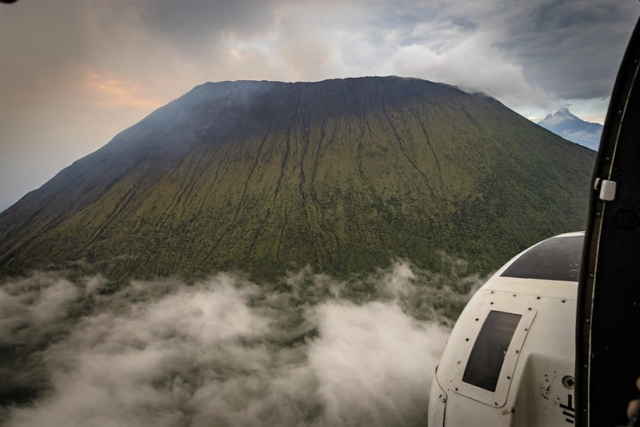
Residents of GomaOn May 22, 2021, Mount Nyiragongo erupted close to the Democratic Republic of Congo’s city of Goma. The active volcano’s worst eruption was in 1977, a catastrophe that left more than 600 people dead. Nyiragongo’s volcanic activities have ignited fear in the residents of Goma who are already enduring the impacts of poverty stemming from years of civil war in the country.

The 2021 Volcanic Eruption

The Goma Volcano Observatory is responsible for monitoring the Mount Nyiragongo volcano. However, ever since the World Bank cut its funding in 2020, the observatory “lacked the funding, resources and infrastructure necessary to closely observe the volcano and forecast major eruptions.” From October 2020 to April 2021, the observatory did not have an internet connection “to conduct comprehensive seismic checks on Nyiragongo.” Due to a lack of forecasting ability, the observatory could not predict the eruption and warn residents to evacuate.

Following a government directive, after the eruption, the residents of Goma were evacuated in the thousands. Villagers who lived close to the city of Goma fled to the city center. The lava flowing out of the mountain’s crater threatened access to the airport in Goma and one of the main roads, further limiting evacuation routes.

The Devastation of the Eruption

According to ReliefWeb, the eruption resulted in about 30 deaths and almost half a million people were left without access to water due to damaged water infrastructure. Without proper water sources, people are prone to infectious water-borne diseases. Some citizens were burned by the lava and others experienced asphyxiation from volcanic gases. ReliefWeb reported that about “415,700 people have been displaced across several localities in Democratic Republic of the Congo (DRC) and across the border in Rwanda.” Aside from the destruction of infrastructure that occurred, people converging in large numbers to evacuate heightened the risk of COVID-19 transmission.

The Positive Impact of Organizations

Despite the devastation caused by the volcanic eruption, various groups were quick in their response, preventing further disaster. ReliefWeb provided frequent updates on the situation, enabling organizations and individuals to take precautionary and calculated steps during evacuation.

The UNHCR was among the first organizations to respond to the volcanic eruption in Goma. The organization, in collaboration with others, looked to aid the displaced in Goma by providing shelter and relief items. Reduced funding significantly impacted these efforts. Nevertheless, the UNHCR provided “soap, blankets, solar lamps, plastic sheeting and sleeping mats to 435 vulnerable families,” in the Congolese town of Sake. The UNHCR also established four shelters to temporarily house more than 400 displaced people in Sake. On June 7, 2021, the prime minister of the DRC “announced the progressive return of displaced people to Goma.”

Residents of Goma Return Home

Displaced citizens have gradually returned to resettle in Goma. In early June 2021, the prime minister of the DRC spearheaded the phased return of thousands of people as seismic activity reduced considerably. The government provided buses to help people return to Goma. The government also declared the airport safe for landing, which further facilitated the delivery of international humanitarian aid.

Slowly, the city is returning to normalcy. Businesses are reopening and vendors are back on the streets of the city. The groups of people who took refuge in Rwanda also returned. Thousands of people have returned home to rebuild their lives and reconstruct the areas destroyed by lava flow.

Even in unprecedented natural disasters, organizations can help to avert worst-case scenarios. From the volcanic eruption, it is clear to see how funding cuts can lead to severe consequences. The situation has emphasized the importance of funding to the Goma Volcano Observatory and the significance of early warning systems.

– Frank Odhiambo
Photo: Flickr

July 23, 2021
https://borgenproject.org/wp-content/uploads/borgen-project-logo.svg 0 0 Kim Thelwell https://borgenproject.org/wp-content/uploads/borgen-project-logo.svg Kim Thelwell2021-07-23 01:30:472021-07-22 23:26:02Residents of Goma Return After Volcano Erupts
COVID-19, Global Poverty

The Bosnia and Herzegovina Vaccine Rollout

Bosnia and Herzegovina Vaccine Rollout
The impact of COVID-19 on poverty in Bosnia and Herzegovina has been quite profound. The country has been experiencing a severe recession, the worst in 25 years. Due to government borrowing in an effort to ease the strains stemming from the crisis, the national debt has soared. As a result, the Bosnia and Herzegovina vaccine rollout has been slow because its government has been unable to afford vaccines.

However, due to Russia, China and Europe providing donations, the country has received a large number of vaccines. On top of this, overseas organizations such as the United Nations High Commissioner for Refugees (UNHCR) have been continuing to advocate for Bosnia and Herzegovina’s most vulnerable citizens.

The Lack of Purchase

In stark contrast to neighboring Serbia’s successful vaccine rollout, Bosnia and Herzegovina has not bought a single vaccine. Due to a disorganized government and the impact of a steep recession, the country has been relying on donations. The impact of COVID-19 on poverty in Bosnia and Herzegovina has prevented the nation from organizing a rollout of its own, thus endangering its citizens.

Pilgrimage to Serbia

Because of the slow vaccine rollout in Bosnia and Herzegovina, many Bosnians have migrated to neighboring Serbia, which has had an exponentially more successful vaccine rollout, to receive their vaccine. This is particularly striking because of the tensions between the two countries. The Serbian President Aleksandar Vučić is well-known for downplaying the Srebrenica genocide, which took place in 1995. This was during the Yugoslavian wars of independence and took the lives of many Bosnian Muslims.

Donations are Keeping the Country Afloat

Because of the impact of COVID-19 on poverty in Bosnia-Herzegovina, the country has been relying on large donations from countries that are further into their vaccine rollout than Bosnia and Herzegovina. After initial donations from Russia and China, the E.U. provided vaccines to Bosnia and Herzegovina. This also included Albania, North Macedonia, Kosovo, Montenegro and Serbia, with 651,000 doses of BioNTech-Pfizer vaccine in April 2021. In June 2021, Austria committed to donating 1 million doses of mainly AstraZeneca vaccine to the Western Bulkan bloc.

The UNHCR Advocate for the Vaccination of Asylum Seekers

While the Bosnian government is reluctant to vaccinate its population of refugees and asylum seekers, the United Nations High Commissioner for Refugees (UNHCR) continues to advocate for the vaccination of those within the country without international protection. Previous successes have been seen in Serbia where the UNHCR has managed to vaccinate a large number of refugees, with 53 having their vaccine on the first day of operations.

The Future

Despite the crushing impact that the recession has had on the vaccine rollout, with international collaboration the future is looking brighter for the population of Bosnia and Herzegovina. With organizations such as UNHCR advocating for the nation’s most vulnerable, few will slip through the cracks in the vaccine initiative.

– Augustus Bambridge-Sutton
Photo: Flickr

July 15, 2021
https://borgenproject.org/wp-content/uploads/borgen-project-logo.svg 0 0 Jennifer Philipp https://borgenproject.org/wp-content/uploads/borgen-project-logo.svg Jennifer Philipp2021-07-15 04:56:142021-07-29 12:15:25The Bosnia and Herzegovina Vaccine Rollout
Global Poverty, Humanitarian Aid, Refugees

Providing Aid to Victims of the Tigray Conflict

The Tigray Conflict
Thousands of refugees have fled the Tigray conflict in Ethiopia since early November 2020 to seek safety in eastern Sudan. This has resulted in a full-scale humanitarian crisis. Refugees, many of whom are children and women, have been arriving at remote border points that take hours to enter from the closest towns in Sudan. Most of them do not have any possessions and arrived exhausted from walking long distances over harsh terrain. The steady influx of daily arrivals is exceeding the existing capacity to provide assistance.

The Tigray Conflict

The Tigray conflict is an ongoing armed conflict between the Tigray People’s Liberation Front (TPLF) and Ethiopian Prime Minister Abiy Ahmed in the Tigray Region of Ethiopia. According to the International Crisis Organization think-tank, the violence in Tigray has left thousands dead and sent tens of thousands of refugees into Sudan. Estimates have determined that the conflict has displaced more than 222,000 people, in addition to the 100,000 people who experienced displacement prior to the conflict. Moreover, the loss of livelihoods, destruction of homes and lack of resources have affected local neighborhoods. As a result, people living in those areas urgently need shelter, food, water, sanitation, and hygiene, as well as health and protection.

Humanitarian Efforts

While humanitarian efforts are emerging to provide aid after the Tigray conflict, they remain challenged by the insecurity and bureaucratic constraints throughout the region. As a result, it can be challenging for humanitarian groups to access countrysides as well as Shimelba and Hitsats refugee camps.

The U.N. is working with Ethiopia’s government and all relevant interlocutors to aid in the safe passage of humanitarian personnel and the provision of supplies to all parts of the Tigray region. Meanwhile, health facilities in major cities are partially working with limited-to-no stock of supplies and the absence of health workers and facilities outside major cities are not operational.

In addition, UNHCR and Sudan’s Commission for Refugees are continuing to relocate refugees from the border to designated refugee camps. These are further inland in Sudan’s Gedaref State, in support of the government-led response in Sudan. Um Rakuba refugee camp is approaching its full capacity. UNHCR and its partners are swiftly relocating refugees to a newly opened refugee camp, Tunaydbah, in order to keep refugees safe and offer them better quality living conditions.

Humanitarian Funding

In 2020, the U.N. High Commissioner for Refugees, Filippo Grandi, launched an appeal for $147 million to support as many as 100,000 people fleeing Ethiopia’s Tigray region into neighboring Sudan. In its appeal document, UNHCR said that it took an anticipated increase of refugees into account during its planning. At the minimum, it planned to be able to help a total of 100,000 by April 2021, whereas at the maximum, it intended to be able to provide aid to an influx of 200,000 refugees.

In November 2020, UNHCR began airlifting aid to refugees, sending the first of four planeloads of supplies to Khartoum. One of the flights to Khartoum brought 100 tonnes from Dubai comprising mosquito net, blankets, plastic sheets, solar lamps, tents and prefabricated warehouses. The intention behind the appeal for $147 million was to fund UNHCR so that it could help Sudan manage the humanitarian crisis over the following six months.

Looking Ahead

CSW’s founder and president, Mervyn Thomas, urged Ethiopia’s prime minister, Abiy Ahmed, to prioritize the protection of refugees within Ethiopia’s borders. These refugees’ forcible return to a country that many deem to have committed crimes against humanity is an appalling violation of international law and humanitarian norms.

Abiy Ahmed needs to take immediate steps to de-escalate the conflict and enter into meaningful dialogue with regional representatives who the people of Tigray recognize. People can also call on the government of Eritrea to withdraw its forces from Tigray immediately and end its egregious violations of the rights of Eritreans, both at home and abroad. More nations also need to step up their humanitarian support for the region, including Sudan, which is suffering the brunt of the refugee wave from Tigray.

– Aining Liang
Photo: Flickr

June 12, 2021
https://borgenproject.org/wp-content/uploads/borgen-project-logo.svg 0 0 Kim Thelwell https://borgenproject.org/wp-content/uploads/borgen-project-logo.svg Kim Thelwell2021-06-12 01:30:282024-05-30 22:23:35Providing Aid to Victims of the Tigray Conflict
Page 7 of 21«‹56789›»

Get Smarter

  • Global Poverty 101
  • Global Poverty… The Good News
  • Global Poverty & U.S. Jobs
  • Global Poverty and National Security
  • Innovative Solutions to Poverty
  • Global Poverty & Aid FAQ’s
Search Search

Take Action

  • Call Congress
  • Email Congress
  • Donate
  • 30 Ways to Help
  • Volunteer Ops
  • Internships
  • Courses & Certificates
  • The Podcast
Borgen Project

“The Borgen Project is an incredible nonprofit organization that is addressing poverty and hunger and working towards ending them.”

-The Huffington Post

Inside The Borgen Project

  • Contact
  • About
  • Financials
  • President
  • Board of Directors
  • Board of Advisors

International Links

  • UK Email Parliament
  • UK Donate
  • Canada Email Parliament

Get Smarter

  • Global Poverty 101
  • Global Poverty… The Good News
  • Global Poverty & U.S. Jobs
  • Global Poverty and National Security
  • Innovative Solutions to Poverty
  • Global Poverty & Aid FAQ’s

Ways to Help

  • Call Congress
  • Email Congress
  • Donate
  • 30 Ways to Help
  • Volunteer Ops
  • Internships
  • Courses & Certificates
  • The Podcast
Scroll to top Scroll to top Scroll to top