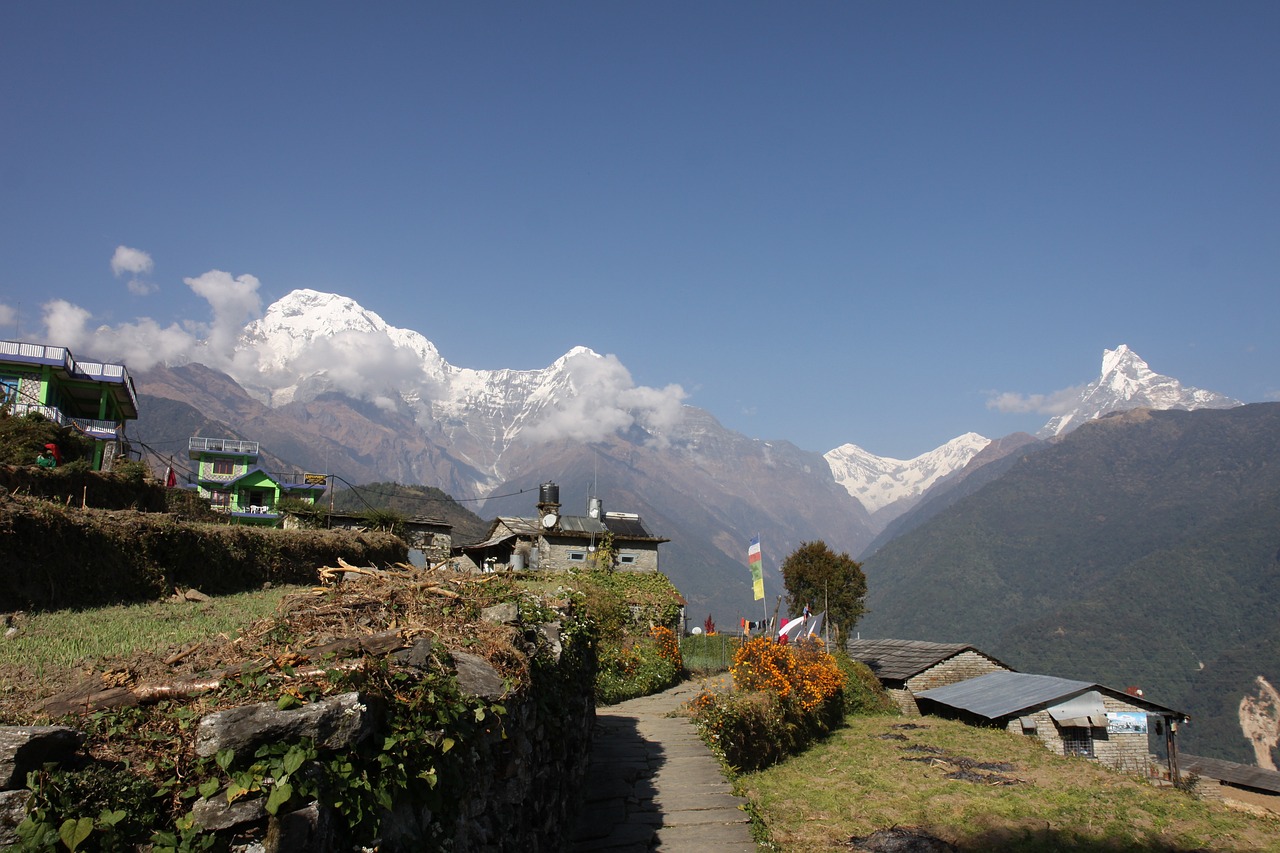
 Nepal, a developing country, has nearly one-quarter of its population living below the national poverty line. The rural areas, which constitute a significant portion of the country’s demographic, are particularly affected. In such regions, poverty manifests in multiple dimensions, including lack of access to basic health care, education, clean water and sanitation.
The mountain people of the Himalayas frequently stay on the outskirts of socioeconomic and geopolitical opportunities, living on the fringes of society. Agriculture remains the backbone of the Nepalese economy. However, the sector is plagued by low productivity, limited modernization and vulnerability to adverse climatic conditions, maintaining a cycle of poverty in Nepal.
Education and Child Labor
Education is a critical factor in breaking the cycle of poverty. Yet, many Nepalese children face significant barriers to accessing quality education. School facilities are often inadequate and qualified teachers are scarce. Furthermore, child labor is a persistent issue, with many children forced to work to support their families instead of attending school. About 13.4% of children aged 5 to 9 are engaging in agricultural activities during the prime years of their basic education.
Health Care Challenges
Health care in Nepal is another sector that highlights the disparity between urban and rural populations. While the capital, Kathmandu and other metropolitan areas have seen improvements in health care infrastructure, rural regions lag far behind. However, the government has introduced a health policy encouraging the private sector to invest in the production of health workers and in providing quality health services. While this is an important step, it may harm low-income people who have nowhere to turn to but to rely on their government. Many villagers have to travel long distances to reach the nearest health facility. Once there, they often need more medical supplies and trained professionals.
The Role of Tourism
Tourism significantly contributes to Nepal’s economy, bringing in substantial foreign exchange and creating employment opportunities. However, the benefits of tourism are not evenly distributed. The industry is heavily concentrated in certain areas, like Kathmandu and Pokhara, leaving other regions with little to no benefit.
Steps Toward Alleviating Poverty
Cordaid, a nonprofit dedicated to addressing the causes of fragility, has been working in Nepal since the ’80s, phasing out activities in the nation. Cordaid works with smallholder farmers to build their resilience to adverse weather. They provide vocational training and certification to increase employment opportunities.
Furthermore, CARE Nepal helps improve marginalized communities’ lives through various programs. These program included initiatives in health, education, women’s empowerment, economic development, disaster risk reduction and water, sanitation and hygiene (WASH) programs. It provides maternal and child health care, promotes gender equality in education, empowers women with vocational training and economic opportunities and supports sustainable agricultural practices.
In 2023, CARE Nepal’s “Gender Justice and Health and Education Rights” program reached nearly 40,000 people, empowering women and girls from vulnerable communities to lead healthy, violence-free and distinguished lives.
Conclusion
With its towering peaks and deep cultural roots, Nepal is a country of immense potential and equally significant challenges. Poverty remains a persistent shadow over its picturesque landscapes. Addressing this issue requires sustained efforts from the government, international community and local stakeholders. By focusing on education, health care, economic diversification and equitable development, Nepal can begin to lift its people out of poverty. The future is as bright as the sunlit peaks of the Himalayas.
– Rika Mokal
Rika is based in London, UK and focuses on Global Health for The Borgen Project.
Photo: Pixabay
 In recent years, Hawaii’s tourism dilemma has come to the forefront, shedding light on the intricate balance between economic prosperity and environmental and socioeconomic concerns. Local voices have highlighted the trains on resources, rising costs of living and housing and cultural erosion caused by mass tourism. This exploration delves into Hawaii’s tourism dilemma, dissecting its multifaceted impacts and the possibility of a balanced future.
  Situated south of Turkey in the Mediterranean Sea, Cyprus is a small island with
 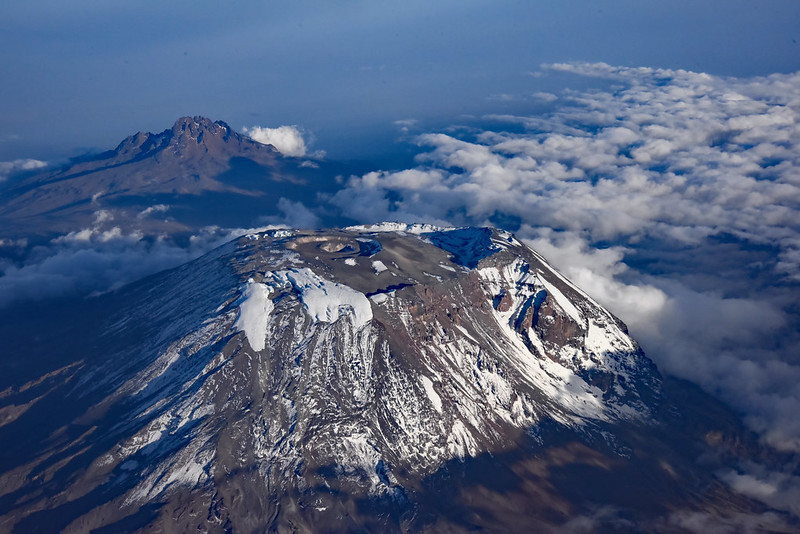 Tourism involves traveling to locations other than one’s usual environment to participate in activities of interest. Tanzania contains many tourist destinations, including Mount Kilimanjaro, Serengeti National Park and Zanzibar beaches. As such, tourism in Tanzania remains essential to the economy of the nation and has a significant impact in more ways than one.
 The current pandemic wave hitting Thailand has resulted in a new wave of anti-government protests in the nation. These protests are a part of a pro-democracy movement within Thailand that has been active for several years. The current demonstrations are driven by spikes in both COVID-19 and poverty.
 Since September 2020, COVID-19’s impact in Bolivia has greatly improved. The country’s COVID-19 cases have reduced, possibly due to the fact that 25% of the population is fully vaccinated. Compared to the fact that less than 0.1% of the population was fully vaccinated in March 2021, this is good progress.
 In recent years, the Saudi Arabian government has made tourism a priority because of Vision 2030. Vision 2030 is a strategy created by the Saudi Arabian government to improve the country in several different areas, tourism being one of them. Increased tourism has expanded the economy and is also improving the lives of the citizens. With tourism comes more forms of entertainment that benefit Saudi Arabians and attracts visitors from other countries.
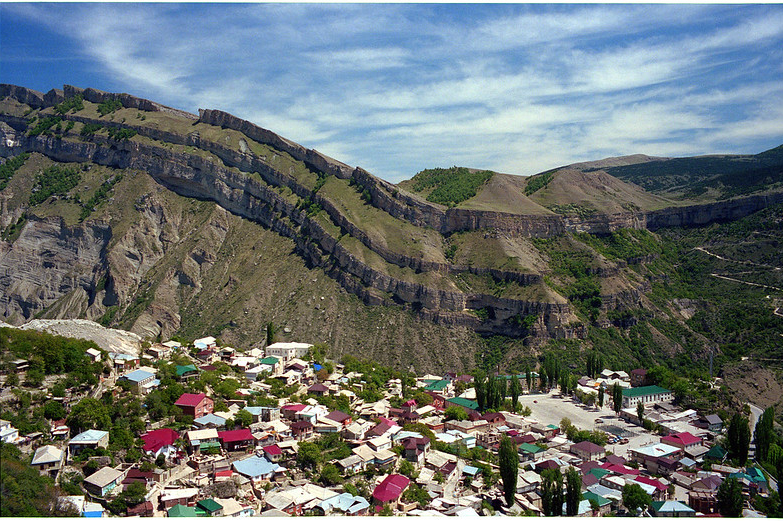 Once seen as a dangerous and violent place, the Republic of Dagestan in Russia has recently experienced a dramatic shift in visitation. Amid a strict lockdown,
  The COVID-19 pandemic gripped the world over a year ago and
 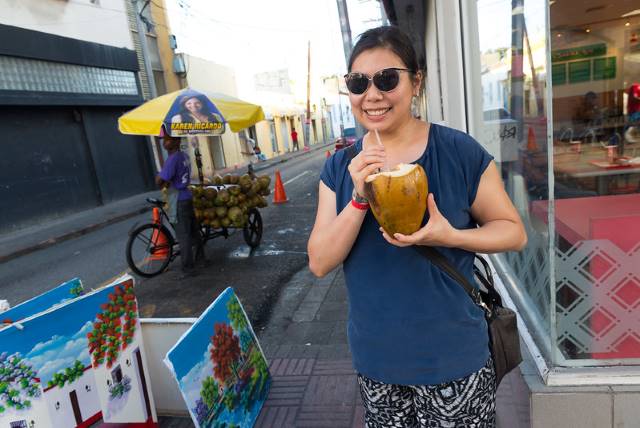 Latin America is a vast region with diverse weather, geography, culture and foods. Each year, millions of tourists flock to Latin America to enjoy its natural beauty. A vacation haven, tourism in Latin America is a driving force for economic development in the region. Furthermore, tourism in Latin America reduces poverty.