• Link to X
  • Link to Facebook
  • Link to Instagram
  • Link to TikTok
  • Link to Youtube
  • About
    • About Us
      • President
      • Board of Directors
      • Board of Advisors
      • Financials
      • Our Methodology
      • Success Tracker
      • Contact
  • Act Now
    • 30 Ways to Help
      • Email Congress
      • Call Congress
      • Volunteer
      • Courses & Certificates
      • Be a Donor
    • Internships
      • In-Office Internships
      • Remote Internships
    • Legislation
      • Politics 101
  • The Blog
  • The Podcast
  • Magazine
  • Donate
  • Click to open the search input field Click to open the search input field Search
  • Menu Menu

Tag Archive for: Refugees

Posts

Advocacy, Foreign Aid, Global Poverty

Rwanda Bill and Its Impact on People Seeking Asylum in the UK

Rwanda Bill and Its Impact on People Seeking Asylum in the UKOn April 22, 2022, the United Kingdom (U.K.) government proposed deporting people seeking asylum to Rwanda. Over the past two years, various groups including the United Nations (U.N.) refugee council, political opposition, some government members and the British public have expressed concerns. The European Court of Human Rights halted the initial deportation flight in 2022, pending a U.K. judicial review. The House of Commons recently endorsed the plan nearly two years after its introduction. The government asserts the bill aims to prevent dangerous, unlawful journeys to the U.K. and to undermine the operations of human traffickers exploiting vulnerable individuals.

Asylum Applications and International Rights

In the U.K., 75% of asylum applications result in the granting of the right to remain, illustrating the urgent need for safety that many people seeking asylum genuinely require, a fact often overlooked in public discourse. An asylum seeker is someone who has not yet received legal refugee status in another country and is awaiting a decision on their application. These individuals leave their home countries to escape persecution and severe human rights abuses. Despite derogatory terms such as “illegal immigrant” or “bogus cause” used against people seeking asylum, it remains a recognized international human right to apply for asylum in any country that is a signatory to the 1951 Convention.

Concerns and Consequences of the New Legislation

Under the new legislation, individuals transferred to Rwanda who later gain refugee or humanitarian status will not be permitted to enter the U.K. and must remain in Rwanda. The Refugee Council has issued a new report warning that these plans could lead to a catastrophic system failure, potentially leaving more than 100,000 people in a state of permanent uncertainty and costing taxpayers approximately £6.2 billion annually.

Organizations such as the UNHCR have expressed concerns about externalizing asylum obligations, citing risks of refoulement and a shift in responsibility for those potentially sent to Rwanda. Regarding the individuals earmarked for extradition to Rwanda, out of the 5,700 Rwanda has tentatively agreed to accept, only 2,143 are currently reporting to the U.K. Home Office and are locatable for detention.

People seeking asylum who arrive in the country often know no one. This isolation, coupled with fears of deportation to Rwanda, leads many to disappear, placing them in a highly vulnerable situation. Consequently, they face an increased risk of falling victim to crimes such as sexual exploitation and slavery.

Critical Response from Charities and Legal Advisors

Charities across the U.K. are actively opposing government actions, offering crucial information and ongoing support to people seeking asylum. Collectively, more than 250 charities have united to sign an open letter criticizing the government’s bill, arguing that it contravenes international obligations and diminishes the judiciary’s role in safeguarding human rights. Additionally, the letter criticizes the bill for neglecting the U.K.’s commitment to global responsibility for protecting those forced to seek refuge.

Refugee Action, one of the charities involved, actively supports refugees and those seeking asylum in the U.K. while also educating the public on the realities of being a refugee. This effort counters negative stereotypes often perpetuated by mainstream media. Through fundraising initiatives, the organization has secured more than £10 million for English language classes for refugees. Additionally, its advocacy includes the “Lift the Ban” campaign, which advocates outside Parliament for the right of asylum seekers to work, highlighting the challenge of surviving on just £6 a day.

Central England Law Centre

The Central England Law Centre provides free specialist legal advice to those most in need and utilizes legal processes to combat inequality. It expresses concern that the new law “would enable the Government to forcibly expel people seeking asylum—including children and survivors of trafficking and modern slavery—despite concerns they could be put at grave risk of harm and human rights abuses.” This is particularly troubling given that 41% of refugees are children, highlighting the law’s potential impact on vulnerable groups. As an independent and politically neutral entity, the Central England Law Centre ensures that all legal advice strives for clarity and justice, prioritizing the U.K.’s most vulnerable individuals.

The Broad Impact and Ongoing Support

People seeking asylum are now at greater risk than ever before. The overwhelming international support underscores the need to uphold the 1951 Refugee Convention to protect their rights. Regardless of the Rwanda policy, this situation underscores the peril faced by individuals forced to flee their homes and the controversy it stirs among those in power who are otherwise secure. Safety should not be debated; it is a fundamental right guaranteed by the 1951 Refugee Convention, which all signatories, including the U.K., are obligated to honor.

Looking Ahead

The U.K. government’s plan to deport asylum seekers to Rwanda has generated significant controversy and concern from international bodies, legal experts and the public. As the policy moves forward, its implications for the rights and safety of asylum seekers could remain a critical focus. Charities and legal organizations continue to advocate for the protection of vulnerable individuals, emphasizing the need to uphold international human rights commitments.

– Kathryn Dodd

Kathryn Dodd is based in the UK and focuses on Politics for The Borgen Project.

Photo: Flickr
June 28, 2024
https://borgenproject.org/wp-content/uploads/borgen-project-logo.svg 0 0 Precious Sheidu https://borgenproject.org/wp-content/uploads/borgen-project-logo.svg Precious Sheidu2024-06-28 03:00:442024-07-10 05:07:51Rwanda Bill and Its Impact on People Seeking Asylum in the UK
Charity, Global Poverty, NGOs

Charities in England You May Not Know About

Charities in EnglandNongovernmental organizations (NGOs) or charities play important roles in the fight against poverty worldwide. NGOs work directly with local communities, providing targeted support to the most vulnerable populations.

In the United Kingdom (U.K.), where 22% of the population experienced poverty in 2021/2022, charities are essential partners in the fight against poverty, complementing government efforts and driving sustainable changes. Here are five charities in England and the wider U.K. that you may not know about:

Greggs Foundation

The Greggs Foundation focuses on setting up breakfast clubs across England, Wales, Scotland and Northern Ireland. Supported by local businesses, these clubs provide fun and food to children before their school day. The foundation has set up 900, helping to feed more than 62,000 children daily. The work it does enables children to face a day of learning with a nutritious breakfast, allowing them to focus on expanding their knowledge.

British Gas Energy Trust

Best known for fueling the nation, quite literally, British Gas also has an energy trust that aims to alleviate fuel poverty. With the cost-of-living crisis, energy bills have soared for many families, meaning people increasingly have to choose between heating their homes and putting food on the table. The energy trust, however, aims to offer support and provide grants for those who are facing this issue. So far, the trust has helped 700,000 people through its grants and schemes.

Refugee Action

Focusing on refugees and migrants, Refugee Action is a U.K.-based organization that aims to fight for better living conditions for those seeking asylum. Centered around a collaborative and inclusive approach, the charity aims to support and advise those entering the U.K. With an ambitious approach, the organization seeks to improve the prospects for all refugees. In 2023, the charity helped 3,000 people and resettled 1,700 refugees, making the work it does vital.

Together Women

Together Women is another of the charities in England but is mainly concentrated in the northern part of the country. Its key target is women who may be vulnerable to entering the criminal justice system. Additionally, the charity aims to support those who are at risk of homelessness. The goals that its centers achieve through support groups and courses are crucial. By supporting at-risk women, the life prospects for those most in need are heightened.

Turn2us

Turn2us has been operating for more than 125 years and provides support for those facing financial insecurity. Its key aim is to support older adults who may be facing poverty through its nine care homes situated across the U.K. The charity also provides key grants to those who are at risk of greater financial insecurity.

– Sarah Littleton

Sarah is based in London, UK and focuses on Good News and Politics for The Borgen Project.

Photo: Pexels

June 17, 2024
https://borgenproject.org/wp-content/uploads/borgen-project-logo.svg 0 0 Hemant Gupta https://borgenproject.org/wp-content/uploads/borgen-project-logo.svg Hemant Gupta2024-06-17 01:30:062024-06-15 13:18:08Charities in England You May Not Know About
Developing Countries, Global Poverty, Refugees and Displaced Persons

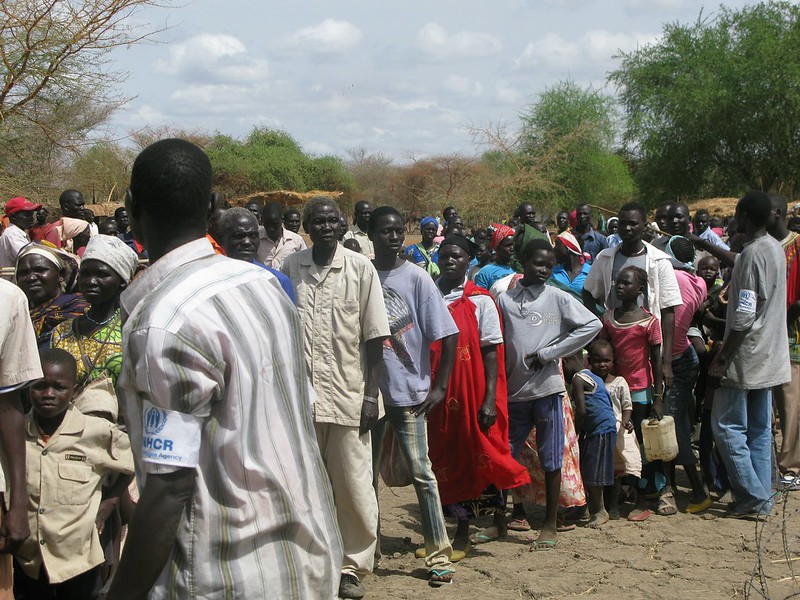
Refugee Employment Programs in Jordan

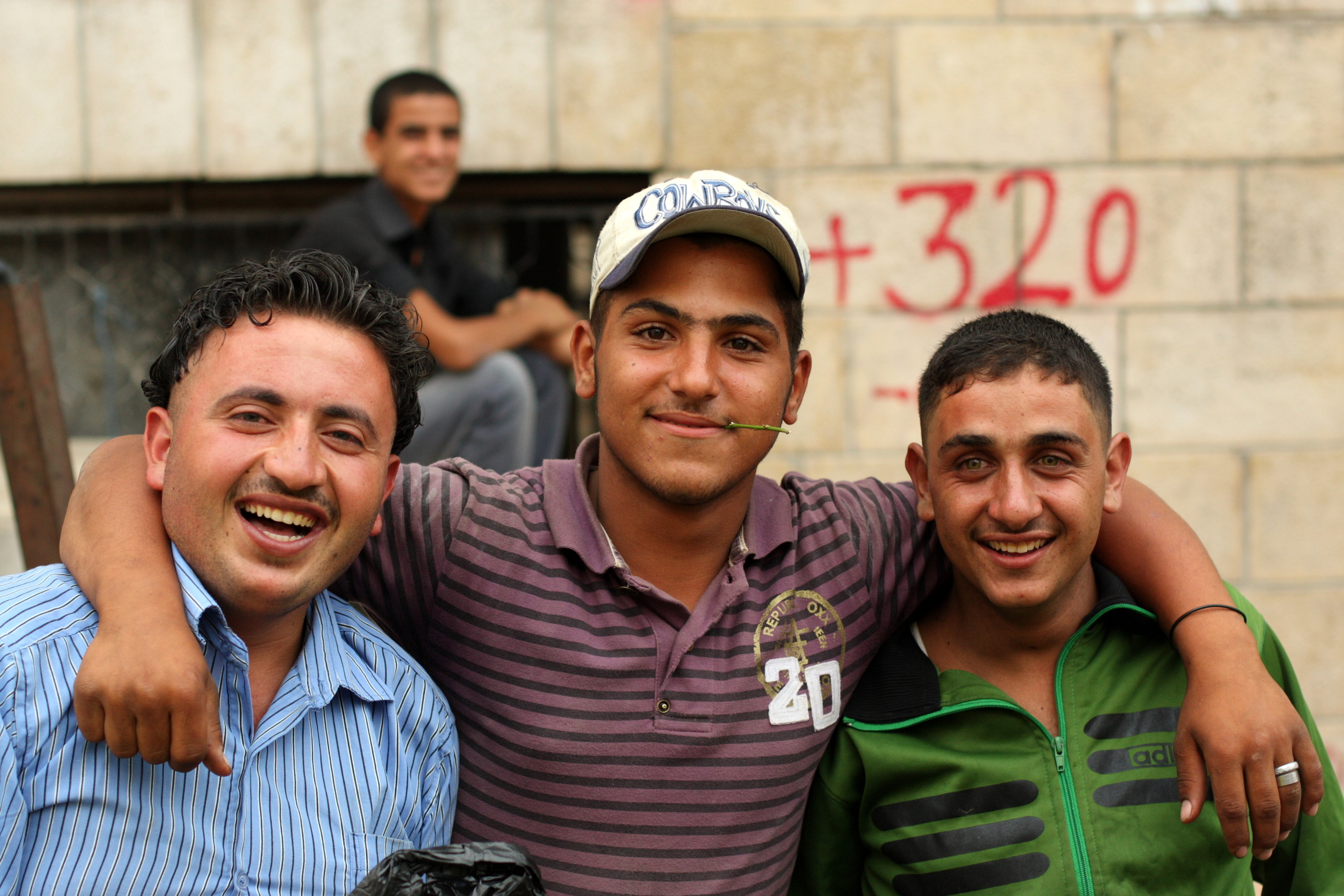
Refugee Employment Programs in JordanJordan is home to more than 700,000 refugees of different nationalities, including Syrians and Palestinians. In response to the refugee crisis, Jordan has implemented several programs to address the employment needs of its refugee populations. The Jordanian government has recognized the urgent need to integrate refugees into the labor market. Therefore, in collaboration with international organizations and nongovernmental organizations (NGOs), it has introduced a range of customized refugee employment programs in Jordan.

​​Jordan Compact

This landmark deal, concluded in 2016 between Jordan and the international community, aims to create jobs for Jordanians and Syrian refugees. The Compact aims to spur economic growth that will eventually generate jobs through instruments such as preferential trade access and financial assistance. A World Bank study cited the role of the Compact in economic resilience and improving the livelihood of refugees and the communities hosting them. 

Cash for Work Programs

Cash for Work programs by agencies like the United Nations High Commissioner for Refugees (UNHCR) and Mercy Corps entail the short-term employment of refugees in sectors that include agriculture, construction and infrastructure development. Apart from offering a source of income to the refugees, the programs provide back-to-community development initiatives. The International Labor Organization (ILO) believes that cash-for-work programs have helped and they continue to have a huge impact on poverty alleviation and the promotion of social cohesion. 

Vocational Training and Skill Development

Since skill development is an important factor in refugees’ employability, Jordan has taken steps to increase investments in vocational training programs. Programs such as the Vocational Training and Employment Services for Syrian Refugees within the Jordan Compact help provide refugees with market-relevant skills that will be relevant in their labor markets. According to a UNHCR study, vocational training facilitates integration and self-reliance for refugees. 

Challenges and Opportunities

The challenges persist, even though the programs of Jordanian refugee employment are making some strides. Other main barriers to the integration of refugees relate to limited access to formal employment opportunities, legal restrictions on the employment of refugees and competition with hosts. The economic shock from COVID-19 will exacerbate the existing vulnerabilities, so sustained support and investment in refugee livelihoods will be crucial.

Employment programming for refugees in Jordan has been one of the most crucial steps toward meeting economic and social needs among displaced populations. These programs not only reduce the poverty burden among the refugees by providing access to employment but also socially integrate them into the Jordanian community. Continuous efforts in this regard will help overcome the prevailing challenges and ensure long-term refugee livelihoods.

– Honorine Lanka Perera

Honorine is based in Highland, NY, USA and focuses on Good News and Politics for The Borgen Project.

Photo: Flickr
June 7, 2024
https://borgenproject.org/wp-content/uploads/borgen-project-logo.svg 0 0 Hemant Gupta https://borgenproject.org/wp-content/uploads/borgen-project-logo.svg Hemant Gupta2024-06-07 07:30:262024-06-06 09:44:56Refugee Employment Programs in Jordan
Aid, Global Poverty, Refugees

How the Poetry Project Is Platforming Young Refugees in Berlin

Poetry ProjectWhen hundreds of thousands of refugees arrived in Germany in 2015/16, including many unaccompanied minors, SPIEGEL foreign correspondent Susanne Koelbl wondered about the stories of these young people. Having reported from countries such as Afghanistan, Iran, Syria and Saudi Arabia for many years, she has experienced poetry’s power as a common form of storytelling.

Inspired by its beauty, Koelbl teamed up with Afghan-born lawyer and translator Aarash D. Spanta and a United Nations (U.N). adviser Andreas Jödecke to create a space for poetry in Berlin, hoping that they may be able to encourage young Farsi-speaking refugees to find their voices and tell their stories. The effort was an undeniable success.

The young men who attended (primarily young men were sent on the journey to Europe unattended) wrote of their trip in poems which were published later that year in an anthology that resulted in several writers performing their writing at Berlin’s 16th International Literary Festival (ilb). The Poetry Project met with The Borgen Project to give further insight into its work, mission and future plans.

How and Why Poetry Works

When organizing opportunities for the young refugees to write poetry, “we’re really thinking, how can we build connections?” Theresa Rüger told The Borgen Project. Rüger herself is a literature scholar who stumbled upon The Poetry Project at the ilb. Seeing the poems displayed in the Haus der Berliner Festspiele, she was inspired and applied to be a part of it. She explains that the workshops allow young people to tell their stories, meet others and build connections.

The inspiration to use poetry as a medium came from Koelbl’s encounters with poetry in countries such as Afghanistan. Rüger describes Koelbl’s joy as everyone from cab drivers to dinner hosts took the opportunity to share their own poetry, recite traditional poetry and use poetry to convey emotion where regular conversation failed. Searching for a medium to express the young refugees’ experiences, Koelbl decided poetry could be the answer she sought. In many countries, Rüger explains, poetry is close to the present, allowing it to weave in and out of everyday conversation. Perhaps due to this poetic connection, the young people working with The Poetry Project found that their emotions and stories flowed easily into this medium.

There’s another reason, however, that poetry fits so well to express the complex emotions and experiences at play here. “Sometimes the young people are afraid that their audience won’t be able to deal with [their stories],” Rüger explains, “or that they’re going to ask questions that they don’t want to answer.” Poetry introduces a degree of separation between reader and writer, allowing the refugees to get their story out there while retaining a comfortable distance from their audience.

Expansion

Today, The Poetry Project has expanded to include workshops in four languages: Farsi, Arabic, Ukrainian and Kurdish. Work is also translated into English and German. Workshops are held in the same room in the Project’s main office in Berlin, Rüger informs me and take place every weekend, with an additional drop-in session on Wednesday afternoons. This session, Theresa explains, can be used as a time to “just drop by if they want to write or just to talk to us.” In short, it is another opportunity for social connections to be forged and for trust to be built. Like the weekend workshops, attendance at the Wednesday sessions isn’t mandated. Instead, young people are free to invest as much time as makes them feel comfortable.

Spreading the Word

The young people involved in The Poetry Project don’t limit their words to the page. More than 10 readings are organized annually and young poets are frequently invited to speak at literary institutions in readings that impress the audience deeply. The performances “differ from your regular reading where you have a professional author. It feels more immediate.” Emotions run high in audiences facing “very young people” speaking of such harsh experiences and “often people cry.”

The readings’ most impactful are those delivered to the young poets’ peers: school children whose lives match the refugees’ perfectly in years but differ vastly in lived experience. Rüger tells of school assembly halls echoing with the jokes of 150 teenagers, raucous and reluctant to sit quietly for their teachers. But when the young poets come out on stage and begin to read, she says, “You could hear a pin drop.”

The awe and enthusiasm were verified by the school-age audience at the International Literary Festival Berlin, where students lined up to spend their “pocket money” on The Poetry Project’s first anthology after sitting spellbound through the reading. They even requested that the readers sign their individual copies.

Looking Forward

Looking ahead to 2024 and beyond, Rüger describes how The Poetry Project has many projects, readings and events that will continue to spread its message and be a platform for young refugee voices. The Project has scheduled a collaborative performance with a dance group, the publication of a new anthology and a partnership with PEN Berlin – a writer’s association that specializes in supporting persecuted authors to come to Germany and establish themselves in the German publishing scene.

PEN Berlin also organizes additional workshops “held by professional authors who share a mother tongue with the participants.” In addition, The Poetry Project has planned participation in the event series “75 Jahre Grundgesetz – intersektional” from the Bundeszentrale für politische Bildung. Through the event series, The Poetry Project will join the discussion of Germany’s Basic Law from a “diversity-oriented, intersectional perspective,” adding its poetry to the debate on how the law relates to “marginalized and discrimination-affected groups.”

The Poetry Project has established itself as a center that works tirelessly to build connection, understanding and empathy. It provides opportunities for young refugees to foster a sense of belonging and to get their stories heard – all while helping those who grew up in Germany gain a more robust understanding of what refugees have experienced. Its methodology is simple – pass the mic to those who’ve been through it.

– Peggy Hughes
Photo: Flickr

April 5, 2024
https://borgenproject.org/wp-content/uploads/borgen-project-logo.svg 0 0 Hemant Gupta https://borgenproject.org/wp-content/uploads/borgen-project-logo.svg Hemant Gupta2024-04-05 07:30:172024-04-04 08:29:17How the Poetry Project Is Platforming Young Refugees in Berlin
Advocacy, Charity, Global Poverty

Supporting North Korean Defectors: 5 South Korean Charities

Supporting North Korean Defectors: 5 South Korean CharitiesIn North Korea, under the rule of Kim Jong-Un, the country stands as one of the world’s most repressive nations, where the government prioritizes collective interests over individual freedoms. Basic rights and freedoms are severely restricted, with citizens lacking access to what many consider everyday freedoms, including the choice of hairstyles, access to Western television, computers, phones and the enjoyment of foreign music. However, South Korean charities play a crucial role in addressing these challenges, offering support to those who manage to escape this oppressive environment.

Unfortunately, North Koreans caught engaging in activities deemed illegal, face imprisonment or even execution in public. Since the death of Kim Il-Sung from 1994 to 1998, a period referred to as “The Arduous March,” many citizens have suffered from malnutrition and health issues.

The Journey of North Korean Defectors

Many North Koreans face a daunting choice to defect in pursuit of a better life, risking immediate death if caught using secret escape routes. Hence, some resort to bribing brokers for assistance in crossing the Yalu River, yet even with such help, evading capture along the border remains uncertain.

Furthermore, those who escape to South Korea and seek asylum consider themselves fortunate, yet they encounter challenges adjusting to an unfamiliar environment. Defectors gain the freedom to listen to music, watch movies and make life choices not dictated by their previous government. However, navigating these changes proves difficult and stressful, particularly for individuals who flee alone, without the support of family or friends.

Following are five South Korean charities that focus on aiding North Korean defectors in starting anew.

Hanawon

A prominent resettlement center for North Korean defectors, often compared to a mix between a halfway house and a trade school, opened its doors in 1999 with funding from Korea’s Ministry of Unification. At Hanawon, defectors undergo a 12-week program where they learn essential skills like using ATMs and navigating banks, grocery stores and public transport. Raised in an atheistic environment where religious materials were banned to ensure allegiance to their leader, North Korean defectors at Hanawon receive visits from volunteers across various faiths—Buddhist, Catholic, Christian—who introduce them to religious beliefs and practices, offering services for those interested in exploring newfound religious freedom.

Teach North Korean Refugees (TNKR)

Moreover, a Seoul-based nongovernmental organization specializes in teaching English to North Koreans. Teach North Korean Refugees commits to aiding refugees through one-on-one tutoring, speech competitions and mentoring for employment and educational opportunities. Consequently, it equips North Korean refugees with the skills to thrive in any setting where English is the primary language.

People for Successful Corean Reunification (PSCORE)

A nonprofit, nongovernmental organization located in Seoul actively promotes human rights in North Korea. It offers English classes and tutoring programs for North Korean defectors, emphasizing its global mission to advocate for North Korean human rights. The organization states, “Our global mission revolves around advocacy for North Korean human rights, with a core focus on empowerment through education and tutoring programs.”

Liberty in North Korea

An international nongovernmental organization focuses on aiding North Korean refugees in adjusting to their new lives. Liberty in North Korea achieves success in its resettlement program by fostering self-efficacy. The organization pairs newly arrived North Korean refugees with resettled North Koreans as role models. These mentors offer advice and encouragement on managing stress and trauma, providing relatable support from someone who has faced similar challenges, thus facilitating growth and adaptation.

Saejowi

A nonreligious, nonprofit organization in South Korea specializes in refugee counseling licensing and documenting the medical needs of North Korean refugees. Reports indicate that “90% of North Korean refugees arrive with untreated physical illnesses and Post-Traumatic Stress Disorder (PTSD).” However, Saejowi supports North Korean refugees who wish to become counselors for their peers by offering classes to develop and practice counseling skills. Consequently, more than 220 counselors have received licenses, enabling them to provide counseling to fellow refugees.

Looking Ahead

These five South Korean charities are diligently working to help North Korean defectors adjust to their new lives, emphasizing self-care and the importance of recognizing their worth. These organizations assist defectors in discovering their passions and deciding on future pursuits. In addition, by offering safety and protection, South Korean charities support defectors through the process of change, acknowledging that while change can be exhilarating, it can also be daunting.

– Nevin Guler
Photo: Unsplash

March 5, 2024
https://borgenproject.org/wp-content/uploads/borgen-project-logo.svg 0 0 Precious Sheidu https://borgenproject.org/wp-content/uploads/borgen-project-logo.svg Precious Sheidu2024-03-05 07:30:152024-03-04 02:31:14Supporting North Korean Defectors: 5 South Korean Charities
Global Poverty, Human Trafficking, Slavery

Human Traffickers Thrive Amid Global Conflict

Human TraffickersThere are several reasons why people flee their home countries. War, persecution, climate disaster, hunger and extreme poverty all create circumstances that encourage people to seek out a better, more stable life. UNHCR noted more than 110 million forcibly displaced persons by the end of 2023. Human traffickers thrive amid global conflict, preying on displaced and vulnerable refugees. In a new host country, refugees may not be familiar with the legal system or language and are unlikely to have stable housing or income. The overwhelming majority of refugees reside within camps, with limited educational or job opportunities. Many are unable to gain legal status in their host country and are therefore unable to make an income.

Human Traffickers’ Tactics

Traffickers take advantage of vulnerabilities, particularly situations of poverty, using deceptive tactics to lure refugees into fraudulent travel and employment arrangements. For example, women and girls are commonly presented with vague job opportunities, with the promise of financial stability, only to be sold, trafficked and abused. Smugglers who promise refugees a safe journey and admittance into host countries, often turn around and demand more money. With little to no money to give, it is not uncommon for smugglers to exploit displaced individuals through sex trafficking.

Women and Children at Risk

Displaced children become vulnerable to child marriage and sex trafficking in exchange for food or clothes. Syrian children are often subject to child marriage, including to members of various terrorist organizations. These arrangements can lead to sexual slavery and forced labor. Similar reports of Afghan girls forced into arranged marriages have existed since the Taliban takeover. It is not uncommon for Afghan girls to face further exploitation in sex trafficking by their new husbands.

Romania has received more than 80,000 Ukrainian refugees since February 2022, when Russia invaded Ukraine. In a World Vision survey in Romania, 97% of participants had heard of instances of human trafficking. Over half of these people have identified women as the most at-risk population.

According to the International Rescue Committee, by the end of 2022, 52% of all global refugees came from three countries; Syria, Ukraine and Afghanistan. All three of these countries are struggling with conflicts and authoritarianism. Conflict weakens a country’s political stability, hence increasing economic vulnerabilities. To properly address and shut down human traffickers thriving amidst global conflict, greater awareness surrounding authoritarian government structures is necessary.

Taking Action Against Human Trafficking

The Global Protection Cluster (GPC) is a “network of nongovernmental organizations (NGOs), international organizations and U.N. agencies, engaged in protection work in humanitarian crises including armed conflict and disasters.”

The GPC, in terms of human trafficking, aims to ensure that partners and governments tasked with protecting people from trafficking are well-equipped to handle the task. It created the Task Team on Anti-Trafficking in Humanitarian Action in 2017. The Task Team is co-led by the International Organization for Migration (IOM) and UNHCR.  Task Team members include InterAction, the International Catholic Migration Commission (ICMC), the International Federation of Red Cross and Red Crescent (IFRC) and other major humanitarian organizations.

– Sophia Loizos
Photo: Flickr

February 2, 2024
https://borgenproject.org/wp-content/uploads/borgen-project-logo.svg 0 0 Kim Thelwell https://borgenproject.org/wp-content/uploads/borgen-project-logo.svg Kim Thelwell2024-02-02 01:30:452024-05-30 22:32:48Human Traffickers Thrive Amid Global Conflict
Global Poverty, Nonprofit Organizations and NGOs

Project Reconnect Connecting Refugees Using Chromebooks

Project ReconnectRefugees who fled to Germany from mostly Syria, Afghanistan, Iraq, Albania, Pakistan, Nigeria, Kosovo, Eritrea and Iran, received a total of 25,952 Chromebooks, from 50 different grant organizations between 2015 and 2017. These grant organizations were supported through Project Reconnect which received funding from Google’s $5.3 million dollar grant and support from the Google Engineering Center in Munich and NetHope. They provided refugees with access to critical resources such as German language classes, access to obtain jobs and to communicate with family and friends.

What the Chromebooks Were Used For

A survey conducted among refugees concluded that 53% of the refugees mostly use the Chromebooks for educational purposes. Furthermore, this survey finds 19% of refugees mostly do research on ways to better their health, housing, refugee status and on other critical needs. Another 19% of the refugees mainly used the Chromebooks to entertain themselves, browse through Facebook, watch videos and do other fun activities. About 18% of refugees used the Chromebook to communicate with people. Furthermore, 17% of the refugees used the Chromebook to look for and get a job or jobs. Additionally, a survey found that 86% of the refugees have found the Chromebooks helped them to receive an education, get a job, do important research to improve their lives or communicate with people.

The Most Impactful Grant Organizations Involved

There were 50 grant organizations involved. However, only five grant organizations were granted with a number between 1,000 and 3,500. This list includes the following grant organizations: Asylplus e.V., Internationaler Bund (IB) Freir Träger der Jugend-, Sozial- und Bildungsarbeit e.V., Kolpingwerk Deutschland gGmbH/ Kolping-Netzwerk für Geflüchtete, Malteser Hilfsdienst e.V. and VHS-Deutscher Volkshochschul-Verband e. V.

Project Reconnect Demographics in 2017

As of June 2017, about two months before Project Reconnect ended, according to a survey, the percentages of refugees using the Chromebooks are as follows: 39% for 20-29 year olds, 10% for refugees under age 15 and 2% for ages 60 and above. 25% of the refugees fled Syria, 12% of the refugees escaped Afghanistan, 10% of the refugees escaped Iraq, 7% fled Eritrea, 4% were forced out of Nigeria and 4% had to flee from Iran, among a few other countries. The percentage of women who were involved in this survey is slightly above 30%.

An Anecdote From a Refugee About How the Chromebook Changed Their Life

An Iraqi refugee, who used the made-up name Samer to protect their identity, said they had been a refugee in Germany for two years and seven months. They conveyed they are a member of a study group which utilizes the Chromebooks at a library in Bogenhausen Germany. In this study group, they were able to take all of their language tests and complete the course which prepares them to integrate themselves in Germany.

– Rachael Weiser 
Photo: Unsplash

August 1, 2023
https://borgenproject.org/wp-content/uploads/borgen-project-logo.svg 0 0 Lynsey Alexander https://borgenproject.org/wp-content/uploads/borgen-project-logo.svg Lynsey Alexander2023-08-01 14:36:302024-05-30 22:32:13Project Reconnect Connecting Refugees Using Chromebooks
Children, Developing Countries, Development, Education, Global Poverty, Health

Seeking Safety: The Implications of the Nationality and Borders Act

Nationality and Borders ActThe Nationality and Borders Act became law in the United Kingdom in April 2022. Despite many human rights activists, refugee charities and lawyers fearing the adverse impacts of the changes to the immigration system, the government claims its aim is not to prevent safe arrival and residence in the U.K. but to encourage a fairer system and prevent human trafficking and illegal entry.

The Requirements for Asylum Seekers

The act’s main changes to previous laws surrounding immigration include the imposition of a two-tier labeling system, categorizing asylum seekers as either Group 1 or Group 2 refugees.

  1. Group 1 Refugee. Someone who meets numerous conditions, and therefore, receives full “refugee permission to stay” in the U.K.
  2. Group 2 Refugee. Someone who fails to meet conditions, and therefore, receives “temporary refugee permission to stay.”

Furthermore, asylum seekers are now subject to a dual standard of proof to demonstrate that they are fleeing their home country due to “a well-founded fear of being persecuted.” Previously, the standard of proof was a “reasonable likelihood” of persecution. Now, the dual standard of proof assesses the situation based on both “a reasonable likelihood” and “balance of probabilities.” These standards leave some disparities within protection and support.

The Controversies

The Nationality and Borders Act functions on a system of differential treatment for asylum seekers traveling to the U.K. via a route that is not classified as ‘safe and legal.’ Those who pass by other ‘safe’ countries and do not claim asylum there are penalized for doing so and are placed in Group 2, which often denies them long-term residence and results in unfavorable treatment in comparison to Group 1 refugees. It is also possible that the U.K. will simply declare them ‘inadmissible.’ According to the International Rescue Committee, there are few “safe and legal routes to the U.K.”

Furthermore, by deeming the passing of a ‘safe country’ as a failure to seek asylum, the act does not account for numerous complications that may prevent an asylum seeker from stopping there. The new rules do not account for individual circumstances. For instance, an individual under the control of a smuggler, an individual enduring circumstances of violence, unsuitability of a certain country due to the refugee’s specific characteristics and a need to reside in the U.K. for purposes of family, cultural or linguistic links.

The Impact on Vulnerable Women

These new restrictions also pose specific risks to women. Research by Women for Refugee Women finds that around four out of five female asylum seekers have fled from dangers of a sexual and gender discriminatory nature. As a result of the sensitive and complex nature of trauma, victims struggle to promptly disclose the details of the violence, with research finding memory loss or inability to verbalize trauma as a common side effect of the trauma itself.

Once arriving in the U.K., any delay in applying for asylum and submitting evidence will lead to a penalty. Delayed submission of evidence impacts applicants’ credibility and could, therefore, hold “minimal weight by the decision-maker” assessing the asylum application. This deters applications from many traumatized women who have experienced violence and abuse.

The Route to Rwanda

Arguably one of the biggest controversies associated with the Nationality and Borders Act is the U.K.’s decision in April 2022 to relocate some U.K. asylum seekers to Rwanda as part of a £120 million agreement. The public views this as a ‘penalty’ as the U.K. will not permit some asylum seekers to return to the U.K. It is possible that this aspect is a breach of Article 31 of the 1951 Convention relating to the Status of Refugees, which states that even immigrants entering illegally will not be subject to penalties while fleeing persecution.

Despite global recognition of Rwanda’s growth and development, fact-checking by Deutsche Welle reveals issues. Over the years, reports indicate limitations on freedom of speech in the country, with violent consequences arising for journalists, politicians and others who have spoken ill of the government. Although homosexuality is not illegal, Rwanda is known for its intolerance of sexual minority groups, with the U.K. government’s own foreign travel advice page warning of abuse and discrimination.

Overcoming the Barriers to Safety

An Equality Impact Assessment for the Nationality and Borders Act has prompted the government’s promise to mitigate any negative effects of the act experienced by vulnerable refugees such as women, children and those with disabilities. The government has also vowed to improve legal aid accessibility.

Working with the United Nations High Commissioner for Refugees, the U.K. government has committed to ensuring equality and fairness within resettlement programs for refugees. The U.K government also permits the Home Secretary to exercise discretion and allow asylum for refugees facing special circumstances.

The International Rescue Committee is an organization committed to providing humanitarian assistance to refugees seeking safety and highlights the need for the creation of safe routes for asylum seekers. If the U.K. delivers and increases the availability of resettlement schemes, such as the Afghan Citizens Resettlement Scheme, and prioritizes its application and support systems, it has the chance to prove that the Nationality and Borders Act will serve as an anchor to those seeking safety and not a barrier.

– Lydia Tyler
Photo: WikiCommons

September 20, 2022
https://borgenproject.org/wp-content/uploads/borgen-project-logo.svg 0 0 Kim Thelwell https://borgenproject.org/wp-content/uploads/borgen-project-logo.svg Kim Thelwell2022-09-20 01:30:342022-09-19 03:53:47Seeking Safety: The Implications of the Nationality and Borders Act
USAID

US Provides $116 Million in Aid to Mozambique Amid Humanitarian Crisis

Aid to MozambiqueOn July 20, 2022, the U.S. pledged to provide $116 million of aid to Mozambique for the 800,000 refugees currently displaced. This amount of money is part of the United States’ plan to send $2 billion to the Horn of Africa because of its humanitarian crises. Along with the U.S., other partners of USAID have also pledged to deliver resources to Mozambique.

Recent Conflicts in Mozambique

Since 2017, the terrorist group al-Shabaab has been destroying Mozambique’s northern province, Cabo Delgado. Cabo Delgado contains much of Mozambique’s rich natural gas supply, which is vital to its economy. Al-Shabaab has committed several violent acts toward the people who live there such as destroying schools and hospitals, kidnapping children and killing numerous people. In March 2022, 88,000 people fled the town of Palma because of a terrorist attack. This destruction has threatened the continuation of many gas fields in the province.

Along with the terrorism, cyclone Gombe wreaked havoc on the country in March 2022. This was only one of three natural disasters that struck Mozambique during its cyclonic season. The hurricane affected approximately 736,015 people or 148,253 families and displaced around 23,000 people. Additionally, Gombe destroyed an estimated 91,000 hectares (approximately 225,000 acres) of crops.

In total, because of these issues, more than 800,000 people have experienced displacement. Mozambique has not been able to recover from the damage of these two problems it has faced, especially with the current Russia-Ukraine war and the food insecurity it has caused.

Relief to Mozambique

The United States has a history of giving foreign aid to African countries. In 2019, the U.S. donated an estimated total of $7.1 billion to sub-Saharan Africa. This aid went towards addressing health and humanitarian issues. The U.S. is also Mozambique’s biggest donor as it provides more than $560 million annually.

Currently, in Africa, there are 27.1 million refugees and 53 million internally displaced people, and 800,000 of them are located in Mozambique.

In addition to the $592 million already pledged to countries in the Horn of Africa, the U.S. has committed $116 million in aid to Mozambique. This funding is part of Biden’s plan to provide a total of $2 billion to African nations and those affected by the Russian-Ukrainian war. Feed the Future, an organization that President Obama established, has labeled Mozambique as one of the eight countries the organization will target to increase its support and stop its humanitarian issues. Other partners of USAID have also pledged to send other resources to help with the food, water, sanitary, hygienic and agricultural needs.

Aid to Improve Mozambique’s Infrastructure

In addition to the $116 million aid package to Mozambique, the U.S. plans to invest $10 million to help address the country’s infrastructure and development needs. Some of this money will go toward helping smallholder farmers develop sustainable farming practices while also allowing them to access a wide variety of crops to grow.

The U.S. is hard at work ensuring that Putin’s invasion of Ukraine affected receive assistance. Its donation of $116 million to aid Mozambique is just a portion of its end goal of donating $2 billion to countries affected by this war. Millions across these countries will receive aid and relief, helping alleviate some of the damage that the Russian-Ukrainian war caused. Mozambique specifically will greatly benefit from this money, and the 800,000 displaced persons will receive resources to help their situation.

 – Janae O’Connell
Photo: Wikimedia

September 10, 2022
https://borgenproject.org/wp-content/uploads/borgen-project-logo.svg 0 0 Jennifer Philipp https://borgenproject.org/wp-content/uploads/borgen-project-logo.svg Jennifer Philipp2022-09-10 01:30:362022-12-01 11:42:54US Provides $116 Million in Aid to Mozambique Amid Humanitarian Crisis
Children, Developing Countries, Development, Global Poverty, Health

US Begins Uniting for Ukraine Program to Take in Refugees

Uniting for Ukraine programIn April 2022, the U.S. government began the Uniting for Ukraine program. This allows Ukrainians with financial sponsorship to temporarily live in the United States and take refuge from ongoing war conditions. This program covers those who lived in Ukraine when the war began and fled to other countries. Applicants must have a supporter in the United States who will “agree to provide them with financial support for the duration of their stay in the [country].”

About the Program

In addition to financial sponsorship, the Uniting for Ukraine program guarantees the right to work and residence for up to two years according to the U.S. Department of Homeland Security. While U.S. President Biden promised protection for 100,000 Ukrainians through this program, the actual number of Ukrainians supported will depend on the number of willing financial sponsors in the United States.

Applicants must be Ukrainian citizens or immediate family members of a Ukrainian citizen who is applying to the program. The U.S. Citizenship and Immigration Services states that children without a legal guardian cannot apply for this program, but may apply for a separate parole process if they have a parent or guardian already in the United States.

One limitation is that individuals seeking sanctuary must cover for their own travel costs to the United States. However, there is a 90-day grace period to travel after an application has been authorized.

War Struggles

The current economic situation in Ukraine is dire. In March 2022, the UNDP projected that “90% of the Ukrainian population could be facing poverty” over the course of a year if the Russian invasion continued. Although the United Nations is doing its best to help, the damage inflicted on Ukraine can be measured in hundreds of billions of dollars and will continue to rise as the war continues.

The number of Ukrainians forced to leave their home country is equally dramatic. In 2020, the population of Ukraine was 44.13 million. As of August 18, the UNHCR recorded 6,657,918 Ukrainian refugees. This means at least 13.6% of the country’s population was forced to flee elsewhere with the majority moving to the neighboring countries of Russia and Poland.

And of these refugees, 3.74 million of them are registered under the European Union’s Temporary Protection Directive, which provides benefits such as housing, the right to work and health care.

Support From Overseas

While the Uniting for Ukraine program is not as comprehensive as the EU directive, it still acts as a way for the United States to aid Ukrainians who would otherwise be suffering. This program hopefully signals that the U.S. will provide more direct support to refugees in the future. For now, U.S. residents willing and able to be a supporter can find the relevant form on the Citizenship and Immigration Services website.

– Henry Bauer
Photo: WikiCommons

August 27, 2022
https://borgenproject.org/wp-content/uploads/borgen-project-logo.svg 0 0 Jennifer Philipp https://borgenproject.org/wp-content/uploads/borgen-project-logo.svg Jennifer Philipp2022-08-27 01:30:062022-08-25 07:38:37US Begins Uniting for Ukraine Program to Take in Refugees
Page 7 of 32«‹56789›»

Get Smarter

  • Global Poverty 101
  • Global Poverty… The Good News
  • Global Poverty & U.S. Jobs
  • Global Poverty and National Security
  • Innovative Solutions to Poverty
  • Global Poverty & Aid FAQ’s
Search Search

Take Action

  • Call Congress
  • Email Congress
  • Donate
  • 30 Ways to Help
  • Volunteer Ops
  • Internships
  • Courses & Certificates
  • The Podcast
Borgen Project

“The Borgen Project is an incredible nonprofit organization that is addressing poverty and hunger and working towards ending them.”

-The Huffington Post

Inside The Borgen Project

  • Contact
  • About
  • Financials
  • President
  • Board of Directors
  • Board of Advisors

International Links

  • UK Email Parliament
  • UK Donate
  • Canada Email Parliament

Get Smarter

  • Global Poverty 101
  • Global Poverty… The Good News
  • Global Poverty & U.S. Jobs
  • Global Poverty and National Security
  • Innovative Solutions to Poverty
  • Global Poverty & Aid FAQ’s

Ways to Help

  • Call Congress
  • Email Congress
  • Donate
  • 30 Ways to Help
  • Volunteer Ops
  • Internships
  • Courses & Certificates
  • The Podcast
Scroll to top Scroll to top Scroll to top