 On April 22, 2022, the United Kingdom (U.K.) government proposed deporting people seeking asylum to Rwanda. Over the past two years, various groups including the United Nations (U.N.) refugee council, political opposition, some government members and the British public have expressed concerns. The European Court of Human Rights halted the initial deportation flight in 2022, pending a U.K. judicial review. The House of Commons recently endorsed the plan nearly two years after its introduction. The government asserts the bill aims to prevent dangerous, unlawful journeys to the U.K. and to undermine the operations of human traffickers exploiting vulnerable individuals.
Asylum Applications and International Rights
In the U.K., 75% of asylum applications result in the granting of the right to remain, illustrating the urgent need for safety that many people seeking asylum genuinely require, a fact often overlooked in public discourse. An asylum seeker is someone who has not yet received legal refugee status in another country and is awaiting a decision on their application. These individuals leave their home countries to escape persecution and severe human rights abuses. Despite derogatory terms such as “illegal immigrant” or “bogus cause” used against people seeking asylum, it remains a recognized international human right to apply for asylum in any country that is a signatory to the 1951 Convention.
Concerns and Consequences of the New Legislation
Under the new legislation, individuals transferred to Rwanda who later gain refugee or humanitarian status will not be permitted to enter the U.K. and must remain in Rwanda. The Refugee Council has issued a new report warning that these plans could lead to a catastrophic system failure, potentially leaving more than 100,000 people in a state of permanent uncertainty and costing taxpayers approximately £6.2 billion annually.
Organizations such as the UNHCR have expressed concerns about externalizing asylum obligations, citing risks of refoulement and a shift in responsibility for those potentially sent to Rwanda. Regarding the individuals earmarked for extradition to Rwanda, out of the 5,700 Rwanda has tentatively agreed to accept, only 2,143 are currently reporting to the U.K. Home Office and are locatable for detention.
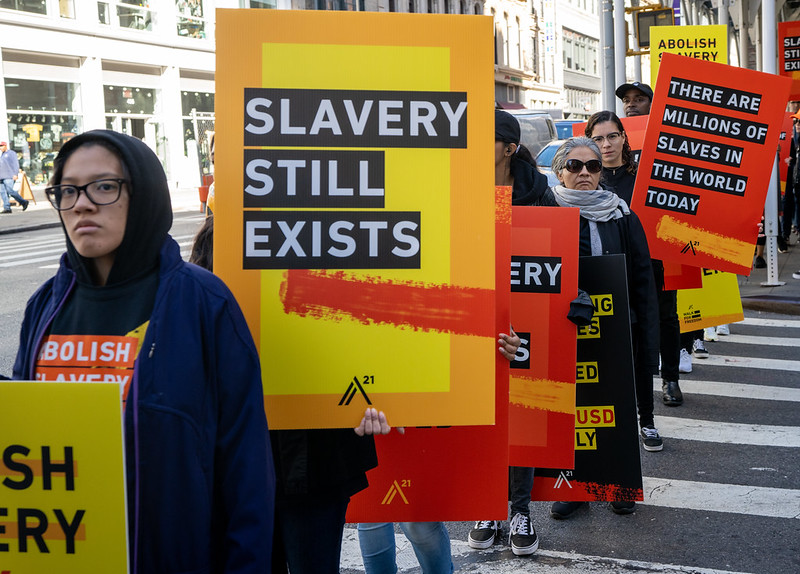
People seeking asylum who arrive in the country often know no one. This isolation, coupled with fears of deportation to Rwanda, leads many to disappear, placing them in a highly vulnerable situation. Consequently, they face an increased risk of falling victim to crimes such as sexual exploitation and slavery.
Critical Response from Charities and Legal Advisors
Charities across the U.K. are actively opposing government actions, offering crucial information and ongoing support to people seeking asylum. Collectively, more than 250 charities have united to sign an open letter criticizing the government’s bill, arguing that it contravenes international obligations and diminishes the judiciary’s role in safeguarding human rights. Additionally, the letter criticizes the bill for neglecting the U.K.’s commitment to global responsibility for protecting those forced to seek refuge.
Refugee Action, one of the charities involved, actively supports refugees and those seeking asylum in the U.K. while also educating the public on the realities of being a refugee. This effort counters negative stereotypes often perpetuated by mainstream media. Through fundraising initiatives, the organization has secured more than £10 million for English language classes for refugees. Additionally, its advocacy includes the “Lift the Ban” campaign, which advocates outside Parliament for the right of asylum seekers to work, highlighting the challenge of surviving on just £6 a day.
Central England Law Centre
The Central England Law Centre provides free specialist legal advice to those most in need and utilizes legal processes to combat inequality. It expresses concern that the new law “would enable the Government to forcibly expel people seeking asylum—including children and survivors of trafficking and modern slavery—despite concerns they could be put at grave risk of harm and human rights abuses.” This is particularly troubling given that 41% of refugees are children, highlighting the law’s potential impact on vulnerable groups. As an independent and politically neutral entity, the Central England Law Centre ensures that all legal advice strives for clarity and justice, prioritizing the U.K.’s most vulnerable individuals.
The Broad Impact and Ongoing Support
People seeking asylum are now at greater risk than ever before. The overwhelming international support underscores the need to uphold the 1951 Refugee Convention to protect their rights. Regardless of the Rwanda policy, this situation underscores the peril faced by individuals forced to flee their homes and the controversy it stirs among those in power who are otherwise secure. Safety should not be debated; it is a fundamental right guaranteed by the 1951 Refugee Convention, which all signatories, including the U.K., are obligated to honor.
Looking Ahead
The U.K. government’s plan to deport asylum seekers to Rwanda has generated significant controversy and concern from international bodies, legal experts and the public. As the policy moves forward, its implications for the rights and safety of asylum seekers could remain a critical focus. Charities and legal organizations continue to advocate for the protection of vulnerable individuals, emphasizing the need to uphold international human rights commitments.
– Kathryn Dodd
Kathryn Dodd is based in the UK and focuses on Politics for The Borgen Project.
Photo: Flickr

 In North Korea, under the rule of Kim Jong-Un, the country stands as one of the world’s most repressive nations, where the government prioritizes collective interests over individual freedoms. Basic rights and freedoms are severely restricted, with citizens lacking access to what
  There are several reasons why people flee their home countries. War, persecution, climate disaster, hunger and extreme poverty all create circumstances that encourage people to seek out a better, more stable life. UNHCR noted
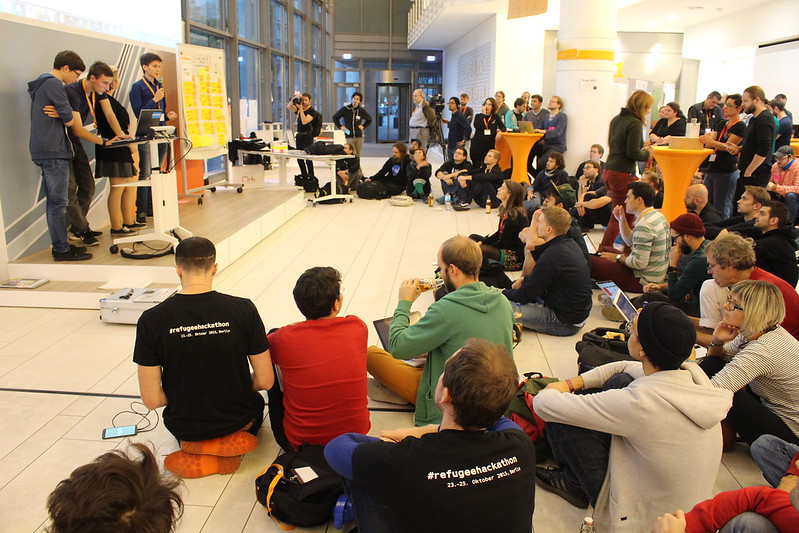
  Refugees who fled to Germany from mostly Syria, Afghanistan, Iraq, Albania, Pakistan, Nigeria, Kosovo, Eritrea and Iran, received a total of 25,952 Chromebooks, from 50 different grant organizations between 2015 and 2017. These grant organizations were supported through Project Reconnect which received funding from
  The Nationality and Borders Act became law in the United Kingdom
  On July 20, 2022, the U.S. pledged to
  In April 2022, the U.S. government began the