• Link to X
  • Link to Facebook
  • Link to Instagram
  • Link to TikTok
  • Link to Youtube
  • About
    • About Us
      • President
      • Board of Directors
      • Board of Advisors
      • Financials
      • Our Methodology
      • Success Tracker
      • Contact
  • Act Now
    • 30 Ways to Help
      • Email Congress
      • Call Congress
      • Volunteer
      • Courses & Certificates
      • Be a Donor
    • Internships
      • In-Office Internships
      • Remote Internships
    • Legislation
      • Politics 101
  • The Blog
  • The Podcast
  • Magazine
  • Donate
  • Click to open the search input field Click to open the search input field Search
  • Menu Menu

Tag Archive for: Refugees

Posts

Global Health, Global Poverty, Health

Expanding Health Care Access for Myanmar Refugees

Health Care Access for Myanmar Refugees Refugees from Myanmar face staggering levels of trauma, stress, and mental and physical health challenges, made worse by living conditions in refugee camps across Southeast Asia. The toll on health is especially severe, but telehealth offers hope by expanding health care access for Myanmar refugees.

The Crisis in Myanmar

Since 2017, nearly 1.5 million people have fled Myanmar amid the country’s humanitarian crisis, and 3.5 million are considered internally displaced. Most of these refugees are Rohingya Muslims from Rakhine State, who have lived without citizenship and faced persecution since 1962. Following the military coup in 2021, the military forced additional ethnic groups — including the Shan, Karen, and Kachin, among others —to flee their homes. Around 70% of the refugees are women and children. Many now live in overcrowded camps in neighboring Bangladesh.

The twin forces of violence and displacement have stripped Myanmar’s refugees of their homes, livelihoods, social support networks and health care, leaving them deeply impoverished. UNDP reported that as of 2024, nearly half the population in Myanmar lived below the poverty line, while 76% lived at or close to subsistence level, numbers which surged just in the three years since 2021.

As is common in conflict situations, access to health care is a luxury. This is due not only to cost and shortages of trained medical personnel, but also to the challenge of delivering proper care in temporary and scattered refugee camps.

In Cox’s Bazar refugee camp in Bangladesh, where most refugees have relocated, communicable and waterborne diseases run rampant, and mental health is severely impaired.

Telehealth as a Lifeline

Telehealth expands health care access for Myanmar refugees by connecting them with the care they need. The digital delivery of services simplifies the diagnosis, treatment, monitoring and follow-up for many physical and mental health conditions. Patients also do not have to travel as far — Cox’s Bazar is more than an hour by foot from the nearest health center, and clinics within the camp are understaffed and not always open 24 hours a day.

Within a few months of the military coup, the Ministry of Health of the National Unity Government launched its “Telekyanmar” initiative to provide telehealth services to people in Myanmar. The program’s telehealth clinics grew rapidly; by month three, almost all of Myanmar’s 330 townships had a telehealth clinic. As of May 2024, more than 71,000 people have registered with Telekyanmar, with over 178,000 consultations provided by both general practitioners and specialists.

The World Health Initiative, a U.S.-based nonprofit, also runs a program within Cox’s Bazar and at HOPE Field Hospital inside the camp since 2018. It provides a “specialized medical care that would otherwise not be available,”  drawing on the expertise of volunteer physicians across a range of clinical disciplines, as well as virtual care devices donated by Teladoc Health.

One such device, the wheeled and collapsible Teladoc Health Lite, includes a touchscreen interface, audio system, port panel and a storage compartment for peripherals like stethoscopes and privacy headsets — all enabling clear and seamless video and communication between doctor and patient. Even with subpar Internet connectivity, doctors from anywhere in the world can beam in from their own remote devices, according to the World Telehealth Initiative.

The Global Case for Telehealth

The benefits of telehealth cannot be overstated. Essential health care services remain out of reach for half of the world’s population because they are “inaccessible, unavailable, unaffordable or of poor quality.” Every year, millions die from conditions that would be entirely preventable in high-income countries.

The poor suffer the most from this lack of access to critical health care, and telehealth offers a way to address this by enhancing and simplifying access to specialty providers.

Telehealth brings numerous other benefits:

  • Lower costs for patients and health systems
  • Increased flexibility in scheduling and delivery
  • Elimination of geographic distance
  • Facilitation of mental health support
  • Promotion of health equity
  • Decreased transmission of infectious diseases

The Future

Despite the advantages, challenges remain. Telehealth requires reliable Internet access, appropriate devices, and training for patients on device use and for providers on how to deliver care effectively. Language differences and cultural barriers can also complicate care delivery, and privacy worries are a reality for displaced persons who have not had the best relationship with authorities.

However, these obstacles are not insurmountable, given the ongoing, demonstrable improvements in the technology. Telehealth represents a promising approach with significant potential to expand health care access, improve health outcomes and help chart a pathway out of poverty for one of the world’s most vulnerable populations.

– Amanda Sablan

Amanda is based in Kensington, MD, USA and focuses on Technology and Global Health for The Borgen Project.

Photo: Flickr

July 16, 2025
https://borgenproject.org/wp-content/uploads/borgen-project-logo.svg 0 0 Naida Jahic https://borgenproject.org/wp-content/uploads/borgen-project-logo.svg Naida Jahic2025-07-16 03:00:102025-07-15 13:37:16Expanding Health Care Access for Myanmar Refugees
Disability, Global Poverty, Refugees

The Connection Between Disability and Poverty in Chad

Disability and Poverty in ChadChad is the largest landlocked country in Africa, as well as being the fifth largest country on the continent. It gained independence from being a French colony in 1960, and post-independence faced conflicts, internal and external, resulting in an unstable nation. Chad boasts a rich history and some experts believe it is one of the original places where humans developed as a species. In the modern day, Chad has a population of around 21 million people and has become a place of refuge for disabled Sudanese people displaced by the Sudanese Civil War.  

Chad has seen a rise in refugees fleeing from the Sudanese Civil War, and notably, the population of disabled individuals has risen since the migration began. Here are some key facts about how the Sudanese Civil War affects disability and poverty in Chad.

Why They Flee

The most recent Sudanese Civil War began in 2023 as a result of conflict between two military forces within the country, forcing more than 15 million people from their homes. Between 10-15% of the Sudanese population is disabled due to the effects of living in a war zone and have common injuries and physical deficits such as amputated limbs, broken bones and severe burns that go on to affect the rest of people’s lives. Refugees from the war, particularly those with disabilities, have found themselves fleeing to the borders of Chad to escape the violence. Living in Chad allows some to find care for their impairments, whether these impairments be new onset or pre-existing.

The Marginalization of People With Disabilities  

As is the case in other countries around the world, disabled people living in Chad find themselves disempowered. In the social hierarchy of Chad, disabled people are often the lowest tier of society. This is due to long-held ideas of prejudice against those who are less able, which can eventually result in social isolation and exclusion. Disability and poverty in Chad are beacons for each other, each one making the other more possible.

The Increase in Refugees

Due to the Sudanese Civil War, around 1.1 million Sudanese people have fled their country to Chad. This has caused a population surge in the already severe living conditions, resulting in a stark lack of shelter, clean water and access to medical assistance. Health care is often a distance from refugee camps, and people with specific disabilities can find themselves without a mode of transportation to get treatment. This discrepancy often emphasizes the difficulties that people with disabilities in poverty face in Chad.

Disability and Poverty in Chad

With disabled people in Chad often facing issues of transportation to places such as health care facilities and job opportunities, the difficulties of escaping poverty increases. If people cannot travel to a health care clinic, then they cannot receive treatment for their disabilities and, in turn, are unable to work. Another factor influencing the difficulty in finding work for disabled people in Chad is discrimination. People with disabilities are much less likely to be hired and lose out on opportunities to make money and help them improve their financial status.

Key Takeaways

While the poverty levels in Chad are increasing due to refugees from the Sudanese Civil War, countless organizations are working to assist the people living there. These organizations work to bring awareness to the issues that Chadians face, as well as to bring relief to them directly. Disabled refugees fleeing the Sudanese Civil War receive more opportunities in Chad than in Sudan. This does not imply a perfect standard of living, but it does imply an improved one. One organization that is key in the fight against disability and poverty in Chad is UNICEF. UNICEF offers key aid to Chadian and Sudanese youth by improving living conditions, supplying clean water and adding mental health support to refugee camps. Its work centers around bringing aid to Chadians and Sudanese refugees as they fight for the return to normalcy.

– Zoe Felder

Zoe is based in Charlotte, NC, USA and focuses on Global Health for The Borgen Project.

Photo: Unsplash

July 7, 2025
https://borgenproject.org/wp-content/uploads/borgen-project-logo.svg 0 0 Jennifer Philipp https://borgenproject.org/wp-content/uploads/borgen-project-logo.svg Jennifer Philipp2025-07-07 03:00:372025-07-07 01:50:04The Connection Between Disability and Poverty in Chad
Global Poverty, Refugees, Refugees and Displaced Persons

Refugee Week 2025: Top 10 Events

Refugee Week 2025: Top 10 eventsJune 16-22, 2025, was Refugee Week, a seven-day festival of exhibitions, talks and events honouring the growing community of those who have been forcibly displaced by conflict, persecution and human rights violations. Taking place in June each year to coincide with June 20, World Refugee Day, the theme for 2025 was ‘Community as a Superpower’, highlighting the importance of banding together to show simple acts of kindness to those who have had to flee their homes. 

Top 10 Events

Below is a list of the top 10 events that took place during Refugee Week in the United Kingdom (U.K.) across schools, community centers and online.

  1. Serving up Sisterhood Recipe Book. Women for Women International (WfWI), an organisation set up following the Bosnian War where bad actors used rape as a weapon of war against an estimated 50,000 women, has released Serving up Sisterhood, a free, online recipe book. The e-book features 15 traditional recipes from women from 10 countries, including Afghanistan, Kosovo and Nigeria and hopes to evoke flavors of home and foster a sense of community among displaced women and women in poverty.  
  2. Big Leaf Foundation’s Refugee Week (Surrey). Big Leaf Foundation, a Surrey-based organisation working to improve the wellbeing of young displaced people, hosted a series of events this Refugee Week, including an Open Mic night featuring rap, poetry and storytelling; a Sports for Connection football tournament; and Welcome to Our Table, a theatre performance incorporating elements of spoken word, shadow puppetry, live music and food.
  3. The Refugee Week 2025 Film Program. Counterpoints Arts and Other Cinemas joined forces to come up with a film program for the week, which includes two feature-length films (from Gaza and Afghanistan) and five shorts (from Vietnam, Jamaica, Nigeria, Iran and El Salvador). Furthermore, all of the films are free and globally accessible and explore personal experiences of those who have fled their homes. 
  4. ‘Photos of Edinburgh by New Scots’ Exhibition. A new exhibition at St Mary’s Cathedral in Edinburgh depicts the city through the eyes of refugees and migrants who are new to the Scottish capital. Having all taken part in English classes at the cathedral, the photographers display their new home as they see it, providing a new outlook on the city. The exhibition ran through June 30, 2025.
  5. Community Clean-Up. Yorkshire VOICES Network hosted a Community Clean-Up in Leeds, empowering refugees to become more active members of their community. The event also had the aim of raising awareness of the need to protect the environment, strengthening community bonds and providing a platform for refugees to speak up about their neighbourhoods.
  6. ‘Pigments of Prose’ exhibition. Curated in partnership with Portsmouth Libraries and Archives, Portsmouth Central Library has organised an exhibition running until Oct. 1, 2025. Drawing upon themes of migration, resilience and cultural identity, this diverse exhibition of poetry, visual art and lived experiences of migration invites those who visit to reflect on their notions of expression and community.
  7. ‘A Place at the Table’ Exhibition. In the run-up to Refugee Week, Mercer Art Gallery held a series of workshops for Afghan women who now live in Harrogate. Seated around a large table, the women spent six weeks crafting a tablecloth whilst sharing their personal stories, uniting them while they created a unique piece of art. The tablecloth was on display at the museum during Refugee Week.
  8. Self-Advocacy Workshop. The Leeds Refugee Forum set up this workshop, which was open to all, with the aim of teaching those who have been displaced how to speak up for themselves and communicate their needs. There were also members of staff to answer questions that those attending had about advocating for themselves.
  9. Refugee Education Conference. The University of Winchester led a conference uniting refugees and those who work to support them. With exhibitions, presentations and workshops, as well as networking amongst local charity members, the event promoted an increased understanding of education, particularly how to support young refugees succeed in the education system.
  10. ‘To Own Nothing and the Whole World’ Exhibition. Artists Henna Asikainen and Roua Horanieh put together this exhibition on home and belonging at Baltic Centre for Contemporary Art, which will show until July 6, 2025. Featuring foraged materials from the local area, the art focuses on the links between migration and the environment, specifically the interconnectedness of people, plants and places. 

Looking Ahead

Refugee Week highlights the experiences of forcibly displaced people and includes events that recognize the cultures and resilience of refugee communities. According to the United Nations Refugee Agency (UNHCR), one in every 67 people worldwide has been forced to flee their home and children make up 40% of all refugees. However, efforts like donating to refugee-focused charities, volunteering with local organizations or helping to foster a welcoming environment can spell a more positive future for refugee communities.

– Elsa Tarring

Elsa is based in London, UK and focuses on Good News and Global Health for The Borgen Project.

Photo: Flickr

July 6, 2025
https://borgenproject.org/wp-content/uploads/borgen-project-logo.svg 0 0 Precious Sheidu https://borgenproject.org/wp-content/uploads/borgen-project-logo.svg Precious Sheidu2025-07-06 07:30:312025-07-06 01:49:37Refugee Week 2025: Top 10 Events
Global Poverty, Refugees

Refugee Policy and Humanitarian Leadership in Rwanda

Humanitarian Leadership in RwandaSince the 1994 genocide, Rwanda has emerged as a notable regional actor in diplomacy, peacekeeping and humanitarian policy. Despite its small size and complex history, the country has made significant contributions to refugee protection, development and regional security efforts. Rwanda’s policies on refugee rights, legal integration and service provision have earned international recognition while contributing to its broader diplomatic strategy.

Refugee Support and Integration Policies

Rwanda hosts approximately 120,000 refugees, primarily from the Democratic Republic of the Congo (DRC) and Burundi. The majority live in refugee camps such as Mahama, Kigeme and Kiziba, while others reside in urban areas like Kigali. Mahama, the largest camp, is home to tens of thousands of Burundian refugees, while Congolese communities are more concentrated in Kigeme and Kiziba.

Refugees in urban settings have access to employment and local services under Rwanda’s integration policy. Through a community-based health insurance scheme, many can access national health care, despite policies promoting self-reliance, practical challenges persist, including limited job opportunities and resource constraints. Refugees also face restrictions on political participation, and reports of pressure to return to their home countries have raised concerns among human rights organizations.

Legal Framework and International Collaboration

Rwanda is a signatory to the 1951 Refugee Convention, its 1967 Protocol and the 1969 Organization of African Unity (OAU) Refugee Convention. These commitments are reflected in Rwanda’s domestic laws, including Law No. 13 ter/2014, which outlines the rights of refugees and asylum seekers. Article 18 of this law ensures that refugees enjoy liberties protected by international legal instruments.

The Ministry of Emergency Management (MINEMA) oversees refugee affairs and coordinates with organizations such as the United Nations High Commissioner for Refugees (UNHCR) to implement resettlement programs and service delivery. The country’s asylum system includes national birth registration for refugees, reducing the risk of statelessness and supporting long-term integration.

Peacekeeping and Regional Influence

Rwanda has actively participated in peacekeeping operations with the African Union (AU) and United Nations (U.N.), including contributions to missions in the Central African Republic. These efforts have strengthened Rwanda’s international standing and regional influence.

At the same time, Rwanda’s involvement in neighboring conflicts has drawn scrutiny. Accusations of supporting rebel groups in the eastern DRC have sparked regional and international debate. While the Rwandan government maintains that its actions aim to protect national and regional security, organizations such as Human Rights Watch and AP News have reported ongoing tensions and concerns about the country’s role in exacerbating conflict dynamics.

Challenges to Refugee Protection

While Rwanda has been widely praised for its refugee policy framework, gaps remain. Some refugees have reported limited avenues for political expression, restricted civil liberties or difficulties accessing sustainable employment. Humanitarian organizations have raised concerns about forced or pressured returns, which would violate international protection standards. Despite these concerns, Rwanda’s refugee services continue to receive support from UNHCR and various nongovernmental organizations (NGOs), particularly in camp settings where food, shelter and basic services are more reliably delivered.

Future of Humanitarian Leadership in Rwanda

Rwanda’s approach to refugee protection combines legal commitment with regional engagement. The country has made important strides in integrating refugees into its public systems, while also contributing to peacekeeping and humanitarian diplomacy in Africa. Continued international collaboration, policy refinement and monitoring could address existing gaps and uphold refugee rights. By maintaining its focus on integration, service access and legal protections, Rwanda has the potential to build on its progress and serve as a regional model for humanitarian leadership in displacement contexts.

– Olivia Fanders

Olivia is based in Weehawken, NJ, USA and focuses on Politics for The Borgen Project.

Photo: Flickr

June 25, 2025
https://borgenproject.org/wp-content/uploads/borgen-project-logo.svg 0 0 Precious Sheidu https://borgenproject.org/wp-content/uploads/borgen-project-logo.svg Precious Sheidu2025-06-25 01:30:582025-06-24 13:44:37Refugee Policy and Humanitarian Leadership in Rwanda
Education, Global Poverty

How UNICEF’s initiative is expanding education for Rohingya Girls

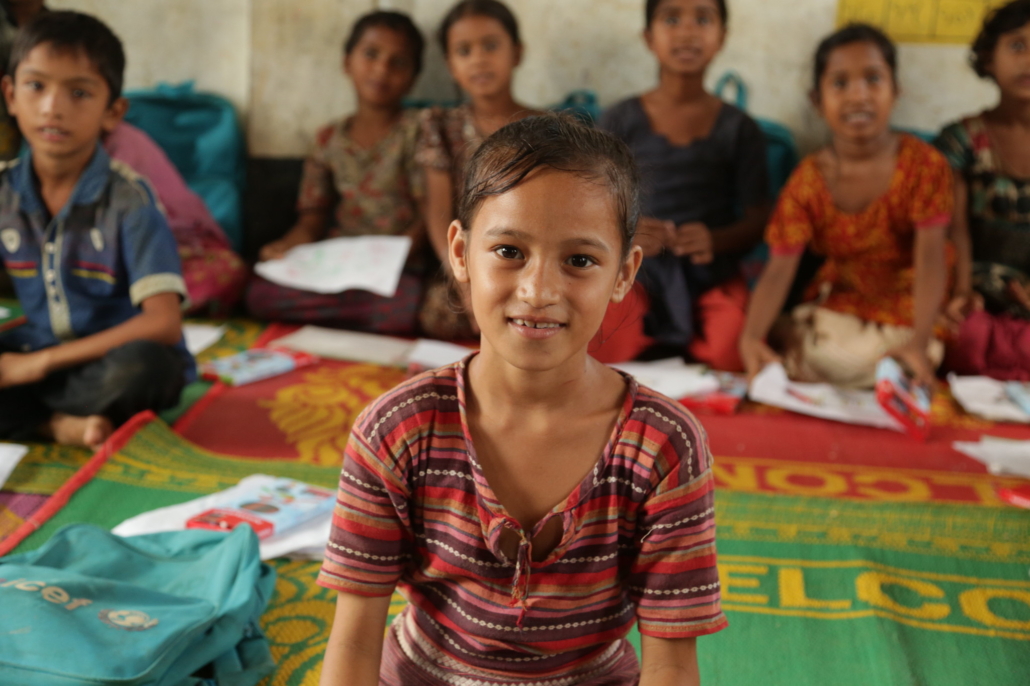
education for Rohingya GirlsWith more than half of the Rohingya refugees being children, the issue of education becomes an important matter, especially for girls. The widespread cultural and religious norms that prioritize domestic responsibilities for girls over education and the perception that sharing classrooms with boys is inappropriate, contribute to many girls dropping out as they grow older. The Rohingya Refugee Response reports that 24% of teenage girls are not in school due to family restrictions, while 12% are not in school due to early marriages.

UNICEF’s Education Initiative

To address these challenges, UNICEF’s education initiative, in collaboration with 45 partner organizations, has played a successful role in expanding education for Rohingya girls. With support from NGOs such as the Global Partnership for Education, which contributed $11 million just in 2023, the initiative established more than 3,500 learning centres. Today, 80% of children aged 6-11 are part of learning centres with a high attendance rate of 83% and a similar proportion between boys and girls.

Still, enrollment rates decline as girls grow older. As a response, UNICEF began implementing girls-only classrooms in 2022 and increased the number of female volunteers from 71 to 305. These changes were made in recognition of cultural sensitivities, where many families believe girls should not study alongside boys or the fear that girls may be harassed outside the home. As a result, more female teachers, volunteers, and girls-only classrooms helped reassure and encourage parents to keep their daughters in school, increasing the number of girls in secondary education from 17% to 24% over the past two years.

Despite progress, the initiative has recently been facing challenges due to a funding crisis. Some learning centres had to close while others struggled with limited learning materials and a lack of qualified teachers, especially at the secondary level. The 50,000 estimated new arrivals in the camp and another 50,000 refugees waiting for registration further exacerbate this issue, according to the Rohingya Refugee Response.

The 2025-26 Joint Response Plan

To mitigate such challenges, the 2025-26 Joint Response plan, launched on March 24, calls for $71.5 million. Part of this will come from the 2025 Complementary Development Fund to maintain and establish learning facilities.

Another key component of the plan is its aim for a more inclusive education for children aged 3-18. This includes the launch of Early Childhood Development, Accelerated Learning Programmes for over-aged learners, and flexible learning arrangements for disabled children. It also reiterates efforts to continue to encourage girls’ enrollment and attendance by establishing more female-only classes and increasing the recruitment of female teachers.

Notably, the plan states that the education will continue to follow the Myanmar curriculum delivered in Burmese, the Myanmar language. This not only helps preserve cultural identity but also prepares children for eventual repatriation to Myanmar in the future.

The Future

Education for Rohingya girls is a right, a shield against child marriage and labour, and a step toward financial stability. Thanks to the help of volunteers, UNICEF’s education initiative and the support from its partner, thousands of Rohingya girls have gained access to education which opened doors to bigger opportunities. However, as funding falls short, international support is essential more than ever. Only through continued investment can we ensure that these girls will have the chance to learn, grow, and lead.

– Lucy Cho

Lucy is based in Edinburgh, Scotland and focuses on Good News and Politics for The Borgen Project.

Photo: Flickr

June 24, 2025
https://borgenproject.org/wp-content/uploads/borgen-project-logo.svg 0 0 Naida Jahic https://borgenproject.org/wp-content/uploads/borgen-project-logo.svg Naida Jahic2025-06-24 01:30:162025-06-23 10:11:56How UNICEF’s initiative is expanding education for Rohingya Girls
Food Security, Global Poverty, Refugees

Fighting Malnutrition in Refugee Camps With Microgreens

Malnutrition in Refugee CampsIn many parts of the world, malnutrition in refugee camps remains a persistent and deadly challenge. Refugee families often lack access to nutrient-rich foods due to limited agricultural space, inconsistent supply chains and poor infrastructure. Yet, a promising solution is emerging, one that requires minimal space, water or sunlight: microgreens.

The Power of Microgreens

Microgreens are tender, immature greens harvested just after sprouting, typically within seven to 21 days. Though small in size, they hold quite a bit of nutritional value. According to the Cleveland Clinic, microgreens are rich in vitamins C, E and K and beta-carotene and antioxidants that support heart health, reduce inflammation and may help fight chronic disease. Their concentrated nutrient content makes them an effective dietary supplement, especially in low-resource settings.

Since microgreens grow quickly and require minimal space, water and equipment, they are well-suited for refugee camps where access to fresh produce is limited. They can thrive in shallow trays with basic soil or growing mats, using only sunlight or low-energy lights. This makes them an efficient, low-cost solution for improving food security and nutrition in overcrowded and under-resourced environments.

Growing Health at Home

Families in refugee settlements across Lebanon and Jordan are improving their nutrition through small-scale gardening initiatives. Supported by the United Nations High Commissioner for Refugees (UNHCR) and local partners, refugees are adopting keyhole gardens. This includes circular raised beds that use compost and greywater to grow various vegetables in spaces of limit and restriction. These gardens are built using readily available, recycled materials, making them affordable and sustainable for displaced households.

UNHCR reports that such gardens help increase access to fresh produce and empower families to participate actively in food production. By cultivating vegetables at home, refugees can supplement their diets with fresh, nutritious ingredients while reducing reliance on food aid.

Growing Solutions Across Africa

Refugees are improving their food security and nutrition in parts of sub-Saharan Africa through sustainable gardening practices. In Kenya’s Kakuma refugee camp, programs like the permagarden initiative have trained residents to grow vegetables using climate-resilient techniques that conserve water and enhance soil health. These small plots can be built with locally available materials and thrive in limited space, making them ideal for approaching malnutrition in refugee camps.

According to Devex, participants in the permagarden program reported increased access to diverse vegetables and greater household nutrition. Beyond physical health, gardening has also helped reduce stress and build a sense of purpose among participants. However, as the Humanitarian Practice Network notes, efforts like these face challenges from environmental extremes, such as drought and flooding, which threaten the fragile resilience systems in Kakuma.

Organizations Making an Impact

The Lemon Tree Trust is transforming how displaced communities interact with their environments by promoting gardening as a tool for resilience, dignity and self-reliance. Working primarily across the Kurdistan Region of Iraq in fighting malnutrition in refugee camps, the organization helps residents reclaim unused spaces for growing food and flowers. Through initiatives like garden competitions, community garden spaces and the distribution of seeds and plants, the Lemon Tree Trust supports displaced families in creating green spaces that nourish both body and spirit. These gardens improve access to fresh produce and foster community cohesion, mental well-being and a sense of home in uncertain settings.

Mercy Corps is also taking bold steps to support refugee self-reliance by integrating food security initiatives like microgreen farming into broader economic and social development programs. Its approach goes beyond immediate relief, aiming to unlock the long-term potential of displaced individuals. For example, Mercy Corps has significantly invested in job training, agricultural innovation and women-led entrepreneurship. These efforts are helping refugees transition from reliance on aid to lead productive, independent lives. Through partnerships and strategic funding, the organization is scaling initiatives offering nutritional and economic benefits, enabling communities to thrive even in the most challenging environments.

A Path Toward Self-Reliance

Microgreens are not a complete solution to malnutrition in refugee camps, but they offer an affordable, fast-growing and scalable way to improve health outcomes. More importantly, they place the power of food production back into the hands of the people who need it most. As international aid agencies look for sustainable ways to enhance food security, microgreens represent a small but mighty innovation with the potential to transform lives.

– Vasara Mikulevicius

Vasara is based in West Bloomfield, MI, USA and focuses on Good News and Global Health for The Borgen Project.

Photo: Pexels

June 15, 2025
https://borgenproject.org/wp-content/uploads/borgen-project-logo.svg 0 0 Hemant Gupta https://borgenproject.org/wp-content/uploads/borgen-project-logo.svg Hemant Gupta2025-06-15 01:30:522025-06-15 01:16:19Fighting Malnutrition in Refugee Camps With Microgreens
Global Poverty, Migration, Refugees

Migrant Communities in Portugal: Gentrification and Deportation

Migrant Communities in PortugalGentrification in traditionally working-class neighborhoods in cities like Lisbon, Portugal, is increasing house prices. At the same time, the government’s recent plans to deport thousands of migrants are raising concerns. Together, these changes threaten multiethnic neighborhoods and immigrant identities across Portugal. However, many organizations are resisting this by empowering migrant communities in Portugal through a range of projects.

Deportation and the Rise of Populism

The recent rise in far-right populism and political strategy ahead of a general election has led to plans to deport 18,000 irregular migrants across Portugal. Luis Montenegro, leader of the center-right party Democratic Alliance and current Prime Minister, has faced criticism for announcing the deportation plans just before a snap election in May 2025 to gain voters. However, the Democratic Alliance didn’t win a majority. The head of the Socialist Party, Pedro Nuno Santos, resigned after winning the same number of seats as Chega, a relatively new far-right party rooted in anti-immigration rhetoric.

According to a Portuguese Migration and Home Affairs Office publication, attitudes toward immigrants among Portuguese people depend on their country of origin. Attitudes toward migrants from the Indian subcontinent, including countries such as India, Pakistan, Bangladesh and Nepal, are more negative. Moreover, 68% of the public believe Portugal’s immigration policies are too liberal. They also think that the presence of immigrants impacts their salaries, despite the country’s economic growth depending on sectors where most employees are migrants (such as agriculture and construction).

Gentrification and Touristification

Like many popular destinations, Portugal has become a victim of its success within the tourism industry. Lisbon had 5.6 million visitors in 2023 alone. Thanks to the rise of Airbnb, house prices are rapidly increasing while the availability of public housing is diminishing. In addition to touristification, digital nomads arriving in Portugal with higher salaries have contributed heavily to gentrification.

Although rent and house prices have risen by 120% in cities such as Lisbon, wage levels have remained stagnant. This means many people cannot afford to continue living in the neighborhoods where they grew up. Moreover, some of the neighborhoods most affected by gentrification are home to some of the most multicultural communities in Portugal, meaning that immigrants and working-class people are being pushed to the peripheries of their cities.

Organizations Empowering Migrant Communities

Despite the deportations of migrants and the cultural erosion of their neighborhoods, some grassroots organizations are stepping up. They support and empower migrant communities while resisting the effects of mass tourism, digital nomadism and far-right politics.

  1. The Lisbon Project. One of the most notable organizations empowering migrant communities in Portugal is the Lisbon Project. It is a nonprofit organization (NGO) founded in 2016 to strengthen migrant and refugee communities across Lisbon and make them feel a sense of belonging. The charity currently has 5,952 registered community members from 250 countries, with the top nationalities being Bangladesh, Nepal, India, Pakistan, Nigeria and Algeria.

    Focusing on integration and empowerment, the Lisbon Project operates across various domains, including community life, education, employability and social care. Some of its specific projects include the Benevolence Program, which provides free items such as furniture and home appliances to new arrivals). Others include the Portuguese Welcome Course and free Community Dinners, among many others. Despite currently only operating in Lisbon, the organization aims to expand into three hubs across Portugal by the end of 2030.

  2. Renovar a Mouraria Foundation. Renovar a Mouraria is another Lisbon-based NGO. However, it focuses its support on the multicultural Mouraria neighborhood, which has become a home to multiple immigrant and refugee communities in Lisbon. However, due to the neighborhood’s abandonment and marginalization, residents have been affected by drug trafficking, rising social tensions and gentrification.

    Working with various stakeholders, including the Lisbon City Council, Renovar a Mouraria has been coordinating community-strengthening services since 2008. These include integrated social support, migrant regularization, Portuguese language courses and vocational training. In addition to providing practical services, the NGO has fostered creativity and communication in the neighborhood. One example is Secondary Residence, a collaborative project where a group of residents produced a collective reflection. It was based on their interactions with local people and their experiences living in Mouraria.

  3. The Portuguese Refugee Council (CPR). Similarly, the CPR is empowering migrant communities in Portugal and addressing their marginalization by deconstructing myths about refugees. It is also providing designated spaces, including three Refugee Reception Centers.

    Operating since 1991, the CPR has supported 14,640 refugees and asylum seekers in Portugal through advocacy, legal support, international protection and training sessions. Moreover, the CPR runs multiple services and projects specifically supporting child refugees, such as the CPR daycare and the Shelter for Refugee Children.

Final Remarks

Multiculturalism and the rich history of working-class neighborhoods across Portuguese cities deserve celebration and preservation. Thanks to the amazing organizations empowering migrant communities in Portugal, resettled populations can continue to thrive and network, fostering creativity, cultural exchange and positive integration.

– Clodagh Dowson

Clodagh is based in Wiltshire, UK and focuses on Global Health and Politics for The Borgen Project.

Photo: Flickr

June 4, 2025
https://borgenproject.org/wp-content/uploads/borgen-project-logo.svg 0 0 Hemant Gupta https://borgenproject.org/wp-content/uploads/borgen-project-logo.svg Hemant Gupta2025-06-04 01:30:032025-06-04 00:29:18Migrant Communities in Portugal: Gentrification and Deportation
Global Poverty, Mental Health

Mental Health Support in Gaza: A Growing Humanitarian Priority

Mental Health Support in Gaza: A Growing Humanitarian PriorityAs the war in Gaza continues, about 2 million people have been displaced, many without access to essential services. While humanitarian organizations continue trying provide deliveries of food, clean drinking water and sanitation supplies, one critical need remains under-addressed: mental health support. A 2024 Lancet Psychiatry article reported that more than 50% of Gaza’s children showed signs of post-traumatic stress disorder (PTSD) even before the recent conflict. Prolonged exposure to trauma, displacement and instability has intensified mental health challenges across all age groups.

Mental Health in Gaza

During emergencies, mental health support often receives less attention than physical needs. However, psychological trauma, if left untreated, can have long-term consequences for individuals and communities. According to the United Nations Office for the Coordination of Humanitarian Affairs (OCHA), more than 495,000 children in Gaza are currently dealing with mental health issues. Without access to support, these issues may worsen and contribute to a cycle of poverty, as shown in a 2023 World Bank report that linked untreated mental health conditions to reduced economic opportunity in conflict zones.

Several barriers hinder access to care in Gaza. Health infrastructure has been severely damaged, psychiatric services are limited and stigma continues to discourage people from seeking help. Years of underinvestment and cultural misunderstanding have made it difficult for many to recognize mental health as a critical component of well-being.

The Gaza Community Mental Health Program

While organizations like WHO and Médecins Sans Frontières (MSF) have expanded mental health support, the Gaza Community Mental Health Programme (GCMHP) remains the only NGO in the region dedicated solely to mental health. Since 1990, GCMHP has provided community-based psychological services, working to break stigma and improve access.

The organization continues operating despite the destruction of several facilities. Its hotline offers free phone consultations, while field workers travel between camps to provide counseling. GCMHP has already delivered psychological first aid to more than 12,000 individuals affected by the conflict. Its teams report symptoms consistent with complex trauma, including emotional numbness, dissociation and social withdrawal. These conditions often worsen as people remain surrounded by reminders of their trauma in destroyed neighborhoods and overcrowded shelters.

What Success Looks Like

GCMHP’s impact becomes clear through individual stories. A case involved a six-year-old named Mohammad, who witnessed multiple bombings and suffered nightmares, anxiety and bedwetting. GCMHP diagnosed him with PTSD and designed a recovery plan involving drawing therapy and family sessions. Mohammad’s symptoms improved over time, reflecting the power of early intervention and consistent care. GCMHP continues helping survivors rebuild emotional stability, one patient at a time.

The Road Ahead for Mental Health Support in Gaza

Mental health recovery requires sustained commitment. Short-term interventions cannot fully address long-term psychological distress. Aid organizations aim to integrate mental health services into all levels of humanitarian response. GCMHP and UNRWA have both urged greater investment in mental health and psychosocial support (MHPSS) as part of emergency relief programs. Expanding access to these services not only reduces suffering but also supports long-term recovery and resilience. Ensuring mental health remains a central part of aid in Gaza could play a vital role in helping communities rebuild after conflict, both physically and emotionally.

– Collier Simpson

Collier is based in Savannah, GA, USA and focuses on Global Health for The Borgen Project.

Photo: Pexels

May 30, 2025
https://borgenproject.org/wp-content/uploads/borgen-project-logo.svg 0 0 Precious Sheidu https://borgenproject.org/wp-content/uploads/borgen-project-logo.svg Precious Sheidu2025-05-30 01:30:382025-05-29 11:04:05Mental Health Support in Gaza: A Growing Humanitarian Priority
Global Poverty, Health, Mental Health

Addressing Mental Health in Mauritania

Mental Health in MauritaniaMauritania is a country located in northwestern Africa and it severely lacks mental health care. The absence of basic necessities, ongoing economic instability and weak social support systems contribute to the development of mental health issues. Additionally, existing vulnerabilities such as discrimination and social stigma often intensify these struggles.

As of 2025, there is no publicly available data more recent than the 2004 joint study by Mauritania’s Ministry of Health and the World Health Organization (WHO). According to The New Humanitarian, the study found that approximately 34% of the country’s population had experienced a mental health issue. This encompasses a range of conditions including stress, depression and schizophrenia.

Poverty’s Effect on Mental Health

According to the United Nations Children’s Fund (UNICEF), as of 2022, one in four children lives in extreme poverty and 80% are exposed to some form of violence. This contributes to chronic stress and a heightened risk of mental health disorders.

Poverty remains one of the most significant barriers to both physical and mental health in Mauritania. According to the World Bank, rural areas bear the brunt of deprivation due to underdeveloped infrastructure and limited access to essential services. Many Mauritanians rely on informal or subsistence work, which offers little to no financial security, health insurance or protection against job loss.

This instability contributes to chronic stress, especially in households already dealing with illness, trauma or displacement. According to the World Bank, in these communities, even basic health services can be financially and geographically inaccessible, making mental health in Mauritana support a distant priority. The lack of income, combined with social stigma and institutional neglect, keeps many individuals trapped in a cycle where untreated mental health in Mauritania conditions both stem from and contribute to extreme poverty.

Having only one psychiatric hospital, the Nouakchott Centre for Specialised Medicine, with a limited number of beds, the population of Mauritania has very limited access to mental health care. According to Radio France Internationale (RFI), most patients only stay for a few days due to there being a limited number of beds and staff. The hospital only has 20 rooms, according to RFI.

Economic Toll of Untreated Mental Illnesses

The consequences of untreated mental illness in Mauritania extend far beyond individual suffering. They create a significant, long-term burden on the nation’s already fragile economy. Mental health disorders often limit a person’s ability to attend school, maintain employment or care for family members. In a country where 90.9% of Mauritania’s total employment is informal as of 2017, according to the Global Economy, any loss in productivity can have immediate and devastating effects on household income. This is especially damaging for families living at or below the poverty line, who lack savings, insurance or access to consistent medical care.

According to the National Institutes of Health (NIH), it is estimated that depression and anxiety cost the global economy more than $1 trillion each year in lost productivity. Individuals experiencing mental illness often drop out of school or are unable to secure jobs, reducing their lifelong earning potential. According to the United Nations Foundations, in many cases, caregiving responsibilities fall to women and girls, who may leave school or the workforce to support relatives, further entrenching gender and economic inequalities.

Long-Term Impact

According to a study conducted by the Tacoma-Pierce County Health Department in 2016, untreated mental illness can lead to higher health care costs in the long term, as conditions worsen and require more intensive interventions.

Untreated mental illnesses can also lead to social issues such as homelessness. The NIH reported that in 2021, more than 20% of people who experience homelessness also have a mental illness.

Expanding access to mental health care in Mauritania, training professionals locally and integrating psychological support into primary care could reduce long-term public spending while improving workforce participation and overall quality of life. According to the WHO, “every $1 invested in scaling up treatment for depression and anxiety leads to a return of $4 in improved health and productivity.”

Voices From Nouakchott

Despite limited staff, visitors and patients of the Nouakchott Centre for Specialised Medicine are satisfied with their visits. For example, in 2007, according to TNH, Dianaba Dia took her child to see a psychiatrist at the hospital for violent seizures.

“He was a doctor just like any other,” Dia told TNH. “What counts for me though is that since we saw him my daughter has got better.”

Additionally, the scarcity of mental health resources also profoundly affects individuals like Sidi Lemen after a failed attempt to emigrate to the United States in 2025. According to RFI, this setback led to depression and subsequent substance abuse. He sought help from the Nouakchott Centre for Specialised Medicine. However, due to limited resources, he was only admitted for a few days, highlighting the pressing need for expanded mental health services in Mauritania.

“We need to increase the number of beds,” Dr. Mohamed Lemine Abeidi told RFI. “Lots of patients travel long distances to come here, and there’s no other psychiatric care infrastructure.”

Mauritania faces significant challenges in providing mental health care not only because of the limited number of beds, but also due to a scarcity of trained professionals. According to France 24, all of the country’s psychiatrists have received their training abroad, highlighting the absence of local educational programs in this field.

Hope for Health Care

Mauritania’s mental health crisis is deeply intertwined with poverty. However, recent initiatives offer a glimmer of hope. The World Bank has launched a national program aimed at improving health services for approximately 2.5 million people, focusing on women, children and adolescents in underserved communities. This program aims to improve primary health care and increase access to mental health services.

Additionally, the United Nations High Commissioner for Refugees (UNHCR) is working closely with the Mauritanian government to integrate refugees into national healthcare systems, including mental health support. These collaborative efforts aim to build a more inclusive and resilient health infrastructure.

Despite these promising developments, significant challenges remain. According to Alima, the Mbera refugee camp is operating beyond its capacity, housing more than 116,000 refugees in a space designed for 80,000. This overcrowding exacerbates the strain on already limited mental health resources.

– Clarissa Dean

Clarissa is based in Bowling Green, KY, USA and focuses on Good News and Celebs for The Borgen Project.

Photo: Pexels

May 29, 2025
https://borgenproject.org/wp-content/uploads/borgen-project-logo.svg 0 0 Jennifer Philipp https://borgenproject.org/wp-content/uploads/borgen-project-logo.svg Jennifer Philipp2025-05-29 07:30:272025-05-29 02:52:35Addressing Mental Health in Mauritania
Global Poverty, Refugees, War

Nagorno-Karabakh: Post-War Recovery of Refugees

Nagorno-KarabakhNagorno-Karabakh is a small territory in the South Caucasus, between the regions of Armenia and Azerbaijan. These two states have contested this piece of land since the first war in the 1990s, with 30,000 casualties and significant displacements after Armenia took control of the territory. The conflict escalated in 2020 when Azerbaijan reclaimed a large part of Nagorno-Karabakh territory, along with the support of its ally, Turkey.

Russia moderated the ceasefire due to the shared ties with both nations; however, tension prevailed. In 2022, a blockade by Azerbaijani activists at the Lachin corridor prevented the free movement of food and essential goods. Both parties accused each other of posing threats, which was not confirmed. What remains clear is the consequent humanitarian crisis leading to an urgent post-war recovery of Nagorno-Karabakh refugees.

Blockade of Lachin Corridor

The Azerbaijani military operation led to the displacement of thousands of ethnic Armenians from their homes. The blockade in the Lachin corridor left the population facing a severe shortage of resources essential to survival, such as medical and food supplies. The Azerbaijani government has been criticized internationally due to its failure to ensure a safe passage for the population and human rights violations.

The International Committee for the Red Cross (ICRC) and Russian peacekeepers tried sending aid, which the Azerbaijani administration had blocked, alleging unauthorized objects among them.

Displacement and Daily Struggles

Thirteen-year-old Natalie Musayelian fled Nagorno-Karabakh with her family. On her way, she collected berries, stones and a branch, keeping all the items in a small box of chocolates and the key to her house. Currently, she lives in Armenia with her aunt and grandmother. She misses her home every day and cherishes these objects as memories and comfort after the loss. Her story is just one of many people who were displaced from their homes due to the conflict.

Many refugees from Nagorno-Karabakh have fled to the capital of Armenia, Yerevan and the region of Syunik. Armenia has already opened shelters and provided social aid for the displaced population. The U.N. launched a $97 million funding appeal to ease the burden on the volunteers and the Armenian host community. However, it anticipates further movement of people as they search for employment and long-term housing.

The Role of the US Foreign Aid

In 2023, the United States Agency for International Development (USAID) Administrator Samantha Power visited Armenia after a disproportionate number of displacements. She announced $11.5 million in U.S. humanitarian aid, providing essential supplies and psychosocial services. The collection of refugee testimonies enabled the criticism of the blockade. Furthermore, they reaffirmed the high level of concern for a post-war recovery of Nagorno-Karabakh refugees.

Furthermore, the U.N. World Food Program (WFP) hosted a two-day visit from USAID’s Bureau for Humanitarian Assistance (BHA) to assess support for refugee families. The delegation collaborated with local officials, social workers and even families, such as a grandmother in Kotayk struggling with her grandchildren’s care. USAID’s BHA provided a $1.13 million grant for emergency food assistance, which helped 30,000 refugees. Additionally, from February to September 2024, food cards and parcels were distributed to alleviate short-term needs, ensuring the families’ well-being.

– Sara Arias Saiz

Sara is based in Leipzig, Germany and focuses on Politics for The Borgen Project.

Photo: Flickr

May 22, 2025
https://borgenproject.org/wp-content/uploads/borgen-project-logo.svg 0 0 Hemant Gupta https://borgenproject.org/wp-content/uploads/borgen-project-logo.svg Hemant Gupta2025-05-22 07:30:472025-05-22 01:18:53Nagorno-Karabakh: Post-War Recovery of Refugees
Page 4 of 32«‹23456›»

Get Smarter

  • Global Poverty 101
  • Global Poverty… The Good News
  • Global Poverty & U.S. Jobs
  • Global Poverty and National Security
  • Innovative Solutions to Poverty
  • Global Poverty & Aid FAQ’s
Search Search

Take Action

  • Call Congress
  • Email Congress
  • Donate
  • 30 Ways to Help
  • Volunteer Ops
  • Internships
  • Courses & Certificates
  • The Podcast
Borgen Project

“The Borgen Project is an incredible nonprofit organization that is addressing poverty and hunger and working towards ending them.”

-The Huffington Post

Inside The Borgen Project

  • Contact
  • About
  • Financials
  • President
  • Board of Directors
  • Board of Advisors

International Links

  • UK Email Parliament
  • UK Donate
  • Canada Email Parliament

Get Smarter

  • Global Poverty 101
  • Global Poverty… The Good News
  • Global Poverty & U.S. Jobs
  • Global Poverty and National Security
  • Innovative Solutions to Poverty
  • Global Poverty & Aid FAQ’s

Ways to Help

  • Call Congress
  • Email Congress
  • Donate
  • 30 Ways to Help
  • Volunteer Ops
  • Internships
  • Courses & Certificates
  • The Podcast
Scroll to top Scroll to top Scroll to top