• Link to X
  • Link to Facebook
  • Link to Instagram
  • Link to TikTok
  • Link to Youtube
  • About
    • About Us
      • President
      • Board of Directors
      • Board of Advisors
      • Financials
      • Our Methodology
      • Success Tracker
      • Contact
  • Act Now
    • 30 Ways to Help
      • Email Congress
      • Call Congress
      • Volunteer
      • Courses & Certificates
      • Be a Donor
    • Internships
      • In-Office Internships
      • Remote Internships
    • Legislation
      • Politics 101
  • The Blog
  • The Podcast
  • Magazine
  • Donate
  • Click to open the search input field Click to open the search input field Search
  • Menu Menu

Tag Archive for: Refugees

Posts

Global Poverty, Migration, Refugees

Action Emploi Réfugiés Addressing Immigrant Poverty

Action Emploi RéfugiésFrance is one of the economic and cultural powerhouses of Europe and the Western world. Thanks to a rich culture built on the core values of liberty, equality and fraternity, France has become an increasingly popular destination for foreigners, with at least 7 million immigrants living in France as of 2023.

In France’s lively capital, Paris, the immigrant population is especially dense, as one out of every seven inhabitants is an immigrant. However, life in the city of light is not as glamorous as it may first appear, especially for immigrants. As they attempt to integrate themselves into French society, they are often victims of discrimination based on their racial background, religion and stereotypes.

This treatment can lead to numerous financial problems as immigrants struggle in the professional setting and housing market as a result of these discriminatory behaviors. Furthermore, they can be left exposed, forced to accept exploitative, off-the-books work or live in unsanitary living situations as pests and water leaks dominate low-income housing areas.

Many organizations and initiatives have been created to target immigrant poverty in response to these issues. Among these, two prominent organizations in immigrant advocacy are the French Refugee Council (FRC) and the Action Emploi Réfugiés. These organizations are focused on helping refugees, a highly vulnerable immigrant population, find a foothold in French society through stable employment opportunities.

The French Refugee Council

Founded in 2013, the FRC is an independent, nonprofit organization specializing in providing tangible support to asylum-seekers across France. Indeed, with 480 total volunteers across mainland France, the FRC works to ensure that refugees live fulfilling, dignified lives. The organization empowers these vulnerable groups by fostering solidarity and mutual respect between refugees and natives in their communities.

The FRC works to ease the difficult process of integration while giving refugees a stronger and more influential voice in their communities by operating through five key pillars:

  • Employment opportunities
  • Access to education 
  • Legal support
  • Economic support
  • Community links

As the FRC provides this vital support, asylum-seekers can rebuild their lives and integrate into French society without falling into poverty.

Action Emploi Réfugiés

Founded in 2015 by Diane Binder and Kavita Brahmbhatt in response to the lack of aid given to refugees across Europe, the Action Emploi Réfugiés has many of the same values as the FRC. It works to end immigrant poverty by helping refugees integrate and rebuild their lives with dignity. However, the Action Emploi Réfugiés focuses solely on the employment frontier.

The organization primarily operates through two accompaniment programs, SOCLE and AVEC, which provide refugees with personalized support throughout the job search process. Assistance is tailored to each individual’s qualifications and language skills. These initiatives aim to provide refugees with the skills required to be successful professionally. The organization supports between 350 and 450 people each year and coordinates more than 700 jobs yearly.

Conclusion

Although immigrant poverty remains prevalent in France, especially for refugees, the FRS and the Action Emploi Réfugiés are at the forefront of social change as they provide dignified aid for refugees hoping to live the French life.

– Jack Schuchard

Jack is based in Herndon, VA, USA and focuses on Global Health and Politics for The Borgen Project.

Photo: Wikimedia Commons

August 20, 2025
https://borgenproject.org/wp-content/uploads/borgen-project-logo.svg 0 0 Hemant Gupta https://borgenproject.org/wp-content/uploads/borgen-project-logo.svg Hemant Gupta2025-08-20 01:30:312025-08-19 13:10:34Action Emploi Réfugiés Addressing Immigrant Poverty
Global Poverty, Nonprofit Organizations and NGOs, Refugees and Displaced Persons

How NGOs Are Saving Refugee Education in Lebanon

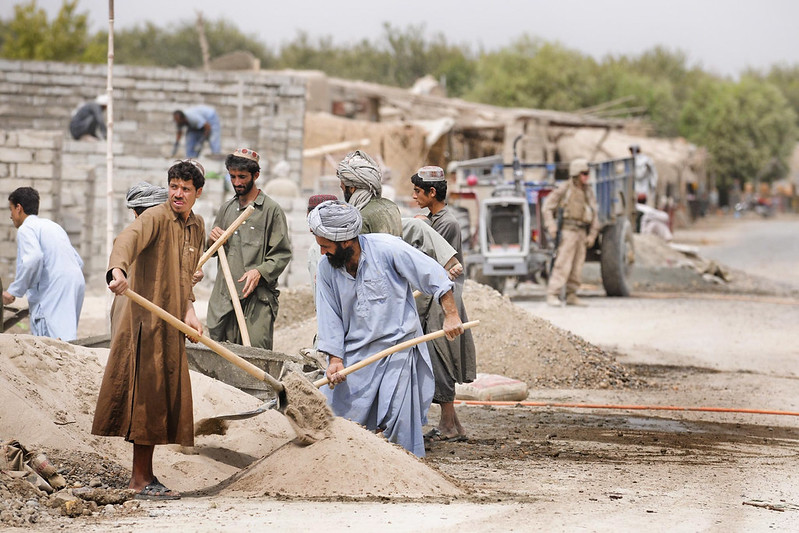
How NGOs Are Saving Refugee Education in Lebanon Amid a deepening economic crisis, on-the-ground nongovernmental organizations (NGOs) are leading a shift in refugee education in Lebanon. With nearly half of school-aged Syrian refugee children in Lebanon out of school and Palestinian refugees facing decades of underfunded educational infrastructure, organizations such as Basmeh & Zeitooneh, Save the Children and International Network for Aid Relief and Assistance (INARA) are working to expand access to education.

A Struggling System

Lebanon hosts one of the highest refugee per‐capita ratios in the world, with nearly 1.5 million Syrians and hundreds of thousands of Palestinians. Public schools remain overwhelmed and under-resourced. The “second shift” program designed for Syrian refugees has repeatedly suffered denial of access due to arbitrary closures, delayed enrollment and restrictive local policies. Host-country mandates like certifying prior education or having official residency documents block thousands from enrolling. In 2021, only about 40% of school-age Syrian refugees in Lebanon were in formal education, while nearly 200,000 had never attended school.

Grassroots Innovation: What NGOs Are Doing

By addressing the trauma and lived experiences of displaced children, NGOs are revolutionizing refugee education in Lebanon. Basmeh & Zeitooneh run community centers and offer nonformal education and psychological support for refugee children. Through holistic education, the organization combats child labour and early marriage. Save the Children reports that Lebanon hosts more than 660,000 school‑age Syrian refugees, with at least half out of school, launching a hybrid learning program by distributing tablets, running virtual classrooms and providing mental health resources.

INARA has provided rapid-response medical and mental health support to displaced children in Lebanon, and occasionally offers informal educational services as part of holistic care. These NGOs ensure that academic progress is never separated from emotional well-being — a critical consideration for trauma-exposed youth. They also highlight how grassroots innovation is reshaping refugee education in Lebanon, especially for those left out of formal systems. The impact of NGOs in Lebanon is far-reaching, demonstrating what inclusive, community-led education programs can look like worldwide.

Looking Ahead

According to the United Nations High Commissioner for Refugees (UNHCR), refugee children who access education are more likely to avoid child labor, forced marriage and recruitment by armed groups. Hence, when refugee children are denied education, cycles of poverty and instability become entrenched, putting future generations at risk. But when they are given the tools to learn — through organizations that understand their specific needs — they have a chance not just to survive, but to thrive. Sustaining the progress so far will require continued support for grassroots solutions, collaboration with the Lebanese government to strengthen education policies and a shared commitment to protecting refugee education in Lebanon.

– Riddhi Sharma

Riddhi is based in Richmond, BC, Canada and focuses on Good News for The Borgen Project.

Photo: Flickr
August 18, 2025
https://borgenproject.org/wp-content/uploads/borgen-project-logo.svg 0 0 Precious Sheidu https://borgenproject.org/wp-content/uploads/borgen-project-logo.svg Precious Sheidu2025-08-18 01:30:202025-08-17 12:28:12How NGOs Are Saving Refugee Education in Lebanon
Global Poverty, Refugees

Forced Migration is Driving Poverty Among Russian Refugees

russian refugeesSince the beginning of Russia’s full-scale invasion of Ukraine in 2022, hundreds of thousands of Russian refugees have fled their country due to fear of repression, forced military conscription, and a rapidly shrinking civic space. While their reasons for leaving may differ — from political views to personal safety — one result remains the same: many are now facing poverty and instability in unfamiliar countries.

To better understand the human impact of this forced migration, The Borgen Project spoke with Ekaterina, a 20-year-old woman who left Russia with her sister in 2022. Her story reflects not only personal hardship but also a broader crisis affecting displaced people worldwide.

Life Before and the Urgency to Leave

Before the war escalated, Ekaterina lived a relatively stable life in Saint Petersburg, studying at a university and preparing for her future. However, as political pressure mounted, peaceful protesters were arrested, media outlets shut down, and fear spread quickly.

“People were being arrested for saying what they thought, and even peaceful protests became dangerous,” she told The Borgen Project. “We did not feel safe anymore.”

Faced with uncertainty, she and her sister decided to leave Russia in 2022. With no concrete plan and limited resources, they packed what they could and left their home behind.

Poverty in Disguise: Starting Over with Nothing

Although many Russian migrants are often perceived as educated or middle class, their relocation often pushes them into poverty. Most leave without stable income, savings, or access to local support systems. For Ekaterina and her sister, this meant relying on short-term housing with acquaintances and struggling to find legal work.

“We did not know how anything worked — the documents, the healthcare, even just how to rent an apartment,” she said. “Money was the biggest stress — we did not have savings and could not work right away.”

The sisters depended on public transportation and occasional food support. Emotional stress, legal uncertainty, and cultural barriers added to their hardship.

Gaps in Support for the Russian Refugees

One of the most pressing challenges for displaced Russian people is that many do not qualify for official refugee status, leaving them in a legal limbo. Yet despite these barriers, some organizations have stepped in to help.

For example, founded in 2022, Ark helps Russian political exiles and conscientious objectors by providing legal assistance, housing guidance, and relocation resources across Europe and North America. It also runs Telegram channels and support hotlines for Russian speakers seeking asylum or temporary protection.

In the U.S., organizations like Hebrew Immigrant Aid Society (HIAS) provide broader resettlement services for asylum seekers, including Russian migrants — but access can vary by location and case status.

Still, as Ekaterina noted, “We were lucky. A few volunteers helped us with paperwork and told us where to get food. But many others didn’t speak English and did not know where to go.”

Migration and Poverty: An Inseparable Link

Forced displacement — whether from war, authoritarianism, or repression — often leads to poverty, regardless of one’s previous economic standing. The loss of home, employment, and legal stability can create long-term economic hardship, even for those who were once secure.

Ekaterina’s story is not unique. Thousands of Russian refugees and refugees from other countries like her are now living in financial and emotional uncertainty. Their experiences reveal that poverty is often not a result of laziness or poor choices, but of circumstances beyond one’s control.

Supporting displaced people through legal aid, housing access, language support, and mental health care is essential not only for recovery, but also for breaking the long-term cycle of poverty.

As she put it, “We did not choose this easily. Most of us had jobs, education and plans. Now we are just trying to survive.”

– Polina Makarova

Polina is based in New York, NY, USA and focuses on Global Health and Politics for The Borgen Project.

Photo: Flickr
August 12, 2025
https://borgenproject.org/wp-content/uploads/borgen-project-logo.svg 0 0 Naida Jahic https://borgenproject.org/wp-content/uploads/borgen-project-logo.svg Naida Jahic2025-08-12 03:00:062025-08-11 10:48:54Forced Migration is Driving Poverty Among Russian Refugees
Global Poverty, Refugees and Displaced Persons, Women's Empowerment

Syrian Women in Jordan Redefining Advocacy

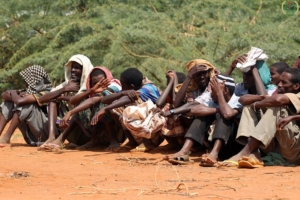
Syrian Women in JordanJordan’s Za’atari and Azraq refugee camps, which collectively host more than 650,000 Syrian refugees, have evolved beyond their initial purpose of providing emergency shelter. These camps have become hubs for female empowerment and grassroots activism, fostering a supportive environment for change. What began as basic shelters to protect those fleeing the devastating conflict in Syria has grown into vibrant spaces where women are actively redefining refugee resilience and showcasing strength.

Through the efforts of innovative community organizations and strategic partnerships with various nongovernmental organizations (NGOs), Syrian women in Jordan are addressing critical issues such as gender-based violence, gaps in education and economic exclusion. At the same time, they are challenging longstanding stereotypes about the capabilities and roles of refugees, demonstrating resilience, agency and the potential for positive transformation within refugee communities.

Building Women-Led Governance Structures

Leading this important movement within the camps is the Women’s Committee in Za’atari camp, a pioneering female-majority decision-making body that has been at the forefront of advocating for meaningful improvements across the entire camp community. Its initiatives include the installation of better lighting in key areas to enhance safety—significantly reducing risks of gender-based violence in the dark alleyways—and establishing comprehensive childcare centers that allow mothers to participate in work opportunities or training programmes, thereby promoting economic independence and empowerment.

These grassroots efforts are further bolstered and expanded through support from centres like the United Nations Women’s “Oasis” safe spaces, which actively operate in both Za’atari and Azraq camps. These centres serve 4,000 women monthly, offering a wide range of services such as cash-for-work opportunities, gender-based violence prevention workshops, leadership and skills training and psychosocial support. Additionally, the organization makes a concerted effort to involve men and boys in gender equality discussions, recognizing the importance of engaging the whole community in creating sustainable change and promoting gender equality at all levels. 

Economic Empowerment Through Skills and Solidarity

Economic initiatives have proven especially transformative for refugee women navigating the challenges posed by Jordan’s strict and often difficult work permit system. One prominent example is the Made in Za’atari Center, a facility funded by the United Nations High Commissioner for Refugees (UNHCR) that focuses on empowering women by training them in various marketable skills, such as food processing, handicraft production and other vocational trades. This program also generously provides free childcare services, which are a vital support system that enables women to participate actively in the workforce or skill development activities without the concern of unpaid caregiving responsibilities.

Similarly, the United Nations Children’s Fund’s (UNICEF) neonatal kit programme actively employs Syrian women in Jordan, engaging them in the assembly of essential baby supplies, such as diapers, clothing and health items. This initiative not only provides a reliable source of income for the women involved but also plays a crucial role in improving maternal health outcomes within the refugee camps. Collectively, these programmes illustrate how humanitarian aid can extend beyond mere short-term relief efforts, evolving into comprehensive approaches that foster sustainable livelihood opportunities, empower women and contribute to the long-term resilience of refugee communities.

Educating the Next Generation

Education has increasingly become a vital and symbolic arena in the ongoing struggle for women’s rights and empowerment across the globe. In particular, Syrian refugee women have taken on a significant role in this arena, exemplifying resilience and leadership.

They constitute more than 60% of UNICEF’s 413 education volunteers in Za’atari, serving not only as teachers but also as mentors who provide crucial support to young girls, encouraging them to stay in school despite numerous challenges. Their dedicated efforts are further bolstered by recent initiatives such as the expansion of kindergarten facilities within both refugee camps, which now offer educational spaces for nearly 4,000 preschool-aged children.

Advocates highlight this development as a critical step, emphasizing that quality early childhood education is a fundamental right and a necessary safeguard against child marriage and other harmful practices. Additionally, organizations like the Jordanian Women’s Union (JWU) have played a pivotal role in strengthening these initiatives by creating links between Syrian activists and Jordanian feminist networks. This collaboration fosters cross-community solidarity and reinforces shared commitments to gender equality, social justice and the protection of girls and women in these vulnerable settings.

Lighting the Way Forward

The achievements of Syrian women in Jordan’s refugee camps offer insights for humanitarian response worldwide. They have demonstrated that refugee women are not just vulnerable populations in need of aid but also capable leaders who can drive meaningful and lasting change when provided with the right resources, opportunities and platforms.

The women have shown resilience and innovation in overcoming numerous challenges, such as legal exclusion, funding instability and social barriers. Their efforts have laid the groundwork for more sustainable, community-led approaches to crisis response, including establishing governance structures, economic cooperatives and educational initiatives that empower others in their communities.

The lights installed by Za’atari’s Women’s Committee, which illuminate the camp each night, reflect their broader contribution: even in the darkest and most difficult circumstances, Syrian women in Jordan are finding ways to light the path forward and inspire hope for a brighter future.

– Emilia Bartle

Emilia is based in Watford, UK and focuses on Good News and Politics for The Borgen Project.

Photo: Flickr
August 11, 2025
https://borgenproject.org/wp-content/uploads/borgen-project-logo.svg 0 0 Precious Sheidu https://borgenproject.org/wp-content/uploads/borgen-project-logo.svg Precious Sheidu2025-08-11 03:00:062025-08-10 11:05:54Syrian Women in Jordan Redefining Advocacy
Economy, Global Poverty, Migration

Migration to Thailand: The New Land of Opportunity

Migration to ThailandThailand is a popular subject on the topic of migration. The Southeast Asian country is beloved for its tropical climate, scenic beauty and historical sites. However, its beauty is not the sole reason for increased migration to Thailand.

Migration is an umbrella term involving the movement of people from one place to another, whether temporarily or permanently. Immigration, a sub-branch of migration, refers to people moving to a new country and settling there either semi-permanently or permanently. Both migration and immigration have increased in Thailand in recent years. Here are three reasons why people migrate to Thailand.

3 Reasons Why People Migrate to Thailand

  1. Economic Opportunities: Thailand has a moderately stable economy which is favorable to workers in neighboring countries. According to the International Organization for Migration (IOM), Thailand’s “sectors such as fishing, agriculture, hospitality, domestic work and manufacturing are heavily reliant on migrant workers for manpower.” The majority of workers migrating to Thailand are from Cambodia, Lao People’s Democratic Republic and Myanmar seeking better opportunities and higher wages than their respective countries.
  2. Refugee Migration: According to the 2024 Migration Report from the United Nations Thailand, “Thailand hosts at least 5.3 million non-Thai nationals, marking an 8 per cent increase compared to nearly 4.9 million” in the previous report. This sharp increase is due in part to intensifying conflict in Myanmar. Since 2019, Myanmar migrant populations in Thailand have doubled to 1.8 million, with an estimated 150,000 living in refugee camps on the Thai-Myanmar border. In response, the National Screening Mechanism (NSM) launched in 2023 to assist migrants in applying for “protected person” legal status to prevent deportation.
  3. Reduced Cost of Living: Western Expats from Europe and the United States have identified Thailand as a popular residential destination to escape high costs of living. From health care to groceries to living expenses, Thailand offers around a 50% reduction in average cost. With the popularization of the “Digital Nomad Visa” and other offerings, immigrants are able to enjoy reduced cost of living and increased financial flexibility, while contributing to Thailand’s economy.

Impacts of Migration to Thailand

Migration has a profound effect on Thailand’s economy. According to a report from the International Labor Organization (ILO), immigrant workers contribute to virtually all sectors and are “associated with an improvement of labor market outcomes of the native-born population.” Because a large percentage of this population has employment, the report estimates that income per capita will rise significantly. Of course, migrants and low-income, rural Thai residents still face hardships.

In a 2022 report, the World Bank noted that Thailand made “remarkable progress in reducing poverty from 58% in 1990 to 6.8% in 2020.” However, as that progress has slowed, large gaps in wealth equality are revealed, leaving nearly 80% of the poor population in rural areas earning an income that is only 68% of their urban counterparts. This income inequality disproportionately affects the recent and ongoing influx of migrants who take on roles involving fishing and agriculture.

Additionally, there is research that suggests a link between migration to Thailand and public health. In a research paper that BMC Public Health published, migrants “may impact public health by transmitting communicable diseases to the local population.” This impact depends on the type of disease in question. Yet, while a rise in migration is associated with more cases of respiratory and other infectious illnesses, it is also linked to a decline in diseases that can be prevented through vaccination. While health care in Thailand is free to all, regardless of legal status, NGOs have been crucial for migrant groups to secure equal access to health care. According to interviews that Human Rights Watch conducted, the Mae Tao Clinic is a hotspot for Myanmar nationals that offers primary care services to undocumented migrants.

Looking Ahead

Overall, migration to Thailand offers valuable and significant benefits to the growth and development of the country, and in return, migrants enjoy the benefits of improved economic conditions, refugee support and a manageable cost of living. Thailand’s approach to migration is unique and serves as an example to the world of how opening one’s border can lead to unexpected positive outcomes that challenge conventional views on migration.

– Jamaya Newton

Jamaya is based in Somerset, NJ, USA and focuses on Politics for The Borgen Project.

Photo: Unsplash

August 6, 2025
https://borgenproject.org/wp-content/uploads/borgen-project-logo.svg 0 0 Jennifer Philipp https://borgenproject.org/wp-content/uploads/borgen-project-logo.svg Jennifer Philipp2025-08-06 07:30:362025-08-06 03:21:17Migration to Thailand: The New Land of Opportunity
elderly poverty, Global Poverty

Elderly Poverty in Chad

Elderly Poverty in ChadChad is a landlocked country located at the crossroads of North and Central Africa. An independent nation since 1960, Chad is home to approximately 19 million people, of whom more than one million live in its capital, N’Djamena.

Despite its size and important resources like oil, Chad remains one of the most impoverished countries in the world. Poverty stretches to every corner of the country. However, one of the most susceptible victims, older people, are often ignored. Here are some facts about what elderly poverty in Chad looks like and how foreign aid can help minimize it. 

Facts About Elderly Poverty in Chad

  1. Chad has one of the youngest populations in the world, with a life expectancy at birth of 59 years and a median age of 14-15 years. Older adults (65 and above) made up about 7.5% of the population in 1985 but now account for just 3%, making it the smallest age group in Chad. This change reflects the country’s high birth rates and lack of accessibility to food and medical care.
  2. Chad has one of the lowest rates of accessible health care in the world, with the elderly being some of the most susceptible to diseases. Only 31.4% of Chad’s population has regular access to medical care, including doctors, hospitals, treatments and vaccinations. According to the World Health Organization (WHO), as of October 2020, Chad had just 4.3 doctors and 23.2 nurses per 100,000 inhabitants, far below the recommended 23 doctors and 23 nurses per 10,000. Most of these health professionals are concentrated in urban areas, making health care largely inaccessible to rural populations, especially elderly individuals who often face the greatest barriers to medical access.
  3. Noncommunicable diseases, such as diabetes, remain the leading cause of death for older people in Chad. Other leading causes of death include malaria, lower respiratory illnesses like pneumonia and diarrhoeal diseases like cholera. Elderly patients with diabetes and chronic illnesses, along with children, are the most susceptible to diseases like malaria and pneumonia.
  4. With refugees coming in from neighboring countries like Sudan, Sierra Leone and the Democratic Republic of Congo, the conflicts in these regions have spilled over into Chad. This instability has made outside trade difficult, leading to a low supply and high demand for essential resources, including food and medical aid.
  5. Chad has the lowest access to clean water and sanitation in the world. Only 43% of the population has access to clean water and just 10% has access to basic sanitation services.
  6. Organizations such as the WHO, the World Food Programme (WFP) and other humanitarian actors are actively working to combat poverty in Chad. In mid‑2024, WFP delivered food, cash and nutrition assistance to approximately one million people across crisis-affected communities, including refugees and internally displaced Chadians. The 2023–24 Humanitarian Response Plan (HRP) for Chad sought approximately $921 million in funding and the Central Emergency Response Fund (CERF) allocated $15 million to address the most underfunded emergencies.

Conclusion

Elderly poverty in Chad remains a critical but often overlooked issue. Limited health care, food insecurity and poor sanitation leave older adults especially vulnerable. While humanitarian aid provides some relief, lasting change requires targeted support and stronger systems to protect Chad’s older population.

– Zoe Alatsas

Zoe is based in New York, NY, USA and focuses on Global Health and Politics for The Borgen Project.

Photo: Pickpik

August 5, 2025
https://borgenproject.org/wp-content/uploads/borgen-project-logo.svg 0 0 Hemant Gupta https://borgenproject.org/wp-content/uploads/borgen-project-logo.svg Hemant Gupta2025-08-05 07:30:002025-08-05 04:18:56Elderly Poverty in Chad
Global Poverty, Migration, Refugees

200,000 Invisible Lives: Migration to Malaysia

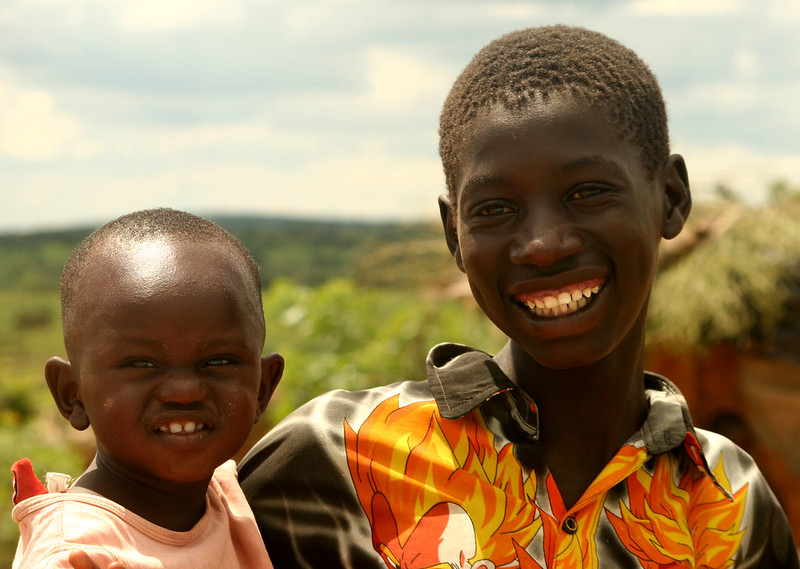
Migration to MalaysiaIn a cramped, poorly maintained home, a Rohingya mother of three avoids stepping outside – not out of fear of violence, but arrest. Despite fleeing persecution in Myanmar, she now lives without legal protection, access to health care or the right to work. Her story is not unique. For tens of thousands, migration to Malaysia represents a final hope, only to enter a cycle of legal invisibility and daily struggle.

Malaysia hosts one of the largest refugee populations in Southeast Asia. However, the lack of a formal legal framework for refugees leaves them deeply vulnerable to poverty, exploitation and systemic neglect.

Who Comes and Why?

As of May 2025, around 200,260 refugees and asylum-seekers are registered with the United Nations High Commissioner for Refugees (UNHCR) in Malaysia. More than 179,000 are from Myanmar, including 117,670 Rohingya, 29,620 Chin and 31,730 other ethnic minorities. They fled ethnic violence, forced displacement and persecution. Others come from more than 50 different countries, including Pakistan, Yemen, Somalia, Afghanistan, Sri Lanka, Palestine, Iraq and Syria.

As of 2025, men make up 64% of refugees and asylum-seekers, while women account for 36%. Alarmingly, more than 50,000 are children under the age of 18, many of whom have never stepped foot inside a formal school.

Migration to Malaysia is often undertaken in desperation. Neighboring countries often turn away refugees or deny long-term protection, and many see Malaysia as a stepping stone to resettlement. However, few are successfully resettled.

Legal Status and Daily Reality

One will find that daily life is arduous for refugees in Malaysia. The country has not signed the 1951 Refugee Convention or its 1967 Protocol. Malaysia does not legally recognize refugee status. Under the Immigration Act 1959/63, refugees and asylum-seekers are considered undocumented immigrants and are subject to arrest and deportation. The UNHCR issues refugee cards, but these offer no protection under Malaysian law. The consequences of this legal limbo are wide-reaching, affecting every aspect of daily life for those who experience migration to Malaysia. These include:

  • Work: Refugees are prohibited from working legally. Many work in informal sectors with long hours, poor conditions, low wages and no labor protection. Without labor rights, they face wage theft, exploitation and workplace abuse, with little to no recourse.
  • Education: Public schools in Malaysia do not accept refugee children. Community-based learning centers fill this gap. However, many of these centers are underfunded, overcrowded and unrecognized by the government.
  • Health Care: Refugees do not qualify for subsidized public health care. While some clinics treat UNHCR cardholders, the costs remain prohibitive for many. Many often delay treatment or avoid seeking care altogether due to financial constraints and fear of arrest.

Civil Society Response

In the absence of formal state protection, civil society and humanitarian organizations play a crucial role in supporting those migration to Malaysia affects. ElShaddai, which is based in Klang, provides education and health care to refugee families. In 2022, there were 18 ElShaddai learning centers located in Selangor, Kelantan, Pahang and Sabah serving 1,400 children from marginalized communities. Today, the organization operates more than 20 learning centers across Malaysia to provide preschool to diploma-level education.

Founded in 1991, Tenaganita is a Malaysian human rights organization that supports refugees through legal aid, psychosocial counseling and community empowerment. Its Refugee Action Program works with eight Burmese-led refugee groups to assist in wage negotiation, education access and protection from detention. During the COVID-19 pandemic, the organization coordinated relief efforts that reached more than 2,200 families in more than 100 locations across the Klang Valley.

The Malaysian Social Research Institute (MSRI) supports refugees through its food aid and social service programs, including education, psychological counseling and skills training. As of now, MSRI reported 1,400 families supported and 721 clients served.

A Potential Turning Point

In July 2025, Malaysia’s Home Ministry announced plans to launch a national refugee registration system. The initiative aims to improve data transparency and complement the work of the UNHCR. While the plan’s implementation details remain vague, it signals a possible shift toward greater state involvement and accountability in managing migration to Malaysia.

If effectively executed, the system could lead to better service provision, targeted aid distribution and a path toward formal recognition. However, without accompanying legal reforms, refugees will remain unprotected.

The Path Forward

Migration to Malaysia will continue as long as regional conflict and instability persist. Refugees contribute to Malaysian society – they work, raise families and engage in communities – yet outside of the legal framework.

Malaysia has the opportunity to lead in Southeast Asia by adopting a clear refugee policy. Recognizing refugee status, granting work rights and providing access to basic services are essential steps. A legal and humanitarian approach to migration can ensure that the thousands who seek safety in Malaysia are no longer invisible.

– Kai Xian Lim

Kai is based in Lille, France and focuses on Global Health and Politics for The Borgen Project.

Photo: Flickr
August 2, 2025
https://borgenproject.org/wp-content/uploads/borgen-project-logo.svg 0 0 Jennifer Philipp https://borgenproject.org/wp-content/uploads/borgen-project-logo.svg Jennifer Philipp2025-08-02 03:00:232025-08-01 14:04:09200,000 Invisible Lives: Migration to Malaysia
Global Poverty, Refugees, Women's Empowerment

Aboutengue Refugee Camp: Women Achieving Financial Freedom

Aboutengue Refugee CampA Sudanese refugee helps women achieve financial freedom in a camp in Chad. Fatima Zakaria works with women across Aboutengye to build a new independent life away from the conflict in Sudan.

Fatima Zakaria

In June 2023, Zakaria’s hometown of El Geneina in western Darfur was attacked and her life was altered forever. The 27-year-old social worker for the Ministry of Social Affairs had graduated from university and was looking forward to furthering her studies when war broke out in Sudan. She then fled the war-torn country and made the journey to a refugee camp.

She remarks on the journey, “We were scattered. My family fled in different directions and I got separated from my mother and some of my siblings.” When she was settled into the camp, she reconnected with her mother and siblings, but had lost her father, husband and three of her siblings. During her journey to safety, she was shot in the leg near the border. She has since made a full recovery.

Sudanese Civil War

The Sudanese Civil War has displaced 13 million people from their homes and made 3.8 million refugees since it began in 2023. The conflict broke out over a struggle for power between the Sudanese army and a paramilitary group, the Rapid Support Forces.

During the three years of fighting, the country has experienced a famine and claims of genocide in the western Darfur area. More than 150,000 people have died as a result of a conflict that the United Nations (U.N.) has called the world’s largest humanitarian crisis.

Aboutengue Refugee Camp

Since April 2023, Zakaria has been among the more than 800,000 refugees who have fled to safety in eastern Chad. According to the UNHCR, the U.N. Refugee Agency, the average number of people crossing the border has reached 1,400 daily.

Most refugees are women and girls arriving in Chad’s Wadi Fira and Ennedi Est provinces. Zakaria found safety in Aboutengye, one of five refugee camps in eastern Chad that now provides shelter to more than 50,000 people. Charities such as Médecins Sans Frontières/Doctors Without Borders (MSF) have worked to improve the facilities in such camps.

MSF has helped to build a faecal sludge treatment site, which soon became known as the “poop factory” among the residents. The project provides an innovative solution to treat and safely dispose of sludge from latrines; this process also works sustainably with the environment and involves growing safe-to-eat bananas.

Zakaria’s Work

Zakaria decided to rebuild her life in the camp and use her experience to support other women in the community. She worked with fellow refugees to form an association that joins different women’s groups in the camp. Activities such as making traditional incense and perfumes, basket weaving and handicrafts bring together women from several generations.

Zakaria speaks out on how many of these women have lost their husbands due to conflict and she “created [the association] to empower them on how to generate income in the camp.” She has since opened her small home to the association as a hub for weekly meetings where the women share ideas and experiences. The group discusses challenges they face in the camp and daily life. The haven provides a space for any woman in the settlement to talk through her problems and receive emotional support.

She wishes to continue her education to support her mother and sisters, who face a different life from the one they grew up with. She believes education is the answer to helping more people in her community.

Conclusion

Despite experiencing hardship, from the death of family members to being forced from her home, the Sudanese refugee helps women better their lives. She uses her skills and determination to improve her life, her family and the community of women that now call Aboutengue refugee camp home.

– Phoebe Guildford

Phoebe is based in Cardiff, Wales and focuses on Good News for The Borgen Project.

Photo: Pixabay

July 31, 2025
https://borgenproject.org/wp-content/uploads/borgen-project-logo.svg 0 0 Hemant Gupta https://borgenproject.org/wp-content/uploads/borgen-project-logo.svg Hemant Gupta2025-07-31 03:00:032025-07-31 01:50:00Aboutengue Refugee Camp: Women Achieving Financial Freedom
Global Poverty, Innovations, Technology

Building 3D-Printed Shelters for a Nation Ravaged by War

Building 3D-Printed SheltersSyria is enduring among the most complex crises of the 21st century. After 14 years of violence and destruction, innovative 3D-printing technologies are now emerging in the effort to rehome more than 13 million displaced Syrians.

A Nation in Ruins

In the wake of Assad’s brutal regime, Syrians have suffered untold trauma, death and the leveling of homes and public infrastructure during a devastating civil war. With an economy in ruin, around two-thirds of Syria’s 24 million civilians currently depend on humanitarian aid to survive.

Following more than a decade of conflict, nearly half of all Syrians are currently displaced or otherwise fragmented. About 6.8 million of them remain within Syrian borders and around the same amount are settling in neighboring countries like Turkey and Jordan or seeking refuge across Europe.

As Syria’s public services struggle to cope with the ongoing tensions, a rapidly changing climate is compounding food shortages due to drought-like weather conditions. As a result, nearly all Syrians live below the poverty line, making it extremely difficult for communities to rebuild their broken lives.

The Spectre of Assad’s Housing Crisis

In the process of destroying Syrian public infrastructure, Assad’s forces systematically targeted homes, schools, family businesses and hospitals within rebel-controlled areas. This process incurred a significant housing crisis that impacts many of the struggles the population faces daily.

A 2019 United Nations (U.N.) assessment mapped the true scale of the destruction through satellite imagery, finding that 140,000 buildings were destroyed or severely impacted by the attacks. Highly populated cities like Aleppo, Damascus and Homs have emerged as the most affected. With estimated damages totaling between $250 to $400 billion, it has become clear that the road to Syria’s long-term rehabilitation requires immediate and cost-effective solutions due to the damages left in the shadows of war.

As a result, Syria now faces the risk of entering a new era marked by property-based retaliation and social fragmentation. Without a well-coordinated housing policy to protect the population, this critical moment in the nation’s pursuit of long-term peace and security could be lost.

3D-Printed Shelters

In light of these growing challenges, 3D concrete printing is emerging as a promising solution for building more durable shelters in refugee camps. These structures offer longer lifespans and greater resilience against the harsh desert climate. By producing “layer-by-layer complex geometries” using cement with impressive speed and precision, building 3D-printed concrete shelters provides better safety from damage than previous structures. It enhances long-term stability and efficiency and improves thermal insulation and privacy for those most in need.

For instance, around 80,000 Syrian refugees are based in Zaatari and Azraq in neighboring Jordan. The current shelters can often cause serious health problems for occupants due to water leakage and air penetration and only have a two to four-year lifespan. With the introduction of 3D concrete printing techniques, these technologies are not only emerging as safer and more cost-effective, but the use of contour crafting is enabling the construction of larger-scale shelters that can last up to 30 years with far less waste.

Conclusion

At a time of great change, building 3D-printed shelters provides innovative ways of supporting Syrians displaced due to the conflict. With an economy ravaged by war and the mismanagement of public resources, these technologies could play a significant role in rebuilding Syrian infrastructure.

– Gabriel John Gunn

Gabriel is based in Paisley, Scotland and focuses on Technology and Solutions for The Borgen Project.

Photo: Flickr
July 25, 2025
https://borgenproject.org/wp-content/uploads/borgen-project-logo.svg 0 0 Hemant Gupta https://borgenproject.org/wp-content/uploads/borgen-project-logo.svg Hemant Gupta2025-07-25 07:30:142025-07-25 03:34:12Building 3D-Printed Shelters for a Nation Ravaged by War
Developing Countries, Global Poverty, Refugees, Refugees and Displaced Persons

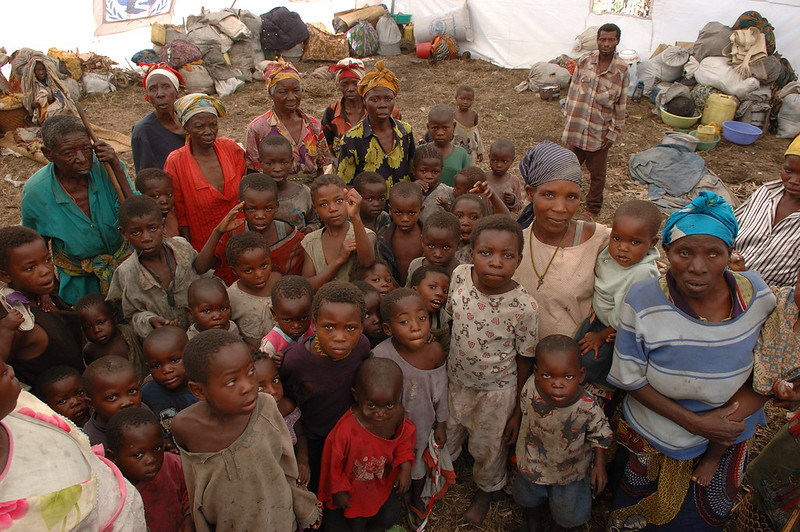
Empowering Refugees in Kenya Amid Poverty

Empowering Refugees in KenyaKenya has launched several groundbreaking initiatives to empower refugees in Kenya and reduce long-term poverty and dependency. As of 2025, according to the Operational Data Portal, the total number of refugees and asylum-seekers in Kenya is 854,876, with the majority coming from Somalia (54%).

According to the Hebrew Immigrant Aid Society, economic constraints, bureaucracy, little refugee engagement and little infrastructure hinder the improvement of empowering refugees in Kenya. However, despite struggles, initiatives have continued to progress.

Transforming Camps Into Municipalities

In March 2025, according to the Ministry of Interior and National Administration, President William Ruto unveiled the ambitious “Shirika Plan.” This signals a paradigm shift in empowering refugees in Kenya. Inspired by the Swahili word for “cooperation,” this 11-year initiative aims to integrate refugee camps into formal municipalities, notably Kakuma and Dadaab.

With more than 830,000 refugees across Kakuma, Dadaab and urban zones, the plan’s initiative marks a historic step toward sustainable, development-led inclusion. According to the Ministry of Interior and the National Administration, some of the key components include:

  • Ensuring refugees access national services such as education, health care and financial systems alongside Kenyans.
  • Issuing the Kenya Education Management Information System school registration and the Social Health Insurance Fund enrollment.
  • Streamlined service delivery under the Turkana and Garissa county administrations.
  • A projected budget of around $943 million, overseen by a multi-agency steering committee.

Microloans for Refugees and Hosts

In February of 2024, Equity Bank, with backing from the International Finance Corporation (IFC), launched a $20 million risk-sharing facility. According to Equity Group Holdings, this is aimed at expanding unsecured microloans to refugees and host-community entrepreneurs across 14 counties, all empowering refugees in Kenya. This marks the world’s first such dedicated facility for forcibly displaced individuals.

Some of the major highlights of the facility, according to Equity Group Holdings, include:

  • Covering 50% of the risk exposure.
  • Financial literacy and agribusiness capacity-building delivered via Equity Group Foundation.
  • Projecting 25 million new jobs to empower refugees in Kenya by 2030.

Equity Group CEO James Mwangi underlined the initiative’s goal of transforming lives, dignifying refugees and fostering wealth creation.

Scaling Refugee Entrepreneurship

Rwanda-founded social enterprise Inkomoko has played a transformative role in supporting refugee and host-community entrepreneurs in Kenya. According to the organization, its support model has:

  • Served more than 12,00 clients and deployed more than $6 million in capital.
  • Helped create more than 2,500 jobs.
  • Supports more than 4,000 entrepreneurs annually, delivering business advisory, training and low-interest loans.

Examples illustrate the real impact, such as tailor Adele Mubalama, who grew her Kakuma-based business to employ 26 people and earn approximately $8,300. Similarly, according to Finance Commerce, former Ethiopian soldier Mesfin Getahun expanded his “Jesus is Lord” retail chain using a $115,00 loan from Inkomoko.

“We find that refugee business owners actually have the characteristics that make world-class entrepreneurs,” Inkomoko runner Julienne Oyler said, reporting on Finance Commerce.

Digital and Leadership Empowerment via Amahoro Coalition

Founded by Isaac Kwaku Foku, the Amahoro Coalition champions digital inclusion and leadership among refugees. Some highlights, according to the Kenya Private Sector Alliance (KEPSA), include:

  • 2022 partnership with Kenya’s Aijira Digital Program to enable Kakuma and Dadaab residents to work online, delivering business solutions to Kenyan companies via digital platforms.
  • Offering digital training free of charge to help transition to online jobs.

Mandating the country a “digital freelancing hub” supporting youth in accessing jobs online. Additionally, in June 2024, Amahoro launched a 12-month mentorship program for women with lived displacement experience within the Amahoro Fellowship. Amahoro is moving refugees beyond humanitarian aid toward genuine economic participation and leadership by merging digital capacity-building, mentorship and private-sector engagement.

Rights, Resources and the Road Ahead

While these strides signal hope, key challenges remain. Refugees still lack full freedom of movement and citizenship rights, limiting mobility and economic opportunity. Camp schools run at 300% capacity and water sanitation infrastructure remains inadequate.

Observers warn that prioritizing livelihoods over rights could jeopardize long-term inclusion. Broader legal protections and clear citizenship pathways are still urgently needed. 

– Clarissa Dean

Clarissa is based in Bowling Green, KY, USA and focuses on Good News and Celebs for The Borgen Project.

Photo: Flickr
July 24, 2025
https://borgenproject.org/wp-content/uploads/borgen-project-logo.svg 0 0 Hemant Gupta https://borgenproject.org/wp-content/uploads/borgen-project-logo.svg Hemant Gupta2025-07-24 03:00:122025-07-24 02:34:27Empowering Refugees in Kenya Amid Poverty
Page 3 of 32‹12345›»

Get Smarter

  • Global Poverty 101
  • Global Poverty… The Good News
  • Global Poverty & U.S. Jobs
  • Global Poverty and National Security
  • Innovative Solutions to Poverty
  • Global Poverty & Aid FAQ’s
Search Search

Take Action

  • Call Congress
  • Email Congress
  • Donate
  • 30 Ways to Help
  • Volunteer Ops
  • Internships
  • Courses & Certificates
  • The Podcast
Borgen Project

“The Borgen Project is an incredible nonprofit organization that is addressing poverty and hunger and working towards ending them.”

-The Huffington Post

Inside The Borgen Project

  • Contact
  • About
  • Financials
  • President
  • Board of Directors
  • Board of Advisors

International Links

  • UK Email Parliament
  • UK Donate
  • Canada Email Parliament

Get Smarter

  • Global Poverty 101
  • Global Poverty… The Good News
  • Global Poverty & U.S. Jobs
  • Global Poverty and National Security
  • Innovative Solutions to Poverty
  • Global Poverty & Aid FAQ’s

Ways to Help

  • Call Congress
  • Email Congress
  • Donate
  • 30 Ways to Help
  • Volunteer Ops
  • Internships
  • Courses & Certificates
  • The Podcast
Scroll to top Scroll to top Scroll to top