• Link to X
  • Link to Facebook
  • Link to Instagram
  • Link to TikTok
  • Link to Youtube
  • About
    • About Us
      • President
      • Board of Directors
      • Board of Advisors
      • Financials
      • Our Methodology
      • Success Tracker
      • Contact
  • Act Now
    • 30 Ways to Help
      • Email Congress
      • Call Congress
      • Volunteer
      • Courses & Certificates
      • Be a Donor
    • Internships
      • In-Office Internships
      • Remote Internships
    • Legislation
      • Politics 101
  • The Blog
  • The Podcast
  • Magazine
  • Donate
  • Click to open the search input field Click to open the search input field Search
  • Menu Menu

Tag Archive for: Poverty In Nigeria

Posts

Africa, Developing Countries, Global Poverty

DSWHUB Fights Poverty in Nigeria

DSWHUBNigeria, the most populous country in Africa, continues to grapple with severe socioeconomic issues that have left millions in poverty. As of 2023, nearly 87 million Nigerians live below the poverty line, with inflation hitting a 24-year high of 31.7%. Despite efforts to address unemployment, the youth face high underemployment rates and a lack of quality job opportunities, leading to widespread poverty in Nigeria.

This economic disparity is a major factor in irregular migration, with many Nigerians risking their lives to seek better opportunities abroad. In 2017 alone, more than 18,000 Nigerians arrived in Italy via the perilous Mediterranean route. The desperation that pushes individuals to migrate also makes them vulnerable to human trafficking, often ending up in forced labor or sexual exploitation.

Denny Social Welfare Hub

Denny Social Welfare Hub (DSWHUB), a nonprofit organization, is tackling the root causes of irregular migration and human trafficking by focusing on community empowerment, education and advocacy. One of its key initiatives is the iEMPATHY Campaign, which raises awareness about the dangers of irregular migration and human trafficking. This campaign specifically targets women and other vulnerable groups, educating them about the risks involved in irregular migration and empowering them to make informed decisions.

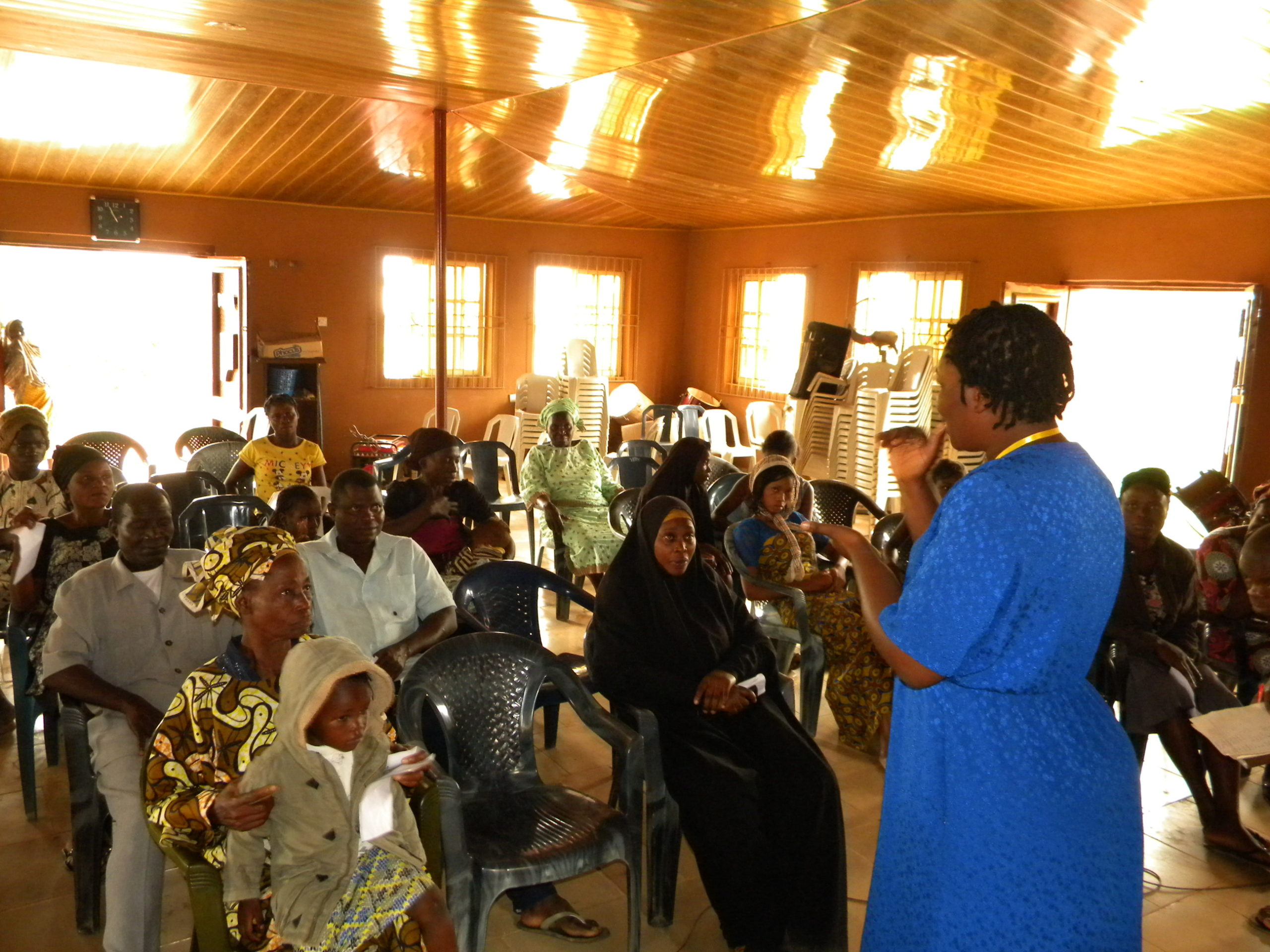
In 2023, DSWHUB held a notable community engagement event in Ogun State, where it educated residents on the risks of illegal migration and the tactics traffickers use to exploit vulnerable individuals. The event emphasized the role of women in migration decisions and promoted the idea of safe and legal migration pathways​. By increasing awareness and fostering informed decision-making, DSWHUB reduces the number of individuals falling prey to traffickers.

Support for Migrants and Survivors of Human Trafficking

In addition to awareness campaigns, DSWHUB actively supports the reintegration of returned migrants and survivors of human trafficking. These individuals often face stigma and difficulty rebuilding their lives. Through vocational training, education and capacity-building programs, DSWHUB equips them with the skills they need to reintegrate successfully into society. Its focus on long-term economic empowerment ensures survivors are less likely to become re-trafficked.

DSWHUB’s efforts have had a tangible impact on the communities it serves. By educating vulnerable populations and offering alternatives to dangerous migration routes, DSWHUB has helped reduce instances of irregular migration and human trafficking. Many individuals who participated in the iEMPATHY Campaign have shared testimonies of how the program equipped them with knowledge that helped them avoid falling victim to traffickers.

Moreover, DSWHUB’s reintegration programs have enabled survivors of trafficking to rebuild their lives. Through skills training and support, individuals have gained the confidence and resources to start small businesses, seek employment or return to education. By addressing the root causes of poverty and unemployment, DSWHUB is making a lasting impact in breaking the cycle of exploitation and preventing retrafficking​.

Summary

DSWHUB is addressing the systemic issues of poverty and unemployment in Nigeria, which drive irregular migration and human trafficking. Through innovative campaigns like iEMPATHY and comprehensive reintegration programs, DSWHUB is creating long-term solutions that empower individuals and strengthen communities. Its work not only saves lives but also offers a model for how grassroots organizations can combat human trafficking and irregular migration in regions plagued by socioeconomic challenges.

DSWHUB is helping vulnerable populations build safer, more secure futures free from exploitation by focusing on education, empowerment and advocacy. DSWHUB’s ongoing work highlights the importance of addressing the root causes of migration and trafficking to create lasting change in Nigeria.

– Staff Reports
Photo: Flickr

November 9, 2024
https://borgenproject.org/wp-content/uploads/borgen-project-logo.svg 0 0 Hemant Gupta https://borgenproject.org/wp-content/uploads/borgen-project-logo.svg Hemant Gupta2024-11-09 01:30:222024-11-09 00:25:47DSWHUB Fights Poverty in Nigeria
Global Poverty, Nonprofit Organizations and NGOs, Women and Female Empowerment

Empowering Women in Nigeria: The Grace Agbonlahor Foundation

The Grace Agbonlahor FoundationIn Nigeria, women and girls face numerous obstacles that hinder their socioeconomic progress, particularly in the informal sector. According to data from Nigeria’s National Bureau of Statistics (NBS), women comprise a significant portion of the informal workforce. Indeed, they often lack access to essential benefits such as health care, pensions and financial services. This makes them more vulnerable to economic shocks and limits their ability to grow their businesses or secure stable incomes.

Furthermore, the gender gap in education remains a pressing issue, with many young girls unable to complete secondary education due to cultural norms, early marriage and financial hardship. This lack of education directly affects their ability to secure formal employment, further entrenching cycles of poverty. The situation is particularly dire in rural areas, where access to education and health care is limited, making it difficult for women and girls to escape poverty.

GAF’s Innovative Solutions and Interventions 

The Grace Agbonlahor Foundation (GAF) is a nongovernmental organization (NGO) dedicated to equipping women and girls in Nigeria with the skills and knowledge they need to thrive. GAF addresses the challenges Nigerian women face through two core programs: the MarketCare program and the Girls in Career Boost (GCB) program.

The MarketCare Program

Inspired by the entrepreneurial spirit of Madam Grace Agbonlahor, this program focuses on empowering market women. It offers:

  • Financial Literacy Training: Program participants receive basic financial education to help them manage and grow their businesses.
  • Health Education and Insurance: GAF provides affordable health insurance and essential health education to participants.
  • Cash Grants: The program offers participants with cash grants to support their businesses and improve their financial resilience.

The GCB Program

The GCB program introduces young girls to Science, Technology, Engineering and Mathematics (STEM) fields, providing:

  • Mentorship from female STEM professionals who guide and inspire girls to pursue non-traditional careers.
  • Hands-on workshops that equip girls with the skills needed to excel in STEM subjects and career fields. This program helps bridge the gender gap in education by encouraging more girls to explore STEM careers and access higher education opportunities.

Impacts and Success Stories

Although GAF is still in its early stages, the MarketCare Program has already enrolled 33 women in its pilot phase. Through partnerships with WellaHealth and First Choice Investment, the program provides women with health education, access to affordable health insurance, financial literacy training and cash grants to boost their businesses. This holistic approach empowers women to achieve financial independence and better health outcomes for themselves and their families.

The GCB program recently launched its foundation phase. At least 10 young girls aged 10-14 will be enrolled in the first cycle of STEM training and mentorship. With support from MidTown Tech Hub and GCB ambassadors (volunteer STEM mentors), these girls will receive tailored mentorship, hands-on training and educational support to inspire them to pursue careers in STEM fields.

Conclusion

The Grace Agbonlahor Foundation is making a tangible difference in the lives of women and girls in Nigeria. Through financial literacy, health education and career mentorship programs, GAF is helping to break the cycle of poverty and promote gender equality. By equipping women and girls with the knowledge and resources they need to succeed, the organization is fostering sustainable development in some of Nigeria’s most underserved communities.

– Staff Report
Photo: Flickr

November 6, 2024
https://borgenproject.org/wp-content/uploads/borgen-project-logo.svg 0 0 Hemant Gupta https://borgenproject.org/wp-content/uploads/borgen-project-logo.svg Hemant Gupta2024-11-06 01:30:082024-11-06 00:49:49Empowering Women in Nigeria: The Grace Agbonlahor Foundation
Gender Equality, Global Poverty, Youth Unemployment

PDF-Africa Addresses Gender Inequality and Youth Unemployment

PDF-AfricaAccording to the United Nations’ (U.N.) latest global gender gap index, Nigeria ranks 130 out of 162 countries in the gender inequality index. Many women, particularly those in rural areas, are being denied access to education and employment, unlike their male counterparts. Additionally, youth unemployment remains high in Nigeria, with more than 50% of young people either unemployed or underemployed, contributing significantly to poverty. Furthermore, PWDs face systemic barriers to education, employment and health care, further deepening impoverishment across communities.

Preston Development Foundation

Preston Development Foundation (PDF-Africa) is a nonprofit organization committed to improving the lives and well-being of individuals, especially women, young adults and PWDs, through sustainable and strategic initiatives. With a mission rooted in sustainable and impactful societal change, the organization focuses on four strategic pillars: Education, Health, Gender Equality and Financial Inclusion. These issues require a multi-faceted strategic methodology. Thus, PDF-Africa adopts a holistic, community-centered approach to tackling challenges in education, health, gender equality and financial inclusion. Its methodology is anchored in collaboration, sustainability and empowerment, focusing on community-driven solutions that encourage individuals and stakeholders to take an active role in community development.

The significance of PDF-Africa works lies in the widespread impact of these changes. Limited access to education, inadequate health, gender discrimination and financial exclusion continue to hinder the progress of vulnerable groups across Nigeria and Africa as a whole. By developing tailored interventions in these areas, PDF-Africa seeks to bridge these gaps, create equitable opportunities and improve overall quality of life. Through a holistic approach, the organization empowers individuals through capacity building and skill acquisition. PDF-Africa aims to help them break free from cycles of poverty and marginalization, fostering long-term development and resilience.

A Combination of Approaches

PDF-Africa implements targeted programs such as training, health education programs and digital literacy programs to address gaps and increase employment opportunities and career choice pathways for adolescents. In addition, the organization conducts public awareness campaigns and outreaches to raise awareness and increase knowledge gain, ensuring that individuals and the community are well-informed to act and make informed decisions.

By utilizing a combination of approaches, PDF-Africa not only addresses the issues in society but also empowers individuals and communities to thrive, act and make informed decisions for themselves. This approach enables PDF-Africa to drive sustainable change within the communities it serves.

Improving Lives

Through targeted interventions in health, education and empowerment, PDF-Africa has made significant strides in improving the lives and well-being of women. These initiatives include enhancing functional literacy, providing young adolescent girls with menstrual hygiene products and awareness and offering training to boost digital literacy in today’s evolving world. As a result, PDF-Africa is expanding opportunities and increasing employability rates among its beneficiaries.

In recent years, PDF-Africa has made strides in expanding access to STEM education for women and girls of color. It has reached more than 180 participants through initiatives like the Yan Matan Arewa Hackathon Initiative and Search Engine Training. Through partnerships with individuals, public schools and tech companies, PDF-Africa has provided participants with resources, materials, computers and financial support to enhance their learning experience and open pathways in STEM fields.

Additionally, PDF-Africa has made a significant impact on the lives and health of girls and women in vulnerable communities within the Federal Capital Territory (FCT). Between 2018 and 2024, PDF-Africa reached more than 4,000 young women and girls across 10 secondary schools and Internally Displaced Persons (IDP) camps in Abuja, providing essential support and resources. In 2023, the nonprofit organization extended its efforts beyond distributing menstrual hygiene products to include educational campaigns in schools lacking menstrual health knowledge.

Conclusion

PDF-Africa’s comprehensive, community-centered approach is making strides in reducing gender inequality, improving youth employment prospects and fostering inclusion for marginalized groups in Nigeria. Through targeted interventions in education, health, gender equality and financial inclusion, PDF-Africa empowers individuals and communities to break cycles of poverty and marginalization. By equipping women, young adults and PWDs with the skills and resources they need to thrive, the initiative is not only enhancing lives but also driving long-term, sustainable development across Nigeria.

– Staff Reports
Photo: Flickr

November 5, 2024
https://borgenproject.org/wp-content/uploads/borgen-project-logo.svg 0 0 Hemant Gupta https://borgenproject.org/wp-content/uploads/borgen-project-logo.svg Hemant Gupta2024-11-05 07:30:212024-11-05 00:42:13PDF-Africa Addresses Gender Inequality and Youth Unemployment
Africa, Developing Countries, Global Poverty

The Impact of Custos Care Foundation

Custos Care FoundationCustos Care Foundation (CCF), a nongovernmental organization based in Enugu State, Nigeria, aims to promote social justice and reduce poverty and inequality by empowering underprivileged groups through skills development, health care, well-being and basic education. By working closely with local communities and partners, CCF seeks to drive sustainable change in Enugu State and beyond.

The Mama Care Initiative

According to a publication by PubMed, data from the obstetric unit of the University of Nigeria Teaching Hospital (UNTH) in Enugu, Nigeria, shows that between January 2003 and December 2005, there were 49 maternal deaths, 2,131 deliveries and 2,044 live births. This results in a maternal mortality ratio of 2,397.3 maternal deaths per 100,000 live births during the study period. In response, CCF recently launched the “Mama Care Initiative,” a significant milestone in providing one-year health insurance premiums for 1,701 pregnant women across Enugu State’s 17 Local Government Areas (LGAs), with approximately 100 per LGA in the pilot phase.

A notable case involved a baby from the Oji River LGA who was born prematurely at a primary health care facility. The family was unable to secure the funds necessary to transfer the infant to a secondary facility equipped with an incubator. However, with the assistance of CCF, the baby was successfully transferred to the UNTH, where she received the necessary care and support needed for her health and survival.

Child Abuse Awareness and Sensitization

CCF is currently organizing sensitization programs in primary schools across the 17 LGAs in Enugu State to raise awareness about child abuse. This initiative is anchored in two key program areas: social protection and basic education for all. The objective is to educate school pupils in Enugu State about child abuse, including its identification and prevention. So far, CCF has visited 13 schools, reaching approximately 6,000 pupils directly and more than 5,000 indirectly through media campaigns, including social media outreach.

Skills Acquisition Training for Women and Youth

The issue of poverty, exacerbated by unemployment and a shortage of skills, has significantly impacted the living standards of the population. While the current government in the state has made commendable efforts to build workforce capacity, the organization is also dedicated to bridging the capacity gap.

Through the CCF’s “Craft UP Initiative,” the foundation has trained 68 women and youth in the state in vocational skills related to leather work, including shoemaking, bag making and belt production. To further support their endeavors, it established a skills acquisition center focused on tailoring and leatherworking.

This center provides these individuals with the opportunity to utilize our state-of-the-art industrial machines at no cost, enabling them to produce high-quality goods in larger quantities.

Youth Aspire Boot Camp 2024

In 2024, CCF hosted a four-day youth boot camp for 100 young people from Enugu State, consisting of both male and female participants, alongside more than 30 volunteers and resource persons. Participants aged 15 to 20 were selected from various locations across the state, with a commitment to inclusivity that ensured equitable representation across gender, social status and abilities.

The youths acquired a diverse range of skills, including information and communication technology (ICT) competencies such as coding and the creation of 3D and 2D animations. They also developed vocational skills in areas like weaving, tailoring, bead-making, social media marketing and content creation.

Final Remark

By engaging with local partners and communities, Custos Care Foundation not only provides essential services but also cultivates a culture of empowerment and resilience. As it continues to bridge gaps in health, education and vocational training, CCF stands as a beacon of hope for underprivileged groups in Enugu State, driving meaningful progress and inspiring a brighter future.

– Staff Reports
Photo: Flickr

November 5, 2024
https://borgenproject.org/wp-content/uploads/borgen-project-logo.svg 0 0 Hemant Gupta https://borgenproject.org/wp-content/uploads/borgen-project-logo.svg Hemant Gupta2024-11-05 01:30:222024-11-03 01:15:37The Impact of Custos Care Foundation
Global Health, Global Poverty

The Wellcome Trust Tackles Neglected Tropical Diseases in Nigeria

Neglected Tropical Diseases in NigeriaThe Wellcome Trust is a global charity organization established in 1936 that focuses on research and providing support for mental and physical health challenges throughout the world. The organization specifically addresses neglected tropical diseases (NTDs) in Nigeria, such as Lassa fever, monkeypox and dengue. Through addressing NTDs, Wellcome Trust tackles complex health issues and contributes to socioeconomic development in Nigeria. Nigeria is home to the highest numbers and diversity of neglected tropical diseases throughout sub-Saharan Africa. To treat these diseases, it is necessary to prioritize research to diagnose those infected and implement treatment early on to minimize fatalities. 

Addressing Lassa Fever

Lassa Fever, endemic to multiple African countries, hit Nigeria hard in 2018 with the country’s largest outbreak. More than 20% of cases were fatal. The disease infects blood vessels, attacking the organs. Only about 20% of cases show recognizable symptoms, complicating diagnosis and containment efforts. Currently, no vaccines exist for this potentially fatal disease, making research into diagnosis and treatment a critical priority.

The Wellcome Trust, a major supporter of infectious disease research, funds the Centre for Infectious Disease and Research Policy (CIDRAP), which has developed a plan to address Lassa Fever in Nigeria. This Research and Development (R&D) plan aims to advance vaccine research for various strains of the disease, identify gaps in current research and prioritize filling these gaps.

Working closely with the United Kingdom (U.K.) Department for International Development, these organizations have funded about £500,000 to the World Health Organization (WHO) and the African Coalition for Epidemic Research, Response and Training (ALERRT) to support Nigeria. This funding boosts projects that enhance research, expand access to laboratory work and benefit local clinics and health centers.

Addressing MPOX

Mpox (formerly known as monkeypox) is endemic in most African countries. A significant increase in cases occurred in Nigeria in 2017, prompting the WHO to enhance regulations to contain the disease. Like Lassa fever, Mpox presents various strains across different countries. Most cases arise in rural areas, often causing up to a two-week delay between symptom onset and treatment due to challenging access. To tackle this, the Wellcome Trust plans to collaborate with FIND, an organization developing a point-of-care rapid test to accelerate the diagnosis process on-site before verifying the data in a lab. Through this approach, the organization aims to reduce fatalities and decrease the stigma associated with this visibly impacting disease.

Addressing Dengue in Nigeria

Dengue, a viral disease spread by mosquitoes, is most prevalent in tropical climates. Diagnosed individuals suffer from high fevers, headaches and muscle and joint pains. The innovative research tool E-DENGUE enables local governments to prepare for outbreaks months in advance. According to the WHO, half of the world’s population is at risk of contracting dengue. E-DENGUE, currently a desktop platform, integrates data from various sources instead of relying solely on case studies. Researchers are working to develop this tool into a mobile app to enhance accessibility.

Urbanization, climate challenges and limited health care access complicate efforts to contain dengue, which is endemic in every state in Nigeria and ranks among the most fatally misdiagnosed diseases in Africa. The concern over dengue is often underestimated as health professionals struggle to accurately identify the disease. They lack consistent treatment methods due to insufficient tools and research.

Strategic Health Initiatives and Funding

The Trust has succeeded through research and community health programs that enhance awareness, prevention and treatment of diseases. Addressing these issues not only improves health and quality of life but also boosts economic benefits by increasing work productivity and reducing poverty. As of 2022, the Wellcome Trust plans to invest £16 billion in health research by 2032, focusing on discovery research, climate and health, infectious disease and mental health. It advances these areas by prioritizing research funding, advocating for global policy changes and fostering innovative research environments.

Looking to the Future

Since 2018, the Wellcome Trust and the Foreign, Commonwealth and Development Office (FCDO) have engaged in a productive collaboration through the Joint Initiative on Research in Epidemic Preparedness and Response (JIREP). This initiative funds research and medical support worldwide. The collaboration aims to tackle well-known diseases, assist countries in preparing for outbreaks and integrate social sciences and policy development in responding to global epidemics.

The Wellcome Trust’s strategies have significantly improved access to treatment and quality of life by enhancing research and funding for neglected tropical diseases in Nigeria. Furthermore, advances in technology have shortened diagnosis times, leading to quicker recoveries and fewer deaths. Indeed, this efficiency helps individuals resume work and daily activities, supporting their families and breaking the vicious cycle of poverty and disease.

– Lauren Sellman

Lauren is based in Rochester Hills, MI, USA and focuses on Good News and Global Health for The Borgen Project.

Photo: Flickr

November 4, 2024
https://borgenproject.org/wp-content/uploads/borgen-project-logo.svg 0 0 Precious Sheidu https://borgenproject.org/wp-content/uploads/borgen-project-logo.svg Precious Sheidu2024-11-04 07:30:142024-11-04 00:30:40The Wellcome Trust Tackles Neglected Tropical Diseases in Nigeria
Africa, Global Poverty, Health

PHAAE: Mission for Clean Water and Sanitation in Rural Nigeria

PHAAEIn Nigeria, more than 80% of schools do not have basic sanitation or running water, leaving children and their communities vulnerable to waterborne diseases and poor hygiene. These challenges not only affect health but also school attendance, particularly for girls who miss school due to the lack of proper facilities during menstruation. The absence of these essential resources exacerbates inequality, leaving rural children significantly disadvantaged compared to their urban counterparts.

Public Health Aid Awareness & Education (PHAAE), a nongovernmental organization (NGO), focuses on addressing the critical lack of access to clean water and sanitation facilities in rural communities across Nigeria. PHAAE’s work is vital in bridging this gap by providing water systems and sanitation facilities, starting with schools and extending to entire communities. By improving hygiene infrastructure, PHAAE enhances educational environments, reduces disease risks and promotes long-term community health.

Public Health Aid Awareness & Education

PHAAE adopts a community-centered and sustainable approach to addressing rural Nigerian communities’ water and sanitation crisis. Starting with a thorough needs assessment in collaboration with local leaders and school administrators, PHAAE tailors interventions to meet each community’s unique requirements. Schools serve as central hubs for education and social progress, so by installing clean water systems and sanitation facilities there, PHAAE enhances learning environments and extends these essential resources to the broader community. Each water facility positively impacts thousands of residents beyond the school, creating lasting community-wide benefits.

Transforming Lives

Through partnerships with sponsors like the U.S. Embassy and global philanthropists, PHAAE has transformed thousands of lives, affirming that clean water and sanitation are essential rights for every child and community. PHAAE’s initiatives have significantly enhanced the health, education and overall well-being of the communities it serves. By equipping rural schools with clean water and sanitation facilities, the organization has greatly improved the quality of life for students and extended these benefits to surrounding communities.

In Kunyami, Abuja, a PHAAE water project initially designed for 1,500 students now benefits more than 5,000 community members, significantly reducing waterborne diseases and promoting better hygiene practices. Before PHAAE’s intervention, children like Sater had to trek long distances to the Toge River for water, sometimes going days without bathing. Today, with clean water accessible directly at school, they can prioritize their education and personal well-being, marking a transformative change in their daily lives.

PHAAE’s projects have broad societal impacts, including increased school attendance, especially for girls who can now attend during menstruation thanks to proper sanitation facilities. In Takushara, during the COVID-19 pandemic, PHAAE provided water and sanitation for 1,300 students and delivered hygiene education, equipping the entire community to navigate the health crisis more effectively. Altogether, these initiatives have positively impacted more than 9,000 people.

Closing Remark

PHAAE’s work is far from over. It is driven by a vision of a world where no child is denied access to clean water and proper sanitation simply because of their birthplace. PHAAE continues to work in rural communities across Nigeria, expanding its reach and deepening its impact.

– Staff Reports
Photo: Flickr

November 3, 2024
https://borgenproject.org/wp-content/uploads/borgen-project-logo.svg 0 0 Hemant Gupta https://borgenproject.org/wp-content/uploads/borgen-project-logo.svg Hemant Gupta2024-11-03 07:30:002024-11-03 01:06:23PHAAE: Mission for Clean Water and Sanitation in Rural Nigeria
Africa, Aid, Global Poverty

Top 10 Sectors Attracting Foreign Investment in Nigeria

Foreign Investment in NigeriaIn Q1 2024, Nigeria’s foreign capital inflows surged to $3.4 billion, the highest since early 2020, reflecting renewed investor confidence driven by fiscal and monetary reforms. The economy grew by 2.9% in 2023, though inflation soared to 28.9% and the poverty rate increased to 46%. Foreign Portfolio Investments dominated, accounting for 61.5% of inflows, driven by Treasury bill investments. However, Foreign Direct Investment remained low at 3.5%, limited by security and infrastructure concerns in Nigeria.

The banking sector attracted $2.07 billion, but long-term investments in key growth sectors lagged. “Other Investments” rose sharply, raising concerns about reliance on foreign loans. Sustainable growth hinges on addressing exchange liquidity, boosting oil exports and improving infrastructure to attract more FDI. Nonetheless, based on first-quarter performance in 2024, here are the top 10 sectors attracting the most foreign investment in Nigeria:

  1. Banking: The banking sector led the pack with a staggering $2.07 billion in foreign investment, a 629.88% rise from Q4 2023 and a 579.19% increase compared to Q1 2023. The sector’s resilience and central role in the economy make it an attractive investment avenue for foreign capital.
  2. Trading: Trading experienced substantial growth, with $494.93 million in investments—a 645.92% increase from the previous quarter and a 440.75% surge compared to Q1 2023. The sector’s expansion showcases growing investor confidence and the increasing volume of trading activities across Nigeria’s markets.
  3. Telecommunications: Despite a 5.57% decline from Q4 2023, foreign investments in telecommunications amounted to $191.57 million in Q1 2024, an impressive 768.91% increase year-on-year. This underscores continued interest in Nigeria’s telecommunications infrastructure as digital connectivity improves.
  4. Production and Manufacturing: Although the production and manufacturing sectors saw a 57.37% decline from Q4 2023, they still attracted $191.92 million in Q1 2024. Despite ongoing challenges, this sector remains vital to Nigeria’s economic potential.
  5. IT Services: IT Services garnered $171.7 million in Q1 2024, reflecting a 1,789.75% increase from Q4 2023. However, this investment is 20.52% lower than in Q1 2023, indicating some fluctuation in investor sentiment toward Nigeria’s tech sector.
  6. Shares: Investments in the shares sector totaled $98.71 million in Q1 2024. This marked a 91.86% increase from Q4 2023. Furthermore, this is an 11.52% growth compared to Q1 2023, signaling investor confidence in Nigeria’s stock market.
  7. Financing: The financing sector attracted $75.55 million, despite a 44.29% decrease from Q4 2023 and a 36.35% decline year-on-year. Nonetheless, financing remains a critical component of Nigeria’s economic framework.
  8. Electrical: Investments in the electrical sector reached $58.93 million, marking a 15.71% increase from Q4 2023 and a 698.24% surge from Q1 2023. This reflects the growing demand for improved electrical infrastructure.
  9. Agriculture: Foreign investment in agriculture soared by 3,666.67% from Q4 2023, reaching $15.8 million in Q1 2024. This dramatic increase highlights renewed interest in Nigeria’s agricultural potential, vital for food security and economic diversification.
  10. Transport: The transport sector saw a significant rise, with investments totaling $5.05 million, up from just $0.14 million in Q4 2023—a 3,507.14% increase. Although still lower than the same period in 2023, this uptick signals a recovery in a critical sector for Nigeria’s infrastructure and connectivity.

Conclusion

Nigeria’s foreign capital inflows in Q1 2024 showcase a significant rebound, driven by the government’s fiscal and monetary reforms. These reforms are aimed at bolstering investor confidence. While the banking and trading sectors dominated foreign investment in Nigeria in 2024, key industries like telecommunications, agriculture and manufacturing also witnessed notable growth. Indeed, this underscores Nigeria’s potential as a diversified investment destination. However, the concentration of Foreign Portfolio Investments and the continued reliance on external borrowing raise concerns about long-term economic stability.

To sustain growth and attract more Foreign Direct Investment (FDI), Nigeria may need to prioritize enhancing infrastructure, addressing regulatory bottlenecks and improving the overall investment environment. If these challenges are tackled, the nation can position itself as a thriving hub for short- and long-term foreign investment. The country will be able to foster sustainable economic growth and job creation.

– Laila Alaya

Laila is based in Abuja, Nigeria and focuses on Business and New Markets for The Borgen Project.

Photo: Wikimedia Commons

October 13, 2024
https://borgenproject.org/wp-content/uploads/borgen-project-logo.svg 0 0 Hemant Gupta https://borgenproject.org/wp-content/uploads/borgen-project-logo.svg Hemant Gupta2024-10-13 07:30:262024-10-13 06:58:47Top 10 Sectors Attracting Foreign Investment in Nigeria
Disease, Global Poverty, Health

Improving Access to Health Care for Marginalized Groups in Nigeria

Marginalized Groups in Nigeria
Nigeria, despite its significant economic potential, faces severe health care challenges, particularly in marginalized communities. About 40% of Nigerians live in poverty, limiting their access to quality health care services. Addressing these disparities is critical to improving access to health care for marginalized groups in Nigeria.

Barriers to Health care Access

  1. Insufficient Primary Health Centers (PHCs): In rural communities where disease burden is high, many primary health centers (PHCs) are either non-functional or under-equipped. This is a significant barrier, as PHCs are the main access points for health care in rural areas. The absence of functioning PHCs means that patients either go without care or must travel long distances, often to urban areas, to receive treatment.
  2. Out-of-Pocket Payments: Around 90% of Nigerians pay for health care services out of pocket, placing an enormous financial burden on poor families. This creates a cycle where poverty exacerbates poor health, and poor health leads to further poverty. According to the International Journal of Health and Management, catastrophic health expenditures have driven many households deeper into poverty. Only about 3% of Nigeria’s population has health insurance, and most of this coverage is employer-provided, leaving low-income earners and rural populations particularly vulnerable.
  3. Corruption and Mismanagement: Corrupt practices, which drain resources meant for public health facilities, worsen the inefficiency of Nigeria’s health care system. Funds intended for PHCs and other health services are often misappropriated, resulting in dilapidated facilities and a lack of essential medications and staff.

Here are some strategies for improving health care access.

Mobile Health Clinics

Bringing health care directly to communities is one effective solution to overcome physical barriers. Mobile health clinics and telemedicine services allow health care providers to reach remote or rural populations, reducing the need for travel and ensuring that patients receive care without excessive costs. For example, in states like Kaduna and Lagos, the government, in partnership with non-governmental organizations, has deployed mobile health units to provide essential health services such as maternal care, vaccinations and treatment for common diseases like malaria and tuberculosis. These clinics travel to remote areas, reaching populations that lack access to functioning PHCs.

This directly tackles the issue of insufficient primary health centers and ensures health care is more accessible, improving access to health care for marginalized groups in Nigeria. Mobile clinics have proven effective in bridging the gap in healthcare delivery by providing both preventive and curative services to Nigeria’s rural and underserved populations.

Insufficient Primary Health Centers

To tackle the lack of functioning PHCs, Nigeria must prioritize their revitalization. Strengthening these facilities can significantly improve access to health care for rural populations as they are the first point of contact for most vulnerable populations. 

The Basic Health care Provision Fund (BHCPF), a key initiative under the 2014 National Health Act, aims to ensure every Nigerian has access to a minimum package of health care services, particularly at the primary care level. 

However, inconsistent funding and state-level delays in implementation have limited its effectiveness. Ensuring that states contribute their share of the funds and improving oversight are essential to making the BHCPF work.

Expanding Micro Health Insurance

To reduce the reliance on out-of-pocket payments, micro health insurance has emerged as a solution tailored to the needs of low-income populations.

Providers like WellaHealth offer affordable packages that cover common illnesses such as malaria and typhoid, with access to doctors through telemedicine. These insurance models are particularly promising for rural and underserved communities, offering a pathway to affordable health care without the risk of financial ruin. They are part of the key to improving access to health care for marginalized groups in Nigeria. 

Addressing Corruption

Tackling corruption in the health care system is critical. Strengthening governance, improving transparency in the disbursement of health care funds, and increasing community oversight are necessary steps to ensure that resources intended for health care reach the people who need them most.

Improving access to health care for marginalized groups in Nigeria requires a multi-faceted approach that addresses the key barriers of insufficient primary health centers, out-of-pocket payments and systemic corruption. Strengthening primary health facilities, expanding micro health insurance, deploying mobile health clinics, and enhancing governance are critical steps toward ensuring equitable healthcare access. By prioritizing these strategies and ensuring proper implementation, significant progress can be made towards improving access to healthcare for marginalized groups in Nigeria. 

– Edzhe Miteva

Edzhe is based in London, UK and focuses on Global Health and Politics for The Borgen Project.

Photo: Flickr

October 10, 2024
https://borgenproject.org/wp-content/uploads/borgen-project-logo.svg 0 0 Jennifer Philipp https://borgenproject.org/wp-content/uploads/borgen-project-logo.svg Jennifer Philipp2024-10-10 01:30:042024-10-10 00:59:12Improving Access to Health Care for Marginalized Groups in Nigeria
Africa, Education, Global Poverty

Gender-Inclusive Pathways for Poverty Reduction in Nigeria

Gender-Inclusive PathwaysAccording to the World Bank, by the end of 2024, 40.7% of Nigerians are expected to live below the international poverty line of $2.15 per day. In October 2021, the Policy Innovation Center (PIC) was created to promote better policy-making in Nigeria. PIC is Africa’s first national initiative aimed at helping governments and organizations make better decisions through behavioral insights and evidence-based solutions. Each year, it hosts the Gender and Inclusion Summit to promote gender equality and inclusive governance in Africa.

PIC’s 2024 Summit

The 2024 summit (GS-24) took place on September 4 and 5 under the theme, “Reimagining Gender-Inclusive Pathways and Partnerships for Poverty Reduction.” The event focused on poverty reduction through gender-inclusive strategies, bringing together policymakers, stakeholders and organizations to influence national policy reforms and address issues like health, education and living standards.

The summit highlighted how gender equality is essential for economic growth, improved health and community well-being, emphasizing gender inclusion as a foundation for broader development goals. Its nine primary objectives, the Summit Tracks, provide a framework for gender-inclusive policies contributing to poverty reduction. They also align with the United Nations’ 2030 Agenda for Sustainable Development through its Sustainable Development Goals (SDGs) for global peace and prosperity. Here are the four main summit tracks focused on poverty reduction in Nigeria.

Equitable Access to Health Care

According to the BMC Health Services Research, women in Nigeria have significant barriers to health care access. In 2021, 60% of providers believed women could not choose family planning methods without a male partner’s presence, while 23.2% thought unmarried clients should not use these services. With harmful practices occurring in 59.6% of deliveries, “Equitable Access to Health Care” is crucial.

The goal is to ensure gender-sensitive health care systems that improve community well-being. By focusing on this issue, PIC is working on inclusive policies that will enhance health care delivery and reduce health disparities – fighting “heath-related” poverty and aligning its work with SDG 3, “Good Health and Well-Being,” SDG 10, “Reduced Inequalities” and SDG 17, “Partnerships for the Goals.”

Educational Equity

Gender inequalities heavily affect the Nigerian population, with one in seven needy individuals – 19.1 million – living in households where a man has completed primary school, but no woman has. In 2022, more than 50% of girls were out of school at the elementary level, showcasing the importance of this second pillar’s emphasis on equal access to quality education. Indeed, the vision of education as a key driver of poverty reduction aligns with SDG 4, “Quality Education,” SDG 5, “Gender Equality,” and SDG 17, “Partnerships for the Goals.”

Advancing Gender Equity in Water, Sanitation and Hygiene

Nigeria is improving its Water, Sanitation and Hygiene (WASH) access, with 70% of people having drinking water, according to the Nigeria Multidimensional Poverty Index 2022. However, the amount and quality of water remain below the standard. Each person gets an average of nine liters daily when the recommended minimum is 12 to 16 liters.

Thus, to advance poverty reduction in Nigeria working on strategies to stop gender inequality in WASH services in needed. While women mainly handle household water, sanitation and hygiene in Nigeria, when these services are lacking, they often face extra burdens, including health risks, safety concerns and emotional stress and are without control over household decision-making. Work on this Summit track matches SDG 5, “Gender Equality,” SDG 6, “Clean Water and Sanitation” and SDG 17, “Partnerships for the Goals.”

Creating Secure Livelihoods and Decent Jobs for All

In 2022, 84.9% of women in Nigeria were in vulnerable employment and the labor force participation rate among females was 52.2% compared to 65.9% for men in 2023. Workers in vulnerable jobs lack formal contracts and social protection, making them more likely to fall into poverty. Furthermore, the labor force participation rate among females is 52.2% and among males is 65.9% for 2023.

The last point focuses on developing stable and secure employment opportunities while enhancing female economic empowerment. This point is linked with SDG 5, “Gender Equality,” SDG 8, “Decent Work and Economic Growth” and SDG 10, “Reduced Inequalities.”

Final Remark

The 2024 Gender and Inclusion Summit on “Reimagining Gender-Inclusive Pathways and Partnerships for Poverty Reduction” was centered on tackling gender inequality and poverty in Nigeria. By addressing health care, education, WASH access and secure jobs through its Summit Tracks, the event highlighted various ways to create a more inclusive society.

PIC’s efforts align with important Sustainable Development Goals and aim to drive policy changes that address the root causes of poverty. Indeed, as Nigeria faces considerable challenges with poverty and inequality, these gender-inclusive strategies are crucial for building a fairer and more prosperous future for all.

– Alissa Naydenova

Alissa is based in Colchester, Essex, UK and focuses on Good News and Politics for The Borgen Project.

Photo: Pexels

September 29, 2024
https://borgenproject.org/wp-content/uploads/borgen-project-logo.svg 0 0 Hemant Gupta https://borgenproject.org/wp-content/uploads/borgen-project-logo.svg Hemant Gupta2024-09-29 07:30:002024-09-29 01:52:45Gender-Inclusive Pathways for Poverty Reduction in Nigeria
Africa, Agriculture, Global Poverty

The Impact of AI on Agriculture in Kenya and Nigeria

Impact of AI on AgricultureArtificial intelligence (AI) holds considerable promise for redefining agriculture in Kenya and Nigeria, two of Africa’s leading tech hubs. Recent estimates suggest AI could markedly improve Africa’s economy, potentially adding up to $2.9 trillion by 2030. In 2023, African tech startups attracted approximately $4 billion in investments, with Kenya’s AI sector receiving $15 million and Nigeria’s $2.9 million, making them two of the leading recipients. A substantial portion of these funds is being directed to the agricultural sector.

Kenya

Kenya, with a population of about 55 million, has enjoyed relative economic and political stability recently, with a projected growth rate of 5.2% from 2024 to 2026. Despite these positivities, the country faces ongoing issues such as poverty, inequality and natural disasters.

Agriculture, which employs more than 40% of Kenya’s workforce and contributes 33% to GDP, is central to the economy. Smallholder farmers, making up more than 70% of the farming population, are essential for both economic stability and food supply. However, farmers battle unpredictable weather, limited access to information and insufficient resources to cope with the effects of natural disasters.

In 2023, approximately 4.4 million Kenyans experienced severe food insecurity, reflecting the sector’s difficulties with financing, quality inputs and crucial information such as weather forecasts and market prices, according to the 2024 GSMA report.

Nigeria

Nigeria, Africa’s most populous nation with more than 220 million people, is experiencing rapid growth at an annual rate of more than 2.6%. Despite this, the nation faces substantial economic and social challenges, including stagnant GDP per capita, high poverty rates, and inadequate infrastructure. Agriculture, which employs 40% of the workforce and contributes 24% to GDP, is critical to the economy, yet only 35% of arable land is actively farmed.

Nigerian farmers deal with erratic weather, security issues, poor infrastructure as well as problems like poor seeds, labour shortages, and the loss of farmland to urbanisation, according to ICT Works.

In July 2023, Nigeria declared a food insecurity emergency, forecasting that 26.5 million people could face acute hunger in 2024 due to frequent droughts and floods impacting food production.

The Impact of AI on Agriculture in Kenya

Launched in 2023, Digital Green’s Farmer Chat improves farming advice by offering personalized support to extension workers. It uses information from videos, call logs and factsheets to provide real-time assistance, having already sent more than 134,000 messages in Swahili and English, according to the 2024 GSMA report. Plans are underway to expand its coverage to more crops and regions.

Founded in 2023, Amini addresses the lack of environmental data – such as soil quality and rainfall patterns – which the World Bank identified in 2022. Amino’s platform uses AI and satellite technology for crop monitoring, yield predictions and risk assessments.

Partnering with TensorFlow technology, PlantVillage U.S. nonprofit has developed an AI-powered app to identify plant diseases. The app detects issues on plant leaves such as and recognizes patterns indicating disease outbreaks, helping to combat the 33% crop loss Kenyan farmers face each year due to pests and diseases. The app has attracted more than 10,000 users, who have reported an average 40% increase in crop yields.

The Impact of AI on Agriculture in Nigeria

Crop2Cash offers FarmAdvice, a hotline that gives farming advice via a toll-free number. Since its launch in July 2024, FarmAdvice has provided personalized recommendations in local languages to more than 500,000 farmers across 13 states, helping them increase their incomes and crop yields, according to the 2024 GSMA report.

AirSmart provides AI-driven solutions by collecting and analyzing data from drones, satellites, soil sensors and loT devices. The insights help manage water, fertilizer, and pesticide usage, predict yields and offer data-driven farm management recommendations, according to ICT Works.

The World Food Program (WFP) has developed a predictive model that forecasts food shortages up to 30 days in advance, according to the 2024 GSMA report. By looking at past food consumption data alongside market prices and weather conditions, this tool helps provide early warnings of potential food shortages.

Staying on Track

The impact of AI on agriculture is already being felt in Kenya and Nigeria, but keeping an eye on persistent issues is essential to fully realize its potential. AI is advancing especially in data-driven advisory and financial services, but the high costs of precision tools like loT sensors and drones are problematic. Making these technologies more accessible is important for maximizing the impact of AI on agriculture. While generative AI could assist farmers with low literacy or disabilities, improving digital literacy and ensuring AI services are accessible on affordable mobile devices will enable wider adoption of new agricultural practices among smallholder farmers.

– Georgia O’Keeffe

Georgia is based in Wiltshire, UK and focuses on Technology and Politics for The Borgen Project.

Photo: Flickr

September 2, 2024
https://borgenproject.org/wp-content/uploads/borgen-project-logo.svg 0 0 Naida Jahic https://borgenproject.org/wp-content/uploads/borgen-project-logo.svg Naida Jahic2024-09-02 01:30:152024-09-01 00:40:36The Impact of AI on Agriculture in Kenya and Nigeria
Page 7 of 11«‹56789›»

Get Smarter

  • Global Poverty 101
  • Global Poverty… The Good News
  • Global Poverty & U.S. Jobs
  • Global Poverty and National Security
  • Innovative Solutions to Poverty
  • Global Poverty & Aid FAQ’s
Search Search

Take Action

  • Call Congress
  • Email Congress
  • Donate
  • 30 Ways to Help
  • Volunteer Ops
  • Internships
  • Courses & Certificates
  • The Podcast
Borgen Project

“The Borgen Project is an incredible nonprofit organization that is addressing poverty and hunger and working towards ending them.”

-The Huffington Post

Inside The Borgen Project

  • Contact
  • About
  • Financials
  • President
  • Board of Directors
  • Board of Advisors

International Links

  • UK Email Parliament
  • UK Donate
  • Canada Email Parliament

Get Smarter

  • Global Poverty 101
  • Global Poverty… The Good News
  • Global Poverty & U.S. Jobs
  • Global Poverty and National Security
  • Innovative Solutions to Poverty
  • Global Poverty & Aid FAQ’s

Ways to Help

  • Call Congress
  • Email Congress
  • Donate
  • 30 Ways to Help
  • Volunteer Ops
  • Internships
  • Courses & Certificates
  • The Podcast
Scroll to top Scroll to top Scroll to top