Uplifting Haiti’s Vulnerable: Disability and Poverty in Haiti
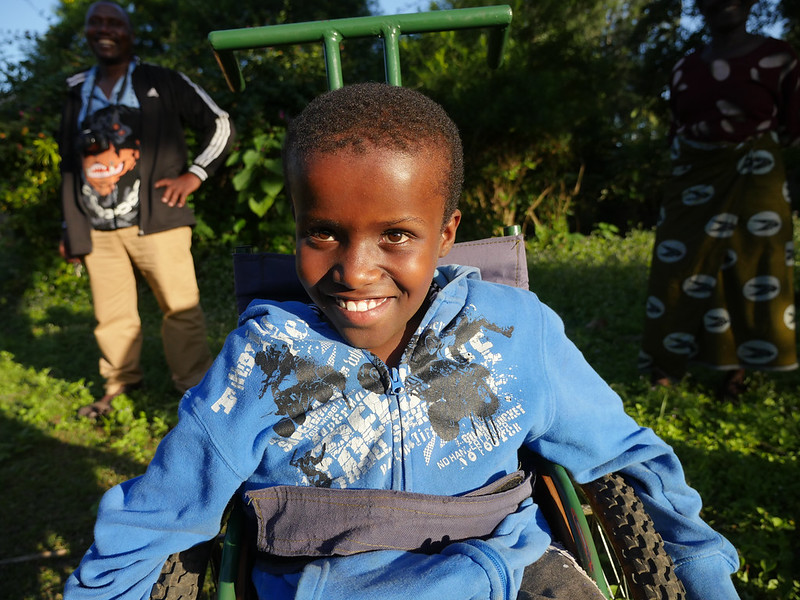 Haiti struggles with profound social, economic and political instability, making it the poorest country in Latin America and the Caribbean and one of the poorest globally. In 2024, Haiti faces another year of negative economic growth, compounded by environmental hazards and ongoing political crises. These factors contribute to prevalent issues of disability and poverty, placing a significant portion of the population at risk.
Disabled Population in Haiti
In 2010, Haiti saw a significant increase in the number of disabled individuals following an earthquake that injured nearly 10% of households. Disability, affecting about 4% of Haitians aged 5 and over, is defined as experiencing some difficulty in at least two functional domains or serious difficulty or incapacity in one domain. Post-earthquake, 16% of households reported having a family member with a disability, which has drastically impacted individuals’ work capabilities and family financial stability.
Beyond natural disasters, disabilities in Haiti also stem from birth anomalies and noncommunicable diseases. The Disability Data Initiative reports that 24.9% of Haitians aged 15 and older face functional difficulties, with vision issues being the most common. Furthermore, a survey of more than 53,000 people found that 43% suffered from physical mobility disabilities.
How Disabilities Impact Poverty
Disability and poverty in Haiti severely limit the social mobility of a significant portion of the population. Poverty in Haiti often manifests as multidimensional poverty, which encompasses multiple social disadvantages such as unsafe living conditions and low educational attainment.
Approximately 86.2% of Haitians with significant functional difficulties are also multidimensionally poor. Compared to the general population, disabled individuals in Haiti face harsher socioeconomic conditions and have more difficulty entering the workforce. This perpetuates a cycle where impoverished and disabled communities struggle to achieve social mobility, affecting future generations.
According to the 2020 Human Capital Index, children in Haiti are projected to achieve only 45% of their potential productivity if they have access to stable education and health care. Moreover, the literacy rate among the disabled community is under 30%, nearly 30% lower than the national average.
Uplifting the Disabled Community
An initiative tackling disability and poverty in Haiti is the Promoting Inclusion of Persons with Disabilities (PwDs) in Social and Employment Programs. This program strives to enhance the presence of PwDs in the labor force by integrating them into the social registry, offering professional training and conducting awareness campaigns about the status of PwDs in Haiti and how to support them.
The World Bank has funded this initiative with a $2.29 million grant and collaborates with Humanity and Inclusion, a nongovernmental organization that aids people with disabilities. This partnership focuses on providing training and methodologies. So far, 127 PwDs have completed training in various fields, which has enabled them to boost their income and explore opportunities like starting their businesses.
The World Bank funds the Adaptive Social Protection for Increased Resilience (ASPIRE) program, which offers a financial safety net through the Ministry of Social Affairs and Labor. This program ensures that vulnerable households receive regular financial support and health care. ASPIRE aims to give individuals the opportunity to stabilize their lives and seek employment, mitigating the risks of extreme poverty and food scarcity.
PwDs in Haiti often fall victim to violence from natural disasters and gang-related activities. The U.N. Population Fund (UNFPA) supports these individuals by providing crutches, wheelchairs, dignity kits and assistance in organizing work documentation, enhancing their autonomy. These services help PwDs return to work, secure protection from violence and promote economic independence.
Looking Ahead
As Haiti endures another year of economic decline, compounded by environmental hazards and political crises, the disabled community remains particularly vulnerable. Efforts like the Promoting Inclusion of Persons with Disabilities in Social and Employment Programs and the ASPIRE program are crucial in providing professional training and financial support. Additionally, the UNFPA’s initiatives to supply mobility aids and essential services are vital in empowering disabled individuals to achieve economic independence and protection from violence. The ongoing efforts aim to improve the living conditions and prospects for Haiti’s disabled population.
– Astrid Burns
Astrid is based in Roseland, NJ, USA and focuses on Global Health for The Borgen Project.
Photo: Flickr
