• Link to X
  • Link to Facebook
  • Link to Instagram
  • Link to TikTok
  • Link to Youtube
  • About
    • About Us
      • President
      • Board of Directors
      • Board of Advisors
      • Financials
      • Our Methodology
      • Success Tracker
      • Contact
  • Act Now
    • 30 Ways to Help
      • Email Congress
      • Call Congress
      • Volunteer
      • Courses & Certificates
      • Be a Donor
    • Internships
      • In-Office Internships
      • Remote Internships
    • Legislation
      • Politics 101
  • The Blog
  • The Podcast
  • Magazine
  • Donate
  • Click to open the search input field Click to open the search input field Search
  • Menu Menu

Tag Archive for: Malnutrition

Posts

Global Poverty

Geographic Challenges Lead to Malnutrition in Tuvalu

tuvalu
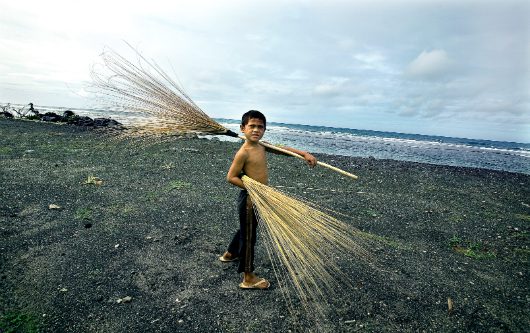
In the last leg of their Diamond Jubilee Tour of 2012, the Duke and Duchess of Cambridge [Kate Middleton and William Young] made a stop at the island of Tuvalu, joining them in their tribal dances among other activities. Tuvalu is located in the southwestern part of the Pacific Ocean near Australia, is the second smallest country in the world at only ten square miles in area, and is a country rarely discussed in the media.

Taiwanese eco-artist Vincent Huang will soon be unveiling the very first “floating pavilion” there, a pool crossed by walkways. The symbolism behind this pavilion, based on the rising sea levels and ever-changing climate, offers insight to one of the many geographical challenges that the country has faced, which has led to economic instability. According to Huang: “Tuvalu is the smallest national pavilion but we’re dealing with the biggest global crisis. I believe that most people have never heard about Tuvalu but it’s an iconic victim in terms of climate crisis.”

However, the climate crisis in itself is only part of the problem. Tuvalunans rely heavily on foreign aid in the form of imported food products because of a lack of a fresh water supply and poor soil quality. They find themselves less and less able to purchase the food due to rising prices, falling remittances and loss of jobs. In sum: climate change with rising sea levels, little access to fresh water, soil lacking in nutrients, pollution, and climate change along with an inability to afford the necessary imported food has led to malnutrition.

According to UNICEF Pacific Social Policy Specifist Reiko Yoshihara-Miskelly: “malnutrition, in earlier age, it has a long-lasting effect, given that brain development in early childhood could be crucial for children’s later performance in schools and life.” In fact, 1.6 percent of children under five years old suffer from malnutrition in a nation of only about eleven thousand total in population.

However, UNICEF is working to alleviate this problem not just in Tuvalu, but worldwide through a project entitled The Power of Nutrition. Released on the sixteenth of April, the goal of this project is to access $1 billion through partnerships with philanthropic associations through a trust fund with the World Bank Group for the purpose of child nutrition. Learn more at powerofnutrition.org.

– Anna Brailow

Sources: BBC, Daily Mail, Knoema, The Power of Nutrition, Radio Australia, UNICEF
Photo: Mirror

June 12, 2015
https://borgenproject.org/wp-content/uploads/borgen-project-logo.svg 0 0 Borgen Project https://borgenproject.org/wp-content/uploads/borgen-project-logo.svg Borgen Project2015-06-12 16:16:242024-05-27 09:24:12Geographic Challenges Lead to Malnutrition in Tuvalu
Global Poverty, Malnourishment

Malnutrition in Guinea

guinea
The small west-African nation of Guinea has one of the lowest life expectancies in the world – just 39 for men and 42 for women. Political instability, ethnic violence and natural disasters all contribute to about 28 percent of the Guinean population’s status as food insecure, according to a 2012 study by the World Food Programme (WFP).

One of the nations affected by the deadly Ebola crisis of late last year, the Center for Disease Control reports that nearly 2,500 Guineans died as a result of the disease.

However, there is a quieter killer claiming countless more lives than were lost in the Ebola epidemic: malnutrition. A supremely young nation wherein 2 of 5 residents are below the age of 15, an estimated 212,569 Guinean children died last year as a result of malnutrition, the WFP found.

UNICEF found that 16 percent of children under the age of 5 were malnourished in 2012, the same year a cholera outbreak seized the Guinean community, infecting 2,000 and killing an estimated 82.

Malnutrition and disease are closely linked, with the U.N.’s Standing Committee on Nutrition asserting malnutrition to be the largest contributor to disease and disability worldwide.

Both HIV and tuberculosis continue to be the leading public health concerns in the region, and given their interconnectivity with malnutrition, especially in the case that the mother is infected and risks transmitting the disease to their children, the U.N. targets this population specifically through specialized parameters included in their Guinea nutrition programme.

The WHO believes malnutrition to be responsible for one-third of of all child deaths, however, it is rarely listed as a cause of death in itself. Inadequate nutrition can weaken the immune system to the point where it’s unable to fight of disease. Consequently, malnutrition plays a role in countless preventable deaths across the globe.

This is why the WFP in 2014 provided 2,400 people with AIDS and TB treatment, while also establishing 141 nutrition centers across country, where Guineans can receive specialized fortified foods called Supercereals, with sugar and enriched vegetable oil.

– Amanda Burke

Sources: WFP 1, CDC, WFP 2, Action Against Hunger, Reliefweb
Photo: Flickr

June 1, 2015
https://borgenproject.org/wp-content/uploads/borgen-project-logo.svg 0 0 Borgen Project https://borgenproject.org/wp-content/uploads/borgen-project-logo.svg Borgen Project2015-06-01 16:00:162024-05-27 09:24:01Malnutrition in Guinea
Malnourishment

Malnutrition in Saudi Arabia

Saudi_Arabia
Saudi Arabia is the world’s largest exporter of petroleum oil and has an unemployment rate approximately 64 percent lower than the rest of the world. Through this economic success, malnutrition in Saudi Arabia remains a prevalent issue.

The indicators of nutritional imbalances among children 5 years or younger include stunting, wasting, being underweight and overweight. Stunting refers to a low height at a given age and wasting refers to a low weight for a specific height at a given age. Nutritional imbalances such as these result in malnutrition.

In the 2000s, malnutrition in Saudi Arabia for children 5 or younger was significant: 5.3 percent of the youth were underweight, 9.3 percent of the children were stunting, 11.8 percent of children were wasting and 6.1 percent of children were overweight.

These percentages of malnourished youth in Saudi Arabia may seem small and insignificant, but when compared to U.S. percentages of malnourishment it provides perspective to the real issue at hand.

During that same years, only 0.5 percent of children in the U.S. were underweight, 2.1 percent were stunted, 0.5 percent of children were wasting, and only 6 percent of children were overweight.

Although a portion of Saudi Arabia’s 28.7 million population live in wealth, approximately 20 percent of Saudi Arabia live in severe poverty. This percentage of individuals living in poverty correlates to malnutrition in Saudi Arabia.

Malnutrition in Saudi Arabia stems directly from families living in poverty who lack the resources to eat meals that supplement a healthy, balanced diet.

Saudi Arabia provides free healthcare and education resources to families who cannot afford it but Saudi Arabia neglects assisting families in poverty with food and meals. It is common for poverty ridden families to rely on citizens to give them free food handouts.

Malnutrition is not only affecting Saudi Arabia but also nations across the entire globe. According to Action Against Hunger, malnutrition is the cause of 50 percent of all child deaths.

While Saudi Arabia is working to boost citizen health and nutrition, the U.S. is implementing programs to help cut hunger in poverty struck nations.

In 2009, President Barack Obama developed the Feed the Future initiative which is a global food nutrition program working to reduce hunger and poverty. Feed the Future is currently running in 19 countries; unfortunately, Saudi Arabia is not one of those countries.

Although programs like Feed the Future are engaging the U.S. in helping reduce hunger and malnutrition in 19 countries, nations like Saudi Arabia are being neglected. With the implementation of more food nutrition programs, the U.S. could strive to make a global impact in increasing health and nutrition.

– Danielle Koontz

Sources: MSU, WHO, Time, Feed the Future, Action Against Hunger
Photo: Sat7UK

May 31, 2015
https://borgenproject.org/wp-content/uploads/borgen-project-logo.svg 0 0 Borgen Project https://borgenproject.org/wp-content/uploads/borgen-project-logo.svg Borgen Project2015-05-31 08:00:102020-07-17 21:16:13Malnutrition in Saudi Arabia
Malnourishment

Malnutrition in Senegal

malnutrition_in_senegal
Senegal is no stranger to malnutrition. Each year, the country sees cases of malnutrition spike in the summer months. Coupled with volatile harvests, climatic events and political instability, malnutrition will remain an enduring challenge for Senegal in the coming years. Despite these concerns, the Senegalese government has recently shown a strong commitment to alleviate malnutrition through close cooperation with humanitarian organizations.

Malnutrition in Senegal centers on what many call the “lean season.” This grimly-named period usually lasts from June through September, when food stocks from the previous year’s harvest approach depletion. In rural areas, where residents depend on the annual harvest for both income and sustenance, the lean season requires locals to reduce the quantity and the quality of their meals. The lean season thus delivers a double whammy, adding the specter of a malnutrition crisis to food security concerns.

In recent years, poor harvests have brought malnutrition in Senegal to crisis levels. Low harvest yields in 2011 led to the declaration of a malnutrition emergency in April of 2012. In the regions of Diourbel and Matam, identified the previous year as priority regions, national nutritional surveys had predicted under 5,000 cases of severe acute malnutrition, or SAM, during the 2012 lean season. These regions saw more than 13,000 cases of SAM. To make matters worse, Diourbel and other western regions were struck by floods in August and September of that year, destroying health facilities and affecting more than 300,000 people. The nutritional situation in rural Senegal, particularly in Diourbel, remained precarious the next year, with United Nations Regional Humanitarian Coordinator Robert Piper paying the region a special visit.

Harvest yields in 2014 were once again inadequate—down 16 percent from the previous year’s harvest and 20 percent below the five-year average, according to the World Food Programme. In regions suffering from insufficient rainfall, 2014 and 2015 harvest yields fell by up to 80 percent, according to USAID. If summer 2015 rains fall short, malnutrition in Senegal may reach crisis levels in the coming months.

Despite this concerning outlook, recent developments give cause for optimism. Before the declaration of a malnutrition emergency in 2012, the Senegalese government had made fighting malnutrition a key priority. During the 2012 crisis, the government collaborated closely with UNICEF, the World Food Programme, the World Health Organization and numerous NGOs to plan its response. Additionally, humanitarian organizations have pioneered innovative tactics to assist families at risk of malnutrition. The World Food Programme, for instance, began transferring money to vulnerable families in southern Senegal via text message during the 2014 lean season.

Though these steps are encouraging, malnutrition in Senegal remains a chronic issue. The lean season is still a defining feature of rural Senegalese life, and weak seasonal rainfall all but guarantees a malnutrition crisis. Political instability also poses difficulties. A history of separatist activity in the Ziguinchor region (struck by the 2012 floods) has left locals particularly susceptible to malnutrition emergencies.

Perhaps most critically, humanitarian initiatives that tackle malnutrition in Senegal are regularly underfunded. UNICEF’s response to the 2012 malnutrition crisis received only two-thirds of its desired funding, while food security and nutrition initiatives in 2013 met only 36 percent of their funding goals, according to U.N. sources. In spite of recent strides, malnutrition will likely continue to affect Senegal for years to come.

– Leo Zucker

Sources: Scaling Up Nutrition, UNICEF, IAEA, Relief Web 1, European Commission, WFP 1, WFP 2, Relief Web 2, Wikipedia
Photo: Thomson Reuters Foundation

May 29, 2015
https://borgenproject.org/wp-content/uploads/borgen-project-logo.svg 0 0 Borgen Project https://borgenproject.org/wp-content/uploads/borgen-project-logo.svg Borgen Project2015-05-29 12:00:312024-05-27 09:23:58Malnutrition in Senegal
Global Poverty, Malnourishment

Malnutrition in Bhutan

bhutan
Since the 1990s, there has been great progress in Bhutan’s small, agricultural based economy. With this economic progress, the citizens of Bhutan have seen a decline in poverty, a decentralized government and better access to health care.

In 2007, poverty in Bhutan was well over 40 percent. As of 2014, Bhutan’s National Statistics Bureau reports that poverty is at 12 percent nationally. Dietary diversity has improved greatly since 2007 among poor and non-poor, with households consuming higher amounts of nuts, fruits, oils and fats and sweeteners like sugar and honey.

Still, as more and more of Bhutan’s small population of 761,019 mobilizes out of extreme instances of poverty, there are indications that proper nutrition is a problem for many, especially children. It is estimated that 34 percent of children in Bhutan are stunted as a result of malnutrition and 11 percent show signs of wasting. While malnutrition and stunting is found to be slightly higher in rural regions of western and eastern Bhutan, national statistics from Bhutan show that at least 15 percent of children under five are undernourished.

There are a number of reasons as to why malnutrition and the stunting of children is prevalent in Bhutan. One significant factor is the health and nutrition of mothers who are pregnant or nursing. According to UNICEF, poor practices of infant feeding and a 50 percent rate of anemia among young mothers contributes to the vicious cycle of malnutrition among young children in Bhutan. As a result, one of every 10 mothers gives birth to a low-weight baby. The Bhutan Poverty Assessment said, “the under nutrition problem is prevalent in the eastern part of the country and among children of mothers with no education.”

There is an overall lack of use of antenatal and prenatal care amongst mothers in Bhutan. Few women in rural areas have their births attended by skilled professionals, even though Bhutan offers a system of universal health care to its citizens.

Others point to Bhutan’s reliance on foreign imports of food as being the main cause. This reliance causes the population to depend on foreign sources of food, which sometimes leads to a degree of neglect in subsistence farming and agriculture. Also, imports of certain Western foods, high in sugar content and offering little nutritional value, have led to a disparity in adequate nutrition in Bhutan.

The Kingdom of Bhutan is on track to meet the Millennium Development Goals; however, malnutrition remains the main impediment to Bhutan’s development. Though Bhutan fares far better than other nations in Southern Asia, it has recognized that in order to improve the overall well-being of the nation, something must be done to improve the health and nutrition of its young mothers and children.

– Candice Hughes

Sources: Bio Med Central, Global Nutrition Report, National Statistics Bureau, Unicef, World Bank
Photo: Asia News

May 21, 2015
https://borgenproject.org/wp-content/uploads/borgen-project-logo.svg 0 0 Borgen Project https://borgenproject.org/wp-content/uploads/borgen-project-logo.svg Borgen Project2015-05-21 12:00:082024-12-13 17:51:23Malnutrition in Bhutan
Global Poverty, Hunger

Hunger in Guinea-Bissau

guinea-bissau
Hunger and malnutrition are significant concerns in the country of Guinea-Bissau that can be attributed to several factors including food insecurity, poor health and sanitation, limited access to water and low literacy rates.

According to a report released by the World Food Programme, only seven percent of people living in Guinea-Bissau are food secure. The report also revealed that 93 percent of the rural population in the country is food insecure as a result of cashew prices. In addition, an estimated 15,000 children suffer from malnutrition across Guinea-Bissau.

Due to Guinea-Bissau’s political instability and socioeconomic uncertainty, the country’s food security remains compromised. Poverty rates have increased from 65 percent in previous years to 75 percent and although the country has ample natural resources, a substantial amount of rainfall and good soil, Guinea-Bissau is still dealing with the political disruption that makes it susceptible to poverty.

A large aspect of the country’s economy can be found in the agricultural sector, which 85 percent of the population relies upon. The population of 1.6 million not only relies on agriculture as a main source of income but also as a main source of nutrition. Cashews account for 98 percent of the country’s revenues, while other crops such as rice are grown for sustenance.

In the past several years alone, food insecurity in Guinea-Bissau has increased as a result of strikes and political upheaval, both have devastated the cashew nut season and compromised the country’s main source of income. This disruption not only affected revenues, but it also limited access to food and further burdened households in rural areas.

In past years Guinea-Bissau had not been making a political commitment to combating hunger in the country; however, recently the country along with several other organizations including WFP have partnered up in an effort to reduce hunger.

“Thanks to the work we do with our partners on emergency preparedness, support to family farmers, nutritional assistance – particularly in a child’s first 1,000 days – and building the resilience of communities to withstand shocks, millions of people are now better able to focus on building a future free of hunger for themselves and the next generation,” said WFP Executive Ertharin Cousin.

WFP and the government of Guinea-Bissau have launched several initiatives in hopes of alleviating hunger and combating malnutrition in the country. The initiatives aim to provide immediate food aid, operate school meal programs and aid small-scale farmers. WFP is currently providing meals to 86,000 schoolchildren and handing out rations as a means to increase attendance among girls. As part of the initiative, an estimated 36,000 women and children have received resources to combat malnutrition.

“Every year, we witness hunger’s devastating effect on families, communities and whole economies,” Cousin says. “But despite horrific crises engulfing entire regions, we are making real progress in the fight to sustainably and durably end hunger and chronic malnutrition.”

– Nada Sewidan

Sources: World Food Programme, International Food Policy Research Institute
Photo: DNS Tvind

May 19, 2015
https://borgenproject.org/wp-content/uploads/borgen-project-logo.svg 0 0 Borgen Project https://borgenproject.org/wp-content/uploads/borgen-project-logo.svg Borgen Project2015-05-19 04:00:192024-12-13 17:51:23Hunger in Guinea-Bissau
Global Poverty, Malnourishment

Malnutrition in Djibouti

Malnutrition in Djibouti
Throughout its long history, Djibouti has served as an important part of international exchange. Located in the center of the Horn of Africa, Djibouti has been a principal port of trade, exchange and shipping for nations like Saudi Arabia, France and China.

Yet, in spite of its historical significance, Djibouti’s small population of 886,000 people, most of whom are urban residents, cannot afford food or proper dietary provisions. This number includes children, approximately 109,000 under the age of five, who are at risk of stunted growth, improper mental development and death due to malnourishment. It is estimated that 29.8 percent of children under the age of five in Djibouti are underweight.

In recent years, severe drought has caused the traditionally pastoral society of Djibouti to lose up to 70 percent of its livestock. With less than .10 percent of Djibouti’s land considered arable, it is difficult to maintain sustainable agriculture or for families to feed themselves. Due to a combination of high communicable disease infection, low crop production and extreme poverty, child mortality rates are increasingly high, with 81 of every 1,000 live births resulting in death. Though child mortality has declined considerably in the last 24 years, children continue to suffer greatly in the region.

Djibouti has one of the world’s highest rates of chronic child malnourishment. The latest statistics provided by WHO show that 18 percent of children suffer from malnutrition and 5.6 percent face severe acute malnutrition. Djibouti currently ranks at 165 of 187 countries in the United Nations Development Program’s Human Development Index, indicating poor development and improper nutrition throughout the average Djiboutian’s lifetime.

In an effort to combat malnutrition and child mortality rates in Djibouti, a number of international organizations have developed programs and assistance intended for the ‘under-five population’ and mothers. In June of 2014, the World Bank announced a $5 million dollar credit to the Social Safety Net Program, which provides food assistance and cash-for-work incentives to mothers with young children. It emphasizes the ‘first 1000 days’ of a child’s life as being critical to developing proper nutrition and health.

In 2011, UNICEF installed a therapeutic feeding center in the Balbala community in Djibouti, offering treatment and nutritional supplements to malnourished children. The feeding center also offers resources to mothers in order to prevent future cases of malnutrition. The World Food Programme has also been a leading contributor to food and health assistance in Djibouti. Its assistance in Djibouti has helped over 90,000 people in Djibouti, especially children.

The WFP said, “WFP also helps fight against malnutrition by providing fortified food to children under five, as well as to pregnant and nursing mothers at health centers in both urban and rural parts of the country.”

Additionally, The World Bank, WFP, UNICEF and other organizations have helped Djibouti become self-sufficient by aiding in efforts focused on education, environmental sustainability and useful crop production. These efforts have contributed to the ongoing decline of malnutrition throughout Djibouti.

– Candice Hughes

Sources: The World Bank, UNICEF 1, UNICEF 2, WHO 1, WHO 2, World Food Programme
Photo: Flickr

May 7, 2015
https://borgenproject.org/wp-content/uploads/borgen-project-logo.svg 0 0 Borgen Project https://borgenproject.org/wp-content/uploads/borgen-project-logo.svg Borgen Project2015-05-07 08:00:202024-05-27 09:23:52Malnutrition in Djibouti
Global Poverty, Health, Malnourishment

Malnutrition in Myanmar

malnutrition in myanmar
Myanmar, formerly known as Burma, has an estimated population of 53 million people. Of this population, 2.5 million children in Myanmar suffer from stunted growth as a result of being malnourished over an extended period of time. Malnourished children often experience long term debilitating mental and psychical effects. These effects also impact the community and health resources available.

Currently, the rate of malnutrition in Myanmar is staggeringly high. The western area of the country, where 1.3 million Rohingya Muslims live, has unprecedented levels. More than 140,000 people are subjected to living in filthy, overcrowded camps. Others face restricted movement from villages and a lack of access to basic needs, such as clean water, food, education and healthcare. Political issues and ethnically motivated crimes have caused over 200,000 people to flee to neighboring areas such as Bangladesh to save their lives.

Human Rights Watch reports have indicated that ethnic cleansing and crimes against humanity have occurred in Myanmar as a result of the atrocities faced by the Rohingya people. However, this minority is not recognized by the government, and the term Rohingya is prohibited from being used by the government in Myanmar.

In accordance with Millennium Development Goal One, to end hunger and extreme poverty, Myanmar has attempted to make progress. As of 2013, it has been collaborating with UNICEF in order to help combat child malnutrition. Myanmar has joined other countries in the global ‘scaling up nutrition’ movement.

The United States and other countries need to work with the government of Myanmar to help it create reform programs that provide equality to all its people, including equal rights protection and access to food, clean water and sanitation. Progress has been made, but the potential for more is great.

– Erika Wright

Sources: The Parliament Magazine, UNICEF
Photo: Flickr

May 2, 2015
https://borgenproject.org/wp-content/uploads/borgen-project-logo.svg 0 0 Borgen Project https://borgenproject.org/wp-content/uploads/borgen-project-logo.svg Borgen Project2015-05-02 12:00:432024-05-27 09:23:49Malnutrition in Myanmar
Global Poverty, Malnourishment

Malnutrition in Botswana

malnutrition in botswana
Ranked 52nd from last (out of 182) on the Human Development Index, Botswana lacks a lot of basic needs to support its citizens. Malnutrition in Botswana is taking a bigger toll on the country then most would guess. Affecting things such as wages, health care systems, and cognitive development, malnutrition needs to addresses and reduced drastically.

The cost of health care that is needed to help those affected by malnutrition in Botswana increases the burden that malnutrition has on the economy. Also, children who are malnourished between conception and age two are at high risk for impaired cognitive development. In the future, problems like these can lead to adverse effects in the country’s productivity and growth since many will not have the cognitive capability to carry out tasks that require advanced ability which would most likely benefit the country greatly.

Vitamin and mineral deficiencies are some of the main indicators of malnutrition in Botswana. Vitamin A is an important vitamin that some are missing. It is reported that 29 percent of preschool aged children and 19% of pregnant women have a Vitamin A deficiency. Thirty-eight percent of preschool aged children and 21 percent of pregnant women have an Iron deficiency. Also, nearly one third of all households do not consume iodized salt, which leads to other disorders.

Vitamin deficiency is where UNICEF Botswana comes in to aid. In the past couple of years, UNICEF Botswana has offered a successful Vitamin A Supplementation program for children six-59 months old. UNICEF believes that the way forward is to sustain the child survival achievements.

With the economy heavily reliant on future generations, Botswana has a situation that needs to be dealt with in order to secure prominence not only in the present, but also in the future, when these now malnourished children will live. If Botswana and UNICEF can effectively aid those who are malnourished, the country will start to see improvements in all sectors due to the increased overall productivity of abled bodies.

– Erik Nelson

Sources: UNICEF, World Bank
Photo: WordPress

April 25, 2015
https://borgenproject.org/wp-content/uploads/borgen-project-logo.svg 0 0 Borgen Project https://borgenproject.org/wp-content/uploads/borgen-project-logo.svg Borgen Project2015-04-25 12:00:362024-05-27 09:23:47Malnutrition in Botswana
Global Poverty

Malnutrition in Mozambique

Malnutrition_Mozambique
In Mozambique, almost one in two children under the age of five is nutritionally deficient. Poor nutrition contributes to high rates of childhood mortality. Those who are nutritionally deficient are more susceptible to diseases, which further complicates the situation.

Looking at the macro and micro levels of nutrient deficiency, one can see how malnutrition in Mozambique is affecting the country. At the macro level, 44 percent of all children under the age of five are stunted due to chronic illness and poor diet with 18 percent of all children categorized as underweight. Wasting, or acute malnutrition, affects four percent of the adolescent population and is a major concern for Mozambique.

On the micro level, Iron, Iodine and Vitamin A deficiencies are among the main perpetrators. Iron deficiency affects 75 percent of the children who grow anemic and are apathetic, anorexic and energy-less. Iodine deficiency has mental and physical repercussions. Goiter is a condition that is caused by iodine deficiency and affects 15 percent of children between the ages of six and 12 in Mozambique. Iodized salt usage has increased in recent years, however, to combat this trend.

Vitamin A deficiency weakens the body’s immunity against infections. This is a serious side effect and affects the majority of children in Mozambique, at a rate of 69 percent of children. It also affects 11 percent of mothers, who find it hard to breastfeed their children because they are also undernourished.

“It is not just about food,” says Maaike Arts, a nutrition expert at the UNICEF organization in Mozambique. “It is about health, hygiene and sanitation. Diarrhea and worms affect the child’s uptake of nutrients; malaria reduces the levels of iron in the blood. In Mozambique, many women marry and get pregnant as teenagers. There is a significant correlation between mother’s age and the nutritional status of the children.”

UNICEF has been forging their way through the thick of Mozambican hunger with a three-focus attack. UNICEF is scaling up the support of the Basic Nutrition Package in health facilities, implementing community-based nutrition interventions and feeding malnourished children. The WHO is also joining the fight with a plan that has seven individual strategies.

UNICEF’s Basic Nutrition Package aims to prevent children from becoming malnourished in the first place by providing “health units” to the provinces in Mozambique. Activities include the community coming together and learning about good nutrition practices and how to correctly feed the young. These activities focus on the empowerment of mothers, families and communities.

The WHO has created an in-depth plan that includes the following focus areas:

· Activities with impact on teenagers’ nutrition status strengthened
· Interventions with impact on productive, lactating and pregnant women’s health and nutrition strengthened
· Child-oriented nutrition activities in the first two years of birth strengthened
· Household-oriented activities to improve high nutrition food access and utilization strengthened
· Human Resources capacity in nutrition strengthened
· Strengthen national capacity for advocacy, coordination, management and progressive implementation of the Multi-Sectorial Action Plan for Chronic Malnutrition Reduction
· Food and nutrition control system strengthened

Strengthen is the key work in the WHO’s plan. They want Mozambique to gain the capability to provide for itself. The ultimate goal is to reduce chronic malnutrition to 20 perccent by 2020.

With the help of UNICEF and WHO providing the basic needs of nourishment and sustainability, malnutrition in Mozambique can begin to see its downfall. These organizations have studied the land and the people and have determined what is needed in order for this country to get up and running on its own.

– Erik Nelson

Sources: IRIN, UNICEF, WHO
Photo: Lists10

April 13, 2015
https://borgenproject.org/wp-content/uploads/borgen-project-logo.svg 0 0 Borgen Project https://borgenproject.org/wp-content/uploads/borgen-project-logo.svg Borgen Project2015-04-13 08:00:022024-05-27 09:23:41Malnutrition in Mozambique
Page 13 of 19«‹1112131415›»

Get Smarter

  • Global Poverty 101
  • Global Poverty… The Good News
  • Global Poverty & U.S. Jobs
  • Global Poverty and National Security
  • Innovative Solutions to Poverty
  • Global Poverty & Aid FAQ’s
Search Search

Take Action

  • Call Congress
  • Email Congress
  • Donate
  • 30 Ways to Help
  • Volunteer Ops
  • Internships
  • Courses & Certificates
  • The Podcast
Borgen Project

“The Borgen Project is an incredible nonprofit organization that is addressing poverty and hunger and working towards ending them.”

-The Huffington Post

Inside The Borgen Project

  • Contact
  • About
  • Financials
  • President
  • Board of Directors
  • Board of Advisors

International Links

  • UK Email Parliament
  • UK Donate
  • Canada Email Parliament

Get Smarter

  • Global Poverty 101
  • Global Poverty… The Good News
  • Global Poverty & U.S. Jobs
  • Global Poverty and National Security
  • Innovative Solutions to Poverty
  • Global Poverty & Aid FAQ’s

Ways to Help

  • Call Congress
  • Email Congress
  • Donate
  • 30 Ways to Help
  • Volunteer Ops
  • Internships
  • Courses & Certificates
  • The Podcast
Scroll to top Scroll to top Scroll to top