• Link to X
  • Link to Facebook
  • Link to Instagram
  • Link to TikTok
  • Link to Youtube
  • About
    • About Us
      • President
      • Board of Directors
      • Board of Advisors
      • Financials
      • Our Methodology
      • Success Tracker
      • Contact
  • Act Now
    • 30 Ways to Help
      • Email Congress
      • Call Congress
      • Volunteer
      • Courses & Certificates
      • Be a Donor
    • Internships
      • In-Office Internships
      • Remote Internships
    • Legislation
      • Politics 101
  • The Blog
  • The Podcast
  • Magazine
  • Donate
  • Click to open the search input field Click to open the search input field Search
  • Menu Menu

Tag Archive for: Malawi

Posts

Development, Global Poverty

Mining in Malawi: Understanding the Conflict

Mining in Malawi: Understanding the Conflict
The relationship between the mining industry and the country of Malawi is burdened with complexity. Mining in Malawi promises substantial economic growth, yet it simultaneously has the potential to violate human rights and destroy the natural ecosystem.

Malawi profits through the mining industry, as the country is rich in economic deposits of uranium. Both Malawian granite and sandstone host uranium reserves, such as the Karoo sandstone in Karonga, Malawi.

The district of Karonga lies on the northwest side of Lake Malawi. Lake Malawi is one of the only freshwater lakes on the entire continent of Africa and is a key source of livelihood for over 1.5 million Malawians.

While clearly rich in resources, the country itself is impoverished. Due to this, the government has signed many agreements with extraction companies, hoping to increase exports.

Some national organizations are concerned about the mining industry’s effect on the precious and fragile ecosystem of Lake Malawi, yet the government has prioritized economic interests.

In 2007, a subsidiary of Paladin Energy took interest in Karonga due to a uranium deposit in the district. Due to the immense economic potential of the mine, called Kayelekera, the government agreed to let Paladin extract uranium in 2009. The government was issued 15 percent equity in the subsidiary.

As expected, the mine stimulated a crucial boost to the country’s foreign currency account. Over the following 10 years, the uranium industry overall is expected to raise Malawi’s GDP by 10 percent, account for 30 percent of exports and increase exports by 25 percent.

Due to company promises, many people in Malawi flocked to Karonga, hoping the uranium industry would generate employment, build clinics and increase general infrastructure in the new mining community.

Others, however, were not adequately informed that uranium mining was going to take place around their homes. None were aware that the Kayelekera mine would disrupt their entire way of life.

Reporters from Human Rights Watch conducted research for a year in Karonga, interviewing nearly 80 villagers who had been affected by uranium mining. They found that the general lack of government oversight and corporate responsibility harmed Malawians.

The construction of the Kayelekera mine caused villagers to be evicted from their homes. Many were only notified of the relocation at the last minute. Without any time to find other places to stay, these Malawians found themselves temporarily homeless.

While Paladin did offer compensation for the forced removal, the sum was insufficient to completely cover the cost of buying new land and building a new home. The company offered about MWK 50,000 to each family, which currently equates to about $70.

The uranium mining in Malawi damaged maize crops, dried rice fields and destroyed irrigation channels. As most of the villagers around Karonga live off of subsistence farming, threatened agriculture endangers survival.

Secrecy around the operations of the mine led to Malawian suspicion. When the people in Karonga asked the corporation to test the water for contamination, Paladin claimed to have a monitoring system in place. The company then refused to release any results. This lack of transparency has left many villagers concerned for their health.

As the laws surrounding mining in Malawi have not been updated since the Environmental Management Act of 1996, amendments are well overdue. In order to protect the interests of its citizens, the government of Malawi needs to strengthen regulations over extractive corporations, educate its people about the risks of mining, enforce institutional transparency and take measures to mitigate any damage.

The Kayelekera mine was closed in 2014 for repairs, yet the uranium industry in Malawi is just beginning. Moving forward, the Malawian government needs to enforce corporate responsibility on all companies who wish to extract natural resources from their country.

This conflict over mining in Malawi ignites fundamental questions over the delicate balance between economic development and social responsibility. With a more comprehensive legal framework, the government of Malawi may not have to choose one or the other. After further reform, the government can protect its people while simultaneously fostering social, institutional and economic development.

– Larkin Smith

Photo: Flickr
November 14, 2016
https://borgenproject.org/wp-content/uploads/borgen-project-logo.svg 0 0 Borgen Project https://borgenproject.org/wp-content/uploads/borgen-project-logo.svg Borgen Project2016-11-14 01:30:142024-12-13 17:55:57Mining in Malawi: Understanding the Conflict
Health

Prevention and Treatment: The Top Diseases in Malawi

Top Diseases in Malawi
Malawi’s Ministry of Health states that their current overall policies are meant to focus on: “the development of a sound delivery system capable of promoting health, preventing, reducing and curing diseases, protecting life and fostering general well-being and increased productivity.” In recent years, the country has made substantial advancements in the field of medicine in terms of addressing their most pressing health issues, namely the top diseases in Malawi.

Infant and child mortality have been declining, and HIV rates among citizens have begun to level out. Despite having made progress, Malawi continues to be characterized by the burden of high infectious disease rates. The average life expectancy of a person living in Malawi is 57 years for males, and 58 years for females, making it the country with the twentieth lowest life expectancy in the world. However, the five top diseases in Malawi are all either preventable or treatable with basic medical care.

HIV/AIDS: 27% of deaths

Malawi is making impressive strides in combating their HIV epidemic, specifically in the prevention of mother to child transmission of the disease. However, Malawi’s HIV presence is still one of the highest in the world. It is home to roughly four percent of all people with HIV in Sub-Saharan Africa.

As of 2015, 10.3% of the population was living with HIV or AIDS; 9.3% of these people were between the ages of 15 and 49 years. That averages to around 980,000 people. The disease disproportionately affects females in Malawi, with an average of 4.5% of young females, and 2.7% of young men from 15 to 24 years living with HIV.

It is estimated that only 61% of all infected adults are on antiretroviral treatment. This epidemic, which killed 48,000 people in 2013 alone, is largely responsible for Malawi’s low life expectancy of 57.5 years.

Lower Respiratory Infections: nine percent of deaths

Lower respiratory problems have topped the charts as a reason for hospital admission in Malawi prior to the HIV and AIDS epidemic. Lower respiratory infections cover everything from pneumonia to bronchitis, and Malawi has seen an increase in these infections particularly in its citizens with the HIV virus.

Pneumonia is the single biggest killer of children in Malawi, prematurely ending the lives of an estimated 1,000 infants in 2010 alone.

Malaria: six percent of deaths

Despite progress, malaria continues to be one of the top diseases in Malawi. Malaria is responsible for nearly 40% of hospitalizations in children under the age of 5, 30% of all outpatient visits and is one of the highest causes of mortality in all age groups.

Transmission of the disease occurs mostly from November to April, during Malawi’s rainy season. However, with global support, the Ministry of Health’s National Malaria Control Program in Malawi has been able to distribute treatment more easily throughout the population.

Since efforts were put in place in 2004, the mortality rate for children 5 years and younger has fallen by more than 36%. This is largely due to Malawi introducing the pneumococcal vaccine as part of routine childhood vaccination in November 2011, and the additional rotavirus vaccine in October 2012. Malawi is one of the four countries in the African Region that offers these vaccinations.

Diarrheal Disease: five percent of deaths

Diarrheal disease poses a serious threat, particularly to 5% of the children of Malawi, as it claims nearly 600 lives of Malawian children per year. Support from such initiatives as the World Health Organization (WHO), United Nations Children Emergency Fund (UNICEF) and the GAVI Alliance has given us an opportunity to offer those in Malawi protection from diarrheal diseases.

More lives could be saved through basic interventions, such as improving drinking water, increasing sanitation efforts and distributing a simple solution of oral rehydration salts and zinc supplements during bouts of diarrhea.

Perinatal Conditions: three percent of deaths

Perinatal conditions are any conditions existing in a baby before or immediately after birth. These conditions often stem from preexisting conditions in the mother, and are more easily prevented than treated. Solutions posed for this problem include better sex education for women, easier access to contraceptives — only 41% of Malawian women showed an understanding of preventative measures for sexually transmitted diseases in 2015 — and more accessible treatments for diseases such as HIV and malaria.

Currently, Malawi faces problems in addressing many of their health issues with regard to domestic funding and external stigma against the country. However, Malawi is committed to addressing the challenges of the top diseases in Malawi at the national level with cooperation and innovation in order to have a lasting impact.

– Kayla Provencher

Photo: Flickr

October 21, 2016
https://borgenproject.org/wp-content/uploads/borgen-project-logo.svg 0 0 Borgen Project https://borgenproject.org/wp-content/uploads/borgen-project-logo.svg Borgen Project2016-10-21 13:13:492024-06-05 04:37:47Prevention and Treatment: The Top Diseases in Malawi
Global Poverty, Water

Five Things You Need to Know About Water Quality in Malawi

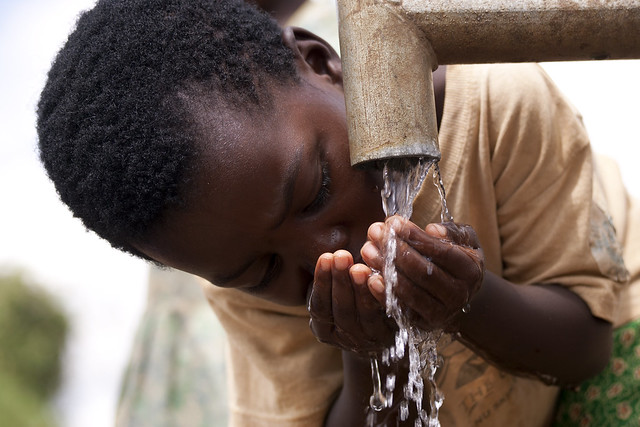
Water Quality in MalawiClean water is something that is often taken for granted, but certainly not in Malawi. In the last two years, UNICEF helped nearly 50,000 people gain access to improved water supply and produced 500 water points, with the new goal to serve an additional 125,000 people with safe water in 2016. Though overall water quality in Malawi has improved significantly, there is still so much more that can be done.
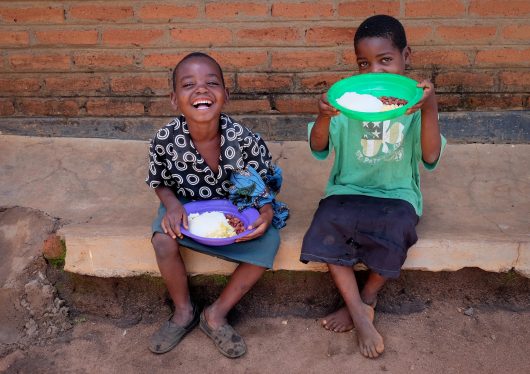
  1. Many water hand pumps are inoperative, leaving people with no choice but to go back to unsafe water sources. Poor sanitation practices and improper storage of drinking water often lead to waterborne illnesses like cholera. WaterAid is one organization making a difference and supporting the marginalized communities of Malawi by repairing broken wells and handpumps. Showing users how to maintain their own facilities ensures that safe water will be available close to homes year round.
  2. The lack of access to safe water in Malawi has taken a toll on cultivation and increased hunger. A steady water supply is essential to growing enough food to eat, but the extreme weather and pollution where the majority of people in Malawi live make farming difficult. In addition to wells and handpumps, WaterAid also builds simple composting latrines, which help keep water sources clean and provide fertilizer for crops.
  3. According to the USAID Fact Sheet, approximately 4 million people still lack access to safe water. Likewise, 10 million people lack access to adequate sanitation in Malawi. Clean water is essential for a healthy population. Clean Water for Malawi (CWFM) works to provide this basic necessity by drilling water wells in small villages. CWFM has built 402 wells in Malawi since 2010, with each well supplying enough clean water for up to 350 – 500 people.
  4. Lack of access to clean water causes disease and death in Malawi. Approximately 30,000 people die every year in Malawi from issues caused by dirty water, namely diarrhea, dysentery, parasitic infections and food and water-borne illnesses.
  5. Studies show that schools that do not have working toilets or water discourage children from attending and completing their education. In 2007, UNICEF fixed 39 school water points, bringing safe water to 23,000 school children. Public communication strategies regarding hygiene promotion also help to educate individuals in Malawi on the proper use and safe handling of water and sanitation facilities.

With poor water quality in Malawi having such a heavy impact on the lives of locals, organizations like UNICEF, WaterAid and USAID are applauded for their generous contributions.

Making the issue a priority and taking direct action has saved thousands of lives and is hopefully a mindset that will carry on to further improve conditions in Malawi.

– Mikaela Frigillana

Photo: Flickr

October 19, 2016
https://borgenproject.org/wp-content/uploads/borgen-project-logo.svg 0 0 Borgen Project https://borgenproject.org/wp-content/uploads/borgen-project-logo.svg Borgen Project2016-10-19 01:30:492024-06-05 04:10:54Five Things You Need to Know About Water Quality in Malawi
Global Poverty, Hunger

Emmanuel Ngulube and USAID: The Malawi Hunger Fight

Emmanuel Ngulube and USAID: The Malawi Hunger Fight
Emmanuel Ngulube — a Zambian native — has dedicated his life to the Malawi hunger fight. Before Ngulube decided to take on the battle of food insecurity in Malawi, he worked as a program specialist for the USAID in Zambia. Zambia, like many African countries, has experienced devastating natural disasters.

Ngulube acknowledged how fortunate his family was to survive the Zambian drought of 1980, because his “father worked for the mines and he could afford to buy food imported by the government, but others relied on emergency food assistance.” USAID’s Food for Peace mission has allowed Ngulube to find his niche and find creative ways for Malawi to establish strong food security.

The current conditions of Malawi resonated with Ngulube, because of the country’s past and most recent history with natural disasters. A record-breaking flood ripped through Malawi just last year, that left tens of thousands stranded. This year Malawi underwent a terrible drought and vast crop failure due to a warm oceanic phase called El Niño. The aftermath of El Niño left 6.5 million people in a crisis of food insecurity in Malawi.

Since Malawi is consistently plagued with natural disasters, its government has created an advanced technology that has assisted the country and its citizens with predicting natural disasters. Thanks to sufficient financing from the Global Facility for Disaster reduction and Recovery, Malawi has been able to establish the Malawi Disaster Risk Management project.

The Malawi Disaster Risk Management project has “led to advanced disaster preparedness by the country’s citizens, who are better able to predict catastrophic events and, therefore, more effectively prepare for them.”

Being able to prepare for natural disasters before they hit is crucial to Malawian citizens’ survival because the majority of them rely on rain-fed agriculture to make a living. One natural disaster can be the difference between a bountiful harvest and a catastrophic event.

For example, the Shire River Basin — which floods yearly — affects thousands each year and heavily hinders lower income families from recovering from natural disasters.

Malawi has developed an economic vulnerability and Disaster Risk Assessment that indicated “annual flood damage in the Shire River Basin resulted in an average loss of 0.7 percent of GDP ($9 million) per year. Elsewhere in the country, drought caused an average economic loss of 1 percent annually ($13 million).”

Although stopping natural disasters from affecting the country of Malawi is a tall task, Ngulube has fallen in love with helping the local communities create new ways to sustain themselves and recover from the tragic times of the past. Ngulube’s influence can be seen within many communities, whose battle with food insecurity in Malawi has been greatly reduced. Ngulube’s progress has only reassured him that his efforts are making a real difference.

– Terry J. Halloran

Photo: Flickr

October 9, 2016
https://borgenproject.org/wp-content/uploads/borgen-project-logo.svg 0 0 Borgen Project https://borgenproject.org/wp-content/uploads/borgen-project-logo.svg Borgen Project2016-10-09 01:30:572024-12-13 17:55:48Emmanuel Ngulube and USAID: The Malawi Hunger Fight
Extreme Poverty, Global Poverty

10 Facts About Poverty In Malawi

Malawi is a landlocked country in southeastern Africa bordered by Tanzania, Mozambique and Zambia. The country also borders Lake Malawi, also known as Lake Nyasa. Lake Malawi accounts for more than one-fifth of the country’s total area, making it a significant geographical feature. Poverty in Malawi has been at critical levels for decades. Of the approximately 21.8 million people in the country, about 50.7% lived below the national poverty line in 2019.

Many Malawians work in agriculture and it is hard for them to produce enough crops to maintain an income above the international poverty line. With parental death, disease and crop failure, the obstacles that many Malawians face are abounding. Below are the leading facts that thoroughly explain and illuminate the pressing issue of poverty in Malawi.

  1. In Malawi, there are more than 900,000 adults living with HIV. The infection rate is twice as high among women as it is among men. Additionally, only 88.3% of adults living with HIV know that they are HIV-positive and about 98% of them are receiving antiretroviral treatment (ART).
  2. Only 67.3% of Malawi’s population can read and write by the age of 15. This is partially attributed to a lack of access to quality education, a high number of student to teacher ratio, teacher absenteeism and a low enrolment rate.
  3. Due to poverty, poor access to health care, disease and food shortage, the average life expectancy for a Malawian is 63 years, which is 25 years more than it was in 1960, according to the World Bank. Further, The median age for Malawians is 20.3 years old.
  4. There are only 0.05 doctors for every 1,000 individuals in Malawi. As a result, millions in Malawi do not have access to standard health care services.
  5. Malawi’s economy is mainly agricultural, with 80% of the population living in rural areas. Additionally, the sector contributes 30% of the country’s national gross domestic product (GDP).
  6. The International Fund for Agricultural Development (IFAD) is working in harmony with Malawi’s government to promote agricultural growth in rural areas. This is an effort to reduce poverty throughout Malawi.
  7. About 30% of Malawian children do not start primary school (which is free) and only 33% of those who enroll will go on to complete it. Secondary and higher education is mostly attended by those of households above the international poverty line, predominantly due to the enrollment fees.
  8. Malawi is one of the world’s most impoverished countries, ranking 172 out of 193 countries on the Human Development Index.
  9. As of 2015, more than one million Malawi children were orphaned due to HIV/AIDS.
  10. In addition to IFAD, Access Health Africa, an international nonprofit, is providing Malawians with access to quality health services, education and resources through community initiatives. The organization has provided 160 general surgeries and reached more than 1,000 people.

The people of Malawi face great hardships; however, with the help of nonprofits like IFAD and Access Health Africa, there is hope for an increased economy, health services and better school systems. This, in turn, will decrease disease, orphaned children and overall poverty in Malawi.

– Bella Chaffey

Photo: Flickr
Updated: June 01, 2024

August 10, 2016
https://borgenproject.org/wp-content/uploads/borgen-project-logo.svg 0 0 Borgen Project https://borgenproject.org/wp-content/uploads/borgen-project-logo.svg Borgen Project2016-08-10 01:30:012024-06-01 12:43:4010 Facts About Poverty In Malawi
Education, Women, Women and Female Empowerment

Dr. Jill Biden Promotes Women’s Empowerment in Africa

Dr. Jill Biden

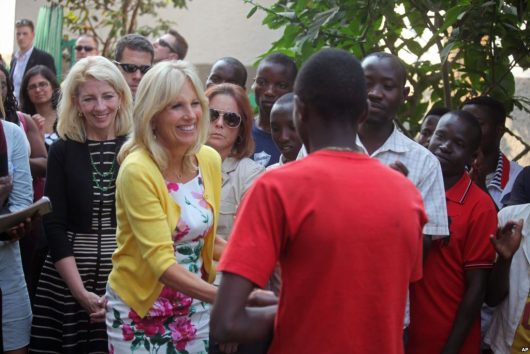
Dr. Jill Biden, wife of U.S. Vice President Joe Biden, promoted women’s rights, immigration and education during her recent trip to Africa. She visited Ethiopia, Malawi and Niger, where she focused on matters associated with economic empowerment and educational opportunities.

In each country, Dr. Biden met with local citizens in many different places in order to engage in government and civil society and focus on issues relative to each country. Here are some of the highlights of her three-country trip.

Ethiopia

  • Dr. Jill Biden’s first stop in Africa was Ethiopia. She first visited a transit center for refugees at the International Organization for Migration. There she learned about the refugee screening process for those hoping to resettle in the US.
  • With a focus on women’s empowerment and women’s rights, she attended an event in the high-tech center in Addis Ababa funded by the U.S. Embassy. There, she handed out certificates to girls who completed computer training.
  • Finally, she met with female members of Ethiopia’s parliament and cabinet, as well as entrepreneurs and other members of the community.

Malawi

  • First, Dr. Biden attended a reception for humanitarian aid workers from the U.S. Embassy. She addressed the El Niño drought by gaining information from the USAID Food for Peace Program about food security.
  • She traveled to primary schools, the first of which was assisted by the U.S. Department of Agriculture’s McGovern-Dole Food for Education Program. Biden learned about the USAID Girls Empowerment Through Education and Health Activity (ASPIRE) at a second primary school.
  • Finally, Dr. Biden met with local farmers learning about how the maize trade influences economic empowerment and with Malawi’s First Lady Madame Gertrude Mutharika to discuss their collective pledges on women’s empowerment.
  • It was Dr. Biden who announced that 20 million dollars have been donated through the World Food Program to assist food insecurity in Malawi.

Niger

  • Dr. Biden visited the Marie Stopes International Clinic to discuss family planning and reproductive health with Nigerien women.
  • She discussed with local residents the issues surrounding the Boko Haram conflict and the humanitarian crisis in the state. After meeting with President Mahamadou Issoufou, she talked to young Nigeriens about youth participation in local elections.
  • Dr. Biden discussed empowerment through job creation and its positive effects on the national economy, and she participated in a roundtable at the U.N. Development Program to discuss gender inequality, education and protection.

Dr. Jill Biden’s focuses on women’s empowerment and education are based on the notion that education is a tool that can be used to lift communities out of poverty. By developing self-confidence through education, girls and women in Africa can become active participants in their local communities.

– Kimber Kraus

Photo: Voice Of America

August 9, 2016
https://borgenproject.org/wp-content/uploads/borgen-project-logo.svg 0 0 Borgen Project https://borgenproject.org/wp-content/uploads/borgen-project-logo.svg Borgen Project2016-08-09 01:30:322020-06-17 18:50:13Dr. Jill Biden Promotes Women’s Empowerment in Africa
Education, Global Poverty

KIND Fund Exceeds Expectations

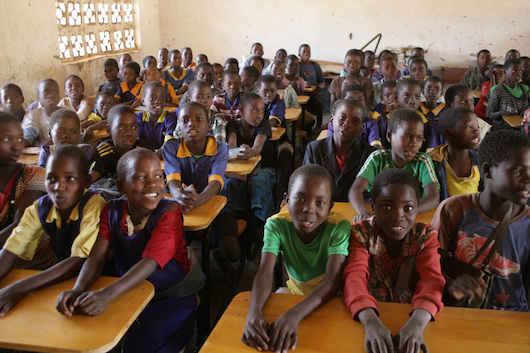
KINDMillions of children throughout Africa struggle to learn while sitting on dirt floors or the ground outside for hours at a time. In Malawi, three out of five students don’t have a desk or chair.
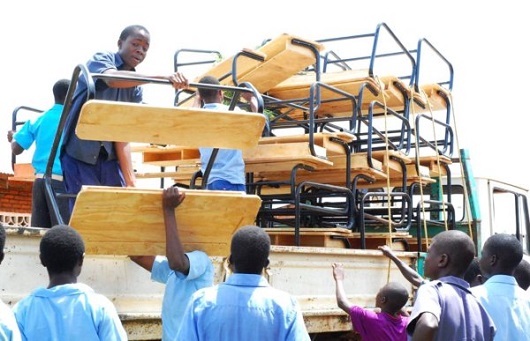
Since 2010, Kids In Need of Desks (KIND) has placed more than 148,755 desks in 575 primary schools in Malawi, providing actual workspaces to nearly half a million students who would otherwise be sitting on the floor. The fund has also provided over 718 scholarships to girls to complete all four years of high school.

KIND also benefits the Malawian community outside the classroom. Every desk made for Malawian children is manufactured locally. This has created numerous jobs for residents over the past five years.

The fund was created by MSNBC’s Lawrence O’Donnell after a 2010 service trip to the country. There, O’Donnell learned firsthand that the number one item Malawian school teachers said would best improve the lives of students was desks.

According to Malawian teacher Saulos Mzuwala, “In as far as education is concerned a learner is more comfortable sitting at desks than on floors. They use their knees as desks which leads to poor handwriting.”

Students too, complain about the difficulty of learning and practicing writing from this position. “We fold our legs when we’re sitting and when we try to write, our papers get damaged and that wastes a lot of our time. It’s distracting and makes it hard to do well in school,” says student Lajab Saidi.

On top of this, sitting on the floor makes their clothes dirty faster, says teacher Nema Samalira. “It’s hard for these kids to afford soap especially if they have to clean their clothes every day. If their clothes are dirty they don’t come to school.”

During that trip, O’Donnell connected with UNICEF and a Malawi woodworking shop. He paid for them to make 30 student desks. With three kids to every desk, that first delivery enabled 90 students to move from dirt floors to desks. This change happened within a single week. Now, five years later, the KIND fund has received more than $10.5 million in donations.

“Ten million dollars was beyond my wildest dream when I started KIND with UNICEF. I am in awe of the generosity of our audience. There are hundreds of thousands of students sitting at desks instead of on the floor today thanks entirely to our audience. There are girls in high school today thanks entirely to our audience. This is proof that small acts of kindness can make a big difference in our world,” says O’Donnell.

– Kara Buckley

Sources: MSNBC, PR News Wire, UNICEF USA, Vimeo
Photo: MSNBC

February 3, 2016
https://borgenproject.org/wp-content/uploads/borgen-project-logo.svg 0 0 Borgen Project https://borgenproject.org/wp-content/uploads/borgen-project-logo.svg Borgen Project2016-02-03 01:30:012024-12-13 18:05:33KIND Fund Exceeds Expectations
Education, Global Poverty

O’Donnell’s KIND Fund Raises $10.5 million for Malawi


KIND fundIn the 2015 holiday season, Lawrence O’Donnell’s KIND Fund (Kids in Need of Desks), which supplies desks and scholarships to students in Malawi, reached over $10.5 million in donations. The organization’s goal is to build tables for rural schools in Malawi that lack school furniture.

In 2010, Lawrence O’ Donnell saw firsthand the struggles of schoolchildren lacking essential school supplies in Malawi. Every day in rural villages, children would attend school without basic school equipment, like desks and chairs.

Most students would sit in the dirt or on hard cement floors, using their knees as makeshift tables to write notes. The lack of a physical platform would lead to poor handwriting and damaged papers. Because the students only have a single pair of clothing, their families would spend every other day washing their shirts and pants, often causing children to miss class.

Wanting to help improve the bleak situation, O’Donnell contacted UNICEF and a local woodworking shop, paying them to make 30 student desks — enough for a full classroom. Realizing how easily he could improve student education, O’ Donnell created the KIND Fund after his visit.

Since 2010, the organization has built and placed more than 148,755 desks in 575 primary schools in Malawi, creating legitimate work spaces for more than half a million students who would otherwise be sitting on the dirty floor. On his show, O’Donnell thanked his viewers for their ongoing support for the KIND Fund. To him, $10 million dollars “was beyond my wildest dreams when I started [the fund].”

The KIND Fund has also benefited the Malawian communities outside the classroom by manufacturing the desks locally, creating jobs for residents since its inception.

In addition to building desks for schools, the KIND Fund also provides scholarships to young women to complete their secondary school education. Because of their impoverished situation, families choose to not send their daughters to school.

With the scholarships that the KIND Fund offers, the girls receive an education that diminishes their chances of being exploited, making them less likely to fall victim to human trafficking. Girls who finish secondary school also marry at an older age, and their babies are more likely to survive.

Knowing this, the KIND Fund promotes its scholarships and makes sure both young men and women have a brighter future and better education.

“This is proof that small acts of kindness can make a big difference in our world,” O’Donnell said.

– John Gilmore

Sources: Look to the Stars, UNICEF USA
Photo: Flickr


Clint Borgen will be speaking at Yale on February 12th. Order tickets online.


January 31, 2016
https://borgenproject.org/wp-content/uploads/borgen-project-logo.svg 0 0 Borgen Project https://borgenproject.org/wp-content/uploads/borgen-project-logo.svg Borgen Project2016-01-31 01:30:252024-12-13 18:05:36O’Donnell’s KIND Fund Raises $10.5 million for Malawi
Development, Global Poverty

Cooking to Produce Electricity in Malawi

Cooking to Produce Electricity in Malawi
Thermoelectric generators that use heat from clay stoves to produce electricity are becoming a popular tool in Malawi where efforts are being made to protect the environment.

Developed with the help of Irish Aid, the thermoelectric generator also provides an affordable option for Malawians to access electricity from a clean energy source.

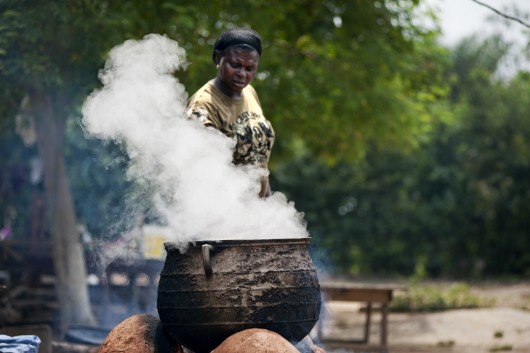
The device is bolted to a clay cooking stove and uses the heat from everyday cooking to charge devices such as phones, LED lights and radios. The electrical current is created by the differential in temperature between two metal parts.

Malawi is one of the least developed countries in the world. Fewer than one out of every 100 rural people have access to grid electricity and more than 85 percent of people live in rural areas.

Aidan Fitzpatrick, Head of Development at Irish Aid, said, “At the very best by 2025, only 20 percent of the population will have grid electricity, so there will still be a huge need to find energy solutions for the majority of Malawians.”

The Irish aid group worked to create a device that would be easy to use for people and could use while cooking to create electricity. The group focused on a generator that would create and sustain community jobs.

A thermal engineering research group joined with Concern Universal and Irish Aid in Malawi to design an electricity generator that could fit on a clay stove, which are already in use as part of the government’s plan to produce two million clean stoves by 2020.

The group decided to use a trial-and-error design process because there are already many innovative solutions to produce electricity.

According to lead engineer, Professor Tony Robinson, “We needed to design something to withstand an extreme environment, requiring no training or maintenance so people can plug in their phone or light while they’re cooking and get on with their lives without having to go search for firewood every day. On top of that, it had to be cheaply produced in Malawi with locally available materials.”

The generators will eventually be made locally for around 20 euros. Many families in Malawi will be able to purchase the generators through microfinance options.

Concern Universal Project Manager, Blessings Kambombo, said; “Once it is rolled out, it will make a huge difference to rural communities not only by improving their quality of life but providing business opportunities and therefore choices.”

– Jordan Connell

Sources: BBC News, The Irish Times
Photo: Flickr

December 6, 2015
https://borgenproject.org/wp-content/uploads/borgen-project-logo.svg 0 0 Borgen Project https://borgenproject.org/wp-content/uploads/borgen-project-logo.svg Borgen Project2015-12-06 01:30:212020-06-24 20:28:08Cooking to Produce Electricity in Malawi
Global Poverty

Seven Things You Didn’t Know About the Poorest Country in the World


Malawi is ranked as the poorest country in the world according to GDP per capita. However, Malawi does not just consist of poverty. Below are seven facts that shed light on Malawi:

  1. It was the first country in Africa to sell tea commercially. Tea was brought to Malawi and planted there in 1878. It is now the second largest tea producer in Africa after Kenya.
  2. Malawi was the first country outside of Denmark to have a Carlsberg beer brewery. The Carlsberg Malawi Brewery Limited opened in 1968 as the first Carlberg brewery outside of Denmark. It is also the official beer of the Malawi National Football Team.
  3. Roughly one-fifth of Malawi’s land is occupied by Lake Malawi. Malawi is 45, 745 square miles and Lake Malawi takes up 11,429 square miles of that land.
  4. Lake Malawi has more species of fish than any other lake in the world. Lake Malawi has more than 1,000 species of fish within the lake.
  5. Malawi is called the warm heart of Africa. The country was nicknamed the warm heart of Africa because of its warm culture and friendly people.
  6. The country was once called Nyasaland. Malawi was Nyasaland under the British protectorate and declared itself independent in 1964 as Malawi.
  7. Malawi’s economy is the most tobacco-dependent economy in the world. Approximately 53 percent of Malawi’s exports come from tobacco products. More than 80 percent of the people of Malawi are involved in the tobacco industry.

– Iona Brannon

Sources: Al Jazeera, Carlsberg Group, Encyclopedia of Earth, Fair Trade, Global Finance Magazine, InterPress Service News, Mail and Guardian Africa, US National Library of Medicine

Photo: Flickr

September 20, 2015
https://borgenproject.org/wp-content/uploads/borgen-project-logo.svg 0 0 Borgen Project https://borgenproject.org/wp-content/uploads/borgen-project-logo.svg Borgen Project2015-09-20 02:27:412024-12-13 18:05:07Seven Things You Didn’t Know About the Poorest Country in the World
Page 4 of 6«‹23456›»

Get Smarter

  • Global Poverty 101
  • Global Poverty… The Good News
  • Global Poverty & U.S. Jobs
  • Global Poverty and National Security
  • Innovative Solutions to Poverty
  • Global Poverty & Aid FAQ’s
Search Search

Take Action

  • Call Congress
  • Email Congress
  • Donate
  • 30 Ways to Help
  • Volunteer Ops
  • Internships
  • Courses & Certificates
  • The Podcast
Borgen Project

“The Borgen Project is an incredible nonprofit organization that is addressing poverty and hunger and working towards ending them.”

-The Huffington Post

Inside The Borgen Project

  • Contact
  • About
  • Financials
  • President
  • Board of Directors
  • Board of Advisors

International Links

  • UK Email Parliament
  • UK Donate
  • Canada Email Parliament

Get Smarter

  • Global Poverty 101
  • Global Poverty… The Good News
  • Global Poverty & U.S. Jobs
  • Global Poverty and National Security
  • Innovative Solutions to Poverty
  • Global Poverty & Aid FAQ’s

Ways to Help

  • Call Congress
  • Email Congress
  • Donate
  • 30 Ways to Help
  • Volunteer Ops
  • Internships
  • Courses & Certificates
  • The Podcast
Scroll to top Scroll to top Scroll to top