• Link to X
  • Link to Facebook
  • Link to Instagram
  • Link to TikTok
  • Link to Youtube
  • About
    • About Us
      • President
      • Board of Directors
      • Board of Advisors
      • Financials
      • Our Methodology
      • Success Tracker
      • Contact
  • Act Now
    • 30 Ways to Help
      • Email Congress
      • Call Congress
      • Volunteer
      • Courses & Certificates
      • Be a Donor
    • Internships
      • In-Office Internships
      • Remote Internships
    • Legislation
      • Politics 101
  • The Blog
  • The Podcast
  • Magazine
  • Donate
  • Click to open the search input field Click to open the search input field Search
  • Menu Menu

Tag Archive for: Internet Access

Posts

Global Poverty, Technology

Technology Reduces Poverty: Jeremiah’s Magic School Bus

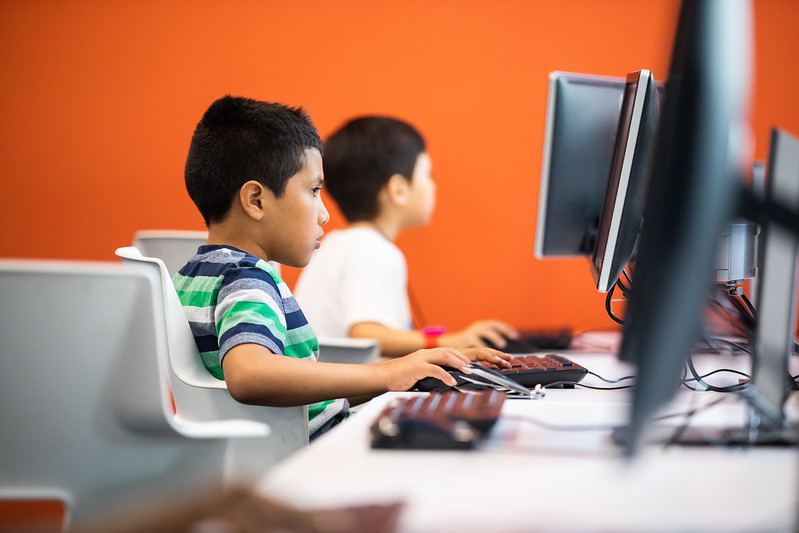
Technology Reduces Poverty“At the Age of 25, I got to know about computers and ever since it has impacted my life in a very remarkable way.”Jeremiah Cooper is a post-war survivor of Liberia and these were his first words to The Borgen Project during an interview in early 2024. He faced harrowing trials throughout his life, but those experiences only encouraged him to be a positive force in the world.

How Technology Reduces Poverty

Many studies have tackled the correlation between poverty and access to technology and the results indicate that access to the internet and poverty rates are directly associated. Technology reduces poverty, at least when that technology provides access to the Internet. That association goes as far as the life expectancy of a given household. The Rockefeller Foundation concluded that even a small bump in Africa’s access to the Internet evolved into a considerable improvement in the country’s economy.

Knowledge Is Power

However, the Internet is not the only barrier to economic improvement in poorer areas. The knowledge to use that access to further one’s goals is essential. The World Bank found that the number of people using the Internet provided to them decreased in 2021. More than half of Africa now has Internet access, yet less than a quarter of the population uses it.

This is where intervention occurs and this is where people like Jeremiah Cooper step in to help. Cooper is the founder of the New Breed Tech Hub. He used his technology to reduce poverty and improve life. He eventually built a computer lab, believing that digital education would help his community help themselves.

“Knowing how to use basic computer applications such as Microsoft Office Suite, the internet browser and other basic digital literacy skills and tools has greatly empowered me over the years, ranging from applying for mini-grants to a fully funded Mandela Washington fellowship.”

Bringing It to the People

However, Cooper discovered a problem with his initial operation. “I still found out that there were lots more women and youths who desired to attend our computer classes, but our location was a little bit too far for them and it would cost them a lot more money in transportation to attend our classes at our computer lab.”

A taxi ride in Liberia can cost as much as $2 per mile. At best, the average household below the extreme poverty line survives on $1.9 daily. A taxi ride costs their entire daily living wage. It is just not equitable.

Never one to give up or let his hope diminish, Cooper found a solution. He built a mobile computer lab to bring technology to the people. “It would be costly to operate multiple computer labs at different locations. It was then that I started to think of converting a yellow school bus into a mobile computer lab.” Cooper has helped more than a thousand people since beginning this venture, but he is unsatisfied. He wants to help more. He is focused on expansion, working on the belief that technology reduces poverty and access is the largest barrier towards long-term economic growth and, in turn, freedom for his home and his people.

– Antonio Muhs
Photo: Flickr

February 19, 2024
https://borgenproject.org/wp-content/uploads/borgen-project-logo.svg 0 0 Lynsey 2 https://borgenproject.org/wp-content/uploads/borgen-project-logo.svg Lynsey 22024-02-19 15:00:402024-02-18 12:43:09Technology Reduces Poverty: Jeremiah’s Magic School Bus
Global Poverty

Broadening Internet Connectivity in Kenya

Internet Connectivity in KenyaKenya’s government is set to begin constructing 100,000km of fiber-optic cable throughout the country as part of a nationwide project to broaden internet connectivity in Kenya. Their approach implements a unique blend of private- and public-sector construction that has caught the eye of many experts in the field.
Internet Access in Kenya

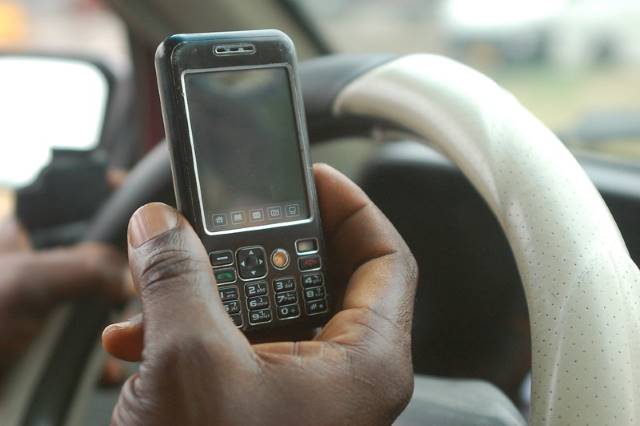
According to the World Bank, less than a third of Kenyans had internet access in 2021. The largest data service provider in Kenya, Safaricom, still remains largely inactive in most rural areas. Internet connectivity in Kenya is strongest in Nairobi.  
 

To address Kenya’s internet deficiency, the government has begun Phase 1 of the multi-phase Kenya Digital Economy Acceleration Project, a plan to broaden internet connectivity in Kenya. From this year to 2028, 100,000km of fiber-optic cable will be built across all 1450 wards in the country, targeting areas outside major cities. Furthermore, this cable network will be connected to 25,000 public “Digital Village Smart Hubs,” ensuring more citizens living in rural communities can access internet services. 

Rather than working alongside the private sector in a joint national venture The ITC, Kenya’s Ministry of Technology and Communication, has commissioned private-sector companies like Safaricom to construct about half of the cable network itself, while the government oversees construction of the remaining 50%. Though structurally complex, experts believe this approach could speed up construction, lower costs and create over 1.5 million jobs. Additionally, the fiber-optic cable uses quartz fiber, which is lightweight, resilient and loses 100 million times less transmit power than traditional cables. 

Safaricom has already completed 27% of its share of the construction. Moreover, the World Bank has committed nearly $400 million of the $600 million needed to complete the network. 

All Africa Digital Economy Moonshot (Bigger Plans for Africa)

A broader conduit for funding is the joint All Africa Digital Economy Moonshot of the World Bank and African Union. This is a broad goal of bringing Africa online, as well as a digital overhaul of African financial and public services by 2030. 

Phase 2 of the KDEAP will run from 2026–2030 and involve building the infrastructure and digital environments to digitize government services. By 2030, the Kenyan government should be able to offer e-services like 3-minute digital credit lines and digitized fingerprint/photo records of citizens, enabling secure, speedy access to thousands of planned public services. 

Economic Benefits

About a quarter of Kenya’s population currently lives in extreme poverty. Increasing internet connectivity in Kenya could reduce poverty by improving education and expanding job opportunities. Furthermore, many African leaders note that there is a strong desire amongst African countries to strengthen trade between each other, not just internationally. However, the lack of digital payment systems, credit lines, speedy internet connection and other information technologies has hampered efforts to build trade networks on the continent. Hopefully, as more countries are brought online this decade, they will be able to reap the economic benefits of improved trade and production.

The push for greater internet connectivity in Kenya looks to be going well. Hopefully, the government and its private-sector partners will continue to be successful in the future.

– Finneas Sensiba
Photo: Pixabay

November 7, 2023
https://borgenproject.org/wp-content/uploads/borgen-project-logo.svg 0 0 Yuki https://borgenproject.org/wp-content/uploads/borgen-project-logo.svg Yuki2023-11-07 15:00:272023-11-05 23:45:23Broadening Internet Connectivity in Kenya
Global Poverty

Digital Innovation in the Philippines

Digital Innovation in the PhilippinesInternet usage in the Philippines has tripled since 2010, with 73 million users as of 2020. Filipinos reportedly spend almost 10 hours daily surfing the internet and using social media. The Digital Economy has shown significant growth since 2018, and there is still potential for further development.

In 2020, when COVID-19 hit the Philippines, it highlighted the need for improved digital infrastructure across the country to aid in its economic recovery. However, it was evident that many individuals and businesses had poor internet connectivity and usage. To recover from the financial impact of COVID-19 and work toward a vision of a poverty-free society by 2040, the Philippines aimed to harness the potential of an efficient digital infrastructure that would transform how the country conducted business.

The Digital Divide

In the Philippines, over half of the population is considered internet-poor due to the Digital Divide. This factors in their ability to afford the minimum mobile phone package, which means that more than 58 million Filipinos cannot purchase one gigabyte of mobile data per month.

The Philippines aimed to initiate a new era of digital innovation, which required connecting most rural households to the internet and promoting its use to achieve an inclusive, productive digital economy. This would also support the country’s goal of significantly reducing poverty.

Policies to Facilitate the Digital Economy

In a bid to provide internet connectivity throughout the country, the government focused on creating an affordable, efficient and accessible digital infrastructure for both businesses and individuals. These policies aimed to make the use of digital markets accessible and cost-effective. Also, the government had to encourage the adoption of digital platforms in a country that had traditionally relied on analog methods of doing business. The following are strategies the government implemented to achieve the digital economy goals.

  1. Promoting Digital Payments: To increase the use of online markets and e-commerce platforms, the government had to increase the usage and familiarity with digital payments, such as Google Pay. In a country with low bank account ownership and heavy usage of cash notes for transactions, this shift to ‘e-money’ was challenging yet vital to ensuring the digital market’s take-off. To achieve this, government agencies made online bill payments mandatory.
  2. Reducing logistical e-commerce costs: To promote the use of e-commerce websites that trade internationally, the government aimed to reduce the legal confusion and logistical constraints that often hindered imports and exports across the Filipino border. They implemented policies that reduced the costs of items at market entry and customs, making e-commerce more accessible for sellers and cost-effective, ultimately increasing the income of small and medium-sized enterprises (SMEs).
  3. Providing IT skills for businesses: There was a need to equip businesses and individuals with the appropriate skills to facilitate the maximum utility of the new digital infrastructure. Therefore, the government provided start-up workshops and IT skill training to employers and workers, teaching them how to handle digital information correctly. The multinational technology company Google provided some of the required training.

Impacts so Far

Looking at the everyday lives of Filipinos can offer some insights into the impact of  Digital Innovation in the Philippines. For decades, the Digital Divide caused significant inequalities in access to social and economic services. In recent times, however, there have been hopes of minimizing or alleviating such inequalities through ongoing efforts.

For many of the country’s citizens, better internet access opens up the paths to socio-economic opportunities in the online world. And this also applies to those living in rural areas.

The economic significance of improved digital infrastructure is also evident in the steady increase of the Digital Economy’s GDP share value. Digital innovation in the Philippines has led to more inclusive and productive growth, encouraging greater participation from previously excluded individuals. Additionally, opening new markets for people and SMEs has increased cash flows, pushing the country closer to its goal of reducing poverty.

Google services, specifically Google Pay and Google Ads, have also played a significant role in digital innovation in the Philippines by providing businesses and workers with IT training and safe internet practices. Their services have been said to have had a prominent influence on the country’s financial economy post-pandemic.

The Future of Digitalization

Digital innovation in the Philippines continues to positively impact the country’s economy by equipping individuals and businesses with digital capabilities while connecting different regions to broader international markets. It is also promoting the use of e-commerce platforms, leading to higher productivity and inclusivity. While it is yet to fulfill the goal of creating a poverty-free Filipino society, the results so far signal hope for the future.

– Ariana Mortazavi
Photo: Flickr

April 30, 2023
https://borgenproject.org/wp-content/uploads/borgen-project-logo.svg 0 0 Jennifer Philipp https://borgenproject.org/wp-content/uploads/borgen-project-logo.svg Jennifer Philipp2023-04-30 07:30:392023-04-29 22:55:49Digital Innovation in the Philippines
Global Poverty, Poverty Reduction

Increasing Mobile Data Traffic in sub-Saharan Africa

Mobile Data TrafficMany poverty-stricken individuals do not have access to the internet, creating a digital divide. The COVID-19 pandemic has revolutionized mobile data traffic around the globe, particularly in sub-Saharan Africa. Mobile broadband supports access to education, work, healthcare, goods and services. It plays an imperative role in reducing poverty. With nearly 800 million people in the region still without access to the mobile internet, it has never been more urgent to close the digital divide.

The Need for Mobile Broadband

According to Fadi Pharaon, president of Ericsson Middle East and Africa, the increasing demand for mobile broadband provides an unprecedented chance to improve economic conditions for Africa. Currently, Africa is one of the quickest growing technology markets.

In addition to younger populations requiring technology to develop practical computer skills, during the COVID-19 pandemic, access to the internet is also crucial for remote learning and remote work to continue development and economic progression.

In response to the pandemic, sub-Saharan African countries that were able to implement telework adaptations had considerably greater access to the internet, as much as 28 % of the population, as opposed to countries that were not implementing telework, at 17 %.

Due to the increase of digitalization during the pandemic, these developments are expected to positively contribute to the region’s economic recovery post-pandemic. Research suggests that expanding internet access to cover an additional 10% of the region’s population has the ability to increase gross domestic product (GDP) growth by one to four percentage points.

The Mobile Broadband Demand

Fixed Wireless Access (FWA) delivered over 4G or 5G is a more affordable alternative to providing broadband in areas with limited access. By 2025, FWA connections are expected to reach 160 million, accounting for 25% of global mobile data traffic.

The estimated total growth of mobile data traffic is from 0.87EB per month in 2020 to 5.6EB by 2026, an increase of 6.5 times the current figures.

To keep up with the demand, service providers are predicted to continue upgrading their networks to meet their customers’ evolving needs.

Additionally, networks expect to see an increase in customers purchasing mobile data subscriptions. Long-term evolution (LTE) was predicted to amount to 15% of subscriptions at the conclusion of 2020.

Novissi Digital Cash Transfers

The Novissi cash transfer program in Togo is an example of why mobile broadband access is important in developing countries. To support struggling people in Togo during COVID-19, instant mobile cash payments were made to their mobile phones to address urgent needs. The program provided more than half a million people with financial assistance during a crisis.

Closing the Digital Divide Reduces Poverty

Experts suggest that funding infrastructure, increasing electricity access and developing approaches to support digital businesses will aid in economic recovery and continue to close the digital divide. While sub-Saharan Africa has seen an acceleration of mobile data traffic during COVID-19, more action still needs to be taken to support its citizens post-pandemic. Providing affordable access to mobile phones, mobile broadband subscriptions and internet access will help support the recovering economy and alleviate poverty in the region.

– Diana Dopheide
Photo:Flickr

February 25, 2021
https://borgenproject.org/wp-content/uploads/borgen-project-logo.svg 0 0 Jennifer Philipp https://borgenproject.org/wp-content/uploads/borgen-project-logo.svg Jennifer Philipp2021-02-25 01:00:512021-02-25 01:01:26Increasing Mobile Data Traffic in sub-Saharan Africa
Global Poverty

Solar Powered Balloons Bring Internet to Kenya

Internet in KenyaLoon, a company division of Google, is using balloons to provide internet in Kenya. The Kenyan government is collaborating with Loon to provide more substantial 4G coverage since many areas of Kenya have poor service. In the future, Loon hopes to expand to other areas in Sub-Saharan Africa. Loon is hoping to expedite the process of sending balloons to Kenya because of the increased demand for information during the coronavirus pandemic.
The Importance of Internet Access

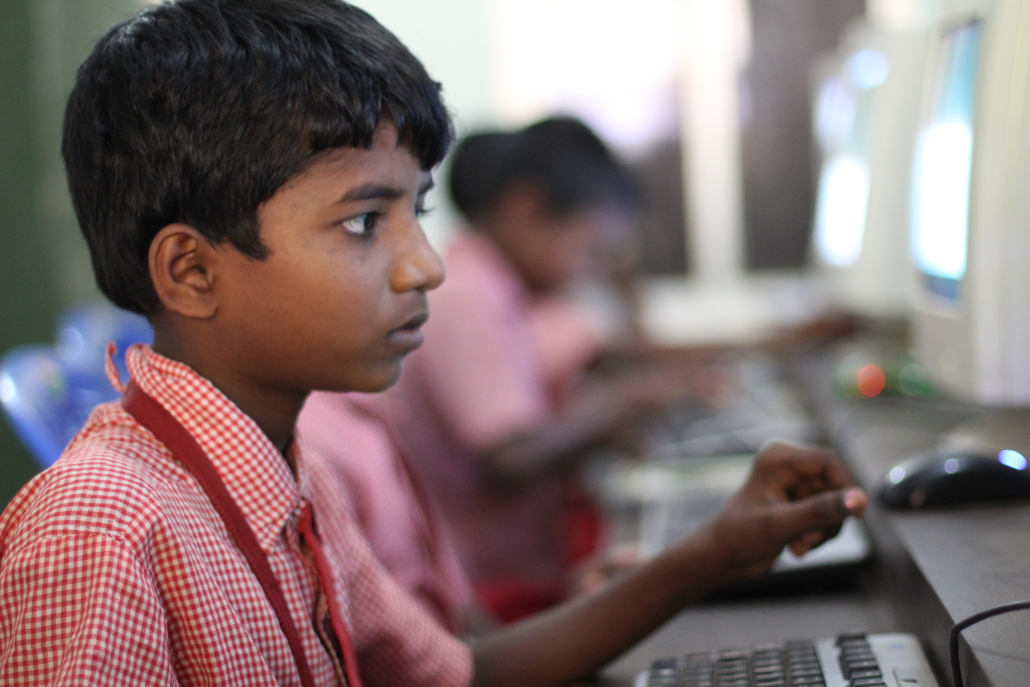
UNESCO estimates that 45% of households worldwide do not have internet access. In Africa, 72% of people are unable to use the internet because companies do not see the need to travel to remote locations with less robust populations. Loon is looking to change these statistics by focusing its services in remote areas so people can use apps to communicate with each other.

Internet services help empower people in poverty by offering opportunities for education. Many students in rural areas do not have schools near them, so students rely on quality education through the internet. The Kenya Education Network (KENET) works to bring internet and laptops to various schools in Kenya. KENET has already invested $2 million in supplying free high-speed internet. The internet has become an essential need for educational purposes; Loon’s work will elevate people’s access to these important services.

Are Balloons Reliable To Provide Internet Access?

Loon used its balloons in Puerto Rico after Hurricane Maria destroyed the cellular towers. The balloons were deployed to provide immediate internet access for people on the island. Before the official launch, Loon tested out 35 balloons, which led to 35 thousand people being able to access the internet in rural Kenya.

Now that Loon is working to send out more balloons, the company is hoping to cover 31 thousand miles. The balloons are effective for providing internet coverage because they work like normal cell towers. The signal is transmitted for 100 days by software controlled from the ground.

The Future of Reliable Internet In Kenya

Loon expects to deploy more balloons in the future through a partnership with Telkom Kenya. Kenya is one of the leading technological countries in Africa. From 2019 to 2020, an increase of 3.2 million people accessed the internet in Kenya.

One of the barriers for people in poverty in accessing the internet is high-cost data plans. Kenya has higher data prices than other surrounding countries. An unlimited data plan in Nigeria can cost around $26, but the same plan in Kenya allows for only 50GB of data. In Kenya, 36.1% of people live below the poverty line, so many Kenyans do not make more than $1 each day. Cellular data plans are still unobtainable for some of the population.

While the Kenyan government is looking to provide a better signal to rural areas, residents may not have the money to pay for cellular services. Access to more service areas through Loon and cheaper data prices through Telkom Kenya could help increase people’s connectivity.

– Sarah Litchney
Photo: Pixabay

September 16, 2020
https://borgenproject.org/wp-content/uploads/borgen-project-logo.svg 0 0 Kim Thelwell https://borgenproject.org/wp-content/uploads/borgen-project-logo.svg Kim Thelwell2020-09-16 07:30:082024-05-29 23:23:10Solar Powered Balloons Bring Internet to Kenya
Global Poverty, Technology

Why Facebook Added Reliance as a Friend

It is easy for many to take the internet for granted. Roaming around the city, chatting with friends and staying connected with family using mobile applications is possible only because of internet connectivity. One might argue that the internet comes as a luxury element post healthcare, energy, food, shelter and education. The Internet can help people with communication and decision making. For example, farmers can charge their yields at a reasonable price post referring to market prices on the internet. They can even predict weather and harvest accordingly. Money transfers from people across the city can occur instantaneously. This list never ends. Now the internet giant Facebook is teaming up with a company to provide free internet. Here is why Facebook added Reliance as a friend.
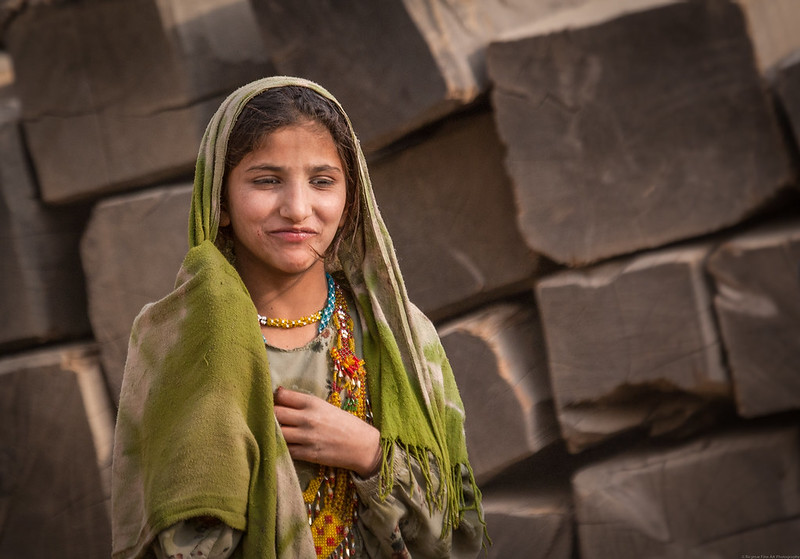

Why Facebook Wants to Provide Free Internet

Back in 2015, Facebook experimented with Free Basics for providing basic internet services to the rural population of the world. However, things did not go according to Facebook’s plan because of the regulatory conditions across telecom sectors in different parts of the world. It violated net neutrality laws. After public consultation, the Indian telecom regulator banned Free Basics. Since then Facebook has been eagerly waiting to do something about it.

There are more than 400 million WhatsApp users in India. Added to this fact, Facebook’s core platform has more Indian users than any other country. However, half of the Indian population is still offline. Facebook wants to target that new user-base.

Reliance’s Jio Initiative

Reliance’s Jio initiative succeeded in doing what Facebook was not able to do. It succeeded in providing mobile phones and the internet at a very low cost. It was able to do so because of the revenue generated from other divisions of the organization and the exorbitant loan that Reliance opted for. This move wiped out the telecom sector foundation in India. Competitors such as Vodafone Idea and Airtel lost millions of customers to the new Jio network.

Internet services and call services were provided by Reliance Jio at free of cost in 2016. This move forced competitors to charge less, which in turn, resulted in the internet revolution. Most of the poor population across India started using mobile phones and the internet. As of December 2019, more than 370 million people across India had subscribed to the Reliance network

How Facebook Added Reliance as a Friend

Facebook’s failure in the past to enter Indian markets with the Free Basics concept taught the company an important lesson. Starting from scratch will not work all the time. Acquiring an existing player was an easy choice at this point. Mark Zuckerberg was intelligent enough to detect Jio’s achievements. Added to this fact, the market capitalization of Reliance was down because of the COVID-19 outbreak.

Indian National Rupee was at all-time low-value trading around 76 INR for 1 USD. After recognizing these facts, Facebook acquired 10% of the stake in Reliance India Limited at $5.7 billion. Facebook can leverage Reliance’s data for targeted advertisements. It will realize a significant jump in advertisement revenues from the Indian region.

Benefits of Increased Internet Access

Education is not available to everyone. Fortunately, people from poor backgrounds can get access to quality education through the internet. Poor people can access online education sites like Unacademy, Coursera and edX at free of cost. Added to this fact, people search and apply for jobs mostly through the internet. All jobs are highly interconnected these days. Thus, the internet would certainly provide intangible benefits to the rural population.

Millions of people could come out of poverty because of free internet access. Economic growth, employment and productivity of a country will improve significantly because of the internet access provision. In fact, Internet connectivity can generate $6.7 trillion of the global economy and create new jobs. India is the second-largest market for internet connectivity ranked only below China. It has around 600 million internet users.

Moving Forward

Around 30 million local stores in India were not online yet. Reliance’s latest experiment JioMart is working towards enabling this dream. Local Kirana stores can connect to the entire Indian population through the internet. If WhatsApp pay is leveraged on this occasion, possibilities will become endless. Owing to all these facts, accepting Reliance’s friend request was a strategic move towards achieving Facebook’s dreams.

– NarasingaMoorthy V 

Photo: Flickr

June 16, 2020
https://borgenproject.org/wp-content/uploads/borgen-project-logo.svg 0 0 Kim Thelwell https://borgenproject.org/wp-content/uploads/borgen-project-logo.svg Kim Thelwell2020-06-16 01:30:202024-05-29 23:17:26Why Facebook Added Reliance as a Friend
Developing Countries, Development, Education, Global Poverty

Internet Access in Afghanistan Key to Development

Internet Access in Afghanistan

One of the biggest issues facing developing countries is stunted infrastructure. Many developing countries lack the funds and institutions necessary to efficiently carry out mass infrastructure revamps that would connect all parts of these countries and enable more people to get safer, better-paying jobs. Of course, for developing countries like Afghanistan, this type of development also includes internet access as well. Internet access is so critical for long-term growth that the United Nations even listed it as a key outcome under its Sustainable Development Goals (SDGs).

Importance of Internet Access to Development

A lack of internet access can be stifling for economic growth in any country. Many international businesses are unwilling or hesitant to invest in countries that have no broadband connection. In this era, the internet is the medium through which many interactions essential for economic progress take place, such as:

  • Potential higher-paying employers can contact and hire employees.
  • Students can take classes, study, and turn in assignments.
  • Workers can unionize.
  • Citizens can keep educated about international events and help keep their representatives accountable.

However, this staple of modern development is widely not available to those who live in impoverished countries. Lack of internet access is especially a problem in the Middle East, as not only does terrain stifle modern development, but extremist groups like the Taliban oppose it as well. Afghanistan is one of these countries, as only about 17.6 percent of the population has access to the internet. The broadband that the population has access to costs about $80 per month for 1 Megabit per second (Mbps), making broadband access unaffordable for much of the population that has a Gross Net Income (GNI) per capita of $570.

Progress: Internet Access in Afghanistan

The good news is that there have been significant improvements within the past 10 years in Afghanistan’s internet infrastructure. In 2013, only 5.9 percent of the population had internet access, this means Afghanistani people have seen triple inaccessibility in just six years. Afghanistan now has a rather intensive fiber optics network laid down in 25 of its provinces with assistance from its neighboring countries, mainly Pakistan, as well as some international organizations like the International Telecommunication Union (ITU).

Due to these coordinated efforts, there are more than 8.7 million people using the internet in Afghanistan today. This number is expected to increase with de-escalation of the conflict in the region and further diplomatic talks with Afghanistan’s hegemonic neighbor China with plans to coordinate infrastructure development.

Internet access in Afghanistan still has a long way to go before it is considered comparable to any developed country, due in part to political, economic, social and even geographic reasons. Even so, the Chairman of Afghan Telecom Gul Aryobee remains optimistic about the prospect of further development in the Information Technology sector since the country has already seen such rapid improvements in less than a decade. He recognizes all the challenges that the internet in Afghanistan faces, but he remains strong in his conviction to meet the SDGs set by the United Nations and fully believes Afghanistan has the potential to develop exponentially with the continued assistance of other countries and international organizations.

– Graham Gordon
Photo: Flickr


October 23, 2019
https://borgenproject.org/wp-content/uploads/borgen-project-logo.svg 0 0 Kim Thelwell https://borgenproject.org/wp-content/uploads/borgen-project-logo.svg Kim Thelwell2019-10-23 11:22:092024-06-04 01:08:36Internet Access in Afghanistan Key to Development
Global Poverty

Mobile Banking in Thailand

Mobile Banking in ThailandAs internet access becomes more relevant, new markets and business sectors such as information technology, finance, banking, and telecommunications are developing. This can expand opportunities for rural areas that were once outside the scope of urban centers to take advantage of mobile banking and empower formerly marginalized communities. With the help of the internet, everyone can join the development world with minimum requirements. For this reason, mobile banking in Thailand is currently more prevalent than ever.
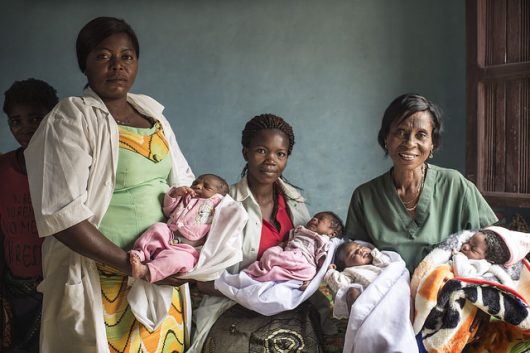
Often in developing countries, banks and telecommunication infrastructure are scarce, while mobile phones are found in spades. This interesting dichotomy has led to the proliferation of mobile money and banking, which allows money to be transferred, deposited, and converted back into cash using only a mobile phone to do it.

Mobile Banking in Thailand on the Rise

According to the World Bank, as of 2016, Thailand’s rural population was 48.46%. With recent developments in mobile banking in Thailand, roughly 50% of the population will have increased opportunities to pay bills, conduct money transfers, and make everyday purchases electronically.

The role credits and loans have in the growth of developing countries’ economies cannot be overstated. Increased loan access is essential for allowing farmers, businesses, and consumers as well to utilize investment capital and help expand economic activity. As mobile banking in Thailand proliferates throughout the financial sector, it offers increased access to loans.

This past year (2017), Thailand has seen incredible growth in the mobile banking sector. The Bank of Thailand recently published data that illustrates a surge in the use of mobile internet banking in Thailand. Consumers’ increasing preference for digital transactions highlights the success of banks’ pivot toward more digital strategies.

The Benefits of Mobile Banking in Thailand

As Thailand continues to cement the transition to mobile banking, rises in employment, wages, GDP and productivity are expected. Consumers can expect to receive THB 3.3 billion in annual benefits, while businesses will see up to THB 72.9 in annual net benefits. Employment will rise by 1.6% and wages by 0.2%. THB is an abbreviation for Thailand Baht. In comparison, 1 USD equals 32.82 THB.

As the government and private sector continue to facilitate the growth of mobile banking in Thailand, electronic payments between consumers and merchants will become increasingly prevalent. The transition towards a cashless society and the advantages that come with it are many, one of them being the cost of transactions.

A study conducted by VISA predicts that the total benefits of Bangkok shifting to a cashless society will be approximately THBg 125 billion per year.

An Upward Trajectory

The Information and Communications Technology (ICT) Framework 2020 involves several strategies and goals that include universal broadband and a competitive ICT industry. With regard to the national broadband policy, the ICT Framework hopes to have 90% of the population connected by 2020.

Hopefully, as Thailand completes the transition to a more connected society, other southeast Asian countries will take notice and invest in better technological and banking infrastructure. In turn, these subsequent developments could make the region a burgeoning financial hub.

Since mobile banking is dependent on a strong broadband network, the future of mobile banking in Thailand looks bright, as the government prioritizes increased broadband coverage across the country.

– McAfee Michael Sheehan
Photo: Google

September 13, 2018
https://borgenproject.org/wp-content/uploads/borgen-project-logo.svg 0 0 Borgen Project https://borgenproject.org/wp-content/uploads/borgen-project-logo.svg Borgen Project2018-09-13 21:47:302019-08-02 00:18:21Mobile Banking in Thailand
Food Security, Global Health, Global Poverty, Human Rights, Water

Food, Water and Human Rights: 10 Examples of Global Issues

examples of global issues
The year 2018 has brought many positives with it. Several countries are on pace to minimize poverty. Education movements for girls are spreading like wildfire all over the world. More women in developing countries are gaining access to maternal care. More governments are establishing innovative ways to combat fundamental challenges around the globe. Unfortunately, there are still many global issues that plague the world.

Global issues are matters of economic, environmental, social and political concerns that affect the whole world as a community. These issues disrupt the natural framework of humanity, disturbing economic and social progress. These are 10 examples of global issues that are altering the development of human progress across society as a whole.

Examples of Global Issues

  1. Clean Water
    Water is a basic substance required for all living organisms. Without it, human health inevitably fails. According to a report by the United Nations, there is enough fresh water on the planet for everyone. Unfortunately, 844 million people lack access to it, and one of three people do not have access to a toilet. Millions perish daily from unhygienic diseases due to inadequate water and sanitation. Governments are making efforts to assist those in need but are hindered by declining economics and disorganized infrastructures.
  2. Food Security
    Like water, food helps people lead healthy lives. Globally, 12.9 percent of the population is undernourished. Developing countries struggle with providing an adequate food supply to their people; as a result, nearly 795 million people do not have enough food to meet their nutritional needs. The World Food Programme, a humanitarian effort established by the U.N. to combat hunger and food security, is working to bring relief to developing countries, currently assisting more than 80 countries every year.
  3. Health
    Universal health is a growing concern. Unfortunately, diseases like HIV/AIDS, malaria, tuberculosis, smallpox and polio are still claiming the lives of thousands of people worldwide, mostly in developing nations. The World Health Organization is a global initiative that provides antibiotics and vaccinations all over the world. Since its inception, polio cases have declined by 99 percent, tuberculosis treatment has saved more than 37 million people, and in 2016, zero cases of Ebola were reported in West Africa.
  4. Human Rights
    Every person deserves basic rights, regardless of their race, sex or ethnicity. In 1948, the United Nations created the Universal Declaration of Human Rights, which today is commonly known as the International Human Rights Law. This declaration promotes and protects human rights civilly, economically, politically and socially.
  5. Maternal Health
    Maternal health is a global human rights issue, making it one of the key examples of global issues. There are an estimated 830 pregnancy-related deaths each day. This is mainly due to lack of maternal care. Women die from infections, postpartum bleeding, blood clots and other conditions. The United Nations Population Fund develops relationships with governments around the world to train healthcare professionals to provide expert maternal care to expecting mothers.
  6. Girls’ Access to Education
    Girls deserve the right to learn. Currently, 98 million girls do not attend school due to barriers like poverty, gender bias, governmental conflict, safety concerns and a lack of educators, classrooms and curriculums. Global Citizen reported that schools are sometimes hours away from where children live, making it unsafe for them to travel alone. Let Girls Learn is a U.S. global strategy targeting an increase in safe access to education for girls and educators. Funds are directed towards curriculums to help girls read and write.
  7. Digital Access
    We live in a digital age where we can find all the help we need online. This luxury is absent in many countries, as more than four billion people do not have access to the internet. Internet connectivity would assist those living in developing countries with finding help and aid. With online options, people in need can contact international aid programs to get assistance faster.
  8. Foreign Aid Budgets
    The world would like to believe it does enough for the poor, but sadly this is not true. In the U.S., the International Affairs Budget only makes up 1 percent of the federal budget. Increasing the foreign aid budget is actually beneficial to the American economy. It helps create more jobs in the U.S. and builds wealth in developing countries.
  9. Women’s Rights
    Women’s rights are human rights. Women suffer discrimination in many areas: laws, the workforce and gender-based stereotypes and social practices. The first conference on global feminism was held in Nairobi in 1985 and involved more than 15,000 non-governmental organizations, encouraging 157 governments to adopt strategies geared towards equality, development and peace for women.
  10. Refugees
    Refugees are people who have been forced to flee their homeland due to war, conflict and abuse. Foreign countries have granted them asylum for thousands of years. Refugees are sometimes denied entry into other countries, leaving them without basic human rights such as food, healthcare, education and jobs. Children make up the largest percentage of refugees. The U.N. Refugee Agency currently provides aid and safekeeping to 59 million refugees.

These 10 examples of global issues are not exhaustive. The world is filled with complex issues that must be addressed. Global strategies must continue to advance to nurture and protect all of humanity.

– Naomi C. Kellogg
Photo: Flickr

May 17, 2018
https://borgenproject.org/wp-content/uploads/borgen-project-logo.svg 0 0 Borgen Project https://borgenproject.org/wp-content/uploads/borgen-project-logo.svg Borgen Project2018-05-17 07:30:072024-05-29 22:42:24Food, Water and Human Rights: 10 Examples of Global Issues
Economy, Global Poverty

Five Ways Poverty Hinders Economic Growth

Poverty hinders economic growth
Efforts to reduce global poverty have been largely successful over the past few years. However one of the highest costs is that poverty hinders economic growth. It is a preventable burden that has solutions.

Here are five facts from around the world on how poverty hinders economic growth and what you can do to help reduce global poverty:

1. The effects of poverty cost U.K. citizens about 1,200 pounds per person every year.

According to the Guardian, 25 percent of health care spending is associated with treating conditions related to poverty; 20 percent of the U.K.’s education budget is spent on initiatives, like free school meals, to reduce the impact of poverty.

2. Child poverty reduces U.S. productivity and economic output by 1.3 percent of GDP each year, which costs the U.S. about $500 billion per year.

Economic hardship disproportionately affects children more than any other age group. The Center for American Progress believes impoverished children are more likely to have low earnings as adults and are somewhat more likely to engage in crime.

This “reduced productive activity” generates a direct loss of goods and services to the U.S. economy.

3. Children living in poverty have higher dropout rates and absenteeism, which limits their employability.

The Council of State Governments Knowledge Center found that nearly 30 percent of poor children do not complete high school, which limits future economic success.

A more educated individual is more likely to participate in the job market, to have a job, to work more hours, to be paid more and less likely to be unemployed according to an Economic Policy Institute report from August 2013.

Countries may see a rise in economic productivity by ensuring that children from low-income backgrounds have equitable access and are motivated to stay in school.

4. Poverty increases the risk of poor health; it is a $7.6 billion burden on the Canadian health care system.

The link between poor health and poverty is undeniable; the World Health Organization (WHO) declares poverty as the single largest determinant of health.

Poverty increases the likelihood of developing conditions that are expensive to treat such as diabetes and cardiovascular disease. Therefore, reducing poverty not only cultivates a healthy economy but it can also create a physically healthier society.

5. Billions of people — especially women — remain offline.

Developing countries are paying the cost of poverty while missing out on the economic benefits of increased internet access.

Women and the Web, a study sponsored by Intel, reveals that bringing an additional 600 million women online would contribute at least $13-18 billion to annual GDP across the developing world.

Increasing internet access in developing countries would also increase participation in e-commerce and increase access to educational resources and health services.

Want to help in the global fight to end poverty?

Mobilizing your congressional leaders to endorse poverty-reducing legislation has a widespread impact on reducing the high cost of poverty. For example, the Digital GAP Act aims to bring affordable, first-time internet access for at least 1.5 billion people in developing countries by 2020 and would help to bridge the digital divide. This will greatly facilitate change and decrease the way that poverty hinders economic growth.

Please visit The Borgen Project’s action center for more information on how you can contact your congressional leaders and voice your support for innovative, poverty-reducing legislation.

– Daniela Sarabia

Photo: Pixabay

September 9, 2016
https://borgenproject.org/wp-content/uploads/borgen-project-logo.svg 0 0 Borgen Project https://borgenproject.org/wp-content/uploads/borgen-project-logo.svg Borgen Project2016-09-09 01:30:222024-05-27 23:53:07Five Ways Poverty Hinders Economic Growth
Page 3 of 41234

Get Smarter

  • Global Poverty 101
  • Global Poverty… The Good News
  • Global Poverty & U.S. Jobs
  • Global Poverty and National Security
  • Innovative Solutions to Poverty
  • Global Poverty & Aid FAQ’s
Search Search

Take Action

  • Call Congress
  • Email Congress
  • Donate
  • 30 Ways to Help
  • Volunteer Ops
  • Internships
  • Courses & Certificates
  • The Podcast
Borgen Project

“The Borgen Project is an incredible nonprofit organization that is addressing poverty and hunger and working towards ending them.”

-The Huffington Post

Inside The Borgen Project

  • Contact
  • About
  • Financials
  • President
  • Board of Directors
  • Board of Advisors

International Links

  • UK Email Parliament
  • UK Donate
  • Canada Email Parliament

Get Smarter

  • Global Poverty 101
  • Global Poverty… The Good News
  • Global Poverty & U.S. Jobs
  • Global Poverty and National Security
  • Innovative Solutions to Poverty
  • Global Poverty & Aid FAQ’s

Ways to Help

  • Call Congress
  • Email Congress
  • Donate
  • 30 Ways to Help
  • Volunteer Ops
  • Internships
  • Courses & Certificates
  • The Podcast
Scroll to top Scroll to top Scroll to top