• Link to X
  • Link to Facebook
  • Link to Instagram
  • Link to TikTok
  • Link to Youtube
  • About
    • About Us
      • President
      • Board of Directors
      • Board of Advisors
      • Financials
      • Our Methodology
      • Success Tracker
      • Contact
  • Act Now
    • 30 Ways to Help
      • Email Congress
      • Call Congress
      • Volunteer
      • Courses & Certificates
      • Be a Donor
    • Internships
      • In-Office Internships
      • Remote Internships
    • Legislation
      • Politics 101
  • The Blog
  • The Podcast
  • Magazine
  • Donate
  • Click to open the search input field Click to open the search input field Search
  • Menu Menu

Tag Archive for: Internet Access

Posts

Global Poverty, Technology

How Broadband Internet Reduces Rural Poverty in the Philippines

Rural Poverty in the PhilippinesIn the Philippines, geography has long stood between rural communities and the digital economy. Made up of more than 7,000 islands, the Philippines has had difficulty remaining fully connected in an increasingly digital world. However, recent investments and reforms across the country aim to alleviate this issue and, therefore, increase economic productivity.

Expanding broadband internet infrastructure is central to the Philippines’ poverty reduction strategy, with major projects targeting schools, health facilities and small businesses in often underserved, rural provinces and regions.

The Rural Connectivity Gap

Although the Philippines is largely online, large pockets of the rural provinces remain digitally isolated. In fact, roughly 28% of Filipino households had access to fixed broadband in 2023. For context, its neighbor Vietnam in the same year was at 79%, Thailand at 55% and Malaysia at 54%, according to the World Bank. 

The divide also widens by income. Between 2019 and 2022, internet penetration in the wealthiest quintile climbed from 43% to 60%, while in the underserved quintile it rose from 2% to 5%. The effects of this are felt across the daily lives of citizens. 

Some of the population that relies heavily on the internet, such as students, small online businesses and enterprises, struggle to access key communication tools and even digital public services. Roughly 18 to 19 million Filipinos remain offline, largely due to affordability and missing infrastructure. 

A $287 Million Push for Rural Broadband

In 2024, the World Bank approved $287 million for the Philippines Digital Infrastructure Project. This crucial funding thrusts forward the development of the country’s national fiber-optic backbone and middle-mile network. It is designed to connect rural schools, health facilities and other public institutions in regions such as Mindanao. One of the many aims is to incentivize operators to build last-mile links to households. 

The project is expected to expand broadband internet in the Philippines to more than 20 million people by 2028. 

The Konektadong Pinoy Act: Opening the Market

The Konektadong Pinoy Act, signed on August 24, 2025, streamlines the licensing process for new internet providers, supports the introduction of infrastructure sharing and establishes cybersecurity standards. Before this, providers faced roadblocks, including the need to secure congressional approval to operate. This became a barrier that made it almost impossible for remote communities to build their own networks, according to the Internet Society. 

Benjz Sevilla of the Internet Society Philippines Chapter noted that providers serving geographically isolated and disadvantaged areas can now register as Data Transmission Industry Participants. The law was passed with support from the government, industry, academia and civil society after years of multi-stakeholder advocacy. 

National Fiber Reaches the Provinces

The Department of Information and Communications Technology is building the National Fiber Backbone, a government-owned network that stretches from northern Luzon to southern Mindanao. By mid-2026, the third phase of the backbone will be completed, providing high-capacity bandwidth to local government units and lowering entry costs for smaller third-party providers. Telecommunications towers nationwide nearly doubled, from 17,850 in 2020 to more than 35,000 in 2023, expanding coverage in previously unreachable areas. 

Broadband Internet in the Philippines Is Already Changing Lives

By 2026, the World Bank projects that the share of Filipino households with fixed broadband will rise to 35%. It also predicted that the cost of a fixed broadband basket will fall from 11.3% to 8.5% of gross national income per capita. With sustained investment, smarter policy and growing rural demand, broadband internet in the Philippines is becoming a powerful engine for inclusive growth and poverty reduction. 

– Jamie Noone

Jamie is based in Dublin, Ireland and focuses on Good News and Technology for The Borgen Project.

Photo: Flickr

May 17, 2026
https://borgenproject.org/wp-content/uploads/borgen-project-logo.svg 0 0 Lynsey 2 https://borgenproject.org/wp-content/uploads/borgen-project-logo.svg Lynsey 22026-05-17 01:30:202026-05-17 11:39:59How Broadband Internet Reduces Rural Poverty in the Philippines
Entrepreneurship and Business, Global Poverty, Technology, Youth Empowerment

Digital Opportunity Trust: Promoting Digital Inclusion

Digital Opportunity TrustDigital innovations in online education and e-commerce have created new avenues for poverty reduction through economic inclusion. The digital economy can drive inclusive development by equipping people with the tools to lift communities out of poverty. Access to the internet provides better education and skill development, enhancing employability and market participation.

Digital Opportunity Trust

Digital Opportunity Trust (DOT) is a Canadian organization that delivers programs to young entrepreneurs on how to profit from the digital economy. Since 2002, DOT has been working to bridge the digital divide by connecting young people globally to essential digital skills. More than 3 million people in impoverished communities across more than 20 countries have benefited from DOT’s youth leaders.

DOT fosters inclusive development by preparing young leaders to participate in the digital economy and support economic growth at a local level. DOT’s Youth Entrepreneurship program aims to mitigate barriers to digital inclusion by providing young people with access to digital tools in addition to skill training and development. With a solid foundation in digital competencies, DOT is positioning young entrepreneurs as leaders of economic growth.

Initiatives like the Digital Bridge Project aim to educate 10,000 young people in Kenya and Ethiopia on how to use digital tools for their professional and personal development by April 2026. This initiative cultivates a new generation of digitally literate leaders prepared to drive poverty reduction in the digital age.

Economic Benefits of the Digital Economy

We can look to Kenya’s progress for how digital inclusion can transform a society and strengthen its economy. The “Silicon Savannah” has seen steady growth in its Information and Communication Technology (ICT) sector since 2016, creating jobs across almost all industries. Kenya’s investment in developing human digital capital aligns with DOT’s efforts to create a “digitally savvy workforce” capable of tapping into new opportunities for economic growth in the digital sphere.

Creating more jobs, especially for young people and promoting sustainable development by leveraging digital markets. The combined efforts of the public and private sectors support job creation and economic diversification in the digital age. Furthermore, Kenya’s adoption of broadband infrastructure has positioned the country as a leader in Africa’s digital economy.

Through its progressive digital strategy policies, Kenya aims to create 300,000 new jobs by 2028 by integrating digital technologies across the agriculture, transport, manufacturing and trade sectors.

Rural Barriers and New Pathways

While progress is being made, the digital divide disproportionately impacts rural populations. Limited internet access among 83% of rural residents limits digital skill development and market participation. To bridge this gap, DOT Kenya youth leader Samuel Mathenge led training sessions that enabled youth in Nyeri County to engage with the digital market.

Through DOT’s Youth program, he strengthened his own skills and trained more than 600 young people in digital literacy. “My journey with DOT Kenya has not only transformed me into a confident digital skills facilitator but also a compassionate and patient leader,” Mathenge stated. Fresh off his DOT training and equipped with the confidence to lead, Mathenge worked with other young people to not only master digital tools but also prepare for the job market.

Together, they searched for careers in the tech sector, refining their CVs and preparing for interviews. DOT’s investment in one young entrepreneur has created a cycle of youth empowerment in Kenya. Mathenge is just one of thousands of DOT Youth leaders globally, working to foster inclusive development in their communities.

Digital Foundations for Poverty Reduction

Digital inclusion opens pathways for education, skill development and youth participation in the labour markets, laying a digital foundation for economic growth and poverty reduction. Indeed, initiatives by DOT empower young entrepreneurs to engage with the digital economy, equipping them with the skills and agency to drive sustainable growth. DOT places economic power in the hands of young leaders, enabling them to thrive in their communities and create lasting change.

– Hope Jowharian

Hope is based in Paris, France and focuses on Business and New Markets for The Borgen Project.

Photo: Flickr
February 5, 2026
https://borgenproject.org/wp-content/uploads/borgen-project-logo.svg 0 0 Lynsey 2 https://borgenproject.org/wp-content/uploads/borgen-project-logo.svg Lynsey 22026-02-05 01:30:092026-02-05 00:54:15Digital Opportunity Trust: Promoting Digital Inclusion
Education, Global Poverty, Technology

How Internet Access in the Solomon Islands Reduces Poverty

Internet Access in the Solomon IslandsLack of internet access in the Solomon Islands significantly impacts daily life in many rural communities, limiting access to education, income opportunities and essential services. Students in remote areas often lack access to online learning platforms, forcing schools to rely on printed materials, radio lessons and audio resources as alternatives. Schools use these alternative learning methods to avoid excluding students who lack access to digital devices or reliable internet connections.

Limited electricity further worsens the situation, as many rural schools are not connected to a stable power grid and depend on generators or solar systems to operate basic technology. Teachers working in these communities often face severe resource shortages. They must adapt their lessons creatively without access to modern teaching tools.

Why Internet Access Remains Uneven

The Solomon Islands comprise hundreds of islands scattered across a vast oceanic area, making infrastructure development challenging and costly. Although fiber-optic cables now connect some provincial centers, many outer islands still rely on slower satellite-based connections. This uneven development has created a digital divide in which urban communities experience stronger connectivity while rural areas remain largely offline.

As a result, internet access in the Solomon Islands varies sharply depending on geography.

How Digital Exclusion Deepens Poverty

More than 25% of the Solomon Islands’ population lives below the poverty line, with more than 80% of those affected residing in rural areas. Limited internet access prevents many families from using digital financial services such as e-wallets and electronic transfers. In regions where bank branches are scarce or nonexistent, poor connectivity makes it difficult for households to save money, receive remittances or build financial security.

Small businesses, women and young entrepreneurs also struggle to reach broader markets or adopt digital payment systems, which limits their income growth and innovation. Students face similar challenges, as weak digital infrastructure hinders their ability to acquire the skills necessary for future employment.

The Solomon Islands government has identified digital transformation as a key pathway toward inclusive economic development. Its ICT in Education Master Plan aims to connect schools to the internet and equip them with computer labs to support digital learning. Earlier initiatives, such as the Distance Learning Centers Project, expanded satellite-based internet access to rural schools and community centers.

Together, these efforts help reduce isolation by improving affordable access to information and communication technologies.

Evidence of Progress and Future Impact

Improved connectivity has supported platforms such as the iResource online portal, which distributes educational materials digitally across the country’s islands. The national curriculum directly links digital skills to self-reliance and paid employment, showing how technology supports improved living standards. Expanded internet access in the Solomon Islands also improves the growth of an inclusive digital economy that benefits women, youth and small businesses.

By continuing to invest in digital infrastructure, the Solomon Islands can reduce geographic isolation and create new opportunities to help families lift themselves out of poverty.

Conclusion

Better internet access in the Solomon Islands can make a real difference for people living in remote areas. When communities can access the internet, students have more opportunities to learn, families can utilize basic financial services and small businesses have a better chance to grow. These changes may seem small, but together they can help reduce poverty over time.

By continuing to expand internet access, the Solomon Islands can give more people the tools they need to improve their lives and build a more connected future.

– Aila Alsakka

Aila is based in Nottingham, UK and focuses on Technology and Global Health for The Borgen Project.

Photo: Pixabay

January 20, 2026
https://borgenproject.org/wp-content/uploads/borgen-project-logo.svg 0 0 Lynsey 2 https://borgenproject.org/wp-content/uploads/borgen-project-logo.svg Lynsey 22026-01-20 07:30:512026-01-20 00:54:38How Internet Access in the Solomon Islands Reduces Poverty
Global Poverty, Technology

Digital Development in Mongolia

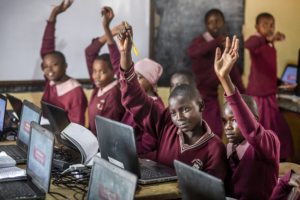
Digital Development in MongoliaMost of Mongolia’s population resides in the country’s capital, Ulaanbaatar, which serves as a large urban area; the Asian country can be categorized into two different areas: urban and rural. In fact, one of the things Mongolia is most known for is its population of grazing livestock, due to the fact that about three-fourths of the country is made up of pastureland. As of 2025, the country has over 3.5 million citizens, spanning over three topographical zones.

Background

As late as 2018, 90% of the population in Mongolia had access to the internet, along with widespread 3G and 4G. In fact, in the last 10 years, the use of technology, particularly among younger citizens, has only increased. This statistic includes Mongolia’s more nomadic communities, who are a part of more rural, isolated areas, where civilians may not get the same speedy internet connection as soon as the more urban communities have.

While it is evident that Mongolia is not as technologically advanced as other countries are in this day and age, such as China or the U.S., the country is working to change that, especially when it comes to its more remote communities.

e-Mongolia

Teaming up with the e-Mongolia Initiative, a platform in Mongolia that works to deliver public services to every single area of the East Asian country, the Government’s Digital Nation Strategy is working to increase the overall digital literacy in Mongolia. As the e-Mongolia Initiative works to serve the most remote and nomadic areas of the country, the Mongolian government plans to help increase digital literacy within those specific communities.

In addition to the government’s plans for country-wide internet services, the Resident Coordinator’s Office (RCO), with UNDP and UNICEF are all partnering with the government for this project. With this collaboration, the UNDP, RCO, and UNICEF are hoping to help the specific areas of DarkhanUul, Khentii, Dornod, and Ulaanbaatar expand their digital literacy.

Digital Literacy

While the United Nations Sustainable Development Group (UNSDG) never states that Mongolia needs more digital literacy, it points out the positives that come with a more technologically advanced society.

The Head of the Government E-Services Department in the Darkhan-Uul Province, Soyolmma Namkhajav, stated, “We are happy to collaborate on this project to deliver faster and more accessible online public services to citizens.”

These partnerships work to improve digital literacy within the country, in order to improve the public online services that are already available throughout the country, particularly in nomadic areas. In addition to improving already available services, the government hopes to improve education with technology.

The UNSDG held an information training session for 60 teachers across thirty schools in Mongolia for a year in 2024. Citing one of the teachers who participated in the session, in addition to helping schools integrate technology into their students’ learning, education leaders are learning how to teach their students how to be safe when browsing the internet.  In addition to serving schools, the government is hoping to make training and other valuable resources more accessible online for public servants and local communities.

The Future

Recently, the RCO has been mobilizing resources with the United Nations to help support the digital future in Mongolia, including the Ministry of Digital Development, Innovation, and Communications of Mongolia, which is persistent in making sure that this program focuses on national priorities and government ownership. Relevant governmental ministries are hoping to train at least 3,000 citizens, 1,500 women in particular, across three different regions, including Ulaanbaatar, to learn these important digital skills.

– Megan Akers

Megan is based inFredericktown, OH, USA and focuses on Technology and Solutions for The Borgen Project.

Photo: Flickr
December 2, 2025
https://borgenproject.org/wp-content/uploads/borgen-project-logo.svg 0 0 Naida Jahic https://borgenproject.org/wp-content/uploads/borgen-project-logo.svg Naida Jahic2025-12-02 01:30:482026-08-11 09:42:40Digital Development in Mongolia
Development, Global Poverty, Technology

Connecting the Congo

The Democratic Republic of Congo

The Democratic Republic of Congo (DRC) is in a position to connect 9.7 million more unique mobile Internet users by 2029 under the right policies. Home to roughly 110 million people, the DRC’s growing youth population makes reliable Internet access an essential resource.

Expanding connectivity is also key to boosting economic opportunities as the country faces persistent financial struggles. Despite the issues of affordability, limited rural access and the self-stifling of the mobile sector, there are many avenues that these policies are looking to open up.

Current Issues

As of 2022, only about 27% of the population had access to the Internet, just over one-quarter of the country’s total population. This figure is well below Africa’s continental average of 39%, making it harder for the DRC to stay connected globally.

The average income required to afford the Internet has decreased recently, dropping from 48.98% in 2018 to 16.36% in 2024. However, despite this significant drop, affordability remains a major barrier. In the case of a cybersecurity incident, the DRC scores just five out of 100 in its ability to minimize potential problems.

Economically, an Internet shutdown is estimated to cost the DRC $261,762, with two shutdowns recorded in the past year. Overall, connecting the Congo has not been an easy task, with its Internet Resilience Score standing at only 23 out of 100.

Looking Forward

Connecting the Congo has a path forward despite the issues faced. The addition of Internet exchange points over the past 10 years has made using the Internet easier. With the Internet Society’s help, the Internet price has dropped by 98%, saving money for Internet providers and customers, allowing even more people to utilize the Internet.

There is still progress to be made to ensure consistent connectivity, especially as the DRC is the fourth-largest country in Africa. However, these steps are essential to keep the country moving forward.

Policies are also in place to support growth, including modernizing frameworks to lower costs, strengthening infrastructure and equipping DRC citizens with essential digital skills. These policies also aim to extend Internet access to public services, making them more efficient. Through these initiatives, the DRC is positioning itself to make significant strides in connecting the country to the rest of the world.

Conclusion

The DRC still has many strides to make in truly getting all of its people connected to the Internet. Issues like availability, affordability and weaker-than-average connectivity remain at the forefront. However, progress is being made.

The rollout of IXPs and the planned policies for the future of the Internet are expected to make big waves in connecting the Congo, allowing everyone to contribute to a world that is more interconnected and inclusive.

– Amari Jennings

Amari is based in Orlando, FL, USA and focuses on Good News and Technology for The Borgen Project. 

Photo: Unsplash

October 26, 2025
https://borgenproject.org/wp-content/uploads/borgen-project-logo.svg 0 0 Lynsey 2 https://borgenproject.org/wp-content/uploads/borgen-project-logo.svg Lynsey 22025-10-26 07:30:152025-10-26 01:31:44Connecting the Congo
Development, Global Poverty, Technology

Low-Cost Satellite Internet in Remote Areas

Satellite Internet in Remote AreasSeveral developing countries have proposed new forms of low-cost satellite internet to connect remote areas. Several up-and-coming organizations include “Starlink” and “Amazon Project Kuiper.”

Starlink and Project Kuiper: Bridging the Digital Divide

SpaceX operates Starlink and “utilizes a constellation of low-Earth orbit satellites to provide service worldwide.” It is designed to deliver “faster speeds and lower latency.” Its key purpose is to provide satellite internet to remote areas where accessibility is a constant barrier to connectivity.

While the operation seems promising, it is at a higher price than other rural internet providers due to the required purchase or lease of proprietary equipment. Another drawback is that the service tends to be affected by extreme weather conditions, common in remote areas with unpredictable climates.

Amazon Project Kuiper is an upcoming satellite internet service that provides high-speed internet to remote and underserved areas. Amazon plans to provide “widespread coverage which includes hard-to-reach rural communities.” However, prices are not yet available to the public, making it difficult to assess the potential success of this new project. Despite this uncertainty, it is expected to be competitive with other satellite internet providers.

Benefits of Satellites

Unlike most other satellite services, there is no required reliance on telephone lines. Amazon plans to “deploy thousands of satellites in low-Earth orbit linked to a global network of antennas, fiber and internet connection points.” These satellites orbit closer to Earth than traditional ones, reducing signal delay and improving speed. The satellites will communicate with a network of ground stations, including antennas, fiber-optic cables and internet hubs, that connect to the broader internet.

Satellites beam data to and from user terminals (like dishes or receivers) and route it through ground infrastructure to reach the internet. Unlike older satellite services, this enables Amazon to provide broadband access in rural, underserved regions without phone lines.

Amazon Project Kuiper plans to “bridge a digital divide” and offer direct support, such as customer service, to ensure technology integration. Although the performance metrics are not yet known until actual deployment, Amazon’s inclusion of a direct support team appears promising.

GSMA: Driving Mobile Innovation

GMSA is a global organization unifying the mobile ecosystem to provide innovative solutions for businesses and to encourage societal change. Its vision is to “unlock the full power of connectivity so that people, industry and society thrive.” It shapes mobile-related policies, supports technology that keeps mobile networks running and creates significant events to target global problems. Events such as MWC and M360 mobilize mobile industry leaders to share ideas and collaborate.

Millions of people depend on connectivity for their livelihoods and basic needs. “In 2022, 36 countries with the largest mobile coverage gap hosted 46% of internally displaced people and 18% of refugees.” Low-cost satellite services could be the answer to target the weaker areas of infrastructure in developing countries, particularly in health care, education and humanitarian protection.

Connectivity for Refugees Initiative

However, there are barriers to usage due to “lack of affordability of devices and data, lack of literacy and language or social barriers.” Due to this accessibility problem, a coalition of organizations and governments, including the UNHCR, International Telecommunication Union (ITU), GSMA and the Government of Luxembourg, created the Connectivity for Refugees initiative in 2023.

The initiative aims to connect 20 million displaced people and their hosts by 2030, helping them stay connected, access global services and build a livelihood. It will involve the private sector, governments, international organizations and forcibly displaced communities to ensure connectivity in underserved areas. Consequently, this will “open pathways for greater access to information, education and livelihoods and enhanced humanitarian protection.” 

Connecting Rwanda

The Rwandan government has created the Kigali Innovation City initiative, focusing on “expanding connectivity” through government-led efforts to “develop robust digital infrastructure and initiatives.”

According to GSMA research, “MTN Rwanda has the widest network coverage in the country, with coverage available in remote areas and refugee camps.” Mobile phones are widely used in Rwanda, with “31% of the population reported to be using a mobile money account.”

There are four active mobile money services in operation: MTN Mobile Money, Airtel Tigo, Dau Pesa and MCash. Through a partnership with KCB Bank, MTN Mobile Money users can access loans and savings products. This partnership also provides additional benefits, including access to health care and educational platforms.

In addition, NGOs such as UNHCR and the U.N. Refugee Agency are supporting connectivity projects in refugee camps like Mahama and Kiziba. These projects establish “community centers with internet access, mobile charging stations, digital literacy programmes and solar power solutions,” helping expand digital access in underserved communities.

Low-cost satellite connectivity is not just access; it’s a lifeline for resilience and opportunity.

– Gabriela E Silva

Gabriela is based in Surrey, UK and focuses on Technology and Solutions for The Borgen Project.

Photo: Pixabay

October 20, 2025
https://borgenproject.org/wp-content/uploads/borgen-project-logo.svg 0 0 Lynsey 2 https://borgenproject.org/wp-content/uploads/borgen-project-logo.svg Lynsey 22025-10-20 01:30:302025-10-20 00:24:24Low-Cost Satellite Internet in Remote Areas
Development, Global Poverty, Technology

Bridging the Digital Divide in Barbados

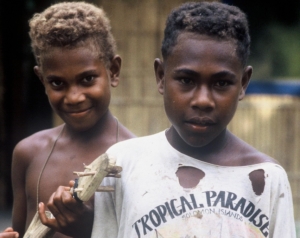
Digital Divide in BarbadosThe increase in internet penetration has been highly beneficial in bridging the digital divide in Barbados. This has allowed those who were formerly unable to connect with others worldwide the ability to do so. Some of the main challenges to achieving full connectivity include limited digital literacy, frequent disconnections, vulnerability to major cyber incidents and a shortage of local websites.

Still, significant progress has been made. Barbados has modernized its public sector through improved digital channels. The digital divide in Barbados is also narrowing thanks to the accelerated pace of digital transformation, led partly by the UNDP. This effort targets government institutions, strategic partners, businesses and the youth.

In addition, the UNDP’s blueDIGITAL initiative has provided essential tools to support fisherfolk, government agencies, tourism partners and the wider public. These tools are driving innovative digital solutions tailored to Barbados’s specific needs, further helping to bridge the digital divide.

Current Issues

As of 2022, an estimated 76% of Barbados’s population has internet access. However, challenges remain: only 25% of the most visited websites in the country can be accessed locally and overall internet quality is below standard for the general population due to weak market competition. Additionally, the nation’s internet resilience score of 46% means it can withstand only limited disruptions.

According to the Global Cybersecurity Index, Barbados ranks among evolving nations (score of 20-55) in handling cyber incidents. The country has about 1,889 domains registered under its country code (.bb). However, the main challenge is limited locally hosted content, which weakens internet resilience and slows progress in bridging the digital divide.

Working To Move Forward

The digital divide in Barbados has gradually narrowed, thanks in part to outside support. Key contributions include the modernization of the public sector, the accelerated pace of digital transformation and the UNDP’s blueDIGITAL initiative.

Support from the Inter-American Development Bank (IDB) has also been critical. Its $40 million loan to Barbados is driving the digital transformation of public administration, while efforts are underway to improve both public and private services. These changes aim to reduce transactional costs and make services more accessible.

The UNDP has also played a key role in reducing the digital divide in Barbados. Through two digital transformation initiatives, the Business Adaptation Programme and Work Online Dominica, the UNDP has helped participants adapt to the digital world of work. These programs equip individuals with skills to manage their businesses, strengthen marketing and improve their financial standing.

Conclusion

Barbados has faced its fair share of issues regarding its internet stability and getting everyone online, with many problems still being faced with major cyber incidents and their prevention. However, with assistance from the UNDP and the IDB, Barbados has made significant progress in its digital development. Thanks to these initiatives, the digital divide in Barbados grows narrower with each passing day.

– Amari Jennings

Amari is based in Orlando, FL, USA and focuses on Technology and Solutions for The Borgen Project.

Photo: Flickr
October 5, 2025
https://borgenproject.org/wp-content/uploads/borgen-project-logo.svg 0 0 Lynsey 2 https://borgenproject.org/wp-content/uploads/borgen-project-logo.svg Lynsey 22025-10-05 03:00:262025-10-04 03:51:51Bridging the Digital Divide in Barbados
Children, Education, Global Poverty

WhatsApp Tutors in Lebanon Are Educating Refugee Children

WhatsApp Tutors in LebanonIn Lebanon, Syrian refugee children often face unreliable internet and little access to formal education due to the conflict that recently happened in the area. Early this year, after a ceasefire took effect in Lebanon, much of the infrastructure remains in ruins. As a result, the region’s education suffered a large toll and it lost opportunities. However, a small but mighty resolution began with an unexpected platform: WhatsApp.

The Problem in Lebanon

Education is highly dependent on the infrastructure it lies on. Proper facilities, strong internet and a safe region determine the quality of education. However, in Lebanon, many children, especially those affected by the recent conflict, are facing a lack of access due to overcrowding, cost and legal barriers.

The lack of a strong digital infrastructure primarily explains this, underscoring the importance of education facilities. Regarding Lebanon’s education sector, the system has faced multiple issues, from the refugee influx to a significant port explosion and the COVID-19 pandemic. As a result, public education opportunities began to dwindle as the infrastructure started to collapse. This is where WhatsApp tutors in Lebanon began to change the picture.

WhatsApp Tutors in Lebanon Comes to the Rescue

When the state cannot provide education, WhatsApp tutors in Lebanon rise to the challenge by creating virtual classrooms. On WhatsApp, peer tutors share voice notes containing lessons on various subjects, including math and science.

In the absence of physical classrooms, teachers and tutors use WhatsApp to distribute assignments and collect submissions. A nonprofit called Jusoor has started providing $25 grants to refugee families to help them afford phones and data packages, enabling their participation in virtual education.

To save data and prevent potential outages, educators conducted lessons through chat and audio, which created a community where students began to support other students. To save data and avoid potential outages, educators delivered lessons through chat and audio, fostering a community where students began supporting one another.

The biggest life-saver for many families was that WhatsApp only requires a smartphone. Many other online platforms require a computer or other expensive hardware. WhatsApp allowed tutors in Lebanon to reach more students simply through mobile access.

The Digital Future

Research has found that conducting education through online platforms such as WhatsApp is not as effective as the physical classroom. However, in Lebanon, it is important to understand that WhatsApp and other similar platforms are the only opportunities many kids have.

Learning does not require a building or sophisticated technology. In areas devastated by war and conflict, such as Lebanon, tutors are creating makeshift classrooms using only mobile phones, chat messages and voice notes.

Despite limited resources and unstable conditions, they built a space where education continues, proving that determination and creativity can overcome even the harshest barriers to learning.

– Kallen Zhou

Kallen is based in Hattiesburg, MS, USA and focuses on Business and Technology for The Borgen Project.

Photo: Wikimedia Commons

July 29, 2025
https://borgenproject.org/wp-content/uploads/borgen-project-logo.svg 0 0 Lynsey 2 https://borgenproject.org/wp-content/uploads/borgen-project-logo.svg Lynsey 22025-07-29 03:00:492025-07-29 01:21:58WhatsApp Tutors in Lebanon Are Educating Refugee Children
Global Poverty, Technology

Internet Access in Nigeria: The Evolving Landscape

Internet access in nigeriaInternet access in Nigeria is experiencing significant growth, with more than half of the population now connected. However, a notable digital divide persists between urban and rural areas. Mobile devices serve as the primary means through which Nigerians access the internet. Despite high penetration rates, affordability, availability and service quality challenges hinder broader access.

In 2024, despite substantial investments in Nigeria and other regions of Africa, only 38% of the population was online. The International Telecommunications Union (ITU) reported that Africa ranked the lowest in global internet usage, starkly contrasting the global average of 68%. The ITU highlighted that while internet adoption in Africa is on the rise, millions remain offline due to high service costs, digital illiteracy and inadequate infrastructure, particularly in rural communities.

Current Internet Landscape

As of April 2025, Nigeria’s internet landscape boasts approximately 142 million subscribers, with broadband penetration reaching 48.15%. Internet usage has surged to 983,283.43 terabytes (TB). In January 2025, there were 141 million internet subscribers and a broadband penetration rate of 45.61%. These statistics underscore Nigeria’s expanding digital footprint and the increasing demand for internet services.

Furthermore, according to the Nigerian Communications Commission (NCC), the telecommunications regulator, 141.2 million mobile connections were recorded as of April 2025. The market share by generation indicates that 89% of the country’s connectivity still relies on 2G and 4G technologies.

Affordability of Internet Access in Nigeria

The cost of internet access poses a significant barrier for many Nigerians, affecting both individual users and businesses. According to a report by ITU, affordability remains a critical obstacle to achieving broader digital inclusion.

The ITU highlighted that in 2024, the median price of an entry-level mobile broadband plan (2GB per month) was 4.2% of the gross national income (GNI) per capita, a slight decrease from 4.6% in 2023. However, this figure is still more than double the United Nations Broadband Commission’s affordability target of 2%, making it the highest among all ITU regions.

Government and Private Initiatives

In response to these challenges, the government and the private sector invest in infrastructure and initiatives to enhance internet access and affordability. One notable initiative is Project 774 LG Connectivity, which focuses on bridging the digital divide across local governments in Nigeria. Spearheaded by the Federal Ministry of Communications and Digital Economy, this project leverages NIGCOMSAT’s VSAT technology to provide reliable internet access in Nigeria.

The initiative aims to improve e-governance, education, health care, security and economic opportunities at the grassroots level by ensuring that communities can access affordable Internet services. The National Broadband Plan (2020-2025) also sets ambitious targets for internet penetration and affordability, aiming to achieve 70% broadband penetration by 2025.

In January 2025, the Center for Information Technology and Development (CITAD) revealed that about 27 million Nigerians have no access to telecom infrastructure, excluding those who can’t afford it. CITAD launched the Dakwa Community Hub in the rural area of Abuja to enable access to the internet in the community and online educational opportunities to about 50% of Nigerians who lack access.

– Damilola Bukola Omokanye

Damilola is based in Abuja, Nigeria and focuses on Technology and Solutions for The Borgen Project.

Photo: Wikimedia Commons

July 23, 2025
https://borgenproject.org/wp-content/uploads/borgen-project-logo.svg 0 0 Lynsey 2 https://borgenproject.org/wp-content/uploads/borgen-project-logo.svg Lynsey 22025-07-23 07:30:242025-07-23 00:50:32Internet Access in Nigeria: The Evolving Landscape
Development, Global Poverty, Innovations

2025 Budget: Reducing the Digital Divide in India

Reducing the Digital Divide in IndiaIndia continues to make progress toward widespread access to technology. Still, there are significant gaps that disproportionately affect its population. According to a National Family Health survey, 72.5% of males and 51.8% of females in urban areas have internet access. Comparatively, only 48.7% of males and 24.6% of females have access to the internet in rural areas. These numbers expose the fact that a large number of individuals across the country are unable to use the internet. 

Digital Gaps and the Risk of Poverty

Lack of connectivity leads to hindered education opportunities, unemployment and reduced digital literacy. For example, without access to technology, it is more challenging to enroll in online courses and use tools like Zoom and this makes education less accessible. Digital literacy is increasingly a requirement for many jobs. Online communication and media navigation are important for most positions, putting those without internet access at a significant disadvantage. Overall, people without reliable access to technology are less likely to seek further education, get a job and face a greater risk of living in poverty. 

The 2025 Budget and How It Helps

The 2025 budget is making four notable efforts toward reducing the digital divide in India. 

  • Expanding Reach to Digital Education. The new allocation of funds for the postal network is making this goal possible. This well-established system in the country is using additional funding to deliver educational resources to remote areas in need. This is effectively reducing the digital divide in India by providing necessary learning material, creating more equitable opportunities for education.
  • Atal Tinkering Labs and Technology Fellowships. Programs are also reducing the digital divide in India by fostering skill development, creating jobs and sparking long-term innovation. The goal, as established by India’s 2025 budget, is to create 50,000 Atal Tinkering Labs. The plan is to set up these labs in government schools across the nation to promote a future in science. Additionally, the budget provides the funds to create 10,000 fellowships to train youth in tech. Overall, creating these jobs means opening up opportunities for innovation and greater digital access.  
  • Bharatiya Bhasha Pustak Scheme. This scheme is reducing the digital divide in India by bringing educational content to populations that speak regional languages. These populations are at greater risk of living in poverty because their native language provides limitations. However, the 2025 Budget aims to implement long-term educational empowerment. The plan is to do so by providing educational content and making key resources accessible in the native languages. This initiative uses these resources to teach necessary skills. Ultimately, this grants beneficiaries a greater chance of joining the workforce. 
  • Investing in AI and Innovation. The 2025 Budget is also reducing the digital divide in India by investing in research and technology. In 2025, there is an increase in funding for AI research and implementation, which creates the potential for new jobs. Also, the increased funding allows the possibility of using digital solutions. AI can potentially create development and improve the standard of living in the country.

From Access to Opportunity

At first glance, efforts to reduce the digital divide in India may seem modest. However, digital inclusion is more than a tech initiative — it is a pathway to poverty reduction. By bringing tech-based educational resources to more people, ongoing efforts create better job opportunities. By creating programs rooted in job creation, unemployment rates drop and regional income increases. Improving the availability of technology promises better access to digital banking, health care and government services.

Granting more people access to the internet could result in long-term economic development, especially among women and in rural regions. India’s 2025 Budget marks a significant step toward inclusive digital growth. Continued funding for such programs could help reshape the country’s digital landscape, create jobs and improve financial security for the estimated 75 million people living in extreme poverty.

– Caroline May

Caroline is based in Denver, CO, USA and focuses on Good News for The Borgen Project.

Photo: Flickr

July 17, 2025
https://borgenproject.org/wp-content/uploads/borgen-project-logo.svg 0 0 Precious Sheidu https://borgenproject.org/wp-content/uploads/borgen-project-logo.svg Precious Sheidu2025-07-17 07:30:202025-07-17 01:16:252025 Budget: Reducing the Digital Divide in India
Page 1 of 41234

Get Smarter

  • Global Poverty 101
  • Global Poverty… The Good News
  • Global Poverty & U.S. Jobs
  • Global Poverty and National Security
  • Innovative Solutions to Poverty
  • Global Poverty & Aid FAQ’s
Search Search

Take Action

  • Call Congress
  • Email Congress
  • Donate
  • 30 Ways to Help
  • Volunteer Ops
  • Internships
  • Courses & Certificates
  • The Podcast
Borgen Project

“The Borgen Project is an incredible nonprofit organization that is addressing poverty and hunger and working towards ending them.”

-The Huffington Post

Inside The Borgen Project

  • Contact
  • About
  • Financials
  • President
  • Board of Directors
  • Board of Advisors

International Links

  • UK Email Parliament
  • UK Donate
  • Canada Email Parliament

Get Smarter

  • Global Poverty 101
  • Global Poverty… The Good News
  • Global Poverty & U.S. Jobs
  • Global Poverty and National Security
  • Innovative Solutions to Poverty
  • Global Poverty & Aid FAQ’s

Ways to Help

  • Call Congress
  • Email Congress
  • Donate
  • 30 Ways to Help
  • Volunteer Ops
  • Internships
  • Courses & Certificates
  • The Podcast
Scroll to top Scroll to top Scroll to top