• Link to X
  • Link to Facebook
  • Link to Instagram
  • Link to TikTok
  • Link to Youtube
  • About
    • About Us
      • President
      • Board of Directors
      • Board of Advisors
      • Financials
      • Our Methodology
      • Success Tracker
      • Contact
  • Act Now
    • 30 Ways to Help
      • Email Congress
      • Call Congress
      • Volunteer
      • Courses & Certificates
      • Be a Donor
    • Internships
      • In-Office Internships
      • Remote Internships
    • Legislation
      • Politics 101
  • The Blog
  • The Podcast
  • Magazine
  • Donate
  • Click to open the search input field Click to open the search input field Search
  • Menu Menu

Tag Archive for: Internet Access

Posts

Education, Global Poverty, Technology

Internet Access in Peru: Bridging the Digital Divide

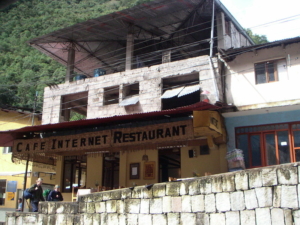
Internet Access in PeruPeru, home to 33 million people, faces a significant digital divide. About 80% of citizens lack consistent internet access and 74% have no access at all. Among those older than six, 53% do not use the internet, placing Peru among the lowest internet traffic rates in South America.

Barriers in Rural Areas

Rural communities, especially those in the Andes Mountains and around Cusco, face the greatest access challenges. Harsh terrain prevents signal transmission and complicates infrastructure development. Many residents also lack the financial means to afford laptops or data plans. As most internet infrastructure concentrates in urban centers, the rural-urban divide continues to widen. As of 2023, 38% of Peruvians lived below the poverty line, with an additional 5.7% at risk of falling into extreme poverty. Amid these economic challenges, internet access remains a privilege rather than a basic utility. However, several organizations are working to change that reality by expanding digital access nationwide.

Improving Access Through Education

art=”1580″ data-end=”2164″>Jangala, an NGO focused on digital access for underserved communities, partners with local organizations to bring internet connectivity to Peru. In Cusco—where 20% of children never finish primary school and 38% never complete secondary education due to financial hardship—Jangala teamed up with the Latin American Foundation of the Future (LAFF). Together, they provided laptops to students and introduced the Jangala Big Box to schools. This technology delivers instant internet access, enabling students to complete homework, collaborate with peers and access new learning tools.

Students in Cusco say that access to online resources through Jangala’s Big Box helps them complete their homework and stay enrolled despite financial challenges. This step forward has created new learning opportunities for students who might otherwise have been forced to drop out, reducing long-term risks of poverty.

A Broader Effort: Internet Para Todos

Beyond Cusco, the initiative Internet Para Todos (Internet for All) works to expand connectivity across Peru. This partnership—formed by Telefónica and Meta (formerly Facebook)—focuses on cost-effective solutions that target remote, rural areas. Since 2016, the group has connected 2.8 million Peruvians and established 1,900 4G sites in more than 15,000 towns. Rather than relying on heavy capital investment, the project uses shared infrastructure and open-access models. This strategy significantly lowers costs and extends services to hard-to-reach populations.

Building Digital Skills

To ensure people can fully benefit from connectivity, Peru launched the Digital Basic Basket program. This initiative supports digital literacy and aims to equip individuals with the skills needed to navigate education, health care and job markets online. The program focuses on rural areas and supplies tablets to students, along with digital training for public sector workers such as teachers and police officers. These ongoing efforts coincide with Peru’s growing digital economy. In 2021, the country’s e-commerce sector reached $9.3 billion—a 35% jump from the previous year. Forecasts predict that by 2030, the market will grow to $15.3 billion.

Looking Ahead

Peru’s journey toward digital inclusion reveals that expanding access requires more than infrastructure—it also depends on digital skills, education and local engagement. Organizations like Jangala and Internet Para Todos play a key role in bridging this divide. By continuing to improve internet access in Peru by building low-cost networks, training communities and supporting long-term solutions, Peru could reduce poverty and unlock greater opportunity for all citizens.

– Felix Hughes

Felix is based in the UK and focuses on Technology and Solutions for The Borgen Project.

Photo: Flickr
June 22, 2025
https://borgenproject.org/wp-content/uploads/borgen-project-logo.svg 0 0 Precious Sheidu https://borgenproject.org/wp-content/uploads/borgen-project-logo.svg Precious Sheidu2025-06-22 07:30:272025-06-21 13:47:12Internet Access in Peru: Bridging the Digital Divide
Global Poverty, Innovations, Poverty Eradication

How Internet Access Is Driving Poverty Eradication in Georgia

Poverty Eradication in GeorgiaIn developed countries, it can be easy to forget how invaluable a tool the internet can be in improving the everyday lives of people. In Georgia, revolutionary online programs are changing the ways that many people learn, earn and live. Almost 40% of Georgians live in rural areas, of which 27.5% are estimated to be living below the poverty line. For many of these people, unreliable access to transport, unpredictable weather and distance from urban areas make access to many services near-impossible. Internet-based innovations in poverty eradication in Georgia are proving to be beneficial in many different ways.

Education

Digital tools provide access to education for many Georgians, including both school children and adults. In rural areas, the rate of children completing high school is around 50%, significantly lower than that of children in urban areas (74%). This education gap is even more significant between the wealthy and poor, with the completion rate for the richest being more than double that of the poorest.

Educare Georgia is an initiative which aims to provide free access to global educational resources for Georgians. By translating more than 4,000 lessons from Khan Academy – a free source for lessons in subjects such as mathematics and science – Educare Georgia has helped connect many Georgian children to a more expansive way of learning.

Giveinternet.org is another initiative that Educare Georgia started. This service aims to provide internet access and devices to children in underserved communities and settlements for Internally Displaced Persons. What began as a project to help Georgian children has expanded to help children in other poverty-ridden countries, such as Malawi and Uganda. At present, 2,899 children in remote and marginalized areas have been provided with reliable access to the internet, ensuring equal educational opportunities.

Real-Time Jobs for Youth is another online educational project in Georgia, supported by the United Nations Development Program (UNDP) and UNICEF. It aims to provide young people from state care or marginalized backgrounds with free education on coding, digital marketing and design, as well as online freelance work. This has helped to greatly improve job opportunities for many young people. These programs are crucial innovations in poverty eradication in Georgia, allowing children of all backgrounds to receive a proper education.

Health and Social Care

Internet connectivity has had a major impact on health care accessibility in Georgia. During the COVID-19 pandemic, much of Georgia’s rural population found themselves unable to access proper health care. Many people live in mountainous regions where reliable transport is scarce and the weather can be extremely unpredictable. The vast majority of doctors in Georgia are based in Tbilisi and other urban areas, while most urban regions are critically underserved. This is especially true when it comes to the distribution of specialists, such as obstetricians and pediatricians.

A huge telemedicine initiative sought to provide improved health care to these remote areas, and the project has continued expanding since the end of the pandemic. In Georgia, approximately 93% of deaths are the result of non-communicable diseases. By providing video consultations, remote diagnostics and improving the communication methods between local doctors and specialists, many people now have access to health care and expertise which was formerly out-of-reach. One example of this improved healthcare is the more than 3,000 women now registered for cervical, breast and thyroid cancer screenings, hopefully resulting in the prevention of many deaths.

GeorgiaUnify

This expansion in online services and tools has also expanded into social care. GeorgiaUnify, a social care integration platform, developed by the Georgia Health Information Network (GaHIN), enables better communication between health care providers and social services. As stated above, much of Georgia’s rural population are unable to access or do not have transport in order to use many services. As a result, medical referrals for social care services do not always receive attention, and peoples’ situations do not improve. GeorgiaUnify notifies all parties involved of the referral, ensuring a better service. Data is also shared with local Community-Based Organizations, providing more information on housing stability, food security and transportation in order for people to access any services as easily as possible.

Agriculture

Agriculture employs around 38% of Georgia’s workforce, yet only makes up around 6-8% of Georgia’s GDP, demonstrating that many farms are underperforming or otherwise making little money. Platforms such as AgroMap, which Georgia’s Ministry of Environmental Protection and Agriculture developed, offer satellite imaging, crop analysis and weather forecasting. This data helps farmers make more informed decisions, improving yields and reducing costs. AgroMap also helps farmers access other business contacts and other support services.

The agriculture extension is another digital platform for farmers, enabling them to access online training and an electronic library of information. Farmers are now able to educate themselves on up-to-date techniques and have a better understanding of the market.

Digital tools also help with land management, irrigation planning and pest control. As a result, agricultural productivity has increased in regions where internet access is reliable, helping with the food security and economic stability of many rural communities. These support systems and data platforms are examples of practical innovations in poverty eradication in Georgia, granting a significant source of employment the chance to thrive.

Expanding Georgia’s Internet Access

The cornerstone of these advancements is the expansion of internet infrastructure. The Broadband Equity, Access, and Deployment (BEAD) is a $1.3 billion grant to expand internet access to reach all regions of Georgia. The program prioritizes communities that are currently unserved or underserved, promoting economic growth, improved education and training and access to services such as the ones listed above.

The initiative to expand access to the internet in Georgia is about much more than simply getting a 4G signal – it expands the opportunities and helps to improve the health, wealth and education of many communities. Many of Georgia’s most poverty-stricken are now able to get the tools needed to build a brighter future for themselves.

– Reuben Avis-Anciano

Reuben is based in Oxfordshire, UK and focuses on Technology and Solutions for The Borgen Project.

Photo: Unsplash

June 6, 2025
https://borgenproject.org/wp-content/uploads/borgen-project-logo.svg 0 0 Jennifer Philipp https://borgenproject.org/wp-content/uploads/borgen-project-logo.svg Jennifer Philipp2025-06-06 07:30:232025-06-06 04:46:27How Internet Access Is Driving Poverty Eradication in Georgia
Global Poverty, Health, Technology

How Starlink Is Revolutionizing Access to Health Care in Kenya

Health Care in KenyaIn Kenya, internet connectivity is a privilege enjoyed by people who live in urban areas. In contrast, millions in rural areas remain in the digital dark. Starlink, a satellite internet provider known for delivering fast and reliable internet in remote and rural areas, launched in Kenya in July 2023. Marketed as a solution for regions with poor or no internet connectivity, Starlink in Kenya experienced a huge demand, leading to a network capacity overload.

Approximately 70% of Kenya’s population resides in rural areas, which are underserved and often face challenges accessing essential services due to poor infrastructure. Starlink is bridging the digital divide in Kenya by revolutionizing access to health care in rural areas. From telemedicine to real-time data management, here’s how this innovative technology is revolutionizing access to health care.

The Link Between Health Care and Poverty

According to the World Health Organization (WHO), health is a fundamental human right. Yet, our financial capacity often limits access to health care, including the choice to get medical care or where to get it. In low-income countries, these options compel individuals to pay for medical care out of pocket, forcing families to forego their well-being. Consequently, the burden of medical expenses and loss of income pushes families deeper into poverty.

Investing in effective health systems and universal health care can ensure that all persons, particularly the most vulnerable, can access health care without experiencing financial constraints.

Health Care in Kenya

Kenya has made notable progress in upholding this right by implementing a system designed to address systemic issues. The country has improved access to health care, increased the number of medical personnel and supplies, digitized health services and promoted national insurance uptake. However, challenges like delays, inefficiency and unreliability persist in the new health care model.

Starlink’s Revolutionary Role in Murang’a

Amid these challenges, in the central region of Murang’a county, Starlink is revolutionizing health care delivery. Nestled in scenic hills, it is a significant tourism attraction but a logistical nightmare due to the challenge of building infrastructure to deliver essential services like communication and health. Murang’a County has no level 5 health facility and 297 level 2 facilities, including clinics and dispensaries that serve villages and smaller towns. In contrast, internet access is limited to 12.7% of the population and 57.4% own mobile phones.

Challenges Solved

The health care sector struggled with delays in disease detection, financial mismanagement, long queues and drug shortages due to reliance on manual systems. However, Starlink’s presence in Kenya has significantly enhanced the digitization of medical records. Murang’a County Governor has hailed the integration of Starlink internet in rural health facilities as lifesaving. Starlink has allowed Murang’a County to roll out a telemedicine program decongesting level 4 and 5 hospitals. This has reduced patient travel expenses, ensuring everyone can get medical assistance from the nearest dispensary.

Starlink provided a viable solution with high-speed, low-latency internet in underserved areas, where most health centers and dispensaries are located—unlike other internet service providers in Kenya that depend on fiber optic cables. The digitizing of medical records and automation of appointments has improved service efficiency. Doctors can make accurate time decisions on patient care through telemedicine. At the same time, the county can monitor and generate real-time patient data. This has enhanced accountability and reduced theft of medical supplies.

Final Note

By providing affordable, high-speed and reliable internet, Starlink is making remarkable strides in digitizing and modernizing health care in Kenya. This aligns with the four core components of the right to health: availability, acceptability, accessibility and quality. As health care outcomes in Murang’a County continue to improve, the success of Starlink offers a model that could be replicated beyond Murang’a County. Indeed, it could potentially transform health care access across the country.

– Grace Ruria

Grace is based in Nairobi, Kenya and focuses on Technology and Solutions for The Borgen Project.

Photo: Flickr

March 2, 2025
https://borgenproject.org/wp-content/uploads/borgen-project-logo.svg 0 0 Lynsey 2 https://borgenproject.org/wp-content/uploads/borgen-project-logo.svg Lynsey 22025-03-02 07:30:432025-03-02 01:00:43How Starlink Is Revolutionizing Access to Health Care in Kenya
Global Poverty, Health, Technology

The Growth of Telemedicine in Peru

Telemedicine in PeruThe COVID-19 pandemic accelerated the global shift to telehealth, enabling health care professionals and patients to connect remotely. However, resource disparities meant some countries faced greater challenges in transitioning. The shift to telemedicine was particularly difficult in Peru, which borders Chile and Bolivia, due to limited infrastructure and internet access, especially in rural areas.

Background of Telemedicine in Peru

Peru’s health system is divided into three practices, the first one being Social Security Hospitals (SSH), the second being the Federal Government Hospitals (FGH) and then private hospitals. The growth of internet access in Peru started in 2005. That year the first regulatory document related to telehealth was approved by the “Supreme Decree No. 028-2005-MTC.” Furthermore, in 2009, the first technical standards were approved to set guidelines for these online services. Later, in 2016, a framework was set for expanding telehealth, such as the ability to fill out prescriptions online.

When the pandemic hit, the full force of telemedicine and telecommunication services was set into motion. However, Peru is divided into three main geographical regions: the Coast, the Peruvian Andes and the Jungle. Internet access remains limited across these areas, with only 63.3% of residents on the Coast, 36% in the Andes and 33% in the Jungle having connectivity. This disparity poses a significant challenge to the advancement of telemedicine, as limited internet access hinders the reach of digital health care services to remote and underserved communities.

What Is Being Done?

“Teleatiendo,” created by the Ministry of Health of Peru, provides online consultations for those seeking virtual health care services. Other online resources, such as the “Cayetano Heredia National Hospital” teleconsultation application, specifically support diabetic patients. Looking toward the future, the incoming candidates for Congress and the presidential seat have promised to work on making the Internet more available nationwide.

Peru has the highest internet costs in Latin America, posing a barrier to equal access, especially in telemedicine advancements. More structured frameworks are being set in motion for mobile health apps (mHealth) based on different evaluations, such as effectiveness and security. Due to 60% of the population being in a lower socioeconomic sphere, accessing these technologies is difficult. However, the “WiLD multihop network” could improve connectivity in underserved areas, making health care access more feasible for those in remote or low-income communities.

Partners in Health

Partners in Health is an organization dedicated to creating “preferential options” for the impoverished in health care. The organization has developed seven telemedicine applications to improve health care access, each tailored to specific needs:

  1. Bienestár: Provides free mental health screenings and connects users to specialized psychologists.
  2. KUSKA: Offers similar mental health support but is available in Quechua, catering to Peru’s indigenous population.
  3. Soy Qhalikay: Detects type 2 diabetes and hypertension, prompting follow-up care from nursing and nutrition teams.
  4. Chatea con tu Nutri: Connects users to health facilities focused on diet and exercise improvements.
  5. ALMA: Supports breast cancer prevention by providing free mammograms to at-risk women.
  6. GESTamor: Assists pregnant individuals with referrals for prenatal care and health monitoring.
  7. CASITA: Offers free screenings and educational resources to detect infant developmental delays, with training and support for caregivers.

Each app is vital in expanding health care access across different demographics in Peru.

The Future of Telemedicine in Peru

As telemedicine expands in Peru, so does the push for broader internet access, ensuring that all citizens can access essential health care. Significant progress has been made in recent years, with the trajectory continuing upward as internet availability increases and telemedicine gains a stronger foothold in the country. These advancements promise a future where health care is more accessible and inclusive for all Peruvians.

– Isabella Chavez

Isabella is Swampscott, MA, USA and focuses on Technology and Global Health for The Borgen Project.

Photo: Flickr

November 1, 2024
https://borgenproject.org/wp-content/uploads/borgen-project-logo.svg 0 0 Lynsey 2 https://borgenproject.org/wp-content/uploads/borgen-project-logo.svg Lynsey 22024-11-01 07:30:372024-11-01 02:29:45The Growth of Telemedicine in Peru
Developing Countries, Education, Global Poverty

Solar Power in Uganda Supports Educational Goals

Solar power in UgandaRefugees often seek resettlement services after natural disasters and war-related events. Individuals and families use these resettlement services to relaunch their lives and to find stability after disaster events. However, most resettlement encampments need a reliable connection to a power supply and internet services to serve refugee populations. Without these resources, staff may struggle to onboard new members and refugees may struggle to reconnect with society.

Good Actors and Initiatives

Jon Paul Ojok developed a mobile solar power box to supply electricity to students in West Nile region in Uganda. Drawing on his experience as a developer at the United Nations High Commissioner for Refugees (UNHCR), Ojok created a device that can be easily moved through neighborhoods and communities to provide affordable internet and electricity to remote villages and camps. Ojok’s solar power box allows students to access course materials and complete assignments. The long-term success of these students will contribute to the goal of upward mobility and the growth of local communities. The solar power box also provides stable electricity and internet to UNHCR staff, enabling them to connect with and retain more refugees for resettlement services.

The Mobile Solar Computer Classroom (MSCC) is a similar initiative serving Ugandan students. For this project, solar panels are attached to an all-terrain vehicle equipped with computers and a router. The project has improved digital literacy and academic performance in local schools. Since 2008, MSCC has trained more than 37,000 students, 200 teachers and 2,000 out-of-school youths in more than 80 schools and 20 libraries. Approximately 70% of the schools MSCC has worked with have seen improved academic performance at the national level.

Impacts of Solar Initiatives

According to the World Bank, about 41.3% of Ugandans lack access to electricity. Uganda’s power grid, though operational, is not always stable, with professionals and students most likely to experience service interruptions. As more people enter the country, innovations in solar power will help reduce stress on the grid and improve the ability of both native Ugandans and refugees to work toward a middle-class life.

According to Uganda’s Energy Transition Plan, educational and industrial advancements made possible by solar power will improve living standards. Enhancing the country’s grid infrastructure will increase the reliability of clean energy connections in the next 10 to 30 years. This will enable Uganda to better support transitioning its youth and students into a self-sustaining, independent workforce.

Final Note

Solar power in Uganda will lead to more equitable access to essential resources such as electricity and internet services. As access improves, students across all regions will receive a stronger foundational education, promoting the resilience of future generations. Expanding solar power to more remote locations ensures no person or family is left behind, increasing the region’s chances of securing a just, peaceful and equitable future.

– Karina Dunn

Karina is based in Mesquite, TX, USA and focuses on Technology and Solutions for The Borgen Project.

Photo: Flickr

October 22, 2024
https://borgenproject.org/wp-content/uploads/borgen-project-logo.svg 0 0 Lynsey 2 https://borgenproject.org/wp-content/uploads/borgen-project-logo.svg Lynsey 22024-10-22 01:30:512024-10-22 01:03:27Solar Power in Uganda Supports Educational Goals
Global Poverty, Innovations, Technology

IT Supporting Rural Livelihood in India

Rural Livelihood in IndiaTechnological advancements in the past decades have widened the gap between the rich and the needy. The lack of access to the internet and Information Technology (IT) resources hinders the growth of a considerable percentage of India’s population. However, IT supporting rural livelihood in India has slowly manifested through the combined efforts of private and public sector initiatives.

Mission 2007: Every Village a Knowledge Center

IT supporting rural livelihood in India has been expected to act as a viable option. IT can be used for various purposes like predicting weather conditions and market prices for farming along with gaining useful knowledge and skills. To materialize this, Mission 2007 was initiated in 2003 by an alliance of 150 organizations to avail the benefits of Information and Communication Technologies (ICTs) dedicated to human well-being in rural areas.

The Jamsetji Tata National Virtual Academy (NVA) for Rural Prosperity and the Jamsetji Tata Training School (JTS) for Leadership in Rural Knowledge Connectivity were established to support and fuel this IT revolution. They aim to provide IT access and training to more than a million rural people and encourage them by enabling them to enhance their livelihood with the help of IT skills.

The National Virtual Academy

Established in 2003 under the M S Swaminathan Research Foundation (MSSRF), the NVA aims to train “grassroots workers” to use ICTs to enable them to be responsible for their development and “to build skills and capacities relevant to enhancing opportunities for sustainable livelihoods.” Alongside providing training in ICTs, the NVA also facilitates the recognition of rural people who have mastered ICTs and are using their skills to guide the betterment of villages.

The NVA aims to materialize access to “work, income and health security” like e-governance, e-commerce, e-literacy and e-health in rural areas. The initiative seeks to establish a “two-way linkage” communication system, where scientists share information on agriculture and technological advancements with rural communities while rural people provide insights into traditional farming methods. This exchange helps scientists develop sustainable farming practices that integrate both modern and traditional knowledge.

The NVA also facilitates “lateral communication” to enable people within rural areas to share their knowledge and expertise with other rural people through technological means. It, therefore, functions as a “participatory knowledge hub,” tying traditional wisdom with modern science. In 2006, the initiative recognized the achievements of 77 people from across 11 states in India, highlighting its impact in rural areas.

Jamsetji Tata Training School

The JTS aims to provide training on computer applications to rural workers at the grassroots level. It also aims to create virtual platforms to develop learning environments where rural people can learn need-based skills and competencies to gain knowledge specific to their area of work. The JTS is similar to the NVA in its primary aims and objectives and helps further build NVA’s initiatives by equipping people with Village Knowledge Centers (VKCs), Village Resource Centers (VRCs) and Knowledge Hub Consortiums (KHCs) to encourage centralized learning environments.

Some other efforts by JTS include organizing workshops between scientists and NVA fellows, addressing issues at the grassroots level with government agencies, providing training on computer applications and developing virtual platforms for learning.

Conclusion

In 2019, 41% of India’s population, amounting to approximately 574 million people, had access to the internet. Among this, 307 million internet users belonged to the urban population and 264 million people belonged to the rural population. As of 2023, 55% of India’s population, amounting to 821 million people, have access to the internet. Among these, a higher percentage of internet users come from rural areas (442 million) than urban areas (378 million). As a result of initiatives like those mentioned above, India has experienced significant growth in IT access across the country, particularly in rural areas. IT supporting rural livelihood in India is now not only a dream but a reality.

– Adya Umesh

Adya is based in Bangalore, Karnataka, India and focuses on Good News, Global Health for The Borgen Project.

Photo: Flickr

October 9, 2024
https://borgenproject.org/wp-content/uploads/borgen-project-logo.svg 0 0 Lynsey 2 https://borgenproject.org/wp-content/uploads/borgen-project-logo.svg Lynsey 22024-10-09 01:30:372024-10-09 00:59:22IT Supporting Rural Livelihood in India
Global Poverty, Technology, Women's Empowerment

Second Round of Women in the Digital Economy Fund

Women in the Digital Economy FundAn estimated 1.1 billion women in low- and middle-income households lack access to mobile internet. In response, the Women in the Digital Economy Fund (WiDEF), a program funded by the United States Agency for International Development (USAID) and the Bill & Melinda Gates Foundation, has committed to improving women’s access to digital technologies and teaching digital literacy strategies.

Launched in March 2023, the first round of WiDEF initiatives focused on funding local organizations to support women in nearby communities on a more personal level. The newly released second round is aimed at the private sector. The gender digital divide significantly hampers global economic progress, limiting an entire market of consumers and producers due to longstanding gender inequality.

Establishment of the Women in the Digital Economy Fund

Though WiCEF is a relatively new program, announced less than two years ago, it has already shown significant success in advancing digital education at both individual and community levels. USAID has committed more than $50 million in funding as part of its advocacy for gender equality, while the Gates Foundation has added $10 million to support the initiative. As part of its budget, WiCEF ensures that more than half of its funding is dedicated to improving digital opportunities in Africa, where some of the world’s largest mobile internet gender gaps exist.

With a focus on addressing gender disparities, WiCEF continuously researches the best ways to introduce gender-equitable digital solutions, prioritizing women-led and women-oriented innovations and products. Each selected candidate receives between $50,000 and $150,000 in digital support.

Overarching Goals and Initiatives

USAID highlights five core outcomes of its WiCEF program:

  1. Access and Affordability: Ensuring digital devices and internet-enabled services are affordable, sustainable and accessible for diverse communities of women.
  2. Relevant Products and Tools: Designing and providing women access to digital products and tools, including smartphones and other mobile technologies, that can contribute to income-generation purposes
  3. Literacy and Skills: Enhancing women’s digital skills and literacy to help them participate meaningfully in the digital economy and other digital spaces.
  4. Safety and Security: Addressing technology-facilitated gender-based violence while promoting digital user protection.
  5. Data and Insights: Leveraging sex-disaggregated data to identify social barriers that cause disparities in technology use and to inform the development of more gender-equitable programs.

Consequences of the Gender Digital Divide

Samantha Power, Administrator of USAID, highlighted that the gender digital divide “hinders developmental progress… ingraining existing inequities into the fabric of societies of the future,” emphasizing the deepening of gender inequalities in the digital age. Access to digital technologies, along with the tools to navigate them, has become a privilege many women are denied, further exacerbating economic, political and social disparities. The International Telecommunication Union (ITU) estimates that there are approximately 244 million more men than women using the Internet as of 2023, a statistic that will only increase if not addressed adequately in the following years.

The lack of digital education for women has additionally inhibited economic growth, specifically for developing nations, with the Global Digital Inclusion Partnership approximating that countries have lost more than $1 trillion in gross domestic product (GDP) from female exclusion in the digital world. Closing the gender digital divide—the overarching goal uptaken by WiCEF—will deliver around $700 billion in GDP growth while generating up to 64 million new jobs for women in the next five years.

Opening of Second Round of Applicants

The opening of the second round of applicants for WiCEF will only further the work of USAID and the Gates Foundation on an economic scale, now expanding technical assistance into private sector enterprises. Businesses across developing nations aiming to close the gender digital divide will now have access to tools for effective research and evaluation, with data-driven feedback to assess their usage of products among women. Additionally, WiCEF provides education on user design, product adaptation and business modeling, strengthening the foundation of these companies and the women impacted by them.

– Eileen Lincoln

Eileen is based in Oakton, VA, USAs and focuses on Technology and Solutions for The Borgen Project.

Photo: Flickr

August 29, 2024
https://borgenproject.org/wp-content/uploads/borgen-project-logo.svg 0 0 Lynsey 2 https://borgenproject.org/wp-content/uploads/borgen-project-logo.svg Lynsey 22024-08-29 03:00:482024-08-29 02:03:09Second Round of Women in the Digital Economy Fund
Education, Global Poverty, Technology

Uplifting Digital Poverty in Ukraine

Digital Poverty in Ukraine Data shows us that 3.7 million people are internally displaced and nearly 6.5 million refugees are present globally from Ukraine. The destruction brought about by the war has greatly impacted the success of education, electricity, healthcare, heating, social protection and water. In 2020, research shows the digital divide wherein 53% of Ukrainians between the ages of 18 to 70 have an average level of digital skills. Additionally, 15.1% of Ukrainians do not have any digital skills at all. The destruction of infrastructure due to war, displacement of people in Ukraine and low digital skills exacerbate digital poverty in Ukraine.

Digital Poverty Alliance

Founded in 2021, Digital Poverty Alliance is an independent charity in England and Wales. It advocates for the creation of sustainable social change against digital poverty, aiming to end digital poverty for all by 2030.

Digital Poverty Alliance brings to light the vital role that digital services have in supporting disadvantaged families and children. These vulnerable groups do not have the digital means to access simple educational initiatives or resources. This prevents them from engaging in new and exciting learning opportunities. Eradicating digital poverty gives individuals access to life-changing benefits, enabling individuals to have a sufficient level playing field.

It aims to unify communities and organizations to build solutions based on evidence, behavioral science and research to create impactful results, according to its website. This organization continues to tackle digital poverty by lobbying with the government, public and other stakeholders.

Digital Poverty Alliance recognizes that initiatives are necessary to create a change in the lives of diverse communities. The organization believes that access to digital is a fundamental right irrespective of the individual’s socio-economic background. The organization aims to create innovative programs to empower communities through the use of technology.

Success Stories

Digital Poverty Alliance has donated 100 laptops to St Mary’s Ukrainian School, London. The school has played a crucial role in welcoming 780 children since the beginning of the war. It is important to recognize that 70% of its staff consists of displaced teachers. These laptops have been instrumental in educating the children and useful to the teachers in preparing the lessons and activities.

Digital Poverty Alliance’s collaboration with Vodafone to provide the Ukrainian Cultural Centre, located in London, with prepaid SIM cards to support families fleeing the war. These online services allow them to be in contact with family and friends in Ukraine. Furthermore, they are able to use the services to obtain vital information about their home country.

Looking Ahead

Digital poverty in Ukraine exacerbates existing inequalities. It hampers the education and growth of those individuals impacted by digital exclusion. It is important to recognize and support important initiatives such as that of the Digital Poverty Alliance to uplift those impacted by digital poverty in Ukraine.

– Caren Thomas

Caren is based in Dubai, United Arab Emirates and focuses on Good News and Technology for The Borgen Project.

Photo: Flickr

August 27, 2024
https://borgenproject.org/wp-content/uploads/borgen-project-logo.svg 0 0 Naida Jahic https://borgenproject.org/wp-content/uploads/borgen-project-logo.svg Naida Jahic2024-08-27 07:30:302024-08-26 11:00:54Uplifting Digital Poverty in Ukraine
Development, Global Poverty, Technology

Colombia’s Digital Divide: Internet Access Opens up Opportunities

Colombia’s Digital DivideColombia’s digital divide represents a significant barrier to economic development, especially in rural areas. While urban regions enjoy robust internet infrastructure, rural Colombia often remains disconnected. Only 16.2% of people in rural regions have internet access, compared to 63% in urban regions. This hinders access to information, education and economic opportunities, perpetuating cycles of poverty. Bridging this divide through targeted initiatives can unlock transformative potential, fostering digital inclusion that lifts communities out of poverty.

The Digital Divide in Colombia

Colombia faces significant disparities in internet access between urban and rural areas. Urban centers typically have better internet infrastructure and higher rates of connectivity. In contrast, rural communities often lack access to reliable internet services. This digital inequality exacerbates existing socioeconomic inequalities. The lack of access limits opportunities for rural residents to participate in the digital economy and access essential services such as education, health care and financial resources.

Limited internet access directly impacts economic opportunities. Without reliable connectivity, rural residents face barriers to accessing online job opportunities. They are unable to market their products and services and engaging in e-commerce. This hampers entrepreneurship and economic growth in rural areas, perpetuating cycles of poverty and inequality.

Internet Access and Economic Opportunities

Internet access opens up new avenues for rural entrepreneurs to sell their products and reach a broader market. Online platforms and marketplaces enable farmers, artisans and small businesses to showcase their goods. Accessing the internet allows sellers to connect with customers beyond their local communities. By expanding market access, e-commerce empowers rural entrepreneurs to increase sales and generate higher incomes, thereby contributing to poverty alleviation.

Government Initiatives and Digital Inclusion

The Colombian government has recognized the importance of bridging the digital divide and promoting digital inclusion as a means of fostering economic development and reducing poverty. One such initiative is the Computadores para Educar (CPE) program, which included setting up free public WiFi hotspots at community centers. Previously, the Vive Digital program provided access to computers, photocopiers, scanners, telephones, digital training and affordable internet through 7,000 digital kiosks.

In addition to infrastructure development, the Colombian government has implemented digital literacy programs to enhance digital skills and knowledge among rural residents. For instance, in 2009, the Ministry of Information Technologies and Communications (MinTIC) funded the Citizen Digital Certification program. These programs provide training in basic computer skills, internet usage and online safety, empowering individuals to navigate the digital world effectively. By equipping rural residents with the necessary digital skills, these initiatives enable them to fully participate in the digital economy and access economic opportunities online.

Final Remark

Internet access is a powerful tool for unlocking economic opportunities and reducing poverty in rural Colombia. By bridging Colombia’s digital divide and promoting digital inclusion, rural communities can tap into the vast potential of the digital economy, including e-commerce, remote work and freelancing. Government initiatives such as the CPE program and digital literacy programs play a crucial role in expanding internet access and empowering rural residents to harness the benefits of the digital age. By leveraging technology to overcome geographical barriers and foster economic empowerment, Colombia can build a more inclusive and prosperous future for all its citizens.

– Jennifer Lee

Jennifer is based in Toronto, ON, Canada and focuses on Good News and Technology for The Borgen Project.

Photo: Flickr

July 9, 2024
https://borgenproject.org/wp-content/uploads/borgen-project-logo.svg 0 0 Lynsey 2 https://borgenproject.org/wp-content/uploads/borgen-project-logo.svg Lynsey 22024-07-09 03:00:342024-07-09 03:13:57Colombia’s Digital Divide: Internet Access Opens up Opportunities
Africa, Global Poverty

Internet Economy in Liberia

/Internet Economy in LiberiaCurrently, 1.05 billion people live in internet poverty and Africa has one of the highest populations of people without access to the internet. The internet is now ubiquitous to the economy, whether measuring the global economy or the more immediate economy of one’s home. Technology has infiltrated day-to-day life so that it is now nearly impossible to live without having access to the web. 

The benefits should quickly spread around. That was the case in Liberia until 2018, when political and economic opportunists sanctioned data liberties to benefit the producer over the consumer in the internet economy in Liberia. In developing countries like Liberia, where access to the web means the difference between struggle and survival, uncovering accessible routes for progress is crucial. The internet economy is vast, providing abundant resources, enough for everyone to benefit. 

Extended Economy

Extended Economy is a term used to denote factors not generally associated with one’s economic standing. Traditional factors include access to medical care, clean water, nutritious food, clothing and shelter. One’s extended economic standing contains items such as the state of war surrounding the individual, mental state, assistance for mental health and, yes, access to the internet.  

The internet economy is measured by a set of standards called the IPI (Internet Poverty Index). Three standard pillars are used to judge the health of internet access in any given area: Quantity or how much data a community needs to thrive; Quality, indicating the value of connection required to sustain access; and Affordability, how much it will cost the community member to gain access to the internet. 

How the Internet Benefits the Economy

A healthy internet economy increases job availability. This is because employers can find new employees in a larger pool than they would typically have access to and because the internet creates new job opportunities. Through the internet, citizens have opportunities to become technological support specialists, remote language tutors and much more. Of course, opportunities wouldn’t exist without proper education, which citizens also access through the internet. 

Another economic benefit is access to digital currency, which allows employees to receive payment quickly and in a form used in multiple economies. Digital currencies allow companies to broaden their scopes and interact in more varied trade arrangements. Furthermore, digital currency sets an easily converted standard and will enable countries with vastly different backgrounds to benefit from each other’s economies mutually.

Obstacles to Internet Inclusion

One of the major obstacles to internet inclusion is access and the major barrier to access is the price of that access. In Liberia, where those in extreme poverty survive on less than $2 a day, the internet is not within the scope of reality. As of 2023, the average cost for 1G (gigabyte) of data in Liberia varies depending on the internet service provider, but it is generally estimated to be around $2.63. For comparison, the average American will blow through a gigabyte of data in less than an hour, streaming music and video and playing mobile games.

In some cases, political policy can be a challenge to accessing the internet. For example, in 2019, during protests against government corruption, policymakers in Liberia blocked internet access. They specifically blocked access to popular social media platforms like Facebook, WhatsApp and X to control the narrative of the events happening in the country then. 

The Good News & What Can You Do

Some individuals and organizations are striving to bring about positive change in places such as Liberia and one of their goals is to improve its internet economy. “The Alliance for Affordable Internet” is working to pressure companies to lower their internet costs and encourage competition among them by supporting those offering services at more affordable rates. Similarly, “The Business and Human Rights Resource Center” and “Access Now” work to publicize and prevent unfair governmental actions against Liberians and protect their digital liberties.

– Antonio Muhs
Photo: Flickr

March 19, 2024
https://borgenproject.org/wp-content/uploads/borgen-project-logo.svg 0 0 Lynsey 2 https://borgenproject.org/wp-content/uploads/borgen-project-logo.svg Lynsey 22024-03-19 07:30:332024-03-18 05:29:42Internet Economy in Liberia
Page 2 of 41234

Get Smarter

  • Global Poverty 101
  • Global Poverty… The Good News
  • Global Poverty & U.S. Jobs
  • Global Poverty and National Security
  • Innovative Solutions to Poverty
  • Global Poverty & Aid FAQ’s
Search Search

Take Action

  • Call Congress
  • Email Congress
  • Donate
  • 30 Ways to Help
  • Volunteer Ops
  • Internships
  • Courses & Certificates
  • The Podcast
Borgen Project

“The Borgen Project is an incredible nonprofit organization that is addressing poverty and hunger and working towards ending them.”

-The Huffington Post

Inside The Borgen Project

  • Contact
  • About
  • Financials
  • President
  • Board of Directors
  • Board of Advisors

International Links

  • UK Email Parliament
  • UK Donate
  • Canada Email Parliament

Get Smarter

  • Global Poverty 101
  • Global Poverty… The Good News
  • Global Poverty & U.S. Jobs
  • Global Poverty and National Security
  • Innovative Solutions to Poverty
  • Global Poverty & Aid FAQ’s

Ways to Help

  • Call Congress
  • Email Congress
  • Donate
  • 30 Ways to Help
  • Volunteer Ops
  • Internships
  • Courses & Certificates
  • The Podcast
Scroll to top Scroll to top Scroll to top