• Link to X
  • Link to Facebook
  • Link to Instagram
  • Link to TikTok
  • Link to Youtube
  • About
    • About Us
      • President
      • Board of Directors
      • Board of Advisors
      • Financials
      • Our Methodology
      • Success Tracker
      • Contact
  • Act Now
    • 30 Ways to Help
      • Email Congress
      • Call Congress
      • Volunteer
      • Courses & Certificates
      • Be a Donor
    • Internships
      • In-Office Internships
      • Remote Internships
    • Legislation
      • Politics 101
  • The Blog
  • The Podcast
  • Magazine
  • Donate
  • Click to open the search input field Click to open the search input field Search
  • Menu Menu

Tag Archive for: Health Care

Posts

Children, Global Poverty, Health

Operation Smile in Panama: Changing Lives

Operation Smile in panamaPanama is a beautiful country that connects North and South America. Known for its tropical rainforests, beaches and home to the world-famous Panama Canal, linking the Atlantic and Pacific Oceans. Although these features bring in tourism and allow for global trade, this country’s economy is full of contradictions. However, Operation Smile is endeavoring to combat.

While Panama City is a bustling metropolis full of international trade, the wealth gap is desperately wide, with many Panamanians who live in rural areas living in extreme poverty. The rural and indigenous communities of Panama lack access to clean water, education and, most prevalently, health care. The Panama health crisis affects many, but one of the less addressed issues is the lack of available medical resources for those born with cleft palates.

Cleft Palates

A cleft palate is a condition where a gap in the roof of a baby’s mouth doesn’t fully close during fetal development. Affecting one in 700 children worldwide, children born with a cleft palate often experience severe difficulties eating. Without access to reconstructive surgery early on in life, this condition can swiftly leave a child more susceptible to infection, malnutrition and in some severe cases, starvation.

However, with 94% of children born with cleft palates coming from low-income backgrounds, this life-changing surgery is simply unobtainable due to the health care poverty that is widespread around Panama. Many families in rural Panama have little to no access to a doctor. They often cannot afford the surgery even if it were available.

How Operation Smile Is Helping

Since 1991, dedicated Operation Smile volunteers, including surgeons, nurses and speech therapists, have travelled across Panama to deliver free and life-changing surgeries to more than 3,000 children. Behind every operation is a network of professionals that aid in bridging the gap in health care within Panama’s most impoverished communities.

In addition to performing surgeries, the Operation Smile team provides a complete package of support, from dentistry and orthodontics to nutrition and speech therapy. These volunteers are vital in ensuring that these children have access to medical and emotional support, ensuring that patients go on to heal from their surgery and thrive into healthy adults.

The Story of Laura Alvarez

One of the most inspiring stories of an Operation Smile volunteer comes from Laura Alvarez. As a Panamanian woman, born with a cleft palate, she has made it her life’s ambition to help others born with the same condition. Although Alvarez could access surgery for her condition, she understood the importance of making medical care available across Panama, where her journey with Operation Smile began.

Alvarez recalls the struggles of growing up with a cleft palate, stating, “After I turned 10 years old, some classmates pointed out how I spoke strangely and looked different from them. ‘You look like a pig,’ they said. These cruel comments made me feel ashamed of myself.” With a first-hand understanding of the issue, Alvarez began working for the organization and soon traveled internationally to speak at the Latin America in Action (LEA) conference.

Conclusion

Operation Smile is bridging the health care gap in Panama by providing free, life-changing surgeries to needy children. The organization delivers critical care through dedicated volunteers and inspires long-term change in communities affected by health poverty.

– Abbey G Malin

Abbey is based in Oxford, UK and focuses on Good News for The Borgen Project.

Photo: Flickr

May 29, 2025
https://borgenproject.org/wp-content/uploads/borgen-project-logo.svg 0 0 Hemant Gupta https://borgenproject.org/wp-content/uploads/borgen-project-logo.svg Hemant Gupta2025-05-29 07:30:192025-05-29 02:59:31Operation Smile in Panama: Changing Lives
Global Poverty, Health, Mental Health

Shifting Focus on Mental Health in Saint Kitts and Nevis

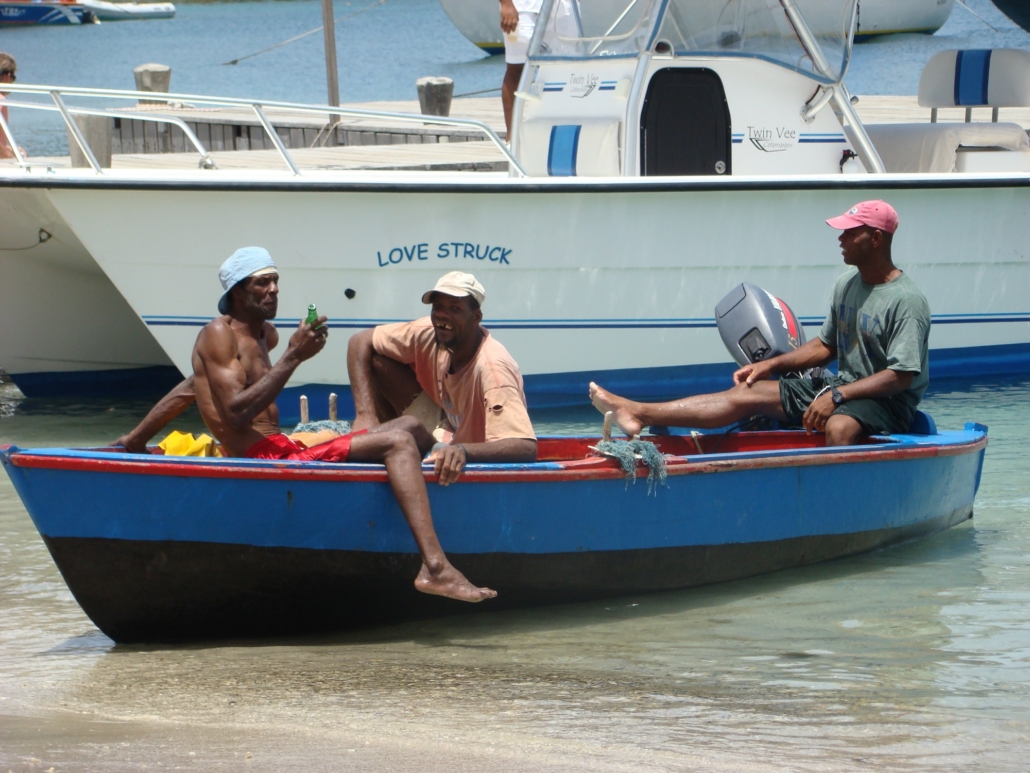
Mental Health in Saint Kitts and NevisMental Health in Saint Kitts and Nevis, formally known as the Federation of Saint Christopher and Nevis, has become a growing concern in recent years. A lack of prior funding and persistent cultural stigma around mental illness have left behind limited infrastructure for the country’s mental health care. Recently, however, the federation announced a shift in strategy, dedicating greater focus and more resources to mental health in Saint Kitts and Nevis. This new approach can potentially redefine how the developing world addresses mental health concerns.

Global Trends in Mental Illness

Mental illness is a growing concern globally, particularly in the developing world, including Saint Kitts and Nevis. According to the World Health Organization (WHO), in 2019, approximately 970 million people had some form of mental disorder. While still a global minority, this accounts for more than 10% of the population who had to deal with additional barriers in their day-to-day lives.

It is also important to note that mental illness does not affect all equally. Other negative situations in life, such as poverty or violence, can cause or worsen mental illness. This makes developing nations particularly vulnerable as they have larger impoverished populations. On top of that, many nations have limited support systems and cultural stigmas on the topic, which prevent many of their citizens from getting the care they need.

Challenges to Mental Health in Saint Kitts and Nevis

The Islands of Saint Kitts and Nevis have historically struggled with limited funding for mental health services. In 2007, the Federation raised its spending on mental health services to just 1%. While this was still an increase from even lower rates, which had not been adjusted since 1956, the country still lacked major infrastructure to offer help. Limited resources, including needed medicine and trained staff, mean that only the most severe cases in patients receive treatments. Approximately 1% of the population of Saint Kitts and Nevis has been diagnosed with some form of mental illness.

Poverty has also been a significant barrier to accessing mental health care in Saint Kitts and Nevis. In 2008, about 21.8% of the population was below the poverty line. However, due to increased government response, this percentage began to decline slowly but surely. The government sped this up by simultaneously funding public health, so potential patients did not have to pay out of pocket.

Not only can poverty lead to or worsen mental illness, it can also impact a patient’s ability to get care. Research shows that those living in impoverished conditions are less likely to seek help and less likely to receive it if they do.

Mental Health Initiatives in Saint Kitts and Nevis

On November 27, 2024, the Ministry of Health in St. Kitts and Nevis launched its Mental Health Service Systems Enhancement Project. The project, supported by the government and funded in part by Taiwan, aims to expand access to mental health services by increasing funding and strengthening mental health infrastructure. The nation’s Prime Minister and head of the health Ministry, Terrance Drew, also emphasized the importance of this initiative and the nation’s renewed focus on improving the mental health of Saint Kitts and Nevis.

The most prominent counseling center, known as the Dr. Arthur W. L. Lake Mental Health Day Treatment Centre, offers high-quality mental health services and follows a patient-centered approach. For instance, it aims to fight the stigma around mental illness in Saint Kitts and Nevis by providing home-like and comfortable conditions, and some patients even shared their stories and how the center helped them.

The Future of Mental Health Care in the Developing World

While Saint Kitts and Nevis still have a long way to go, its new focus on mental health care is a refreshing step in the right direction. Despite limited infrastructure and combating a cultural stigma, the islands have been making positive steps towards better care. In particular, increases in government funding and foreign aid have given the country more resources in its fight. If the country sees positive results with this project could serve as a blueprint for effective strategies to address and improve mental health in other developing nations.

– Jesse Correll

Jesse is based in Boston, MA, USA and focuses on Global Health for The Borgen Project.

Photo: Unsplash

May 27, 2025
https://borgenproject.org/wp-content/uploads/borgen-project-logo.svg 0 0 Jennifer Philipp https://borgenproject.org/wp-content/uploads/borgen-project-logo.svg Jennifer Philipp2025-05-27 01:30:332025-05-25 23:14:51Shifting Focus on Mental Health in Saint Kitts and Nevis
Global Poverty, Health, Nonprofit Organizations and NGOs

Friendship: Support To Remote Communities in Bangladesh

Remote Communities in BangladeshBangladesh is situated in South Asia on the Bay of Bengal. It is the eighth most densely populated country in the world, with a population of more than 175 million in an area of 148,460 sq km. It is a country of striking contrasts: rich in culture and resilience, yet acutely vulnerable to the impacts of changing climatic conditions. Most of the country is situated only nine meters above sea level.

An estimated 3.5 million people in the low-lying delta region face increasing threats from rising sea levels and more intense monsoon seasons. Indeed, in 2022 alone, historic floods devastated northern regions like Sylhet and Sunamganj, displacing millions and severely disrupting transportation, electricity, health care and access to education.

Despite the risks, many of Bangladesh’s neediest communities live in low-lying coastal and riverine areas, lacking sufficient income to live in lower-risk regions. These zones are fertile and agriculturally productive. However, when floods occur, it is children and low-income families who suffer most, facing destroyed homes, lost livelihoods and health crises with little support.

From One Floating Hospital to a National Lifeline

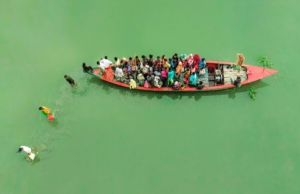
In 2002, Runa Khan founded Friendship, a nongovernmental organization (NGO) with a radical yet simple mission: delivering support to remote communities in Bangladesh with reduced access. The initiative launched a floating hospital on the Jamuna River in northern Bangladesh. This aims to provide essential health services to isolated communities living on “chars”― sandbar islands that vanish and reappear with the tides.

Since then, Friendship has evolved into a wide-reaching, holistic organization. Today, its 5,000 employees ― more than 70% of whom come from local communities ― work to break cycles of poverty and increase resilience to the regional climate crisis. Its integrated approach includes health care, education, disaster preparedness, economic development and clean energy and water access.

Health Care and Remote Communities in Bangladesh

Friendship operates a unique three-tier health care system:

  • Tier 1: Two floating hospitals and two land hospitals bring lifesaving services to remote areas. The Shyamnagar hospital alone provided emergency services to 317 patients in recent years.
  • Tier 2: Two cervical cancer screening centers tackle Bangladesh’s second-most prevalent form of cancer, offering prevention and treatment in areas where such services are rarely available.
  • Tier 3: About 680 Friendship Community Medic-Aides, local women trained in basic medical care, offer antenatal, postnatal and child health services.

Powering Livelihoods and Clean Futures

Friendship’s Sustainable Economic Development program supports long-term resilience. In its innovative solar villages, 291 households, 62 shops, four schools and two mosques are now powered by 24-hour solar energy. This has enabled families to extend working hours, refrigerate food and medicines and improve safety and security at night. Clean water access is another priority. Friendship has also supplied more than 700,000 liters of clean drinking water to hundreds of families, drastically reducing disease.

Meanwhile, the organization’s farmers’ club provides sustainable farming training. It empowers more than 1,400 farmers to grow climate-resilient crops like sweet potatoes and mustard. Romesa Khatun, a club member, began using earthworms to make fertilizer in 2022, selling the product and using it in her vegetable garden. She says that the support of the club and Sherazul Islam, project officer at Friendship’s Sustainable Economic Development Sector, empowered her to embrace innovative farming techniques to support her family, especially when her husband is away for work.

These programs boost food security and provide more adaptive livelihoods to environmental challenges.

Hope from Within

In Bangladesh’s flood-prone coastal and riverine communities, poverty and climate vulnerability often go hand in hand. But through Friendship’s work with remote communities in Bangladesh, hope is taking root. What began as a floating hospital has become a nationwide lifeline. It delivers support to remote communities and uplifts them with health care, education, economic opportunity and climate resilience.

Rather than relying on top-down aid, Friendship invests in people ― training local women as community health workers, equipping youth with education and leadership skills and helping farmers adapt to a changing climate. Indeed, Friendship’s impact shows that locally led, community-focused development can help vulnerable populations chart a path toward safety, dignity and lasting change even in the face of rising waters.

– Holly McArthur

Holly is based in Somerset, UK and focuses on Good News and Global Health for The Borgen Project.

Photo: Pexels

May 26, 2025
https://borgenproject.org/wp-content/uploads/borgen-project-logo.svg 0 0 Hemant Gupta https://borgenproject.org/wp-content/uploads/borgen-project-logo.svg Hemant Gupta2025-05-26 07:30:022025-05-25 23:04:25Friendship: Support To Remote Communities in Bangladesh
Global Poverty, Hunger

Bolsa Família: Poverty Alleviation in Brazil

Poverty Alleviation in BrazilSince 2003, the Bolsa Família program has been working on poverty alleviation in Brazil. The program has helped 46 million Brazilian families by partnering with the World Bank. It has reduced Brazil’s poverty to 59 million from 67.7 million.

Hunger Reduction

With the provided cash offerings, many families who had previously suffered from hunger have food security. Last year, the Brazilian Ministry of Social Development and Assistance, Family and the Fight Against Hunger (MDS) gave $30 billion to needy families through the Bolsa Família.

Improved Health and Education

For years, youth mortality rates in Brazil remained high, mainly due to limited access to routine checkups and vaccinations. In response, the Bolsa Família program introduced conditional cash transfers, requiring families to take their children for regular medical visits to receive financial support. So far, more than eight million people have benefited from the initiative, which strongly emphasizes improving family health care.

Furthermore, the initiative has increased educational development with evidence of higher enrollment and academic successes from disadvantaged citizens. A prominent aim of Bolsa Família is to stop children from inheriting the poverty their parents endured by focusing funds toward advancing schooling. As a result, the school enrollment rate has increased by 5.5-6.5%. Similarly, the dropout rates declined by 0.4 and 0.5 points and the grade promotion rate increased by 0.4-0.5 points.

Women Empowerment

Career training and greater access to social assistance programs have opened new job opportunities for women and provided affordable child care services. Women make up 54% of Brazil’s conditional cash transfer program beneficiaries, an investment widely seen as one of the most effective ways to empower women. With increased autonomy, many can now make informed decisions about family planning, creating ripple effects that improve their long-term well-being.

Eliminating Child Labor

Since their consolidation into the Bolsa Família program, initiatives like Bolsa Escola, Bolsa Alimentação, Cartão Alimentação, Auxílio-Gás and the Child Labor Eradication Program have significantly contributed to reducing child labor in Brazil. In 2023, the government reinstated Bolsa Família, enhancing financial support to low-income families. Eligible households now receive approximately R$150 (about $30) per month for each child under age 6, bolstering assistance to vulnerable communities.

What’s Next?

The Bolsa Família program has had a global impact, serving as a model for other countries seeking to address the challenges of poverty and prevent its persistence. Looking ahead to 2030, the program aims to remove Brazil from the Hunger Map while significantly reducing nutritional insecurity across the country.

The goal is to increase disposable income to result in more grocery shopping, recognizing those needing protection and engaging the government to collaborate to eradicate hunger. The program’s lifespan has made a world of a difference to many lives for nearly 23 years and will continue its efforts of poverty alleviation in Brazil.

– Melody Aminian

Melody Aminian is based in Irvine, CA, USA and focuses on Good News for The Borgen Project.

Photo: Flickr

May 25, 2025
https://borgenproject.org/wp-content/uploads/borgen-project-logo.svg 0 0 Hemant Gupta https://borgenproject.org/wp-content/uploads/borgen-project-logo.svg Hemant Gupta2025-05-25 07:30:552025-05-24 23:51:40Bolsa Família: Poverty Alleviation in Brazil
Global Poverty, Mental Health

Mental Health in Saint Vincent and the Grenadines

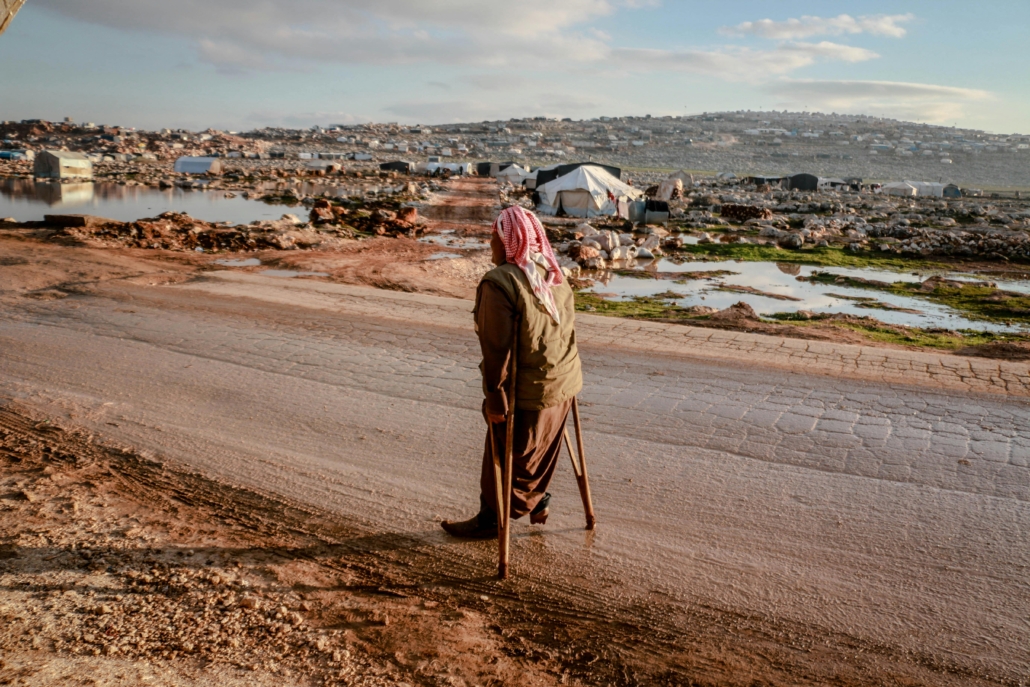
Mental Health in Saint Vincent and the GrenadinesSaint Vincent and the Grenadines (SVG) is a 389-square-kilometer, multi-island country in the Caribbean. SVG achieved full independence from the United Kingdom on October 27, 1979. The population is 104,300, with 30% living in poverty. Poverty, lack of mental health professionals and social stigma impact mental health in Saint Vincent and the Grenadines. La Soufriere volcano erupted in 2020 and 2021 while the country was still reeling from the impact of the COVID-19 pandemic. About 22,400 people were evacuated. The devastation of the pandemic and volcanic eruptions has further impacted the mental health struggles of Vincentians.

The government of SVG continues to make efforts to advance treatment for mental health conditions. Although increasing care and resources for the mental health community in SVG has been difficult, it has made improvements.

Mental Health and Post-Colonialism

Colonialism has had a long-lasting impact on trauma-based mental health struggles. The legacy of colonial-era psychiatry shaped social stigmas around mental health diagnosis and care. For example, enslaved Africans brought to the Caribbean were diagnosed as mentally ill if they tried to escape their masters. Post-abolition psychiatric treatments included locking patients in asylums, away from society. However, a broader, more comprehensive approach to reframing mental health diagnosis and care can help overcome stigma.

The Mental Health Centre 

Saint Vincent and the Grenadines has one psychiatric hospital called the Mental Health Centre. The colonial British Government was built it in 1938 to keep psychiatric patients away from society. It was designed to house 90 patients.

The center serves a different purpose today. It provides inpatient, outpatient and drug rehabilitation services. It can now house more than 160 inpatients. As of 2020, the total number of hospital admissions was 401, with 387 being involuntary. About 29.4% of inpatients stayed in the center for less than a year. 

Schizophrenia, substance abuse and related disorders, such as psychosis, are the main mental health conditions that receive treatment in SVG. As of 2020, out of 1,125 treated cases of psychosis, 954 were men and 171 were women.

Suicidal behavior among Vincentian adolescents is disproportionately high at 26%. Economic class disparities, substance use, being bullied, access to mental health services and loneliness are all risk factors.

Legislation

SVG passed the Mental Health Act in 1981 and amended in 1991. It includes sections for admission to the psychiatric hospital, mental review board, approved homes, and protection of property of persons suffering from mental disorders.

Psychiatrist Shortage in SVG

The shortage of psychiatrists in Saint Vincent and the Grenadines is alarming. The Saint Vincent Times explained in an April 7, 2025 article, “The recruitment of mental health professionals is hindered by various factors, including limited resources, inadequate incentives and the growing global competition for qualified psychiatrists.” The government of SVG is aware of this issue and is working to recruit qualified mental health professionals.

Government Efforts To Improve Mental Health in SVG

The government, led by Prime Minister Ralph Gonsalves, recognizes that mental health services in Saint Vincent and the Grenadines are still weak. Gonsalves has expressed the importance of providing mental health support to marginalized groups such as prisoners and disaster survivors. 

About 6% of the government’s health expenditure goes to mental health care. Mental health services and medication in SVG are free of cost to patients and national health insurance covers them. However, it is a cost to the state. The state’s limited resources continue to be a challenge to improving mental health services for Vincentians. Additionally, the stress of poverty and lack of employment leads to increased depression, anxiety, and other mental health struggles.

Examples of mental health programs implemented by the government include Mental Health Awareness, Mental Health and Suicide Awareness and Psychological First Aid and counseling.

Conclusion

Although SVG has made progress, mental health in Saint Vincent and the Grenadines still has a long way to go. Ongoing efforts to address poverty, increase mental health awareness, fund mental health programs and recruit mental health professionals will help close the gaps in SVG mental health care needs. 

– Vijji Michael

Vijji is based in New York, NY, USA and focuses on Good News and Global Health for The Borgen Project.

Photo: Wikipedia Commons
May 24, 2025
https://borgenproject.org/wp-content/uploads/borgen-project-logo.svg 0 0 Jennifer Philipp https://borgenproject.org/wp-content/uploads/borgen-project-logo.svg Jennifer Philipp2025-05-24 01:30:032025-05-24 03:36:47Mental Health in Saint Vincent and the Grenadines
Global Poverty, Homelessness, Mental Health

Mental Health and Homeless Youth in East Asia

Mental Health and Homeless YouthHomelessness and mental health are problems that exist around the world, developed and undeveloped countries alike. Among homeless youth in East Asia and Southeast Asia, mental health is a massive issue. These youth typically become homeless due to past abuse, and usually experience more while on the streets; past research has shown that homeless youth are highly susceptible to sexual exploitation and prostitution. 

This demographic of homeless youth reports high rates of mental health issues, such as depression, PTSD, bipolar disorder and suicidal ideation, with suicide being their leading cause of death, and 80% of the population having reported attempting suicide at some point. To cope with these issues, many turn to substance abuse and other maladaptive coping mechanisms. 66.7% report drinking problems, and 77.8% report smoking problems. 

Causes of Homelessness

There are various reasons why youth become homeless in the first place. It is worth mentioning that one primary cause of poverty in the East Asian Pacific region is natural disasters. Natural disasters like earthquakes and tsunamis affect East and Southeast Asia more than most other regions in the world, making them a significant and notable contributor to homelessness that might not necessarily apply or apply as much to other regions around the globe, according to a 2024 article.

Poverty can cause stress and subsequent dysfunction in the home, driving children and young people away. A 2024 article found that parental abuse was the most common reason (40.7%) for leaving home, especially from fathers. General family conflict follows at 29.6%. 

Cultural Differences

Treating these problems requires understanding and accommodating the differences in cultural attitudes between Eastern and Western societies. Due to the way Eastern cultures raise kids to view themselves, their obligation to and role within family and the way they view mental health itself, means that Western mental health techniques do not always transfer or have the same result.

For example, Western programs tend to emphasize working with direct service providers and place a lot of value on individual autonomy. Conversely, services and government interventions in the East Asian Pacific regions might put more emphasis on family and community support.

Few components of culture influence mental health and responses to mental health treatment. The first is emotional expression: depending on what level of emotional outburst or emotional behavior is considered acceptable in a given culture, it will be easier or harder to identify when a person needs help. The second and likely most influential element is shame: many cultures, especially Asian cultures, see mental illness as something shameful or born out of weakness.

Individuals may be hesitant to seek treatment because it means admitting to themselves and to a mental health professional that they are struggling. Individuals may also be reluctant to interact with a mental health professional because of the third element, “power distance,” according to the Frontiers in Public Health. Regulations on mental health treatment and the power given to mental health professionals vary from country to country, having varied implications about autonomy and the power dynamic within a therapeutic relationship. 

Results 

A 2024 article revealed the results of eight studies conducted throughout Malaysia, South Korea and the Philippines. These studies researched the impacts of various mental health interventions on homeless youth, including art therapies, cognitive behavioral therapy (CBT), life skills education (LSE) and government services.

A Philippines-based study found visual art and poetry psychotherapies to be effective for abused adolescents in reducing symptoms of PTSD and depression, measured via Child Report on Posttraumatic Symptoms (CROPS) and Self-Rating Depression Scale (SDS). It was noted that art therapies seemed to also help empower homeless youth to engage actively in their own treatment.

A study on CBT implemented in South Korea measured impacts on depression, self-efficacy, and self-esteem. While the treatment resulted in increased self-efficacy and a significant decrease in depression, there appeared to be no significant difference in self-esteem pre- and post-test. LSE treatment, however, was successful in increasing self-esteem, as well as decreasing anxiety, depression and stress, according to a study out of Malaysia.

Closing Thoughts

While these mental health interventions have appeared to be successful, one of the key takeaways is that it is difficult to treat this demographic when there is no universally accepted definition of homelessness. Every study and every country uses different definitions, which leaves large gaps in understanding both the nuance and variation within the “homeless” experience and the actual overall figures of the demographic. Whether or not an individual fits within a jurisdiction’s given definition of homelessness may determine whether or not mental health and homeless services are provided to them; this makes the varying definitions of homelessness a possible barrier to mental health services. 

– Sandhya Mathew

Sandhya is based in Los Angeles, CA, USA and focuses on Global Health for The Borgen Project.

Photo: Pixabay

May 19, 2025
https://borgenproject.org/wp-content/uploads/borgen-project-logo.svg 0 0 Lynsey Alexander https://borgenproject.org/wp-content/uploads/borgen-project-logo.svg Lynsey Alexander2025-05-19 01:30:032025-05-18 23:59:54Mental Health and Homeless Youth in East Asia
Global Poverty, Health, Mental Health

Cultural Expectations Shape Men’s Mental Health in Uganda

Men's Mental Health in UgandaIn Uganda, a country in East Africa, men’s mental health is an issue that tends to be ignored and often overlooked. Cultural expectations have left men with little to no room to bring their psychological problems forward. This results in “serious consequences, including untreated depression and increased risk of suicide.”

The Burden of Masculinity

Men in Uganda face the expectations of appearing physically and mentally strong. These expectations can put a strain on their mentality and ability to come forward with emotional struggles. Traditional gender norms view men’s mental health as insignificant. It is seen as a weakness if a man cannot restrain his emotions.

Masculinity in Uganda is traditionally achieved through authoritative attitudes, control and being the provider and protector of their families. The pressure to provide and always appear strong can cause built-up anger or depression, leading to domestic abuse and an absent role in the family. Societal expectations for men to suppress their emotions prevent healthy coping mechanisms, which is worsened by the lack of services available to confront men’s mental health issues.

Mental Health Challenges

Mental health is not prioritized in Uganda, leaving the country as one of the top six in Africa with depressive disorders. Indeed, out of the total 4.6% who live with depressive disorders and 2.9% with anxiety disorders, 3.6% consist of men. The most common mental health challenges among men in Uganda include depression, anxiety and high stress levels.

With a lack of mental health services, some men turn to alcohol and substance abuse, with the possibility of suicide attempts. Alcoholism stems from men’s mental health issues in Uganda. They “are estimated to have one of the highest alcohol per capita consumption levels in sub-Saharan Africa.” The number of men who depend on pure alcohol sits at an estimated 4.2%, with a total consumption of 16 liters each year.

Resources to combat men’s mental health are scarce and mainly based in urban centers. Uganda as a whole has 53 psychiatrists, approximately one psychiatrist per 1 million people. Kampala, the country’s largest city, has a single psychiatric hospital. This lack of access to services highlights the challenges individuals with mental health issues in Uganda face.

Support Networks for Ugandan Men

Multiple steps have been taken in recent years to address Ugandan men’s mental health challenges. Indeed, support groups for fathers in Uganda are one example.  It’s been shown that early involvement in their child’s life challenges stereotypes, creating a better individual and life at home.

Plan International has provided Ugandan men with an environment where they can speak openly about the issues they may be having at home. Furthermore, they advise on better communication and coping techniques. Similarly, local organizations such as StrongMinds are working to supply mental health care and bring further awareness to the cause.

StrongMinds has provided group therapy sessions where comfort is offered to men who go against cultural expectations and choose to express their emotions. Special programs have also been applied in Ugandan prisons and the Ugandan police force. In these programs, relationship issues, struggles with individual or gender roles and grief are discussed, offering empowerment through communal support.

Conclusion

Mental health remains a complex and often stigmatized issue for men in Uganda, however, meaningful progress is being made. Indeed, through support groups, therapy sessions, and targeted programs, more men are finding safe spaces to express themselves, challenge harmful stereotypes, and build healthier relationships.

– Sarina Francis

Sarina is based in Tallahassee, FL and focuses on Global Health for The Borgen Project.

Photo: Flickr

May 18, 2025
https://borgenproject.org/wp-content/uploads/borgen-project-logo.svg 0 0 Hemant Gupta https://borgenproject.org/wp-content/uploads/borgen-project-logo.svg Hemant Gupta2025-05-18 01:30:242025-05-18 00:55:41Cultural Expectations Shape Men’s Mental Health in Uganda
Economy, Global Poverty, Poverty Reduction

5 Countries Leading the Fight Against Poverty – And Winning

Fight Against PovertyAround the world, many developing and emerging countries are leading the fight against poverty. Among them, some are achieving remarkable success through innovative strategies.

China 

China has recently made significant investments in rural infrastructure to connect remote populations to economic opportunities, with the ultimate goal of reducing poverty. Between 2006 and 2015, the country, with the support of the World Bank, rehabilitated approximately 1,299 roads. These projects have directly benefited more than 1.3 million people by improving their connectivity and access to essential services. These infrastructure improvements not only enhance access to these essential services but also facilitate economic growth by linking rural areas to larger markets, enabling local businesses to thrive.

Beyond road rehabilitation, China has implemented several other initiatives to enhance rural infrastructure and lead the fight against poverty. For instance, investments in irrigation and drainage facilities have directly improved agricultural production conditions. This is enabling farmers to adjust crop structures, develop large-scale breeding programs and engage in processing and non-agricultural industries, thereby reducing poverty.

Bangladesh

Bangladesh has made significant strides in education and workforce development, increasing literacy rates and creating new job opportunities. The country, still one of the neediest in the world, has been making notable progress through two key areas: education and workforce development. In terms of education, Bangladesh has seen significant improvements in its literacy rate. In 2021, the country’s literacy rate reached 76.36% (15 years old and above), reflecting a 1.45% increase from 2020. This improvement demonstrates the nation’s ongoing efforts to boost educational access and quality.

In addition to its focus on education, Bangladesh has prioritized job creation, with significant growth in the tourism sector. As the industry expands, it is driving the creation of jobs across various fields, “including hospitality, transportation, food services, handicrafts and retail.” This tourism growth is contributing to both economic development and job opportunities, particularly in rural and underserved areas.

Ethiopia 

Ethiopia has been focusing on agricultural development, exemplified by the Agricultural Growth Program. This program has enabled more than 700,000 farmers to benefit from the initiative, leading to a 25% revenue increase. Farmers’ productivity has risen by approximately 10%, contributing to poverty reduction and economic stability in these remote communities.

Furthermore, the International Fund for Agricultural Development (IFAD) collaborates with the Ethiopian government to enhance the population’s living conditions, focusing on agricultural productivity, food security and rural development. IFAD supports smallholder farmers, pastoralists and agro-pastoralists with loans, helping them purchase the necessary equipment to enhance their productivity and escape the cycle of poverty.

Vietnam

Vietnam’s economic reforms and trade liberalization have created millions of jobs and boosted growth. The country was once among the most impoverished in the world. However, its government has achieved remarkable economic growth relatively quickly. Thanks to the Doi Moi campaign, which focused primarily on agricultural reforms, land was redistributed among small farmers, significantly boosting farm productivity and improving food security. This transformation helped lift millions out of poverty and laid the foundation for broader economic development.

However, the reforms extended beyond agriculture. The government implemented measures to reduce the budget deficit, stabilize the economy and attract foreign investment. A key objective was to integrate Vietnam into the global economy by promoting trade liberalization and joining international organizations such as the World Trade Organization (WTO). These efforts led to a surge in exports, the expansion of the manufacturing sector and the creation of millions of jobs, positioning Vietnam as one of the fastest-growing economies in the world.

Rwanda

Rwanda has made significant progress toward achieving universal health care, ensuring that even its most vulnerable citizens can access essential medical services. Since the 1994 genocide, the country has significantly improved health care access, a fact that was evident during the COVID-19 pandemic, when 82% of the population received at least one dose of the vaccine within two years.

Moreover, Rwanda has prioritized the expansion of health care infrastructure to improve accessibility. Since August 2021, the Ministry of Health has established 1,179 health posts nationwide, particularly in underserved communities.

In conclusion, these countries demonstrate that targeted investments in infrastructure, education, agriculture, health care and economic reform can drive significant progress in the fight against poverty. Their diverse strategies offer valuable lessons for other developing nations striving to build more inclusive and resilient economies.

– Eléonore Bonnaterre

Eléonore Bonnaterre is based in London and focuses on Good News for The Borgen Project.

Photo: Pexels

May 10, 2025
https://borgenproject.org/wp-content/uploads/borgen-project-logo.svg 0 0 Hemant Gupta https://borgenproject.org/wp-content/uploads/borgen-project-logo.svg Hemant Gupta2025-05-10 01:30:552025-05-09 04:16:575 Countries Leading the Fight Against Poverty – And Winning
Charity, Global Poverty, Volunteer

Students Against Global Poverty

Students Against Global PovertyIn the fight against global poverty, students are a vital and often overlooked aspect of charity initiatives. Students are working with charities alongside their academics to help those most in need through fundraising and volunteering efforts. In an interview with The Borgen Project, Charlotte, a university student working with MEDLIFE, stressed the importance of student participation in fighting poverty and assisting with development projects.

MEDLIFE

MEDLIFE is a global charity that helps to develop low-income communities by improving health care and education. In its efforts to achieve a world free of poverty, MEDLIFE adopts a community-focused approach and offers sustainable solutions to provide long-term aid and improvement. The nonprofit works with local staff and citizens to provide “culturally sensitive” aid and development programs to underserved communities.

Through collaborating with local doctors, the charity ensures that development projects will continue to benefit the community for a longer period rather than solely providing immediate relief. By August 2023, MEDLIFE had more than 30,000 volunteers and had established more than 600 community projects. MEDLIFE focuses on preventative health care through education.

By providing education on key health issues, the organization aims to prevent health care disasters that particularly impact those living in poverty. With a woman dying every two minutes due to childbirth or pregnancy, MEDLIFE’s Mobile Clinics offer specialized educational workshops on women’s reproductive health in efforts to prevent key issues, such as breast or cervical cancers).

Students Working With MEDLIFE

MEDLIFE offers students the chance to directly impact efforts seeking to alleviate the pressures of global poverty. Students can start MEDLIFE societies at a college/university to assist with fundraising efforts and organize volunteer trips to help with specific community projects. In 2024, Students at University College London (UCL) participated in a volunteer trip to Lima, Peru, to directly contribute to the operation of community developments.

In an interview with The Borgen Project, Charlotte reflected on how students working in Lima witnessed people face challenges accessing health care and resources. The students helped to establish and maintain Mobile Clinics specializing in general medicine, dental, obstetrics and gynecology, pharmacy, hygiene and education. Other initiatives also involved assisting with community transformation, such as building parks and stairs. The UCL Society is organizing plans for its next trip; destinations could include Costa Rica or Peru.

When asked whether students are recognized for their roles in fighting global poverty, Charlotte explained that “students often don’t receive enough recognition for their contributions.” Regarding how recognition helps raise awareness, Charlotte commented that “by shining a light on student contributions, we not only validate their efforts but also encourage a culture of social responsibility among peers.”

MEDLIFE is open not only to medical students but also to those studying a wide range of disciplines. When asked about the benefits of this, Charlotte explained how a diverse group of students is extremely useful to the charity. For example, an engineering student can assist in the structured development of the communities and a business or economics student may lead fundraising.

Conclusion

Globally, students work with a wide range of charities to assist in the fight against global poverty. Without help from students, charities could lack the appropriate funds to provide adequate aid to those in need. They are not only providing thousands in fundraising but also have the time and skills to deliver hands-on support.

– Ellie Western

Ellie is based in London, UK and focuses on Global Health and Celebs for The Borgen Project.

Photo: Pexels

February 10, 2025
https://borgenproject.org/wp-content/uploads/borgen-project-logo.svg 0 0 Hemant Gupta https://borgenproject.org/wp-content/uploads/borgen-project-logo.svg Hemant Gupta2025-02-10 01:30:272025-02-09 22:48:41Students Against Global Poverty
Disease, Global Poverty, HIV/AIDS

Diseases Impacting Lesotho

Diseases Impacting Lesotho
Lesotho is a tiny country totally encircled by South Africa. It has a land mass more than 11,000 square miles. With the country sitting within the mountain range of Maloti, Lesotho is frequently called the “Kingdom in the Sky.” While nature-made peaks and valleys provide the country with a beautiful landscape, the population struggles under an ineffective health care system that is challenged with managing several diseases impacting Lesotho.

3 Diseases Impacting Lesotho

  • Tuberculosis (TB): Tuberculosis in the country ranks as the second-highest in the world. The World Health Organization (WHO) indicates that TB is the leading cause of death in Lesotho, and among men. It is the second-leading cause of death among women and almost three quarters of TB incidences occur in individuals who are also HIV positive.
  • HIV/AIDS: HIV infections in Lesotho are high. In fact, the country ranked as the second-highest country with HIV in 2023. HIV/AIDS is the number one cause of death among women and the second leading cause of death among men. In 2023, there were approximately 260,000 adults living with HIV and more than half of these individuals were women.
  • Cervical Cancer: Cervical cancer rates are also high in this country. While globally this type of cancer falls within the top five most common cancers affecting women, it is the number one type of cancer impacting Lesotho’s female population. On average, more than 500 women in Lesotho are diagnosed yearly with this type of cancer. Unfortunately, more than two-thirds of them die from the disease. The main virus contributing to developing cervical cancer is the Human Papillomavirus (HPV). A common virus easily spread during sexual activity. However, women infected with HIV have a six-time greater risk for developing cervical cancer compared to women who are not HIV infected.

Optimism in Lesotho

The good news is that the country is making progress in addressing the diseases impacting Lesotho. Lesotho’s Ministry of Health (MOH) is working jointly with the Center for Disease Control (CDC) on several projects focused on improving the country’s health care system. Some of these changes include:

  •         Updating processes for disease surveillance and detection in general.
  •         Improving policies addressing public health concerns.
  •         Providing additional training for medical personnel regarding testing and samplings.
  •         Modernizing laboratory facilities to work with the newest diagnostic tools.

With support from the U.S. President’s Emergency Plan for AIDS Relief (PEPFAR), the CDC and Lesotho’s MOH also made improvements with testing, diagnosing and treating, specifically for HIV and TB.

Addressing TB in Lesotho

Regarding TB, the partnership between the World Health Organization (WHO) and MOH is focusing on identifying individuals with TB in a much quicker fashion. With many of the population living in difficult-to-reach areas, local health facilities are making an effort to screen and test individuals who seek care. This cost-effective practice is helping to identify TB positive individuals sooner and get them started on medication treatment quicker. In doing so, a higher survival rate is being achieved along with decreasing the risk for spreading the disease.  

Although the burden of TB is still high in Lesotho, the country is seeing success. As of spring of 2024, approximately 77% of positive TB individuals were on medication treatment. Many of the partnered organizations are confident that Lesotho will achieve WHO’s established goals for ending TB by 2030.

Lesotho and the 90-90-90 Goals

 As for HIV/AIDS, the country met the United Nations Programme on HIV/AIDs (UNAIDS) 90-90-90 goals. These goals roughly defined are:

  • 90% of people with HIV will know their diagnosis
  • 90% of people with HIV will receive antiretroviral medication
  • 90% of people with HIV on antiretroviral medication will have their viral load suppressed

Lesotho achieved these goals impart through partnerships between the MOH, CDC and PEPFAR. The joint efforts created a survey tool called the Lesotho Population-based HIV Impact Assessments (LePHIA). The purpose of this tool was to identify how the country was managing HIV disease. Data collection involved trained surveyors making home visits to evaluate people’s risks for contracting HIV. The surveyors also provided preventive education and performed HIV testing and counseling. These same surveyors also helped to ensure HIV positive individuals were receiving medication treatment.

Although rates continue to be high, additional data finds Lesotho improving with addressing HIV disease. Data collected from a second survey (LePHIA 2020) found the rate of new HIV infections dropped more than 50%. Furthermore, the data indicates that more HIV positive individuals are being appropriately treated for maintaining viral suppression. Similar to TB, improvements with the management of HIV are leading to higher survival rates and lower disease transmission rates. 

The HPV Vaccine

To address cervical cancer, Lesotho’s MOH and the CDC jointly implemented a nation-wide vaccination program. This program focused on immunizing young girls with the HPV vaccine. The program effectively immunized 93% of young girls with the HPV vaccine. With an efficacy rate more than 98%, the program is a strong effort towards decreasing the occurrence of cervical cancer.

Looking Ahead

In a country where more than 40% of the population lives in the remote areas of the mountain and foothills, controlling diseases country-wide is crucial. Especially when access to care is challenging. With meaningful changes to the health system, the health of the population will improve and with new processes in place for TB, HIV and cervical cancer, individuals will have much healthier lives. The life expectancy rates which averaged around 48 and 54 years of age for men and women respectively in 2021, will rise. With longer life expectancies, family life will improve. Besides providing loving and nurturing environments for children, having parents living longer will also help to ensure the education and personal growth of children. These are crucial elements for a population to retain its identity and to feel of value. These changes in the health system will go far for addressing the diseases impacting Lesotho and its population.

– Kelly Chalupnik

Kelly is based in Kirkland, WA, USA and focuses on Global Health for The Borgen Project.

Photo: Flickr

January 25, 2025
https://borgenproject.org/wp-content/uploads/borgen-project-logo.svg 0 0 Jennifer Philipp https://borgenproject.org/wp-content/uploads/borgen-project-logo.svg Jennifer Philipp2025-01-25 01:30:482025-01-24 23:40:43Diseases Impacting Lesotho
Page 6 of 11«‹45678›»

Get Smarter

  • Global Poverty 101
  • Global Poverty… The Good News
  • Global Poverty & U.S. Jobs
  • Global Poverty and National Security
  • Innovative Solutions to Poverty
  • Global Poverty & Aid FAQ’s
Search Search

Take Action

  • Call Congress
  • Email Congress
  • Donate
  • 30 Ways to Help
  • Volunteer Ops
  • Internships
  • Courses & Certificates
  • The Podcast
Borgen Project

“The Borgen Project is an incredible nonprofit organization that is addressing poverty and hunger and working towards ending them.”

-The Huffington Post

Inside The Borgen Project

  • Contact
  • About
  • Financials
  • President
  • Board of Directors
  • Board of Advisors

International Links

  • UK Email Parliament
  • UK Donate
  • Canada Email Parliament

Get Smarter

  • Global Poverty 101
  • Global Poverty… The Good News
  • Global Poverty & U.S. Jobs
  • Global Poverty and National Security
  • Innovative Solutions to Poverty
  • Global Poverty & Aid FAQ’s

Ways to Help

  • Call Congress
  • Email Congress
  • Donate
  • 30 Ways to Help
  • Volunteer Ops
  • Internships
  • Courses & Certificates
  • The Podcast
Scroll to top Scroll to top Scroll to top