• Link to X
  • Link to Facebook
  • Link to Instagram
  • Link to TikTok
  • Link to Youtube
  • About
    • About Us
      • President
      • Board of Directors
      • Board of Advisors
      • Financials
      • Our Methodology
      • Success Tracker
      • Contact
  • Act Now
    • 30 Ways to Help
      • Email Congress
      • Call Congress
      • Volunteer
      • Courses & Certificates
      • Be a Donor
    • Internships
      • In-Office Internships
      • Remote Internships
    • Legislation
      • Politics 101
  • The Blog
  • The Podcast
  • Magazine
  • Donate
  • Click to open the search input field Click to open the search input field Search
  • Menu Menu

Tag Archive for: Health Care

Posts

Developing Countries, Global Poverty, Health

How Lack of Shelter and No Electricity Led to Hypothermia in Gaza

Hypothermia in GazaAccording to the United Nations (U.N.), in the last month, eight newborns have died of hypothermia in Gaza, causing an outcry from international organizations. The cases of hypothermia come from the freezing conditions in Gaza. Gaza is experiencing its coldest month, with a lack of proper equipment and resources its people need to survive.

What Is Hypothermia?

Doctors classify hypothermia as a medical emergency resulting from a drop in body temperature below 95 degrees Fahrenheit (35 degrees Celsius). It happens when the body loses heat faster than it can produce, causing the body to enter into a dangerously low body temperature. When the body is left in this condition, the heart, nervous system and other organs are unable to function properly. Without treatment, hypothermia can shut down the heart and respiratory systems, ultimately causing death.

Hypothermia is now one of the many preventable diseases/conditions that are now taking place in the Strip as a result of the ongoing conflict.

The Destruction of Residential Buildings

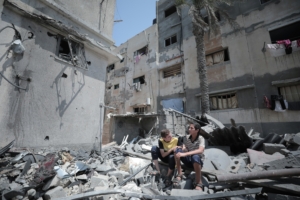
The Israeli onslaught in the Strip has made it difficult for aid to enter Gaza. Additionally, the incessant bombing has destroyed residential buildings, leading people to use tents as a new way of shelter. The bombing has damaged approximately 66% of the total structures in the Strip, with damage ranging from moderate to destruction.

Specifically 163, 778 structures have been damaged, including “52,564 structures that have been destroyed, 18,913 severely damaged, 35,591 possibly damaged structures and 56,710 moderately affected.” The destruction displaced 1.9 million civilians, forcing them to rely on tents as shelter. Yet, tents have quickly been unable to prove themselves as enough to deal with the cold weather enveloping the Strip.

January is Gaza’s coldest month in which temperatures can drop as low as 50 degrees Fahrenheit (10 degrees Celsius), underscoring the challenges faced by those relying on them for survival.

Lack of Electricity in Gaza

The lack of shelter is a significant challenge in the Strip. However, the lack of electricity also plays a critical role in preventing Gazans from staying warm. Before the war, Gaza had an average of 7-13 hours of electricity each day, with occasional blackouts. However, after October 7, according to a report from the United Nations Office for the Coordination of Humanitarian Affairs (OCHA), there were zero hours of electricity available for Gazans in 2024.

Gazans now solely rely on solar panels to charge their phones or other electronic devices. However, only about 12,400 solar panels are available for a population of roughly two million. Without electricity, Gazans will not be able to keep themselves warm. They must rely on blankets and clothing, which are already scarce in the region. So, for many individuals, freezing is the only option they have, in the end causing hypothermia in Gaza to become a reality.

Looking Ahead

International organizations have been outspoken about the lack of resources in the Strip and continue to pressure American and Israeli government officials to let aid in. The OCHA has also repeatedly stressed the importance of protecting civilians and civilian infrastructure. The U.N. and its partners have also provided critical medical support to those in the Strip. Between December 22 and January 8, about 560,000 people received primary and health care services. However, this work remains insufficient and much more work lies ahead.

– Aya Diab

Aya is based in New York City, NY, USA and focuses on Global Health and Politics for The Borgen Project.

Photo: Unsplash

January 18, 2025
https://borgenproject.org/wp-content/uploads/borgen-project-logo.svg 0 0 Hemant Gupta https://borgenproject.org/wp-content/uploads/borgen-project-logo.svg Hemant Gupta2025-01-18 07:30:062025-01-18 00:25:39How Lack of Shelter and No Electricity Led to Hypothermia in Gaza
Electricity and Power, Global Poverty, Health

Solar Energy Solutions: Powering Health Care in Rural Zambia

health care in Rural ZambiaAccess to reliable electricity is critical for the functioning of health facilities. Yet, only 4% of rural communities in Zambia have access to on-grid electricity. For many health care workers, the sight of a child being born in light is a rare victory in an otherwise dark environment where babies are delivered, sutures are given and patients are treated—all in darkness. This not only endangers lives but also limits the potential for effective health care delivery in rural areas. So, powering health care in rural Zambia is important.

The Importance of Electricity in Health Care

The link between electricity and essential health care services is crucial. Many medical procedures rely on lighting for safe and effective delivery. Furthermore, the lack of electricity severely hampers access to clean water, as pumps depend on power to push water into pipes. This combination creates a challenging environment for health care providers, who often lack the necessary equipment to deliver lifesaving procedures.

The SIRHES Project

In response to this crisis, On Call Africa has launched the Strengthening the Integration of Renewable Health Energy Solutions (SIRHES) project, which specifically targets three rural health systems in the Kazungula District. SIRHES focuses on improving the functionality, quality of care and hygiene. This is achieved by providing solar power in combination with complementary health interventions.

In the past 16 months, the initiative has made significant strides in powering health care in rural Zambia. It has:

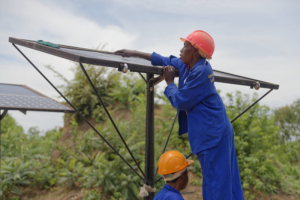
  • Equipped three rural health care facilities with solar power systems
  • Trained 82 Neighbourhood Health Committee (NHC) members to support health facility initiatives and promote health within the community.
  • Installed a solar-powered Chlorine Production Unit (CPU) at the Kazungula District Health Office, enabling the monthly production of chlorine for disinfectants used in 27 health care facilities and for water purification in five target communities.
  • Supported the development of a business model for the CPU to generate income and ensure project sustainability.
  • Formed the Kazungula District Technical Working Group to oversee the project and provide long-term support for chlorine production.
  • Coordinated training sessions on operations and maintenance to ensure that solar systems are properly maintained and sustainable within the community.

Final Remark

On Call Africa’s commitment to providing solar energy solutions and powering health care in rural Zambia represents a critical step toward overcoming the barriers posed by energy poverty. Furthermore, by integrating renewable energy into health care systems, the organization not only enhances the capacity of health facilities but also contributes to the broader fight against poverty. This ensures that everyone, regardless of where they live, has access to the modern health care they deserve. The partnership with local communities and health workers is essential in building a sustainable future, one where no clinic is left in darkness and every life has the chance to thrive.

– Edzhe Miteva

Edzhe is based in London and focuses on Global Health and Politics for The Borgen Project.

Photo: Flickr

November 8, 2024
https://borgenproject.org/wp-content/uploads/borgen-project-logo.svg 0 0 Hemant Gupta https://borgenproject.org/wp-content/uploads/borgen-project-logo.svg Hemant Gupta2024-11-08 07:30:332024-11-07 13:16:05Solar Energy Solutions: Powering Health Care in Rural Zambia
Developing Countries, Global Poverty, Health

LIF: UK-Mexico Relations and Medical Innovation

LIFMexico’s economy is on the rise after a 3.2% growth in 2023 and boasts the second-largest economy in Latin America. The shock of COVID-19 failed to stunt the country’s ongoing efforts to reduce poverty since rates continued to fall from 43.9% in 2020 to 36.3% in 2022. Although Mexico is exceeding in development, clear income divides remain between rural and urban areas, which is evident in its health care system. The Leaders in Innovation Fellowships (LIF), a U.K. program, worked with Mexican innovators to help provide solutions to health care disparities.

What Is the LIF program?

The Royal Academy of Engineering (RAEng) began the LIF program more than 10 years ago to promote global entrepreneurship through the use of technological innovation. Alongside Mexico, the program has partners in 16 countries, including Brazil, Vietnam, and Romania. The LIF was launched thanks to funding from the Newton Fund, which is part of the U.K.’s official development assistance and fosters international science and innovation partnerships.

Health Care in Mexico

The Mexican health care system operates on a combination of public, private, and employer-funded schemes. Prior to the introduction of Seguro Popular in 2004, a government program that ensured universal access to health care, three-quarters of the population could not access health care through the Ministry of Health. However, high poverty rates in rural areas of Mexico often leave these populations without adequate access to health care. Services are typically concentrated in the country’s largest cities.

In fact, 88% of dentists in Mexico are located in urban centers. Despite multiple reforms, health care infrastructure in rural municipalities remains insufficient, forcing locals to rely on out-of-pocket expenses. These areas also represent two-thirds of Mexico’s extremely poor. The removal of Seguro Popular in 2020 further increased out-of-pocket health care costs, which indicates the need for further health care security and reform to aid the most inadequate.

The LIF Program in Mexico

In February 2024, LIF joined efforts with technological innovators in Mexico to help the Xicotepec, one of the municipalities that make up the Puebla state. The program funded the use of these medical inventions and services in the communities of Xicotepec. The team operating there organized a Community Health Services (CHS) Week, where 265 people received medical care.

The program covered a variety of training and medical care. Indeed, 90 mothers attended breast cancer screenings, 40 doctors were trained in wound healing, and more than 200 people were trained in disease prevention. The program was well received by its beneficiaries: “The service was very good and necessary. The truth is that we don’t go to the doctor often because we can’t afford it.”

Final Note

Positive partnerships like the LIF program enable medical innovation and treatment to reach the communities that need it most. They can help resolve the negative effects of recent changes in Mexico’s health care system. The capacity of the RAEng to reach remote communities like Xicotepec shows how far-reaching international collaboration is.

– Sofia Brooke

Sofia is based in Oxfordshire, UK and focuses on Global Health for The Borgen Project.

Photo: Pexels

October 7, 2024
https://borgenproject.org/wp-content/uploads/borgen-project-logo.svg 0 0 Hemant Gupta https://borgenproject.org/wp-content/uploads/borgen-project-logo.svg Hemant Gupta2024-10-07 01:30:352024-10-07 00:51:26LIF: UK-Mexico Relations and Medical Innovation
Global Poverty, Health

Surpassing Goals: UNICEF’s Polio Vaccine in Gaza

Polio Vaccine in GazaPolio is a serious virus that mainly affects nerves in the spinal cord or brain stem. Severe cases can lead to paralysis, trouble breathing and sometimes death. Polio can spread quickly, especially in unhygienic conditions, as it can be transmitted through contact with excrement. Most people do not show any symptoms or only contract mild flu-like symptoms that last up to 10 days. However, one in 200 infections still leads to irreversible paralysis, which can happen in a matter of hours. About 5% to 10% of those paralyzed die from paralysis of their breathing muscles. Polio mainly affects children younger than 5, but any unvaccinated person can contract it.

How Is It Back in Gaza?

Gaza recently had its first polio case in 25 years––a 10-month-old boy who is now paralyzed in his leg. Health experts have been concerned about disease outbreaks in the territory where the Israeli military has destroyed water supply and wastewater disposal networks across the territory, leaving waste to pile up in areas full of displaced people. Approximately 90% of Gaza’s 2.3 million residents have been displaced, leaving hundreds of thousands of people in crowded and unhygienic tent camps.

According to the Government Media Office in Gaza, the Israeli army has imposed control over waste dumps, targeting municipality workers, machinery and mechanisms to stop any transfer of waste away from civilian areas. According to the World Health Organization (WHO), the war has caused an interruption in routine immunization campaigns that normally prevent the virus.

UNICEF’s Polio Vaccine in Gaza

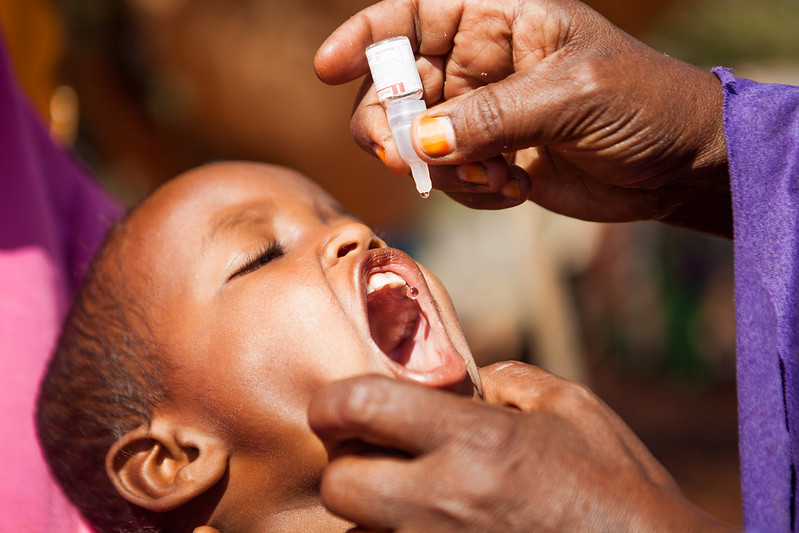
The United Nations Children’s Fund (UNICEF) has been working with the WHO and the United Nations Agency for Palestinian Refugees (UNRWA) along with the Ministry of Health in Gaza to administer the polio vaccine throughout the region in September 2024. About 2,700 workers are a part of the enclave, which started on September 1, to enter Gaza and administer the first round of the two-round vaccine. UNICEF’s original aim was for some 640,000 children ages 10 and younger to receive the type two polio vaccine or about 90% vaccination coverage. Children will need to receive two doses of the polio vaccine at four-week intervals to receive maximum protection. More than 1.2 million vaccine doses have been delivered to Gaza, with an additional 400,000 doses expected soon.

On the first day, the UNRWA reported 87,000 vaccinations were administered out of the 156,000 it was hoping to administer to that entire area. Louise Wateridge, Senior Communications Officer for UNRWA, said it was very promising to see families traveling from other regions as UNICEF and its partners are administering the vaccine one area at a time and asking when the vaccine will be available for them and their children. The polio vaccine campaign had already reached 189,000 children in Gaza as of September 4, ending the first three-day “humanitarian pause.”

More teams are being arrayed across Gaza to administer the polio vaccine. Israel has stated that it sees the importance of preventing the outbreak of polio in Gaza in order to prevent the spread of epidemics in the region. Thus, it has agreed to humanitarian pauses in three-day intervals, which would allow safe passage and access to vaccinations from 6 am to 3 pm every day.

Final Note

Around 560,000 children younger than 10 received the polio vaccine during the first round of the campaign, conducted in three phases from September 1 to 12, 2024, in Gaza. This means UNICEF has already reached its goal of administering the polio vaccine to 90% of children less than 10 in the Gaza Strip. Yet, United Nations (U.N.) officials continue to emphasize that the only way to fight against the virus effectively is through an immediate and lasting ceasefire.

– Anna Thibodeau

Anna is based in Omaha, NE, USA and focuses on Good News for The Borgen Project.

Photo: Flickr

September 30, 2024
https://borgenproject.org/wp-content/uploads/borgen-project-logo.svg 0 0 Hemant Gupta https://borgenproject.org/wp-content/uploads/borgen-project-logo.svg Hemant Gupta2024-09-30 07:30:182024-09-30 01:15:23Surpassing Goals: UNICEF’s Polio Vaccine in Gaza
Developing Countries, Global Poverty, Health

Algeria: Public Health Strategy to Combat Antimicrobial Resistance

Antimicrobial ResistanceOn September 9, the World Health Organization (WHO) published Algeria’s updated National Action Plan, which aims to target antimicrobial resistance (AMR) as a critical threat to public health. The report offers an overview of previous achievements and identifies the next stage of solutions to be implemented from 2024 to 2028.

Antimicrobial Resistance

AMR is the ability of a pathogen to withstand treatment, complicating the targeting of infections caused by fungi, viruses and other microbes. According to Health Data Source, approximately 3,400 deaths in Algeria were directly attributed to AMR. Furthermore, a total of 13,600 deaths were associated with related health complications.

Globally, health care professionals find that the mutation of microbial and bacterial diseases often outpaces the development of new and effective treatment options. Antimicrobial medicines offer protection against infections and viruses during medical procedures and treatments. However, pathogens usually develop immunity to these procedures, increasing the risk of infection and risking the spread of disease.

Populations Affected by Antimicrobial Resistance

The WHO identifies humans, animals and agriculture as the primary organisms endangered by AMR. The spread of resistant pathogens threatens food safety and the integrity of food supply networks. These pathogens and bacteria, resistant to medical treatments, can proliferate within human and animal populations. Indeed, they become increasingly dangerous with each mutation.

Inequities in access to health care and services make women particularly vulnerable to AMR pathogens. Cultural perceptions of women, along with biases held by health care providers, often lead to delays in the quality of care and services they receive during medical visits. Many women face exposure to unsafe and contaminated environments in their daily activities. For instance, as the primary water collectors in their households, Algerian women risk contracting fungi or viruses from contaminated water sources.

On a positive note, Algerian women are among the most likely to seek medical advice for personal and family health concerns. To address these issues, Algerian officials, along with the global community, are working to enhance the infrastructure of their health care system to tackle AMR-related health conditions.

Algeria Proposes an Updated Action Plan

Algeria will focus on monitoring cases of treatment-resistant bacterial infection to prevent the rapid spread of disease among people, livestock and the food supply. The updated strategy would provide more data for preparing and launching health initiatives and research. Algeria’s newest goals coincide with the One Health system, a collection of health care principles embraced by nations worldwide. The One Health campaign organizes the management of infectious diseases into five divisions:

  1. Surveillance and Disease Intelligence
  2. Emergency Preparedness and Response
  3. Laboratory Systems
  4. Public Health Institutes and Research
  5. Disease Control and Prevention

This organization allows for better tracking of infectious diseases and regulating efforts to implement solutions before major medical emergencies arise.

Goals

The following goals summarize the Algerian government’s participation in reducing the threat of AMR in global communities:

  • Create awareness campaigns about the issue of Antimicrobial Resistance. Additionally, educate the public at the grade school, collegiate and professional levels.
  • Implement a training program for health care, veterinary and agricultural workers.
  • Create better surveillance and data reporting networks to monitor the issue of antimicrobial resistance.
  • Better equip laboratories as centers for research and observation of antimicrobial resistance.
  • Develop and promote treatment options that can serve as alternatives to antimicrobial medications.
  • Establish a system to monitor antibiotic consumption.
  • Prevent and control infection in neonatal settings by updating known hygienic protocols, promoting breastfeeding for new mothers, revisiting the issue of mother-fetus infection and more.
  • Prevent and control community infections by promoting rapid tests for bacterial blood; include private doctor offices, laboratories and hygienic clinics in antimicrobial research.
  • Establish a therapeutic standard on the issue of antimicrobial resistance.
  • Establish a community-based monitoring system for local developments in AMR.
  • Prevent and control infections at the farm level.
  • Create a ranking system for the critical stages of AMR and establish an antimicrobial committee accessible to local Wilaya hospital committees and the private sector.
  • Monitor antimicrobials in human and veterinary health.
  • Develop a therapeutic recommendation for the treatment of AMR in human medicine.
  • Develop a good practice guide for the use of antimicrobial medicines in veterinary settings.
  • Strengthen regulations and training around the use and availability of antimicrobials.
  • Create a documentation system for antimicrobial research and develop financing.
  • Develop research collaborations with universities and create international and national partnerships.
  • Create committees and oversight groups to monitor the implementation of the antimicrobial action plan and develop funding for AMR research.

These goals will promote research campaigns dedicated to understanding, tracking and controlling the transmission of diseases prone to AMR.

Final Note

Combating AMR bacteria will prepare the medical community to limit the spread of complex diseases, protecting a population of 42 million. While the updated program is in the early stages, the Algerian government has committed to partnering with public and private institutions to educate communities nationwide and to ensure long-lasting results.

– Karina Dunn

Karina is based in Mesquite, TX, USA and focuses on Global Health for The Borgen Project.

Photo: Flickr
September 27, 2024
https://borgenproject.org/wp-content/uploads/borgen-project-logo.svg 0 0 Hemant Gupta https://borgenproject.org/wp-content/uploads/borgen-project-logo.svg Hemant Gupta2024-09-27 03:00:512024-09-27 02:20:04Algeria: Public Health Strategy to Combat Antimicrobial Resistance
Developing Countries, Global Poverty

Poverty in Pakistan: Ongoing Reduction Efforts

Poverty in PakistanAffected by political turmoil, Pakistan has faced numerous socioeconomic challenges. By 2018, these issues culminated in record levels of poverty, with more than 39% of Pakistan living below the poverty line. Amid widespread unemployment, the government has also grappled with nutritional poverty, particularly affecting the youth. This has led to significant issues, such as nationwide stunting in growth, which is directly linked to these dietary deficiencies. Here are some of the initiatives that are tackling these problems:

Prime Minister’s Youth Skill Development Program

This initiative, led by Prime Minister Shehbaz Sharif, offers vocational training in various industries, helping young people haul themselves out of poverty and find work. With more than 25,000 youths trained nationwide, the program has played a crucial role in decreasing national poverty. Most notably, the focal point concentrating on an intake of 35% girls has ensured that the marginalized remain a focus. Ultimately, these efforts have contributed to the limitation of poverty and increased job prospects among the youth.

The Sehat Sahulat Program

Initially launched in 2015, the Sehat Sahulat Program is a social health insurance initiative providing free health care services for Pakistan’s underprivileged groups. As a result of the program, the most disadvantaged are supported by free health care. The initiative covers a range of conditions, including cancer and diabetes. Ultimately, the scheme provides financial protection and access to sustainable, quality health care to those most in need.

UNICEF Nutrition Counseling

With more than a third of children suffering from severe food poverty, the country faces an endemic in which its young are at a heightened risk of malnutrition and an unbalanced, scarce diet. The United Nations Children’s Fund’s (UNICEF) initiative develops cooking demonstrations tailored to new and soon-to-be mothers, ensuring their children can be fed and energized correctly.

Alongside nutritional education, the sessions aim to educate women about the importance of hygiene and its strict relationship with food, with a particular emphasis placed on washing hands before and after preparing food. This focus has been adopted worldwide and in 2022, UNICEF counseling reached 79.3 million people globally.

Combat Against Nationwide Stunting

In Pakistan, more than 40% of children younger than 5 are stunted. A product of long-term malnutrition, stunting “impairs cognitive and physical development, which in turn impacts a child’s potential and productivity.’’ With a large proportion of pregnant women living below the poverty line, many children experience stunted growth in the womb due to their mothers’ poor diet, leading to inhibited development.

The government has launched several initiatives to fight malnutrition to address this issue, with the Ehsaas Nashonuma Program being the most prominent. The program provides nutritional education and cash transfers to pregnant or nursing women. The quarterly stipend is about $5 for mothers and boys and $7 for girls. Nongovernmental organizations (NGOs) have also played a crucial role in the fight against stunting. Water, Sanitation and Hygiene Services (WASH) initiatives have thrived with the support of NGOs like HANDS. In 2022-23, HANDS conducted 16 WASH projects in 34 districts and nearly 2,000 villages in Pakistan, benefiting more than 1.8 million people.

Nutritional awareness is fundamental to the resurgence of the health of the next generation in Pakistan, pulling them out of poverty. The government has guaranteed that various schemes are in place to tackle widespread poverty. Additionally, it has ensured that the health and hygiene of the population of Pakistan are also addressed. It’s both transparent and reassuring that while the government recognizes this importance, various NGOs share the same concern.

– Jonny Wilkinson

Jonny is based in London, UK and focuses on Global Health for The Borgen Project.

Photo: Pexels

September 18, 2024
https://borgenproject.org/wp-content/uploads/borgen-project-logo.svg 0 0 Hemant Gupta https://borgenproject.org/wp-content/uploads/borgen-project-logo.svg Hemant Gupta2024-09-18 01:30:302024-09-18 00:32:46Poverty in Pakistan: Ongoing Reduction Efforts
Developing Countries, Global Poverty, Health

Leading The Way: Cabo Verde’s HIV Fight

cabo verde's HIVCabo Verde, a West African country consisting of islands in the central Atlantic Ocean, has become a leader in the fight against HIV and AIDS in Africa through its health care investments and social initiatives. Currently, Cabo Verde is estimated to have an HIV prevalence of around 0.6%. At the same time, AIDS-related deaths decreased from around 200 in 2004 to less than 100 in 2022. This progress has involved declining poverty, which dropped to 28.1% in 2022 from 56.8% in 2001. Cabo Verde’s HIV fight is now focused on projects directed at vulnerable groups, such as pregnant women, children and disabled people.

Investment in Communities

Combating HIV and AIDS requires involving both the general public and individuals living with HIV in decision-making processes. The Joint United Nations Programme on HIV/AIDS (UNAIDS) has reported that the West Africa region is not on track to meet the goal of eradicating AIDS by 2030, a target set during the Africa Rising Forum in 2014.

The group’s Executive Director expressed the need for “policies and programs that focus on people not diseases.” This involves community-led HIV testing to reach more people. Furthermore, support groups for mothers living with HIV and individual visits by social assistants are also key. One assistant in Cabo Verde expressed how this work allows patients to “have a good quality of life and avoid stigma and social marginalization.”

Regional Asymmetry

A key challenge for Cabo Verde is the disparity in resources between islands, which affects HIV patients’ ability to access care. At independence in 1975, the country had only 13 doctors. However, the health system has since expanded in both size and sophistication, with 80% of the population now living within half an hour of a health facility. The decentralization of smaller health centers has improved access to care, enabling HIV patients to receive antiretroviral therapy to manage the disease. UNAIDS estimates that by 2023, 72% of individuals living with HIV in Cabo Verde were accessing antiretroviral therapy.

Free Health Care

Cabo Verde’s economy has grown significantly since the ’90s, driven by foreign investment and tourism. This growth has led to increased health care spending, rising from $65 per person in 2001 to $165 in 2013. Citizens are entitled to free basic health care, including preventive care and treatment for HIV and AIDS. The country’s social protection efforts are supported by widespread health education, facilitated by high literacy rates and good access to electricity, fostering greater public awareness and engagement.

Advocacy for the Disabled Community

Despite Cabo Verde’s broad progress, vulnerable communities, such as those with disabilities, continue to face challenges. Handicap International, active in Cabo Verde since 2006, has worked to include disabled individuals in the fight against HIV. The organization improved data on the biological vulnerability to HIV infection and promoted inclusive education on HIV and AIDS.

Research found that the HIV prevalence rate among people with disabilities in Cabo Verde is 2.3%. Additionally, about 79% of disabled participants unaware of available HIV care and support. However, the study itself led to 96% of participants gaining an improved understanding of HIV and AIDS.

Preventing Vertical Transmission

Preventing vertical transmission of HIV from mother to fetus is a key priority for Cabo Verde in reducing new infections. Minister of Health Arlindo Nascimento do Rosário emphasized, “Every child has a right to be born healthy and to live a healthy life.” As part of the free health care system, pregnant women are offered HIV testing. If they test positive, they receive antiretroviral drugs and antenatal support to minimize the risk of transmission.

In 2019, the World Health Organization (WHO) shared the story of Leila Rodrigues, a mother who discovered she had HIV just weeks before giving birth. Thanks to the care her son received, transmission was prevented. Rodrigues later joined the National Network of People with HIV of Cabo Verde.

Final Note

Cabo Verde’s progress in HIV health care has not come without challenges. However, the country has become a model for investing in change and empowering communities. The WHO Africa Health Forum has highlighted Cabo Verde as an exemplar, with participants visiting to observe how innovations have built a strong health care system. Emulating Cabo Verde’s commitment to social inclusion, universal health coverage and decentralized HIV testing could enable the West African region to more effectively combat the disease.

– Daisy Outram

Daisy is based in Kent, UK and focuses on Good News and Global Health for The Borgen Project.

Photo: Wikimedia Commons

September 16, 2024
https://borgenproject.org/wp-content/uploads/borgen-project-logo.svg 0 0 Hemant Gupta https://borgenproject.org/wp-content/uploads/borgen-project-logo.svg Hemant Gupta2024-09-16 07:30:442024-09-16 01:42:28Leading The Way: Cabo Verde’s HIV Fight
Aid, elderly poverty, Global Poverty

Elderly Poverty in Hong Kong

Elderly poverty in hong kongHong Kong is a city of two halves: while some enjoy wealth and luxury, 23.6% of the population live in poverty, struggling to share in the city’s economic prosperity. Elderly poverty is a significant problem in Hong Kong, with 45% of citizens aged 65 and older—about 583,600 people—living in poverty. Furthermore, Hong Kong has faced criticism for its inadequate poverty measures, which do not accurately represent the true scale of the issue, suggesting that even more people could be affected than officially recorded. Perhaps more concerning than these high rates is the fact that elderly poverty has increased significantly in recent years, up from 27.7% in 1991.

Causes

Elderly poverty in Hong Kong is driven by several factors, including a prevailing attitude that discourages reliance on welfare. As a result, there is limited government assistance available to provide financial protection for those struggling with poverty. Culturally, there is also an expectation for families to care for their elderly, with the Chinese government introducing a law in 2013 that demands children see and “greet” parents regularly, which made little difference. As times are changing, many families do not want to or are not able to care for their elderly.

While values are changing for some, the state has not adapted to this; existing welfare benefits (particularly the Social Security Allowance Scheme) for older people are rarely enough to cover living costs. Therefore, older adults are often seen collecting recyclable rubbish, such as cardboard and glass, in order to make enough money to survive. Pensions are a real concern, with the city having no pension scheme and many retirement funds being continually offset. This means that many are forced to remain in employment well past retirement age.

Furthermore, many cannot afford the help they desperately need; on average, it takes 19 months to receive subsidized home care services, leaving many older people alone without the support they need to live a fulfilling life.

Organizations Providing Aid

Efforts are underway to reduce elderly poverty in Hong Kong. Oxfam has launched the Concerning Home Care Service Alliance’s “service matching” scheme, which connects caregivers with seniors to assist with daily tasks like cooking, cleaning and accompanying them to appointments. Seniors pay just $0.64 for the service, while caregivers receive a stipend in addition to this small fee.

The Society for Community Organization (SoCO) also advocates for better support for older adults, assisting them in applying for existing welfare programs and accessing health care. These support systems are crucial for improving the quality of life for elderly individuals living in poverty. SoCO assists more than 1,000 seniors to apply for “social security or public housing each year.”

Furthermore, the Elder Academy supports the mental well-being of older adults by partnering them with academic institutions, offering opportunities for lifelong learning and fostering a sense of community inclusion. Last year, the organization received $10 million in government funding, demonstrating a commitment to improving the livelihoods of older adults.

– Eryn Greenaway

Eryn is based in East Sussex, UK and focuses on Global Health for The Borgen Project.

Photo: Flickr
September 12, 2024
https://borgenproject.org/wp-content/uploads/borgen-project-logo.svg 0 0 Hemant Gupta https://borgenproject.org/wp-content/uploads/borgen-project-logo.svg Hemant Gupta2024-09-12 07:30:562024-09-10 23:36:56Elderly Poverty in Hong Kong
Development, Economy, Global Poverty

6 Things to Know about Vietnam’s Economic Development

Vietnam’s Economic DevelopmentVietnam’s economy is steadily growing, with remarkable development following decades of economic reform and strategic investments. Once an underdeveloped nation, Vietnam has significantly reduced poverty. This economic growth is driven by reforms, industrialization, infrastructure development and improved access to education and health care.

Doi Moi

Vietnam implemented the Doi Moi reforms in 1986, transitioning from a strictly communist economy toward a more open market with socialist influences. Before these reforms, the country was considered “underdeveloped.” The Doi Moi reforms modernized Vietnam’s trade economy, setting the foundation for its subsequent economic boom.

Industrialization and Infrastructure Development

Industrialization in Vietnam began in the early ’90s and continues today, driving economic development as the country transitions from a primarily agricultural economy to a more diversified and advanced industrialized one. Vietnam now manufactures products such as cars, electronics and textiles. Between 2020 and now, the country’s manufacturing, construction, services and industrial sectors grew from 81.1% to 85.2%.

Investment in public infrastructure has been one of the fundamental driving forces behind Vietnam’s economic development in recent decades. The country has mainly focused on roads, airports and seaports. Private and public investment in infrastructure has accounted for as much as 5.7% of the gross domestic product (GDP) in recent years. This is the second highest in all of Asia, following China.

Better Access to Education

Since gaining independence in 1945, Vietnam has prioritized education and reduced illiteracy rates. Today, the country places even greater emphasis on improving education. In 2002, the government allocated 3.9% of its GDP to education, which increased to 6.3% by 2014. Vietnam has enhanced access to education by ensuring universal preschool education through public spending and engaging communities and the private sector. The country has also improved learning outcomes, with Vietnamese students outperforming the average students in Organisation for Economic Cooperation and Development (OECD) countries.

In 2012, Vietnamese youth ranked 8th in science, 17th in mathematics and 19th in reading out of 65 countries. The Vietnamese government also prioritizes equity in education, contributing to these high learning outcomes. The central government allocates more funding per capita to geographically disadvantaged provinces and teachers in these areas are paid more than those working in cities. Vietnam’s progress in education has been a critical factor in its ranking of 48 out of 157 countries on the Human Capital Index.

Better Access to Health Care

Along with the economic growth, the health of the Vietnamese people has improved between 1990 and 2020. Life expectancy grew from 69 to 75. The aged than 5 child mortality rate decreased from 30 to 21 per 1000 live births. While the health care system has improved significantly in the past decades, Vietnam stands before an inevitable challenge: it has one of the fastest-growing aging populations in Asia.

Looking Forward

Vietnam’s transition from a centrally planned to a market economy has transformed it from one of the poorest countries in the world into a lower-middle-income nation. Since the Doi Moi reforms, GDP per capita has increased sixfold. Economic growth is projected to reach 5.5% by the end of 2024. Vietnam aims to become a high-income country by 2045, requiring an average annual growth rate of about 6% per capita to achieve this goal.

Vietnam has experienced significant development over the past few decades, with investments in health and human skills playing a central role in this progress and delivering substantial economic benefits. Despite this development, the country faces significant social issues. Vietnam is dealing with an aging population, persistent inequalities in the education sector and ongoing economic effects from the pandemic. Like many other countries, Vietnam’s economy faced a downturn in 2023 due to post-pandemic challenges. However, Vietnam’s economic development is now on the rise again.

– Sigrid Nyhammer

Sigrid is based in Bergen, Norway and focuses on Good News and Politics for The Borgen Project.

Photo: Pexels

August 30, 2024
https://borgenproject.org/wp-content/uploads/borgen-project-logo.svg 0 0 Hemant Gupta https://borgenproject.org/wp-content/uploads/borgen-project-logo.svg Hemant Gupta2024-08-30 01:30:462024-08-29 23:57:026 Things to Know about Vietnam’s Economic Development
Aid, Global Health, Global Poverty

A Look at Yellow Fever in Gabon

A Look at Yellow Fever in Gabon Gabon, located on the Atlantic coast of Central Africa, has a relatively high GDP for the region at $8,820, compared to nearby Nigeria at $2,162. Despite this high income, wealth distribution in Gabon is highly unequal, leading to widespread poverty. Of its 2.4 million residents, more than 900,000 live below the poverty line, subjecting a significant portion of the population to numerous hardships, including diseases. A particularly severe challenge in Gabon is Yellow Fever.

Yellow Fever Transmission and Risks in Gabon

Yellow Fever is a viral disease transmitted by mosquitoes and can spread in three primary ways. The intermediate cycle, most commonly observed in Africa, involves semi-domestic mosquitoes that contract and spread the disease. Although a vaccine is available, Yellow Fever is a fast-spreading illness that poses a significant danger and has the potential to spread internationally, making it a global threat. Effective management is crucial whenever outbreaks occur.

Health Infrastructure and Yellow Fever Preparedness

Currently, Gabon does not have any active Yellow Fever outbreaks, but the country remains at high risk for potential outbreaks. Gabon’s health system receives minimal government funding, amounting to only 3% of the country’s GDP. The World Health Organization (WHO) reports that vaccination rates for Yellow Fever in Gabon are suboptimal, with less than 85% coverage nationwide. The risk of Yellow Fever has increased since the COVID-19 epidemic, which disrupted immunization services. Although the disruption was brief, it has increased the number of people susceptible to otherwise preventable diseases.

Yellow Fever Epidemics Strategy in Gabon

The WHO has designated Gabon as a high-priority target within its Eliminate Yellow Fever Epidemics (EYE) strategy. WHO and its partner organizations are focusing primarily on maximizing vaccination rollout as part of this strategy. Alongside vaccinations, vector control measures have been implemented in urban centers across Gabon to eliminate potential wildlife carriers of the disease. WHO is also committed to educating travelers about the risks of Yellow Fever. Entry into Gabon requires a Yellow Fever vaccination and travelers are informed about the symptoms and signs to ensure prompt treatment if infected. This proactive approach helps prevent the international spread of the disease, which is one of the most critical aspects of managing Yellow Fever. The EYE strategy has proven effective not only in reducing cases in Gabon but also across Africa.

Looking Ahead

Gabon faces significant challenges in managing the risk of Yellow Fever due to unequal wealth distribution and a health system with limited funding. Although the country has no current outbreaks, it remains highly vulnerable. WHO’s Eliminate Yellow Fever Epidemics strategy focuses on increasing vaccination coverage and implementing vector control measures to mitigate this risk. These ongoing efforts aim to safeguard Gabon’s population and prevent the potential spread of Yellow Fever beyond its borders.

– Tyra Brantly

Tyra is based in Los Angeles, CA, USA and focuses on Good News and Global Health for The Borgen Project.

Photo: Flickr
August 16, 2024
https://borgenproject.org/wp-content/uploads/borgen-project-logo.svg 0 0 Precious Sheidu https://borgenproject.org/wp-content/uploads/borgen-project-logo.svg Precious Sheidu2024-08-16 07:30:232024-08-16 02:22:54A Look at Yellow Fever in Gabon
Page 7 of 11«‹56789›»

Get Smarter

  • Global Poverty 101
  • Global Poverty… The Good News
  • Global Poverty & U.S. Jobs
  • Global Poverty and National Security
  • Innovative Solutions to Poverty
  • Global Poverty & Aid FAQ’s
Search Search

Take Action

  • Call Congress
  • Email Congress
  • Donate
  • 30 Ways to Help
  • Volunteer Ops
  • Internships
  • Courses & Certificates
  • The Podcast
Borgen Project

“The Borgen Project is an incredible nonprofit organization that is addressing poverty and hunger and working towards ending them.”

-The Huffington Post

Inside The Borgen Project

  • Contact
  • About
  • Financials
  • President
  • Board of Directors
  • Board of Advisors

International Links

  • UK Email Parliament
  • UK Donate
  • Canada Email Parliament

Get Smarter

  • Global Poverty 101
  • Global Poverty… The Good News
  • Global Poverty & U.S. Jobs
  • Global Poverty and National Security
  • Innovative Solutions to Poverty
  • Global Poverty & Aid FAQ’s

Ways to Help

  • Call Congress
  • Email Congress
  • Donate
  • 30 Ways to Help
  • Volunteer Ops
  • Internships
  • Courses & Certificates
  • The Podcast
Scroll to top Scroll to top Scroll to top