• Link to X
  • Link to Facebook
  • Link to Instagram
  • Link to TikTok
  • Link to Youtube
  • About
    • About Us
      • President
      • Board of Directors
      • Board of Advisors
      • Financials
      • Our Methodology
      • Success Tracker
      • Contact
  • Act Now
    • 30 Ways to Help
      • Email Congress
      • Call Congress
      • Volunteer
      • Courses & Certificates
      • Be a Donor
    • Internships
      • In-Office Internships
      • Remote Internships
    • Legislation
      • Politics 101
  • The Blog
  • The Podcast
  • Magazine
  • Donate
  • Click to open the search input field Click to open the search input field Search
  • Menu Menu

Tag Archive for: Health Care

Posts

Global Poverty, Health, Nonprofit Organizations and NGOs

Addressing Health Crisis in Mali: Efforts and Challenges

Transforming Health Access in Mali Mali, an inland sub-Saharan country in West Africa, ranks among the poorest in the world. The country has suffered from ongoing conflicts, notably the 2012 Tuareg rebellion and the subsequent Mali war, alongside challenges such as unemployment, food insecurity and extreme climate variability. As a result, Mali’s health care system has also been severely compromised.

Current Health Crisis in Mali and Barriers

A 2024 UNICEF Health Crisis in Mali report states that 5.4 million people require health assistance and 2.5 million need nutritional support. In a special interview with The Borgen Project recently, an International Medical Corps field operator discussed several challenges in providing health care in Mali. These include a lack of quality infrastructure and medical equipment, insufficient electricity and difficulties accessing remote areas.

UNICEF’s Response

Amid the conflict, UNICEF stepped in to assist, particularly during roadblocks, by deploying community health agents who acted as frontline responders, equipped to combat diseases such as diarrhea, pneumonia and malaria. In 2018, UNICEF achieved significant milestones, including eliminating maternal and newborn tetanus in six regions. Throughout the year, Mali also maintained its polio-free status. It continued to strengthen the national health system’s capacity to deliver life-saving emergency health interventions and services, including vaccination services in the northern conflict-affected regions.

Health Mobile Clinics in Mopti

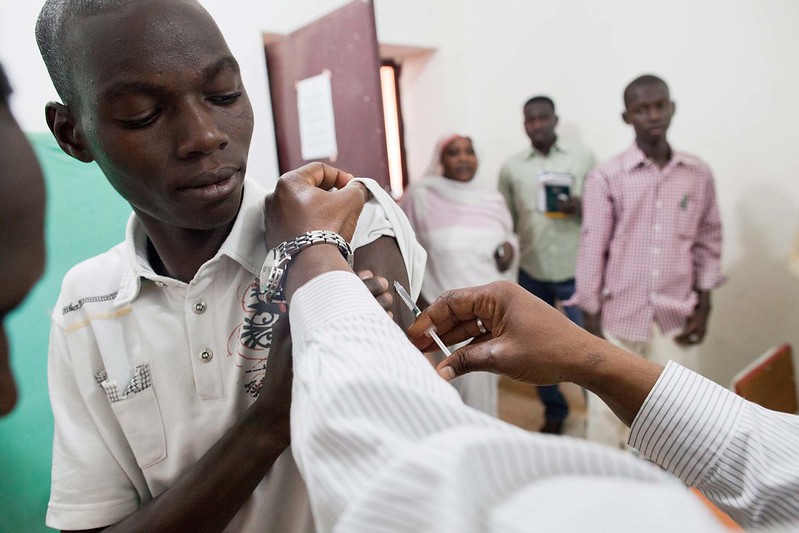
In the Mopti region, the European Union (EU) and its humanitarian partner Save the Children provide free health care to vulnerable individuals through mobile clinics. Each month, more than 1,500 people benefit from services that include consultations, prenatal check-ups and immunizations tailored for displaced individuals. These clinics treat various diseases and malnutrition and educate patients through sessions that raise awareness about good health practices. These sessions cover COVID-19 prevention, sanitation, vaccinations and more.

Novartis Foundation’s Contribution

Consulting a doctor typically costs around 1,000 CFA, valid for a week, while a prenatal consultation might cost about 2,500 CFA, which is quite expensive. The comprehensive survey on household living conditions (EICVM 2018 – 2019) reveals that 51% of Malians skip health care due to financial reasons.

The Novartis Foundation has significantly transformed health care in the region of Ségou. Covering 13 health areas and reaching a population of 200,000 people across 210 villages, the foundation’s commendable efforts include strengthening health insurance schemes, providing microcredit to women’s saving groups, investing in small businesses, diversifying farmers’ incomes and more.

Strengthening Health Care in Mali: The PACSU Initiative

The government of Mali, with funding from the World Bank, launched a four-year initiative called the Accelerating Progress toward Universal Health Coverage Project (PACSU). This project not only strengthens community health services but also establishes a robust emergency fund allocation system for responding to disasters and crises. Strengthening health infrastructure, ensuring accessibility and promoting economic stability are crucial for Mali’s future. As the world focuses on this nation, a collective effort is necessary to address the health crisis in Mali and solidify its health care system.

– Malaikah Niyazi

Malaikah is based in New Delhi, India and focuses on Global Health for The Borgen Project.

Photo: Flickr

August 15, 2024
https://borgenproject.org/wp-content/uploads/borgen-project-logo.svg 0 0 Precious Sheidu https://borgenproject.org/wp-content/uploads/borgen-project-logo.svg Precious Sheidu2024-08-15 01:30:572024-08-15 00:09:33Addressing Health Crisis in Mali: Efforts and Challenges
elderly poverty, Global Poverty

3 Solutions to Elderly Poverty in Japan

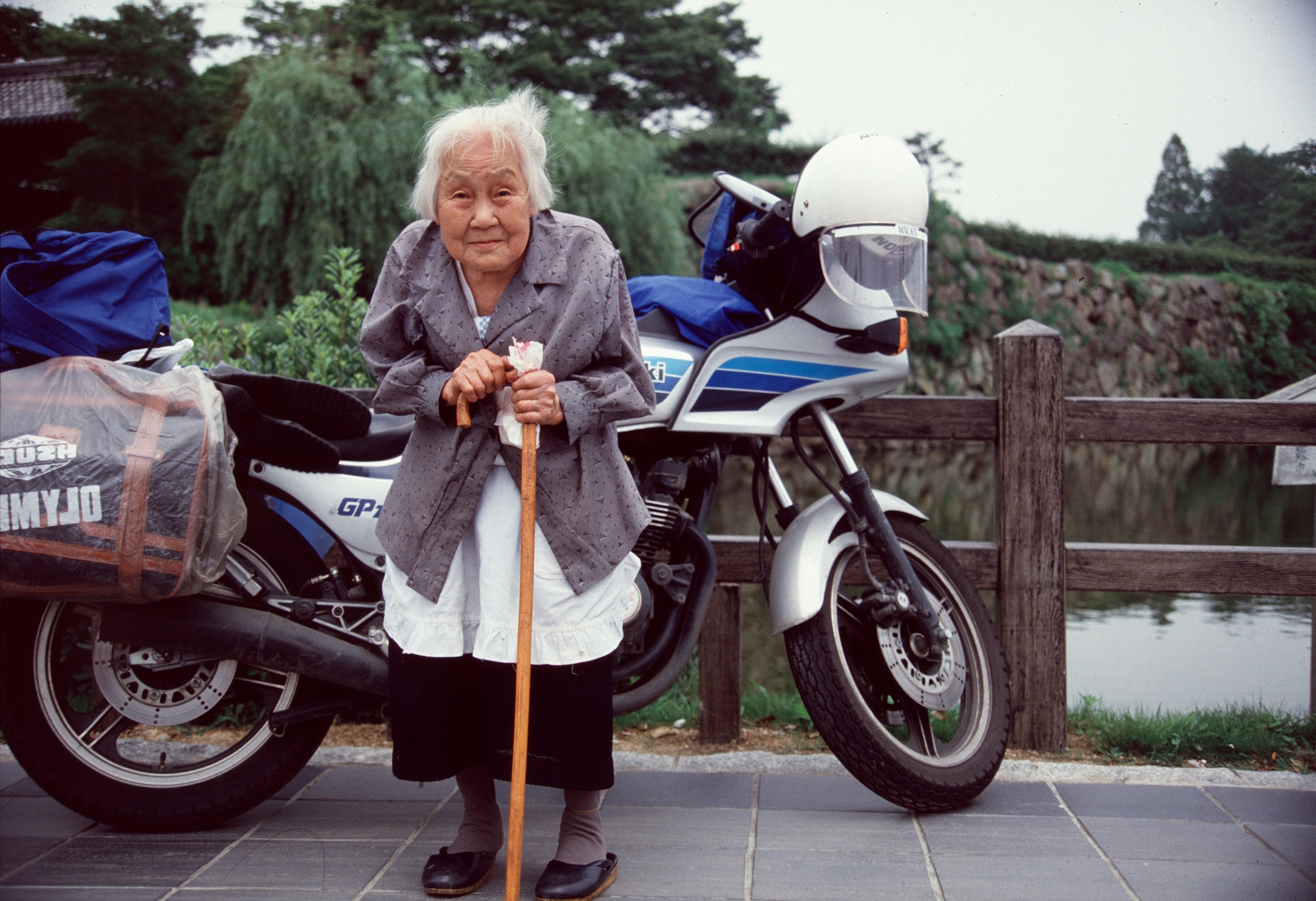
Elderly Poverty in JapanJapan has some of the world’s highest rates of elderly poverty. While the average poverty rate for seniors among the Organization for Economic Cooperation and Development (OECD) countries is 14%, Japan’s rate is notably higher at 20%. There are many potential causes, the most obvious being the country’s rising population of older adults. In 2020, 29% of Japan’s population was older than 65.

Many seniors rely on national pensions for necessities like food and medical expenses. However, a 2019 survey found that approximately $10,000 is needed annually to cover these daily necessities. In contrast, individuals above 65 receive an annual basic pension of only about $6,000, falling significantly short of the required amount. The pension system is also heavily patriarchal, as single, divorced and widowed women are at a heavy disadvantage. For example, around 44.1% of elderly, single Japanese women live in poverty and that rate is much lower for men (30%).

One reason for this could be from the post-war era when women were socially expected to raise children. At the same time, their husbands would work and earn money for the family. The pension system was therefore built to support men and families, not single women. To address this issue of elderly poverty, Japan has offered solutions that include the continuation of employment, improving health care and city accessibility. 

Encouraging Lifelong Work

By encouraging lifelong work, older people can continue to earn money and support themselves. Almost 40% of Japanese companies keep elderly employees and these companies have started programs that aim to keep elderly employees with specialized skills. And company jobs aren’t the only source of work.

More than “70% of the temporary or part-time workers at convenience stores and supermarkets, security guards, custodial workers, care providers, workers at call centers and so on” are above 65. Taxi firms are also increasingly hiring elderly drivers. In addition to these job markets, each municipality in Japan has a “Silver Work” center that helps older adults find jobs.

Improving Health Care

Improving health care can help older individuals stay healthy and remain in the workforce, reducing their reliance on pensions. Better health also decreases the costs associated with medical care and medication, thereby mitigating elderly poverty. One foundation, in particular, has made it its mission to achieve this goal.

The Nippon Foundation and MetLife Foundation initiated the “Better Life Better Place” for the Elderly and Children Program. The program aims to develop 12 care facilities for older people and children by the end of the year. These care facilities will operate like hospice care homes for older people, with volunteers from MetLife Japan employees helping run the homes.

Making Cities More Elderly-Friendly

Creating more elderly-friendly cities can support active lifestyles among seniors, leading to improved health, reduced health care costs and decreased elderly poverty, ultimately fostering happier lives. Some Japanese cities have begun implementing such changes. For instance, Akita has launched initiatives to encourage social engagement among older adults, including a one-coin bus service that provides affordable transportation for seniors.

Conclusion

These three solutions aim to ensure that the elderly remain healthy, enabling them to earn income and lead fulfilling lives. Since health care costs are a significant driver of elderly poverty, improving health and reducing these costs can greatly alleviate financial burdens. By fostering better health, seniors’ overall cost of living could decrease significantly.

– Hannah Chang

Hannah is based in Philadelphia, PA, USA and focuses on Good News and Politics for The Borgen Project.

Photo: Wikimedia Commons
August 11, 2024
https://borgenproject.org/wp-content/uploads/borgen-project-logo.svg 0 0 Hemant Gupta https://borgenproject.org/wp-content/uploads/borgen-project-logo.svg Hemant Gupta2024-08-11 07:30:552024-08-10 14:35:363 Solutions to Elderly Poverty in Japan
Africa, Global Poverty, HIV/AIDS

Prevention and Development: HIV in Eswatini

HIV in EswatiniThe priority of health and well-being is a privilege not all nations can embrace. Eswatini, located in the Southwest of the African continent, has faced significant setbacks in its quest for a healthier nation due to the devastating effects of an HIV epidemic in recent years. With a population of roughly 1.2 million, Eswatini has one of the highest HIV rates globally, leading to widespread suffering, death and low life expectancy. However, development and aid efforts, both governmental and global, are advancing steadily, bringing the prospect of a healthier nation within reach.

HIV in Eswatini

Eswatini has been at the top of the charts in regard to HIV prevalence in the past years. During the peak of the HIV epidemic in 2015, almost one out of every three people in the nation were living with HIV. Although treatment for HIV existed during the mid-’90s, not many citizens in Eswatini had access to the treatment. In 1995, no treatment was made available for the Swazis, leading to 73,000 people contracting the disease and 2,400 people dying that very same year.

The fight for controlling the epidemic has been difficult in the following years, with the implementation of various programs and treatments failing on a widespread level. Currently, the life expectancy for the Swazi people is 54.6 years. Although low in regards to the global comparison, this is actually progress for the nation. In Eswatini, the life expectancy in 2000 was 47 years, which means that it has improved by 7.55 years in the past 24 years.

Relief and Aid

A primary factor in the improvement of controlling the HIV epidemic, as well as increasing the life expectancy of the Swazis, has to do with the partnership between the Government of Eswatini and the United States (U.S.) Presidential Emergency Plan for AIDS Relief, more commonly known as PEPFAR. PEPFAR is the largest commitment by any nation addressing HIV in history, enabled by the support of the U.S. Congress, presidential administrations and many other powerful figures in the U.S. political sphere.

PEPFAR-funded programs such as the REACH and REACH II programs have focused on developing local organizations in the community. These organizations, such as Umliba Loya Embili and Insika ya Kusasa, have aided in the fight against HIV, addressing risks such as miseducation, poverty, child protection and more.

The increase in Swazis taking preventative medication for HIV has also been a major success in the decrease in HIV rates in recent years. The dissemination of drugs, in particular, pre-exposure prophylaxis, more commonly known as PrEP, has been a milestone in aiding the risk and containment of HIV. In 2016, the World Health Organization (WHO) globally recommended the introduction of PrEP among people at high risk of contracting HIV, including adolescent girls, young women and sex workers.

Eswatini was one of these countries and now the number of PrEP users is increasing yearly, going from 2,200 in 2018 to 32,750 in 2022. The increase in protection being available for citizens at their local clinic is a positive step in the right direction, which is openly decreasing the potential for Swazis to contract HIV.

The Future of Eswatini

Addressing the HIV epidemic in Eswatini will be a slow and incremental process, given that large-scale relief and aid have only recently been introduced. The transition from a lack of relief, education and medication to a growing support system marks progress in the fight against high HIV rates. Continued funding for education and medical care is essential for building a healthier future for the people of Eswatini.

– Oliver Martin

Oliver is based in Honolulu, HI, USA and focuses on Global Health for The Borgen Project.

Photo: Flickr

August 10, 2024
https://borgenproject.org/wp-content/uploads/borgen-project-logo.svg 0 0 Hemant Gupta https://borgenproject.org/wp-content/uploads/borgen-project-logo.svg Hemant Gupta2024-08-10 01:30:502024-08-09 08:01:18Prevention and Development: HIV in Eswatini
Global Poverty

Access to Quality Health Care in Jamaica

quality health care in JamaicaIn an interview with The Borgen Project, native Jamaican Shamella Parker describes the dire consequences of a lack of access to quality health care in Jamaica. On an evening in February 2023 in Montego Bay, Jamaica, Parker’s aunt Mary, a live-in cook, shared a dish with her employer containing susumba, commonly known as gully bean, a type of green berry popular in Jamaica. Shortly after the meal, both Mary and her employer fell ill.
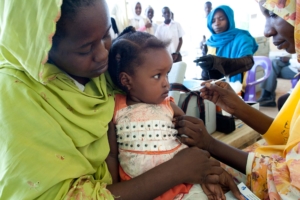
The man’s family took him to a nearby hospital. “The hospital that he went to, I believe they treated him on the spot because he was wealthy and I guess known in the neighborhood, but my aunt – not being as wealthy – went to another hospital in the area where she was from,” said Parker. In contrast, Mary went to a hospital in St. Catherine and spent a long time waiting to be attended to in the waiting room despite being an emergency case. Eventually, she lost consciousness and became unresponsive. Nurses and doctors attempted to revive her, but it was too late. Parker and Mary’s husband feel the hospital did not do all it could to save her.

According to Mary’s husband, the forensic pathologist was away at his wife’s time of death. For example, in 2015, the Jamaican government employed only two forensic pathologists who perform autopsies for everyone who does not have insurance. When Mary’s husband returned, the pathologist deemed Mary died of an accident – consumption of a poisonous seed. But, to Mary’s family, unequal access to prompt and quality health care in Jamaica stood as the true cause.

A Public Health Crisis

Jamaica’s iconic reggae and beaches backdrop a public health crisis. The legacy of the colonial slave-based economy birthed the traumatic, post-emancipation public health care system present in Jamaica today. Health care is a dimension of poverty on the island; the Multidisciplinary Poverty Index (MPI) of 2022 estimated that 78,000 Jamaicans lived in multidimensional poverty in 2020. The Index splits poverty into three dimensions – health, education and standard of living – and scales the intensity of deprivations for each. Compared to selected other Caribbean and Latin American countries at that time, health care deprivation was greatest in Jamaica, at 52.2%; the next highest was Trinidad and Tobago at 45.5%.

Insurance and Unequal Access to Quality Health Care in Jamaica

The National Health Plan estimates that 500,000 out of 2.7 million Jamaicans have insurance. This means roughly 80% of Jamaicans do not have it and have to rely on public hospitals. These hospitals do not have enough equipment to meet this demand, with World Data estimating that there are 1.32 primary care doctors per 1,000 civilians and 1.7 hospital beds.

Many Jamaicans do not have insurance due to inflated premiums, rendering insurance inaccessible. Even those who have it are discouraged from exceeding the lifetime maximum benefit. As a result of poor insurance or lack thereof, many reserve medical attention for emergencies.

Just taking her aunt to the hospital, Shamella Parker said, meant “it was a serious thing… we do not just go to the hospital for anything.”

Health Education

Non-communicable diseases (NCDs) comprise 79% of mortality in Jamaica. These include diseases such as diabetes, heart disease or cancer. Teaching healthy habits is one way to combat NCDs. Though there is a National School Feeding Programme, public schools increasingly apply the protocol with “unevenness,” according to the Ministry of Education and Youth (MOEY) report.

As it is, many schools are not mandated to provide nutritional food, exercise programs or health classes that destigmatize illness. According to the Jamaican Health and Wellness Minister Dr. Christopher Tufton: “…there is actually a lost generation around that crisis, a cohort of citizens who unfortunately will have to spend the rest of their lives trying to make themselves as comfortable as they can…”

Transportation Infrastructure

Hospitals are difficult to reach. People often live far away from health centers and hospitals. Reliable infrastructure is essential for continual access to health care in Jamaica. However, rural roads are often unpaved, secluded and vulnerable to climate damage. Bad weather resulting in landslides and flooding is common and may disrupt transportation by “cut[ting] off access to health care, education and other essential services,” according to a 2018 report. Blocked roads complicate transporting patients. Jamaica’s “limited funding” for transportation maintenance causes drawn-out repairs when roads erode and bridges collapse.

Ongoing Efforts

In 2020, the Jamaican government signed the Vision for Health 2030, a 10-year health improvement strategy to reorder Jamaica’s fragmented care. Alongside the Pan American Health Organization (PAHO), this plan tackles noncommunicable diseases and maternal health by increasing the number of hospitals on the island and modernizing services to boost equity and efficiency while delivering “higher technical quality.”

In 2019, the government introduced the National School Nutrition Policy. This legislation forms part of the government’s efforts to mandate healthy eating and exercise in young people. Its provisions include measures such as color-coding foods permitted in schools and providing competitions to incentivize healthy eating, according to the MOEY report.

Additionally, various efforts are underway to reform infrastructure, according to the National Development Plan (NDP). Goal 9 of the NDP includes the country’s largest infrastructure project worth up to $800 million to upgrade roads and access to water, sewage and internet.

In 2016, UNICEF began assisting the government in adopting regulated, cold-chain transport. It is a temperature-controlled supply chain essential for reducing waste and improving the integrity of goods necessary for health services.

Looking Ahead

Efforts to address the public health crisis and improve access to quality health care in Jamaica are underway. The government’s Vision for Health 2030 and collaboration with organizations like PAHO and UNICEF aim to modernize health care services, tackle noncommunicable diseases and enhance infrastructure. The introduction of the National School Nutrition Policy highlights efforts to promote healthy habits among young people. As these initiatives progress, there is hope for a more equitable healthcare system that prioritizes the well-being of all Jamaicans.

– Caroline Crider
Photo: Unsplash

June 24, 2023
https://borgenproject.org/wp-content/uploads/borgen-project-logo.svg 0 0 Kim Thelwell https://borgenproject.org/wp-content/uploads/borgen-project-logo.svg Kim Thelwell2023-06-24 01:30:222023-06-21 04:14:16Access to Quality Health Care in Jamaica
Children, Developing Countries, Development, Education, Global Poverty, Health

Public Health in Africa: Reducing Meningitis

Public Health in AfricaFor many people around the world, the COVID-19 pandemic was an eye-opening event that revealed the dangers and inadequacies of the world’s global health systems. However, for other people, outbreaks of epidemic diseases might be more of a lived reality. On the continent of Africa, many know a certain geographic region in sub-Saharan Africa as the “meningitis belt.” These 26 countries face the dangers of meningitis more than other places around the world, and the outbreak of the COVID-19 pandemic delayed the vaccination of the MenAfriVac meningitis vaccine to 50 million children in these countries. African governments collaborated with the World Health Organization (WHO), the Bill and Melinda Gates Foundation and PATH, a nonprofit health organization, to develop the MenAfriVac vaccine and distribute it to more than 350 million people living in areas of high risk. While this scientific effort made an incredible difference in public health in Africa, the COVID-19 pandemic largely disrupted the processes that allowed these successes to continue. The pandemic reduced services aimed at preventing meningitis by 50% from 2019 to 2020. Despite recent setbacks, WHO developed a plan to address meningitis.

Meningitis: The Disease

Meningitis is a complex disease with several variations. It arises in viral or bacterial form with several types of viruses or bacteria causing meningitis. Some meningitis vaccines protect against several forms of meningitis.

The types of meningitis are important to consider because historically, different types of meningitis affected African communities. Prior to 2010, only 10% of meningitis cases were a form other than meningitis type A; however, after the introduction of the MenAfriVac vaccine, the number of cases of meningitis type A decreased significantly. Since 2017, no person has experienced a case of meningitis type A in the region. While deaths due to meningitis still totaled 140,552 people in Africa in 2019, the elimination of meningitis type A means that about 95% of people diagnosed with meningitis survived in 2021. Since 2013, however, meningitis type C led to several outbreaks in the meningitis belt.

At the end of 2021, the Democratic Republic of Congo (DRC) reported 2,662 cases of meningitis along with 205 deaths due to meningitis. Local mobile clinics and vaccination drives from WHO helped reduce the outcome of death from 85% of cases to 10% of cases fairly quickly.

The Defeating Meningitis Road Map

WHO assists with suppressing the outbreaks of meningitis such as in the case of the Democratic Republic of Congo in late 2021; however, it also develops long-term plans to improve public health in Africa overall. In November 2020, the World Health Assembly approved the Defeating Meningitis by 2030 roadmap. WHO will implement the $1.5 billion plan in January 2023, which will begin the fight to control meningitis in Africa by 2030. The plan includes a goal to achieve a 90% vaccination rate using a new vaccine that will hopefully protect communities against new outbreaks of the disease. From 2023 to 2030, the plan also hopes to reduce deaths of meningitis by 70% and reduce cases of meningitis by 50%. Several steps to achieving these goals include increased disease surveillance to catch meningitis early and increasing awareness of services to improve overall public health in Africa.

With WHO’s plan to defeat meningitis by 2030, public health in Africa will greatly improve the lives of millions of people within the meningitis belt. Meningitis is mostly a preventable disease with the efforts of vaccinations and other measures of public health. As the rest of the world encountered during the COVID-19 pandemic, collaboration within a community goes a long way to keeping everyone safe.

– Kaylee Messick

Photo: Flickr

October 4, 2022
https://borgenproject.org/wp-content/uploads/borgen-project-logo.svg 0 0 Naida Jahic https://borgenproject.org/wp-content/uploads/borgen-project-logo.svg Naida Jahic2022-10-04 07:30:032022-10-04 02:00:26Public Health in Africa: Reducing Meningitis
Global Poverty, NGOs, USAID

4 Health Care Facts About the Democratic Republic of the Congo

health care in the drc

While the Democratic Republic of the Congo (DRC) is abundant with natural resources and a thriving ecosystem, decades of armed violence have left the nation impoverished. Currently, health care in the DRC suffers from understaffing and underfunding concerns. Moreover, it is only readily available in certain regions of the country. To better understand this issue, here are four facts about health care in the Congo.

  1. Health care exists in a pyramid structure. The DRC government, aided by several NGOs, funds and controls the public health care system in a four-level model. The first level of health care in the DRC is community health centers. These are open for basic treatment and utilizes nurses for care. The next level contains centers where general physicians practice. The third level pertains to regional hospitals, where citizens can receive more specialized treatment. The fourth and highest level is university hospitals. At all levels, appointments are needed to see physicians, and as they also only see clients on certain days of the week, wait times can be long. This prompts patients who require specialist treatment to often see community nurses instead. In addition, USAID currently provides health care services to more than 12 million people in almost 2,000 facilities.
  2. The country lacks health care workers. Health care in the DRC is limited. Statistically, there are only 0.28 doctors and 1.19 nurses and midwives for every 10,000 people. Furthermore, access to health care in the Congo’s rural regions is extremely low due to the remote state of many villages. The northern rural areas of the DRC hold less than 3.0% of the nation’s physicians while Brazzaville, the capital and the most heavily populated city, holds 66% of all physicians. This is despite the fact that the capital only holds 37% of the Congolese population.
  3. Health care funding in the DRC, though low, steadily rises. The government of the DRC has made noticeable progress in increasing funds for health care. Between 2016 and 2018, the proportion of the national budget dedicated to health care increased from 7% to 8.5%. While this increase in funding is life-changing for many, it still pales in comparison to the budgets of many other countries. The U.S. currently allocates 17.7% of its GDP toward health care. The DRC, however, is on an upward trajectory. It seeks to reach a target of 10% allocation of the national budget for health care by 2022.
  4. The DRC’s vaccination rates are improving. In 2018, the government of the DRC implemented The Emergency Plan for the Revitalization of Immunization. The plan aimed to vaccinate more than 200,000 children for life-threatening diseases in a year and a half. While the outbreak of COVID-19 in the nation has been a major setback to the plan, the Mashako Plan, as it is referred to, was responsible for a 50% rise in vaccinations since 2018. This rise occurred in “vulnerable areas” and brings countless more children immunity for potentially deadly diseases.

Despite a lack of health care workers and resources, the Democratic Republic of the Congo is making steady improvements to its health care system. Efforts to make vaccinations a priority and allocate more of the country’s budget to health care each year already yield results. Organizations such as USAID aid these improvements. The combination of NGOs and the government’s new emphasis on health care provide an optimistic outlook for the future of health care in the Democratic Republic of the Congo

– Caroline Bersch

Photo: Unsplash

September 6, 2021
https://borgenproject.org/wp-content/uploads/borgen-project-logo.svg 0 0 Lynsey Alexander https://borgenproject.org/wp-content/uploads/borgen-project-logo.svg Lynsey Alexander2021-09-06 15:16:002024-05-30 22:25:074 Health Care Facts About the Democratic Republic of the Congo
Economy, Global Poverty

Medical Advancements in Iran Prove to be a Success

Medical Advancements in IranIran is a developing country located in western Asia as part of the Middle East. In the past several decades, Iran has accomplished major strides in terms of its health care system and medicine. The following list details only a few of the successful medical advancements in Iran that have been developed within the last decade.

The Health Care System

Iran adopted the Primary Health System in the 1990s, which revolutionized its health care system. Since its initiation, the country’s life expectancy has increased by eight years. This has had positive effects on both their economy and poor communities. Also, Iran has done tremendous work in improving the accessibility of health care. Currently, more than 90% of rural populations have access to affordable health care. Previously, there was a major gap in providing health care to their less populated, rural areas where many vulnerable groups resided.

Local Production

Since the Iranian Revolution in 1979, the country has made initiating the production of locally produced medicines and drugs a priority. Prior to the revolution, Iran relied on imports from foreign countries for about 70-80% of its pharmaceutical ingredients. As of 2018, it is estimated that around 97% of their drugs were locally produced and manufactured.

Focusing on local production boosted Iran’s economy, making the country a major competitor in the world market. It also increased their GDP through the exportation of their locally produced pharmaceuticals. Furthermore, the country has strict regulations in place for importation. Iran both follows American guidelines and creates its own rules, which ensures high-quality, safe products.

Iran’s health minister stated that the country saves around 700 million euros simply by producing their own products. The country can now allocate this money to other necessities, which displays the importance of medical advancements in Iran.

Medical Biotechnology

Biotechnology is the production and development of products by manipulating living organisms. Medical biotechnology has the power to uplift health care systems for countries across the globe. Iran’s advanced health care system has allowed them to become a leader in medical biotechnology across the Middle East and North Africa.

Iran’s boost in local production stems from pharmaceuticals to biotechnology. As of 2012, the country had 12 approved products and 15 more products pending approval. These products placed Iran among the frontrunners of biotechnological production. Other countries now rely on Iran for medical trade. Biotechnology has the potential to produce a multitude of medical advancements in Iran. If the country earns the spot as the leading country of biomedical technology, the benefits for their economy and citizens would be numerous.

New Medical Treatments

Medical advancements in Iran have also led to new medical treatments. The country has developed new, upcoming medicines and treatments in hopes to cure certain diseases. Just this year, a group of scientists announced they developed an herbal treatment for epilepsy, Fenosha, that resulted in successful outcomes during their clinical trials.

Reza Mazloom Farsibaf, the founder of the medicine, stated there is no other medicine that competes with Fenosha. The treatment is non-toxic and has minimal side effects and symptoms. If approved, mass production is expected for Fenosha. The herbal medicine could potentially become a viable option for the 340 million people across the world that require treatment for epilepsy. The country is expected to continue generating products that will further mobilize its position in medicine.

– Bolorzul Dorjsuren
Photo: Flickr

December 23, 2020
https://borgenproject.org/wp-content/uploads/borgen-project-logo.svg 0 0 Kim Thelwell https://borgenproject.org/wp-content/uploads/borgen-project-logo.svg Kim Thelwell2020-12-23 12:26:002020-12-28 09:23:48Medical Advancements in Iran Prove to be a Success
Education, Global Poverty, Health

Housing in Guatemala: More Than A House

housing in GuatemalaGuatemala is a country rich with ancestral heritage and Indigenous peoples, but the poverty crisis has debilitated many of the citizens. Housing in Guatemala is undergoing a crisis, which has widened the housing gap to well over 1.8 million homes. With 54% of people living under the poverty line, housing access is a rarity. This also affects other major areas like sanitization, food security, finding jobs and accessing education. The main priorities of humanitarian organizations in Guatemala are housing, education and health care.

Bill McGahan

Bill McGahan is an Atlanta resident and involved community serviceman. McGahan is also the leader of an annual mission trip that takes high school students to create housing in Guatemala. The long-term commitment to building housing has also highlighted other areas of need. On the trips, students work alongside From Houses to Homes. The student volunteers spend their time holistically addressing the needs of Guatemalans, including health and education.

Housing

Housing in Guatemala is the essential building block to finding permanence and stability. Many Guatemalans live in inadequate housing, are homeless or depend on makeshift shelters built from gathered materials. Housing lessens the risk of diseases from fecal contamination, improves sanitation, strengthens physical security and provides warmth in winter months. These benefits are imperative to stabilizing external conditions and lessening poverty’s effects.

The mission trips each year incorporate the students from the very start of housing to the finishing touches. Each year the participants first raise the funds for building materials. Then the volunteers construct a house in as little as five days. At the end of the building projects, keys are handed to each family, which reflects a new reality for them. In this way, these students “don’t just build houses, they provide a home.”

Education

A home is so much more than four walls and a roof. It is the place to help grow and nurture individuals, including a safe space for learning. Children in Guatemala face constant challenges to their education. The average Guatemalan education lasts only 3.5 years, 1.8 years for girls. Nine out of 10 schools have no books. Accordingly, the literacy rate in rural Guatemala is around 25%. Education is an investment in breaking a pattern of poverty, which is an opportunity not afforded to many Guatemalan children.

Children pulled out of school work as child laborers in agriculture. This provides short-term benefits to families in terms of income but has a high cost in the future when finding work. Contributions to local schools have long-term paybacks for children and their families. Children can further their education, secure future employment and create stable homes for themselves and future generations.

Health Care

Housing in Guatemala is relevant to health as well. The goal is to solve homelessness by providing homes, not hospital beds. Access to quality health care is imperative to providing housing stability. Guatemala needs to improve its health services in order to solve its housing issue, especially since they lack effective basic health care.

Clinical care for Guatemalans is often inaccessible, particularly in rural areas with limited technology. With approximately 0.93 physicians per 1,000 people, there are extreme limitations for medical professionals to see patients. Even in getting basic nutrition training or vaccinations, Guatemalans are severely lacking necessary access. Basic health care is a priority that will be a long-term struggle, but each advancement will create higher levels of care and access for the many Guatemalans in need.

Guatemala is readjusting its approach to finding better access to housing, health care and education, all of which are important for a home. Humanitarians, like Bill McGahan, are finding solutions and implementing institutions that will uplift Guatemalans. Increased housing in Guatemala has been encouraging stability, prosperity and new outlooks on life. The country is seeing great progress in eliminating poverty, one home at a time.

– Eva Pound
Photo: Flickr

December 23, 2020
https://borgenproject.org/wp-content/uploads/borgen-project-logo.svg 0 0 Yuki https://borgenproject.org/wp-content/uploads/borgen-project-logo.svg Yuki2020-12-23 11:43:332024-12-13 18:02:17Housing in Guatemala: More Than A House
Global Poverty, Government

The Demand for Child Rights in Latin America

demand for child rightsWith 25% of Latin America’s population being under the age of 15, an increased demand for child rights is inevitable. As a result, Latin America and the Caribbean have seen gradual implementations of protection for children under the law. Countries in these regions have seen improvements spanning from a growing economy to quality health care.

Health Improvements for Children

One immediate causes for the demand in children’s rights is because of the abuse that many children in impoverished countries endure. Some issues that exemplify the need for child rights are sexual abuse, drug and alcohol consumption and child labor. The health care systems in Latin American countries are responding.

For example, increased demand for child rights in places such as Argentina and Peru has resulted in more representation for children in health care services. Argentina has had children’s rights written in law since 1994. Now, with children included in health plans, child mortality rates have decreased to 9.9 deaths per 1,000 live births in 2018, compared to 12.6 just five years earlier.

Strengthening Written Law

Previously, many children in these countries were not seen as separate individuals until they reached adult age. However, increased children’s rights in certain Latin American and Caribbean countries have improved the livelihoods of the underaged. Children’s rights in Latin America and all across the world have moved to the forefront of many political agendas thanks to the UN Convention on the Rights of the Child and active citizens.

Countries such as El Salvador have shown that the demand for child rights have proved their international leadership on the issue. There are more than 15 comprehensive laws within the country protecting children and almost 20 international laws protecting El Salvadoran children.

Though the numerous laws, in theory, protect the children, it is not as easy to enforce the laws. A large discrepancy still remains between the sentiment and enforcement of law for the protection of children. Legislature rendered ineffective through lack of enforcement “allows perpetrators of violence against children and adolescents to continue committing the same crimes with no fear of prosecution or punishment.”

The BiCE

One organization that has made child rights in Latin America a priority is BiCE, the International Catholic Child Bureau. The organization’s main goal is the preservation of child rights in different countries in Latin American and around the world. Current field projects take place in countries such as Ecuador, Guatemala and Peru. Most of the projects focus on fighting sexual abuse of children.

BiCE’s projects have many goals that ensure the safety of a child. For the programs fighting sexual abuse, they offer therapy services for recovery. They also train people to learn advocacy techniques for children’s rights. Over 1,000 children in Peru have received help from BiCE and the organization continues to do more in other countries in Latin America.

Most countries in Latin America and the Caribbean have written laws and statutes that protect children. However, this has not proved to be enough for the safety of children in these countries. There have been health improvements and decreased poverty rates, but more still needs to be done to enforce the written laws.

– Josie Collier
Photo: Flickr

November 7, 2020
https://borgenproject.org/wp-content/uploads/borgen-project-logo.svg 0 0 Kim Thelwell https://borgenproject.org/wp-content/uploads/borgen-project-logo.svg Kim Thelwell2020-11-07 01:31:042024-05-30 07:52:42The Demand for Child Rights in Latin America
Global Poverty, Water

10 Facts About Sanitation in Bhutan

Sanitation in BhutanAccess to functioning sanitation is critical for maintaining a healthy population and increasing lifespans worldwide. Countries facing sanitation challenges are more susceptible to health challenges, and Bhutan is no different. Here are 10 facts about sanitation in Bhutan.

10 Facts About Sanitation in Bhutan

  1. The Royal Government of Bhutan recognizes sanitation as a right, and its constitution obliges it to provide a safe and healthy environment for its citizens. However, only 71 percent of people in Bhutan had access to improved sanitation as of 2016 according to a government report. The report also notes that safety management is necessary to maintain basic sanitation even in these areas. UNICEF reports that 63 percent of the population has access to basic sanitation facilities.
  2. Many girls in Bhutan miss school due to hygiene and sanitation concerns. A recent study reported that around 44 percent of adolescent girls missed school and other activities due to menstruation. They listed a lack of clean toilets and water as one of the primary reasons.
  3. Bhutan has a WASH (water, sanitation and hygiene) program to increase access to sanitation in schools. By working with UNICEF, Bhutan was able to provide 200 schools with improved sanitation as of an evaluation in 2014. During this evaluation, 90.8 percent of respondents surveyed reported that the program improved students’ health.
  4. As of 2016, all schools in Bhutan had at least one toilet. However, 20 percent of schools did not have working toilets, and 11 percent did not have access to improved sanitation. Furthermore, only about one-third of schools had toilets specifically for girls.
  5. Monastic institutions in Bhutan frequently do not have basic sanitation facilities. About 65 percent lack water supply, while 34 percent do not have proper sanitation. This leads to skin infections, worm infestations and other health issues in monasteries and nunneries.
  6. The most common type of sewage treatment in urban Bhutan are septic tanks that discharge into the environment with no treatment or containment. All urban landfills in Bhutan are used as open dumps and are not sanitary landfills capable of containing and treating solid waste. In rural areas, pit toilets are the most common.
  7. Twenty-four sub-districts in Bhutan have access to 100 percent improved sanitation. These sub-districts are located within nine of Bhutan’s 20 districts. A health assistant in Mongar district said that, with 100 percent improved sanitation, the number of cases of diarrhea is falling.
  8. Many people need to be treated for illnesses that could have been prevented with improved access to sanitation. Poor sanitation was responsible for 30 percent of reported health cases in 2017. Healthcare facilities themselves also suffer from sanitation challenges, as 40 percent of district hospitals reported severe water shortages.
  9. According to a report in 2015, over 50 percent of people living in urban areas only had access to an intermittent water supply; a supply that delivered water six to 12 hours per day. Additionally, this water did not meet quality guidelines. In rural areas, only 69 percent of water supply systems are functional.
  10. As of 2017, only 32 percent of the poorest households in Bhutan had access to improved sanitation. This is about three times less than the richest households, of which 95 percent had access to improved sanitation facilities. Government reports recognize that there are disparities in access to sanitation relating to various factors; income, disability, gender and geographic variables can all contribute.

Overall, these 10 facts about sanitation in Bhutan demonstrate that the sanitation, water and hygiene conditions are quickly improving in the country. Initiatives by the government, UNICEF and other nonprofits in the country have led to substantial positive changes. However, inequality in access to improved sanitation services remains a major issue, and Bhutan still has a long way to go to provide improved sanitation throughout the entire country.

– Kayleigh Crabb

Photo: Pixaby

July 20, 2020
https://borgenproject.org/wp-content/uploads/borgen-project-logo.svg 0 0 Jennifer Philipp https://borgenproject.org/wp-content/uploads/borgen-project-logo.svg Jennifer Philipp2020-07-20 01:31:312024-06-05 01:28:3110 Facts About Sanitation in Bhutan
Page 8 of 11«‹678910›»

Get Smarter

  • Global Poverty 101
  • Global Poverty… The Good News
  • Global Poverty & U.S. Jobs
  • Global Poverty and National Security
  • Innovative Solutions to Poverty
  • Global Poverty & Aid FAQ’s
Search Search

Take Action

  • Call Congress
  • Email Congress
  • Donate
  • 30 Ways to Help
  • Volunteer Ops
  • Internships
  • Courses & Certificates
  • The Podcast
Borgen Project

“The Borgen Project is an incredible nonprofit organization that is addressing poverty and hunger and working towards ending them.”

-The Huffington Post

Inside The Borgen Project

  • Contact
  • About
  • Financials
  • President
  • Board of Directors
  • Board of Advisors

International Links

  • UK Email Parliament
  • UK Donate
  • Canada Email Parliament

Get Smarter

  • Global Poverty 101
  • Global Poverty… The Good News
  • Global Poverty & U.S. Jobs
  • Global Poverty and National Security
  • Innovative Solutions to Poverty
  • Global Poverty & Aid FAQ’s

Ways to Help

  • Call Congress
  • Email Congress
  • Donate
  • 30 Ways to Help
  • Volunteer Ops
  • Internships
  • Courses & Certificates
  • The Podcast
Scroll to top Scroll to top Scroll to top