Posts


The cash-based transfer is a form of food assistance that has been supported by the World Food Programme (WFP) and the Food and Agriculture Organization of the United Nations since the early 2010s. In contrast to in-kind food assistance, which feeds hungry individuals by way of donations of food, cash-based transfers consist of physical money, debit cards and vouchers distributed to those in need and allow people freedom in selecting their food.

Cash-based transfers are both practical and empowering. Individuals that receive aid of any kind are often viewed as passive recipients. However, the program recognizes that people that receive aid know their nutritional needs best and deserve the agency to choose their own food.

The cash-based transfer is also a more sustainable aid program when compared to in-kind food assistance. The money provided through aid goes into local economies and provides support for a future in which hungry individuals will be able to obtain food from their communities. For example, $1.29 billion USD were introduced into Egypt, Iraq, Jordan, Lebanon, Syria and Turkey by WFP to revitalize those economies in the wake of the Syrian conflict.

Users of cash-based transfers can redeem them in stores connected to WFP and related U.N. agencies. This allows WFP to track what is bought and informs their future decisions concerning what foods they stock in their stores and what amounts of money are appropriate for cash-based transfers. The program is sustainable in its implementation on the ground and through the feedback that it provides to WFP.

However, the cash-based transfer is not always the most effective form of food assistance. It is inappropriate in areas with severely disrupted markets or untrustworthy banks and is too dependent on the structure to function in times of crisis, such as in the event of a tsunami, during which time direct donations of food are necessary for basic survival. WFP contends that it evaluates areas in need case-by-case and determines what combination of in-kind and cash-based transfer aid is appropriate. One variation on the cash-based transfer allows access to this type of aid conditionally— for instance, if a family’s children stay in school, they receive cash-based transfers. Other cash-based transfers only allow for the purchase of specific items.

It is important to note that cash-based transfers currently comprise less than 10 percent of overall global humanitarian aid. U.S. in-kind aid programs such as the McGovern-Dole Food for Education Program and Food for Progress are established and have succeeded in feeding billions of people all over the globe. However, the humanitarian nature and sustainability of cash-based transfers will likely continue to appeal to different governments as they search for long-term solutions to world hunger.

Caroline Meyers

Photo: Flickr

9 Facts About Food Poverty in Ireland
Food poverty is classified as the inability to afford an adequate and nutritious diet. The phrase has been used before to refer to hunger in Ireland, but resurfaced in 2012 with the global recession and continues to plague the country. Here are nine facts about hunger in Ireland.

9 Facts About Hunger in Ireland

  1. Despite an increase in median incomes since 2010, there were still almost 800,000 people living in poverty in Ireland in 2015, surviving on less than $13,354 per year.
  2. Due to these low incomes, many citizens have experienced a lack of basic needs. In particular, people are struggling to gain access to healthy foods. According to the Department of Social Protection, hunger in Ireland affected one in eight people in 2013.
  3. Safefood, an organization that focuses on informing citizens about food safety and nutrition, defines the three factors of food poverty in Ireland as follows: a person cannot afford a meal with meat or a vegetarian equivalent every second day; a person cannot afford a weekly roast dinner or vegetarian equivalent; or a person missed a meal in the last two weeks due to a lack of money.
  4. The average cost of a healthy bag of groceries ranges between 15 percent and 36 percent of a low-income person’s salary each week, and largely depends on the family composition. This cost went down slightly from 2014 to 2016.
  5. More than one million tons of food is wasted every year in Ireland, and 60 percent of this waste could be avoided. Annually, this equates to $783.72 per household.
  6. Research team Focus Ireland has suggestions for some policy frameworks that can play a key role in “tackling food poverty.” These include a national policy on social inclusion and anti-poverty, social welfare policy and provision, a national policy on health promotion and a planning and development policy.
  7. One in five Irish children goes to school or bed hungry. Fortunately, more than 500 breakfast clubs have opened in schools and communities to increase attendance and participation throughout the school day by making sure children are fed a nutritious meal.
  8. Safefood will be funding 13 “community food initiatives” between 2016 and 2018. The initiatives aim to work on a local level to teach families how to eat healthily on a budget, prepare food safely and inspire a healthy lifestyle.
  9. A nonprofit called FoodCloud helps supermarkets and other businesses reduce food waste through a new app. Businesses can connect with local charities and organizations to redistribute the food by sharing a description of items on FoodCloud’s app or website.

While food poverty in Ireland is improving, it is still not eradicated. Because food poverty involves many aspects and policies, an aligned front must be formed in order to continue to move in the right direction.

Madeline Boeding

Photo: Flickr

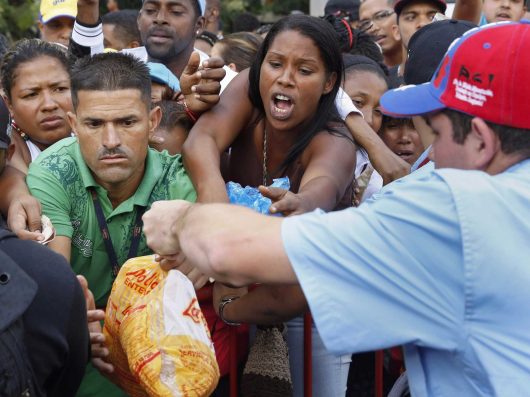
Food shortages in VenezuelaBeginning in 2014, oil prices around the world began to plummet. This sparked an extreme financial crisis in Venezuela, whose economy is based solely on its immense reserves of the fossil fuel. This evolving crisis has contributed to dire food shortages in Venezuela. The CEO of Empresas Polar, Lorenzo Mendoza, is working to aid fellow Venezuelans in need. Oil became a source of vast political influence in Venezuela once the industry became nationalized in 1975. The Washington Post reports that oil currently makes up about 95 percent of the region’s revenue from exports.

Oil Profits Plummet

In 2013, following the death of Hugo Chávez, former Vice President and current Head of the United Socialist Party of Venezuela Nicolas Maduro was elected president and promised to continue the policies of his predecessor. According to The Washington Post, Maduro is “discouraging private industry that could have diversified the nation’s economic base” and using revenues from PDVSA, the state oil company, to “pay for generous social welfare benefits that won votes.” This lack of diversification and unruly spending, combined with the harsh drop in oil prices, has left the economy and citizens of Venezuela in turmoil. The International Monetary Fund’s figures show that Venezuela “went from earning $80 billion from oil in 2013 to a projected $20-25 billion in 2016.” This discrepancy of billions of dollars has created food shortages in Venezuela, resulting in riots and violence. Numerous looters have been shot and killed, hundreds have been arrested and lines of hungry families continue to grow.

Uncooperative Government

Political and economic instability has allowed crime to prosper. According to the Los Angeles Times, “gangs on motorcycles have fought over the right to control and distribute food.” Instead of taking responsibility for the lack of revenue, mounting inflation and food shortages, President Maduro has shifted blame onto the U.S. government, as well as Mendoza. Mendoza’s business, a large-scale food processing and brewery corporation, is a unique entity within Venezuela’s socialist society. Empresas Polar is the largest privately owned enterprise in a country whose government controls a substantial portion of businesses.

President Maduro accused Mendoza of withholding goods and slowing production during the crisis. The Wall Street Journal reports that the government views Mendoza as “a traitor responsible for the scarcities.” Mendoza denies all accusations and believes that it is the government’s control of prices, lack of imports and halts in production forced by a lack of federal funds that is fueling the food shortages. In fact, Mendoza is actively fighting to end the overwhelming food shortages in Venezuela. The CEO is urging his government to cooperate with organizations that can offer aid.

Venezuela Refusing Help

In February, The Wall Street Journal reported that Mendoza contacted Harvard economics professor Ricardo Hausmann to speak of “Venezuela’s need for up to $60 billion of loans from the International Monetary Fund and World Bank to avoid economic meltdown.” This cry for help will most likely go unheard, as Venezuela’s government has denied foreign aid from most countries, especially the U.S., since the time of Hugo Chávez.

While President Obama and President Maduro did meet for a few moments at the Summit of the Americas in April, Maduro spent most of his time lambasting Obama for his sanctions, which are based on human rights violations by a handful of Venezuelan officials.

Moving Forward

In this time of crisis, Empresas Polar and its charismatic CEO Lorenzo Mendoza are bringing hope to Venezuela. Empresas Polar represents a bright future for Venezuelan business, as it is responsible for the employment of thousands, offers price-conscious products, a provides a profitable business plan and diversification of the Venezuelan market. Moreover, despite attacks on his character and livelihood made by the government, Mendoza will continue to fight for foreign aid to end the food shortages in Venezuela.

Liam Travers

Photo: Business Insider

Ending Hunger in Italy

In the past few years, remarkable progress has been made toward ending hunger in Italy and throughout Europe. However, there are still 836 million people living in poverty worldwide along with 795 million people struggling with chronic hunger.

By looking at Italy’s approach to addressing hunger and poverty–both domestically and internationally–the achievements and shortcomings of Italy’s social policy reveals the complexities of the fight to end global hunger by 2030.

10 Facts About Ending Hunger in Italy

  1. The rate of undernourishment in Italy is at 5 percent, according to the Global Food Security Index. This low figure is in part due to Italy’s food safety net programs, school lunch programs and high nutritional standards.
  2. Italy has one of the highest child poverty rates in Europe. Children are subsequently more at risk of living in a food insecure household. About 15.9 percent of Italian children live in relative poverty, according to UNICEF. Relative poverty is defined as living in a household where disposable income is less than 50 percent of the national median income when adjusted for family size and composition.
  3. Over one in four Italians are at risk of poverty or social exclusion, according to Italian news agency ANSA. In 2015, Italy’s poverty risk rate rested at 28.4 percent versus the European Union average of 24.5 percent after years of facing an economic crisis.
  4. According to UNICEF, an estimated 13.3 percent of children in Italy are deprived of some basic necessities even if they don’t live below the poverty line. UNICEF included 14 items on the deprivation index including whether or not children had access to three meals per day, fresh fruits and vegetables every day, and at least one meal with a rich protein source.
  5. If you’re homeless and hungry, it may not be a crime to steal food from a supermarket in Italy, according to an Italian court ruling this year. The Supreme Court of Cassation revoked the conviction of Roman Ostriakov, a homeless man from Ukraine, attempting to leave a supermarket with cheese and sausage in his pocket after only paying for some breadsticks. The circumstances under which Ostriakov stole was enough for the court to decide that he stole in a state of immediate and essential need which does not constitute crime, according to ANSA.
  6. Social welfare resources in Italy, such as the Social Card, are inadequate for alleviating poverty and ending hunger in Italy. According to a national report by Combatting Poverty in Europe (COPE), the Social Card is a debit card charged on a bimonthly basis – financed by public resources and private donations – and is used to purchase groceries and pay basic utilities. The Social Card has been subject to heated debate due to the strict and very limited eligibility of getting a card, and the inadequate financial assistance the card provides to low income families.
  7. In response to the apparent need for improving social welfare programs in Italy, organizations like the Costa Crociere Foundation formed to provide humanitarian assistance. The Costa Crociere Foundation addresses the main causes of poverty by “giving people the tools they need to lift themselves out of hunger” in the long term while working to ease the short-term effects of hunger and homelessness. They do this through food assistance programs and providing shelter for the homeless.
  8. In 2015, Expo Milano was hosted in Milan, Italy centered around the theme “Feeding the Planet: Energy for Life.” The exposition’s primary objective is to foster international dialogue on the challenges concerning food security, malnutrition and sustainable agricultural practices. Expo Milano was visited by an estimated 20 million people, according to the Brookings Institution.
  9. While the Italian government and local organizations continue to grapple with alleviating poverty and ending hunger in Italy, the country is also a top donor for international hunger relief programs. According to the International Fund for Agriculture Development (IFAD), Italy is as a generous donor and partner with IFAD in their shared mission to make food security a reality worldwide. The Food and Agriculture Organization of the United Nations also recognizes Italy’s contribution to 39 projects that have been implemented in 85 countries “with the aim of addressing poverty and improving food security by enhancing agricultural productivity.
  10. Ending hunger in Italy is not Italy’s only goal. The United Nations, including Italy, aims to end world hunger by 2030. The UN and partner organizations plan to end world hunger by primarily focusing on increasing investment in rural infrastructure and agricultural resources in developing countries and reforming food security policies worldwide.

Daniela N. Sarabia

Photo: Pixabay

https://borgenproject.org/the-difference-between-drought-and-famine/
The difference between drought and famine has the potential to be very confusing. Both result in an insufficient supply of food and water along with the wide and rapid spread of disease. Potentially both disasters could lead to the economic and social collapse of the community. However, the truth about both disasters is quite simple.

In the Merriam-Webster Dictionary, drought is defined as a period of dryness, especially when prolonged. Likewise, famine is defined as an extreme scarcity of food. While famine can sometimes be the outcome of a drought, it is considered to be more of a manmade disaster, therefore more preventable, and results from the lack of availability of food and water. A drought is solely the result of finicky Mother Nature and almost entirely unpreventable. In both cases, if aid is not immediately offered to the affected people, starvation, rampant disease, economic and social collapse and death will take its toll.

Here are eight quick facts that define these disasters in order to keep them straight.


Drought

  • The most common form of drought is a lack of water vapor in the atmosphere, which causes precipitation. A lack of moisture in the air causes wildfires that can damage communities and food supplies, ruin forests, or harm people and animals.
  • Of all the water on earth, only .003 percent is available fresh water that is not polluted, trapped in soil, or too far underground. During a drought, shared sources of water such as rivers, reservoirs, and groundwater for wells are in jeopardy of running dry.
  • Since the 1970s, the percentage of Earth’s surface affected by drought has doubled. Global warming is largely blamed.
  • Meteorologists predict drought based on precipitation patterns, stream flow, and moisture of soil over long periods of time.


Famine

  • Famines rarely happen because of a single event and often are the result of many years of struggling to grow food in a harsh environment.
  • Famine doesn’t usually cause the deaths of whole communities. Instead, it’s often old people and the youth who suffer from disease and malnutrition as they are the most vulnerable.
  • Different factors can trigger famine – the choice of crops planted, ineffective farming techniques, political systems and civil wars.
  • Famine happens when people don’t have the ability to cope during extreme natural conditions like drought.

-Kira Maixner
Source: Do Something, Merriam Webster Online
Photo: Asia News

Children_in_Togo
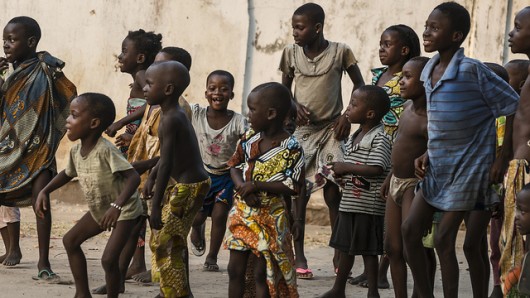
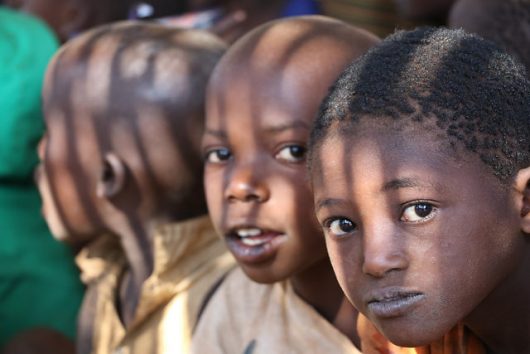
A large number of children in Nadjote, a small village located 18 km from the city of Dapaong, suffer from serious malnutrition. In order to combat this suffering, the Togolese government has established a safety net program aiming to financially help the most vulnerable households.

Specifically, the government set up a cash transfer program to provide financial assistance to households with malnutrition-suffering children in Togo.

This program is intended to provide a brighter future for children from the most disadvantaged families. Moreover, this program encourages households to obtain birth certificates for their children, offer them with education and health care.

Abna Kolani is one of the beneficiaries. She gave birth to seven children, but three of them died of malnutrition. As a beneficiary, during the past 12 months, she has received monthly financial assistance of 5,000 CFAF—around $9—for the children’s feeding and education.

According to the World Bank article, Abna noted that “With the money I receive each month to provide my youngest child with better nutrition, I can provide healthier food for all my children. I see a big change in their physical condition— their health and hygiene conditions are much better than before.”

“When they are sick, I can take them to the health center to receive care. In addition, the program has allowed me to send my eldest child to school and now all four have birth certificates.” Abna continued.

The project was launched by the Togolese government in 2013 and supported by the World Bank and the Japanese government.

Cooperating with the United Nations International Children’s Emergency Fund (UNICEF), the program is aimed for parents with children between the ages of 0 and 24 months in the Kara and Savanes regions where malnutrition rates are extremely high.

Nanifei Lardja is another mother living in Nadjote mentioned in the World Bank article. Naniferi has five children, and she says, “I buy corn for 2,000 francs, soap for 1,000 francs, and small fish for 1,000 francs. I have my small plot for the vegetables I need and put aside the remaining 1,000 francs for other possible expenses.”

The program gives her not only material support but also confidence for a better future with her children.

“We are very pleased to note that the support activities organized, in particular the educational talks on the rights of children, nutrition, health and basic family practices have produced largely positive effects,” said Joachim Boko, a Social Protection Specialist at the World Bank.

According to Pounpouni Koumaï Tchadarou, the Regional Director for Social Action in the Savanes region and Program Coordinator, this program offers much more than mere financial assistance. Besides the 5,000 francs supplement, this program also provides a range of services, such as reminders of regular prenatal care and children’s register.

“We do everything to ensure that school-age children attend school. We also do home visits to heighten the awareness of the beneficiaries regarding the role played by good hygiene in improving the health of their children,” said Tchadarou.

“One day, you will come back here and see that the children you have helped have become teachers, nurses, and doctors,” said Yom Kouloukitibe, one of the 14,016 recipients to date of this financial assistance.

Shengyu Wang

Sources: World Bank 1, UNICEF, World Bank 2
Photo: Flickr

Town Installs Outdoor Refrigerator to Feed the Hungry in Spain
There are 795 million people worldwide who do not have the resources available to them in order to lead a healthy lifestyle. That means that one in nine people in the world do not have enough food and often live in hunger.

UNICEF estimates that 20 percent of the children in Spain are living below the poverty line and hunger is becoming a more relevant problem in the country. In 2013, Spain distributed breakfast and snacks for 50,000 kids at risk of exclusion.

Seventeen percent of Spanish children are obese and living below the poverty line and do not have access to fresh food, fruit or vegetables.

Unemployment has been climbing since the 2008 financial crisis and Spain was one of the hardest-hit countries. People who once held regular jobs are out of unemployment benefits and are turning to squatting and collecting food from the garbage outside of stores.

In Galdakao, Spain, people are putting leftovers in a fridge on the street in order to feed the hungry.

The city has a population of 30,000 and created a communal refrigerator to help eradicate hunger in their town. After Alvaro Saiz, who ran a food bank in Galdakao, saw starving people digging through trash outside of stores and restaurants he decided there was a better way to not waste unused food through a new organization called Solidarity Fridge.

People in homes, people on the streets, and restaurant owners now take their unused food and put it in the communal fridge for the people who need it most to eat.

The project cost $5,500 and they had to change the law to prevent any legal action against the city if someone got sick. However, no raw meat or eggs are allowed in the fridge and anything in the refrigerator after four days must be thrown out. Solidarity Fridge says no food remains more than a few hours before it is taken by someone who is hungry.

Solidarity Fridge has become a learning experience for children as well. Schools organize field trips to visit the fridge and teach children about sharing and not wasting food.

One-third of food produced is wasted or lost every year, which is 1.3 billion tons. The entire net production of food in sub-Saharan Africa is 230 million tons. Solidarity Fridge may be a future model for other cities around the world wanting to feed the hungry while cutting down on wasting food.

Donald Gering

Sources: Good News Network, New York Times, Revolting Europe, UNEP, WFP
Photo:  Flickr


In 2013, the United Nations reported that eating insects could reduce world hunger and food insecurity.

Eva Muller, a Director of Food and Agriculture Organization (FAO) says, “Insects are not harmful to eat, quite the contrary. They are nutritious, they have a lot of protein and are considered a delicacy in many countries.”

In fact, scientists have discovered over 1,900 edible insects. Some of these include beetles, wasps, caterpillars, grasshoppers, worms and cicadas. Scientists also claim that insects have more protein than beef and other meats.

Insects may also be better for farming than pigs and cows. Not only are insects easier to raise, but they also require less water, feed on waste materials, and produce less greenhouse gasses than cows and pigs. Insect farming could even provide income-generating opportunities for people in rural areas, which ultimately could decrease poverty and end world hunger.

After the report was published, Muller said, “Consumer disgust remains one of the largest barriers to the adoption of insects as viable sources of protein in many Western countries.”

Recently, however, eating insects has gained more popularity.

Daniella Martin, author of the blog Girl Meets Bug, says, “At any angle you look at it, insects have the advantage. They’re ecologically sustainable, use fewer resources and are a high-protein option. It’s also cleaner than livestock.”

Insect recipes are proving to be incredibly trendy, but most importantly, accepted by consumers.

With this in mind, perhaps more researchers can perfect technologies to grow insects in large numbers to feed people all around the world.

Bugs can do more than save the lives of the hungry, but can also conserve our planet.

Kelsey Parrotte

Sources: Armenpress, Business Insider 1, Business Insider 2,
Photo: BugsFeed

America's-poor
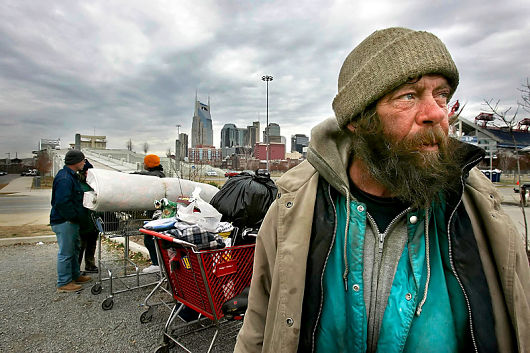
The Huffington Post has started exploring the lives of America’s poor in a novel way. Rather than reporting on them, it asks the poor themselves to write about their experiences. All their stories are consolidated under a page entitled “All Work and No Pay: False Promises of the American Economy” on the Huffington Post’s website. While many are from people who live under the poverty line, others are from those who earn well above it–and still struggle to make ends meet. Here are a couple of common themes in these stories:

  1. You can work incredibly long hours for almost no money but still look for more opportunities for extra hours. You are almost always exhausted, and leisure time becomes impossible.
  2. Saving and planning for the long-term becomes very hard when you are living paycheck to paycheck. In addition, there’s a nagging fear of losing everything you have anyway. Disaster, often in the form of a simple unaffordable car crash, can be just around the corner.
  3. The struggle of the “in-betweeners.” You work multiple jobs to make ends meet, but by doing so, earn too much to qualify for government assistance. This creates multiple problems. For instance, you are not eligible for day-care assistance for your children but are yourself so busy that it is difficult to look after them.
  4. It can cost a lot of money just to keep your job or try and find a new one. Transportation and car maintenance costs are often unaffordable. A better job with longer-term prospects can be out of reach because it is simply too far away.
  5. Even if you have high qualifications and lower your standards drastically by agreeing to work for minimum wage, it is still very difficult to find work. Many employers shun “overqualified” or older people, believing they will be more demanding.
  6. You make shortsighted financial and health decisions because having small pleasures from time to time makes life worth living. For instance, you might pick up smoking to relieve your stress, while choosing to ignore its long-term effects.
  7. Investing in your future, such as going to school, can make your life more miserable. It adds to your stress and depression and makes it harder to pay your bills. Crippling student debt has driven people towards a lifetime of debt.
  8. It is difficult to socialize with friends because you are too busy and do not want to spend extra money.
  9. You often avoid basic medical treatments, like going to the dentist. Even when you are experiencing something more serious, the tendency is to avoid going to the doctor for as long as possible.
  10. Sometimes you just go hungry. Especially if you have kids and need to feed them instead.
  11. Having kids is something that needs to be a decision that is very carefully examined. Partners often realize that they cannot afford children and give up the dream of having them.

Radhika Singh

Sources: Huffington Post 1, Huffington Post 2
Photo: Epic Times

Experience_With_Hunger

In April 2015, actress Gwyneth Paltrow accepted the #FoodBankNYCChallenge, which required her to live on a food budget of $29 for one week. Now she reflects on her experience with hunger and the challenge.

Celebrity chef and founder of the challenge, Mario Batali, says, “For one week, walk in someone else’s shoes. Knowledge is power, and by truly understanding what our friends and neighbors are going through, we will be better equipped to find solutions.”

Concerned with the cuts Congress was making to food stamps, Batali sought to encourage people around the United States to experience the difficulty of living on a miniscule allowance.

In addition to nominating Gwyneth Paltrow, he nominated celebrities Sting and Deborah Harry, neither of which participated but donated to the World Food Bank.

Soon after accepting the challenge, Paltrow snapped a picture of her purchases for the week. The caption read, “This is what $29 gets you at the grocery store—what families on SNAP (food stamps) have to live on for a week.” The picture showed brown rice, black beans, a carton of eggs and vegetables.

Her food choices received criticism, especially because the items did not offer the average person’s weekly worth of calories. However, her picture showed how difficult it is to eat healthy while living on food stamps.

Chief marketing and communications officer for the Food Bank of New York City, Silvia Davi, says, “Serving fresh produce is a very big part of what our program offers to families. What we distribute on a regular basis is fresh produce, a lot of the things that were in her image and in her photo.”

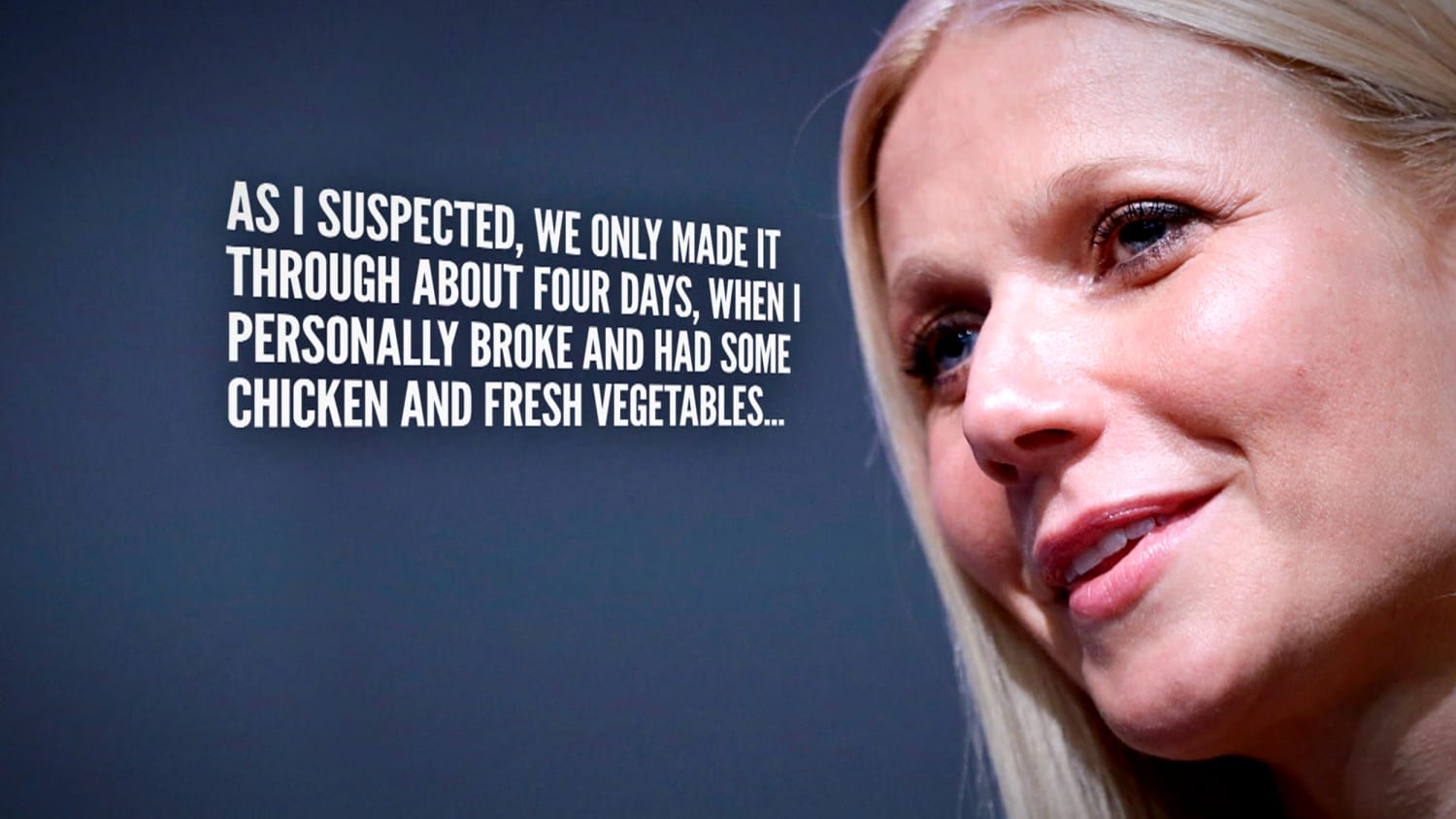
Paltrow admits that within four days she quit the challenge and ate chicken and fresh vegetables.

Reflecting on her four-day experience with hunger, Paltrow says, “My perspective has been forever altered by how difficult it was to eat wholesome, nutritious food on that budget, even for just a few days—a challenge that 47 million Americans face every day, week, and year.”

By walking in the shoes of the millions who survive on food stamps, Paltrow is grateful that she can afford to feed herself and her children healthy food.

She says, “I know hunger doesn’t always touch us all directly—but it does touch us all indirectly.”

Most importantly, Paltrow recognizes that hunger impacts millions of people around the world. She declares, “Let’s all do what we can to make this a basic human right and not a privilege.”

In addition to participating in the challenge, Paltrow contributed $75,000 to the Food Bank of New York City.

– Kelsey Parrotte

Sources: Daily News, Upstart Business Journal, Huffington Post, E News, Food Bank for New York City, The Wrap
Photo: ABC Today