Posts

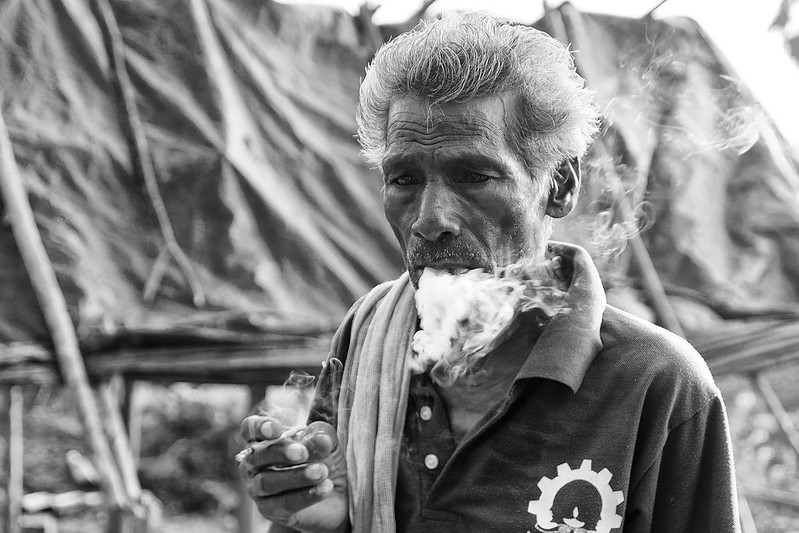
Substance Abuse and Poverty in IndiaMost Indian films begin with a smoking or tobacco prevention advertisement. The stories in these ads primarily surround low-income families and occasionally a middle-income home. This inference stands as testimony to the common knowledge of the interconnection between substance abuse and poverty in India. 

These substances have led to serious addiction among young and old generations alike. They have also played roles in increasing fatal road accidents, criminal activity and, of course, poverty. Over the years, the government has focused on building rehabilitation centers and raising awareness among the public. 

That being said, the lower-income strata of the Indian economy still show higher risks of falling into substance abuse and the subsequent negative consequences. This has prompted the Indian government to give more attention to dismantling the nuances surrounding the issue. 

An Overview of Substance Abuse and Poverty in India

In the last two decades, several researchers have focused on the correlation between poverty and substance abuse. Substance abuse in the form of chewing tobacco, consuming alcohol and cannabis remained the point of study. Results suggest that populations residing below the poverty line are more prone to abusing and getting addicted to these substances. 

A 2016 PubMed study reported that 72% of abusers in its sample were laborers or individuals from lower-income strata. Furthermore, slum areas have emerged as key regions for substance abuse among children, including glue and other inhalants. Children often turn to these substances to cope with harsh living conditions, such as extreme cold or unsanitary environments.

Thirdly, substance abuse is also highly prevalent among convicted offenders. A 2025 study found that moderate substance users exhibited higher risks of criminal behavior, while low-level users showed lower risks of unstable or criminogenic traits. These findings highlight the harmful effects of substance use on impoverished communities and underscore the additional risk factors to which these substances expose vulnerable populations.

Substances as Cause and Effect of Being Poor

When looking at causative factors for the correlation of substance abuse and poverty in India, more complex aspects arise. Experts state that most tobacco and alcohol industries target customers from low-income families. They keep prices and accessibility cheap with discounts to facilitate affordability. 

Industry leaders present these substances as an escapism for people with low incomes from their harsh realities. Many studies state that people turn to substances as a coping mechanism to endure the hardships of everyday life. However, the result is that these substances further deteriorate living conditions. 

Statistics show that tobacco use increases the likelihood of a household being pushed into poverty by 3.4% to 3.7%. Furthermore, addicted individuals often spend large portions of their limited income on tobacco or alcohol. Addiction and increased substance use also lead to major diseases, such as cancer and liver cirrhosis. 

This, in turn, pushes households further into poverty, especially since these individuals are often the primary earners in their families. Thus, substance abuse both initiates and sustains a vicious cycle within impoverished communities in India.

Why Does Breaking the Cycle Matter?

A vicious cycle, such as the one between substance abuse and poverty in India, requires targeted attention. Experts say that breaking the cycle requires increased awareness and education. While the ideal solution would be the elimination of these substances, moderating use or preventing addiction can be a starting point. 

Intervention and awareness strategies remain the foremost requirement in combating substance abuse, which contributes to poverty. Over the years, the government has worked to include these topics in school curricula and many outreach programs exist today. Many NGOs also conduct regular awareness sessions in impoverished communities, educating people about the harmful effects of substance use.

These sessions play a vital role in raising awareness and caution among people exposed to these substances. Furthermore, governments and nonprofits have established numerous correctional and rehabilitation institutions to help those addicted to tobacco, alcohol and cannabis.

Governmental Schemes and Correctional Institutions

The Indian government has introduced several intervention strategies to reduce and mitigate the negative impacts of substance abuse. A detailed report published in 2023 explored the various programs launched in the last two decades, including the National Tobacco Control Program (NTCP). The NTCP, introduced in 2007–2008, works strategically to cover all regions of the nation. 

This task force takes a multifaceted approach to preventing tobacco addiction and abuse. It organizes awareness programs for the public, collaborates with schools to educate children and partners with NGOs to help affected individuals quit. The NTCP has also partnered with the WHO to set up 19 tobacco cessation clinics since 2005.

The report also states that the latest Global Adult Tobacco Survey (GATS) shows a rise in smokers planning to quit, increasing to 55.4% from 46.6% in the previous GATS survey.

Looking Ahead

In India, as in any other country, experts describe poverty as a multifaceted problem requiring a multifaceted solution. Identifying pain points, such as the connection between substance abuse and poverty in India, helps officials address these issues with the right strategies. As a result, many individuals can break free from the harmful risks posed by these recreational substances and improve their lives.

– Shafika Fathima

Shafika is based in Chennai, India and focuses on Good News and Global Health for The Borgen Project.

Photo: Flickr
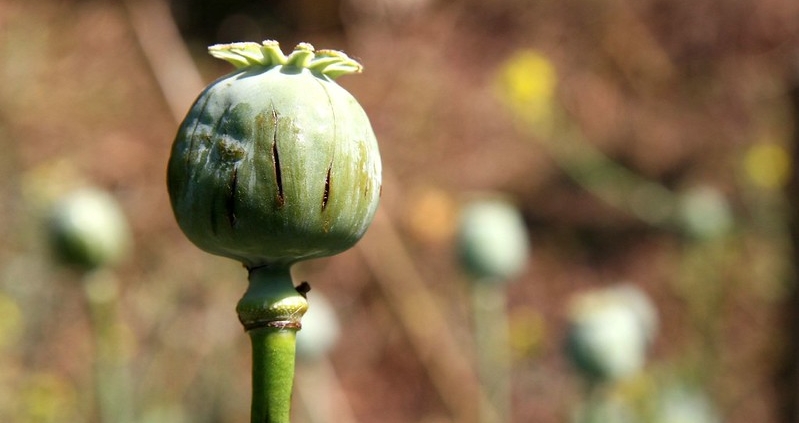
Poverty in Northern ThailandDuring the 20th century, the Golden Triangle, the region where Thailand, Myanmar and Laos meet, became infamous for its opium production. Northern Thailand’s farmers relied heavily on the opium poppy as the foundation of their livelihoods. Unfortunately, this dependence on opium also entrenched poverty in these rural communities.

To address this, the Thai government has worked to reduce poverty in the region and promote alternative livelihoods through agriculture, coffee cultivation and tourism. The Royal Project Foundation, launched as the Royal Hill Tribe Assistance Project in 1969, has fundamentally transformed the way of life for the hill tribes and villages. Today, visitors can explore villages in provinces such as Chiang Mai and Chiang Rai to see how indigenous communities and migrant ethnic groups have embraced the government’s initiative. 

Poverty in Northern Thailand 

In recent years, Thailand has made notable progress in reducing poverty. Measured against the $8.30-per-day upper middle-income poverty line, the country’s poverty rate was 9.9% in 2023. However, high income inequality and regional disparities remain persistent challenges.

Poverty disproportionately affects agricultural communities due to the country’s reliance on farming jobs. According to the World Bank’s “Rural Income Diagnostic,” 79% of Thailand’s impoverished population lives in rural areas. Northern Thailand, in particular, continues to face heightened poverty levels; in 2013, the rural poverty rate in the region was around 17.8%, compared to 6.7% in central Thailand. 

Within this context, the region’s hill tribes and villages continue to navigate economic challenges.

The King’s Vision: Peaches and Agriculture

In 1969, His Majesty King Bhumibol Adulyadej visited Doi Pui, a mountainous village in Chiang Mai and home to the Hmong tribe. Like many rural communities at the time, the Hmong were heavily involved in growing drug crops and participating in the opium trade, resulting in low incomes and poor living conditions. Recognizing these challenges, the King proposed a new agricultural model focused on fruit trees, specifically peaches. 

This shift aimed to address the legal issues surrounding opium production, reduce local poverty and curb deforestation. “One of the reasons underlying the creation of the project was humanitarianism,” stated the King. The visit to Doi-Pui gave the King a vision he could apply to northern Thailand as a whole. He promptly initiated the Royal Project to help alleviate poverty across the region.

Obstacles and the Royal Project Foundation Today

Nearly 60 years later, the Royal Project Foundation continues to operate across five northern provinces, benefiting as many as 37,561 farming families. Its progress was far from linear, as the project faced significant obstacles in its early years. The first attempts to grow fruit trees failed, requiring collaboration with experts from Taiwan and experiments to adapt to northern Thailand’s unique climate before successful cultivation could be achieved.

As the project has progressed, tourism has become an integral part of the initiative, with visitors coming to see the cultivation of tea, fruit and coffee, as well as reforestation projects. Today, the project has transformed the incomes of its people and has significantly reduced poverty in northern Thailand.

Conclusion

The King’s blueprint for a prosperous countryside in northern Thailand, one where the people could work in tandem with the earth to support themselves, is an exceptional example of vision yielding tangible change. The lives of those who once relied on opium production to survive have been fundamentally transformed by a targeted poverty reduction project centered on sustainable agriculture and economic opportunity. Northern Thailand stands as an exemplary global showcase of what effort and initiative can achieve. 

– Polly Laws

Polly is based in Cardiff, Wales and focuses on Good News and Politics for The Borgen Project.

Photo: Flickr

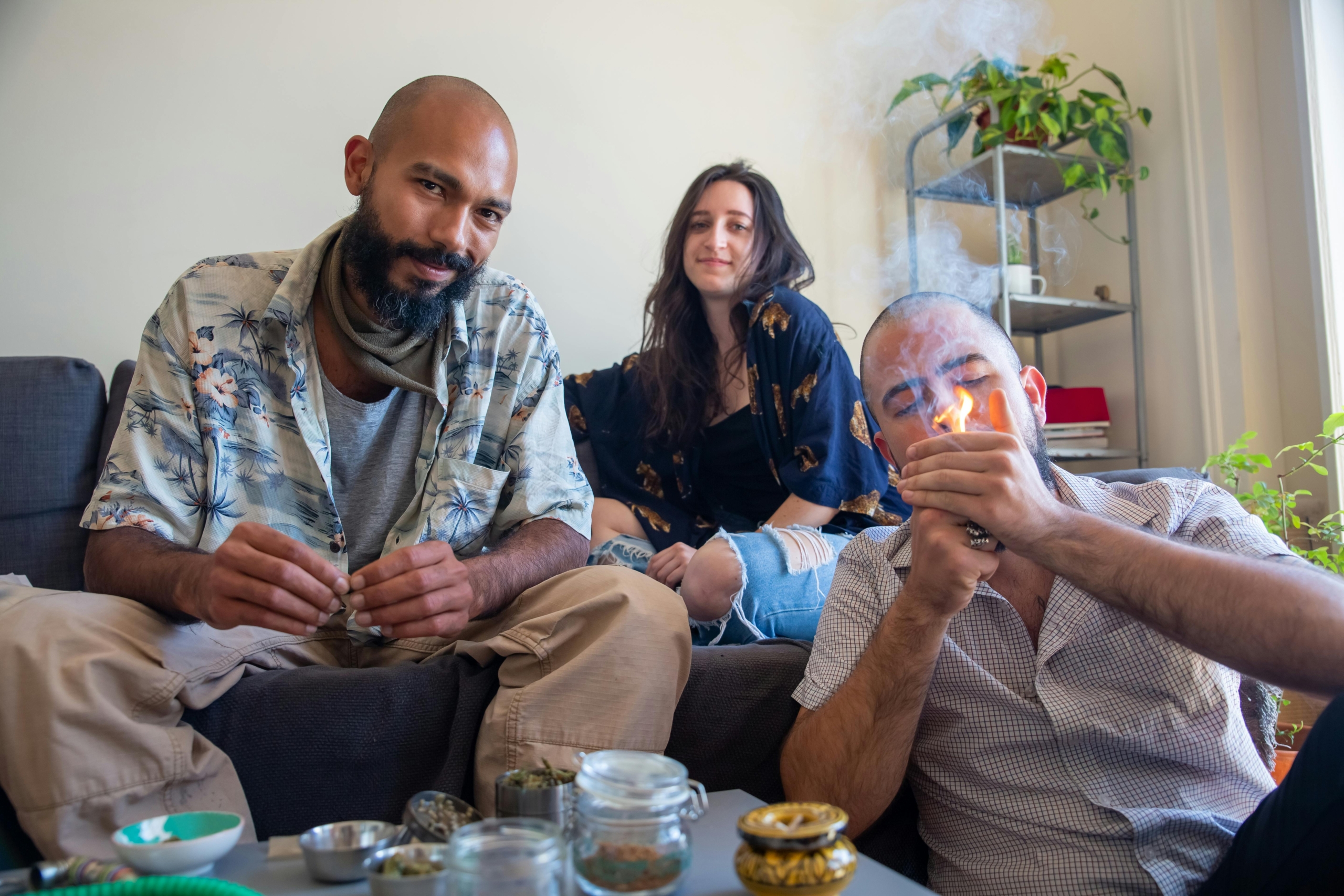
Poverty in Saint Vincent and the GrenadinesIn 2018, Saint Vincent and the Grenadines decriminalized possessing up to two ounces of marijuana and Parliament passed laws to establish a medical cannabis industry. Vincentians use and appreciate the medicinal properties of cannabis, as well as the pivotal role it can play in reducing poverty in Saint Vincent and the Grenadines. In 2024, 18% of Vincentian adults were unemployed; youth were twice as likely as adults to be unemployed.

Additionally, the country’s volcano (La Soufrière) erupted in 2021. Coupled with the then-recent COVID-19 pandemic, the country faced huge economic setbacks. Whereas before the pandemic, only 4% of children in Saint Vincent were below the poverty line, this has now risen to 18%. Therefore, due to the industry’s up-and-coming market, utilizing cannabis in Saint Vincent is key to recovering the economy and securing jobs for unemployed young people.

Boosting the Economy

Ironically, it is the volcanic soil that makes cannabis in Saint Vincent high-grade and fast-producing. As a result, cannabis became an instrumental trading tool during the country’s recovery from the volcanic eruption. More recently, Saint Vincent has reported more than EC$60 million (slightly above $22 million) in private investment in its cannabis industry.

Beyond just trading, the small country is also now gaining an international reputation for its high-quality marijuana. In October 2025, Saint Vincent will host the annual CannaBliss festival for the second time. This is a four-day event that attracts customers from around the globe and dually acts as a chance for networking among the medicinal cannabis industry.

Not only does this boost Saint Vincent’s tourism industry, but it is also a chance for the country to share its culture with the world. The festival will feature reggae singers with international fame. However, it will also be a chance for local Vincentian singers to display their talent!

Medicinal Benefits

Due to cannabis’s unique medicinal uses, the drug is experiencing increasing demand worldwide, with the medicinal cannabis market expected to reach $58 billion in sales by 2028.

The United States Food and Drug Administration (USFDA) currently uses Epidiolex, which contains cannabidiol, to treat seizures. It also uses Marinol and Syndros, which contain Tetrahydrocannabinol (THC), for therapeutic purposes such as treating nausea associated with cancer chemotherapy and anorexia related to weight loss in AIDS patients. The USFDA continues to research additional medical applications of cannabinoids.

Meanwhile, the cannabis market is expanding globally. The U.K., Canada and several European countries have, for the first time, approved a plant-derived cannabinoid drug (Sativex) for medical use.

Supports Cultural Practices

Emerging in ’30s Jamaica, the religion Rastafari celebrates marijuana as a gift from God. Rastas believe in peace and living organically; they often adjust their language to avoid negative terms, oppose violence and oppressive systems such as capitalism and are typically vegetarian. Rastas use marijuana ritually to help enlighten their minds; before smoking the plant, they pray to Jah (God) or to Haile Selassie I.

Moreover, supporting Rastas means supporting local farmers. Since decriminalizing cannabis in Saint Vincent, farmers can now obtain a subsidized licence to grow marijuana and companies must buy 10% of their plants from traditional agriculturalists. Before this, it was difficult for Rastas to make a living.

Farmer Bobbis Matthews said to the Guardian, “It was hard! At least three times a year, U.S. helicopters would come and tear down the crop. In those days, it felt like you couldn’t even say the word marijuana because just to say marijuana, you could get arrested.” “We had a song called ‘Helicopter.’ It was about the panic and franticness whenever you hear the sound of the helicopter,” he continued.

Now, local farmers can live and celebrate their culture legally. The growing industry has created 2,500 more jobs for a country with low employment rates. Saint Vincent has also provided additional training in best cultivation practices to support the market and farmers further.

Final Comments

Overall, Saint Vincent and the Grenadines demonstrates how cannabis can be used ethically. The country is utilizing the plant for its medicinal benefits and its significance to the religious community. Marijuana’s rapidly growing market is also helping to reduce poverty in Saint Vincent and the Grenadines by increasing employment rates and expanding trading opportunities. This, in turn, is building a fast-growing industry that will play a pivotal role in the country’s future.

– Lysia Wright

Lysia is based in Derby, UK and focuses on Global Health for The Borgen Project.

Photo: Flickr
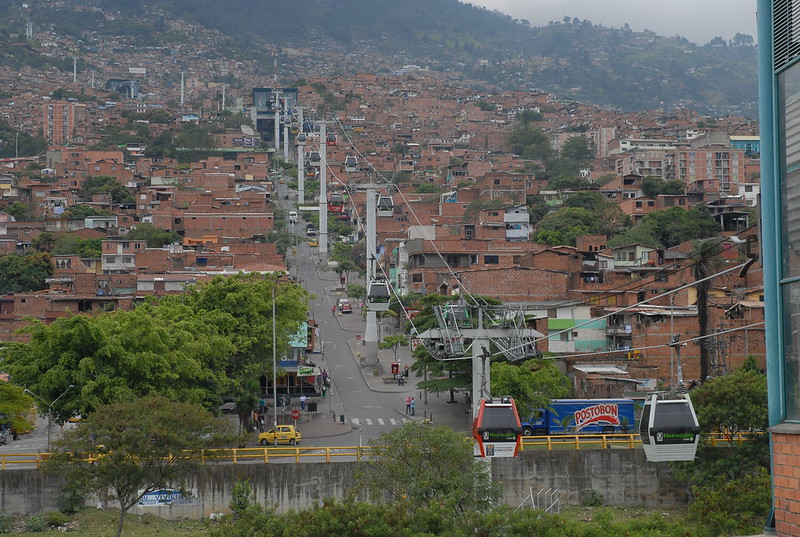
colombian drugIn the wake of a perpetual international drug issue, the Latin American “War on Drugs” has only increased in intensity – particularly in Colombia, the world’s primary international cocaine supplier, where drug-related influence is historically pervasive. According to the American Journal of Public Health, Colombian drug overdoses have increased by 356% from 2010 to 2021. SIVIGILA, the national public health surveillance system, found similar statistics from the same timeframe, reporting 127,087 substance-use-related overdoses among Colombian people ages 10 and older. These intervals reflect an upward trend in drug overdoses that has been unfolding over the past three decades.

Survey

Additional reports found that Colombian drug overdoses significantly increased in young women between 2018 and 2021. This likely links to the widespread emotional distress prompted by the COVID-19 pandemic and a corresponding increase in prescription administration. According to Think Global Health, many users are transgender (potentially using drugs to serve as an emotional coping mechanism for their social isolation).

In grouping overdoses by substance type, the Committee on National Security Systems administered a Colombian household survey; substances most frequently associated with Colombian overdose were “tranquilizers/sedatives/antidepressants (43%), cannabis (16%), stimulants (16%), alcohol (16%), and opioids (6%),” according to Columbia University. This data neglects to include Colombian drug use among homeless or incarcerated individuals who did not receive the survey.

Colombia’s Response to the Increase in Drug Consumption

In 2022, Colombia became one of 34 countries to implement take-home naloxone programs (used to reverse the repercussions of opioid usage). Later in 2023, Colombia joined 17 other nations in the institutionalization of drug consumption rooms (DCRs), together with international contention over establishing DCRs, which made international government sanctioning difficult to acquire.

These peer-run facilities oversee the safe consumption and injection of illicit drugs, essentially arguing that safe consumption is preferable to any alternative overdose. Facilities provide access to sterile supplies (i.e., syringes), on-site medical personnel, and resources on recovery; employees are either medical personnel or recovered users.

Cambie, the first official Colombian DCR

“Cambie,” which directly translates to the English word “change,” takes action that is intentionally and deeply rooted in the meaning of its name.

Not only is “Cambie” the first safe injection site sanctioned in Colombia, but it is also the first of its kind to exist in all of South America. The facility strictly injects heroin and follows an empathy-based model of care. In its first year, it effectively prevented 14 heroin-based fatalities, according to Think Global Health.

The Process

Upon entering the facility, clients receive a survey that allows Cambie to approximate the client’s safest dosage and injection site; its services are comparable to approximately 200 other international institutions. Based in the Santa Fe neighborhood of Bogóta, Colombia, the institution bolstered 87 clients within its first two years of operation. Resultedly, the surrounding community has experienced a reduction in public heroin use, injection litter, rates of sexually transmitted diseases, and overdose deaths, without experiencing a correlated increase in the frequency of crime or drug use.

Cambie is also spearheading research on injection supplementation; Psychologist and coordinator at Cambie, Daniel Rojas, conducted a study by providing 10 heroin users with hammer pipes, known for their substance-optimizing abilities, Think Global Health reports. The trade-in for hammer pipes welcomes the opportunity for users to manipulate a mechanism less likely to be riddled with contaminants. This may show particular benefits, considering how Cambie’s annual 2025 report indicated that the leading causes of overdose in users were abrupt  “dose escalation,” unawareness of dosage, abrupt post-abstinence use, and “concomitant use with other depressants.”

A Colombian “Good Samaritan” Clause

There is a critical distinction between personal administration and trafficking, the former of which is not reinforced by DCRs. Nonetheless, in an effort to reduce Colombian drug trafficking and overdose frequency, the Colombian 2023 National Drug Policy allocated $49.5 million in assets towards funding of small projects, like injection sites and DCRs.

The approach to drug administration resembles Massachusetts’s “Good Samaritan Clause,” a clause that reduces the stigma and criminalization of underage, by eliminating the risk of persecution when reporting a medical emergency as an indoxicated minor. The ultimate goal – prioritizing the social emphasis on wellbeing rather than indictment.

Conclusion

Harm reduction is not just a form of health intervention, but a safeguard of human rights. Not only do DCR facilities protect critical sanitary needs of drug users, but they also consider the emotional underpinnings of drug use and recognize the drug epidemic as a reflection of systemic inequity in health care access. The government has effectively protected some of its most vulnerable communities by approaching the Colombian drug epidemic through this empathy-based lens.

– Talia Gitlin

Talia is based in Natick, MA, USA and focuses on Good News and Politics for The Borgen Project.

Photo: Flickr

HIVAIDs in MyanmarMyanmar, formerly known as Burma, is one of 35 countries where 90% of HIV infections occur worldwide. As of 2017, the World Health Organization (WHO) found that Myanmar accounted for 224,026 HIV/AIDS cases, or 0.54% globally. This, though still considered prevalent, has declined at a steady pace. The new efforts began in 2016, with tremendous success resulting in the current year to lessen the effects of HIV/AIDS in Myanmar.

What Is Going On?

Myanmar has experienced ongoing civil conflict since gaining independence from British rule in 1948, with numerous constitutional changes ultimately leading to the establishment of a military-led (Junta) state. In 2021, the country descended into full-blown civil war after the military disputed the results of a general election in which the National League for Democracy won a majority. Claiming electoral fraud, the military carried out a coup, detaining elected leaders and seizing control of the government. Since then, the conflict has escalated and continues to this day.

The majority of Myanmar’s citizens support the pro-democracy resistance against the Junta, and that support has made an impact. Despite initiating the conflict, the military has gradually lost ground to opposition forces.

Poverty Rates

Before the civil conflict, Myanmar had a small but growing middle class, and the economy experienced rapid growth throughout the 20th century. However, in the 21st century, shifting government policies and international sanctions slowed this progress. Poverty is growing at an alarming rate. Today, nearly half of the Burmese population lives below the poverty line. This sharp rise in poverty has directly contributed to a range of serious health issues across the country. On top of these challenges, Myanmar follows an “out-of-pocket” healthcare system, which means individuals must cover their medical expenses themselves, making it even harder for those living in poverty to access the care they need.

Because the country is experiencing division and conflict, it has become nearly impossible for many Burmese people to afford or access proper health care. The ongoing unrest has made it even harder for everyday citizens to get the medical help they need. This shows just how urgent the need is for support, whether from the government or international aid organizations. While HIV/AIDS is already a serious health issue in Myanmar, it is not the only one. As poverty increases and the civil crisis continues, more and more diseases are beginning to spread, putting vulnerable communities at even greater risk.

What Is Stopping the End of HIV/AIDS in Myanmar?

Among those infected, 41% are female sex workers, 31% are queer men and 28% are people who inject drugs. Because of the criminalization of sex work, homosexuality and drug usage, many people with HIV/AIDS are scared to accept treatment. The Aids Datahub found that 7% of individuals who avoided going to treatment clinics were scared of punishment and the stigma surrounding HIV/AIDS.

If a person is found “guilty” of homosexuality, they can be sentenced to up to 10 years of prison. An individual found guilty of soliciting can serve up to 6 years in prison. Lastly, Myanmar is the leading source of opium and heroin, two injectable substances. The United Nations Office on Drugs and Crime (UNODC) predicts that up to 90,000 Burmese people inject drugs, or about 0.23%.

The UNODC has also found that overall drug use has declined steadily from 2020 to 2024. Programs that are working to limit drug use or encourage “safer” drug use in high usage areas in Southeast Asian countries (Myanmar, China and Bangladesh) are helping to reduce the usage of injectable drugs and the number of new HIV/AIDS infections in Myanmar.

What Is Going Right?

This downward trend is largely due to a renewed national HIV response strategy launched in 2016. These efforts focused on expanding access to antiretroviral therapy (ART), improving testing and counseling services and targeting high-risk populations through community-based outreach. By 2023, more than three-quarters of people living with HIV in Myanmar were receiving treatment, marking a major public health achievement despite ongoing political and social challenges.

Despite civil war breaking out in 2021, efforts to maintain access to antiretroviral treatment to minimize HIV/AIDS in Myanmar remain strong. According to the AIDS Data Hub, new infections have declined to fewer than 10,000 per year. Of the 280,000 suspected cases, 216,757 have been confirmed. All confirmed individuals are receiving antiretroviral therapy (ART).

Beginning in July 2020, Myanmar introduced Pre-Exposure Prophylaxis (PrEP), where people routinely take ART to reduce the chances of getting HIV. It is still implementing this preventative measure today. Many foreign aid programs, such as USAID, the Global Fund and the National AIDS program, are funding access to PrEP.

What to Takeaway?

Despite ongoing conflict and growing poverty within the country, national and international efforts to curb the spread of HIV/AIDS in Myanmar remain strong. The number of new infections continues to decline annually, bringing the country closer to the global 2030 goal of eliminating new HIV cases. Access to treatment has significantly improved, with antiretroviral therapy (ART) and pre-exposure prophylaxis (PrEP) available to all individuals who seek it, regardless of background or risk group. 

– Abby Buchan

Abby is based in York, PA, USA and focuses on Global Health for The Borgen Project.

Photo: Flickr

Lymphatic FilariasisPoverty and health are inextricably linked, with both negatively impacting each other. The main way they affect each other is through financial burdens, where people experiencing poverty are in a position where they can’t purchase the necessary things to support good health, such as quality food or health care. This is also impacted by people with low incomes often lacking the necessary guidance or information on the best practices that lead to a healthy life.

Poor health can also cause poverty in multiple ways. This happens mainly due to the direct costs of seeking health care and its associated costs, such as transportation to a hospital or medical professional. Furthermore, “the considerable loss of income associated with illness in developing countries” can greatly impact the sick individual and family members who may have to stop working or postpone their education to care for the ill relative. This is especially the case for those in extreme poverty (living below $1.90 a day), where people are often living hand-to-mouth with limited to no financial security if they can’t work.

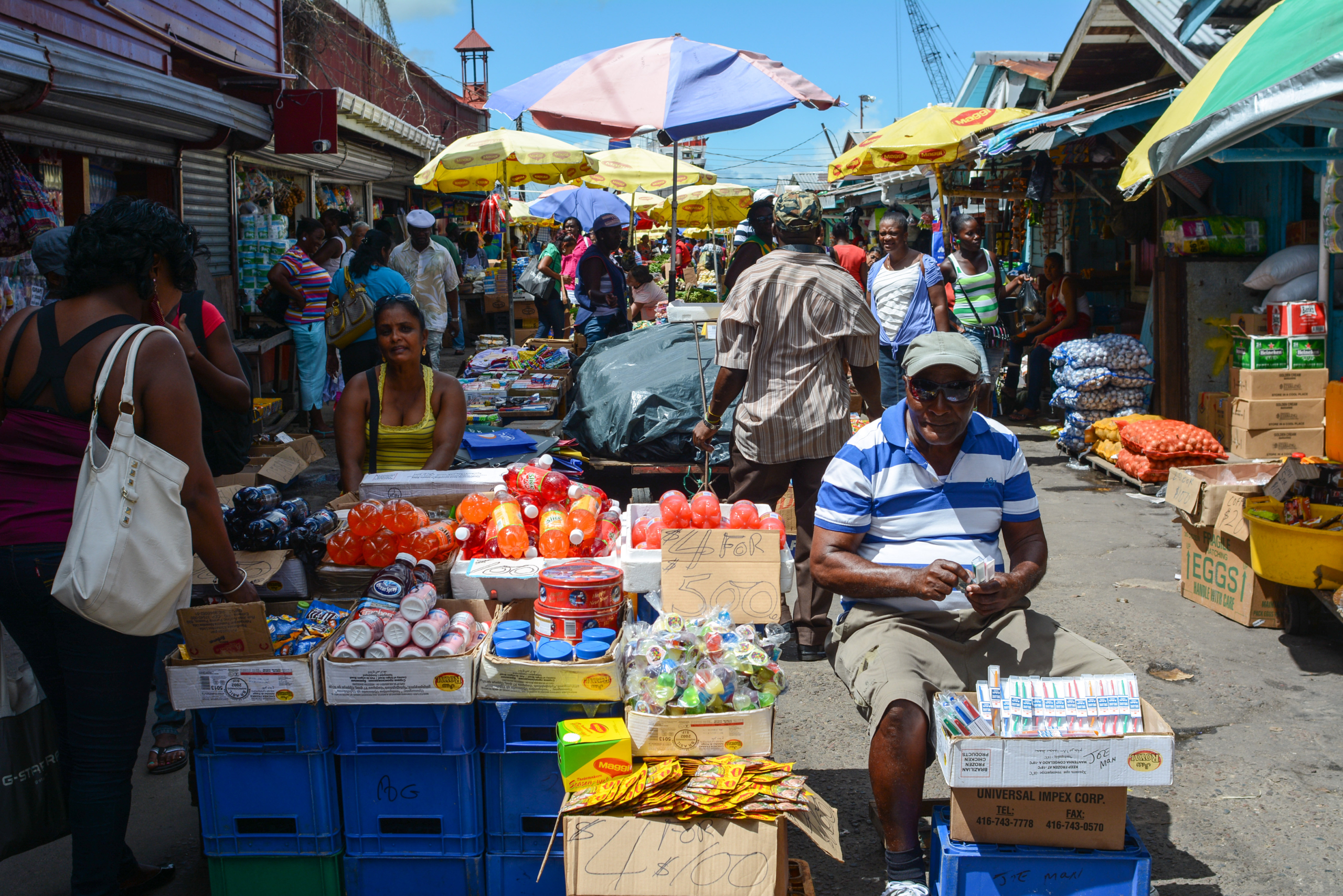
Guyana and Lymphatic Filariasis

Guyana has around 800,000 people, with 90% living on 10% of the country’s total land area. Despite this, Guyana still has a relatively low population density. Due to recent discoveries of oil resources, Guyana’s gross domestic product (GDP) is growing quickly, with a growth rate of 42.3% from 2020 to 2023 but a GDP per capita of $18,199 in 2022.

However, the country still has a significant portion of its population living in poverty, with 48.4% living on less than $5.50 a day in 2019 and it’s estimated to be around 38% currently. Furthermore, in 2022, the Global Nutrition Report noted that 3.2% of the population lived on less than $1.90 daily and 4.7% on less than $3.20 daily. Guyana’s universal health care coverage is promising at 76% on the associated index in 2021, up from 65% in 2011. However, it hasn’t advanced in recent years.

One of the most impactful diseases in Guyana is Lymphatic Filariasis, which is endemic in the country, making it one of four countries in the Americas with such a status. However, the Pan American Health Organization considers lymphatic filariasis “potentially eradicable.” The efforts being made to eliminate lymphatic filariasis in Guyana support this claim. The disease can damage the lymphatic system, with symptoms often appearing later in life. These symptoms include lymphedema and hydrocele—swelling typically around the legs and groin—which can cause permanent disability or disfigurement, leading to social ostracism.

Globally, 120 million people are infected with lymphatic filariasis, with one-third suffering from disability or disfigurement as a result. Given the potential impact on daily life, such as restricted movement that can affect one’s job, particularly in agriculture (a significant industry in Guyana where 17% of workers are employed), the impact on those in poverty is substantial.

Guyana’s Mass Drug Administration Campaign

In Guyana’s efforts to eliminate lymphatic filariasis, the country has launched its third mass drug administration (MDA) campaign, targeting at-risk populations in two regions. The first round of MDA took place in 2019, treating 75.7% of the population, followed by the second round in 2021, which treated 72% of the population. The country is administering a drug regimen called IDA, which includes three separate drugs: Ivermectin, Diethylcarbamazine (DEC) and Albendazole.

In the current round of MDA, “700 trained volunteers and health workers are visiting schools and workplaces and will go door-to-door in regions three and four to administer pills” to bring closer the eradication of lymphatic filariasis in Guyana. With this aim in mind, they are stressing to people that participating in the MDA isn’t only for the health of the country but also the health of their community and families – a method supported by a study conducted on prior participation in MDA in Guyana.

Final Remark

The MDA campaign is bringing the elimination of lymphatic filariasis in Guyana closer. This, in turn, decreases the disease’s burden on those in poverty in the country, reducing the prevalence of the symptoms and, therefore, the impact it has on individuals’ abilities to work and those who would have had to care for those infected. The campaign will further benefit Guyana’s more remote communities, which may lack easy access to universal health care and social support, thereby increasing the impact of contracting lymphatic filariasis in these areas. By participating in the MDA campaigns, people in Guyana are more likely to avoid serious symptoms and maintain a normal life. This reduces the overall impact of lymphatic filariasis, particularly on those in poverty and helps break the cycle of poverty exacerbated by the disease.

– Archie Day

Archie is based in St Andrews, Scotland and focuses on Technology and Global Health for The Borgen Project.

Photo: Wikimedia Commons

Lebanon’s Hash“Our hash is the best,” said former President of the Lebanese Republic, Michel Sleiman, despite the country’s illegal status on the cultivation, trading and usage of hash. Although meant as a joke, it still points to the popularity of the drug and its transformation into a necessity. In a study done by the European Monitoring Center for Drugs and Drug Addiction (EMCDDA), 53% of cannabis users confessed to an increase in hash consumption following the 2020 Beirut explosion, citing relief from anxiety as one of their primary motivations.

Lebanon’s Hash Industry

Lebanon has been cultivating and exporting hash for 100 years. Despite being the fourth smallest country in the region, Lebanon ranks among the top four largest hash producers in the Middle East, raking in millions of dollars annually. The amount of profit that hashish produces on an annual basis in Lebanon is difficult to pin down since the production of the drug is still illegal and, therefore, remains heavily undocumented.

In 2020, however, following a devastating economic crisis, the Lebanese government and the McKinsey consulting company produced a financial plan titled “Lebanon Economic Vision.” The document proposes that the legalization of hash for medical and recreational use could increase drug exports from $828 million to $1.79 billion by 2025. This revolutionary idea could mean an unprecedented cash flow into Lebanon’s long-neglected agricultural sector.

Where the Money Flows

Most of Lebanon’s illegal hashish farming occurs in the Bekaa Valley, a stretch of farming land that is 70 miles long and 16 miles wide. Many farmers have switched to growing hash after the economic crisis in 2019, which kept Lebanon’s inflation in triple digits for years. Many farmers have switched to growing hashish because it is cheap. Cultivating one-tenth of a hectare of a hash farm costs $150, while other crops, such as wheat, can cost up to $3,000.

Legalizing Lebanon’s Hash

In light of this trend, there has been growing pressure on the Lebanese government to legalize hash for domestic use and export. As of today, 55% of Lebanese youth are for the recreational use of hash and up to 75% of them are for its medical use. The growing popularity of Lebanon’s hash has also been apparent in parliament.

In 2020, the government passed legislation that allows for the farming of local medicinal cannabis (less than 1% tetrahydrocannabinol). However, the methods of injection into the market, the regulation and taxation of the market remain undefined and therefore make the drug illegal still.

Final Remark

With an ongoing war in the South and a financial crisis that a weak central government prolongs, the legalization of hash can be seen either as a temporary impossibility or a possible lifeline for the country.

– Carl Massad

Carl is based in Sarba, Jounieh, Lebanon and focuses on Politics for The Borgen Project.

Photo: Pexels

Mexico's Drug War Affects EducationSince the Mexican government declared war against drug cartels in 2006, nationwide violence between cartels, police and the military has been taking a steep toll. The National Institute of Statistics and Geography (INEGI)  estimates the war led to 300,000 homicides and the disappearance of 66,000 people since 2006. This increased violence raises particular concern about how Mexico’s drug war affects education quality.
Major Disruption to Mexico’s Education System

Widespread violence from the drug war has caused mass school closures, negatively affecting the quality of education Mexican youths receive. Between 2019 and 2020, cartel violence forced school closures in eight states: elementary schools closed 104 times, junior high schools 51 times, preschools 49 times, high schools four times and universities three times. These forced closures caused severe disruptions for Mexican youths, undermining the quality of their educational opportunities. The World Bank reported in 2020 that only 72% of Mexicans used the internet, implying difficulties for remote learning options.

A study collected data during the 2000s and captured stark differences in education quality between areas with high rates of violence and areas with lower violence. Student absenteeism in high violence areas was 44%, while lower violence areas had 33%. Teacher absenteeism follows the same trend: High violence areas were 20.8%, while lower violence areas had 13.2%. Student lateness compared 52.9% to 11.9%, and teacher lateness had 41.2% to 29.1%. The study found the widest divergence in the presence of youth gangs: 51.6% versus 23.5%. Even one month of gang-related violence can reduce school enrollment by 14%. These statistics show how drug-related violence has heavily disrupted many educational systems in Mexico.

Drug Cartels Target Students and Teachers

The study emphasizes how homicide is now the second leading cause of death for Mexican males aged 15-24, a critical age range for learning skills from education and entering the labor force. Between 2000 and 2019, 21,000 Mexicans under 18 were killed, while 7,000 have disappeared. Cartels have also recruited youths in economically deprived areas where a lack of opportunities and resources contribute to youth recruitment. In 2019 alone, cartels recruited an estimated 30,000 Mexican youths. This recruitment targeting is partly why youths sometimes avoid or drop out of school. In 2006, at the start of the drug war, 11,664 Mexican youths did not attend primary school, compared to 106,131 in 2019.

In 2011, 7,000 Acapulco teachers protested against gang violence threatening their schools. They called on the government to provide safety in the face of teachers being attacked, extorted and kidnapped. More than 100 schools shut down in Acapulco due to teachers standing up to cartels who had demanded half their salaries in extortion. Schools only reopened four years later, in 2015, after the Mexican National Guard stepped in to ensure student and teacher safety.

Mexican citizens have increasingly mobilized to demand accountability from their government and better protection for schools. In 2014, the disappearance of 43 students in Guerrero sparked national protests over the government’s inability to provide a safe, educational experience for teachers and students. Mexico continues to fight drug-related violence affecting schools, knowing how important education is in reducing poverty and improving opportunities.

– John Zake
Photo: Wikimedia Commons

Russia’s AIDS EpidemicAmid a global pandemic, Russia is fighting a medical war on two fronts; as Russia deals with the spread of COVID-19, Russia’s AIDS epidemic is worsening. As the HIV  infection rate continues to decline in the rest of Europe, the transmission rate of HIV in Russia has been increasing by 10 to 15% yearly. This increase in transmission is comparable to the yearly increase in transmission of HIV in the United States in the 1980s at the height of the AIDS epidemic.
The AIDS Epidemic in Russia

Among other factors, the erosion of effective sexual health education and a rise in the use of opioids has led to a stark increase in the transmission of HIV/AIDS in Russia. The epidemic of AIDS in Russia has received little attention from the Russian Government and the international community, partly because of the nation’s social orthodoxy and the stigma surrounding drug use and HIV/AIDS.

The Silent Spread of HIV

A significant number of Russians infected with HIV are those who inject drugs. Roughly 2.3% (1.8 million) of Russian adults inject drugs, making Russia the nation in Eastern Europe with the highest population of those who inject drugs. Due to the stigma associated with drug use as well as the threat of harsh criminal punishment, few drug users who have been affected by HIV seek treatment. A study from the Society for the Study of Addiction found that in St. Petersburg only one in 10 Russians who inject drugs and are living with HIV currently access treatment.

A large part of the stigma surrounding AIDS in Russia comes from the return of traditionalism to the Russian government following the election of Vladamir Putin in 2012 and the strong connection between the traditionalist Russian Orthodox Church and the Russian Government. The Orthodox Church, in particular, has blocked efforts to instate sex education programs in schools and campaigns to give easier access to safe sex tools like condoms. While methadone is used worldwide to treat opioid addiction to lower the use of drug injection and therefore HIV transmission, the Russian Government has banned methadone. Any person caught supplying methadone faces up to 20 years in prison.

HIV During the COVID-19 Pandemic

Studies conducted during 2020 have shown that Russians living with HIV and AIDS have faced difficulties in accessing treatment. According to UNAIDS, 4% of Russians living with HIV reported missing medical treatment due to the pandemic and roughly 30% of respondents reported that their treatment was somehow impacted by the pandemic.

The same study found that HIV-positive Russians had a positive COVID-19 diagnosis at a rate four times higher than HIV-negative Russians. However, HIV-positive Russians were less likely to seek medical attention for COVID-19 despite the high health risks, such as a weaker immune system that can accompany HIV. More Russians are contracting HIV yearly but the stigma of living with HIV is preventing HIV-positive Russians from seeking medical treatment.

Destigmatizing HIV/AIDs in Russia

With little national attention paid to the epidemic of AIDS in Russia, the movement for change has come from individuals looking to give visibility to and destigmatize HIV/AIDS. In 2015, after television news anchor, Pavel Lobkov, announced on-air that he had been living with AIDS since 2003, Russian doctors including Lobkov’s own doctor, saw a surge in people seeking HIV tests and treatment. In a nation where AIDS is highly stigmatized, a national celebrity showing that one can live a normal life with AIDS brought comfort to many Russians living with HIV/AIDS.

More Russians living with HIV/AIDS have made efforts to shed light on Russia’s HIV epidemic and destigmatize HIV to the public as well as in the medical community. Patients in Control, a nongovernmental organization run by two HIV-positive Russians, Tatiana Vinogradova and Andrey Skvortsov, set up posters around St. Petersburg that read “People with HIV are just like you and me,” and encourage HIV-positive Russians to seek antiretroviral treatment. HIV-positive Russians like Skvortsov and Vinogradova are trying to bring national attention to a health crisis that is seldom discussed, hoping to create a national conversation and put pressure on Russian officials to take action on the worsening epidemic.

A Call for Urgent Action

HIV-positive Russians and AIDS activists like Skvortsov have argued that until the Russian Government puts forth an “urgent, full forced response” to Russia’s AIDS epidemic, the rate of transmission will continue to climb. Many Russians on the ground are making public campaigns to destigmatize and normalize living with HIV, hoping to persuade the government to take action.

In 2018 alone, AIDS took the lives of 37,000 people across Russia. As of May 2020, more than 340,000 Russians have died of AIDS. While the social atmosphere of Russia, influenced by Putin’s government and the Orthodox Church, has created a shroud of secrecy and shame surrounding the AIDS epidemic, many HIV-positive Russians hope that the intensity of the epidemic will force the Russian Government to make a concerted effort to address Russia’s AIDS epidemic.

Kieran Graulich
Photo: Flickr

Latin American Drug Cartels Target Impoverished Children

Drug cartels are a rising problem everywhere, especially for those that are in poverty. Children, specifically children in poverty, are generally the most vulnerable population anywhere in the world. Latin American drug cartels target impoverished children specifically due to their innocence and willingness to obey. Although this situation seems unfixable, people are uniting together against Latin American drug cartels, providing much needed hope.

The Situation

In Latin America, 43 percent of children live in poverty. These children’s come from families with no money for food, clothing or shelter. Cartels know the struggles of these children, so they offer them work. Because many feel they have no choice but to accept work from Latin American drug cartels, 80 percent of children under 25 agree to work for them.

Young children in Mexico and other Latin American countries draw less suspicion than older individuals and are willing to work for little money. As a result, the cartels use them in every way possible. Cartels often send children unaccompanied to push drugs across borders. Subsequently, border security will help unaccompanied children, thus enabling drug traffickers to smuggle drugs across borders.

How Countries Combat Drug Cartels

Luckily for these children, countries are taking steps to eliminate cartels. Recently, Mexico initiated a joint investigative team with the U.S. to fight against drug cartels. The U.S. and Mexico have worked together to combat cartels since the 1970s. For instance, one program, the Merida Initiative, worked to stop the flow of illegal weapons from the U.S. into Mexico and, subsequently, Latin American cartels. Similarly, the U.S. and Mexico offer amnesty to drug dealers in exchange for information.

This new joint investigative team is based in Chicago and directly targets cartel finances. Cartels survive by distributing goods to suppliers and laundering money. Therefore, disrupting their finances and cracking down on money laundering will drastically slow their production. In doing so, the team intends to weaken and ultimately stop Latin American drug cartels.

How Nonprofit Organizations and KIND Help

Nonprofit organizations band together to help the children that drug smugglers employed previously. One organization in particular, KIND, is dedicated to offering such help. KIND protects children’s rights when unaccompanied children are detained by the U.S. and when they are on the move. KIND ensures detained children receive necessary legal aid, especially as these children are burdened with an immigration system they do not understand.

With the U.S. and Mexico targeting drug cartels’ financial assets and nonprofit organizations providing the necessary help, there is hope to eliminate drug cartels and keep vulnerable children safe. The U.S. and Mexico, along with nonprofit organizations, are executing solutions to keep drug cartels away from children and shut them down altogether.

– Emme Chadwick
Photo: Pixabay